If you are wondering what to see in Milan over two or three days, start with one simple rule: book a single thing weeks ahead, and decide the rest on the ground. That single thing is Leonardo's Last Supper, where entry runs on strict timed slots and tickets vanish long in advance. Everything else, from the cathedral roof to the Navigli canals, falls into place around it without stress.
Milan carries a reputation as a business and fashion capital, a place people visit for shopping and meetings rather than beauty. That is only half true. The city really is less postcard-perfect than Rome or Florence, yet it holds a Gothic cathedral with few equals in Europe and a living, un-museumlike atmosphere. Below is the practical version: what is essential, what to book early, how to cover it all, and where the honest downside lies.
The Duomo: why to start on the roof, not inside
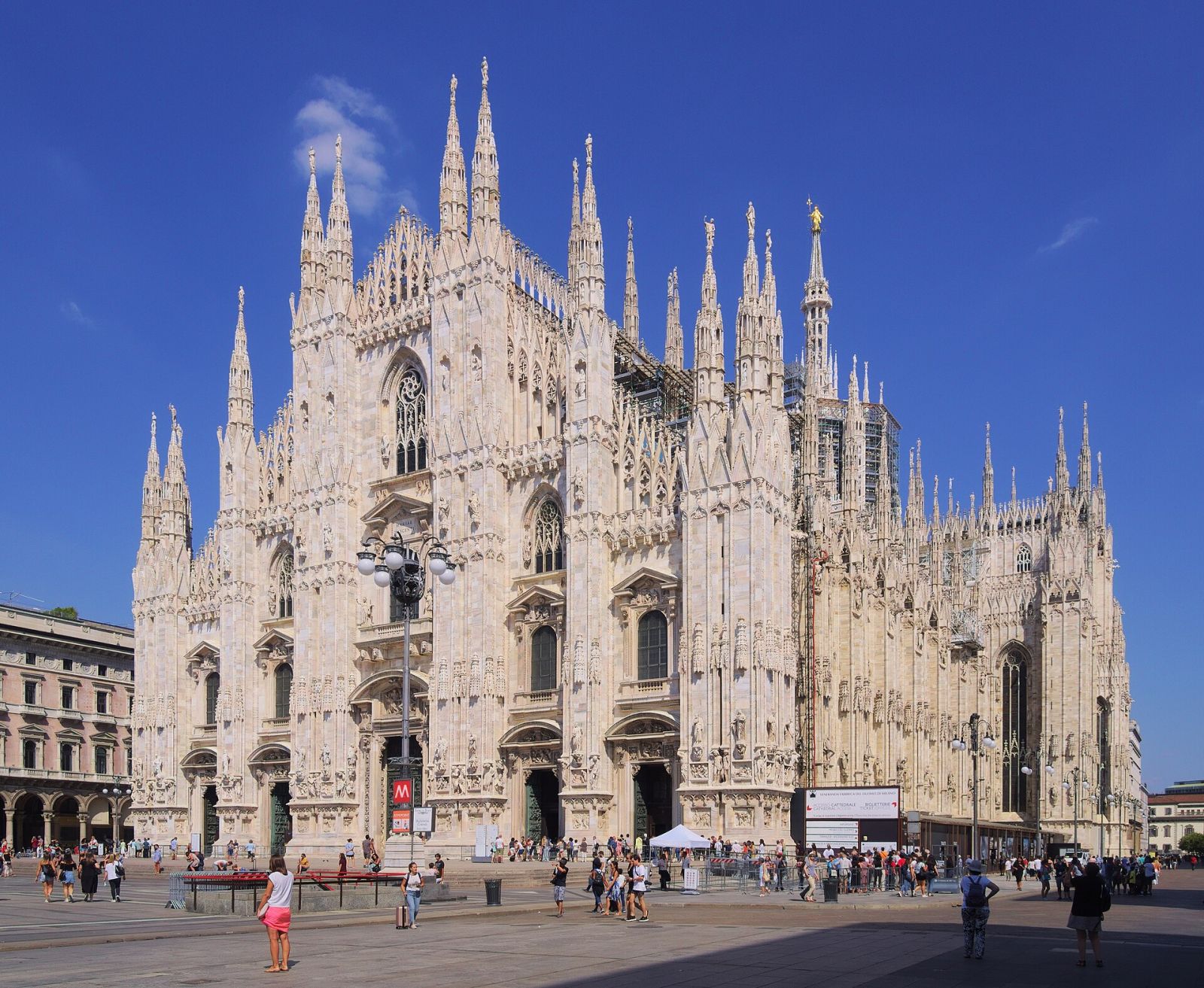
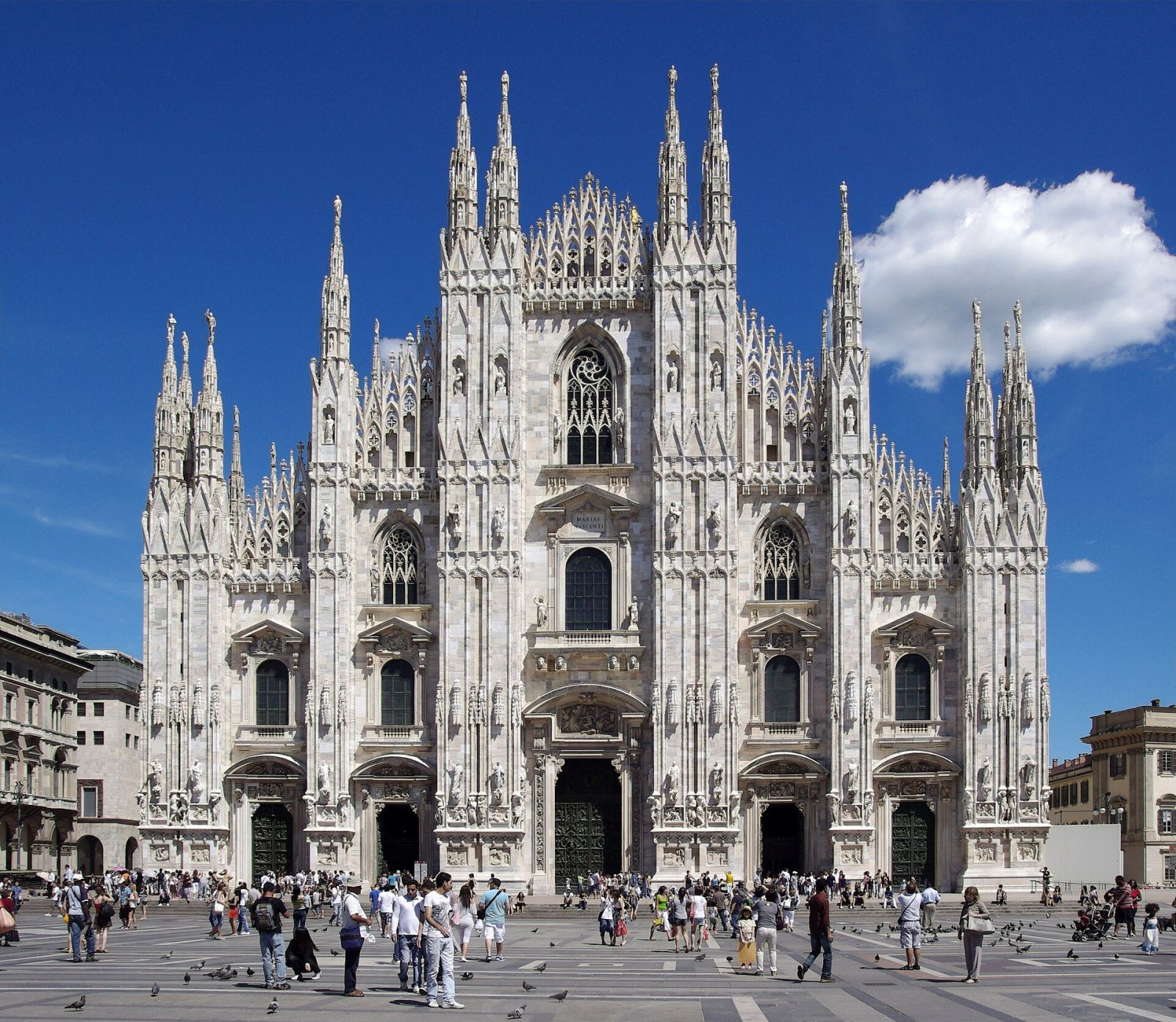
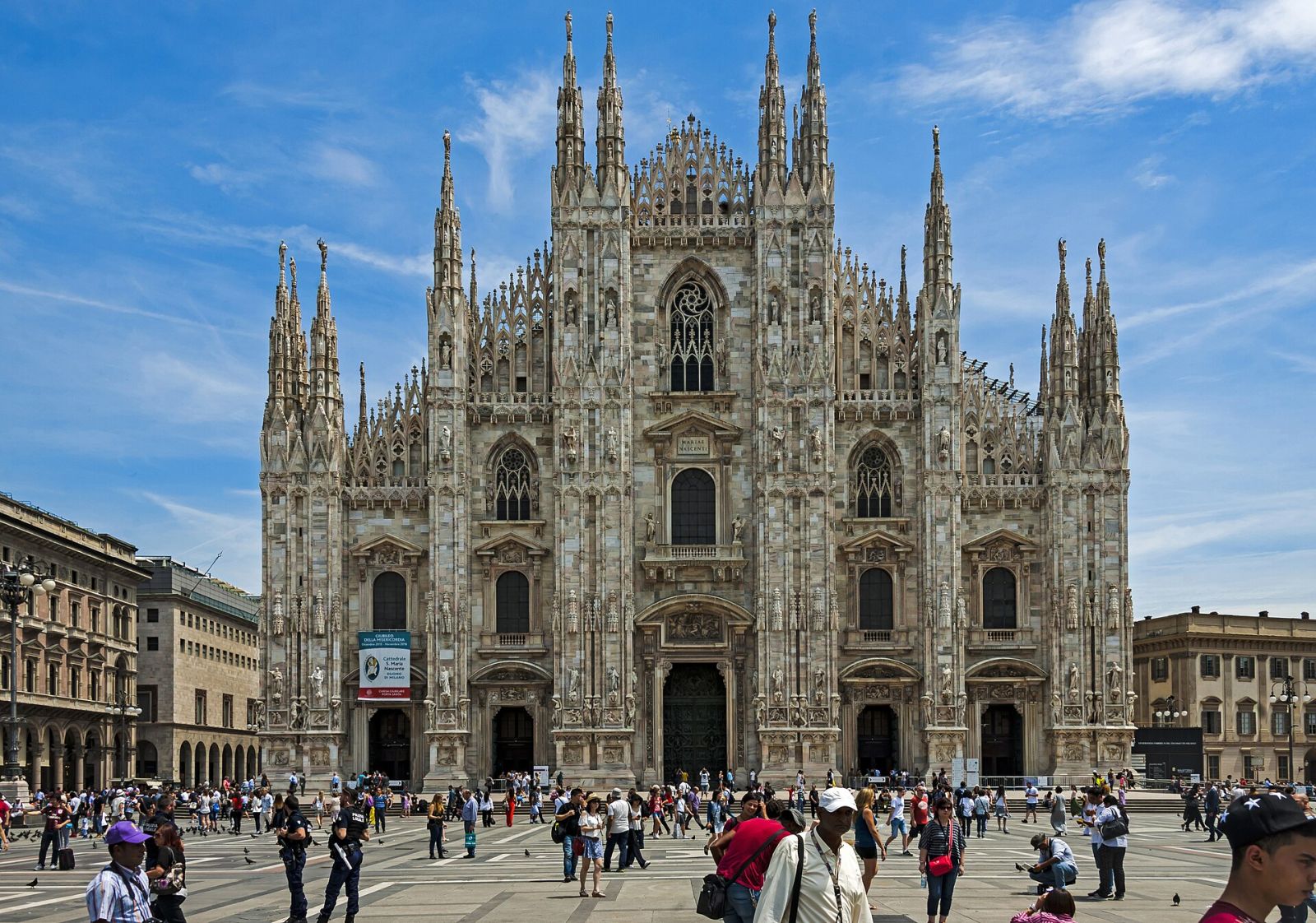
Milan Cathedral, the Duomo, is the main reason to come. It is one of the largest Gothic churches in the world, built over almost six centuries, its facade covered entirely in spires, statues and lacework marble. Inside it is dark and solemn, but the real treat is up top. You can climb onto the cathedral roof, and that is where the thing worth buying a ticket for hides.
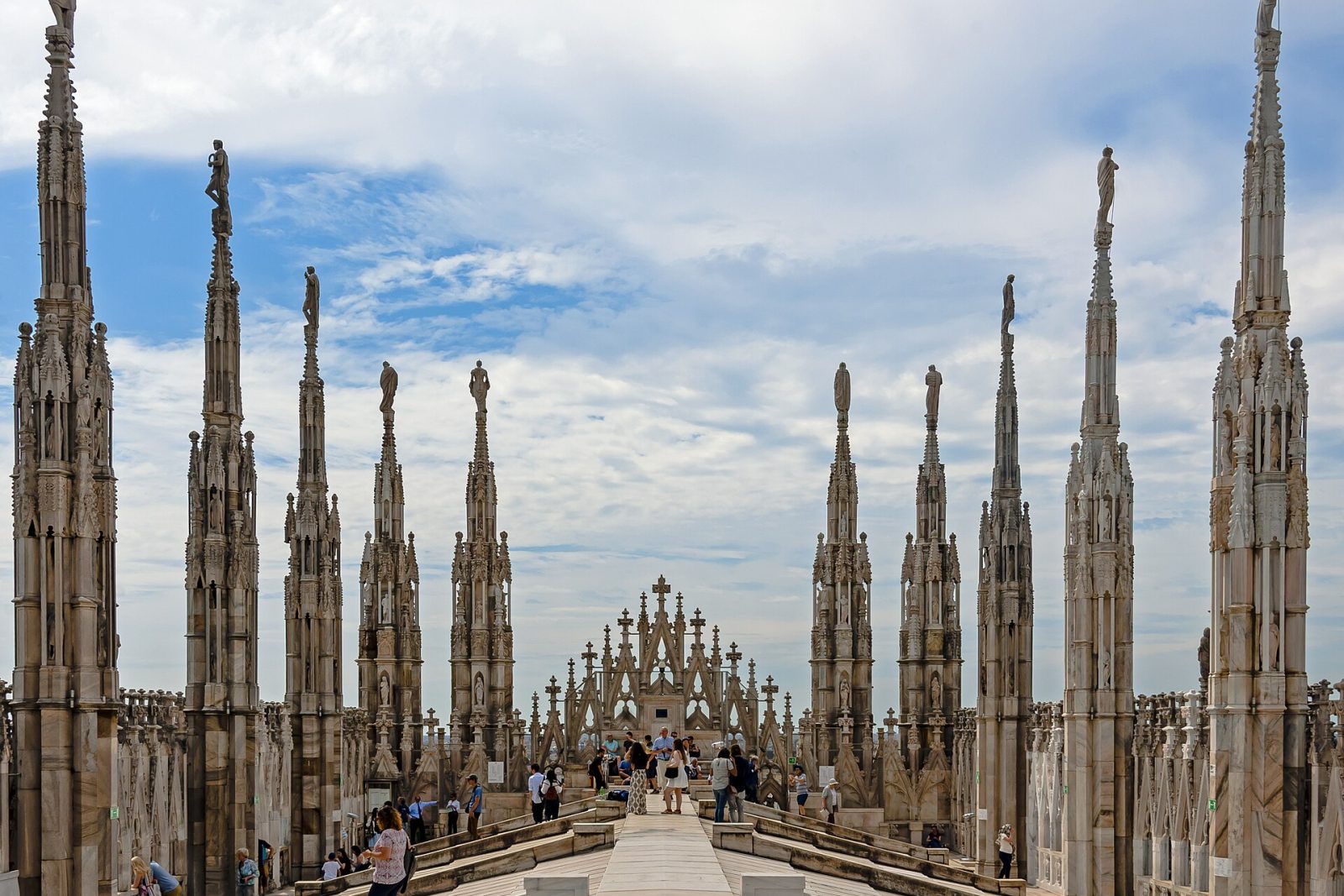
The roof terraces are a walk through a forest of spires, right among the stone sculptures, with the city spread out below. On a clear day the Alps appear on the horizon. Stairs or a lift take you up, and the lift ticket costs more but spares your legs. The key tip: buy online in advance and, if you can, with rooftop access included, because on-site queues for the cathedral get long and the church itself requires covered shoulders and knees. Prices and hours change every season, so check the current details before you go.
Galleria Vittorio Emanuele II: the world's prettiest shopping arcade
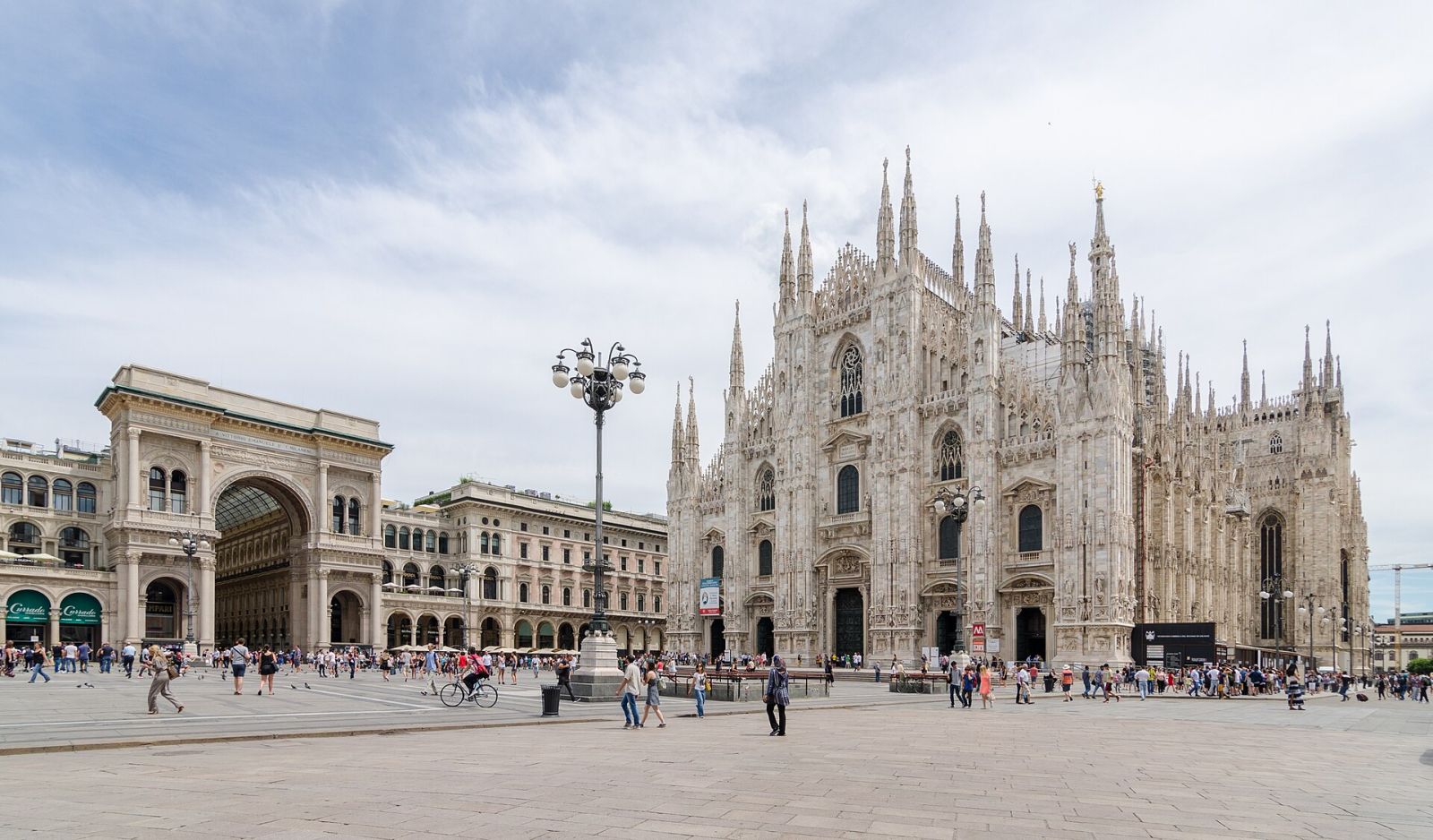
Just off the cathedral square stands the glass Galleria Vittorio Emanuele II, and you cannot miss it. It is a 19th-century covered arcade with a mosaic floor, elegant shopfronts and an enormous glass dome over the crossing. Formally it is a shopping gallery with boutiques and cafes, in practice one of the city's signatures, where people step in simply to look up.
There is a local ritual here. Set into the floor beneath the dome is a mosaic of a bull, the emblem of Turin, and tradition says you place your heel on a certain spot and spin around for luck or a return to Milan. Thousands of tourists have worn that spot into a dent, so it is easy to find. You do not need to spend anything in the boutiques: the gallery links the cathedral square to the La Scala opera house, so you will pass through it on your way anyway.
La Scala: a legend that is plainer inside than you expect
A few steps from the gallery sits La Scala, one of the most famous opera houses on earth. From outside the building is restrained, almost anonymous, and tourists often walk past without recognising it. All the splendour is inside: a tiered red-and-gold auditorium that has hosted premieres by Verdi and Puccini.
You can see the theatre two ways. The first is a ticket to a performance, and here it pays to plan ahead, because the good seats sell out. The second is the theatre museum, which gives access to the boxes and a view of the hall itself when no rehearsal is on. If you are not an opera devotee, the museum is plenty to feel the scale. Fans, though, should chase tickets early, just like for the Last Supper.
Leonardo's Last Supper: the one thing booked a month out
Leonardo da Vinci's Last Supper is the reason people plan a Milan trip with a calendar in hand. The fresco covers a wall in the refectory of the Santa Maria delle Grazie church, and you cannot simply turn up. Visitors enter in small groups for 15 minutes on a fixed slot, so humidity can be controlled to protect the fragile painting.
The consequence is simple: tickets for the coming weeks are snapped up almost the moment sales open. Plan a month or two ahead, and earlier in peak season. If official tickets are gone, guided tours with the entry included remain, though they cost more. Missing the Last Supper is not fatal, the city has plenty to see without it, but if you are even considering it, buy that ticket first, before the hotel. Check the current sales schedule before you travel.
Sforza Castle and Sempione Park
Sforza Castle is a massive brick fortress with battlemented walls and towers, once the residence of Milan's dukes. Today it holds several museums, including Michelangelo's unfinished Rondanini Pietà, his final work. Even without museum tickets it is worth stepping into the inner courtyards, which are open and free, and the architecture alone impresses.
Behind the castle begins Sempione Park, the largest green space in the centre. It is a handy place to catch your breath between walks: lawns, a pond, paths and the Arch of Peace at the far end. In warm weather it fills with locals, and this is where you see the easygoing, everyday Milan rather than only its dressed-up shopfronts.
Navigli: canals, aperitivo and the evening city
Once it gets dark, most of the interest shifts to the Navigli district in the southwest of the centre. These are old navigable canals that once linked Milan to rivers and lakes, and today bars, osterias and galleries line their banks. By day it is quiet and photogenic, by night crowded and loud.
Navigli is the heart of the Milanese aperitivo tradition. The deal works like this: you order one drink at a fixed price, and a free buffet of snacks comes with it, sometimes filling enough to replace dinner. It usually kicks off around seven. It is both a local ritual and a practical way to eat well for little. Once a month a large vintage and antiques market unfolds along the canals, and those dates are also worth checking before your trip.
Shopping: the Quadrilatero and cheaper options
Any talk of what to see in Milan is incomplete without shopping, because fashion is part of the city's character. The main address is the Quadrilatero della Moda, a rectangle of four streets around Via Montenapoleone. Here you find the flagship boutiques of every big house, the prices to match, but even if you buy nothing the windows and the crowd are a show in themselves.
For actual purchases there are more affordable spots. Here is a quick orientation.
| Area | What it is | Who it suits |
|---|---|---|
| Quadrilatero (Montenapoleone) | Luxury, flagship boutiques | Glamour and windows, even without buying |
| Corso Buenos Aires | A long street of high-street and chain stores | Practical shopping at normal prices |
| Corso Como, Tortona district | Design, concept stores, young brands | Anyone after something unusual |
| Outlets outside town | Brand discounts beyond Milan | Price hunters with time for a day trip |
How to get around the city?
The historic centre is compact, and you can walk from the Duomo to Sforza Castle in about twenty minutes. But Milan is bigger than it looks, so for Navigli, the Last Supper or the station the metro is the easy choice. The network is simple, four main lines in different colours, and a 90-minute ticket covers the metro plus trams and buses.
A few practical notes. Validate your ticket as you enter, because checks do happen and fines sting. The trams are more than transport here, they are atmosphere: old wooden carriages still run through the centre and count as a small sight in themselves. And separate trains and buses run to Malpensa and Linate airports, so build transfer time into your plan ahead of departure.
When to go?
Milan rewards a visit year-round, but the season shapes the experience. Summer can be hot and muggy, and in August the city partly empties as Milanese leave on holiday and many places shut. The most comfortable windows are spring and early autumn.
| Season | Weather and mood | Who it suits |
|---|---|---|
| April, May | Mild, green, the city busy | The best balance for walking |
| June, July | Warm, at times hot, plenty of tourists | Those who want heat and don't mind crowds |
| August | Heat, many places closed | More a stopover than a destination |
| September, October | Comfortable, fewer people, events and shows | Those who want the city in full swing |
A word on fashion. Twice a year the city hosts Fashion Week, and in autumn a large furniture fair as well. On those days Milan runs at peak energy, but hotels get pricey and rooms are scarce. Check the exact dates before you travel, whether you want to catch them or steer clear.
The honest downside: what to expect from Milan
To keep expectations in check, accept one thing up front. Milan is not postcard-pretty the way Venice or Florence are. There is less wall-to-wall antiquity and more of a modern working city: offices, traffic, the ordinary life of a large metropolis. Anyone coming for an unbroken Renaissance mood may feel a mild letdown.
It is better to look at Milan from another angle. This is a city of one grand cathedral, good food, lively canal evenings and a convenient hub from which an hour or two by train reaches Lake Como, Lake Maggiore or other Italian cities. Framed that way, a couple of days here will almost certainly leave a good impression rather than a sense that you missed something.