If you want national parks of Europe you can reach in half a day from a major city without the view letting you down, here are five reliable ones: Plitvice Lakes, the Dolomites, Triglav, Saxon Switzerland and Ordesa. They share one thing: world-class scenery paired with sane logistics, an airport or a rail line nearby rather than a two-day drive each way. Below is the practical detail on each: what makes it special, when to go, how to get there, roughly what entry costs, and the honest downside. Because no park is perfect, and the glossy round-ups tend to skip that part.
A quick note on money first. Entry fees, shuttles and parking in nature parks change almost every year, often by season on top of that. So the figures below are approximate ranges, and you should check them on the park's official site before you set off. This is not a formality: on Plitvice alone, the gap between low and high season runs into several times the price.
Quick comparison: which one fits your trip
If you have no time for the full text, here is the table. Each entry is expanded further down.
| Park | Country | What makes it special | Best season | Entry (approx.) |
|---|---|---|---|---|
| Plitvice Lakes | Croatia | 16 turquoise lakes in terraces, linked by waterfalls | May, September, October | Around 10 to 40 EUR depending on season |
| Dolomites | Italy | Pale limestone peaks, a UNESCO site | June-September (hiking), winter (ski) | Massif is free, cable cars and parking cost |
| Triglav | Slovenia | The country's only national park, Lake Bohinj and the Soca valley | June-October | Free to enter, some sites (Vintgar) ticketed |
| Saxon Switzerland | Germany | Sandstone rock pillars above the Elbe, the Bastei bridge | April-June, September-October | Park is free, you pay for parking and the fortress |
| Ordesa | Spain | Pyrenean canyons and waterfalls, Monte Perdido peak | Late May-October | Free to enter, a paid shuttle is mandatory in peak |
Plitvice Lakes, Croatia
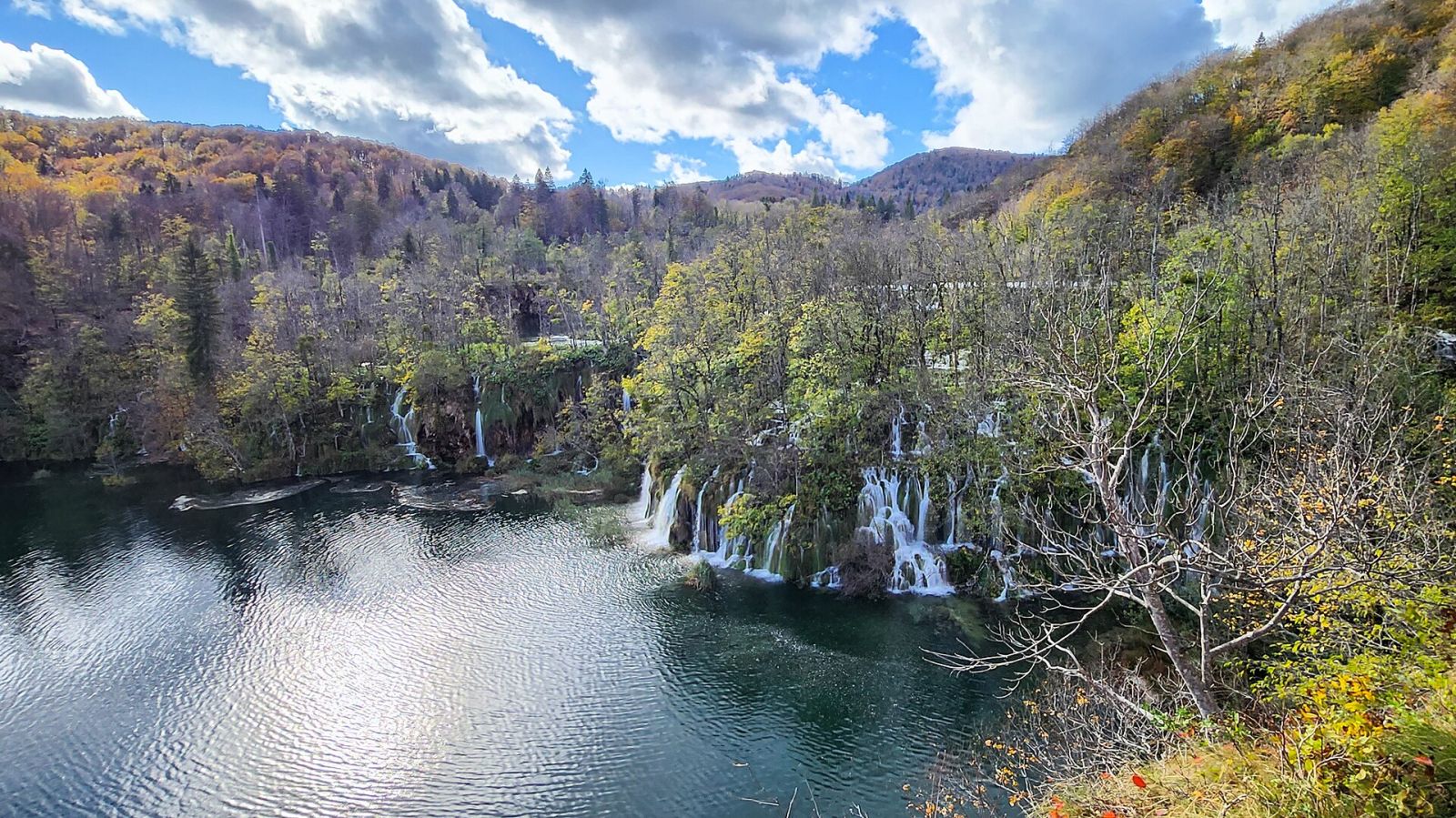
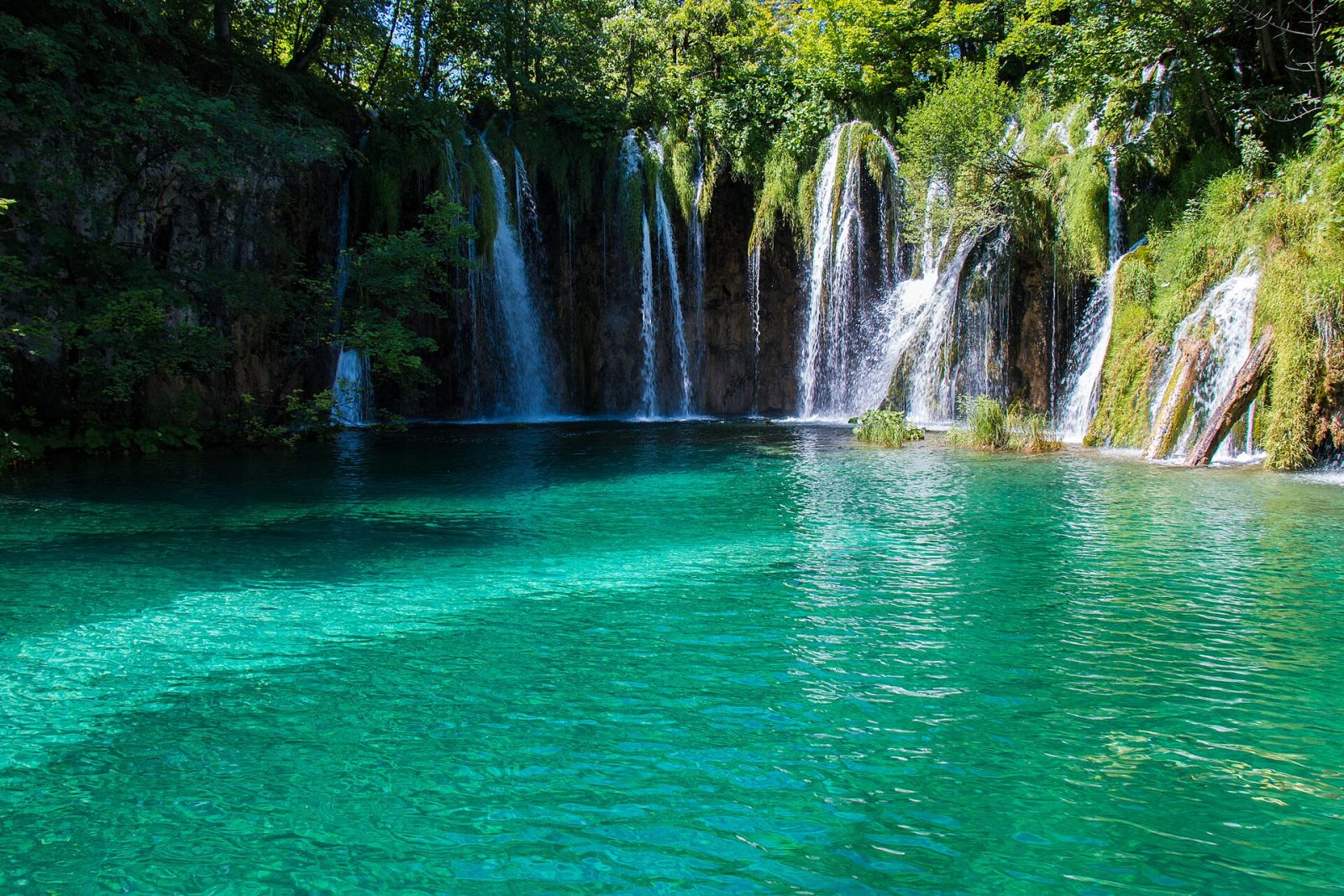
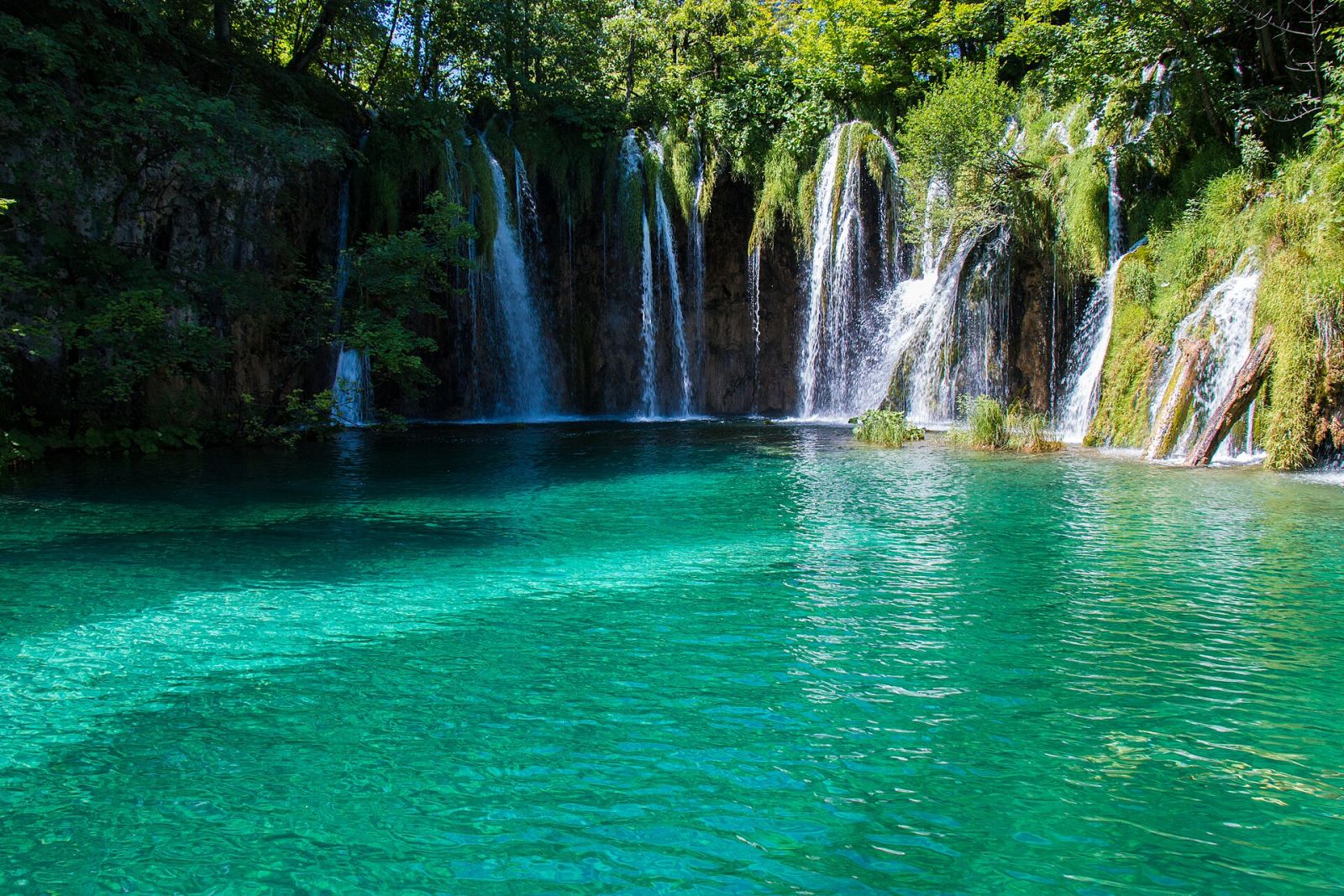
This is the postcard people are actually after when they search for national parks of Europe: sixteen lakes cascading one into the next in terraces, joined by hundreds of waterfalls, with water an unnatural, almost swimming-pool turquoise. The secret is travertine, limestone building up on the lakebed and tinting the water. The park is a UNESCO site, and the route runs on wooden boardwalks laid right over the water.
When to go: late spring or early autumn. In May the lakes are full after the snowmelt; October adds a golden forest. Getting there: easiest from Zagreb, about a two-hour drive or bus, and from the coast people come up from Zadar or Split. Entry is ticketed and swings hard with the season, with summer costing noticeably more than winter.
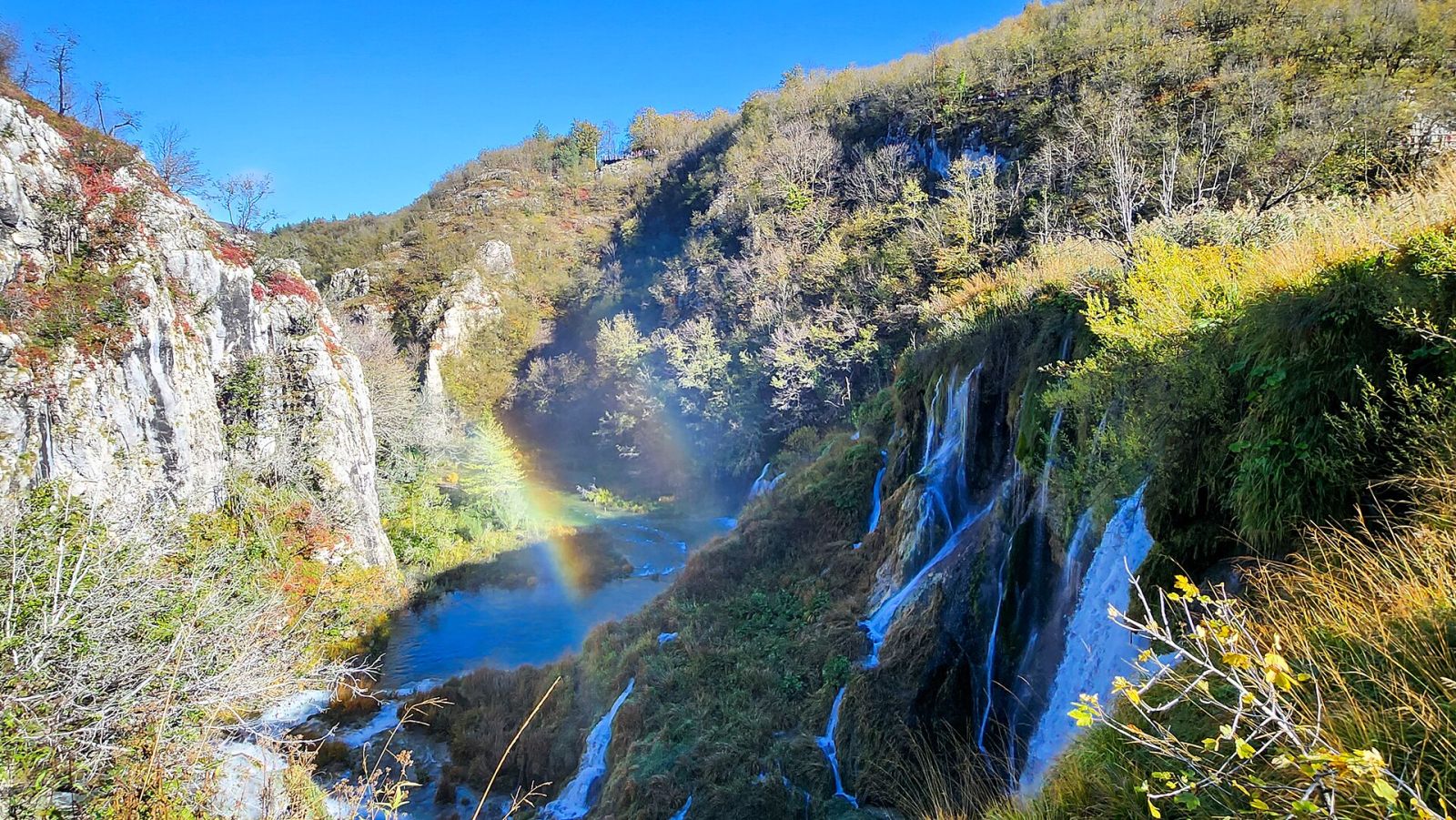
The honest downside: crowds. In July and August the boardwalks are packed solid, people move in a single slow stream, and there is barely anywhere to stop for a photo. The park now sells timed entry slots, so buy online in advance. Arriving at opening, around eight in the morning, helps more than anything else.
The Dolomites, Italy
The Dolomites are not one park but a whole mountain system in northern Italy, with several nature parks inside it and UNESCO status. They are easy to recognise: pale, almost white limestone walls that flush pink at sunset. Locals call the effect enrosadira. Here you get the Tre Cime spires, the emerald Lake Braies, and dozens of routes running from a family stroll to a serious via ferrata.
When to go: June to September for hiking, once the passes are open and the snow has gone, or winter for skiing, as this is one of Europe's largest ski regions. Getting there: the nearest airports are Venice, Treviso and Bolzano, then a car, because mountain public transport is sparse. Entering the massif itself is free; you pay for cable cars, parking near the popular spots, and the toll road up to Tre Cime.
The honest downside: fame backfired. Lake Braies and Tre Cime turn into a conveyor belt in summer, car parks fill by nine, and some roads close to private cars altogether at peak times. Second point: mountain weather flips within an hour, and a clear morning can easily end in an afternoon thunderstorm.
Triglav, Slovenia
Slovenia's only national park, named after the country's highest mountain (2,864 metres). It packs in a surprising amount: the glacial Lake Bohinj, the Soca river in a green you have to see to believe, the narrow Vintgar Gorge with its walkway over the current, and the Savica waterfall. And it is compact, so in one day you can genuinely see several completely different landscapes.
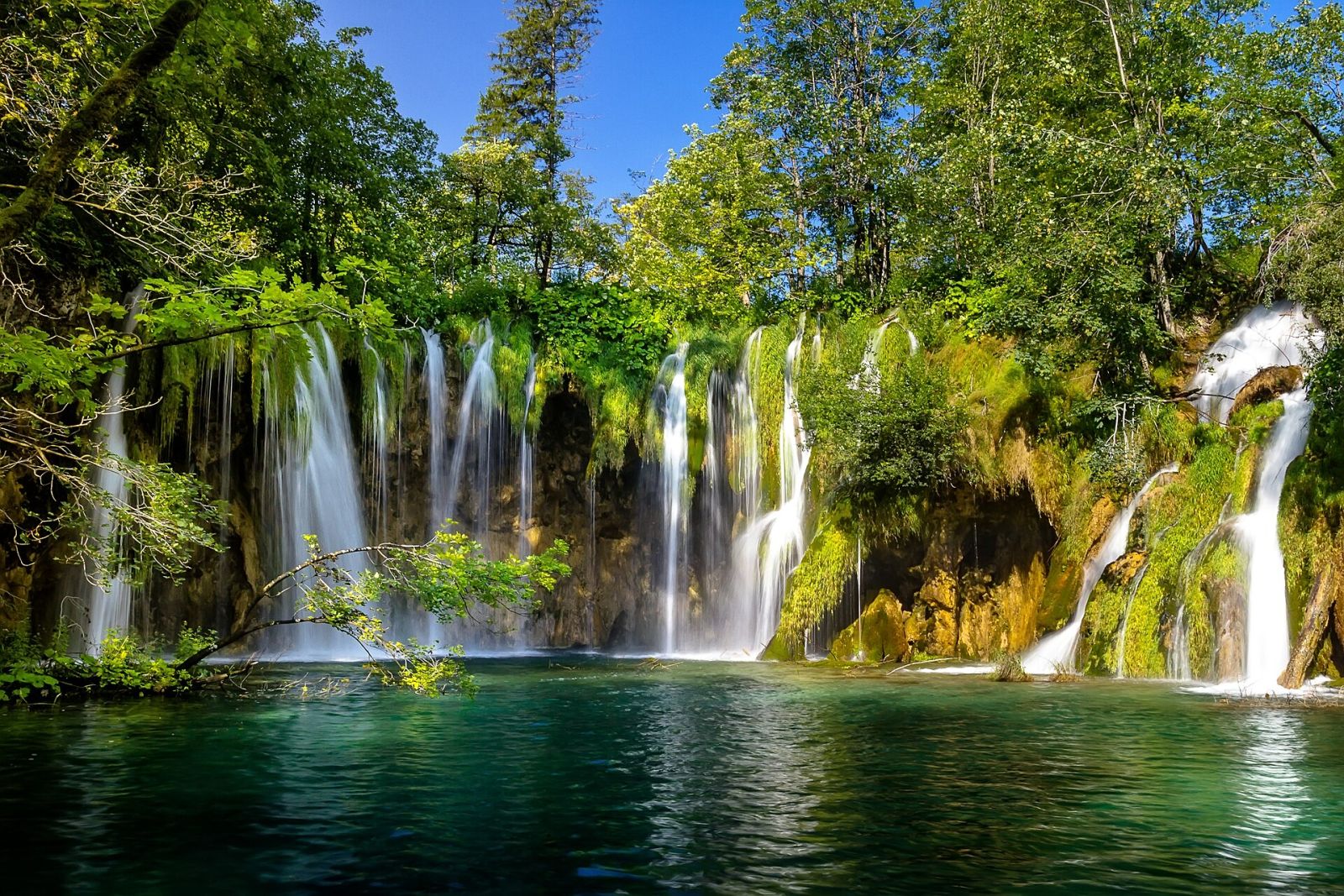
When to go: June to October. In summer every trail is open and people swim in Bohinj; September brings fewer crowds while the water is still warm. Getting there: base yourself in Bled or Ljubljana, half an hour to an hour by car from the lakes and gorges. Entering the park is free, but individual sites like Vintgar Gorge charge admission and also run on timed slots in season.
The honest downside: nearby Bled, which everyone mentions in the same breath as Triglav, is overloaded in summer, and lakeside parking is pricey and forever full. Vintgar itself needs booking ahead at peak, or you risk arriving to a closed gate.
Saxon Switzerland, Germany
The name is misleading, because there is no Switzerland here at all. This is a sandstone highland above the Elbe near Dresden, where wind and water spent millions of years carving a forest of stone pillars, towers and ravines out of the soft rock. The signature viewpoint, the Bastei bridge, is strung across the cliffs more than two hundred metres above the river. The place has been iconic since the Romantics; Caspar David Friedrich painted it.
When to go: spring and golden autumn. Summer is green but busy, and in winter some trails are slippery. Getting there: this is the easiest entry on the list, with an S-Bahn commuter train from Dresden taking roughly forty minutes, then on foot or across the Elbe by ferry. Walking the park and the Bastei bridge itself are free; you pay at most for car parking and for entry to the Konigstein cliff fortress.
The honest downside: everyone knows the Bastei, and on a fine weekend the viewing bridge gets rush-hour-subway crowded. An early start or a weekday fixes it. One more thing: to see the pillars from more than above, you do have to walk the trails, since the best angles open up from below, inside the ravines.
Ordesa y Monte Perdido, Spain
The least hyped park on the list and, for many people, the most underrated. This is the Spanish Pyrenees on the French border: deep canyons with sheer walls, cascades of waterfalls along the trail, and the Monte Perdido massif rising above 3,300 metres. Also a UNESCO site. The classic walk up the Ordesa valley to the Soaso cirque, ending at the Cola de Caballo (Horsetail) waterfall, delivers the full set of scenery with no mountaineering skills required.
When to go: late May to October, while the passes are snow-free. In October the beech forest on the slopes turns copper-red, which is a reason in itself. Getting there: the nearest big airports are Zaragoza, Huesca and Toulouse in France, and the base village for the approach is Torla. Entering is free, but in high season private cars are barred from the valley and a mandatory paid shuttle runs from Torla for a few euros.
The honest downside: that shuttle. At peak there is no other way in, and the spaces at the station car park run out fast too. And the weather: the Pyrenees catch cloud off the Atlantic, so fog and rain are not rare even in summer, and an umbrella or rain jacket in the pack is non-negotiable.
What to sort out before visiting any of them
A few things apply equally to all five. First, footwear: everywhere except perhaps the Bastei viewing bridge, you face uneven trails, wet boardwalks or loose stone, and shoes with a proper sole save both your knees and your mood. Second, mornings: every park here looks completely different at eight or nine than it does at midday when the coaches roll in. Third, money: entry, shuttles and parking creep up in price and change their rules from time to time, so check the current figures and timetables on the park's official site before you leave.
One last practical point. Do not try to cram several parks into one short trip just to tick them off. Plitvice, Triglav and the Dolomites sit relatively close and, in theory, line up into a single route, but each of these places deserves at least a full day rather than two hours between transfers. One park done calmly leaves you with more than five rushed through at a gallop.