Vylkove is a small town at the very southern tip of Ukraine's Odesa region, where canals replace half the streets and many yards are still easier to reach by boat than on foot. That is why people call it the Ukrainian Venice, and the comparison is not much of a stretch: here water is not decoration but a way of life. The town sits in the Danube Delta, a few kilometres from the point where the river finally gives up its water to the Black Sea, and this exact border between land and water shapes everything, from the layout of the blocks to how people make a living.
Let's be honest up front, so expectations stay realistic. This is not a glossy Venice with palaces and gondolas, but a quiet fishing town with wooden walkways, a boat by every gate and the distinctive character of an Old Believer community. People come here not for architecture but for the end-of-the-world atmosphere, for canal walks, Danube fish and the trip out to the zero kilometre of the Danube and the endless marshes.
Why is it the "Ukrainian Venice"?
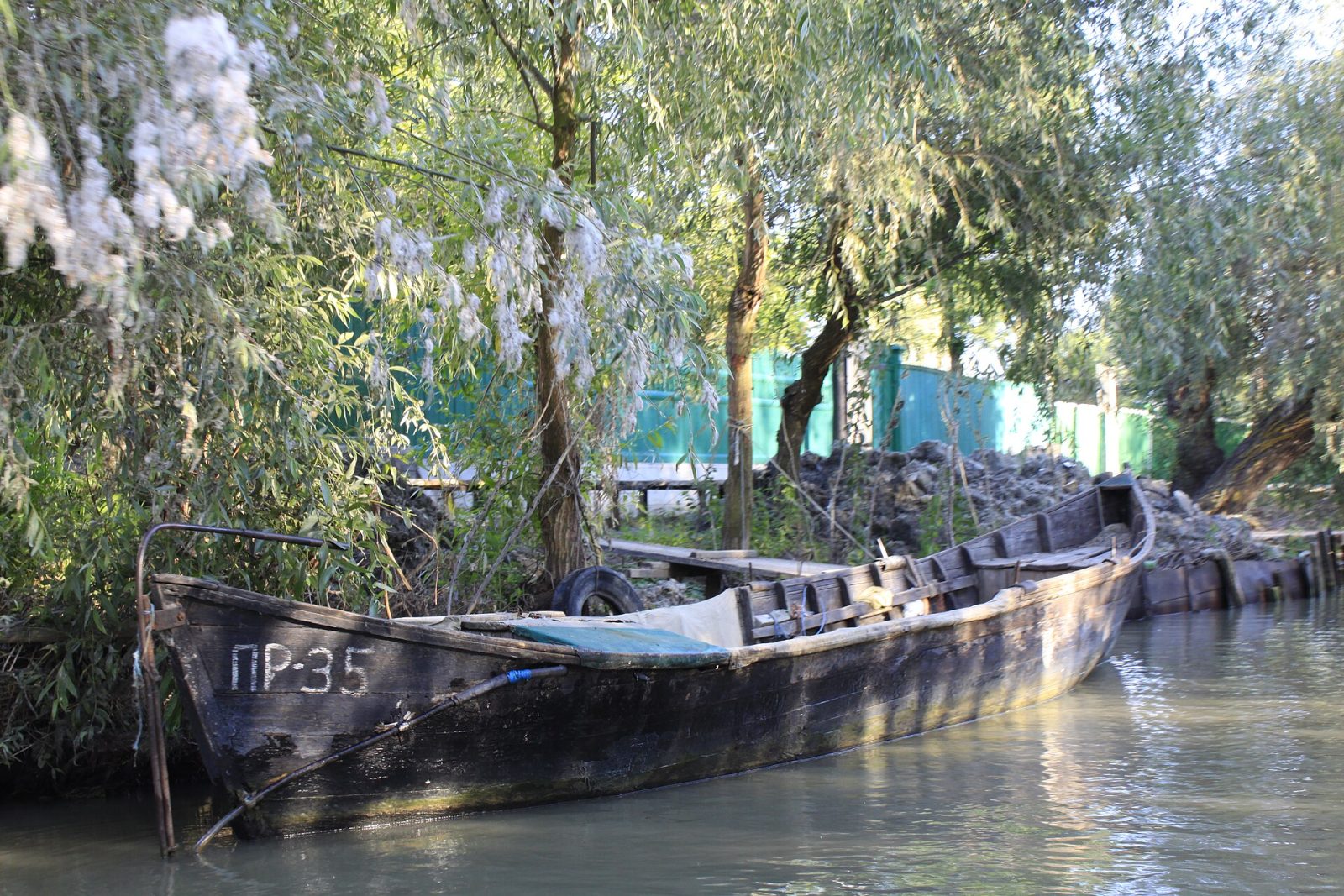
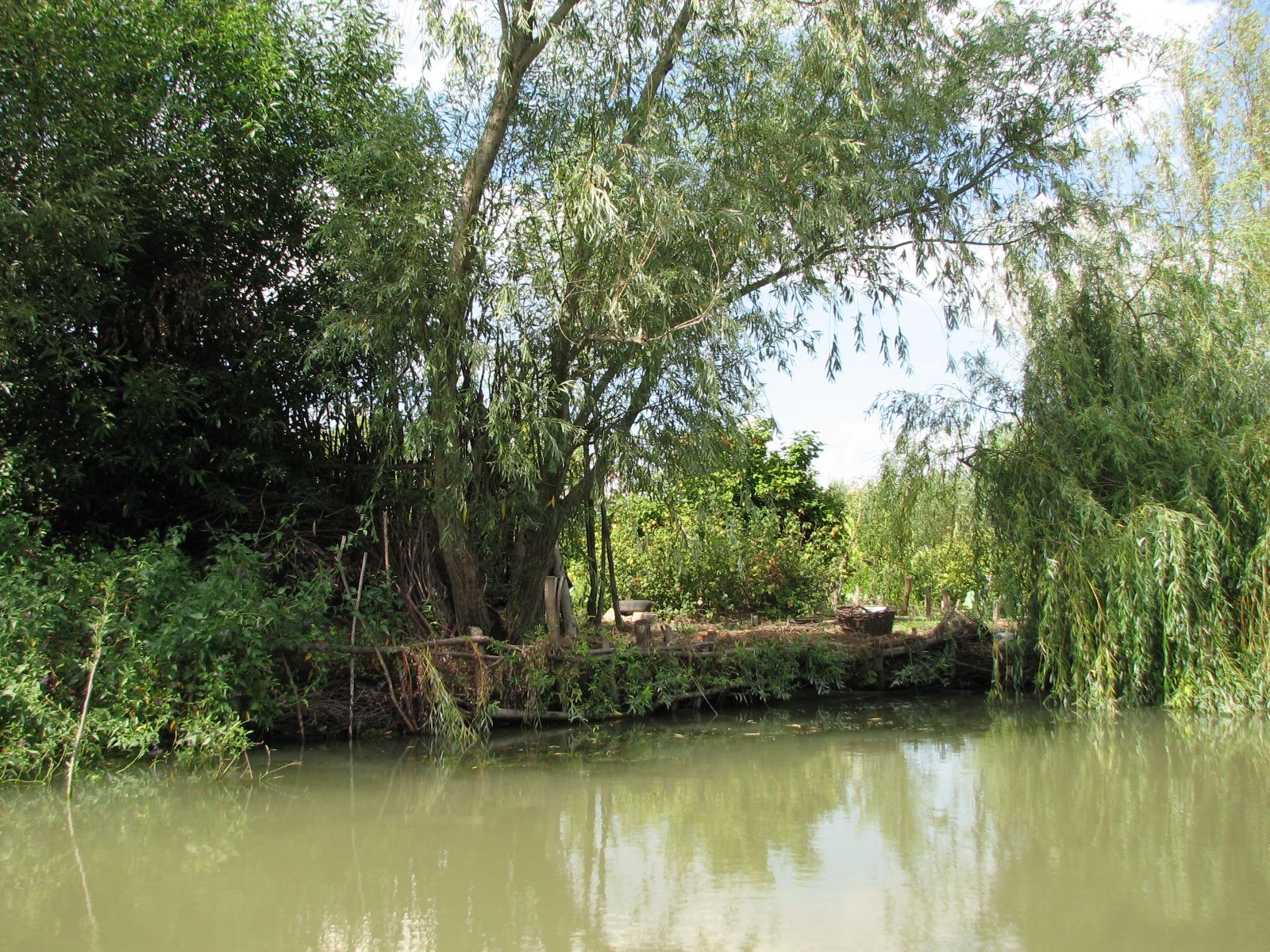
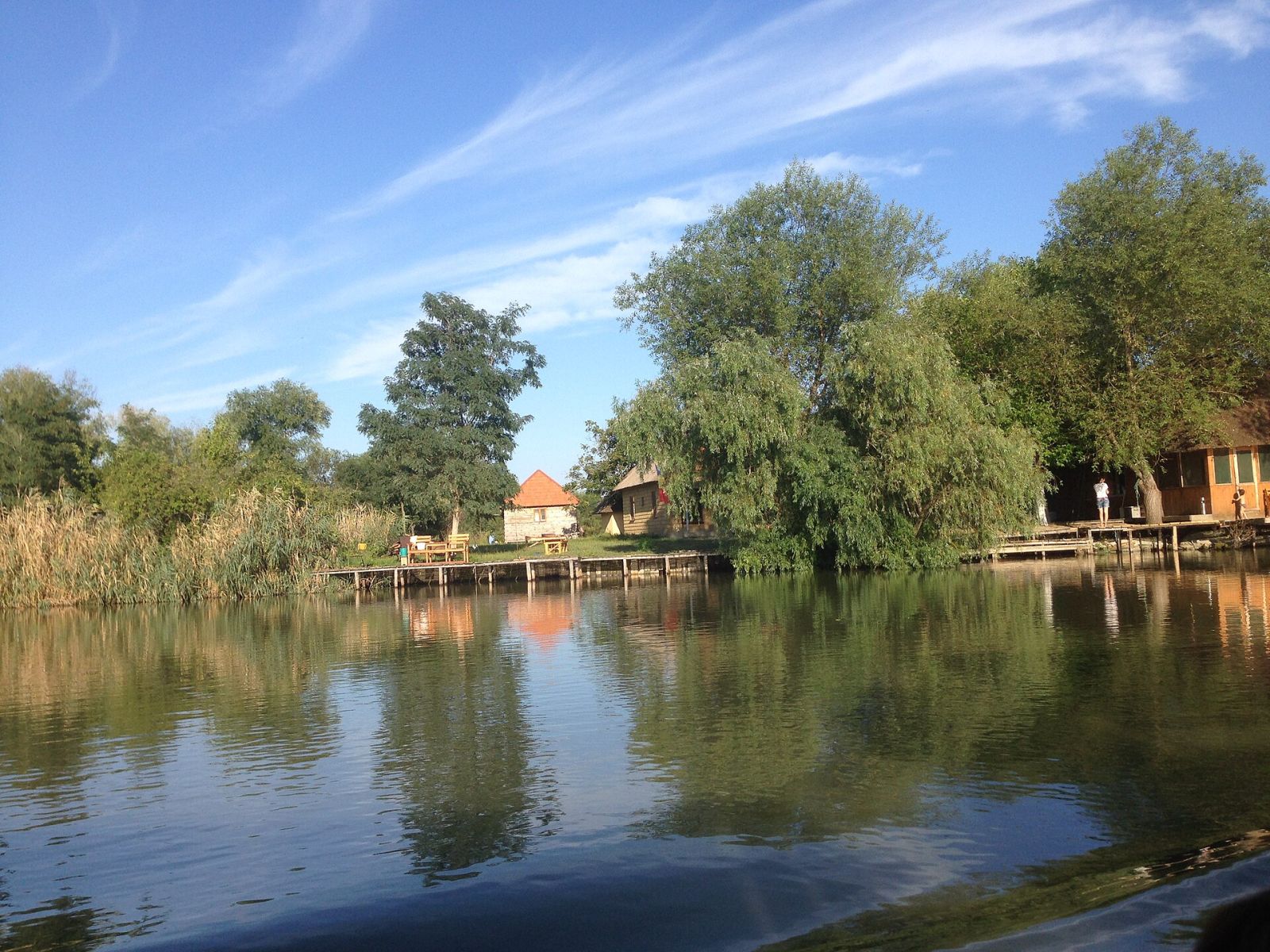
Vylkove was built on marshy islands in the delta, where firm ground barely existed. To live on this water at all, people did what has been done for centuries in places like this: they dug canals and used the excavated soil and silt to raise plots for gardens and houses. These canals are called yeryky, and for a long time they, not asphalt, were the town's main "streets". Wooden footbridges run along the yeryky, small bridges cross the water, and part of old Vylkove really does feel like a maze of water and planks.
Today the town does have proper car streets, and you can live here perfectly well "on dry land". But the old part keeps the same logic: a canal, a walkway alongside it, a fence behind the walkway, and behind the fence a yard with a boat moored to it. The local flat-bottomed boat is as ordinary a thing here as a bicycle in a yard somewhere else. It is precisely this mix of canals, walkways and boats that earned Vylkove the nickname now drawing travellers in.
The zero kilometre of the Danube: what it means
The main out-of-town draw is the so-called zero kilometre of the Danube. The Danube, Europe's second longest river, passes through a dozen countries and ends its journey right here, in the delta on the border between Ukraine and Romania. The notional point where the river finally enters the Black Sea is marked as the zero mark of the shipping route. You reach it by boat or launch through the Bystre channel, and the trip along the canals and the river mouth often impresses more than the marker on the water itself.
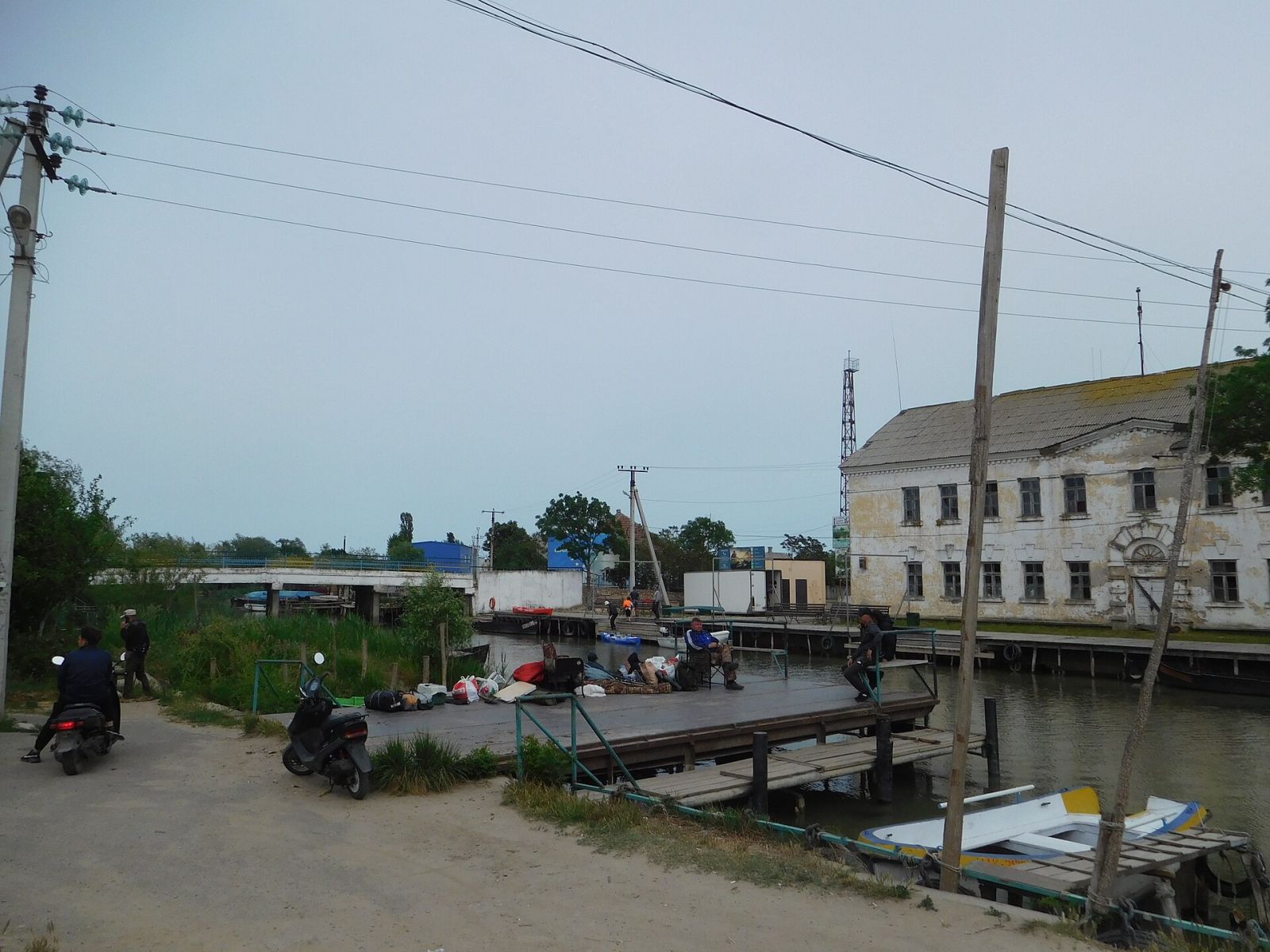
Along the way you see what makes it worth setting aside a few hours: reed walls taller than a person, herons and cormorants on driftwood, fishermen's cabins on stilts, and beyond that a broad sheet of water that quietly merges into the sea. At the mouth you can often spot the line where cloudy river water meets clearer sea water. This is not an attraction with handrails but a living delta, so mosquitoes, wind and rough edges come with it, and that is part of the experience rather than a glitch.
The Danube marshes: a reserve, not just a swamp
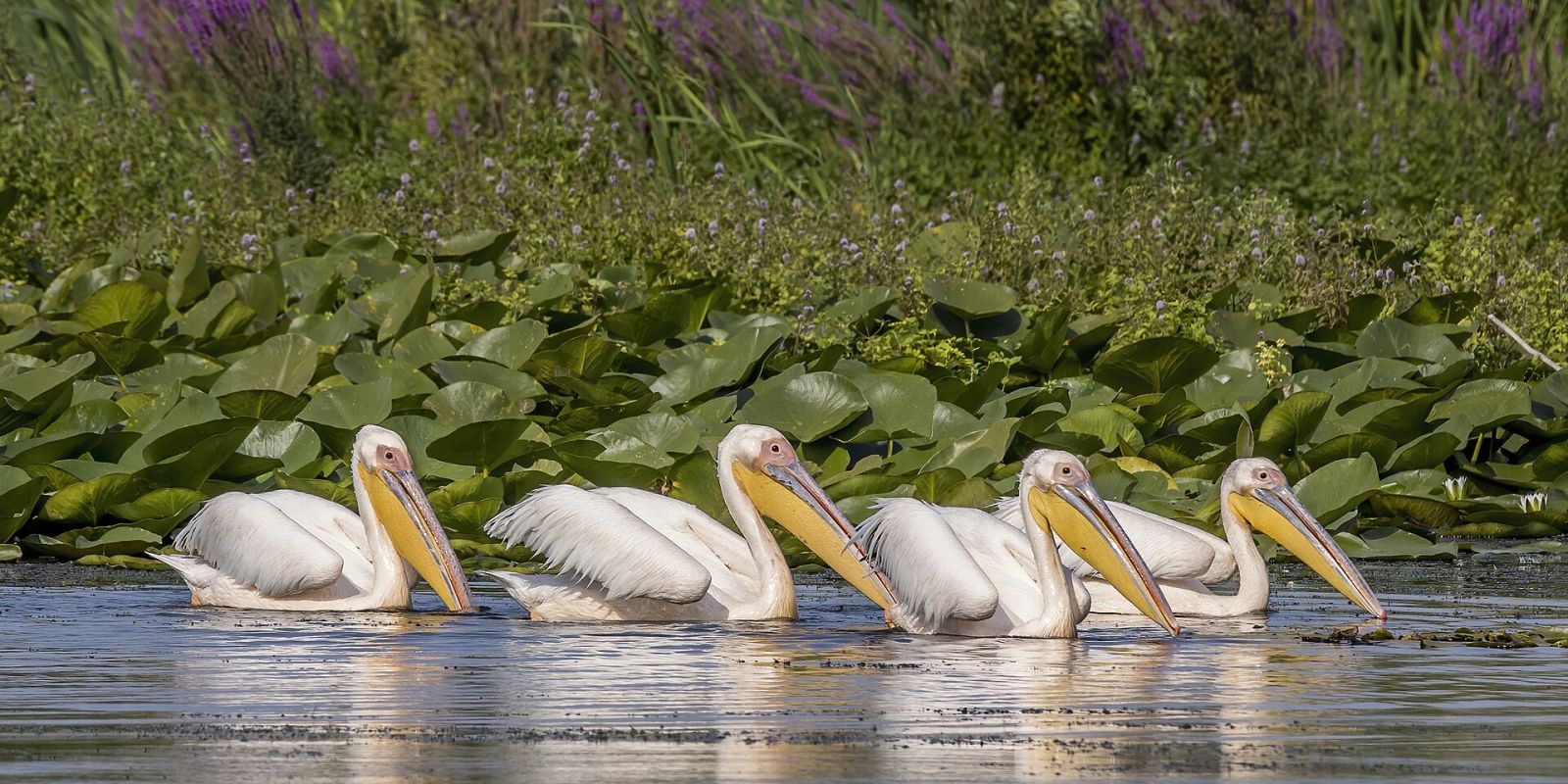
All of this territory has a status worth understanding in advance. The Danube Delta within Ukraine is the Danube Marshes biosphere reserve, one of Europe's most valuable wetland ecosystems and part of a large cross-border reserve shared with the Romanian side. Hundreds of bird species nest and winter here, and for birdwatchers the place is almost legendary: pelicans, herons, eagles, colonies of cormorants, and in spring and autumn the migrating flocks passing through.
The practical takeaway is simple. The marshes are not ownerless nature where you can wander off wherever you like in your own boat with rods and a tent. A large part of the water area is under reserve rules with restrictions, and tourist routes run along agreed corridors, usually with local boatmen. So the smartest way to see the delta is not going it alone but taking a trip with someone who knows where you can and cannot go and will not disturb the bird colonies.
Who are the Lipovans
A special part of Vylkove's character is its community. The town was founded mostly by Lipovans, Russian Old Believers who fled persecution after the church schism of the 17th century and settled in remote, hard-to-reach places. The Danube Delta was exactly that: marsh, water, the edge of an empire that outside hands were in no hurry to reach. Here they took root, living off fish and whatever they could grow on their raised garden plots.
The trace of that history is still tangible. Old Believer traditions, distinctive surnames, old rituals, a special relationship with fish and crafts, all of it shapes the singular atmosphere that pulls people here as much as the canals do. There is no need to turn locals into a museum exhibit or push a camera into their yards, but the simple fact that this is a living community with its own memory makes Vylkove something more than just a "town on water".
Fish, herring and the local table
People here live off fish in the literal sense, so fish rules the table too. The most famous local delicacy is Danube herring, a special migratory fish that runs from the sea up the Danube to spawn in spring. Its run is short, falling roughly in spring, and that is exactly when fresh Danube herring counts as the main culinary trophy. Alongside it, menus and local tables often feature catfish, pike-perch, carp, silver carp and other river fish in every form: fried, in soup, dried, salted.
Another local symbol is Vylkove wine. The Lipovans traditionally made homemade wine from the Novak grape, which grew well on plots raised with Danube silt. This is not an award-winning collector's drink but a homemade one, sometimes an acquired taste, yet as a piece of local colour it is well worth a tasting. The right way to buy fish and wine is not in a supermarket but from locals for whom this is a trade, not a business built on tourists.
| What to come for | What it actually is | Time to set aside |
|---|---|---|
| A walk along the yeryky canals | Old quarter with walkways, bridges, boats | 1-2 hrs on foot |
| Boat trip to the zero kilometre | The Danube mouth, reed walls, the way out to sea | 2-4 hrs |
| The Danube marshes and birds | Protected delta, colonies of herons and cormorants | half a day |
| Fish and Vylkove wine | Danube herring, fish soup, homemade Novak wine | as your appetite goes |
How do you get to Vylkove?
The main thing to grasp: Vylkove really is the edge, a dead end on the map, with nothing beyond it but water and the border. The base reference for the drive is Odesa, about 200-odd kilometres to the southwest along the coast through Tatarbunary. It makes sense to string in neighbouring spots of Bessarabia along the way, from wineries to Lake Sasyk and the coastal lagoons, because travelling this far for just a couple of hours in town is not always worth it.
| From | Distance and time | How to travel |
|---|---|---|
| Odesa | about 200-230 km, roughly 3.5-4 hours | Car via the Tatarbunary road; scheduled buses run too |
| Izmail | about 45-50 km | Nearest large town; car or bus |
| Kiliya | about 40 km | Neighbouring Danube town, a handy stopover |
Your own car is the most convenient here, because it gives you freedom to reach the surroundings and neighbouring towns. Without a car the realistic option is a scheduled bus from Odesa or Izmail, then finding your bearings on the spot. The key part, though, the boat trip, no car can replace: to see the zero kilometre and the marshes you will in any case need to arrange a launch or boat once in Vylkove, and it is better to sort this out ahead of time.
When should you go?
The best window runs from late spring to early autumn, roughly May through September. Spring is valuable for two things: the flush of green in the marshes and the Danube herring season, when the food reason overlaps with the natural one. Summer brings the most comfortable weather for boat trips and swimming nearby, though that is also when the mosquitoes are busiest. Early autumn offers softer light, fewer people and the autumn bird migration, which those who come for the delta and the photos especially value.
Winter is possible too, but then Vylkove shows a completely different side: grey skies, cold water, boat routes wound down, and more the mood of a quiet fishing region than a tourist draw. What to keep in mind all year round is the water and the mosquitoes. Repellent, covered clothing for the boat part and a hat are needed here almost always, so do not count on it "somehow working out".
A few honest caveats
Vylkove is worth the trip, but it is not a resort with a promenade and service at every step. The infrastructure here is modest: expect a small number of hotels, guesthouses and cafes, with a comfort level closer to a village than a hotel. Boat trips, prices and timetables are best agreed in advance and on the spot, because everything depends on the weather, the water and the particular boatman rather than a fixed price list, so double-check current conditions before you go.
And a final point of substance. The real value of Vylkove is not ticking off "saw the Ukrainian Venice" but feeling the particular rhythm of a place where the land ends and one of Europe's largest rivers begins. The still water in the canals, the reed walls in the delta, the fish, the wine and the memory of the Old Believer community add up to something you should come to slowly and stay for at least a night, rather than rushing through in a couple of hours.