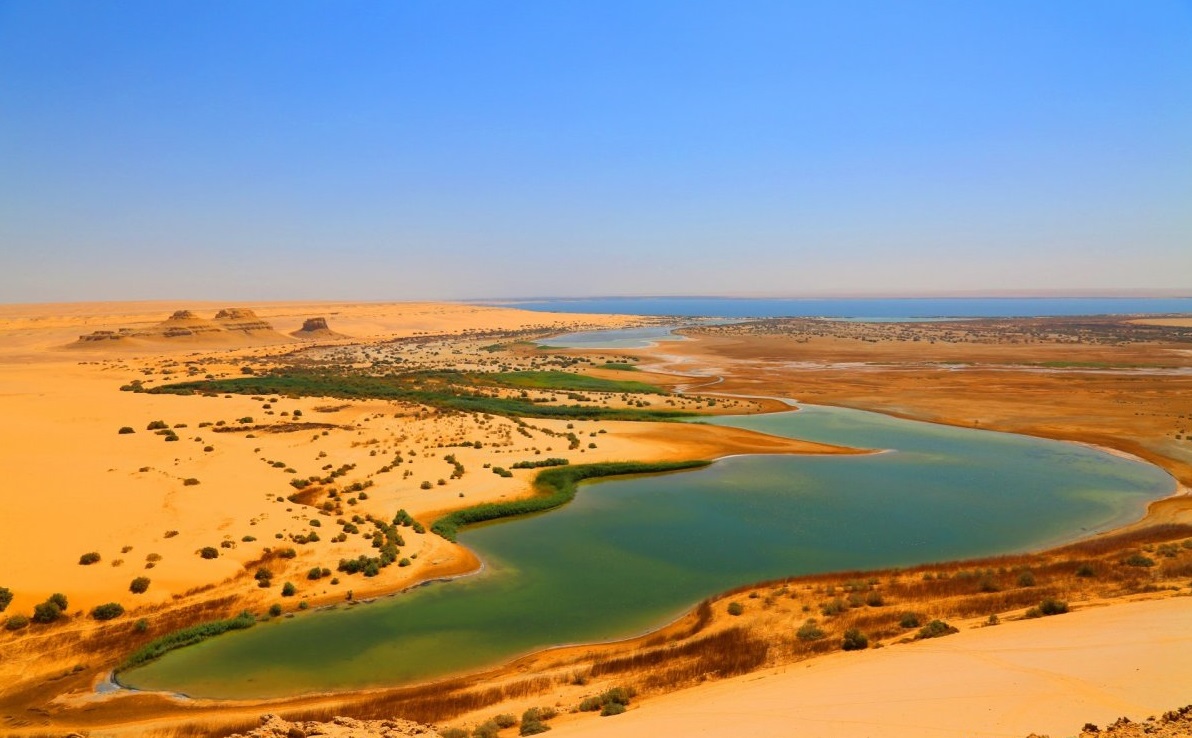


It is hard to imagine a desert oasis with an enchanting lake, cascading waterfalls and a valley of ancient whales not making it onto a destination's list of top attractions.
But in a place like Egypt, with its ancient pyramids and gorgeous beaches, the competition is understandable.
Located less than two hours' drive southwest of Cairo, the Fayoum Oasis is without a doubt one of the country's hidden treasures.
Partner links: booking through them supports the blog at no extra cost to you.
This sprawling region, made up of numerous lakes and canals, is the perfect spot for a weekend getaway or a day trip for anyone looking to escape the bustle of the city.
"Cairo is a chaotic, noisy city. The closer you get to Fayoum, the quieter and cleaner it becomes," says Cairo-based Italian cinematographer Federico Corno. And suddenly you start seeing patches of green everywhere.
"People often think of Egypt as sand, pyramids, heat or the Red Sea. They can't picture green farms, art and pottery, relaxation and meditation.
"In Fayoum, life seems to slow down and return to its natural rhythm."
Chasing Waterfalls
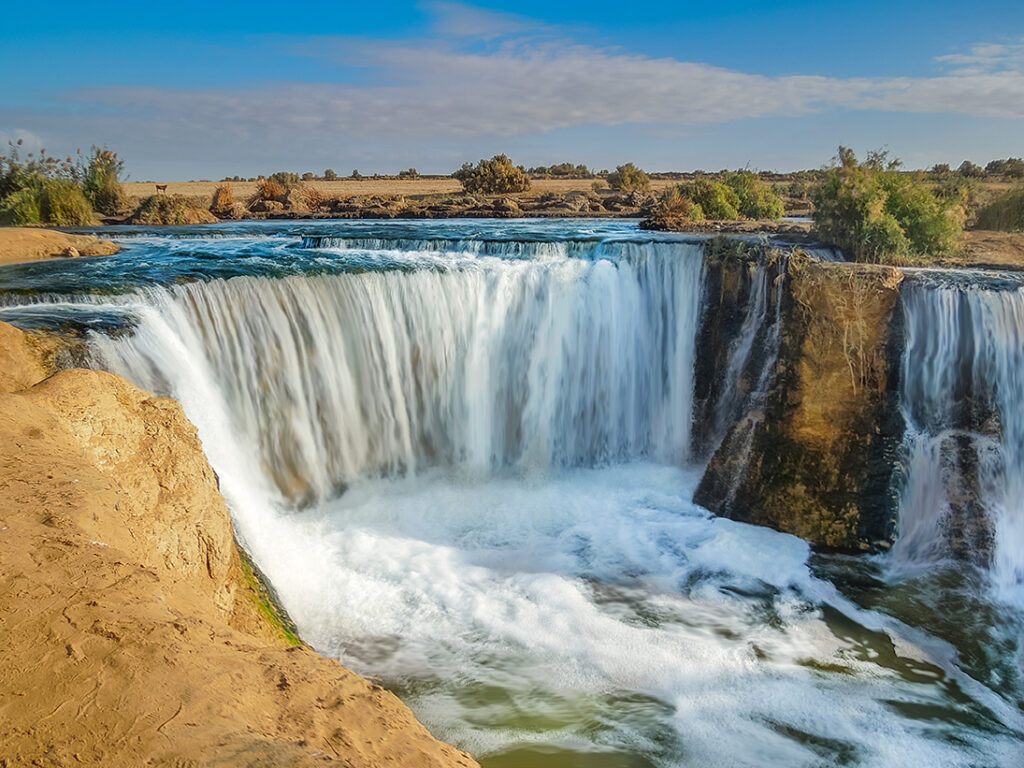
Wadi El Rayan, a national park spanning roughly 700 square kilometres, is one of Fayoum's standout attractions.
It consists of an upper and a lower man-made lake, with the largest waterfalls in Egypt sitting between them.
These falls are easy to miss from the upper plateau, as they are somewhat smaller than other well-known waterfalls.
But watching the many falls from the lower plateau is the best way to take in their full beauty and enjoy a one-of-a-kind shower in the middle of the desert.
On weekends (during peak travel periods) it can get crowded here, so the ideal time to visit is on a weekday.
During Ramadan, however, the place is nearly deserted, though some locals apparently count on their catch from the lower lake to break their fast.
The park is home to a wealth of scenic sights: shifting dunes, natural sulphur springs, mountains and the best-kept secret of all, Wadi Al Hitan.
Whales That Walked
Wadi Al Hitan, a UNESCO World Heritage Site since 2005, is an open-air museum where you can witness a mysterious snapshot of the evolution of life.
The skeletons of hundreds of giant whales, sharks and endless fossils fill this desert valley, also known as the "Valley of the Whales," painting a vivid picture of just how astonishing its inhabitants were 40 million years ago.
From a distance, these incredibly well-preserved bones resemble winding teeth jutting out of the desert.
In the same valley stands the illuminating Fossils and Climate Change Museum, which mimics the natural surroundings and could easily pass for a dwelling from a "Star Wars" film.
The centrepiece of the single-room museum is a prehistoric basilosaurus.
This phenomenal 60-foot fossil, considered the largest intact fossil of an ancient whale, is one of several fossilised remains of the extinct Archaeoceti whales that can be found in the area.
The basilosaurus had two tiny hind limbs, believed to have been useless for movement and protruding from its sides, an evolutionary testament to the whale's transition from land to sea.
The Magic Lake
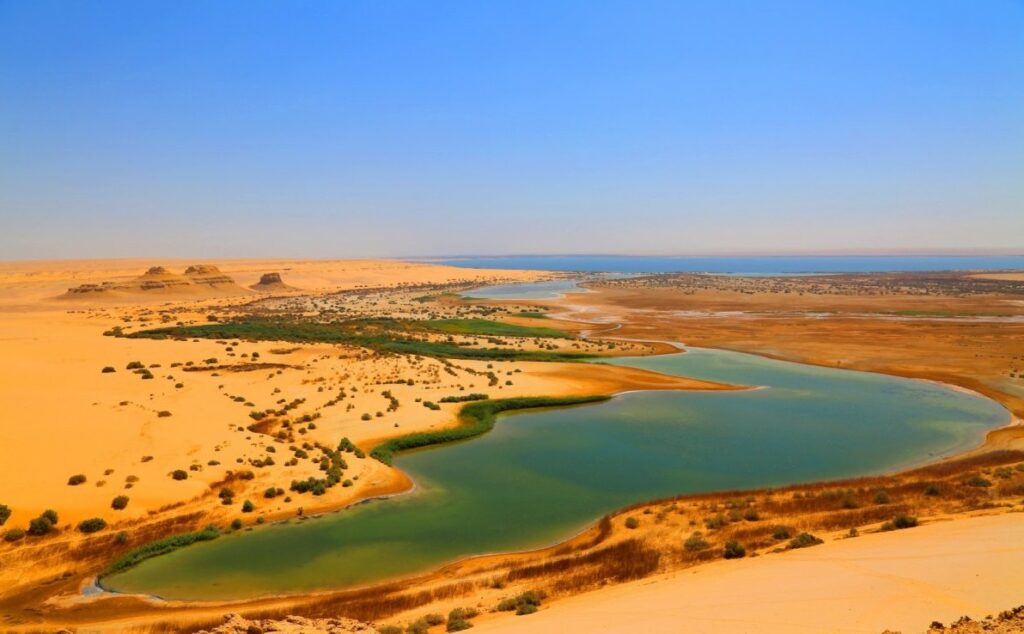
The Magic Lake earned its name thanks to its mesmerising waters, which shift colour depending on the time of day and the amount of sunlight.
Getting to its shores is no less thrilling than swimming in its magical waters, since it requires driving across the desert dunes in a four-wheel-drive vehicle.
Looking down on the lake from the top of the dunes is a surreal sight: the still water acts as a crystal-clear mirror reflecting the sky.
The dunes are also large and steep enough to sandboard down.
Many travellers stay overnight here to catch the spectacular celestial show that only the Milky Way can deliver.
"The damp sand and towering dunes, set against the colour of the sky, make for stunning photographs. In summer the Milky Way is incredibly clear and looks as if someone spread a carpet of stars across the sky," describes Egyptian photographer Amr El Hadeka.
The Waterwheels of Life
Bestselling author Paulo Coelho wrote about the beauty of the Fayoum oasis in his classic novel "The Alchemist," yet Fayoum is not actually a true oasis.
While an oasis draws its water from an underground source, Fayoum draws its from the Nile, thanks to a series of canals known as Bahr Yussef, built by the ancient Egyptians.
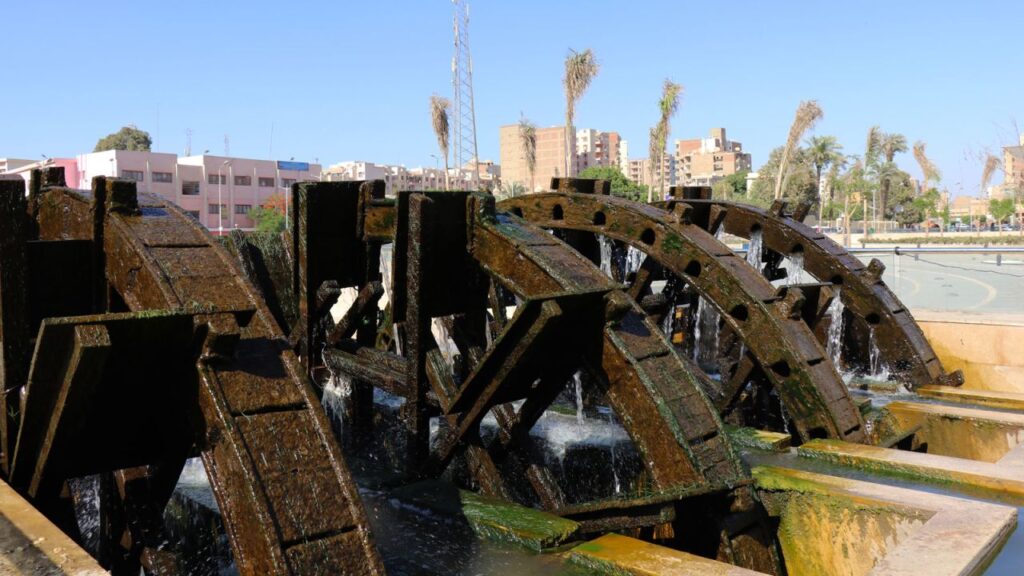
Around 200 waterwheels are scattered throughout the region, redistributing water from Bahr Yussef and ensuring the fertility and distinct character of the area.
These famous waterwheels first appeared in the 3rd century BC thanks to Ptolemaic engineers, who used the features of the terrain to lift water into irrigation canals, harnessing the natural force of the fast-moving currents.
Set right in the heart of Fayoum's colourful city centre, they have become an important landmark, especially for history enthusiasts.
The Birds of Lake Qarun
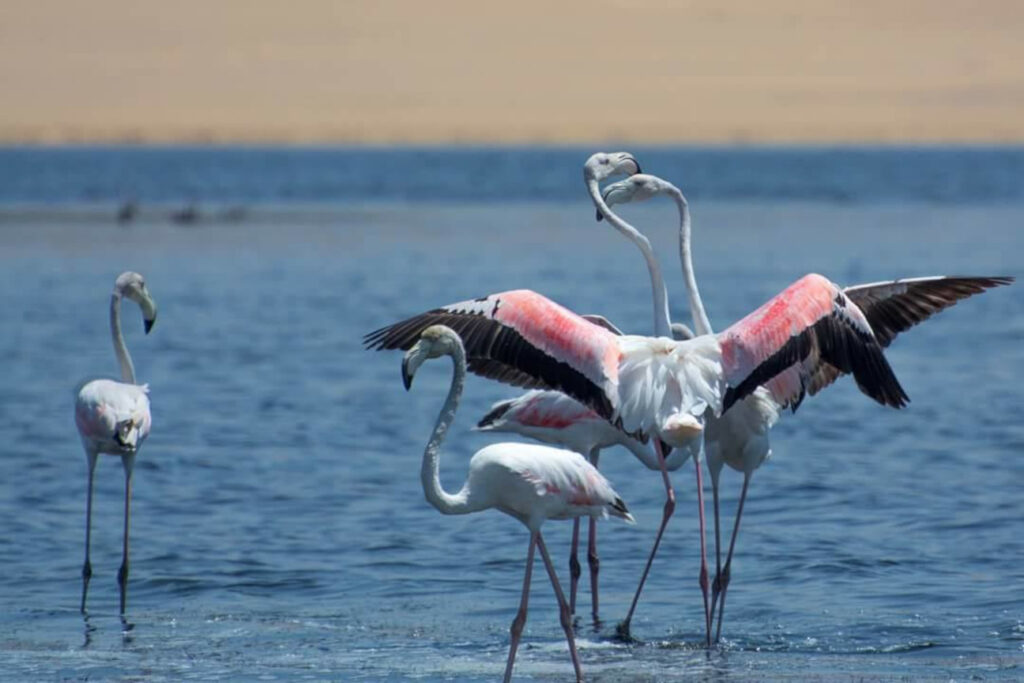
Many centuries ago, Lake Qarun was known as Lake Moeris, and its fresh water covered the entire Fayoum region.
This protected wetland, connected to the Nile via Bahr Yussef, is a small remnant of what is left of Lake Moeris.
Considered the oldest lake in the world, it is not suitable for swimming, but Lake Qarun has become a legendary spot for passionate birdwatchers.
It is a unique ecosystem, home to more than 88 bird species, from large colonies of flamingos to various kinds of ducks, and it serves as a lifeline for endangered species such as the slender-horned gazelle.
The sheer abundance of birds in the area has made Fayoum popular among Egyptians for a traditional delicacy: stuffed pigeon.
But this beloved Egyptian dish is unlikely to make the cover of any food magazines.
It contains only a small amount of meat, which tastes like a darker, slightly gamier version of chicken.
That hardly matters, though, because it is the succulent seasoned rice, soaking up all the savoury flavours, that makes the dish so popular that people often can't resist eating several portions in one sitting.
The Village of Tunis
From this colourful village overlooking Lake Qarun, teeming with diverse flora and fauna, you get one of the most exquisite views of Fayoum.
Beyond its natural beauty, the village of Tunis is regarded as a thriving hub of cultural art, thanks to its resident artists, who have shaped the village's identity by crafting beautiful pottery and handmade goods with their skilled hands.
In recent years, the village's popularity among Egyptians and tourists has grown thanks to the annual Tunis pottery festival.
"I love this festival because anyone with a creative streak can get a stand and show their work alongside the locals," says Amr El Hadeka.
There are plenty of events, such as workshops and performances, that give the festival its wonderful atmosphere."
"People come from all over, get a chance to connect with the culture and leave feeling inspired."
The family-friendly festival is usually held in the first week of November, and it is also a great time to spot the many birds that migrate to the area for the winter.
Whether it's relaxation or adrenaline, art or history, Fayoum has something for everyone.
Many of its main attractions can be seen in a single day on a desert safari by four-wheel drive, since so many of them lie close to one another.
It is surely only a matter of time before Fayoum joins the list of must-see sights in Egypt.
For now, it remains a relatively unexplored treasure, brimming with beauty and life that predates any of the pyramids by millions of years.