

Rajasthan, in northern India, is most often associated with royal palaces, mighty forts and vivid colour, three shades in particular.
Scattered across its desert landscape are the "Pink City" of Jaipur, the "Blue City" of Jodhpur and the "Golden City" of Jaisalmer, each with a story of its own.
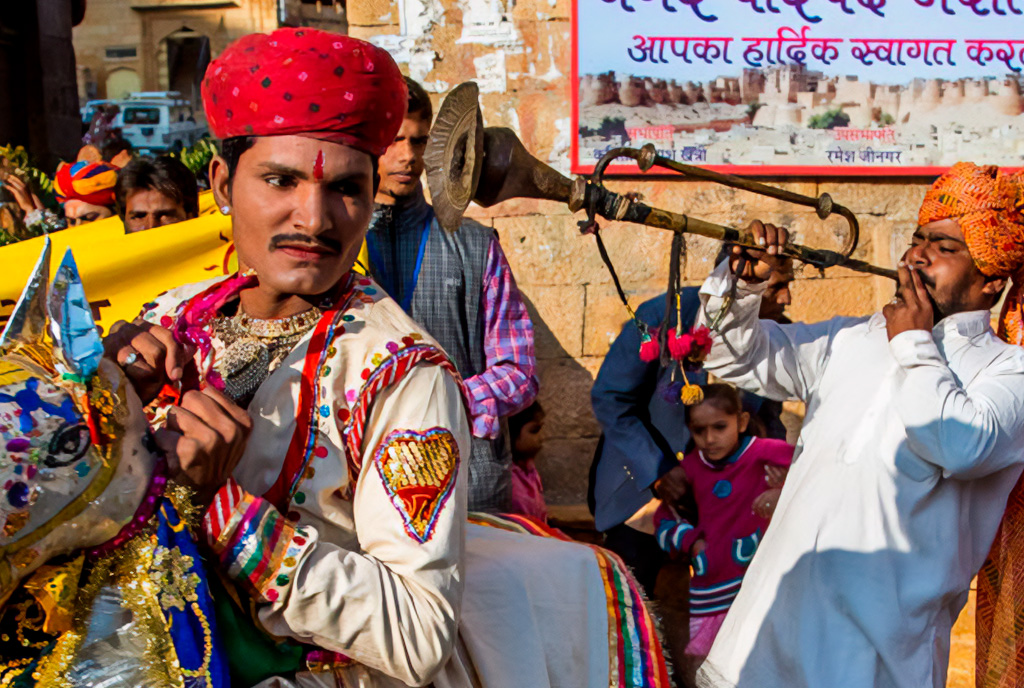
"Rajasthan is a land of great warriors, a land of entrepreneurs, a land of fairs and festivals, a land of dance and music... it's like an open-air art gallery," says Rajasthan guide Dilip Singh Tanwar.
Partner links: booking through them supports the blog at no extra cost to you.
"There is so much to see and do here, so many old stories from a thousand years of history, but it takes a lot of time to see and appreciate it all."
To make better sense of Rajasthan's colourful chaos, we travelled across the "Land of Kings" to explore the vibrant history of Jaipur, Jodhpur and Jaisalmer.
The Pink City
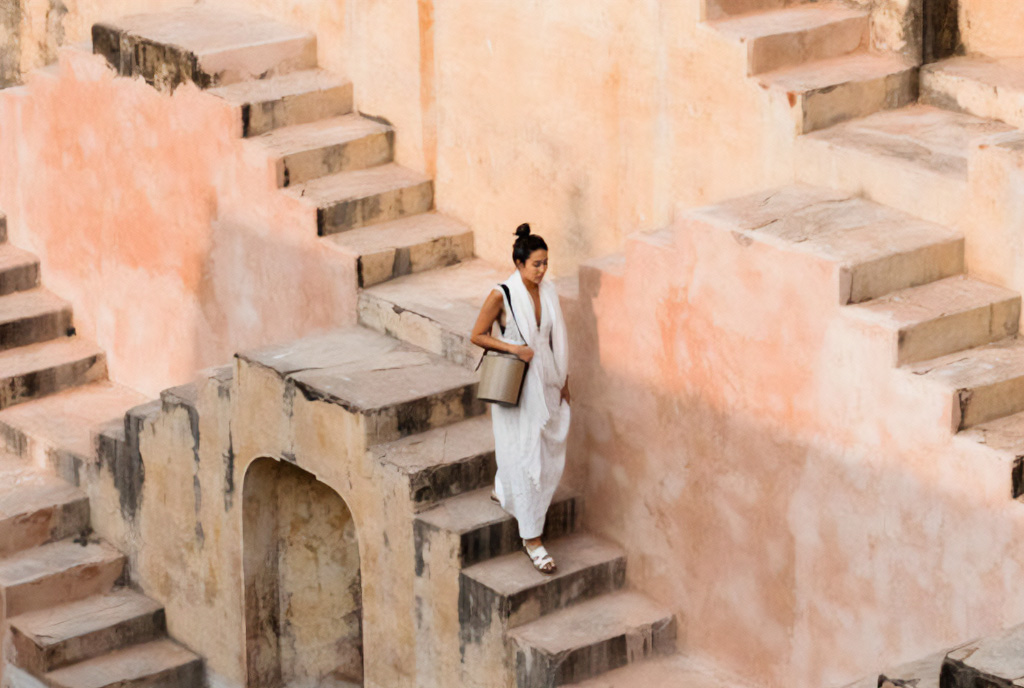
Jaipur, known for its salmon-pink buildings and meticulous city planning, was long the wealthiest city in Rajasthan, founded in 1727 by Maharaja Jai Singh II.
The city wasn't originally a uniform shade of pink, but an anticipated visit from Prince Albert in 1876 inspired the ruler to paint it pink, a colour that symbolises hospitality in Indian culture.
"King Ram Singh II saw the Red Fort in Delhi and was inspired to recreate it in his own city," says Tanwar. "It was impossible to bring the red stone into the city in such a short time, so instead he decided to paint the buildings."
The building department set to work, mixing a natural dye from lime and red earth. To this day, keeping with tradition, the government repaints the buildings every two years.
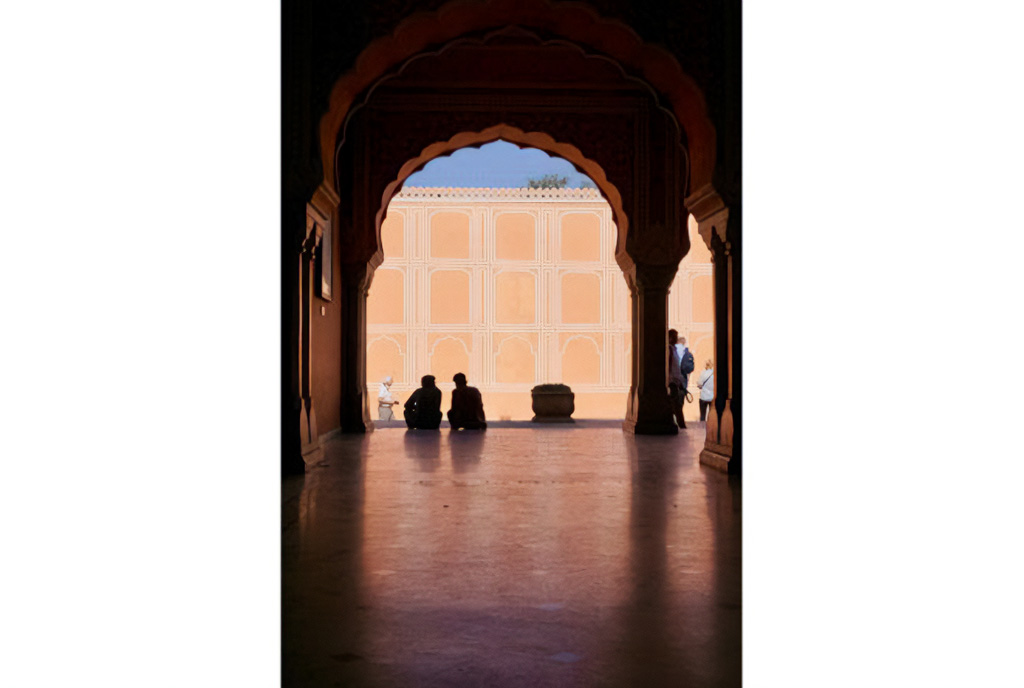
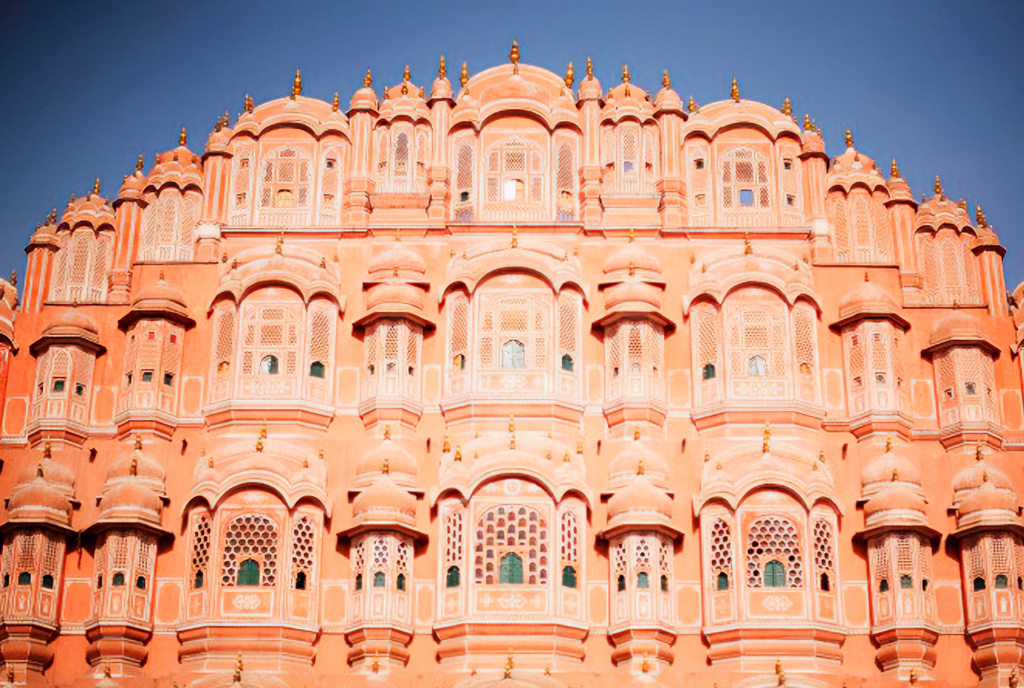
For travellers, Jaipur's most popular sights are usually found in the pink Old City, home to the beautiful terracotta-pink Hawa Mahal, the City Palace, the Palace of the Winds and the Jantar Mantar astronomical observatory.
"Visit Hawa Mahal early in the morning, around sunrise or before 7am, that's the best time for a good photo," says Tanwar.
"This building is very special because of its stained-glass windows and its facade, which is built entirely without a foundation. That's the magic of the architecture."
Another landmark is Amber Fort, located about six miles from the city. Once the seat of the Rajput maharajas, this red sandstone complex boasts stunning courtyards, intricate wall mosaics and lavish halls.
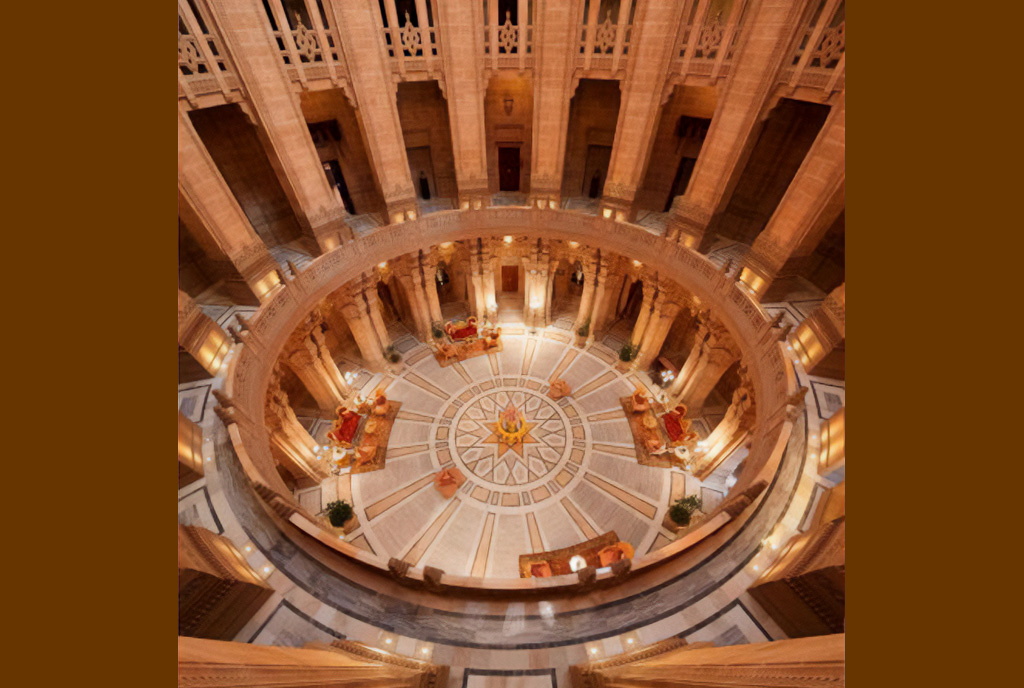
Inspired by all the royal architecture? Happily, Jaipur is one of the easiest places in the world to find a royal hotel to unwind in, the city is packed with grand historic properties, from Samode Palace to Rambagh Palace, Jai Mahal Palace, SUJAN Raj Mahal and more.
Jodhpur: The Blue City
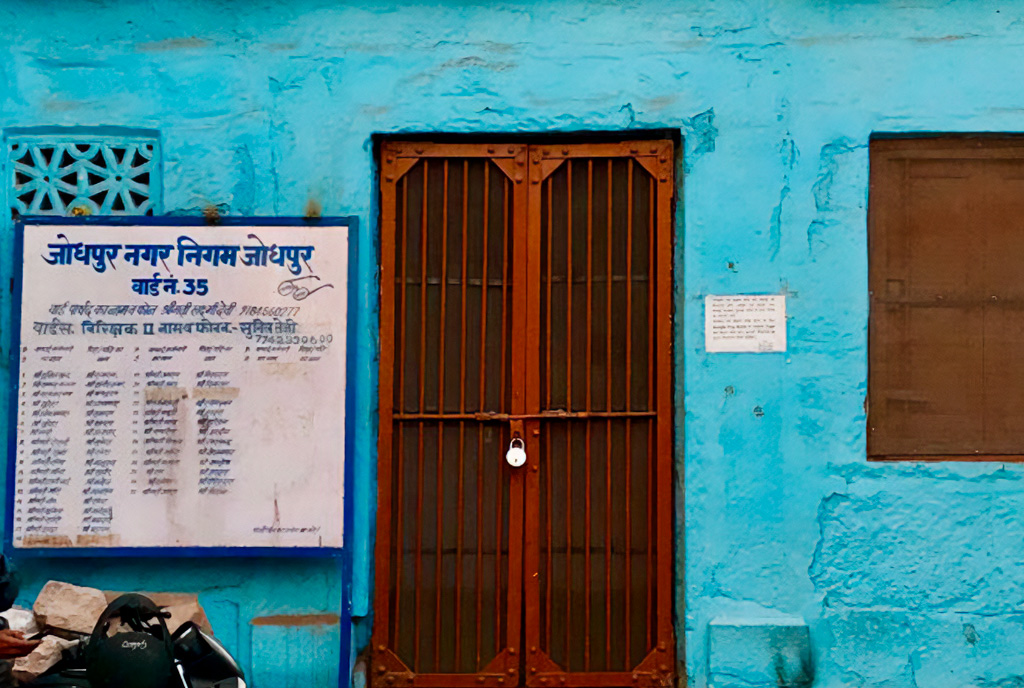
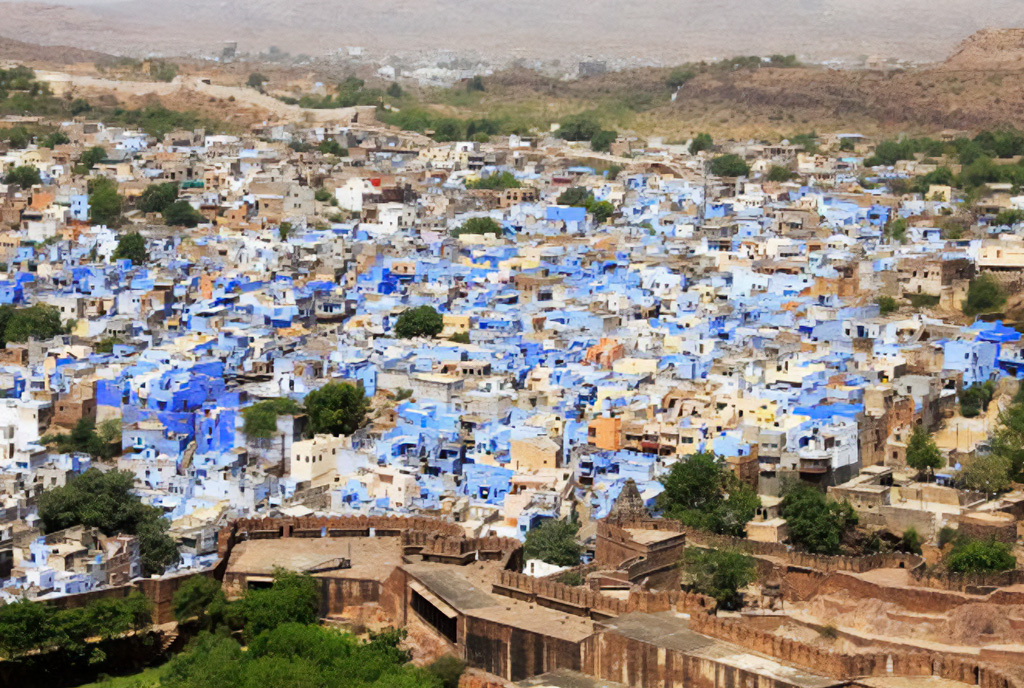
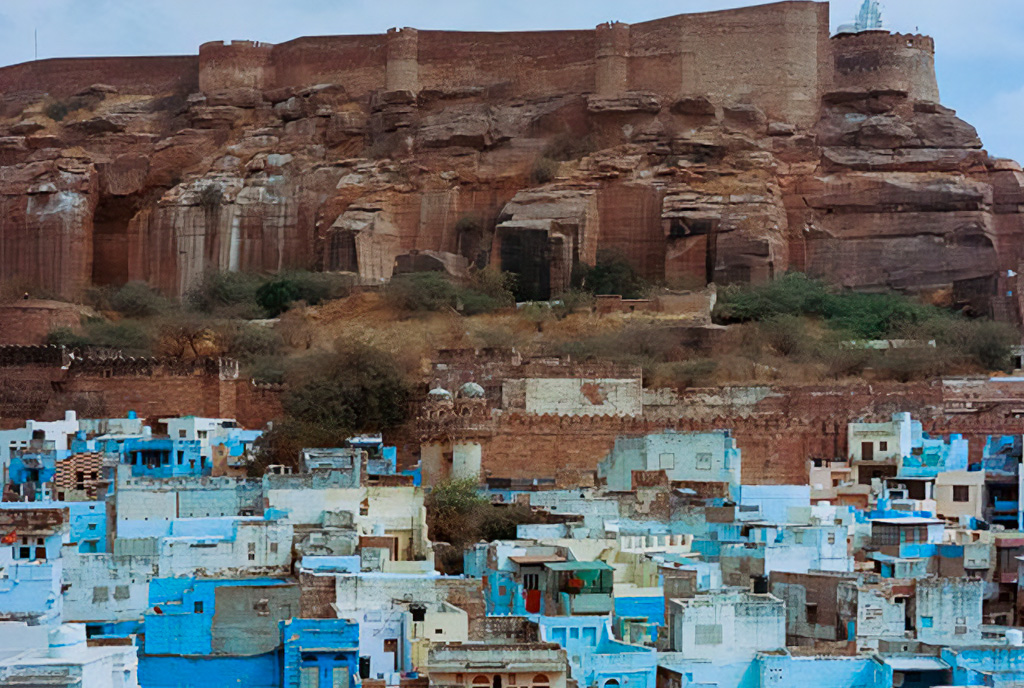
Roughly an hour's flight west of Jaipur, Jodhpur is known for a different colour: sky blue.
"Why do we call it the Blue City? There are actually plenty of reasons," says Tanwar. "The city gets very hot because it's surrounded by desert, so people started painting their houses blue to keep them cool inside."
Tanwar says there's another reason too. Jodhpur is also home to Brahmins, the highest caste in Hinduism, who worship Lord Shiva. Since Shiva is often associated with the colour blue, devotees frequently paint their homes and temples in this sacred, calming shade.
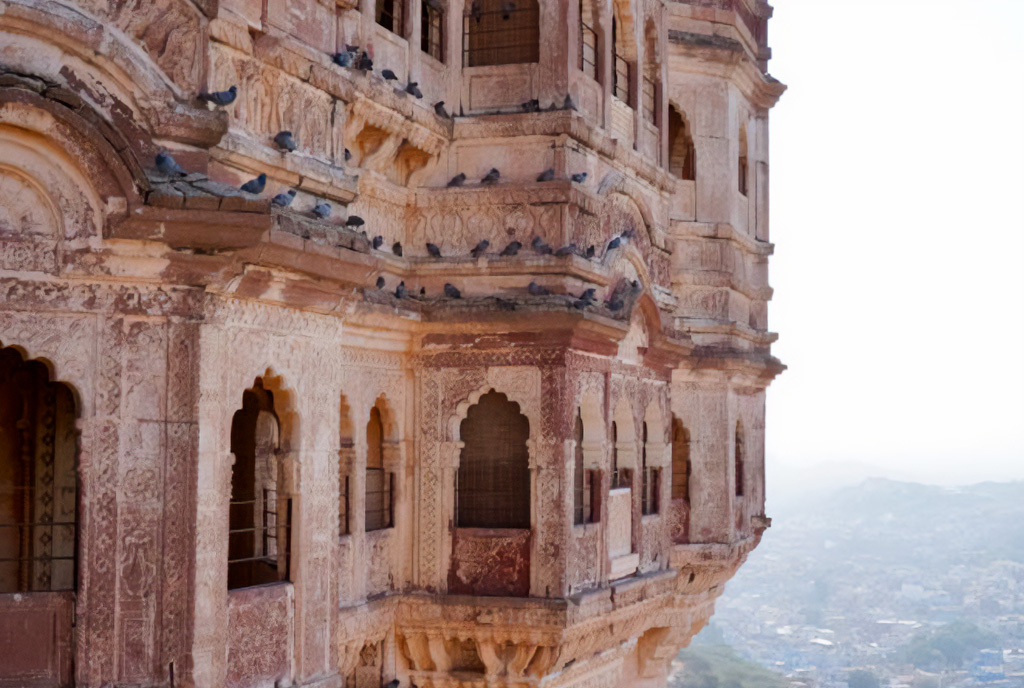
"The best way to see the 'Blue City' is from the top of Mehrangarh Fort," says Tanwar. "From that vantage point you can see the bright blue clusters, that beautiful sky-blue colour."
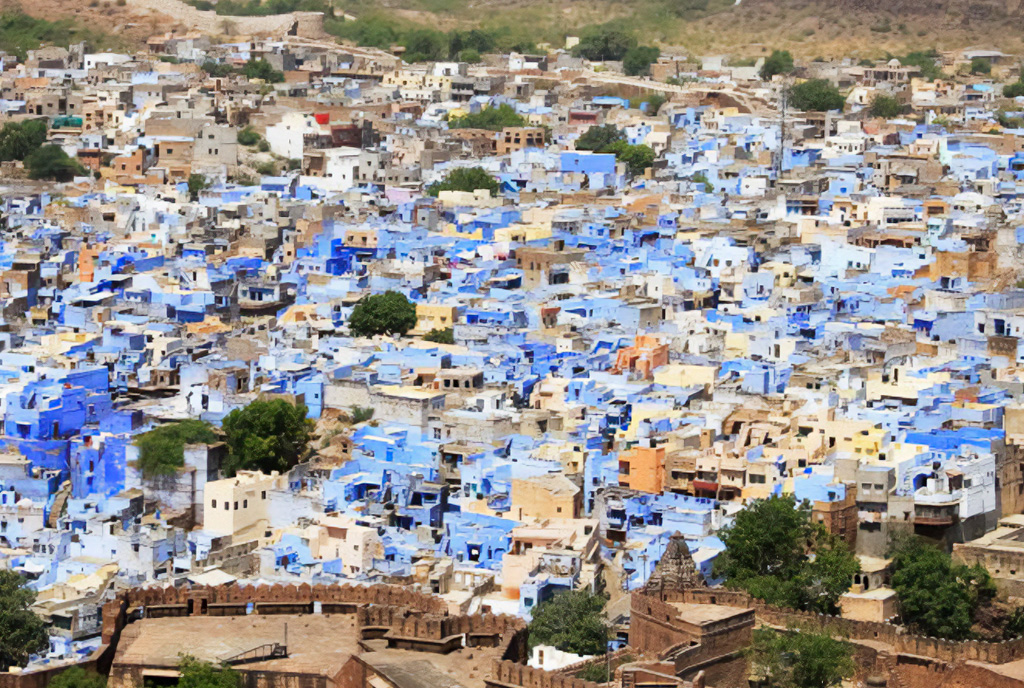
In the past, Tanwar says, communities made a natural dye from limestone and indigo flowers. But these days people are more likely to use commercially produced paint than to make it by hand.
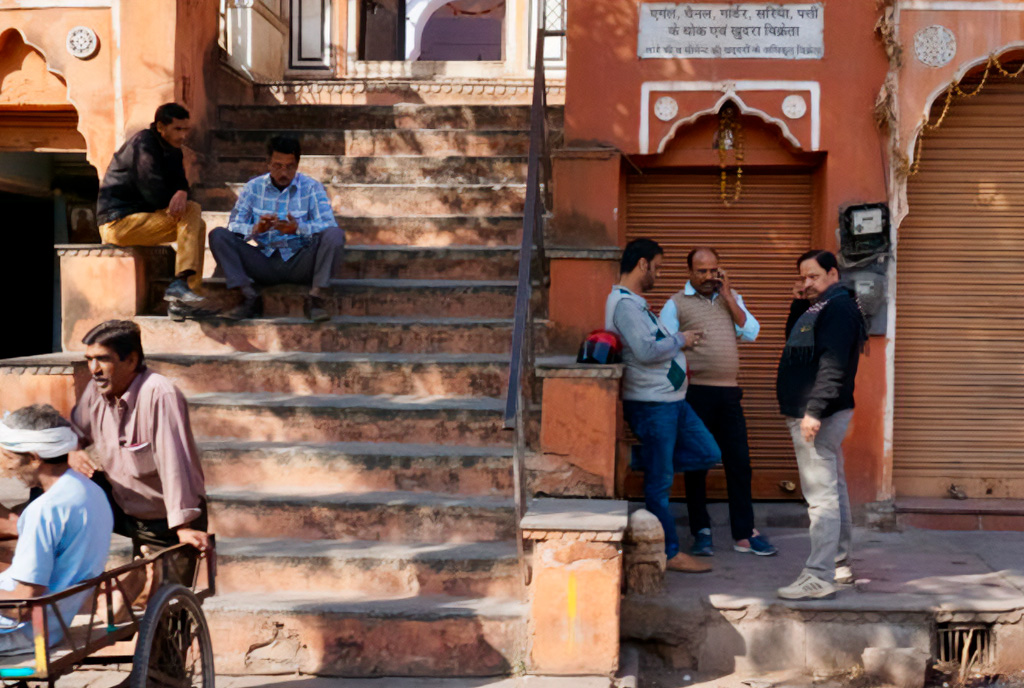
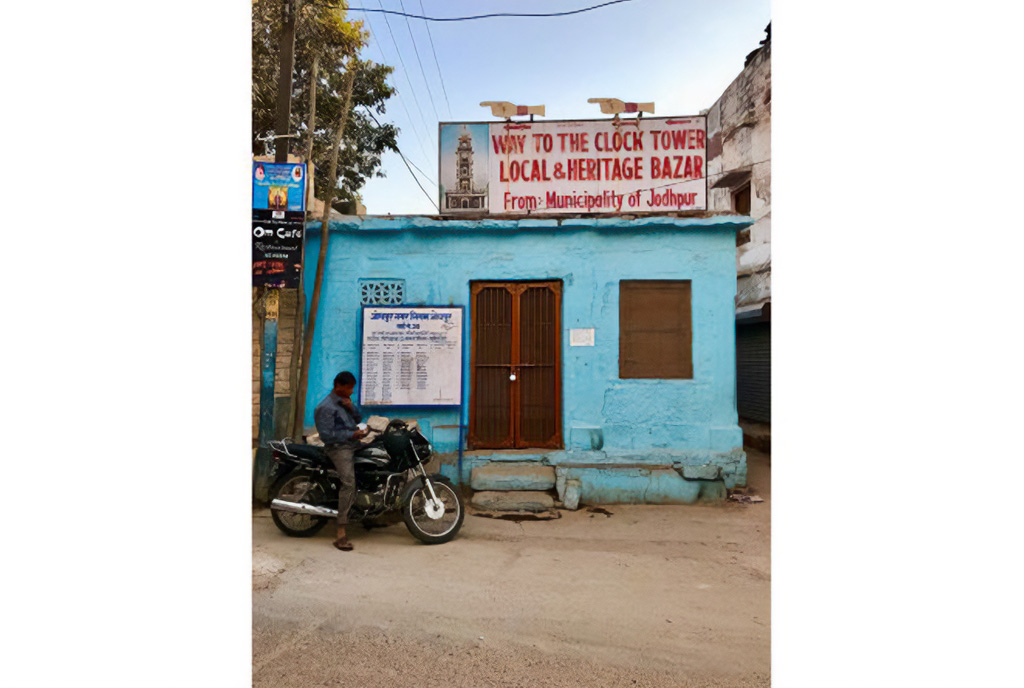
Elsewhere in Jodhpur, travellers will find their way through the winding lanes of the Old City, jostling for space on the street with cows and racing tuk-tuks. Ancient stepwells, once the main source of groundwater, now serve as places to sit outside and soak up the city's energy.
Once you've lost yourself in the Old City's winding lanes and its crowded bazaars, you can find quiet just across from Mehrangarh Fort.
Here you'll find the royal tombs at Jaswant Thada. Surrounded by leafy gardens, this cenotaph is known as the "Taj Mahal of Marwar," as it's made from the same dazzling white marble.
Jaisalmer: The Golden City
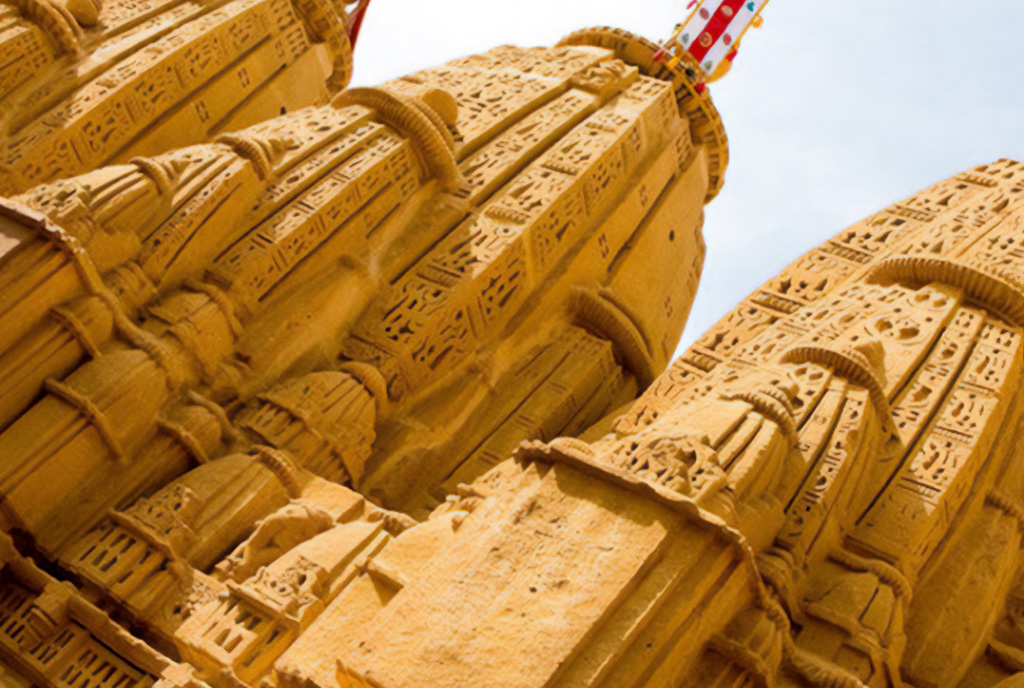
While Jaipur and Jodhpur have plenty of buildings in their signature shades, Jaisalmer has just one.
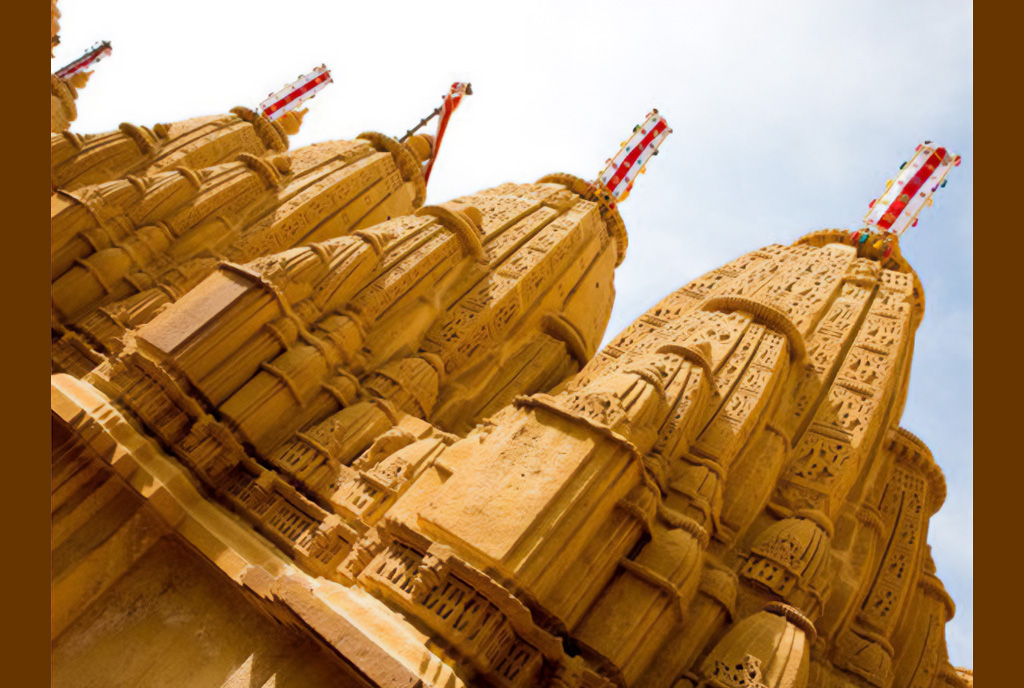
Founded in 1156, the city takes its nickname from the magnificent Jaisalmer Fort, which seems to reign over the city from the top of a hill.
At sunset, this medieval masterpiece glows a honey-gold hue, an effect achieved without any paint at all.
"The fort is made of local sandstone, but the secret is in how it's carved. When you carve the stone by hand, it looks identical to gold," says Tanwar.
"There were no machines back then, everything in the fort was made by hand. If you try to cut it with a machine today, as many hotels do, you won't see the same effect."
Across the city you'll find various havelis (mansions), such as Salim Singh ki Haveli and Patwon ki Haveli, with incredibly intricate carvings and open courtyards. Most were once the homes of wealthy merchants who grew rich on the lucrative Silk Road.
Thanks to its location in the heart of the Thar Desert, Jaisalmer is a wonderful starting point for camel safaris and desert camps.
"While you're there, I also recommend seeing Vyas Chhatri (also known as Sunset Point)," says Tanwar. "People go there to watch the sunset. It's a beautiful spot."