

The hotel vs apartment question comes down to math and trip length, not taste. For 2-3 nights a hotel is almost always more convenient and often cheaper, because an apartment's one-off cleaning fee gets spread over too few nights. From a week onward the picture flips: a kitchen, a washing machine and sheer space start saving real money, especially for groups of three or more. Here is an honest comparison with no cheerleading for either side.
What a hotel actually sells you
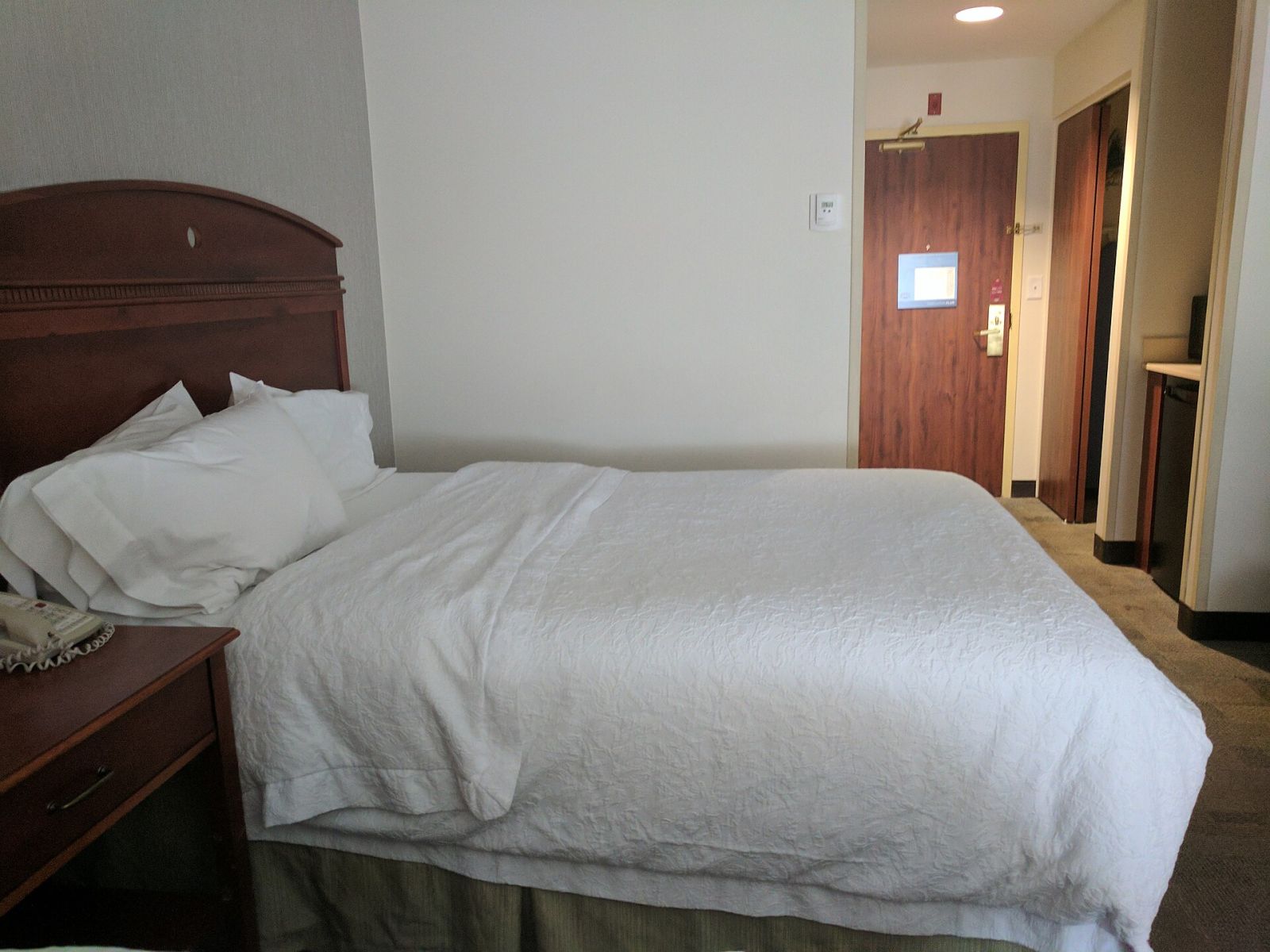
A hotel sells service and predictability, not a bed. Check-in at any hour with a real person at the desk. Daily housekeeping and fresh towels without asking. Breakfast that does not require a supermarket run. If the air conditioning dies or the shower leaks, someone fixes it within the hour instead of a text thread with a host who is "currently abroad".
There are less obvious upsides too. A hotel is accountable in a formal sense: in most countries it must register guests, issue proper receipts, provide a safe. Luggage storage before check-in and after check-out is a lifesaver on arrival and departure days. Star ratings, flawed as they are, still give you a quality baseline. With apartments you play the review lottery, and listing photos sometimes have a loose relationship with reality.
The downsides are familiar. A 15-20 square meter room where your suitcase lives on the floor. A kettle if you are lucky, a microwave almost never. Neighbors through the wall, clearly audible. And the big one: every meal happens in a cafe, which in Europe can easily double your daily budget.
What an apartment gives you beyond the kitchen
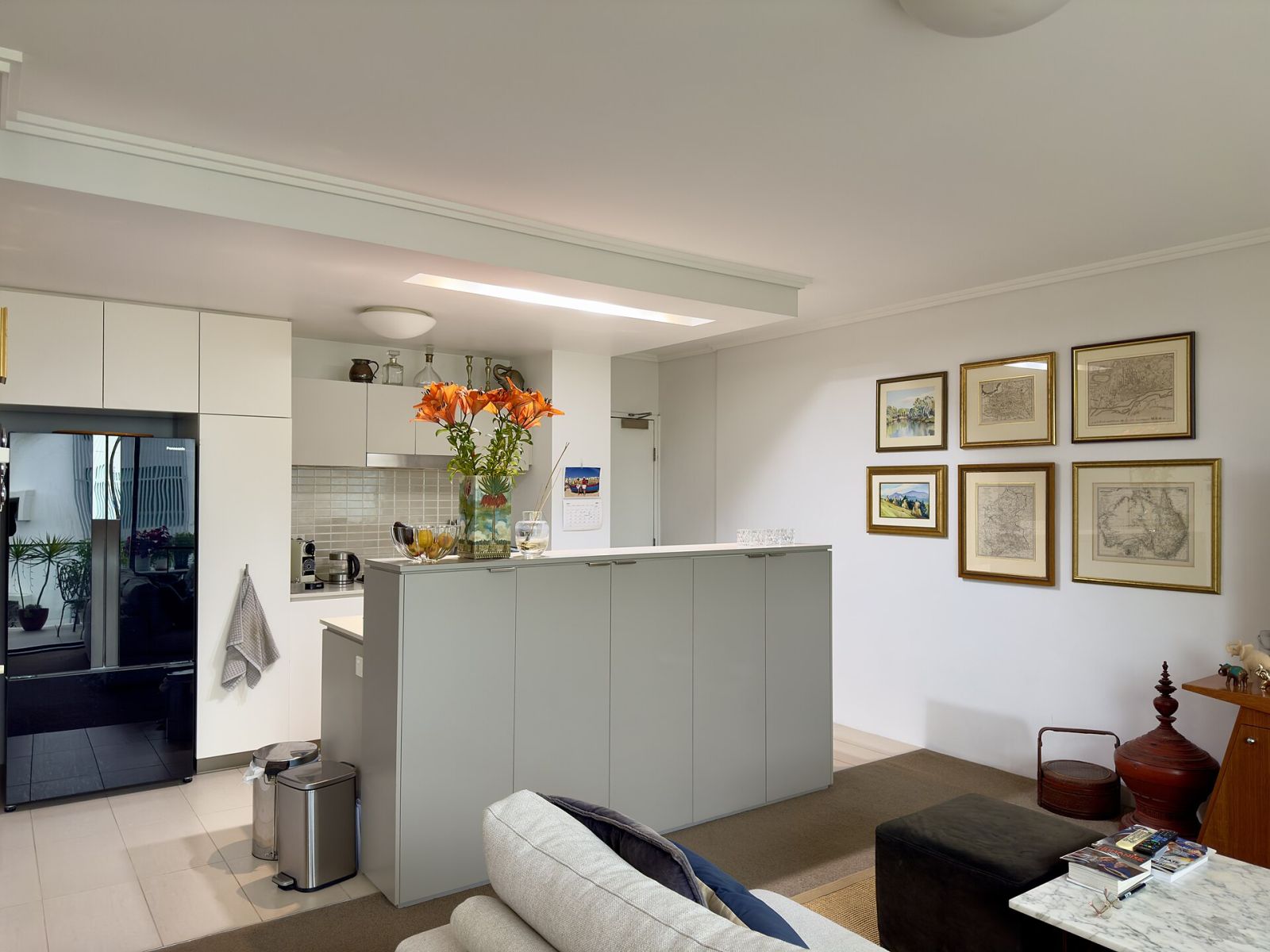
The kitchen really is the headline argument, and not only for savings. Breakfast at your own pace, dinner without hunting for a table, the chance to buy local produce at a market and actually cook it rather than just photograph it. For families with kids this is not a perk but a necessity: no hotel will let you warm porridge at seven in the morning.
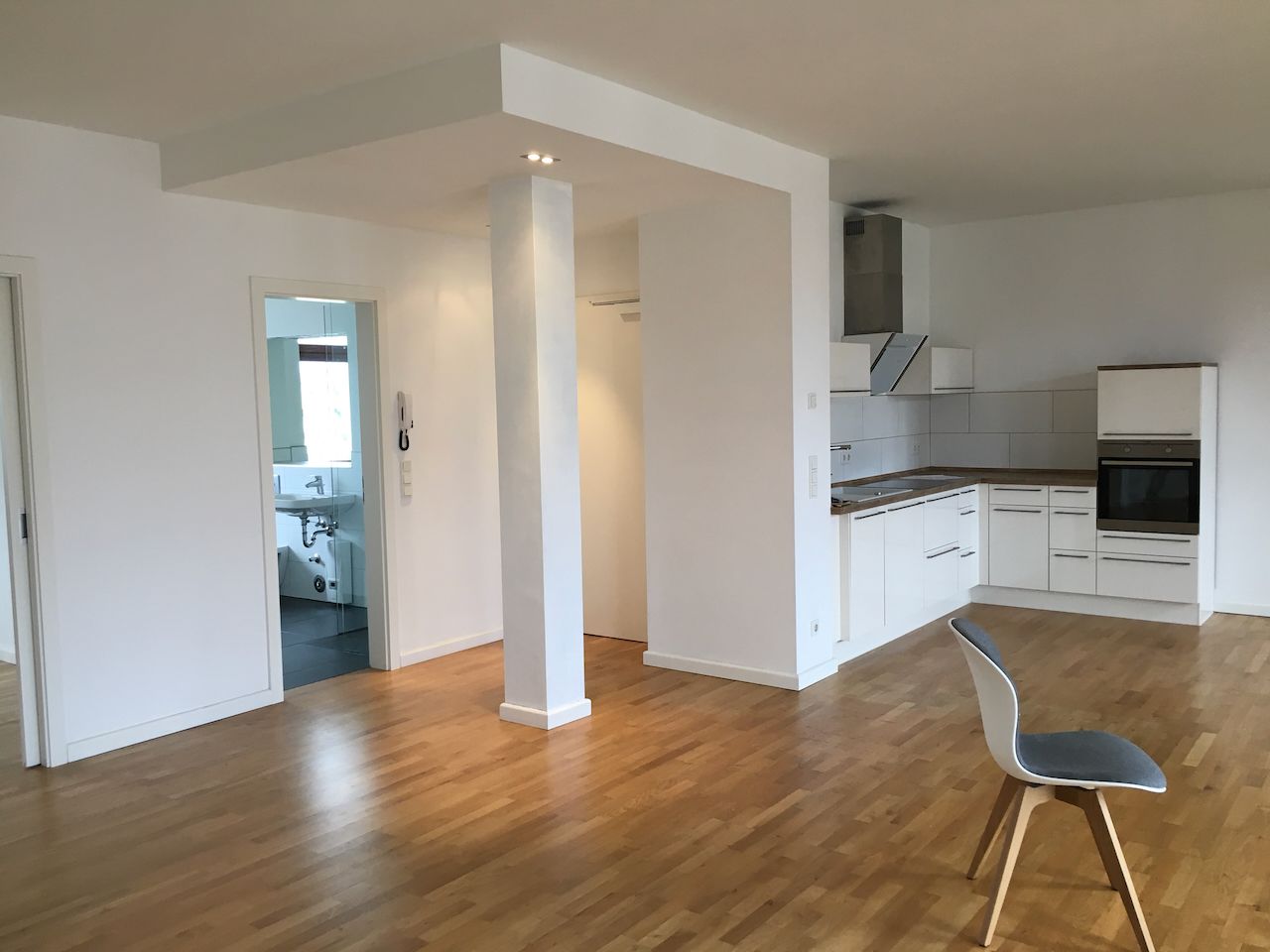
Then there is space. A typical apartment offers 40-60 square meters against a hotel's 15-20, plus a separate bedroom and a living room to sit in after the kids fall asleep. A washing machine on a week-long trip means packing half as much. Add the "live like a local" effect: a residential street, the bakery on the corner, prices without the tourist markup.
Now for the dark side that never makes it into the listing.
Hidden apartment fees: where the real price hides
The nightly rate in the listing is almost never the final number. Before comparing with a hotel, add up:
- Cleaning fee. A flat charge regardless of stay length, often 30-80 euros. Trivial across ten nights, but on a two-night stay it can add up to a third of the total.
- Platform service fee. On Airbnb it is baked into checkout and noticeably lifts the total above the number on the listing card.
- Security deposit. A hold of 100-500 euros on your card, released days after checkout. Not lost money, but it does vanish from your trip budget for a while.
- Tourist tax in cash on arrival, linens or towels as paid extras, and the closing "please leave the flat clean" even though you already paid for cleaning.
- Self check-in with a key lockbox: fine in daylight, miserable at 2 a.m. when the code fails and the host does not pick up.
The rule is simple: compare only final checkout totals for the whole stay, all fees included. Quite often the "cheap" apartment ends up level with a three-star hotel.
Side-by-side comparison
| Criterion | Hotel | Apartment |
|---|---|---|
| Price for 1-3 nights | Usually better | Fees eat the advantage |
| Price from a week | Pricier once you add eating out | Better, the kitchen saves daily |
| Space | 15-25 m², one room | 40-60 m², separate bedroom and living room |
| Breakfast | Included or paid add-on | Your own, from the shop or market |
| Housekeeping | Daily | None, or as a paid extra |
| Something breaks | Front desk fixes it in an hour | Messaging the host |
| Late-night check-in | No problem, 24/7 desk | Depends on the host |
| Luggage before/after stay | Storage room | Usually nowhere to leave it |
| Cancellation | Often free until the last day | Stricter rules, read carefully |
Families, couples, solo travelers: who fits where
Families with kids win with an apartment almost every time. A separate bedroom means parents are not whispering in the dark from 9 p.m. onward. The kitchen covers snacks and early breakfasts, the washing machine covers "we packed too little". The hotel alternative, two adjoining rooms or a family suite, usually costs more than a flat sleeping the same number.
Couples on a short city break are better off in a hotel: drop the bag, go explore, nobody thinks about dishes. A hotel breakfast and a restaurant dinner are part of the fun here, not a cost line to trim. An apartment makes sense for a couple on a beach stay of a week or more, or when living in a residential neighborhood is the whole point.
Solo travelers should let budget and trip style decide. A hotel offers security and a front desk to turn to, which matters on a first independent trip. An apartment for one is often poor value: every fee lands on a single person. The compromise is a private hostel room or an aparthotel, which combines a kitchen with a staffed desk.
When each option wins: quick formulas
- 1-3 city nights: hotel. Apartment fees work against you on short stays.
- 7+ nights, two or more people: apartment. Kitchen savings on food outweigh the difference in room price.
- Any trip with kids from 4-5 nights: apartment or aparthotel.
- Business trips or early flights: hotel, for the 24/7 desk and luggage storage.
- Peak season in resort towns: run the numbers both ways, apartment prices spike harder in summer than hotel rates.
The aparthotel: the hybrid everyone forgets
Between the two columns of the table sits a third option: aparthotels and serviced apartments from chains like Adagio, Citadines or Residence Inn. These are flats with kitchens, but with a reception desk, cleaning every few days and hotel-style cancellation rules. For stays of 5-10 nights this is often the smartest middle ground, and their pricing is transparent, with no fee surprises. Filter for "aparthotel" on the usual booking sites.
What to check before booking, whichever way you go
The final price with all fees, not the nightly figure. Cancellation terms word for word: "free cancellation" sometimes only applies for a few days after booking. Recent reviews from the last few months rather than an all-time rating. For apartments, check legality separately: Barcelona, Amsterdam and New York all restrict short-term rentals, and city authorities publish license registers, such as Barcelona's official page on tourist accommodation. A flat without a license number in these cities can mean a canceled booking at the worst possible moment.
One last thought: you are not choosing a side for life. A hotel for a city weekend and an apartment for next month's beach week is a perfectly sound strategy. Accommodation is a tool for a specific trip, not a club membership.