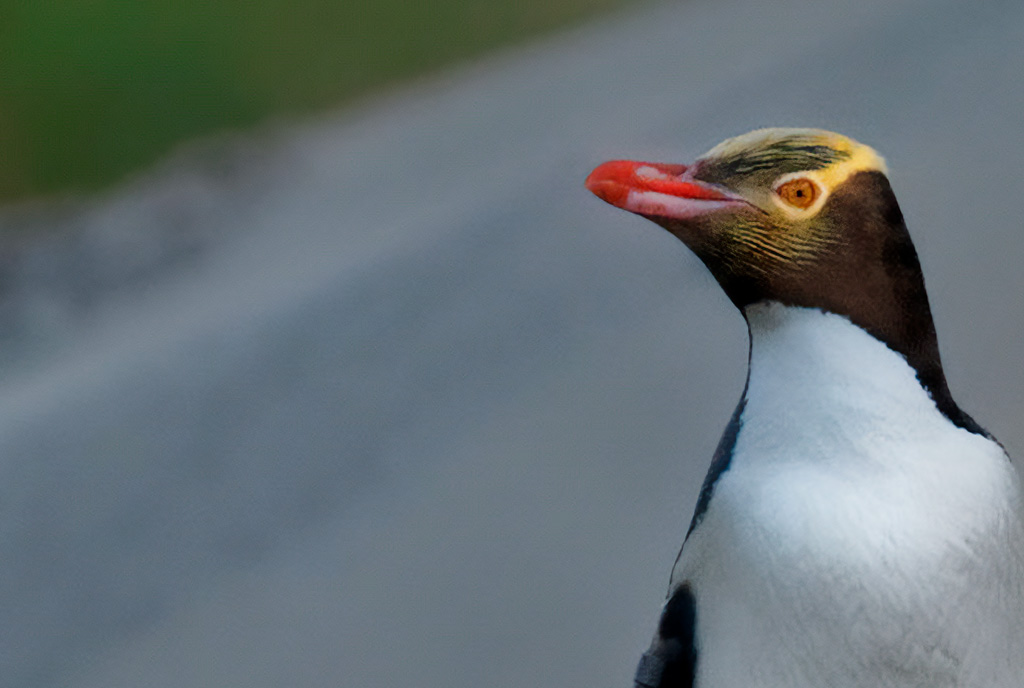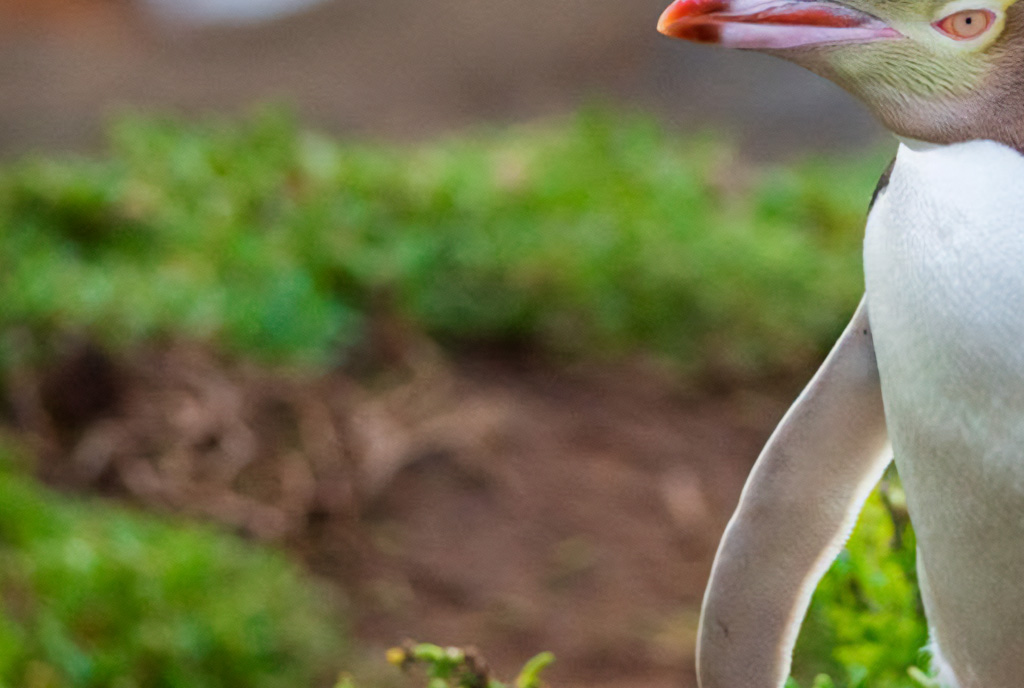


Feisty, tough and fierce: that's how the people who work with yellow-eyed penguins every day describe them, with plenty of affection.
"They aren't as cute and cuddly as they look," says Jason van Zanten, conservation manager at Penguin Place on the Otago Peninsula, New Zealand. "They can hit you pretty hard."
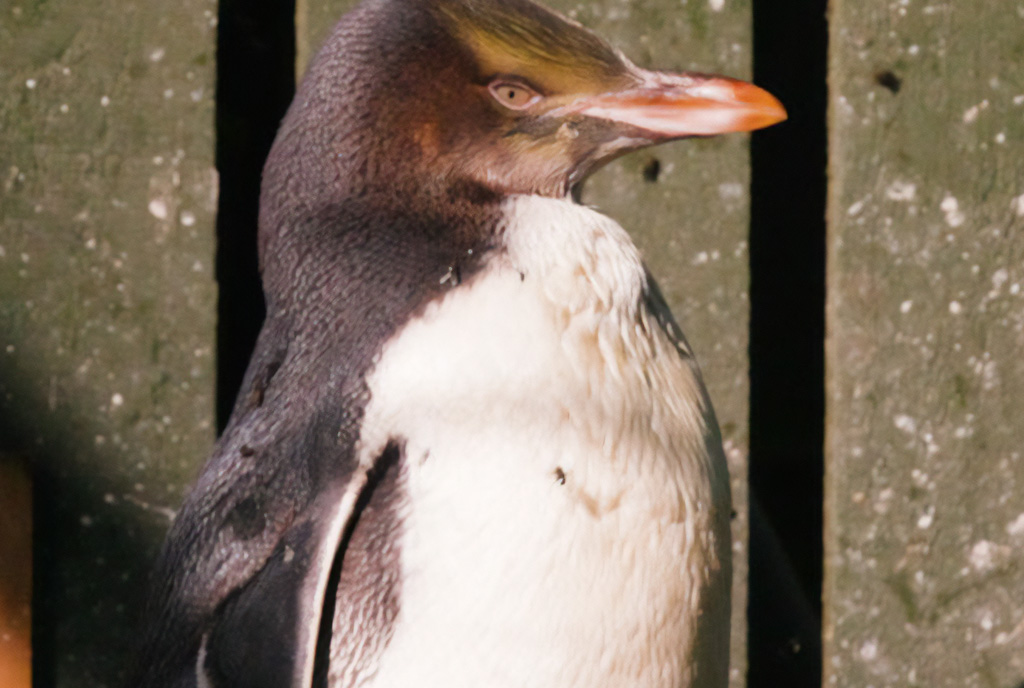
The local name for these birds is hoiho, which means "noise shouter" in the Māori language. The yellow-eyed penguin is the largest of the penguin species that live and breed on mainland New Zealand.
Partner links: booking through them supports the blog at no extra cost to you.
Over the past 30 years, though, its population has plummeted because of growing threats from predators, climate change and disease. "Over the last 10 years, we've lost about three-quarters of the population," van Zanten says.
An estimated 3,000 adults are thought to remain in the wild, making it one of the most endangered penguin species on the planet.
Now conservationists are joining forces to save the species. Penguin Place, where van Zanten works, gives hoiho a place to rest and recover, while the nearby Wildlife Hospital in Dunedin treats birds with serious injuries and illnesses.
These penguin refuges are racing against the clock to save a fast-shrinking population and give the "noise shouters" a shot at survival.
Penguins in Rehab
Although Penguin Place is a refuge for all sick and starving birds, including other penguin species, most of the patients who come through the center are hoiho, van Zanten says.
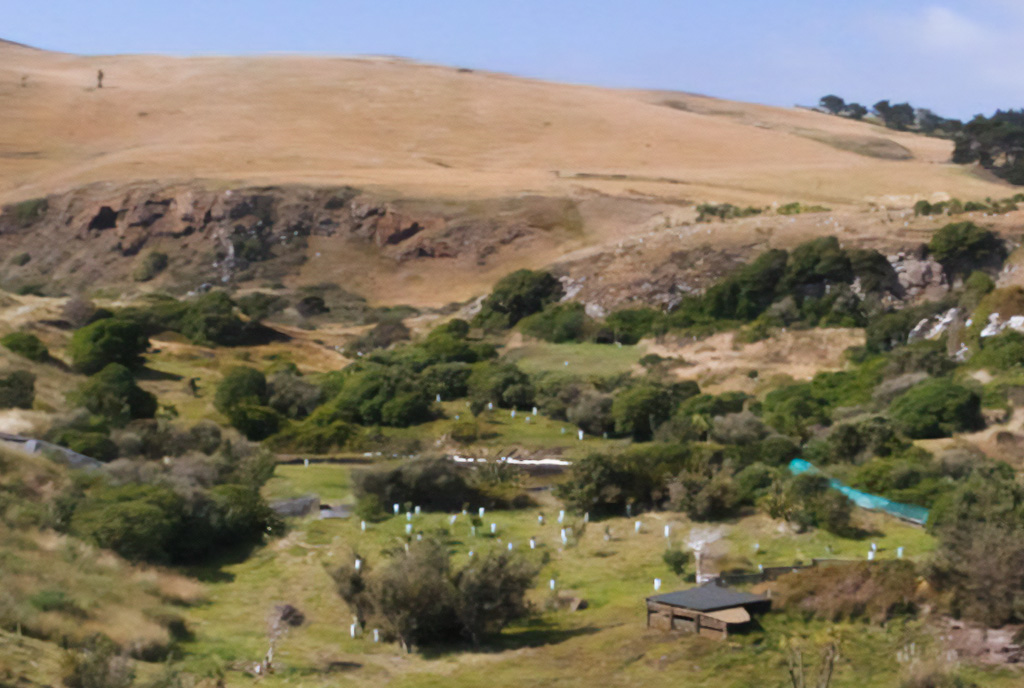
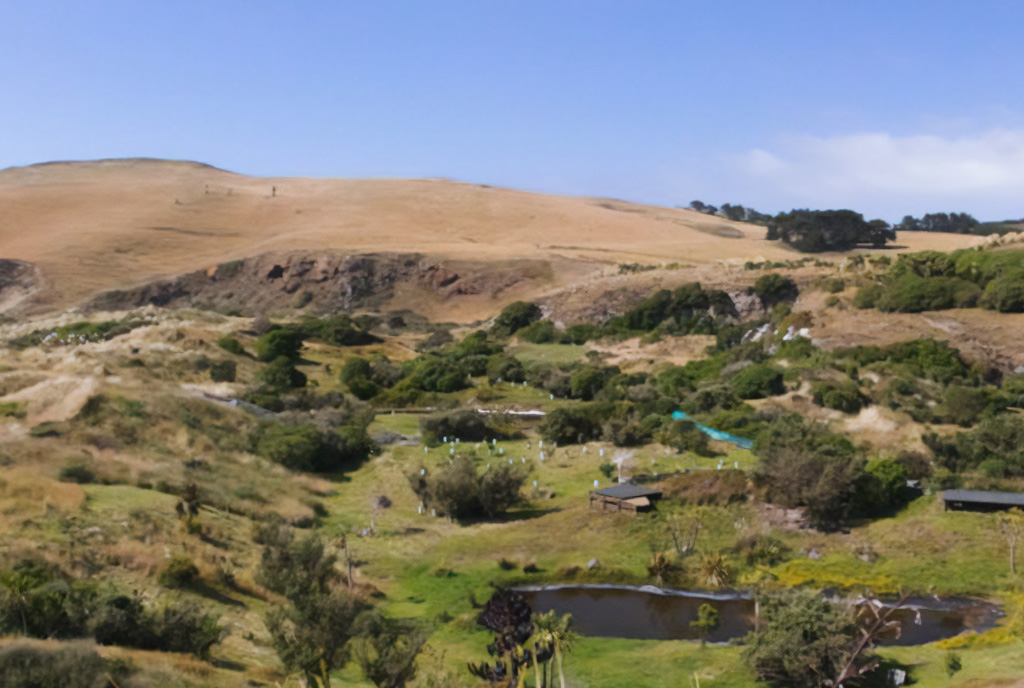
The center was founded in 1985, when local farmer Howard McGrouther fenced off around 150 acres of his land to create a sanctuary for the eight pairs of yellow-eyed penguins that were nesting on his property.
McGrouther "laid the foundations for the rehabilitation center" and also began planting native trees that had once been cleared for farming, says van Zanten, who started out at the center as a general laborer, mowing grass and handling maintenance, and now runs its operations. Before the Covid-19 pandemic, the center was funded entirely through tourism, but when it had to close to visitors, it received government support through the Department of Conservation, van Zanten says.
Starvation is a major problem for hoiho, with around 80% of the penguins arriving at the center underweight, van Zanten says. Commercial fishing, which turns some penguins into accidental bycatch, has reduced the supply of the small fish and squid the penguins feed on, while shifting sea temperatures driven by climate change have changed where their prey can be found.
Environmental problems such as toxic algal blooms and water pollution have added to the pressure on the hoiho's habitat, and rising temperatures on land pose a further threat to this "chunky and heavily feathered" species.
"They like it a little bit cooler, and as the temperatures rise, they get more stressed and overheat," van Zanten says.
A Mysterious Illness
Beyond hunger, many hoiho arrive at Penguin Place with diseases and injuries, and that's where the Wildlife Hospital in Dunedin, which specializes in native species, steps in.
On land, hoiho are hunted by mammals, including dogs and stoats, which can badly injure them or their chicks, and in the water, sharks and barracouta, a predatory fish with razor-sharp teeth, often inflict "horrific injuries," says Lisa Argilla, senior wildlife veterinarian and director of the Wildlife Hospital in Dunedin.
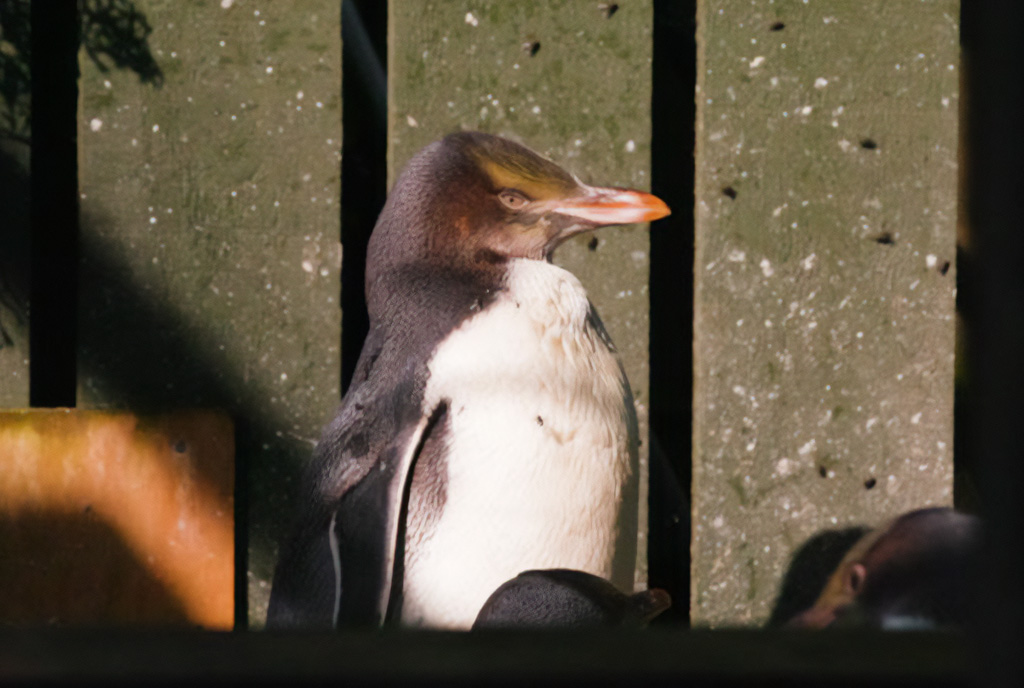
Hoiho also suffer from various diseases, including avian malaria and dermatitis, which the hospital can treat with antibiotics. On top of that, avian diphtheria has devastated the hoiho population over the past 20 years: it causes ulcer-like lesions in the birds' mouths and makes it hard for them to feed, which ultimately leads to starvation.
And now another new, unknown illness has emerged, striking hoiho chicks. Provisionally named "red lung," the disease causes breathing problems, according to Kate McInnes, an endangered species veterinarian at New Zealand's Department of Conservation.
Cases began appearing five years ago, but "there's been a significant increase over the last two years," McInnes says. She adds that the disease is probably not contagious, but researchers are still trying to pin down its cause.
If chicks arrive at the hospital already sick with this mysterious illness, Argilla says they can't be saved. But Argilla and her team have found a solution: hand-rearing the chicks at the hospital.
"If we get them at a certain age, when they're still very tiny, we can stop this disease from developing," she says. The chicks are taken from their nests soon after hatching and reunited with their parents in the wild 10 to 14 days later.
After treatment, the Wildlife Hospital sends sick and injured birds to Penguin Place, where they recover before being released back into the wild, Argilla says. "It's really exciting for us to know that what we do genuinely makes a difference."
A Chance to Recover?
At Penguin Place, hoiho are kept in small enclosures with rocks, wooden blocks and shelters. They're put on an intensive feeding program to fatten them up before release, and are fed fish twice a day.
Most birds stay at the center for around two weeks before they're released into the sanctuary, where they can mate and nest, van Zanten says, adding: "The more time they spend in the wild, the better it is for them."
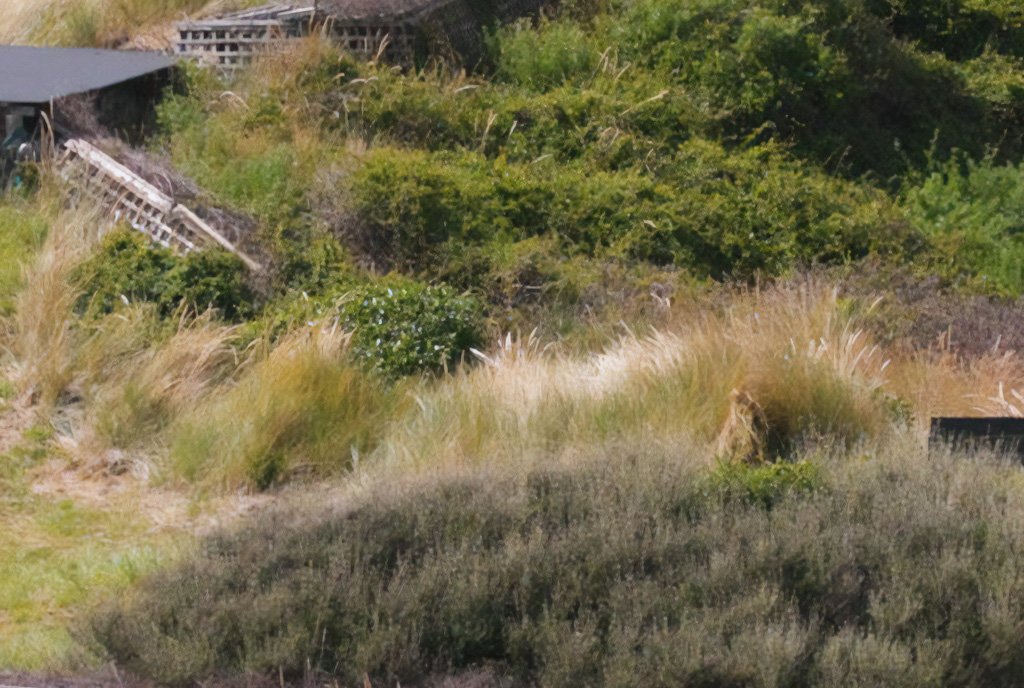
As the world's only solitary penguin species, hoiho are unsociable and don't like to nest within sight of their neighbors, sometimes even abandoning their eggs if they spot another penguin, van Zanten says. To help them feel safer, Penguin Place has scattered small, A-shaped wooden houses across the sanctuary, tucked into the shade of trees and shrubs close to the beach.
While there's always a risk in removing animals from the wild, McInnes says a hands-on approach to conservation is essential: "If we don't intervene, a large number of these chicks will die." She expects to see more breeding pairs returning to the beach over the next year or two as a result of the intervention.
And van Zanten is optimistic that the species can bounce back. Penguin Place boasts an exceptionally high success rate: more than 95% of the 200 to 300 birds that come into the center each year are released back into the wild, he says. Last year, the center hit a personal record, releasing 99% of its birds, offering hope for a species on the brink of extinction.
"The work we do is absolutely vital for these (penguins) and their survival here on the mainland," van Zanten says.