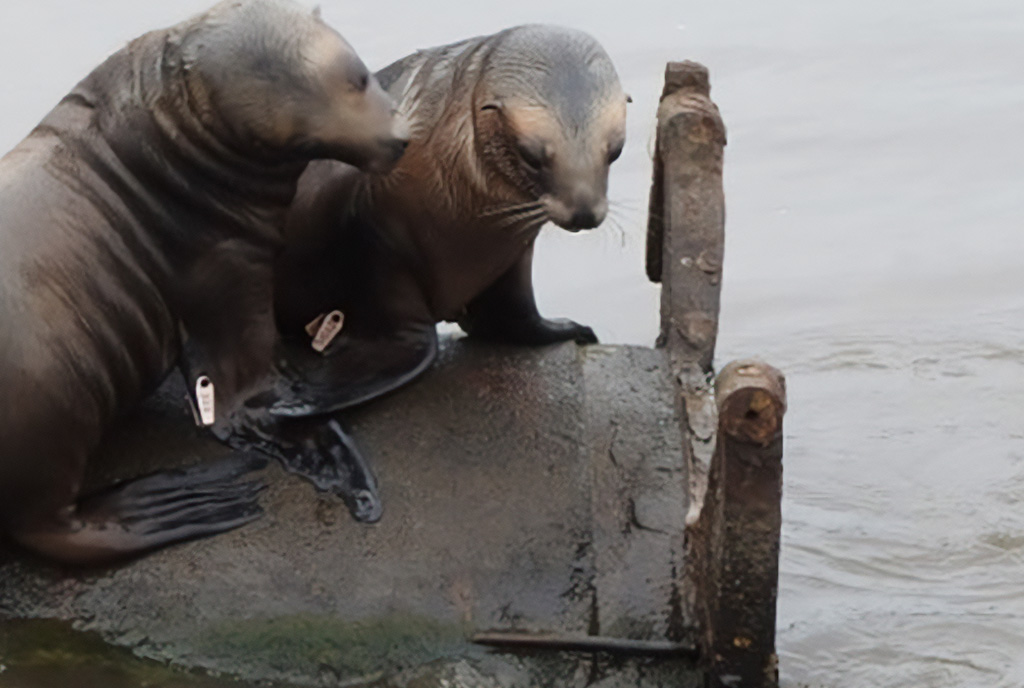


Like plenty of teenagers, Hannah Yardley, a 17-year-old from Dunedin, New Zealand, does some babysitting in her spare time. The only difference is that she is not looking after children, she is looking after sea lion pups.
From December through February, during breeding season and when the newborns are at their most vulnerable, Yardley walks the white sands of a local beach on weekends and school holidays, checking on the sea lion families nesting in the area. She volunteers with the New Zealand Sea Lion Trust, an organization dedicated to protecting the endangered species.
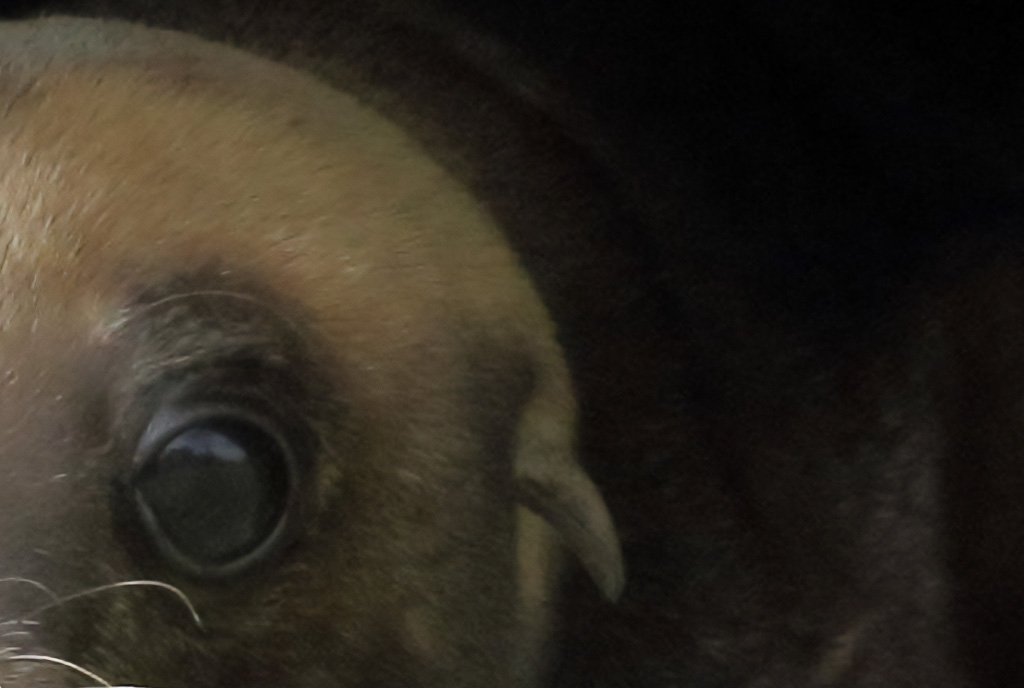
Her favorite sea lion is Zoe, a female roughly her own age, with a dark patch around her eyes and a distinctive comb-shaped marking on her flipper.
Partner links: booking through them supports the blog at no extra cost to you.
"She's just turned 17," says Yardley, whose own birthday fell in March. "It's really cool to see her every year and go through this journey with her, (watching) as she has pups."
This year has been a good one for the sea lions on the Otago Peninsula, a narrow strip of land jutting out from Dunedin's suburbs into the Pacific Ocean, home to the largest mainland population of sea lions in New Zealand, according to the country's Department of Conservation. Twenty-one pups were born, making it the most successful breeding season for the endangered species in nearly 200 years.
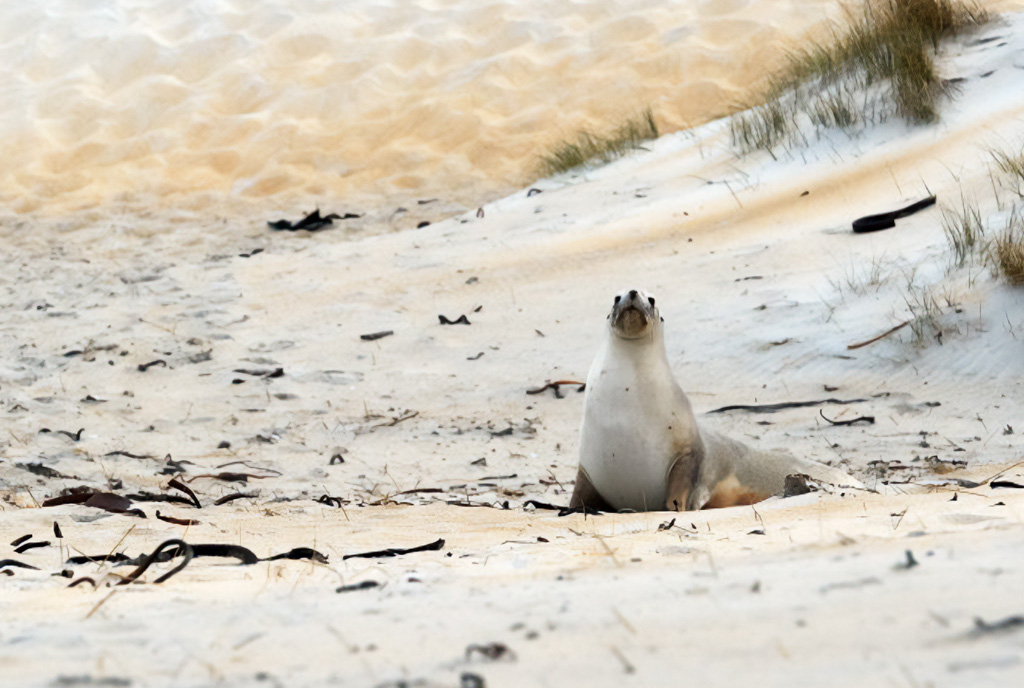

Sea lions once thrived along New Zealand's coast, until commercial hunting, which began in the early 19th century and continued into the mid-20th century, pushed the animals to the brink of extinction. Remnant populations survived hundreds of miles to the south on subantarctic islands such as the Auckland Islands and Campbell Island, where most breeding still takes place today.
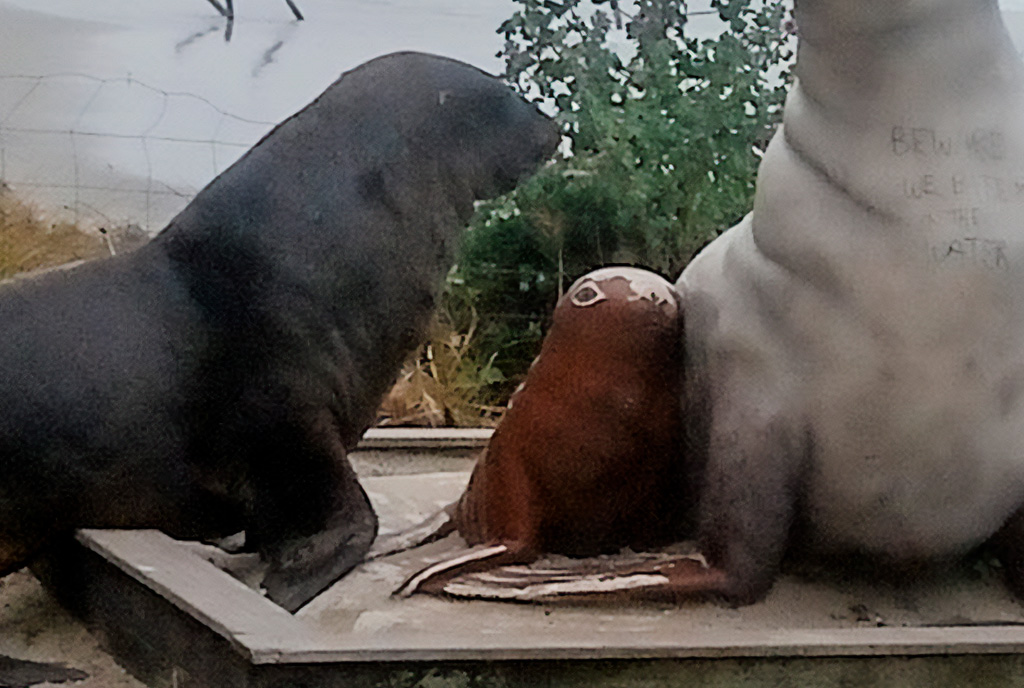
Then, in the early 1990s, one lone, enterprising female returned to the mainland and gave birth to a pup on St. Clair beach. She became known as "Mum," and a statue in her honor now stands proudly on the esplanade above St. Clair.
"That one female was responsible for bringing the sea lion population back to Otago," says Jim Fyfe, a coastal Otago biodiversity ranger with New Zealand's Department of Conservation.
As luck would have it, Mum's first three pups were female, which gave the population a strong start, Fyfe explains. "By 2000 we were getting two or three pups, then by 2010 we were getting six to eight pups, and in the last few years we've had 18 to 20. We seem to be on that little exponential curve at the start of population growth," he says.
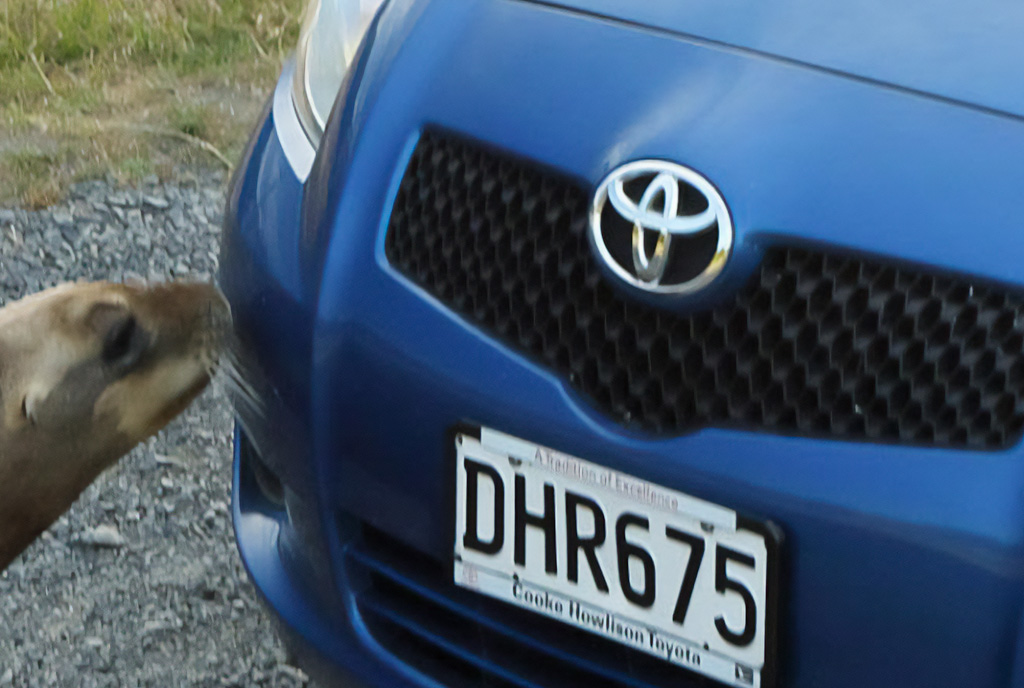
But the sea lions have returned to a very different habitat than the one they left 200 years ago. Roads, cars, motorbikes, people, dogs and all sorts of potential dangers are now common across the region. That creates enormous challenges when it comes to keeping the population healthy and thriving.
Sea lions, the smelly neighbors
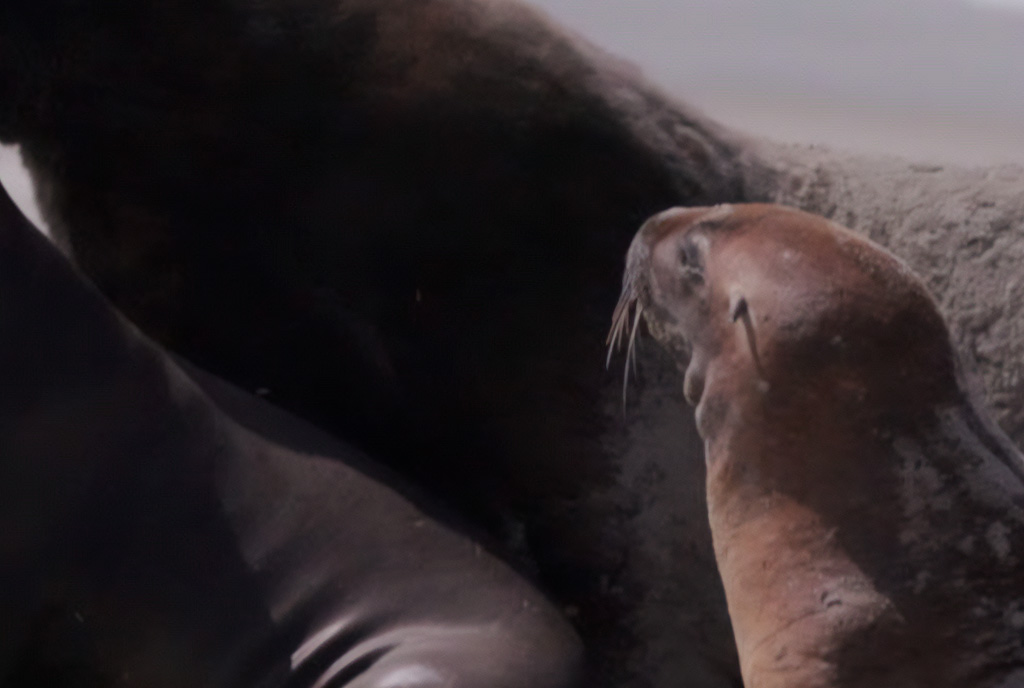
Eager to find shelter from adult male sea lions, which weigh up to 450 kilograms and are known to trample pups in their search for a mate, mothers often head inland to nest, but that only brings them closer to human threats.
They've been found nesting in backyards, dog kennels, farm buildings and on the local golf course, Fyfe says, sometimes causing friction with their human neighbors. He recalls one young female that spent about three months sleeping under a house, until the owners grew tired of it and evicted her because "the house was getting a bit smelly."
"Their nighttime habit of turning up at two in the morning and mooing to their pups can make them irritating neighbors," he adds.
But for all their bad habits, the sea lions are in mortal danger. This year, a three-month-old sea lion pup was hit and killed by a vehicle on an Otago Peninsula road, and motorbike tracks were recently spotted next to a popular "nursery" where many female sea lions and their pups have settled.
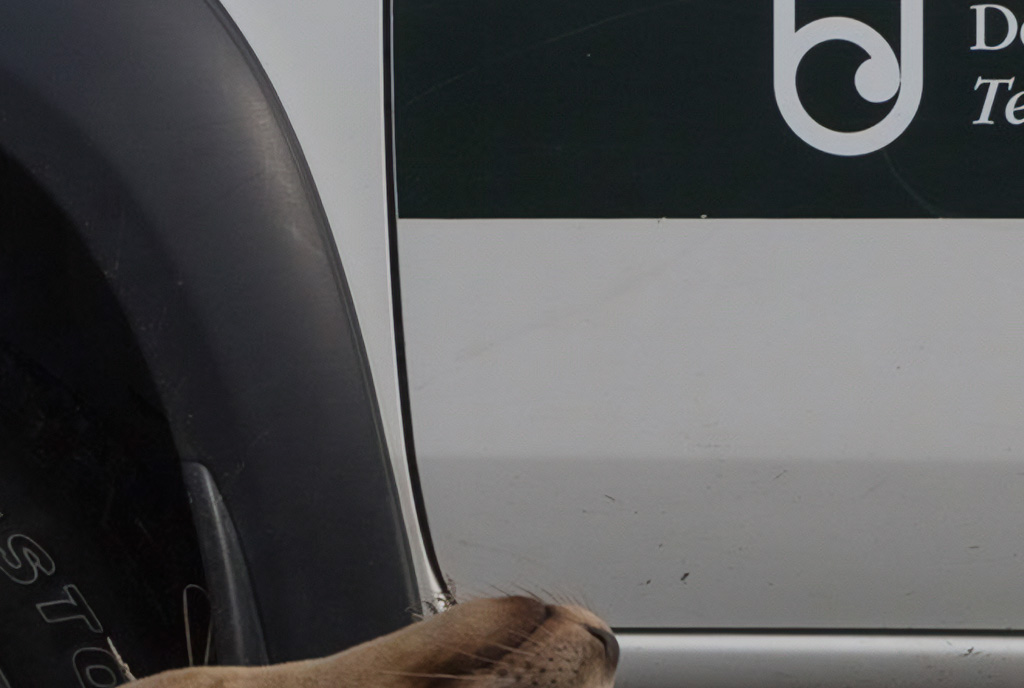
The Department of Conservation and the New Zealand Sea Lion Trust, with its army of "nannies" like Yardley, are working to manage these threats. The organizations keep watch over females and their pups, fence off areas where they might nest, and put up signs warning passersby and requiring all dogs to be kept on a leash. Sometimes, if the sea lions have chosen an exposed spot to nest, Fyfe and his team build a simple shelter to help protect the pups, and last year they closed a road in Dunedin for a month to keep a sea lion family safe.
"The breeding season is a critical time for (the sea lions)," Fyfe says. "We ask people for patience, it's not a permanent thing."
But as the sea lion population grows, this hands-on service may become less viable. Instead, Fyfe hopes technology will offer a solution. He took part in a research project, published last year, that uses algorithmic models and GIS mapping to identify critical habitat, which could help rangers prioritize which areas to protect.
"They're not actually going to bite you"
Ultimately, one of the simplest ways to protect sea lions from human threats is to teach people how to react around them.
"If people get too close to the sea lions when they're active, the sea lions make a bluff charge... and people tend to turn and run," Fyfe says. "Running is the wrong thing to do. They're not actually going to bite you, 99 times out of 100 they'll stop and have a sniff of you. So just try to stay calm and keep walking out of that area."
Fyfe hopes that once locals get used to having sea lions on their beaches and around their homes, they'll learn to live alongside them. "People don't need to be scared, they're not aggressive animals," he says. "They're more playful and curious."
Fortunately, raising awareness and interest in these animals isn't hard. "They're their own best marketing tool, (because) on the whole they're super cute," he adds.
This story has been updated to remove the name of the beach where the sea lions nest, in order to reduce human contact and support conservation efforts.