

Hong Kong can reinvent itself almost overnight.
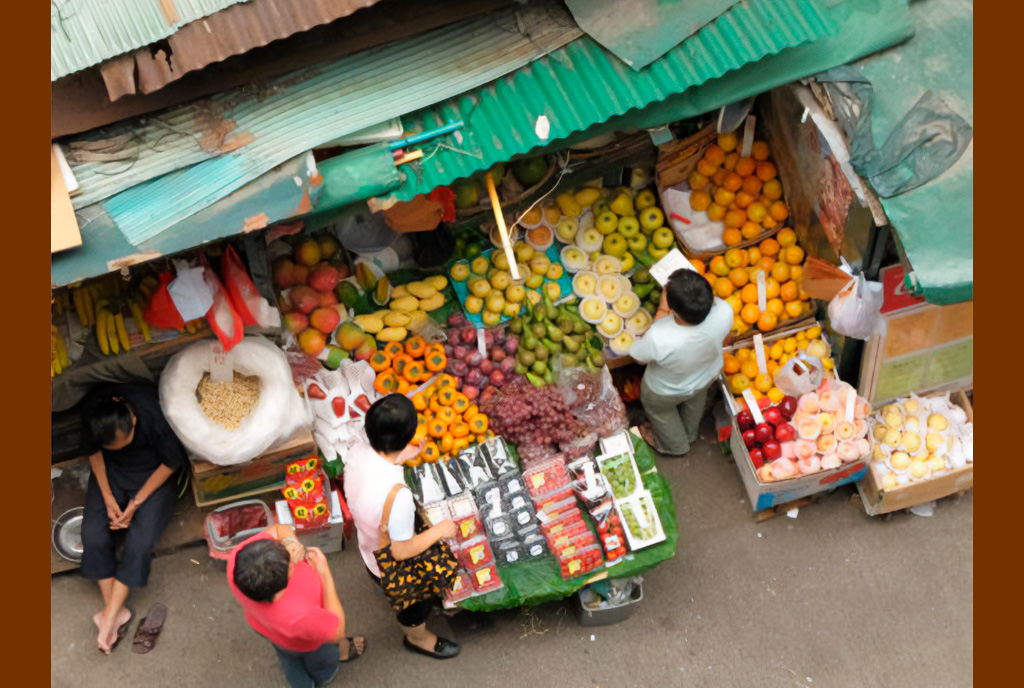
Shops open and close in the blink of an eye. Skyscrapers spring up like mushrooms after rain. The city's skyline never stays the same for long.
Unlike cities with a long history, such as London and Paris, this Asian metropolis of 8 million people doesn't have many tangible relics of the past.
Partner links: booking through them supports the blog at no extra cost to you.
Hong Kong's most reliable record of history isn't found in museums or architecture, but in its food.
"If you want to get a feel for what Hong Kong was like in the 1960s, you really need to pay attention to the food, because for the most part it's the food that has survived untouched," says Daisann McLane, who runs Little Adventures in Hong Kong, a company that offers culinary concierge services and leads experiential tours.
This group's food and culture walks immerse travelers in the delicious underbelly of Cantonese life, from cafes and bakeries to markets and tea shops.
McLane shares some of her favorite food experiences in Hong Kong and what they reveal about the city's colorful history.
Preserved in time
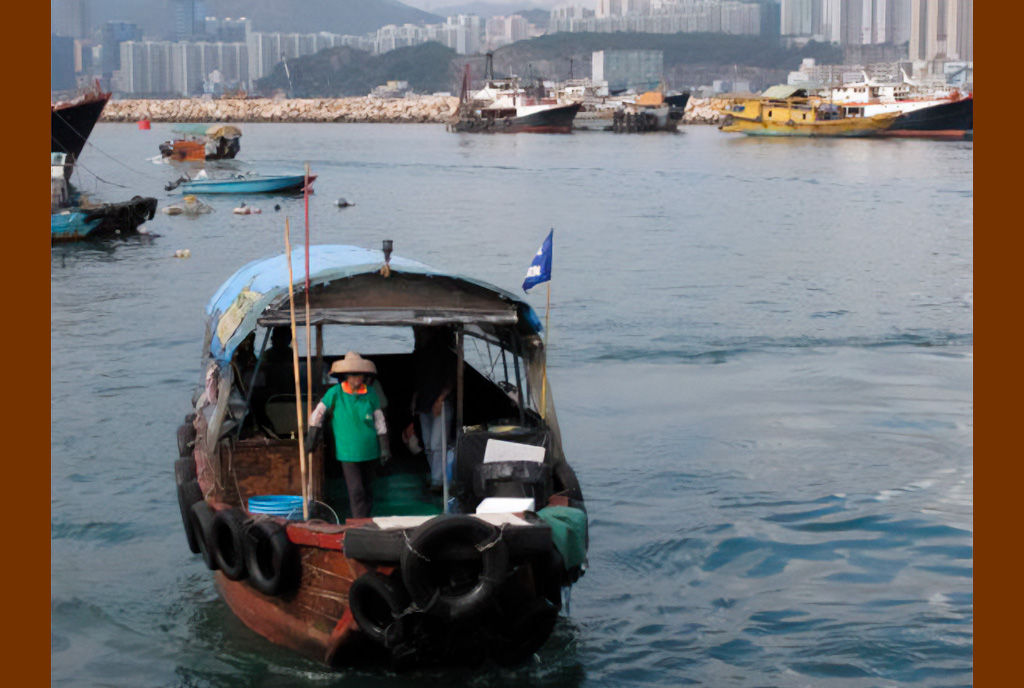
Before Hong Kong became a British colony, a manufacturing hub or a bustling financial capital, the area was mostly home to fishermen.
In the earliest days, before the territory came to be known as "Hong Kong," it was a strategic port for European and Asian sailors (not to mention pirates), often used as a rest stop during long voyages.
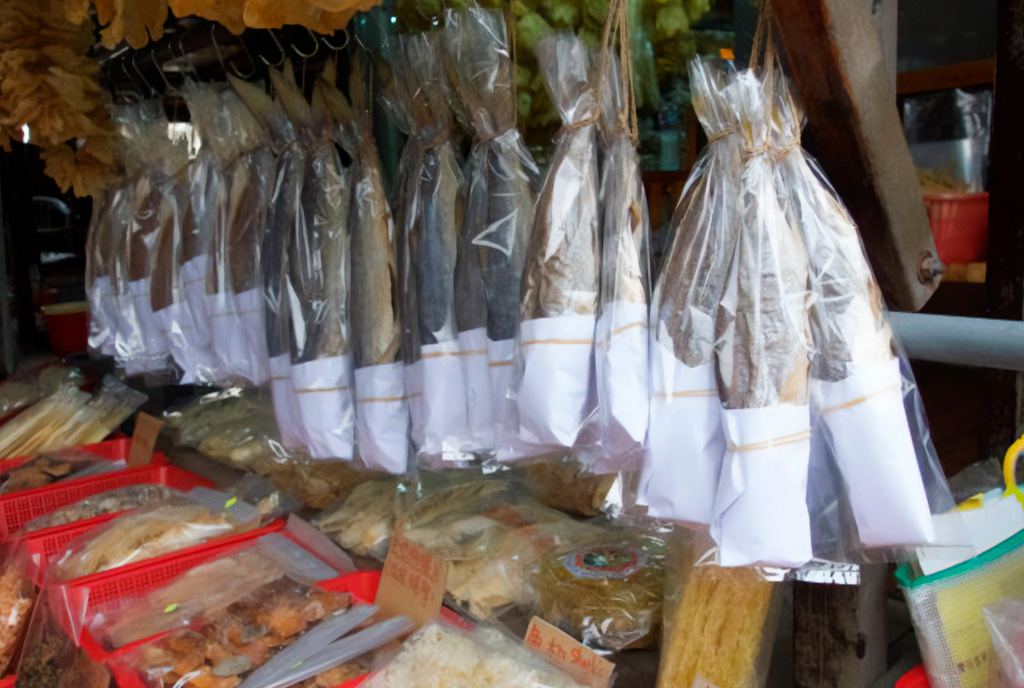
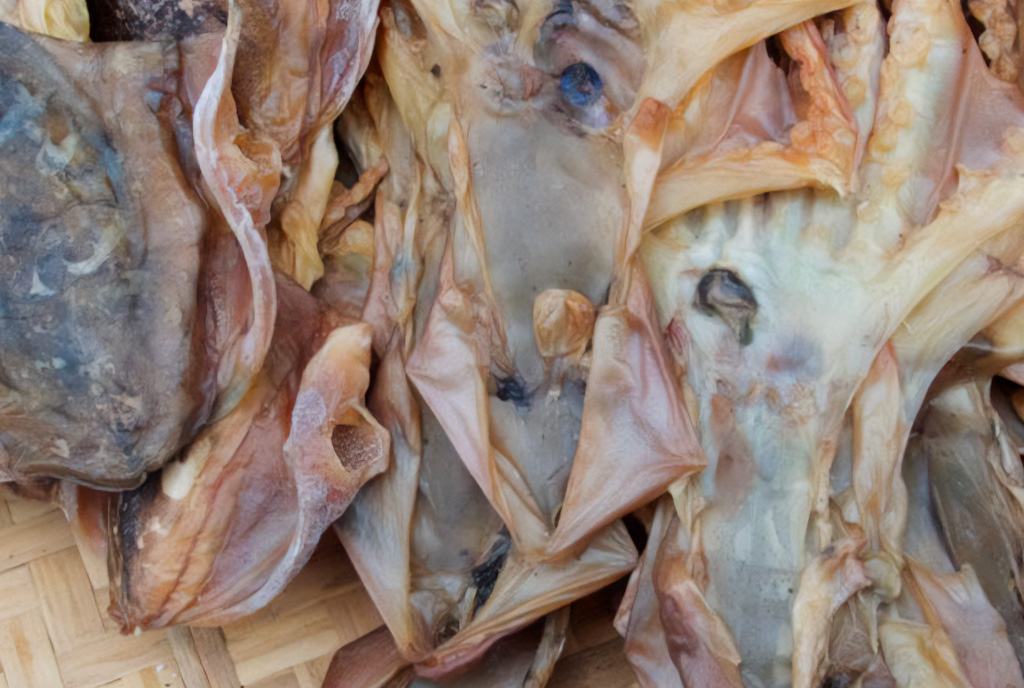
The dried fish found in Hong Kong and the surrounding region was extremely valuable.
In the era before refrigeration, haam yu served as a kitchen staple, providing nourishment for sailors on long voyages and an affordable source of protein for rural Chinese communities.
"When I see dried fish hanging by the roadside, dried fish on red ribbons, those were some of the original products of Hong Kong Island and the Pearl River Delta region," says McLane.
"The age of sail would have been impossible without these dried goods that kept people alive during long voyages."
The deeply rooted trade is still everywhere today, especially on the dried-goods streets of Sai Ying Pun, where travelers head to catch a whiff of the past.
Where to find it: To get acquainted with Hong Kong's dried seafood trade, travelers can visit the fishing village of Tai O on Lantau Island or simply wander the lanes of Sai Ying Pun, around Des Voeux Road West, Queen Street and Centre Street, where shops overflow with dried mushrooms, whole fish, sea cucumbers, goji berries and much more.
Cafe society
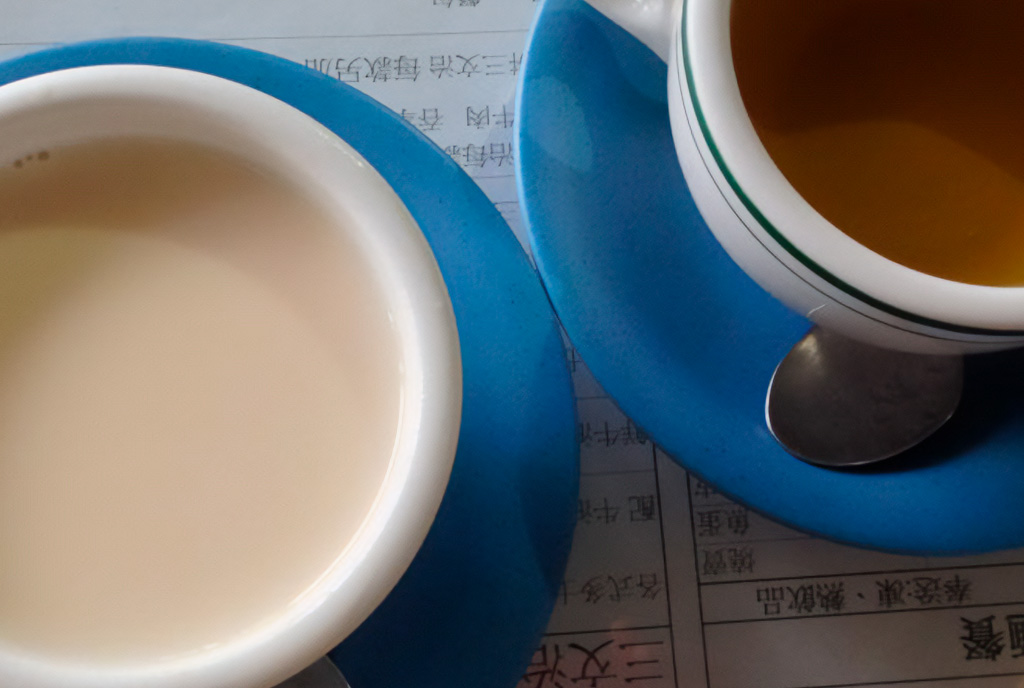
By the mid-1950s, a lot had changed in Hong Kong.
The British raised their flag in 1841, and colonialism was in full swing.
After World War II, Chinese immigrants poured into Hong Kong, fleeing the communist takeover and the famine of the Great Leap Forward in the 1950s and early 1960s.
As Hong Kong rebuilt after the war, it turned to manufacturing, which ushered the city into an era of growth and productivity.
Factories thrived, the population grew, and at the same time globalization was gathering pace around the world.
Combined with an influx of factory-made products such as white bread, peanut butter, condensed milk and instant noodles, the factories gave rise to a unique culinary experience that embodies this era: the cha chaan teng diner.
"The modern Hong Kong we see today has its roots in the Hong Kong of the post-1950s era," says McLane. "And one of the biggest changes we see is the explosion in popularity of Hong Kong-style cafes, the cha chaan teng. Although cha chaan teng existed as far back as the 1920s, they really came into their own in postwar Hong Kong and are emblematic of that moment in history."
"The rhythms of the factory left their mark on food culture, so you needed fast food for people who only had a short lunch break," says McLane.
Back then, you could find a cha chaan teng on every corner, serving simple white-bread sandwiches, pork chops and milk tea as snacks.
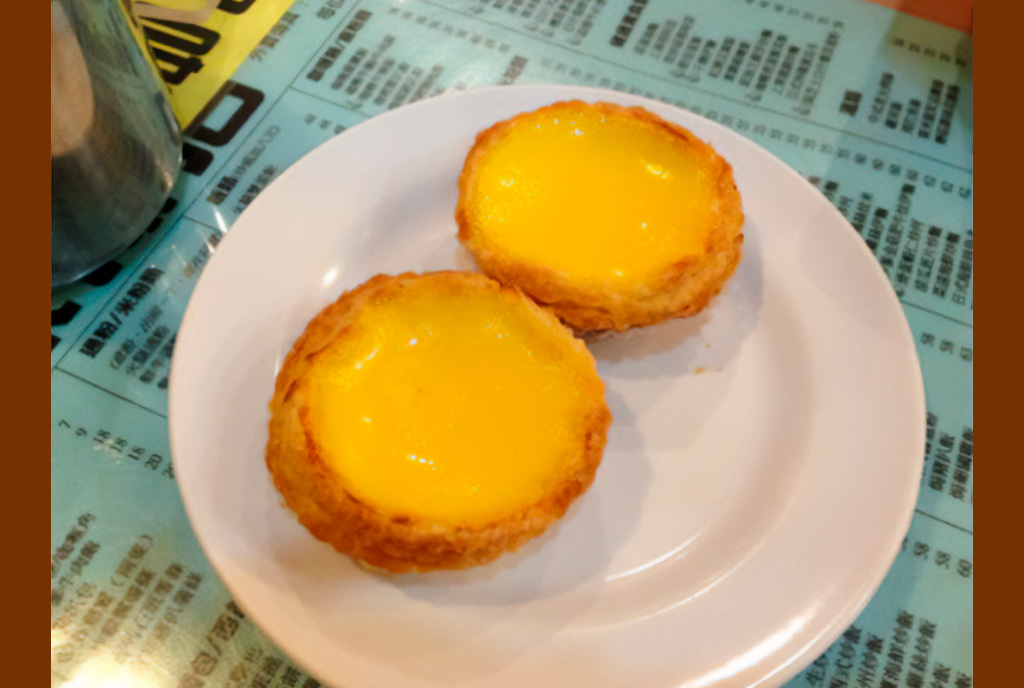
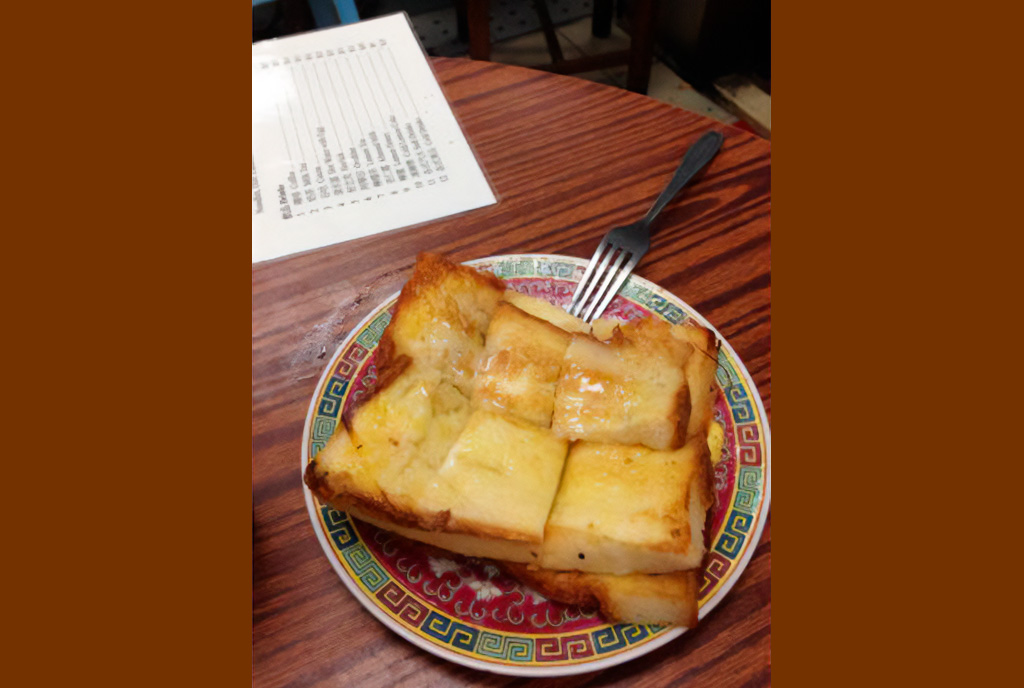
And today the menus are full of delicious cultural mashups, such as egg tarts, Hong Kong-style French toast and yuenyeung milk tea, a blend of strong black tea and coffee.
"You can sit in a cha chaan teng, eat peanut butter and condensed milk on toast, drink milk tea, and from there you can travel through 75 years of Hong Kong history."
Where to find it: The family-run For Kee Restaurant (200 Hollywood Road, Sheung Wan; +852 2546 8947) serves its famous pork chop bun and a taste of old Hong Kong. Hoi On Cafe (G/F, 17 Connaught Road, Sheung Wan; +852 2540 6340) is another long-standing institution, a 70-year-old cha chaan teng renowned for its handmade egg tarts and icy drinks.
A saucy experience
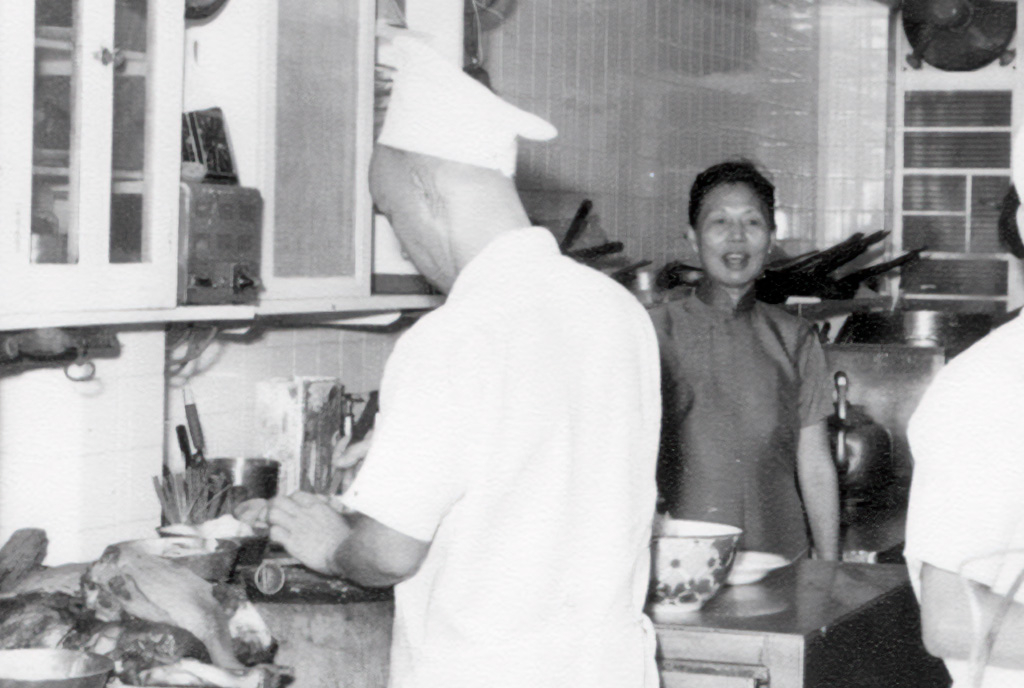
Often overlooked, but an important part of Hong Kong's culinary landscape, is soy sauce Western cuisine, immortalized in Wong Kar-wai's celebrated film "In the Mood for Love."
A more refined take on cha chaan teng dining, this hybrid style of eating began to flourish in the 1950s and '60s.
"Hong Kong's elite traveled around Europe and Britain. They came back to Hong Kong with a more cosmopolitan taste for dishes like steak, and they wanted to eat food that reminded them of their trips," says McLane.
Answering that demand, Cantonese chefs from international hotels such as the Mandarin Oriental and The Peninsula took what they knew about Western cuisine and opened their own soy sauce Western restaurants, complete with tuxedo-clad waiters, tableside service and starched tablecloths.
But in the process of adapting Western food for Cantonese palates, the experience became something of a caricature of the real dish, not unlike "Chinese" food in the United States.
"For a Westerner, it's like visiting a restaurant where time stopped in 1955, because they still serve meat, potatoes, Cobb salads, souffles, things you'd never see on a menu again," says McLane.
"From a culinary history standpoint, it's a unique expression of Hong Kongers of that time and their aspirations toward cosmopolitanism."
They may have plenty of quirks, but soy sauce Western restaurants are becoming a rare breed these days, so try them while you still can.
Where to find it: Tai Ping Koon (21 Stanley Street, Central; +852 2899 2780) serves some of the finest soy sauce Western dishes. Sammy's Kitchen (204-206 Queen's Road West, Sai Ying Pun; +852 2548 8400) is one of the grand old establishments.
Introducing Cantonese cuisine 2.0
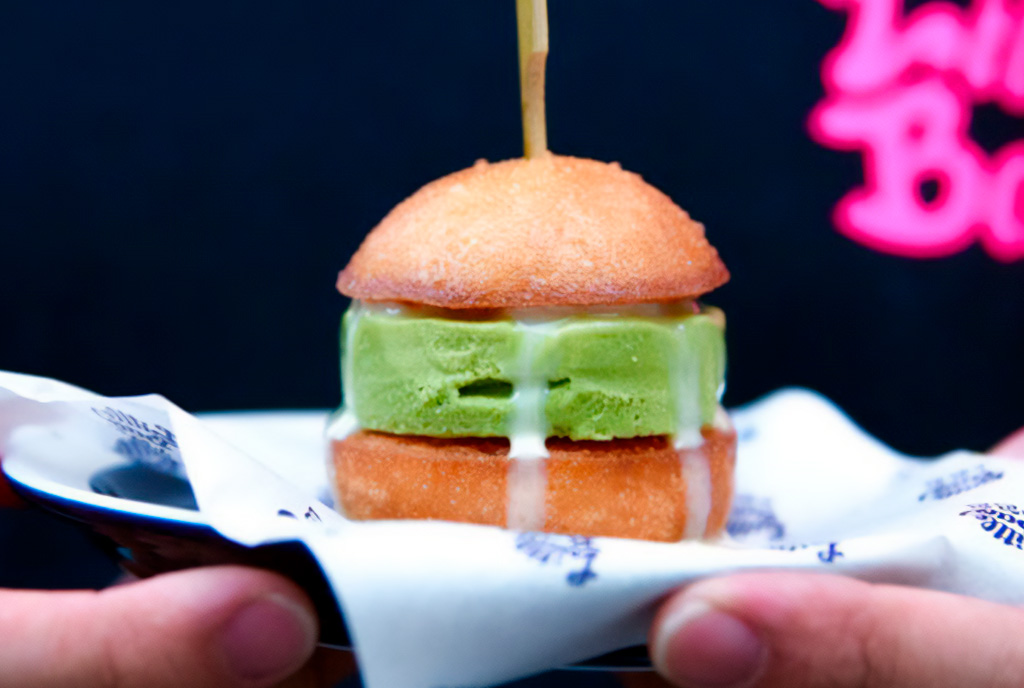
Hong Kong's culinary history wouldn't be complete without a taste of modern Cantonese cuisine.
Over the past five years, the Cantonese food scene has never been more exciting.
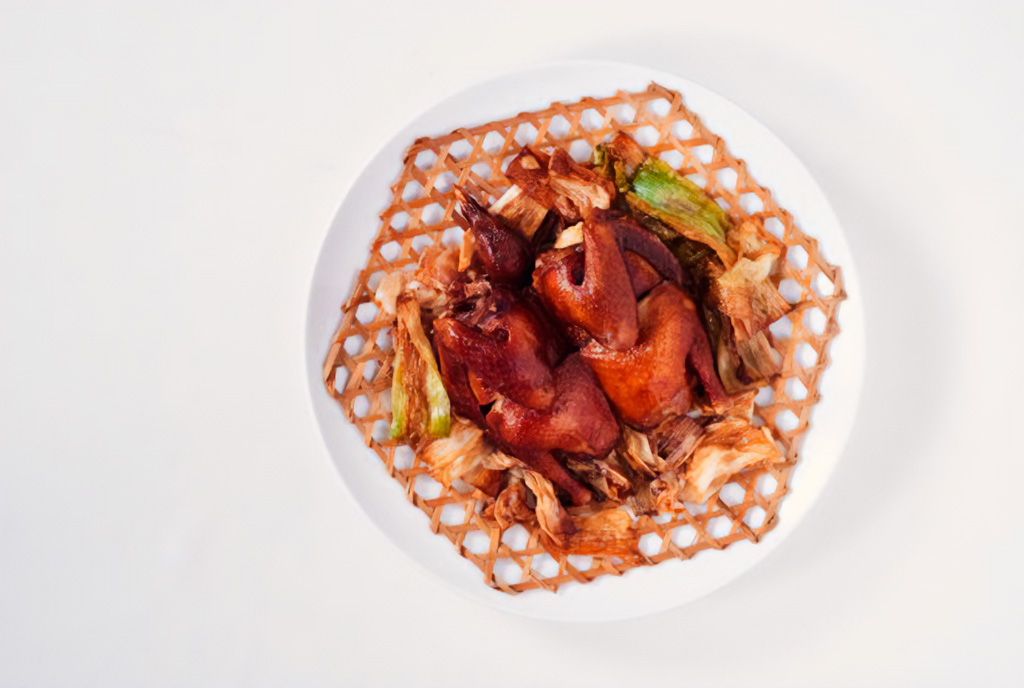
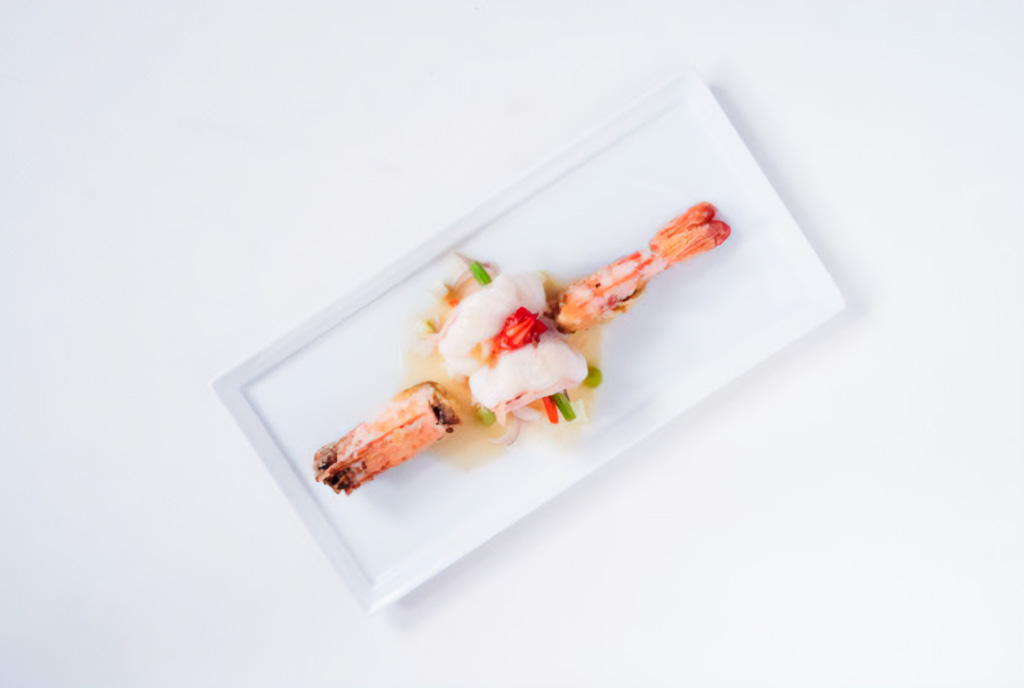
Enter "Modern Cantonese Cuisine," a new breed of restaurant in Hong Kong that pays homage to time-honored recipes while updating them with premium ingredients, unexpected flavor pairings and playful presentations.
"There's this young generation of chefs emerging who are pushing the cuisine forward, reimagining it, but not making fusion food," says McLane.
She says the movement began with Lau Kin Wai, an author, food historian and restaurateur behind Kin's Kitchen, a Michelin-starred Cantonese restaurant that pioneered the private kitchen scene in Hong Kong.
Innovative chefs such as Lau Chun, Kin Wai's son, who runs the kitchen, are developing small menus and reviving labor-intensive dishes that had fallen out of fashion.
"Given that Cantonese cuisine is so bound by tradition, this is nothing short of a revolution," says McLane.
"I don't think there's been a moment in Hong Kong's history that was this creative and intellectually radical, except maybe the arrival of the modern cha chaan teng in the 1950s and '60s."
Where to find it: Try traditional Cantonese cuisine with a modern twist at the pioneering Kin's Kitchen (5/F, W Square, 314-324 Hennessy Road, Wan Chai; +852 2571 0913).
Seventh Son (4-6/F, Kwan Chart Tower, 6 Tonnochy Road, Wan Chai; +852 2892 2888) is an offshoot of the historic Fook Lam Moon restaurant.
Tucked away in a chic basement space, Mott 32 (Standard Chartered Bank Building, 4-4A Des Voeux Road Central, Central; +852 2885 8688) offers contemporary art, high-quality cocktails and Chinese food made with premium ingredients.
Head to Ho Lee Fook (1 Elgin Street, Central; +852 2810 0860) for inventive ingredients in a funky atmosphere.
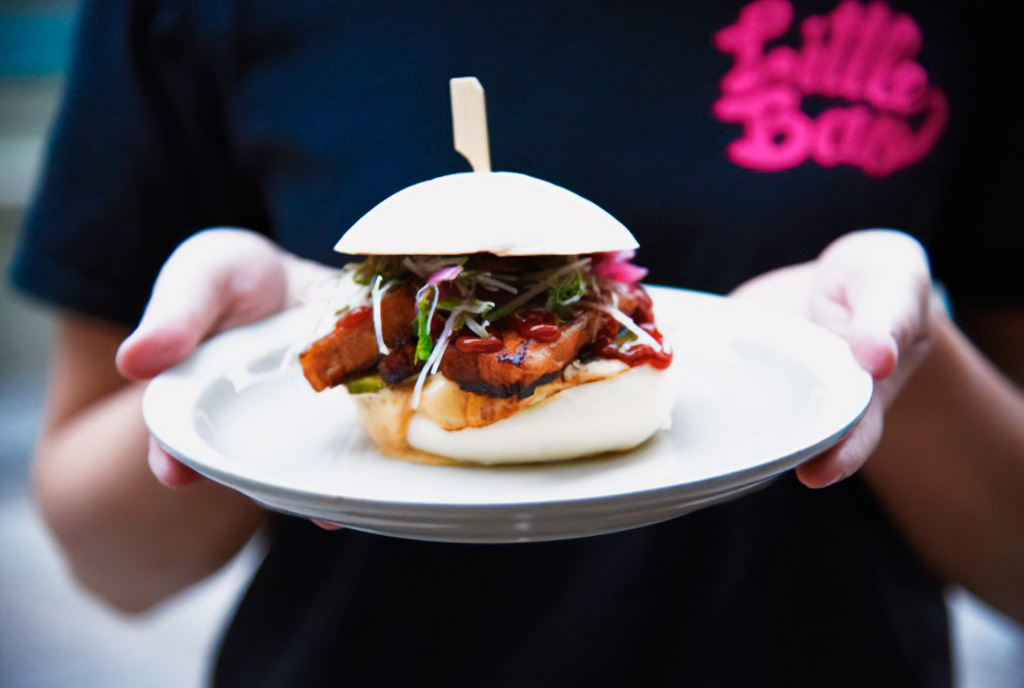
The line at Little Bao (66 Staunton Street, Central; +852 2194 0202) is worth the wait. This little spot serves modern takes on fast food with Cantonese flavors.
Kate Springer is a Hong Kong-based freelance journalist who writes about food, travel, culture, architecture and innovation for a range of publications. Follow her on Instagram and read more of her work here.