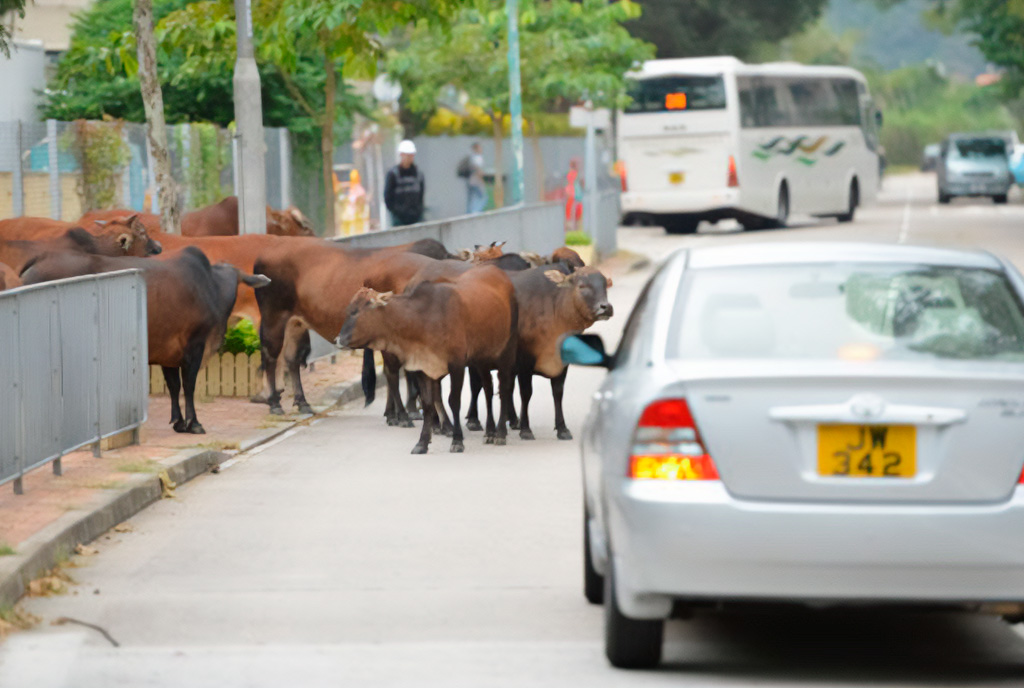


Crossing the road on Hong Kong's Lantau Island can sometimes be a tricky business, and not because of the traffic.
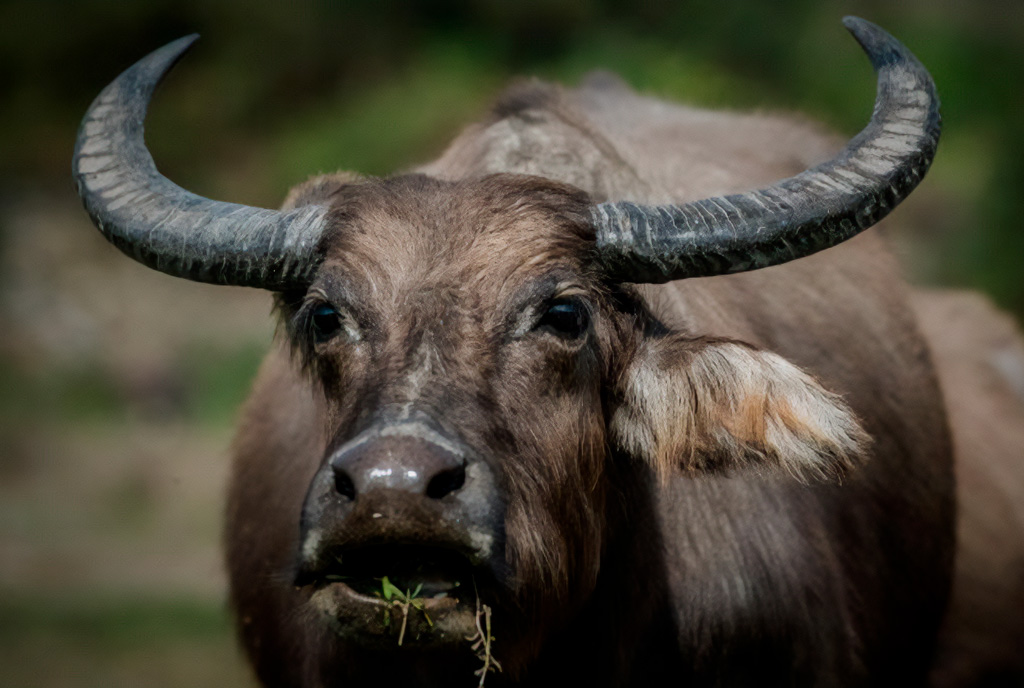
Wild cattle and water buffalo wander the streets, pausing to take in the views and soak up the sun.
Yes, this is Hong Kong. But not the ultra-modern skyline and crowded streets that travelers have come to expect.
Partner links: booking through them supports the blog at no extra cost to you.
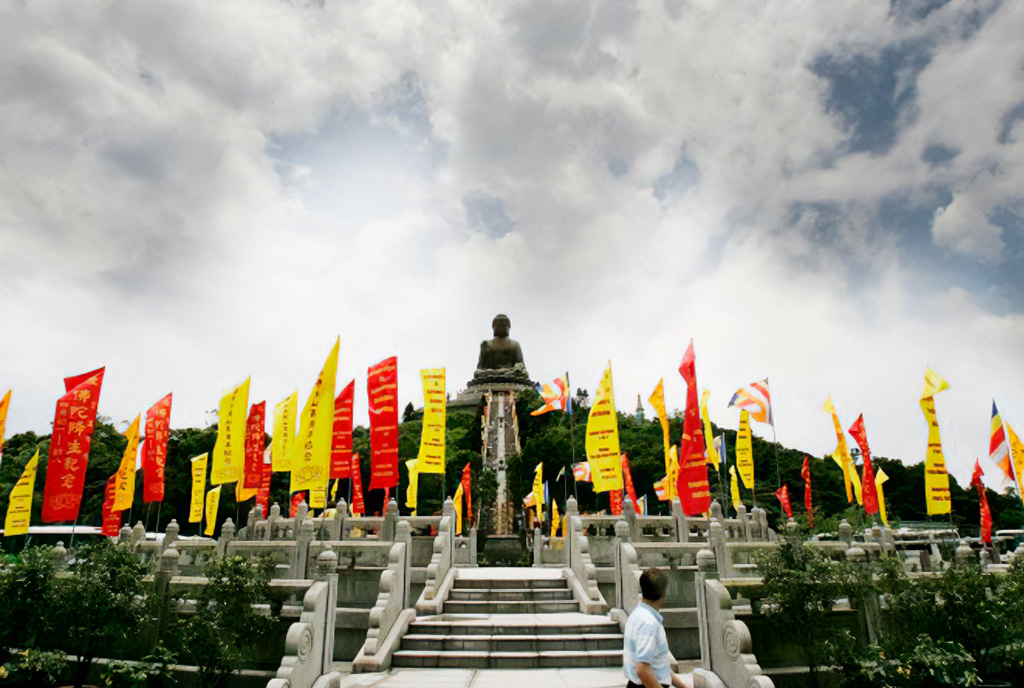
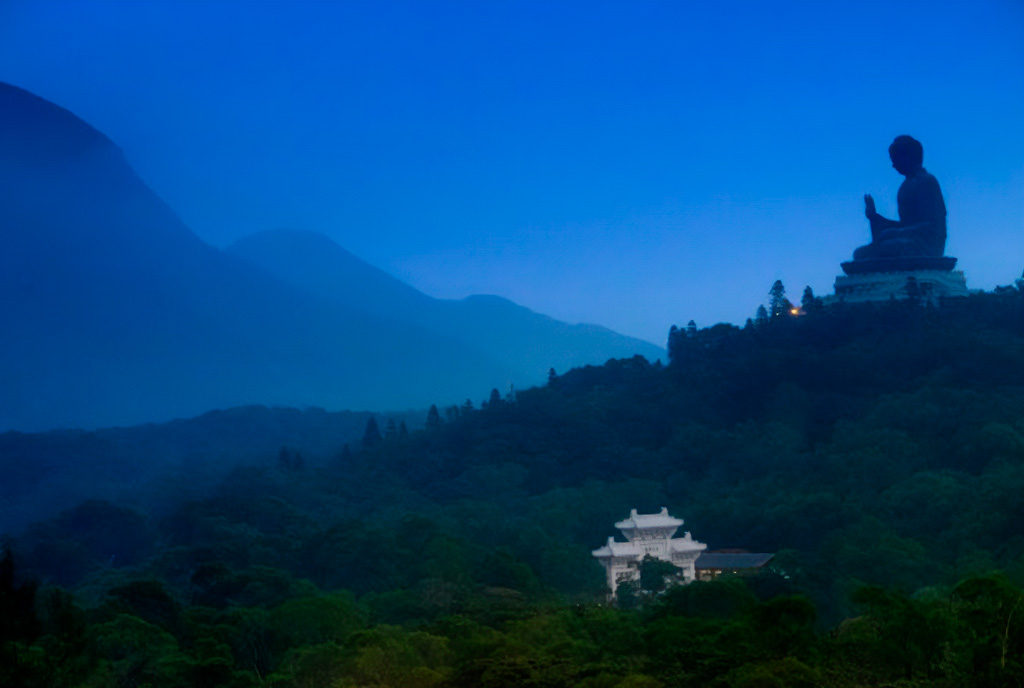
Most tourists planning a trip to Lantau head straight for the massive 34-meter Tian Tan Buddha statue, also known as the Big Buddha, and Hong Kong Disneyland.
But Lantau, nearly twice the size of Hong Kong Island, offers far more than a handful of big-name attractions.
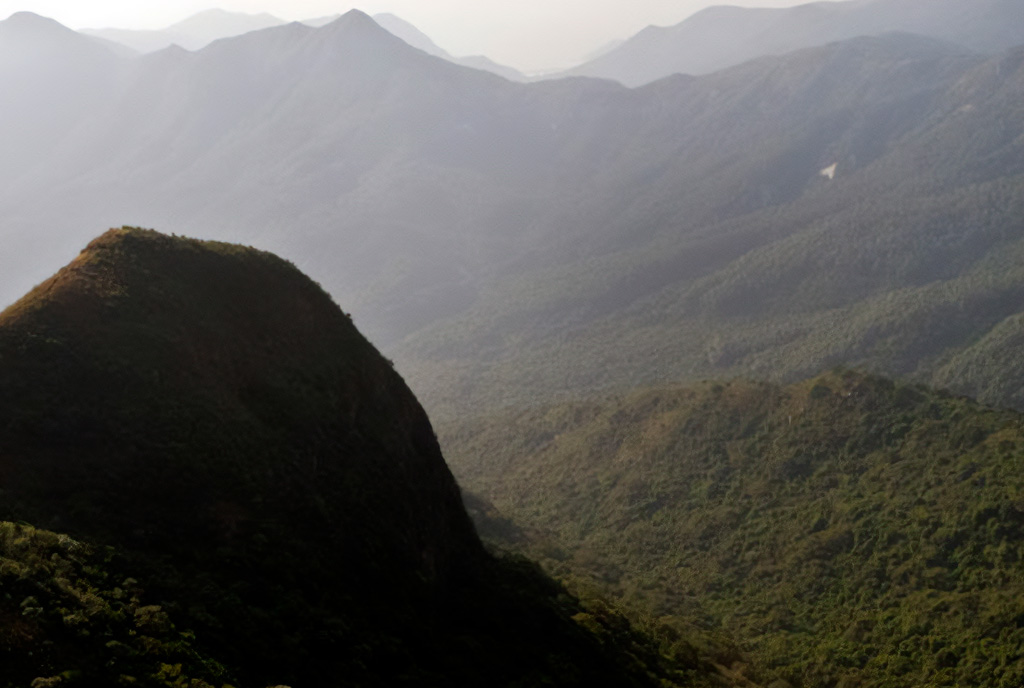
Nicknamed "the Lungs of Hong Kong," Lantau boasts mountainous terrain, long stretches of sandy coastline and the territory's largest country park, which covers almost half the island.
There are more cattle here than taxis, with nearly 1,000 animals roaming the island compared with just 75 cabs.
It's worth spending a weekend on Lantau Island to properly explore its secluded waterfalls, fishing villages, quiet beaches and surf bars.
Kick Back and Relax

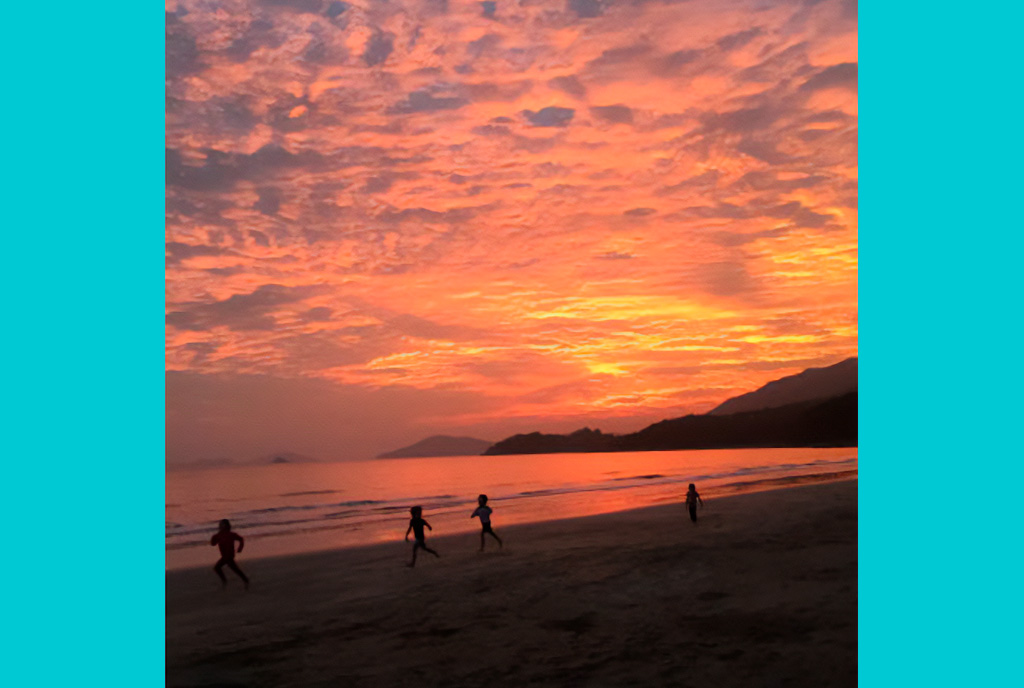
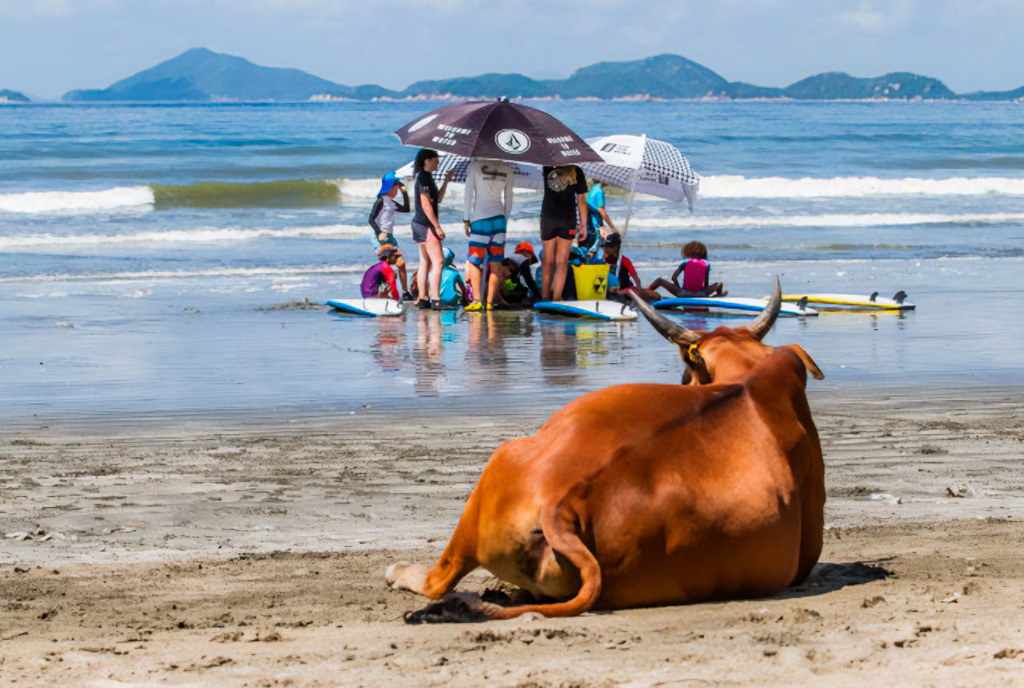
Tucked between mountains and rice paddies, Pui O Beach draws sunbathers and surfers alike, and the occasional pair of water buffalo.
On Lantau's southeastern corner, the coastline has long attracted beginner surfers thanks to its clear water and gentle, if unreliable, waves.
But even if you're not planning to conquer the waves, the local surf bar is well worth a visit.
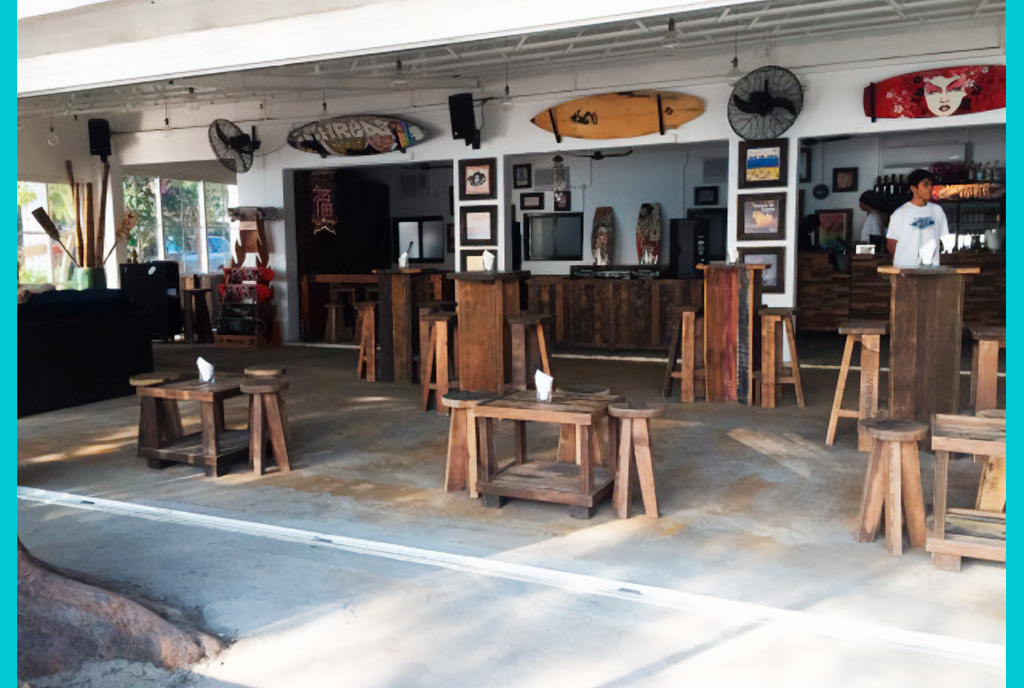
Opened in 2014, Mavericks quickly put Pui O on the map with its colorful interiors: picture surfboards decorating the walls, laid-back wooden high-top tables, an open-air terrace and even a mini skateboard ramp.
But it's not just the decor that has won over Hong Kongers. The wide-ranging menu also makes the most of fresh produce from local farmers.
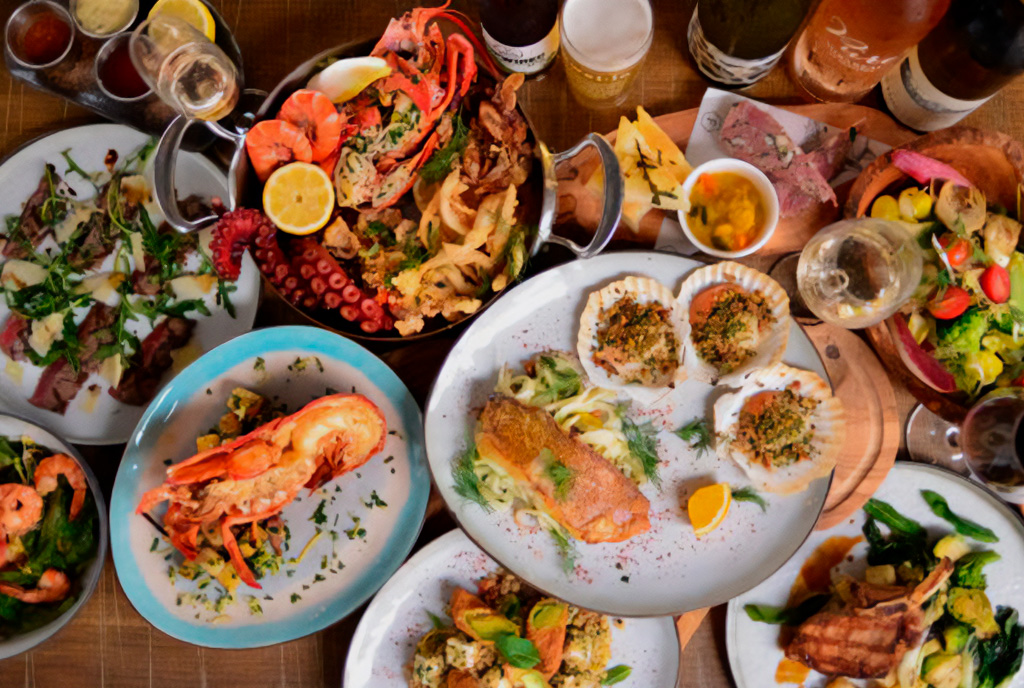
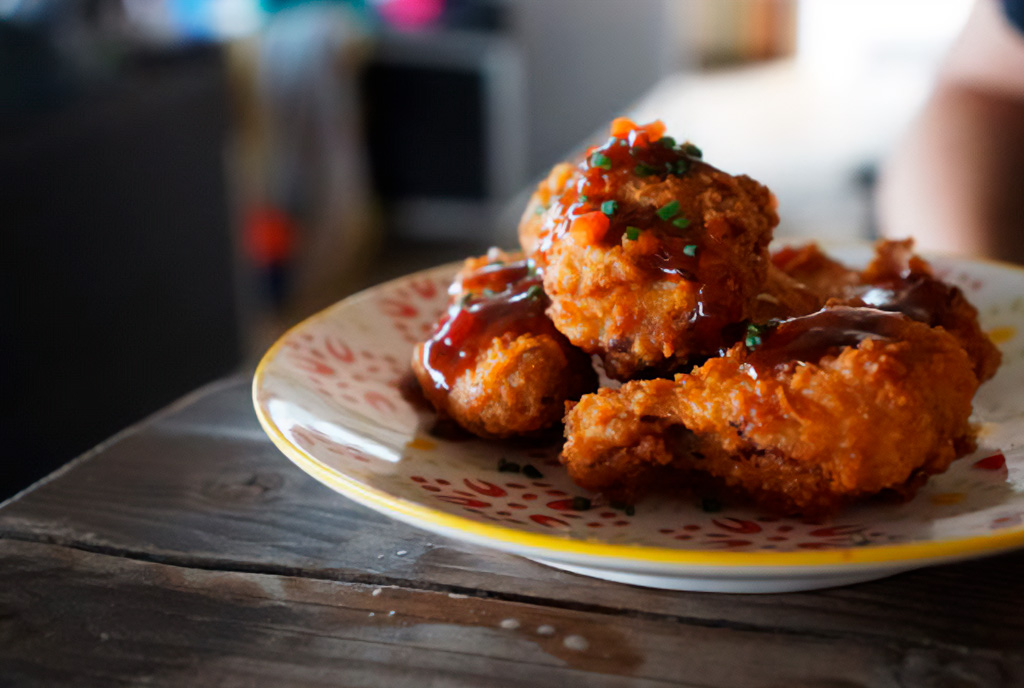
This is the place to sip a local craft beer alongside seared tuna, chicken wings in a Thai-tamarind sauce, chili-and-cheese fries, and bangers and mash: a little American, a little British, a little Asian, and all delicious.
Mavericks, Pui O Beach, South Lantau Road, Lantau Island, Outlying Islands; +852 5662 8552
Head Into Town
Cycling around Lantau isn't just incredibly convenient, it's also a far more scenic way to explore the island.
Cyclists can stop and start as they please, riding through villages and along trails, discovering hidden coves without waiting for a bus or taxi.
On Lantau's eastern coast, a few sleepy towns offer a different side of Hong Kong life, far from the rushing crowds and towering skyscrapers of Central and Tsim Sha Tsui.
The town of Mui Wo moves at a much slower pace, with a relaxing waterfront and bikes you can rent from the Friendly Bike Shop.
For lunch, the Mui Wo Cooked Food Centre has several waterside eateries that typically specialize in seafood, including squid, prawns, scallops and much more.
More ambitious cyclists might want to tackle the mountainous island loop. Starting from Mui Wo and following South Lantau Road along the coast, the route climbs up to Ngong Ping village before looping back down to the southeastern beaches.
Friendly Bike Shop, Shop 5, 18A Mui Wo Ferry Pier Road, Mui Wo, Hong Kong; 2984 2278
Go for a Hike

One of Hong Kong's best-loved mountain trails, the Lantau Trail spans a 69-kilometer loop divided into 12 more manageable sections.
A relatively accessible option runs along the coast from Discovery Bay, in Lantau's northeast, to Mui Wo.
The two-hour trail passes through fishing villages and forest paths before ending near the mountain Trappist Monastery.
Along the way, dramatic views open up over the offshore islands of Cheung Chau and Peng Chau, the hills behind and Silvermine Beach below.
For a tougher challenge, hikers can choose Lantau Peak, also known as Fung Wong Shan, the island's highest mountain at 934 meters.
This hike is best enjoyed at sunrise, and the route usually begins in Ngong Ping, home of the Big Buddha, at the start of stage 3 of the Lantau Trail.
From there, a 4.8-kilometer path leads travelers to the summit of Lantau Peak, with views of the Shek Pik Reservoir and Sunset Peak along the way.
Chase Waterfalls
Just a half-hour ferry ride or metro trip from Hong Kong Island, Lantau is full of literal places to unwind and a few idyllic waterfalls.
The most accessible are the Silvermine Waterfalls, which you can reach from the town of Mui Wo in Lantau's southeast.
Starting from Mui Wo Rural Committee Road, a 3.2-kilometer walk along a gently rising trail northwest of town takes travelers past local villages and beaches.
A trail marker points the way to the waterfalls, which are also a popular spot for picnics and barbecues.
A little harder to find is the scenic Man Cheung Po Infinity Pool, tucked away on the opposite side of Lantau Island, not far from the village of Tai O.
This natural series of terraced waterfalls ends in a pool that seems to spill straight out of the mountainside.
Travelers can find their way to the pool starting from the Tai O pier, following the coastal path for about 1.6 kilometers until they reach the signs pointing to the waterfalls. From there it's another two hours uphill.
Tempting as it looks, be careful not to dip so much as a toe: this pool is a source of fresh water for the island, so swimmers can be fined if they're caught contaminating the supply.
Living History
Hidden in the southwestern corner of Lantau Island, the fishing village of Tai O feels frozen in time.
The quiet town is full of brightly painted stilt houses built over a network of waterways.
For centuries the area was largely home to fishermen, but the trade has declined over the past few decades.
While the fishing industry has faded, dealers in salted fish and shrimp paste still make a living from the small shops scattered around the area.
On the western edge of the village, travelers will find a white colonial facade that stands in contrast with its humble surroundings.
The historic Tai O Heritage Hotel, a Grade II historic building, sits atop a hill with views over the South China Sea.
Built in 1902, originally as a marine police post to combat piracy at sea, the colonial-era hotel has preserved its former identity with historic details.
Century-old cannons and corner towers stand guard, while the nine rooms come with French windows, fireplaces and vintage furniture.
Tai O Heritage Hotel, Shek Tsai Po Street, Tai O, Lantau Island, Hong Kong; +852 2985 8383
Pitch a Tent
Lantau has some serious bragging rights when it comes to camping.
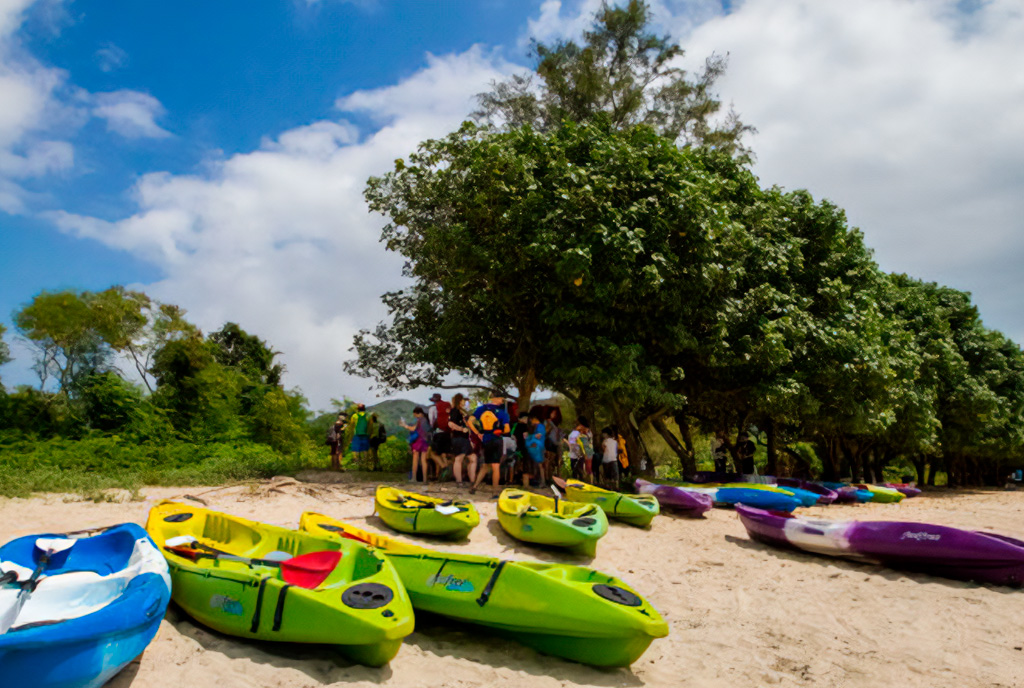
With several excellent campsites, travelers can relax in secluded woodland or set up camp near the island's less-visited beaches.
No tent? No problem. Hong Kong's campsites require minimal gear, not to mention a few upscale options to make the experience a little more glamorous.
In Pui O, the public campground offers easy access to the ocean, along with barbecue pits, encounters with water buffalo and hiking trails.
Right next to the site is a handy alternative for travelers without tents: Treasure Island.
This helpful outfit provides tents, coolers, sleeping bags and barbecue equipment, and even a s'mores kit should the need arise.
A more stylish option is Long Coast Seasports, about a 10-minute taxi ride south in Lower Cheung Sha Village.
This spot offers luxurious safari-style canvas tents, complete with mattresses, wooden floors, air conditioning and plenty of space.
On-site there's a pool table and a trampoline, plus several seaside restaurants nearby.
Two of the most popular options are the Beach House, with its Mediterranean menu, and The Stoep, known for its South African cuisine and set in a charming garden.
Treasure Island, Pui O Beach, Lantau Island, Hong Kong; 2546 3543
Long Coast Seasports, 29 Lower Cheung Sha Village, Lantau Island, Hong Kong; +852 8104 6222
See the Pink Dolphins

Hong Kong's famous pink dolphins, officially known as Chinese White Dolphins, thrive off the northern and western coasts of Lantau, in the South China Sea and the neighboring Pearl River estuary.
The dolphins are known for their whitish, bright-pink skin, which tends to turn pinker with age.
Although dolphin populations are declining rapidly due to habitat destruction and marine traffic, it's still possible, and in fact fairly likely, to spot these playful creatures while you're on Lantau.
In 2016, Eco Travel, a local eco-tourism company, began providing interpretation services on tourist boats in Tai O, with WWF-Hong Kong serving as an advisor.
The program works with the village's tour operators, promoting safe environmental practices and raising awareness of the animals' status as an endangered species.
Tick Off a Bucket-List Item
If you can't bring yourself to leave Lantau without seeing one of the world's largest Buddha statues, we won't blame you.
The 34-meter bronze giant draws crowds every day, most of whom reach it via the Ngong Ping 360 cable car, which serves up spectacular views along the way.
But beyond the Big Buddha, the Ngong Ping plateau has several other sights worth your attention.
Just steps away is the century-old Po Lin Monastery, which showcases classic Chinese architecture across its various halls and shrines.
The monastery is famous for another reason too: its Buddhist vegetarian cuisine, largely centered on dumplings, noodles, vegetables, rice, tofu and the popular mango-and-rice dumplings for dessert.
Also worth seeking out is the Wisdom Path, a walking trail that leads travelers around 38 wooden monuments arranged in the shape of a figure-eight infinity symbol.
Each column features beautiful calligraphy, engraved with a verse from the Buddhist "Heart Sutra" prayer.
Rarely crowded, the Wisdom Path offers a quiet corner for reflection in an otherwise touristy area, not to mention wonderful views of the outlying islands.
Po Lin Monastery, Ngong Ping, Lantau Island, Hong Kong; +852 2985 5248