

Most people book Tunisia for the beaches, then discover that Carthage sits half an hour from the capital and a Roman amphitheatre seating 35,000, better preserved than the Colosseum, is three hours down the coast. If you are wondering about the best things to see in Tunisia beyond the sand, here is the short answer: Phoenician ruins, one of Islam's holiest cities, Berber underground homes and the actual Sahara. All of it packed into a country smaller than England, which means the highlights genuinely fit into one week.
Carthage: what survived after Rome wiped it out
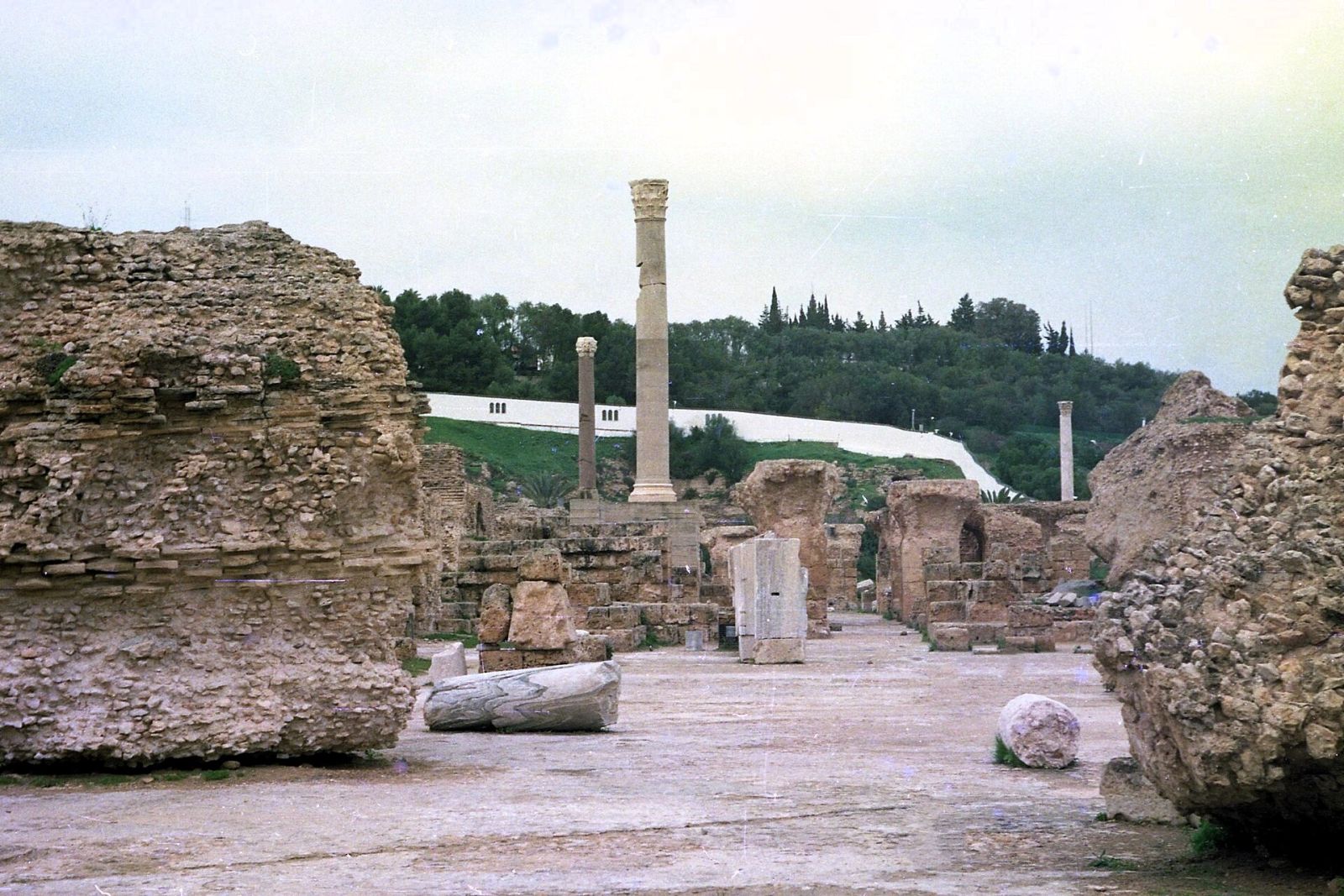
Spoiler: less than your imagination promises. The Romans razed Phoenician Carthage to the ground in 146 BC, then built their own city on top. So the ruins you walk through today are mostly Roman: the Antonine Baths right on the shoreline, an amphitheatre, cisterns, a hillside quarter of villas with mosaics. The Phoenician layer hides on Byrsa Hill and in the tophet, an ancient sanctuary with child burials that still sends a chill down the spine.
Carthage is a UNESCO World Heritage site, and it is not one enclosure but a dozen plots scattered across a leafy suburb. A combined ticket covers the main ones. The easy way in is the TGM suburban train from central Tunis; for the baths get off at Carthage Hannibal. Give it half a day and carry water, there is almost no shade on the excavations.
Honest caveat: if you expect a second Ephesus or Pompeii, lower the bar. Carthage wins on atmosphere, the views over the Gulf of Tunis, and the plain fact that you are standing where Hannibal walked.
Sidi Bou Said: the blue and white village above the sea
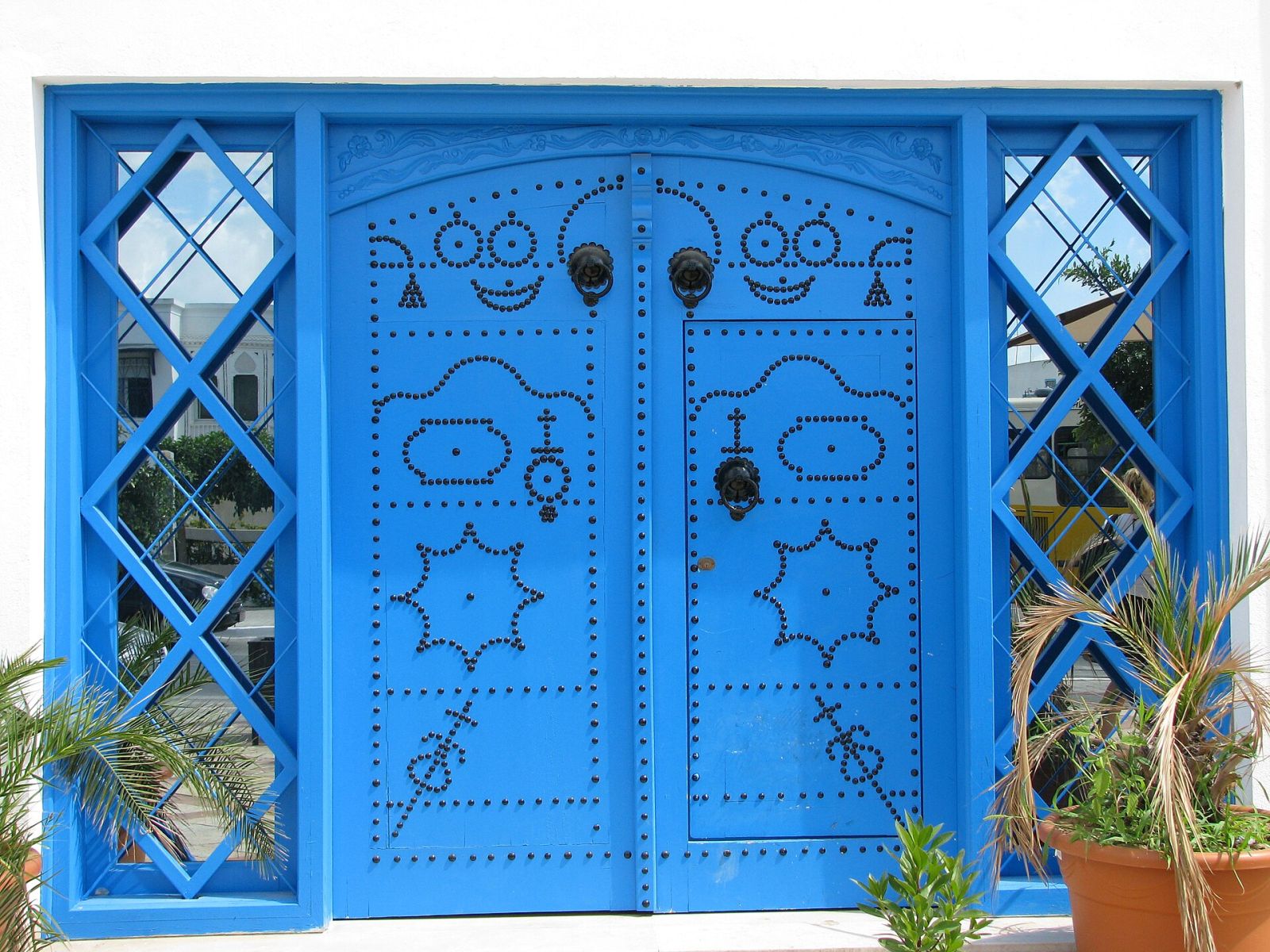
Two train stops past Carthage lies the most photogenic spot in the country. Sidi Bou Said is all whitewashed walls, studded blue doors, bougainvillea and bay views from every second balcony. The colour scheme is the legacy of Baron Rodolphe d'Erlanger, who built the Ennejma Ezzahra palace here in the early 20th century and pushed through a rule that the whole village be painted white and blue only. The palace is open to visitors, housing a museum of Arab music and gorgeous gardens.
The compulsory routine: climb the main cobbled street to Café des Nattes, order mint tea with pine nuts, and grab a bambalouni, a hot sugared doughnut fried right on the street. The obvious downside is that by early afternoon the lanes are wall to wall with tour groups. Come before ten in the morning or at sunset, once the coaches leave.
El Jem: the amphitheatre that beats the Colosseum
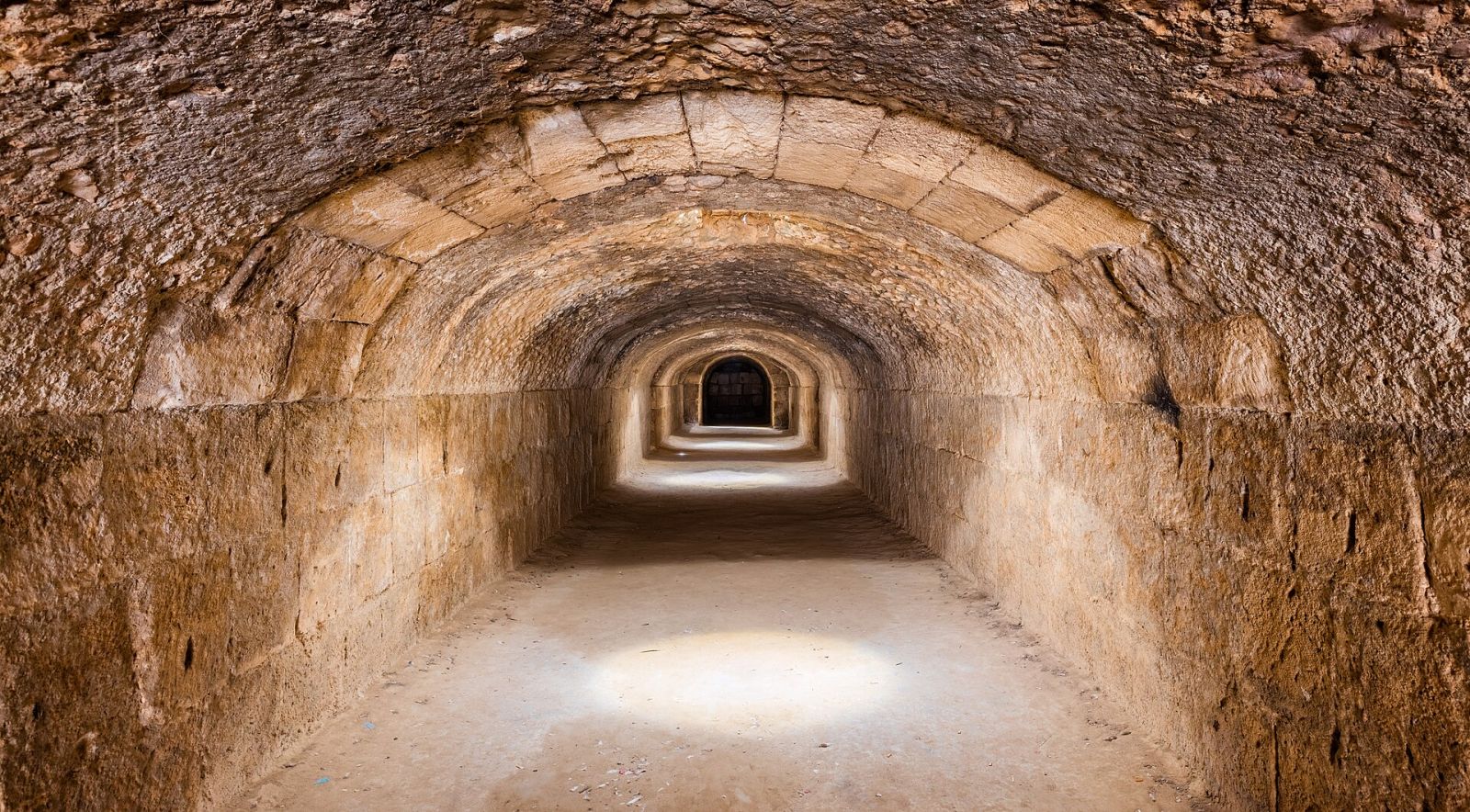
In the middle of a dusty provincial town stands the third largest amphitheatre of the Roman Empire, after the Colosseum and Capua. Built around 238 AD, it held up to 35,000 spectators. The big difference from Rome: here almost nothing is off limits. You can descend into the underground galleries where gladiators and animals waited, walk the upper tiers, sit on the stone benches with no railings and no queues. There are far fewer tourists than at the Colosseum, and it feels like a luxury.
El Jem sits on the road between Sousse and Sfax, so it slots neatly into any trip south. Next door is a mosaic museum most visitors skip, which is a mistake: the collection is among the best in the country.
Kairouan: Islam's fourth holiest city
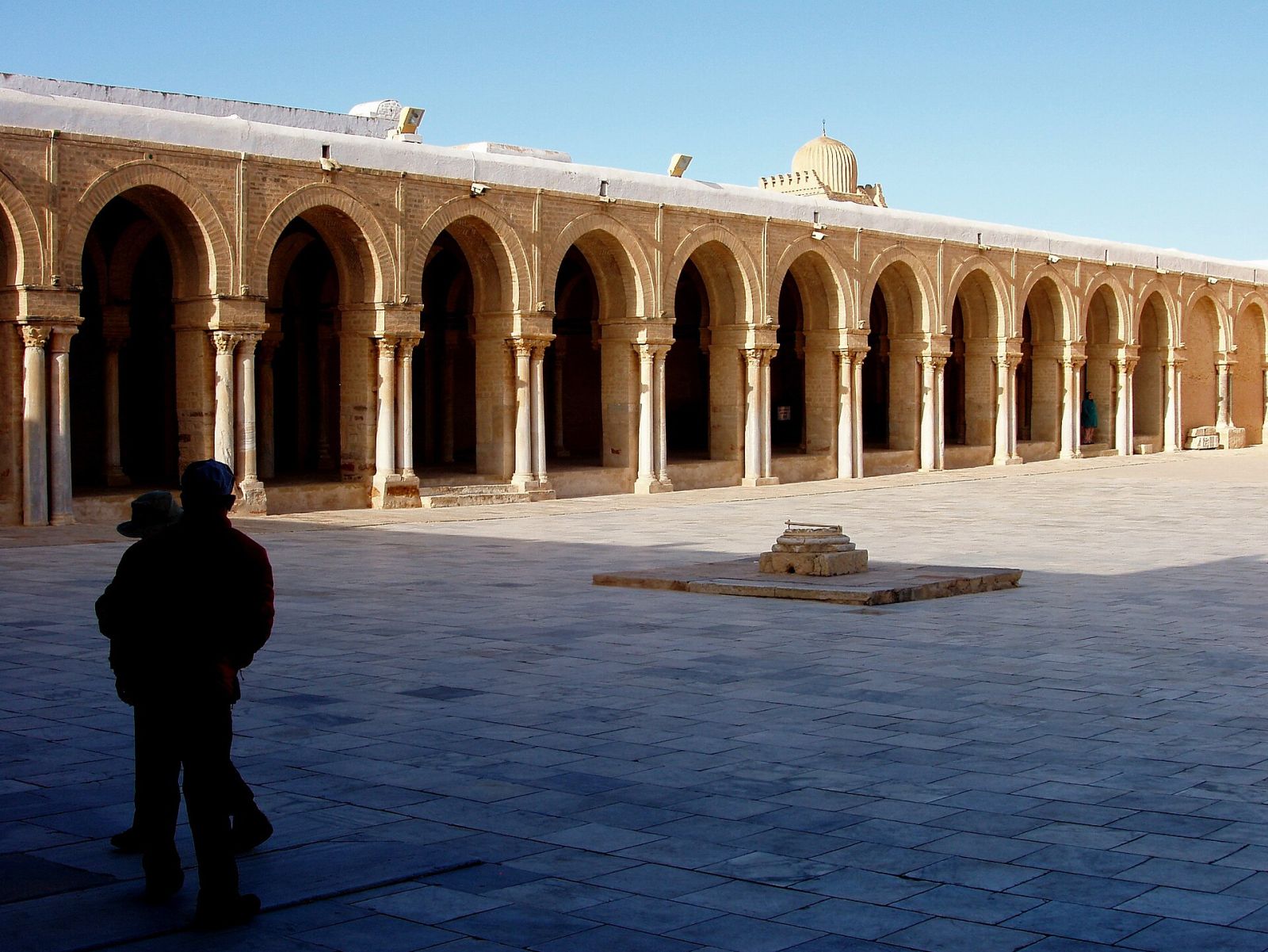
For Muslims, Kairouan ranks behind only Mecca, Medina and Jerusalem. The centrepiece is the Great Mosque of Uqba, founded in the 7th century, with a forest of antique columns that the builders salvaged from Roman ruins all over the country. Non-Muslims cannot enter the prayer hall, but the vast courtyard and arcades are impressive enough on their own.
Kairouan's medina is UNESCO-listed too and refreshingly untouristy: this is where you buy carpets, copperware and makroud, diamond-shaped semolina pastries filled with date paste that were invented right here. Buy them fresh from a stall, not boxed. From Sousse it is a bit over an hour, easily done in half a day.
The Sahara and Matmata: film sets people actually lived in
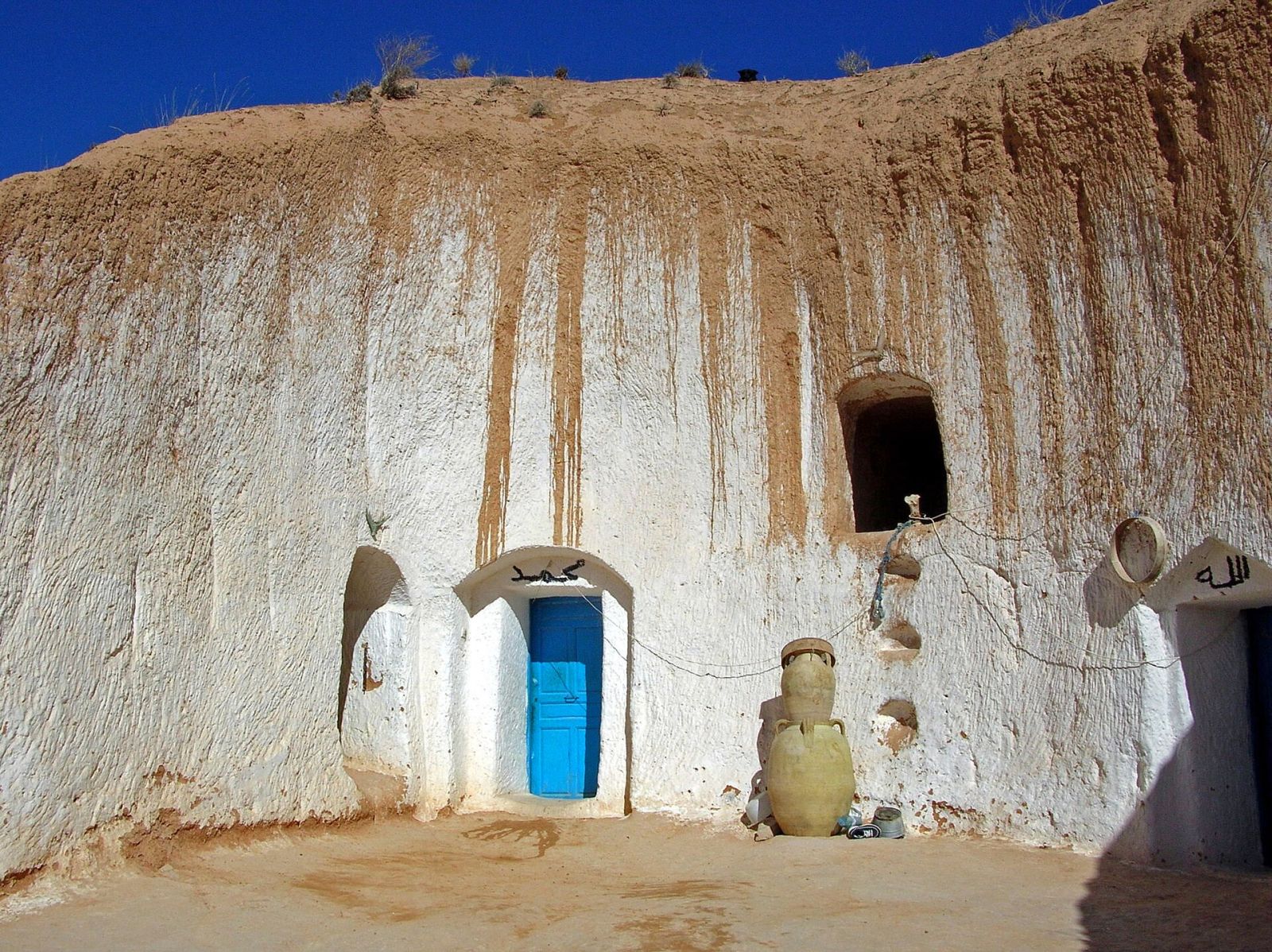
Southern Tunisia is another planet, and Hollywood figured that out long ago. In Matmata, Berbers spent centuries digging their homes downward: a round courtyard pit some six metres deep, with cave rooms branching off it. One such underground dwelling, the Hotel Sidi Driss, served as Luke Skywalker's home, and the Star Wars bar set pieces are still in place. Some troglodyte homesteads remain inhabited, and the owners will show you around for a small tip.
Further southwest the real desert begins. The gateway to the Sahara is the town of Douz, the launch pad for camel treks onto the dunes and jeep safaris. On the way you cross Chott el Jerid, a giant salt lake with pink hues and mirages on hot days. Film fans should note the Mos Espa sets still standing among the dunes near Tozeur. One caveat: a one-day Sahara tour from the coastal resorts means 6-8 hours on the road each way. Plan two days with a night in a desert camp instead; that starry sky is worth it.
Djerba: the island where Tunisians themselves go on holiday
The island in the southeast is linked to the mainland by a causeway of Roman origin. It has a milder climate, the longest swimming season in the country, and three things you will not find anywhere else. The El Ghriba synagogue, one of the oldest in Africa, which draws pilgrims every year. The village of Erriadh, turned into an open-air street art museum: the Djerbahood project gathered murals by artists from dozens of countries, and you can wander those lanes for hours. And the Houmt Souk market with its fish auction, where bids are shouted exactly as they were a century ago.
How to string it together: a rough route
| Place | Best base to visit from | Time needed |
|---|---|---|
| Carthage and Sidi Bou Said | Tunis, TGM train | 1 day for both |
| El Jem | Sousse or Monastir, train or louage | half a day |
| Kairouan | Sousse, about an hour away | half a day |
| Matmata and the Sahara | Djerba or a coast-based tour | 2 days with an overnight |
| Djerba | domestic flight or car | 2-3 days |
The classic logistics: two or three days around the capital, then the Sousse coast with day trips, then the south. If you only have a week and a beach base, combine El Jem with Kairouan in one day and add a two-day desert tour. That is the backbone of the essential things to see in Tunisia.
When should you go?
For sightseeing, April to June and September to October are ideal: warm but not brutal. In July and August the ruins, and especially the Sahara, can top forty degrees, turning sightseeing into an endurance test. Winter is cool and rainy in the north, but the south stays comfortable and desert tours are in full season. Opening hours and ticket prices shift, so double-check before you travel.
The main thing to understand about Tunisia: the beach is just the cover of the book. A country where one week delivers Hannibal's hill, a Roman arena, a sacred mosque and a night in the Sahara deserves more than being the gap between the buffet and the pool.