

Slovakia runs on the euro, sells some of the cheapest rail tickets in the EU and shares a land border with Ukraine, so you can arrive here without ever boarding a plane. On paper it is one of Europe's easiest destinations, and in practice Slovakia for tourists mostly lives up to that. Still, a few things are worth knowing in advance: how ZSSK trains work, what the Tatra cable cars really cost, and what to expect at the border. Let us go through it point by point.
Money: the euro and pleasantly low prices
Slovakia adopted the euro back in 2009, so there are no exchange offices to hunt for and no dual pricing. Cards are accepted everywhere, from mountain snack bars to village shops, and contactless is the norm. Keep 30-50 euros in cash for the small stuff: markets, parking meters in small towns, tips.
Price levels sit well below Austria or Germany. A weekday lunch special costs 6-8 euros including soup, dinner in a decent restaurant 15-25 per person, a coffee 2-3 euros. A hostel bed starts at 15-20 euros, a double in a three-star hotel runs 50-80, more in the Tatras in season. A realistic daily budget excluding accommodation: 35-50 euros travelling lean, 70-100 with restaurants and cable cars. Prices creep up yearly, so check current figures before the trip.
ZSSK trains: cheap, clean, on time
Rail is the backbone of intercity travel here. The state operator ZSSK covers the whole country; tickets are sold on the official site zssk.sk and in the app, advance purchase is optional and prices are fixed. Bratislava to Poprad takes about four hours on a fast train and costs roughly 10-15 euros; IC expresses are slightly pricier but come with a guaranteed seat. On the main Bratislava-Kosice corridor, private operators RegioJet and Leo Express compete too, sometimes cheaper and always with Wi-Fi.
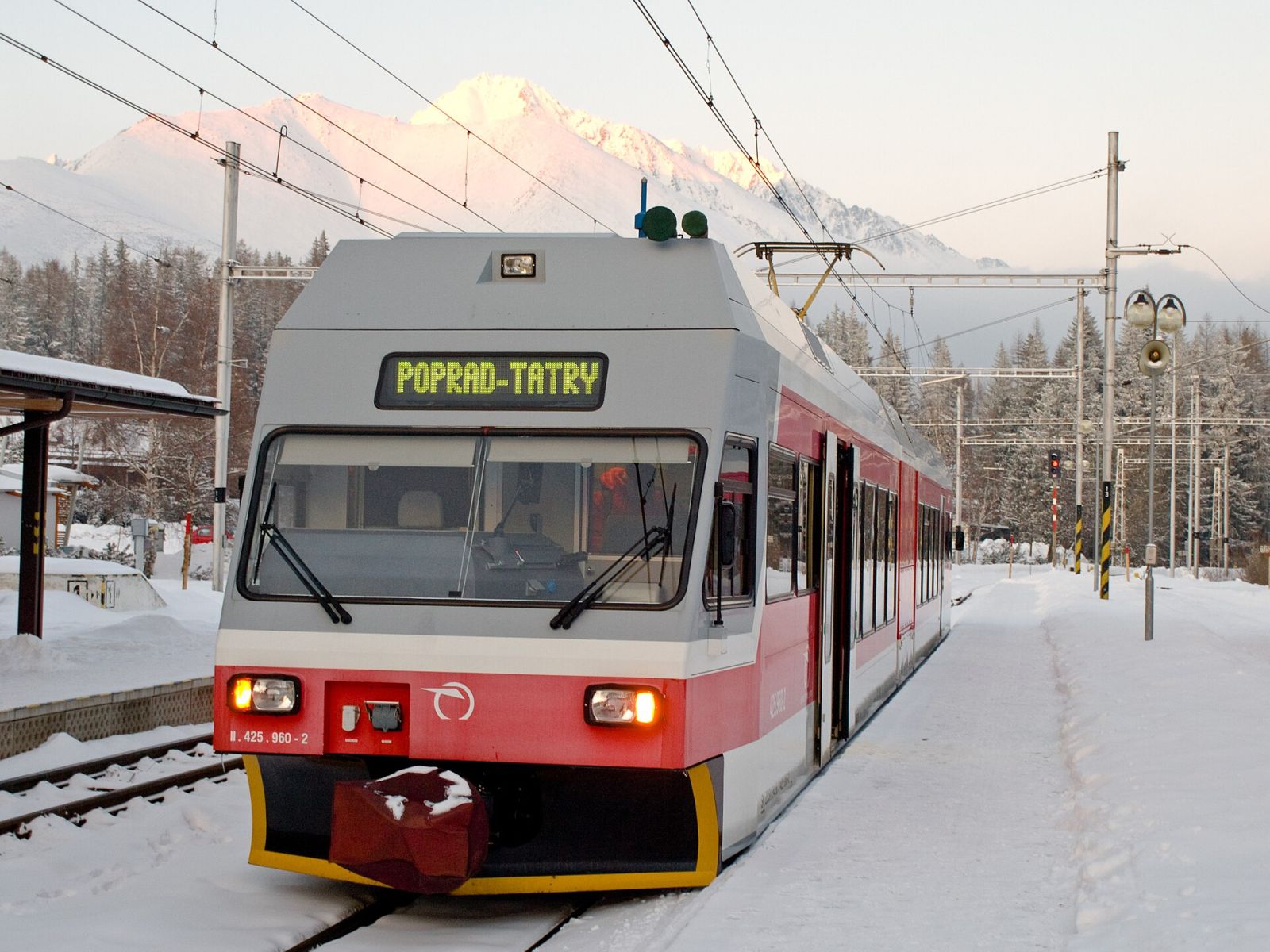
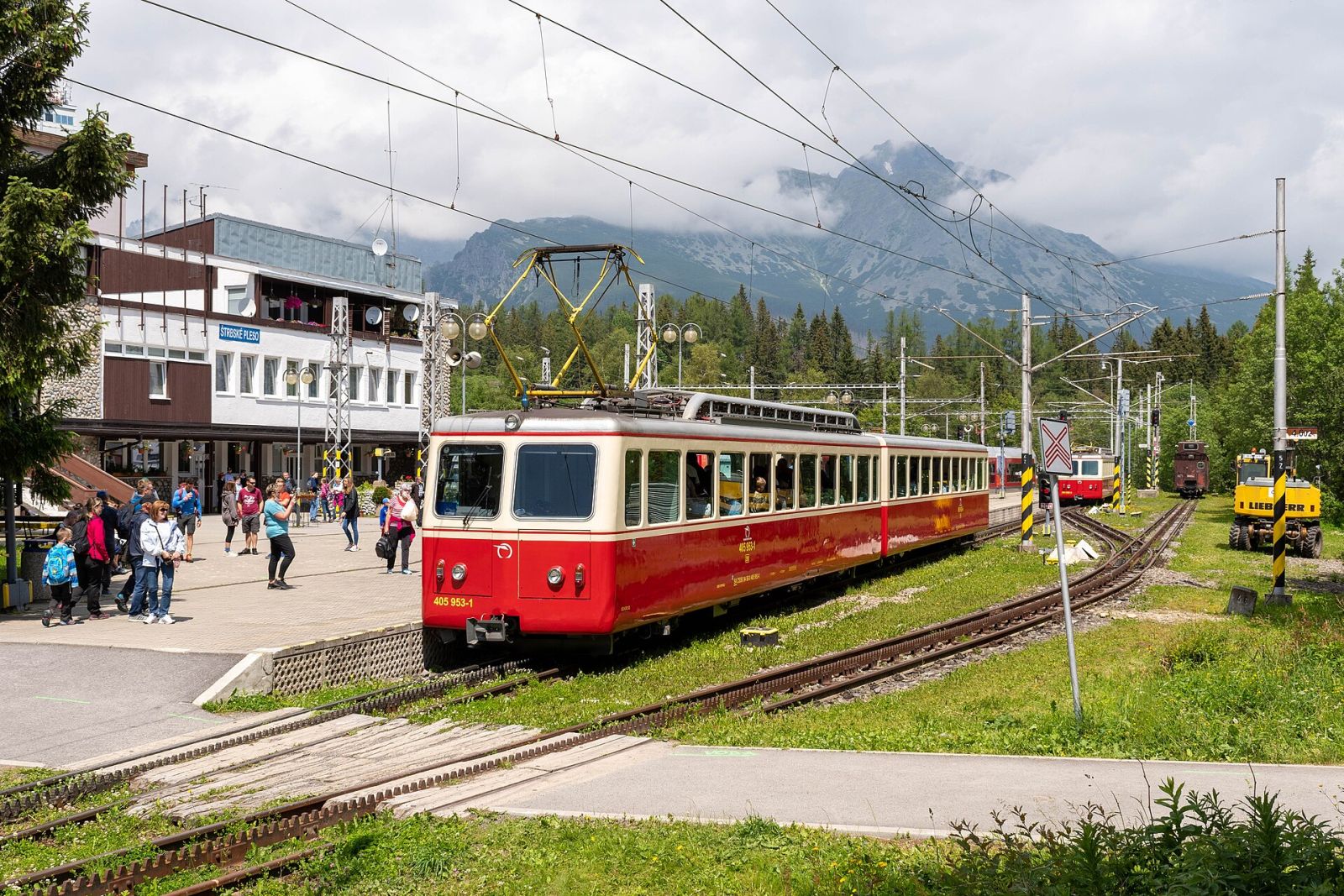
Two useful details. First: students and pensioners with ID ride regional trains at steep discounts, in some categories even free; the rules shift periodically, so verify on the site. Second: the Tatras have their own separate system, the TEZ rack-and-pinion electric railway linking Poprad, Strbske Pleso and Tatranska Lomnica. It runs every half hour, a few stops cost a couple of euros, and it is the easiest way to hop between resorts without a car.
How much do the Tatra cable cars cost?
This is where the budget feels the squeeze. The High Tatras lifts are privately run and priced like the Alps:
| Lift | Where it goes | Rough return price |
|---|---|---|
| Tatranska Lomnica - Skalnate Pleso | 1,751 m, lake and observatory | 25-30 euros |
| Skalnate Pleso - Lomnicky Stit | 2,634 m, the country's second summit | 40-50 euros, limited tickets |
| Hrebienok funicular | 1,285 m, gateway to the waterfalls | 10-15 euros |
| Solisko chairlift (Strbske Pleso) | 1,840 m, terrace and trailheads | 15-20 euros |
Online tickets beat counter prices, and Lomnicky Stit sells out days ahead in season. Hikers can skip the lifts entirely: most trails start from the villages, and Hrebienok is an easy hour on foot. With kids or a tight schedule, though, the cable car honestly saves half a day of energy.
Winter season: when and where?
The ski season runs roughly from December to early April, longer at altitude. The two main hubs: Jasna in the Low Tatras, the country's biggest resort with 50 kilometres of pistes on Chopok mountain, and Tatranska Lomnica with the longest vertical drop. A day pass costs about 45-60 euros depending on the date; online and off-peak is cheaper. Prices sit 20-30 percent below Austria for genuinely comparable infrastructure, which is why Jasna is packed over New Year and February half-terms, with accommodation for those dates booked from autumn.
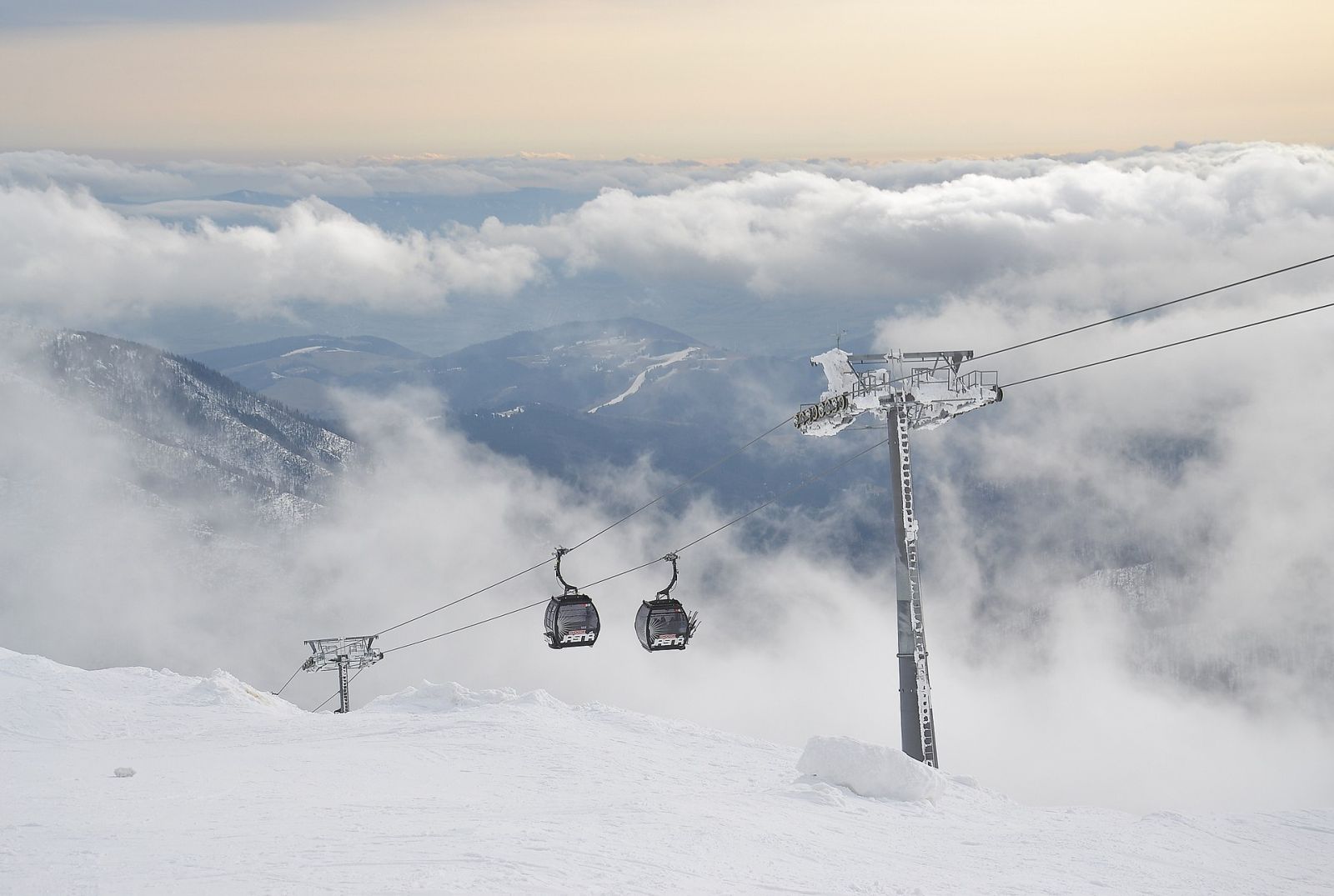
One detail matters for hiking plans: from 1 November to 15 June the high-altitude trails in the High Tatras are officially closed; valleys and routes to mountain huts stay open. The HZS mountain rescue service operates year-round, and call-outs are billed to the uninsured, sometimes running into thousands of euros. Insurance with mountain coverage, and a separate ski clause if relevant, is not a formality here.
The border with Ukraine: arriving overland
The shared border is short, about 97 kilometres, with three crossing points. Uzhhorod-Vysne Nemecke handles cars and pedestrians and carries the most traffic; buses from Uzhhorod to Kosice and Bratislava go through here. Malyi Bereznyi-Ubla is smaller and sometimes faster for private cars. Chop-Cierna nad Tisou is the rail crossing, used for freight and selected passenger services. The direct Mukachevo-Kosice train covers the route in about three hours and has the advantage that passport control happens on board. Queues at the road crossings are unpredictable, anywhere from half an hour to several hours; check border cameras and traveller chats before setting out.
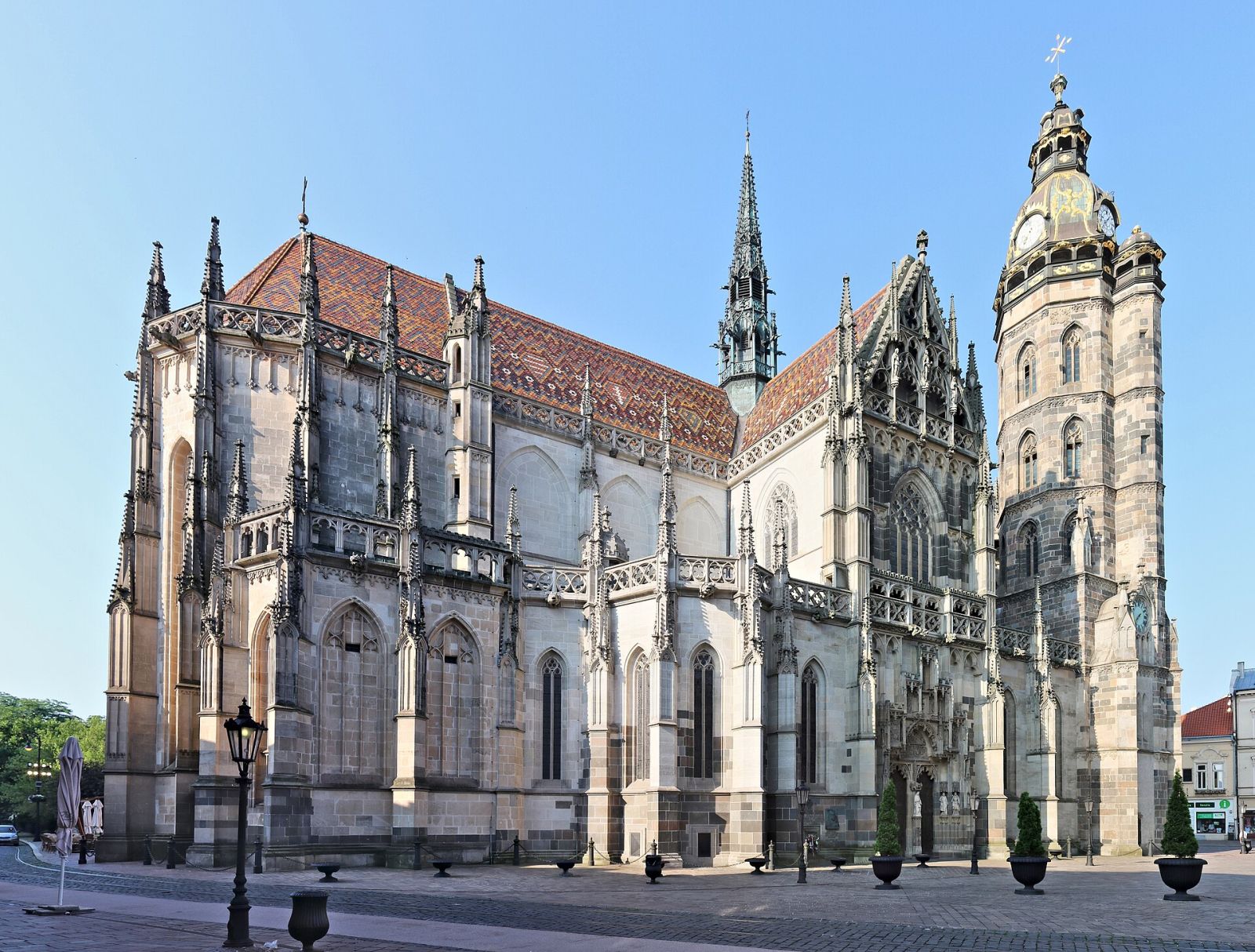
Kosice, incidentally, makes a great starting point for the whole eastern route: the Tatras are two hours away by train, and travelling from Ukraine via Kosice often works out cheaper than flying into Bratislava.
Entry rules and documents
Slovakia is in the Schengen area: for Ukrainians, a biometric passport grants visa-free entry for up to 90 days in any 180, with a stamp at the border; other non-EU visitors follow their usual Schengen arrangements. Officers may ask for proof of accommodation, a return ticket and funds; in practice they rarely do, but keep bookings on your phone. Travel insurance is not formally required for entry, yet given the mountain factor, going without it is unwise. Rules get updated now and then, so verify current requirements on official resources before travelling.
How safe is Slovakia?
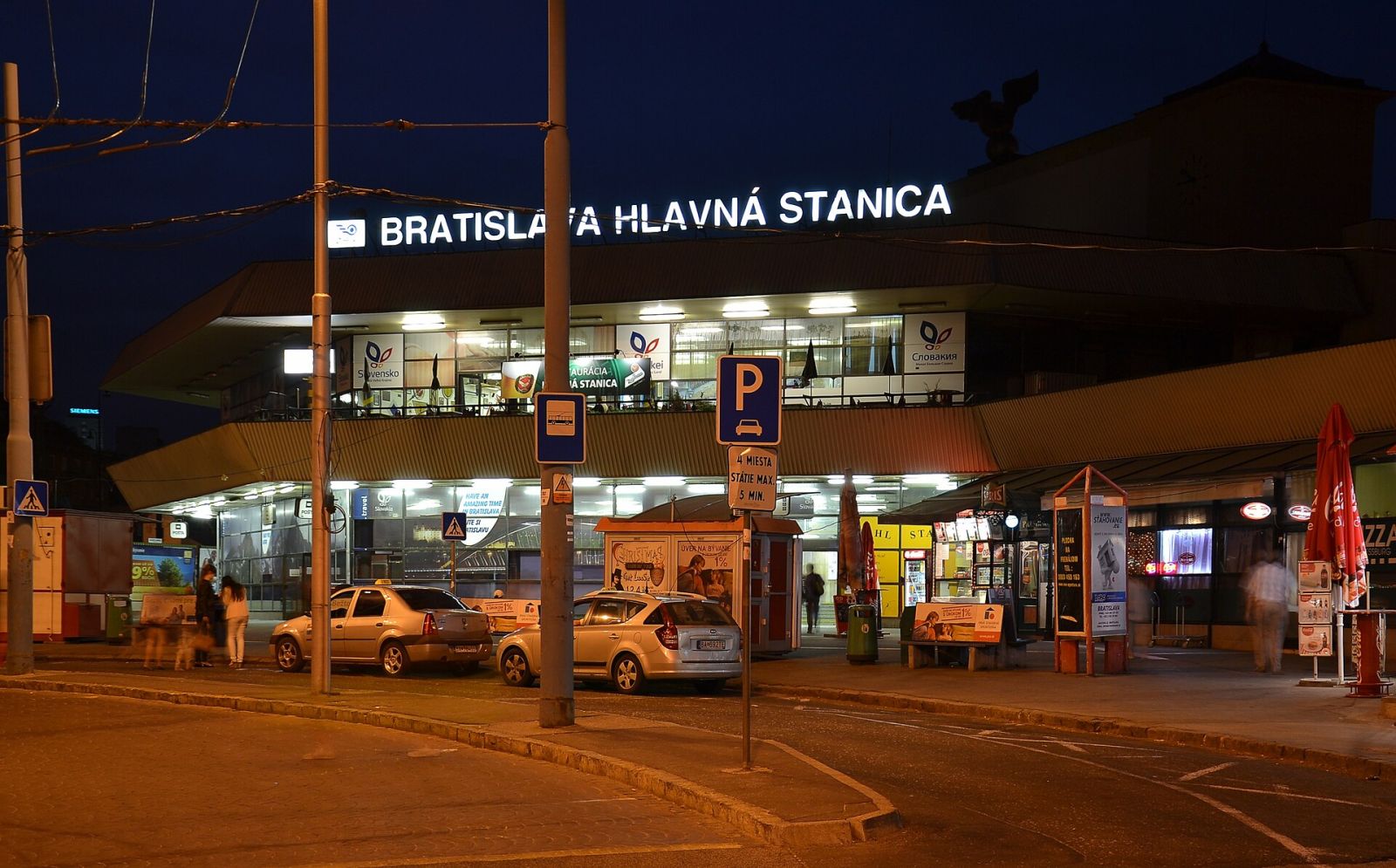
For street crime, the country ranks among the calmest in the region. Evening Bratislava, late-night Kosice, mountain villages: all walkable without tension. The standard precautions are the same as anywhere: pickpockets on Bratislava's night trams and at Christmas markets, inflated bar bills on the main tourist drag. For taxis, order through Bolt or Hopin rather than flagging one at the station.
The one genuine risk is the mountains. Tatra weather flips within an hour, and summer brings daily afternoon thunderstorms, which is why hikers start early. Register ambitious routes with your hotel or via the HZS app, check avalanche bulletins in winter, and never be embarrassed to turn around: most rescue operations begin with someone deciding the summit was just a little further.
The short checklist
Money: euro, cards everywhere, minimal cash. Transport: ZSSK trains and the TEZ railway cover nearly everything; a car only earns its keep for Bojnice and the backcountry. Mountains: lifts are pricey, book online, high trails closed until mid-June. Winter: Jasna and Lomnica, day pass from 45 euros, book beds in autumn. Entry: visa-free 90 days for biometric passport holders, insurance with mountain cover essential in substance, not just on paper. With that sorted, Slovakia delivers exactly what it promises: an accessible mountain country with honest prices and no excess bureaucracy.