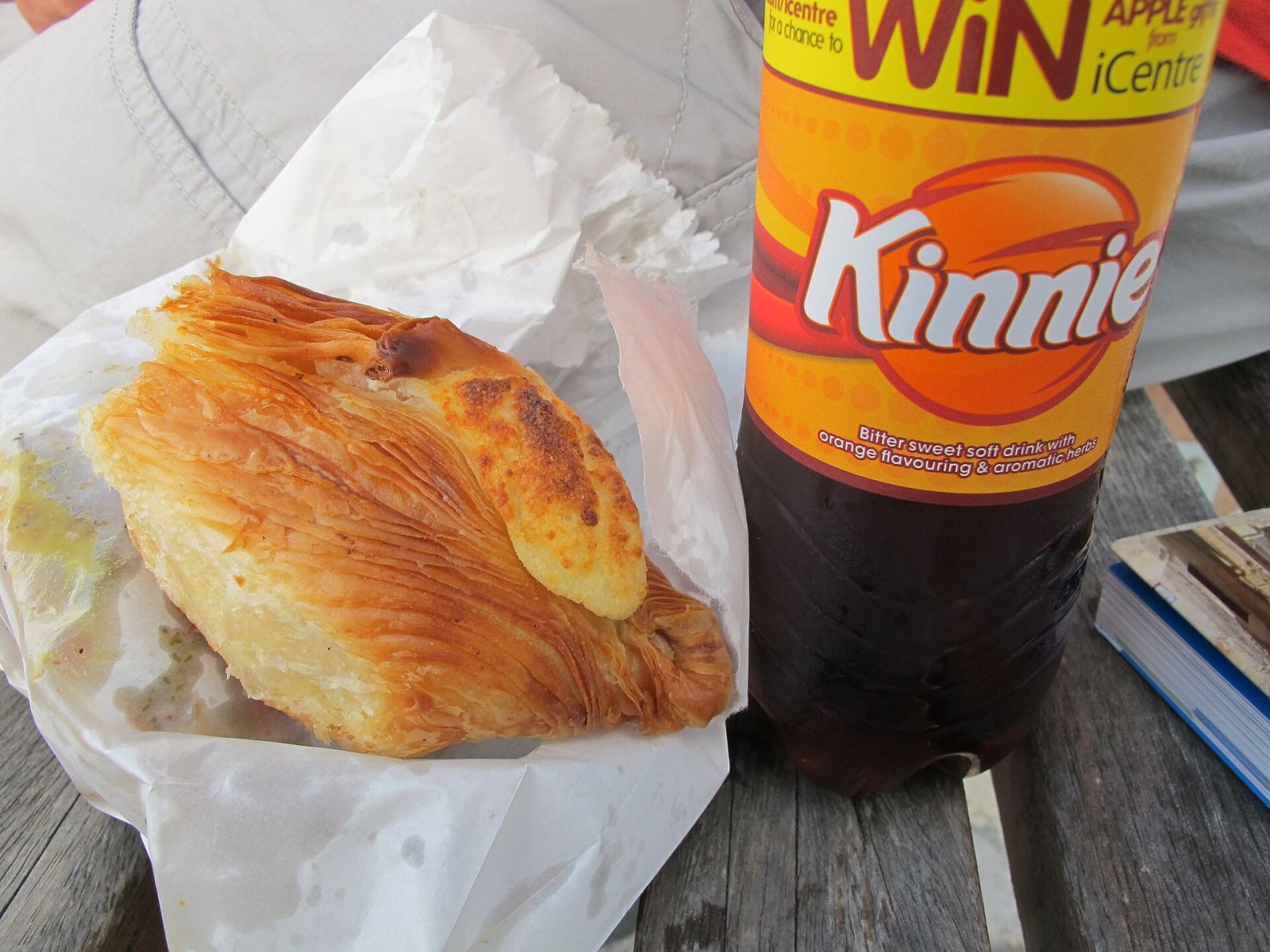


The most honest introduction to Maltese food starts with a 50-cent pastizz from a street window, not a restaurant menu. Malta's cooking is stitched together from Sicilian, Arabic and British influences: the national dish is slow-braised rabbit, the local soft drink is a bitter-orange soda called Kinnie, and rubbing bread with ripe tomatoes has been elevated to a national symbol. Here is what to try, what it costs and where the Maltese themselves actually eat.
Pastizzi: the king of cheap street food
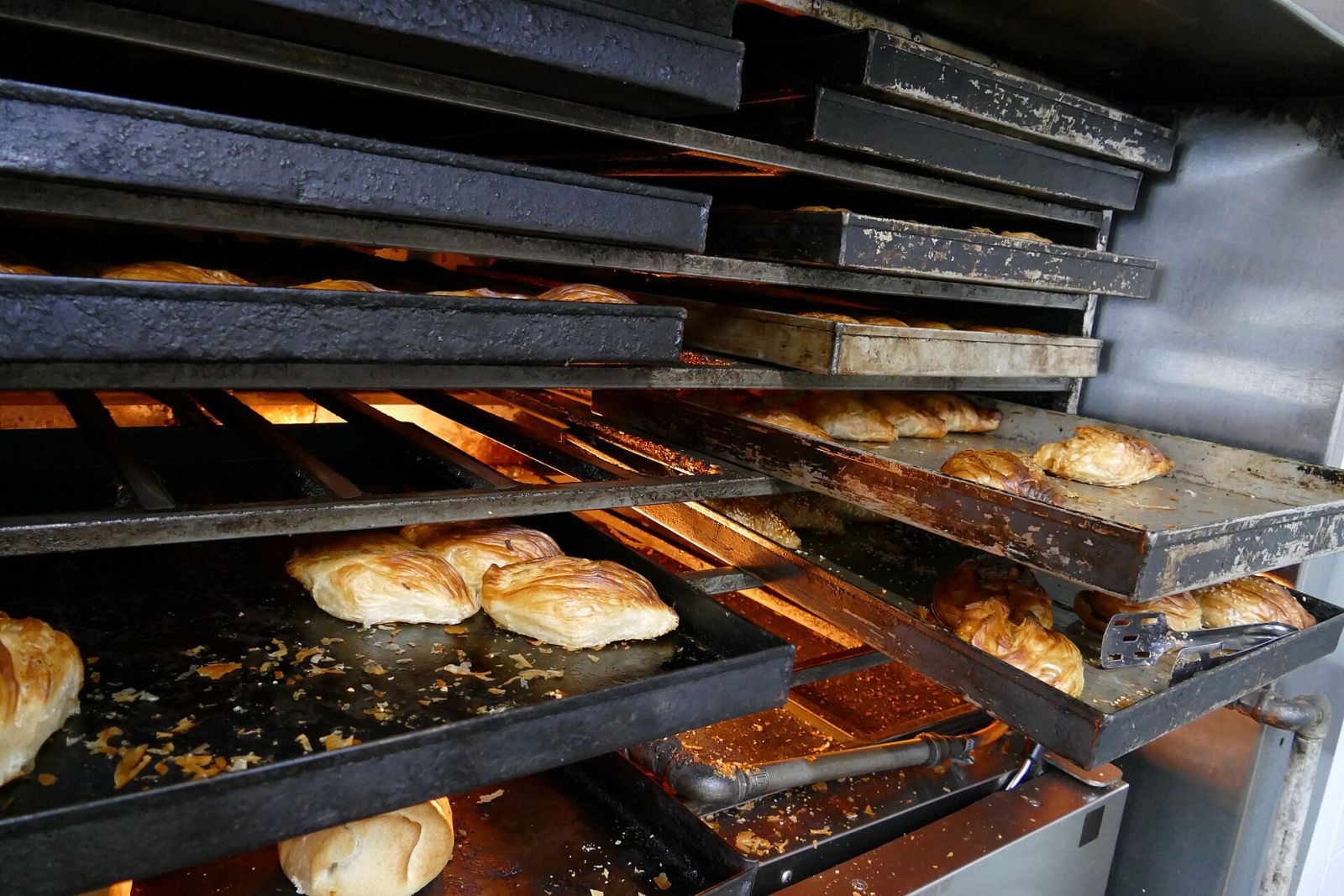
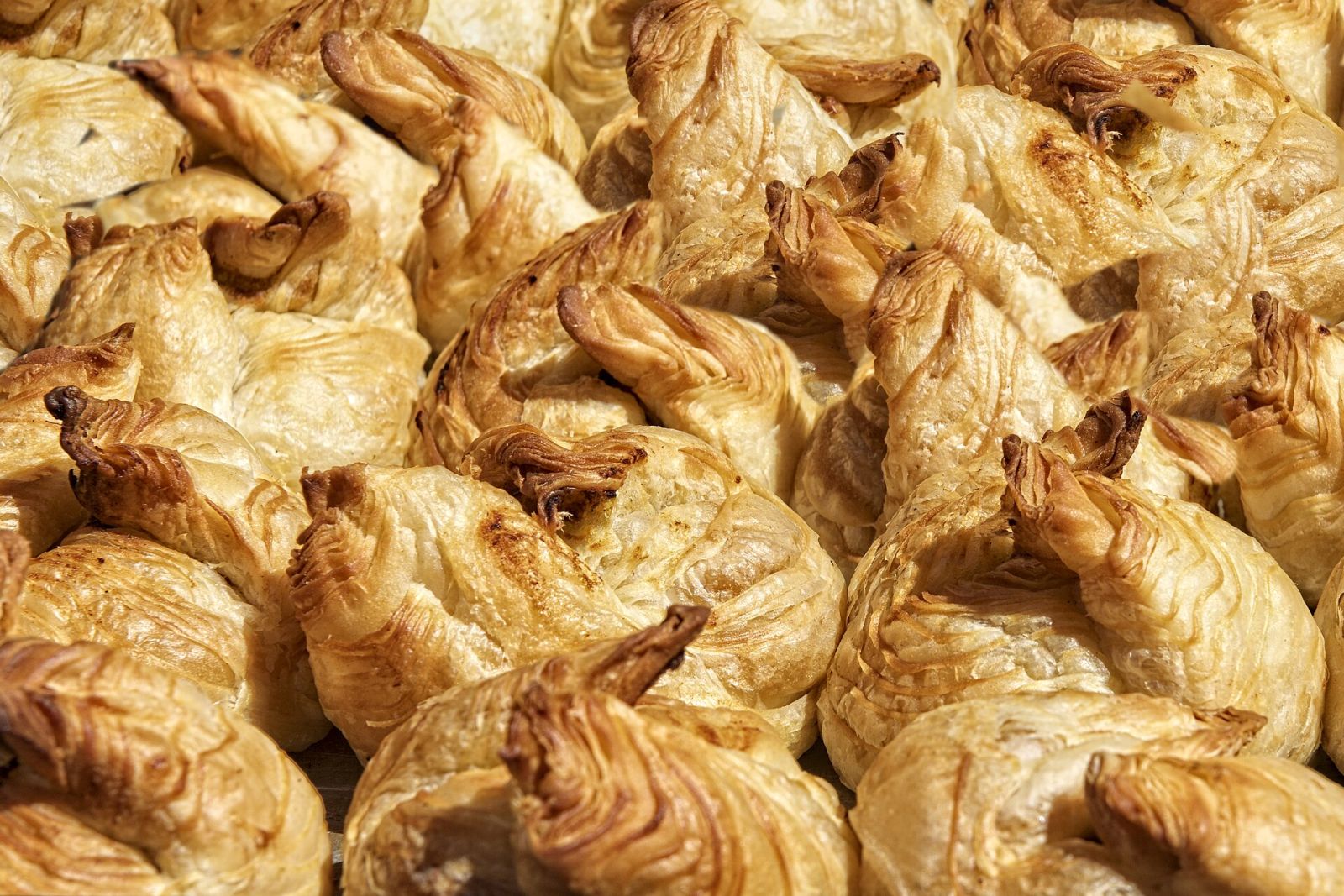
Pastizzi are diamond-shaped parcels of flaky pastry sold at pastizzeriums, tiny shops with a serving window onto the street. There are two classics: ricotta, and mushy peas with curry spices. The pastry is rich, layered and shattering, which is exactly why pastizzi are eaten hot, before the layers settle. The damage is 40-60 cents apiece, and two or three make a full breakfast.
The cult address is Crystal Palace in Rabat, by the walls of Mdina, open nearly around the clock with a queue of locals even at three in the morning. Alongside pastizzi you will usually find qassatat, round pies made of unlayered dough with the same ricotta or pea fillings. The rule of thumb is simple: skip the overpriced pastizzi in Valletta's tourist cafes and look for a pastizzeria sign in residential streets.
Ftira: the bread that made the UNESCO list
Ftira is a flattish ring-shaped sourdough bread, and since 2020 the craft of baking it has been inscribed on the UNESCO intangible heritage list. Order a ftira sandwich and you get the bread rubbed with ripe tomatoes and filled with tuna, capers, olives, onion and olive oil. It is a close cousin of hobz biz-zejt, "bread with oil", the snack Maltese people eat at the beach, at work and at village festas.
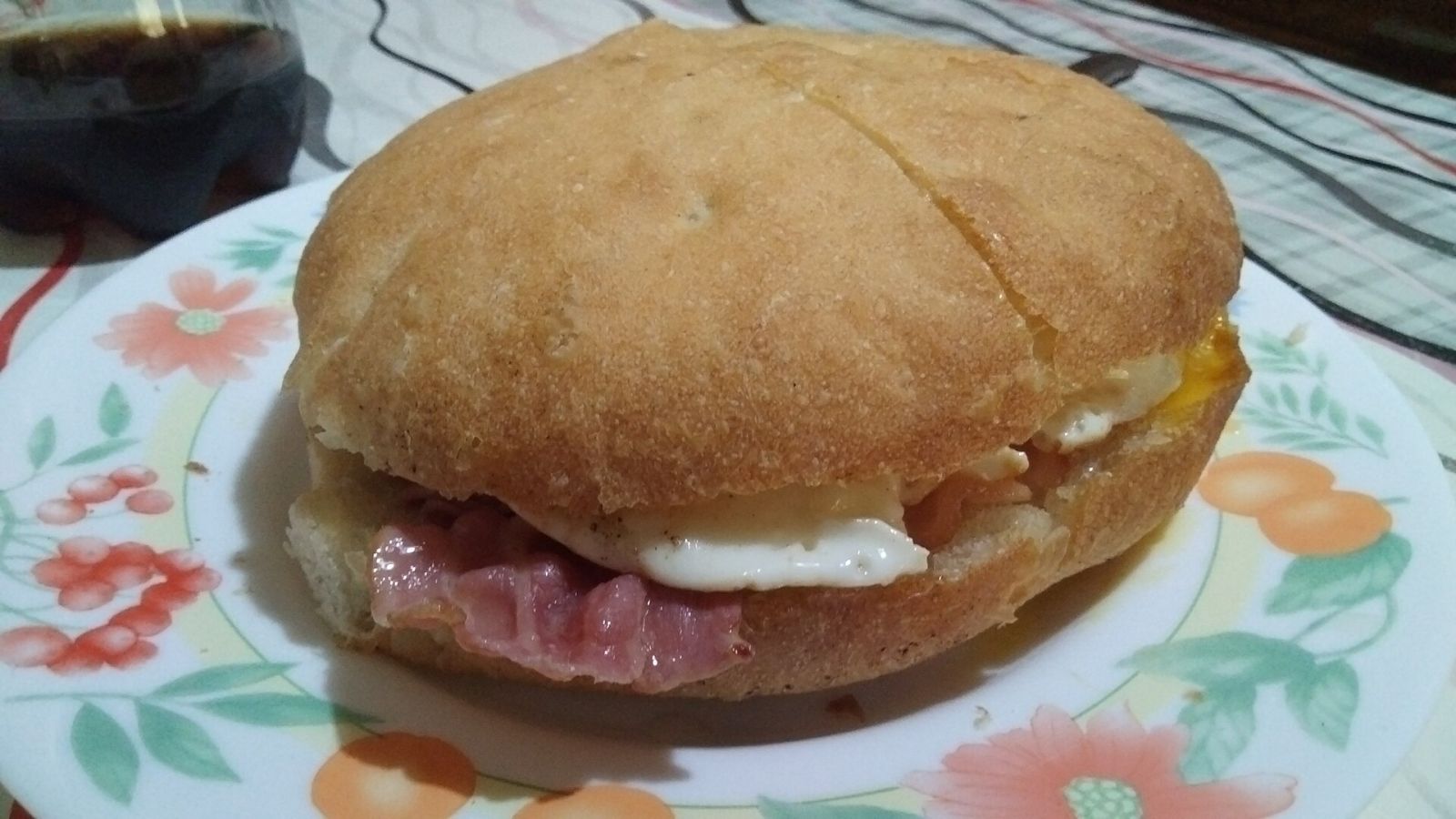
Gozo has its own version: the Gozitan ftira, closer to an open-faced pizza, topped with thinly sliced potatoes and sometimes anchovies, baked in wood-fired ovens. People drive to Nadur specifically for it. A sandwich ftira costs 3-5 euros, the oven-baked Gozitan kind 8-12.
Rabbit stew: a national dish born of protest
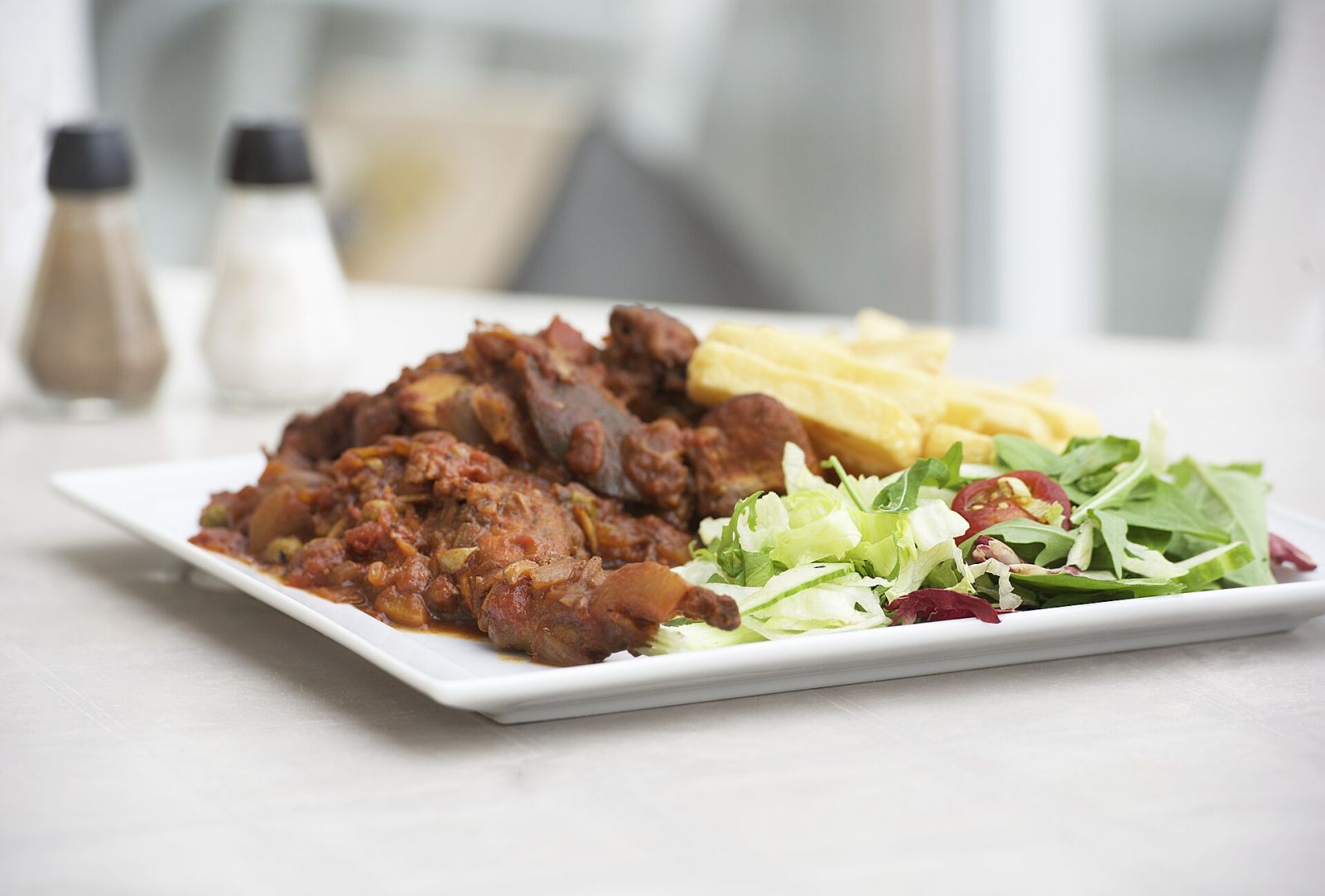
Braised rabbit, stuffat tal-fenek, is the headline dish of Maltese cuisine, and there is history behind it: under the knights, rabbit hunting was restricted for ordinary Maltese, so rabbit stew became a quiet act of defiance, and once the bans lifted it turned into celebration food. The rabbit is marinated in wine with garlic and bay leaves, then braised for hours in a tomato and red wine sauce. The first course is often spaghetti dressed with the stew's sauce, the second is the meat itself with potatoes and peas.
The proper way to eat it is at a fenkata, a rabbit feast in a village tavern where portions are family-sized and everyone's hands end up greasy to the elbow. The classic fenkata territory is the village of Mgarr and the countryside around Rabat. A portion runs about 15-20 euros, check locally. The quality marker: the sauce should be thick and dark, the meat sliding off the bone. Dry rabbit in watery sauce means it was rushed, and that is a place not worth a second visit.
Gbejniet: the little cheeses of Gozo
Gbejniet are small round cheeselets made from sheep or goat milk, Gozo's signature product. Three states, three different foods. Fresh (frisk) is delicate and milky, like a dense unsweetened panna cotta. Dried (moxxa) is springy and salty. And the star: tal-bzar, a dried cheeselet rolled in cracked black pepper, sometimes aged in vinegar or wine. Peppered gbejniet go on ftira, into soups, and alongside wine or beer.
Buy them at the market in Victoria on Gozo or from farm shops, at 1-2.5 euros apiece. Supermarkets stock them too, but the farm ones are noticeably more aromatic. If unpasteurised milk is a concern for you, ask before buying: some traditional producers still use raw milk.
Kinnie and Cisk: what Malta drinks
Kinnie is a soda brewed from bitter chinotto oranges and herbs, made in Malta since 1952, and it is that rare case where the local soft drink genuinely beats cola. The taste is grown-up: bitter, herbal, not cloying. The Maltese drink it well chilled, over ice, and mix it with spirits. A can costs about 1 euro in a supermarket, 2-3 in a bar.
The beer is local too: Cisk lager, light and easy, the perfect partner for a beach ftira. For wine, look for bottles made from the indigenous grapes Gellewza (red) and Girgentina (white): the vineyards are tiny and these wines barely leave the island, so drink them here or not at all. For a digestif the Maltese pour bajtra, a liqueur made from prickly pear cactus fruit.
What else deserves a try
- Aljotta: fish soup with garlic, rice and lemon. Lots of garlic, and that is a compliment.
- Bragioli: thin beef rolls stuffed with bacon, egg and parsley, braised in wine.
- Lampuki: the seasonal fish (September to December), fried or baked into the famous lampuki pie.
- Bigilla: a broad bean dip with garlic and chilli, spread on crackers or bread. The cheapest snack on the island.
- Imqaret: fried date-filled pastry diamonds sold from stalls by Valletta's City Gate. A hot imqaret plus coffee equals dessert, sorted.
- Cannoli: the Sicilian classic long since adopted as Maltese, ricotta-filled tubes are everywhere.
What eating in Malta costs
| Format | Approximate price | Notes |
|---|---|---|
| Pastizzi | 0.4-0.6 € | Two or three = breakfast |
| Ftira sandwich | 3-5 € | Beach lunch |
| Gbejniet (each) | 1-2.5 € | Victoria market, Gozo farm shops |
| Stuffat tal-fenek | 15-20 € | Fenkata at a village tavern |
| Trattoria lunch | 15-25 € | Pasta + drink away from tourist strips |
| Kinnie / Cisk | 1-3 € | Supermarket vs bar |
Prices are ballpark figures for 2026. In Valletta and Sliema add a quarter to a third, and check the menu before ordering.
Where locals eat: three working rules
First: a pastizzeria with a queue of office workers at eight in the morning beats any app rating. Second: hunt for a fenkata in the villages, not on seafront promenades, because tourist-zone rabbit is almost always a letdown. Third: the Sunday market in Marsaxlokk is the fish event, but the fish tavernas there work on weekdays too, when a waterside table comes without a fight. Maltese food is simple, filling and unashamed of its peasant roots, and that is precisely its charm: nobody here plates with tweezers, but the tomatoes taste like tomatoes.