

In short, here is what to see in Cyprus: the ancient mosaics of Paphos, the beaches of Ayia Napa, the Troodos mountains with their UNESCO-listed painted churches, and Nicosia, the world's last divided capital. The island is compact: any resort connects to any point within two or three hours of driving, so even a one-week beach holiday easily fits three or four proper day trips. EU citizens travel freely, and most other visitors, Ukrainians with biometric passports included, get 90 visa-free days.
Here is the place-by-place breakdown: what to see in Paphos and Larnaca, why the mountains are worth the drive, how the buffer-zone crossing works, and when the sea is already warm while the crowds have not yet arrived.
Paphos: mosaics and the Tombs of the Kings
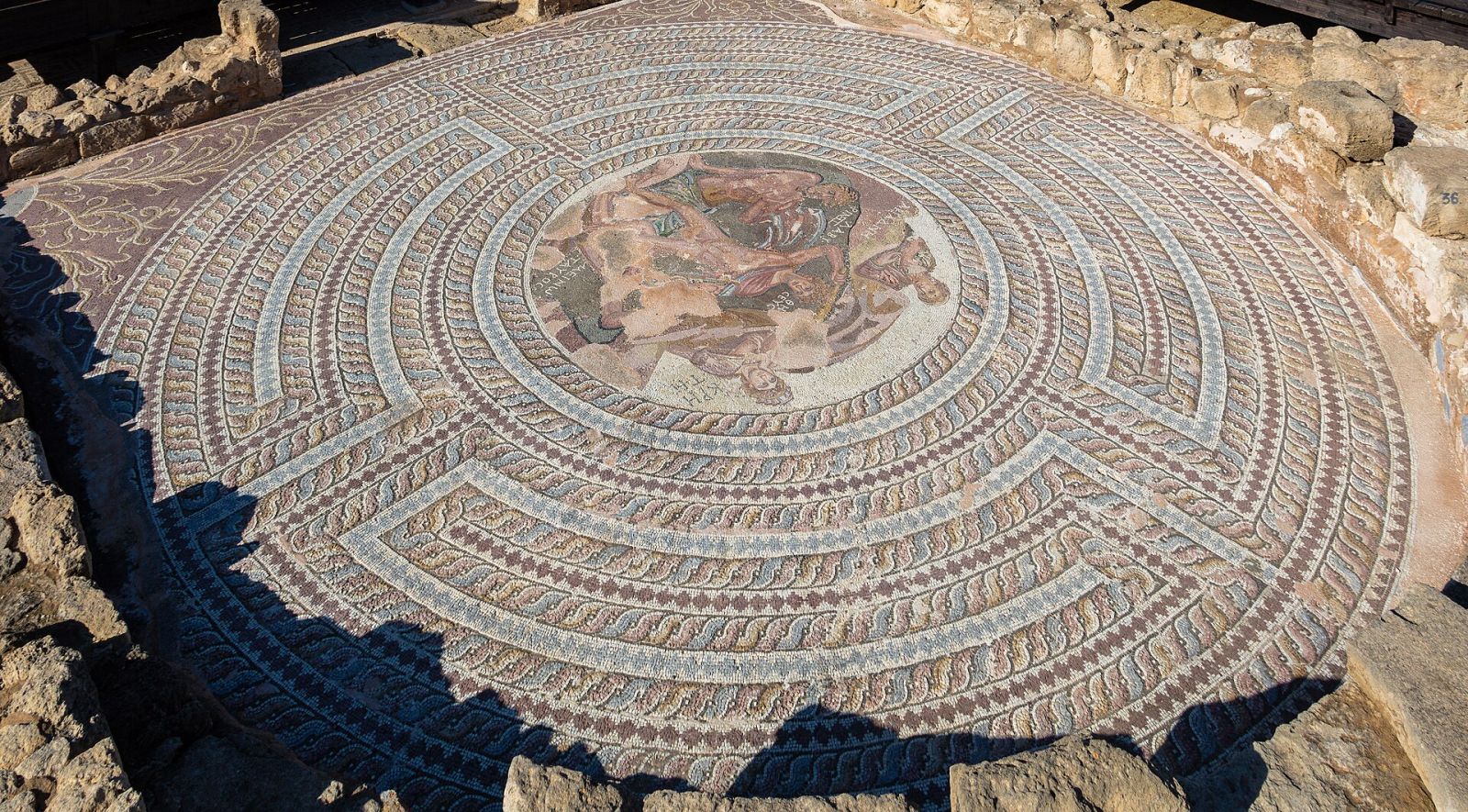
Paphos is the island's archaeological heavyweight, and not just for the checklist. The Kato Paphos Archaeological Park, a UNESCO site, preserves Roman villas with mosaic floors from the 2nd to 5th centuries: scenes with Dionysus, Theseus and the Minotaur laid out in pebbles that read like a two-thousand-year-old comic strip. The mosaics of the House of Dionysus rank among the finest in the Mediterranean. Nearby stand an ancient odeon, castle ruins and a lighthouse; budget half a day for the lot, plus water and a hat, since the park offers almost no shade.
The second stop, the Tombs of the Kings, is an underground necropolis from the 4th century BC carved into rock, complete with colonnades and burial chambers. No kings were actually buried there, only nobility, but the name stuck. Check current hours and prices on the official Cyprus tourism portal before visiting.
Aphrodite's Rock and the goddess's bath
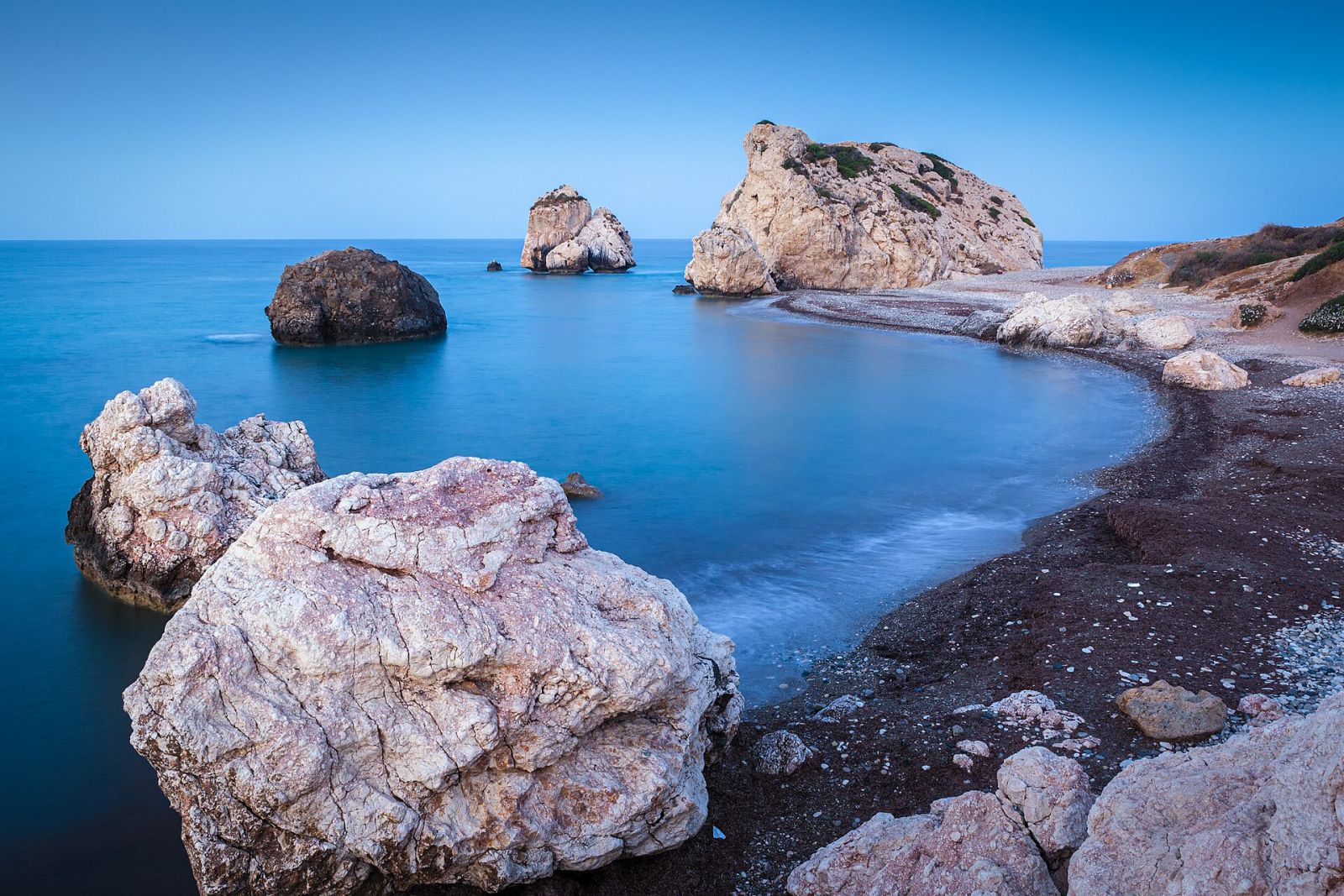
Petra tou Romiou, the sea stack between Paphos and Limassol, is where myth says Aphrodite emerged from the foam. The view genuinely earns its postcards, especially at sunset, though swimming here is an acquired taste: the beach is pebbly, the waves are serious and so are the currents. Legend promises eternal youth to anyone who swims around the rock three times; practice more often delivers pebble scrapes.
The Baths of Aphrodite are a different place entirely, 50 kilometers away on the Akamas peninsula near Polis: a small grotto with a pool under a fig tree where the goddess supposedly bathed before meeting Adonis. The grotto itself takes five minutes, so do not drive out for it alone. Pair it with the Blue Lagoon of Akamas (reachable by boat or buggy, water of neon clarity) and you have a full day.
Ayia Napa and Cape Greco: more than parties
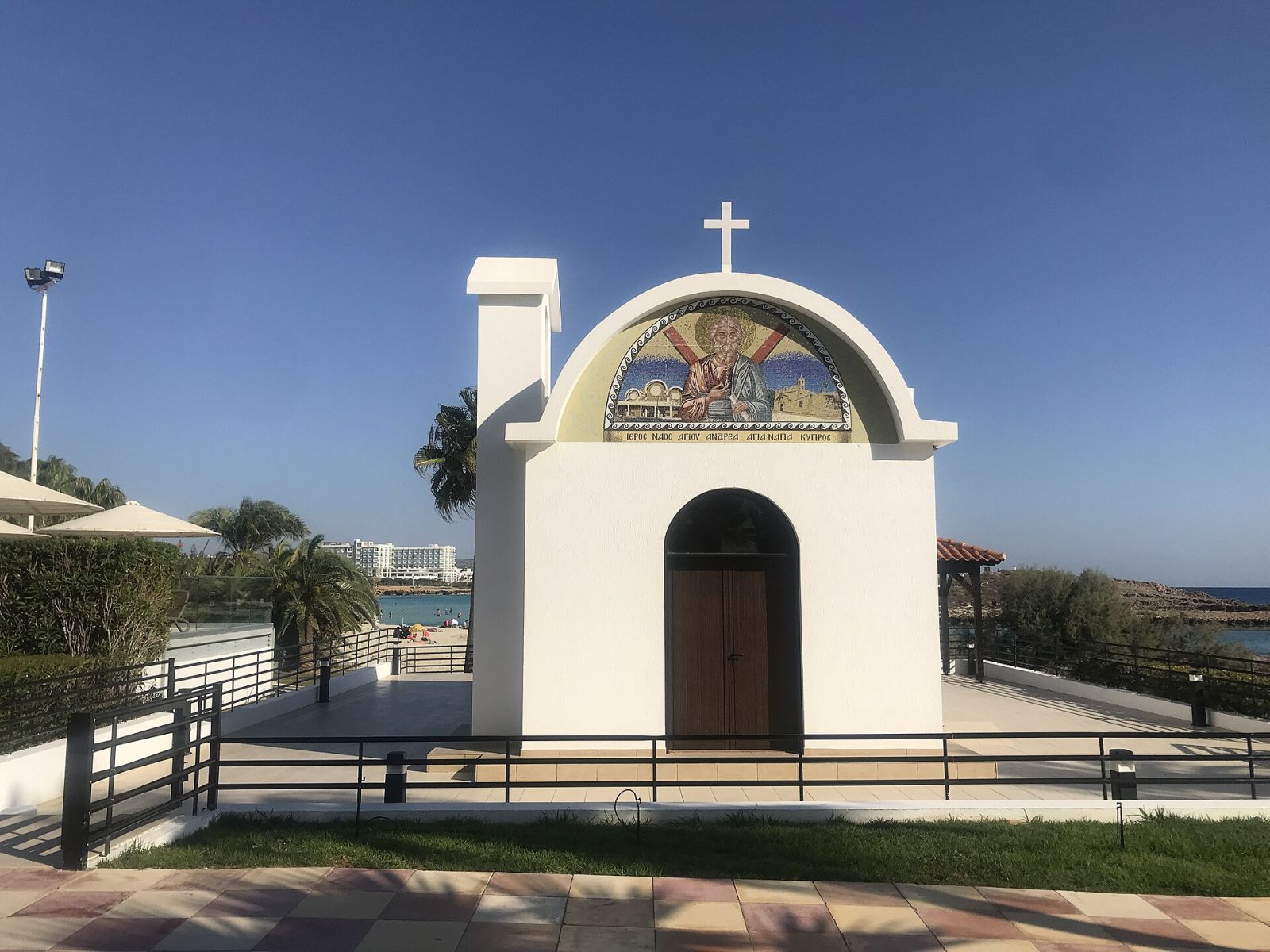
Ayia Napa's reputation as the island's clubbing capital is honest but tells half the story. Nissi Beach, white sand and shallow turquoise water, makes every list of Europe's best; in peak season it is packed shoulder to shoulder, while September is close to perfect. Next door lies Cape Greco National Park: white cliffs, sea caves, walking trails and the Lovers' Bridge. The coastal path from the caves to the fjord-like Konnos Bay is an easy walk and one of the island's most beautiful short hikes.
Half an hour away, Protaras and its Fig Tree Bay offer a calmer, family-friendly alternative with the same water.
Troodos: mountains, Kykkos Monastery and the painted churches
The Troodos mountains overturn the idea of Cyprus as a purely beach destination. Up here you find pines, switchbacks, mountain villages with tavernas, and ten Byzantine churches on the UNESCO list: humble stone barns under steep roofs on the outside, floor-to-ceiling frescoes from the 10th to 15th centuries inside. The easiest to visit are Panagia Podithou and the church of St Nicholas of the Roof near Kakopetria.
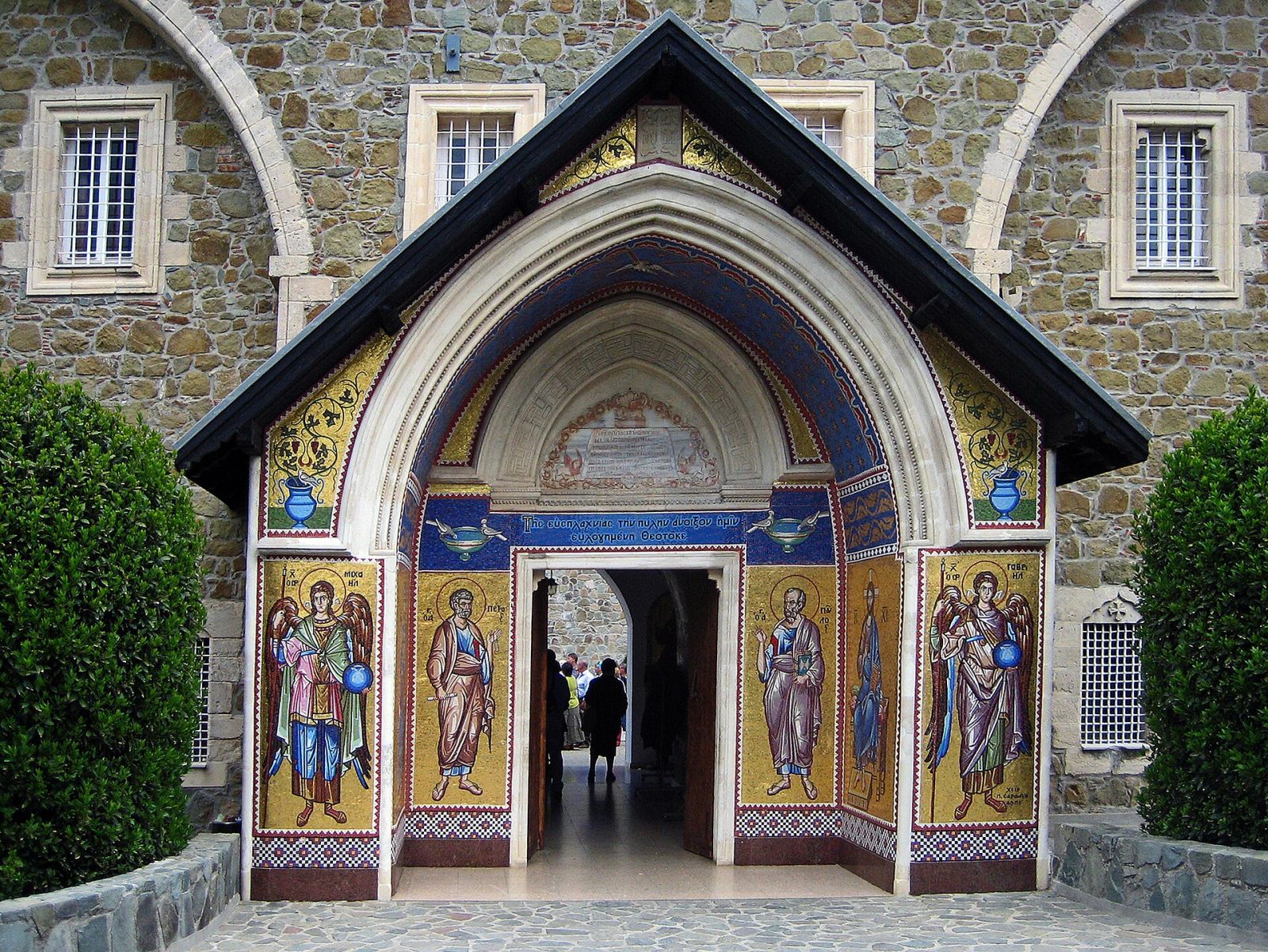
The island's chief monastery, Kykkos, sits above 1,100 meters: lavish gold mosaics, a museum and a venerated icon of the Virgin attributed by tradition to Luke the Evangelist. Entry is free and the dress code is strict, shoulders and knees covered. On the way, stop in Omodos or Kakopetria for coffee and local wine; Cypriot Commandaria has a genuine claim to being the world's oldest named wine still in production. In winter a small ski lift runs on Mount Olympos (1,952 meters), which sounds like a joke right up until you see snow on a palm-tree island.
Nicosia: a capital cut in half
Nicosia is the only capital in the world still split down the middle by a UN buffer zone. The Green Line runs straight through the old town: blank walls of barrels and sandbags dead-end into souvenir lanes, and that contrast hits harder than any museum. The Ledra Street crossing is open: with a passport you can walk into the Turkish-controlled north in five minutes, drink coffee in a state recognized only by Ankara, and walk back. Formally you are crossing a line rather than a border, but documents are checked.
On the Greek side, see the Cyprus Museum with the island's best archaeological collection, the Famagusta Gate and the Laiki Geitonia quarter. One full day covers the city, and it is an easy trip from any resort.
Larnaca: the Church of Lazarus and a salt lake full of flamingos
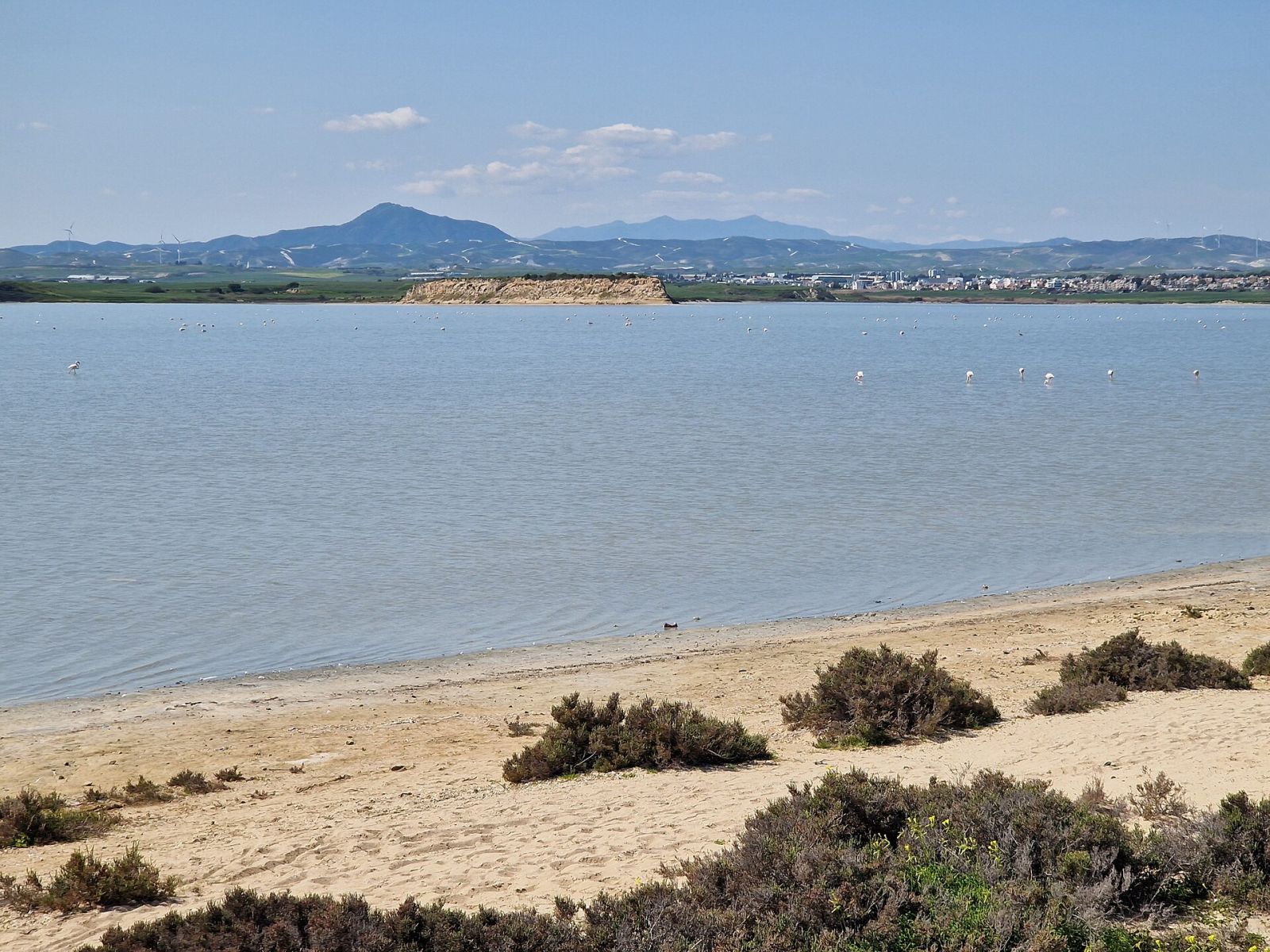
Most visitors only see Larnaca through the airport bus window, which is a mistake. The 9th-century Church of Saint Lazarus stands over the tomb of that same Lazarus whom, according to the Gospel, Christ raised from the dead; tradition holds he then served thirty years as bishop of Kition. In winter and spring the salt lake beside the airport turns pink with flocks of flamingos that overwinter here by the hundreds. On the lake's shore stands Hala Sultan Tekke, one of Islam's revered shrines, and along the sea stretches the palm-lined Finikoudes promenade.
When to visit Cyprus
| Period | Sea and weather | What it means in practice |
|---|---|---|
| May-June | Air +25-30, sea +20-24 | The best balance: warm, green, before peak prices |
| July-August | +35-40, sea +27-28 | Peak heat and prices, sightseeing becomes hard work |
| September-October | +27-32, sea +24-27 | The velvet season, swimming lasts into November |
| November-April | +15-22, cold sea | Sightseeing season, flamingos, snow in Troodos |
The swimming season here is among the longest in the Mediterranean, May through November. For a sightseeing-heavy route the shoulder seasons win instead: in July heat the archaeological park turns into a frying pan.
One practical note to finish: public transport on the island means buses only, and they take their time, so a rental car is the comfortable way to reach Troodos and Akamas. Driving is on the left, a British legacy, and takes about half a day to get used to. The minimum one-week plan looks like this: two trips away from the beach, one into the mountains and one to Nicosia, and Cyprus opens up far wider than a sunbed by turquoise water.