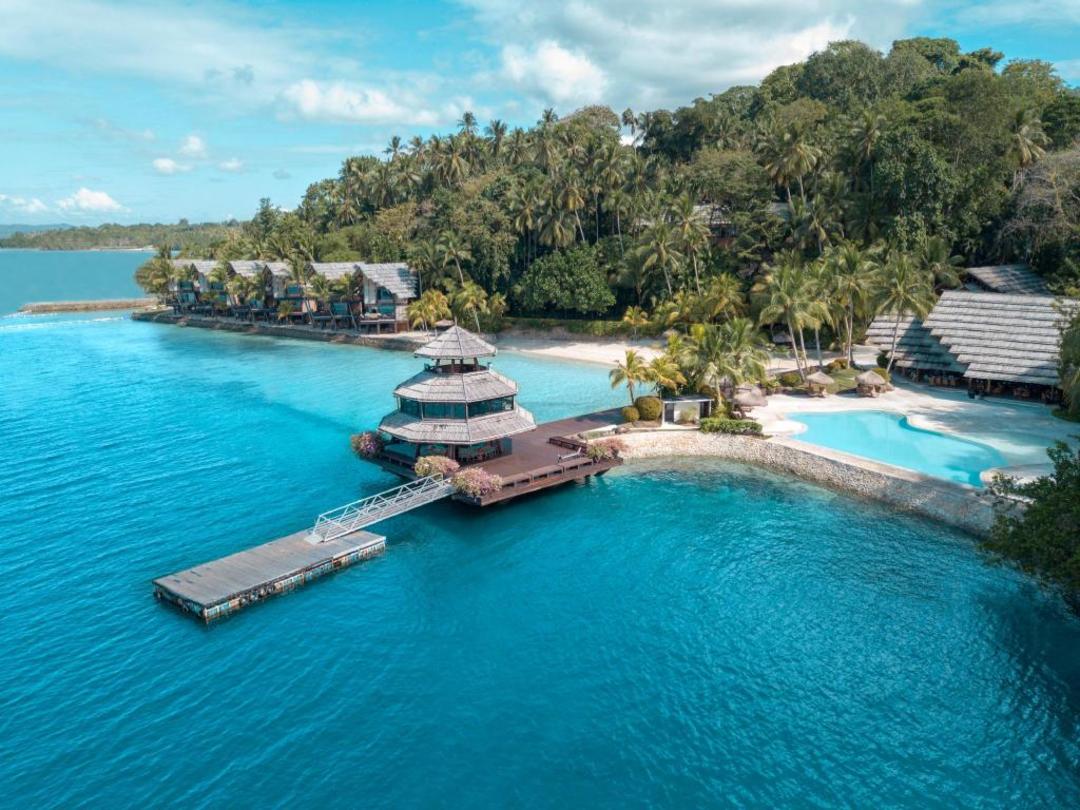


One of the Philippines' greatest treasures is its 7,000 islands, fringed with white sand that cushions turquoise waters teeming with some of the most diverse marine life in the world. And most of them remain relatively unexplored.
Of course, not everyone will agree on which destination is best, but this makes a solid starting point for mapping out your trip:
WHERE TO GO
El Nido, Palawan
If Palawan really is the Philippines' "last frontier," as it's often called, then the coastal town of El Nido is the gateway to wild adventure.
Partner links: booking through them supports the blog at no extra cost to you.
Naturally, there are gorgeous beaches and crystal-clear waters here. But what truly makes this place captivating is the scenery.
Just off the coast of El Nido you'll find towering limestone karst formations, hidden lagoons, marble cliffs, prehistoric caves and waterfalls. And all of it is easy to explore.
What to do: El Nido is a popular base for divers. The surrounding waters are home to more than 50 species of coral and draw whales, whale sharks, dugongs, manta rays, dolphins and endangered turtles.
Boracay, Aklan
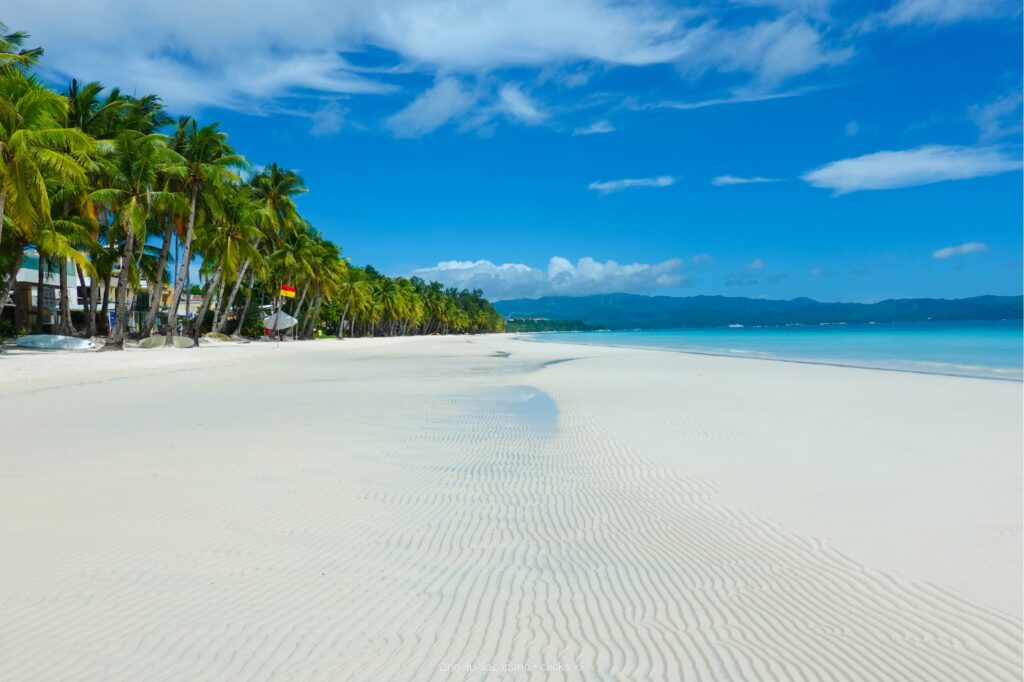
At night the beach comes alive: candlelit sandcastles, cozy restaurants and bars that keep going until dawn.
Away from the white beaches you'll find more laid-back resorts. Boracay has always had a quieter side, and even in recent years you can still track down secluded strips of sand, coves, caves and cliffs.
What to do: In the first months of the year, Boracay usually fills up with hundreds of kiteboarders and windsurfers competing in the International Funboard Cup. The lively waves and strong winds make Boracay an ideal spot for water sports enthusiasts.
Palaui Island, Cagayan Valley
This remote island is a natural secret; only the bold and the persistent dare to visit.
Beautiful white sands are bordered by volcanic rock on one side and blue-green waters on the other. Snorkeling and diving bring you face to face with coral gardens and a rich marine sanctuary.
Palaui is beauty in its purest form. But getting there takes real effort.
Your treks should be blessed with clear blue skies, patient companions and reliable local guides.
To reach the island's most prized stretch of beach, you'll have to push through spiky grass, muddy ground and mangrove forest.
Uncharted Philippines offers a three-day photo tour of Palaui Island for $240, which includes transport, accommodation, meals and a guide.
What to do: There are no resorts or hotels on Palaui, so there's really only one option: camping under the stars. Otherwise, travelers are left to seek out homestay arrangements.
Panglao, Bohol
Once a sleepy island, Panglao now draws travelers in search of stunning beaches. It's a haven for anyone who appreciates a varied menu of water activities.
Here you can watch dolphins and whales, and dive alongside barracuda, jackfish, sea snakes and shimmering coral formations.
Natural charm: Beyond the beaches, Bohol is famous for its Chocolate Hills, an unusual rolling landscape made up of more than 1,000 dome-shaped mounds. The hills got their name from the brown color they turn in the dry season, when the grass dries out.
The island is also home to the "world's smallest primate," the endangered Philippine tarsier.
Fun fact: Many years ago, plenty of foreigners came to Panglao on vacation and never left. Locals learned languages to communicate better with the visitors. Besides English, on Panglao there's a good chance you'll meet a resident who speaks German, Swiss or Japanese.
Bantayan Island, Cebu
Bantayan has stayed relatively untouched by modern life, apart from a small number of foreigners who have settled here, drawn by the white sands, watery-hued seas and red-and-gold sunsets.
The beer here is cold and cheap, the townsfolk are welcoming, and the gloomy troubles of the outside world are easily forgotten.
Holy crowds: If you're after peace and quiet, don't plan your getaway for Holy Week before Easter. During that stretch the island overflows with Filipino travelers, and rooms and services are booked out months in advance.
What to do: Relax. Not much happens here. There are no five-star hotels, no shopping malls, no trendy retail centers.
Caramoan, Camarines Sur
Named after a local sea turtle, Caramoan is as picturesque as it is remote.
Strips of white sand stretch between enormous boulders and rock formations. It draws divers, island-hoppers and beach loafers alike.
The beaches are complemented by caves, waterfalls, freshwater pools, underground streams and lagoons.
An adventure setting: The reality show "Survivor" and similar international programs have used Caramoan as a filming location.
Despite the spot's popularity with TV crews, there are plenty of beaches to go around.
What to do in the Philippines: Climbers can hike to the summit of Mount Caglago, which offers a breathtaking view of the islands and islets of Caramoan. For some, the mountain is a place of pilgrimage, thanks to a giant statue of Our Lady of the Holy Rosary.
Samal, Davao
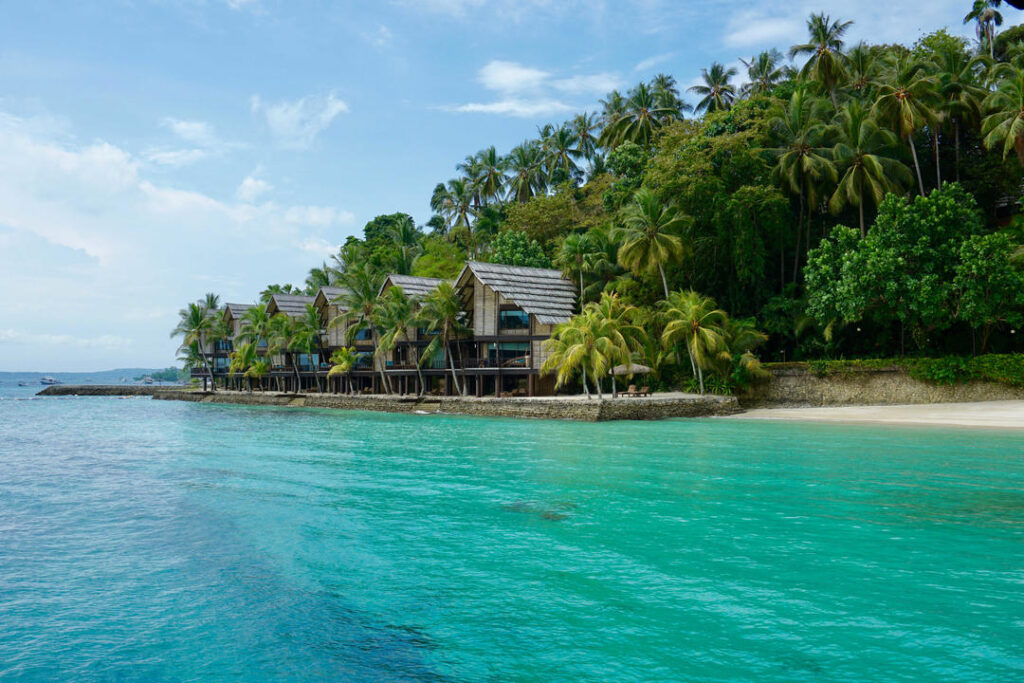
Samal is a fast-growing tourist destination, and there's an ongoing push to spread the word about its 118-kilometer coastline of white-sand beaches.
You know the highlights: the clearest waters, lush greenery, rocky formations, mangroves and coconut palms. Numerous resorts give visitors plenty of choice, from luxury getaways to backpacker options.
The vanishing island: That intriguing nickname belongs to Shanipaan Shoal, a tiny island that literally disappears from view at high tide. The only thing left to see when the tide comes in is a lone stilt house on high ground, poking out of the sea.
What to do in the Philippines: The vast Coral Garden marine park, a fish sanctuary brimming with diverse marine life, makes Samal a favorite among divers and snorkelers.
Siargao Islands, Surigao del Norte
Known as the best surfing island in the Philippines, Siargao is often overlooked as a paradise for beach lovers.
There are breaks for beginners, for intermediate surfers and even for pros chasing three-meter waves. For those with no surfing skills, and no desire to pick them up, there are also pristine beaches with gentler waves, perfect for sunbathing and swimming.
What to do in the Philippines: The ideal surfing days run from mid-August to mid-December, when the swell is most consistent. Beginners are better off coming when the waves are smaller, around April or May.
Great Santa Cruz Island, Zamboanga
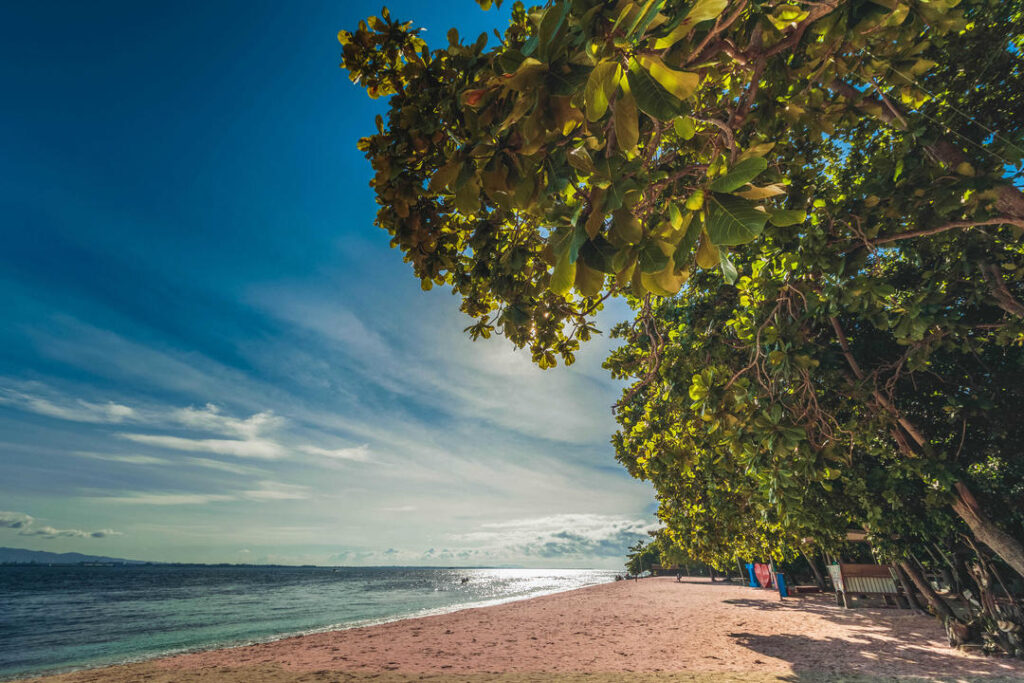
On Great Santa Cruz Island, crushed red coral washed up from the seabed mixes with white sand to create a pink beach.
It's a different version of perfection: the sandy beach competes with the blue and green shades of the sea. Some stretches of beach are beautiful in their undeveloped state. There are signs of civilization here too, such as souvenirs, nipa huts and toilets.
Visits to the beach are limited to day trips, so you'll have to squeeze everything into a few hours: swim, sunbathe, snorkel, even catch a fish for lunch. Just don't mistake calm for safety; a few meters offshore there's a deep drop-off into the sea.
What to do in the Philippines: The island is only a few minutes by boat from the city itself, but reaching it requires extra precautions because of local threats.
Only those with a tourist permit from the Department of Tourism in Zamboanga City may visit the island. The permit fee includes an armed escort.
Why the security? According to representatives of the regional Department of Tourism office, it's a preventive measure: "As for the security situation in Zamboanga City, there has been no militant or terrorist activity here recently. While there have been reports of shootings, they targeted specific victims over personal grievances. The city is very lively and relatively peaceful."
As a precaution before your trip, check with your embassy for information on security threats.
Pagudpud/Bangui, Ilocos Norte
Along the northern edge of Luzon Island lies the coastal town of Pagudpud. It's a quiet, sleepy, rural community with almost no commerce.
Perhaps because the road to Pagudpud takes so much time and effort, the wide and inviting beaches are usually empty, making them ideal for anyone who loves pairing solitude with sun, sand and surf.
A row of windmills, set farther down the coast from Pagudpud in the town of Bangui, serves as a scenic, if unusual, backdrop for a Filipino beach.
What to do in the Philippines: Parts of Pagudpud are exposed to winds blowing in from both the South China Sea and the Pacific Ocean, making the waves ideal for surfers, especially from July to October. Windsurfers and kiteboarders are starting to take notice of this northern getaway.