

Everyone who travels to Italy knows the drill. A day of culture and maybe a little shopping, then an aperitivo and mountains of pasta for dinner. Or perhaps pizza, or even risotto. Because that's what people eat in Italy, right?
The people of Lake Trasimeno would beg to differ.
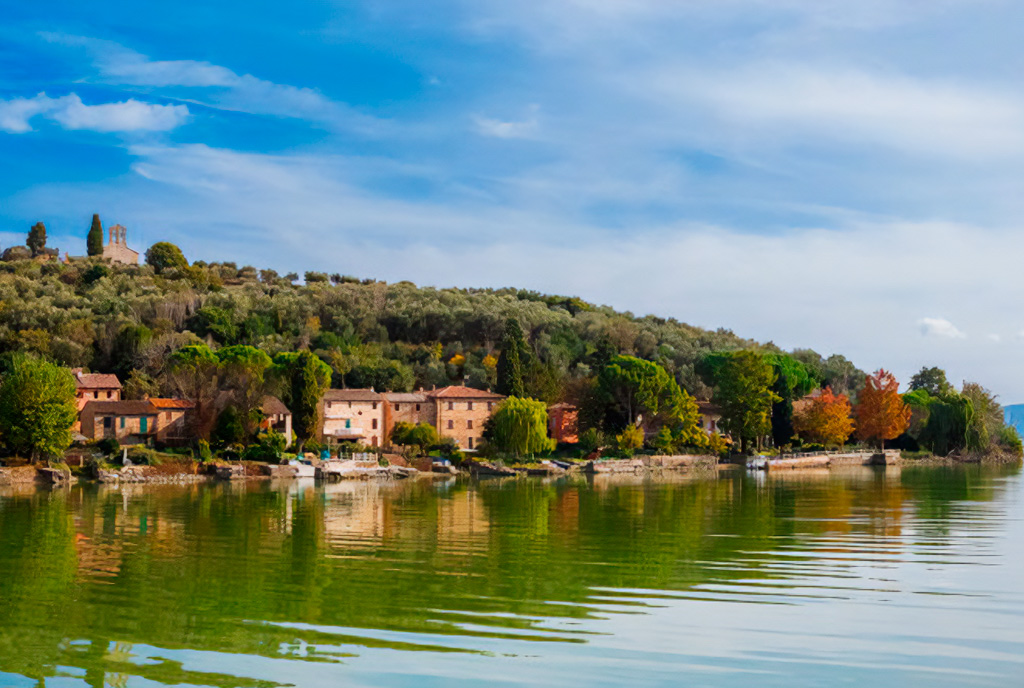
The lake, which covers nearly 50 square miles and sits tucked into the central Italian countryside in the region of Umbria (though it borders Tuscany), is known for traditional dishes that look nothing like those of its neighbors.
Partner links: booking through them supports the blog at no extra cost to you.
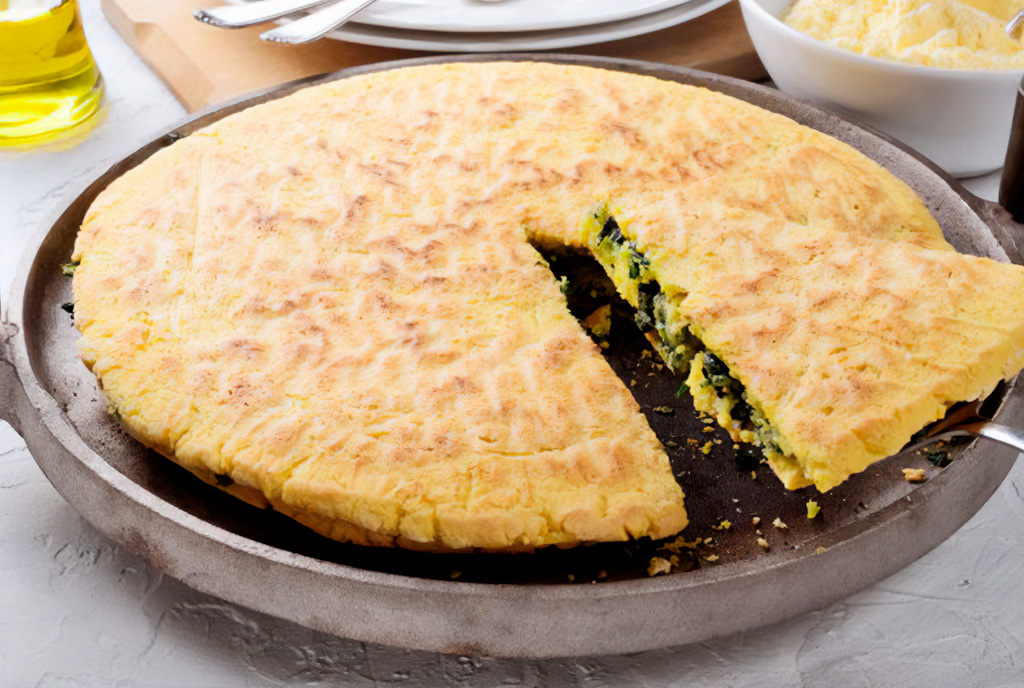
Umbria is the only landlocked region on the Italian mainland, and it's famous for hearty, meaty food that comes straight from its wooded hills: truffles, prosciutto and sausages are among its best-known exports.
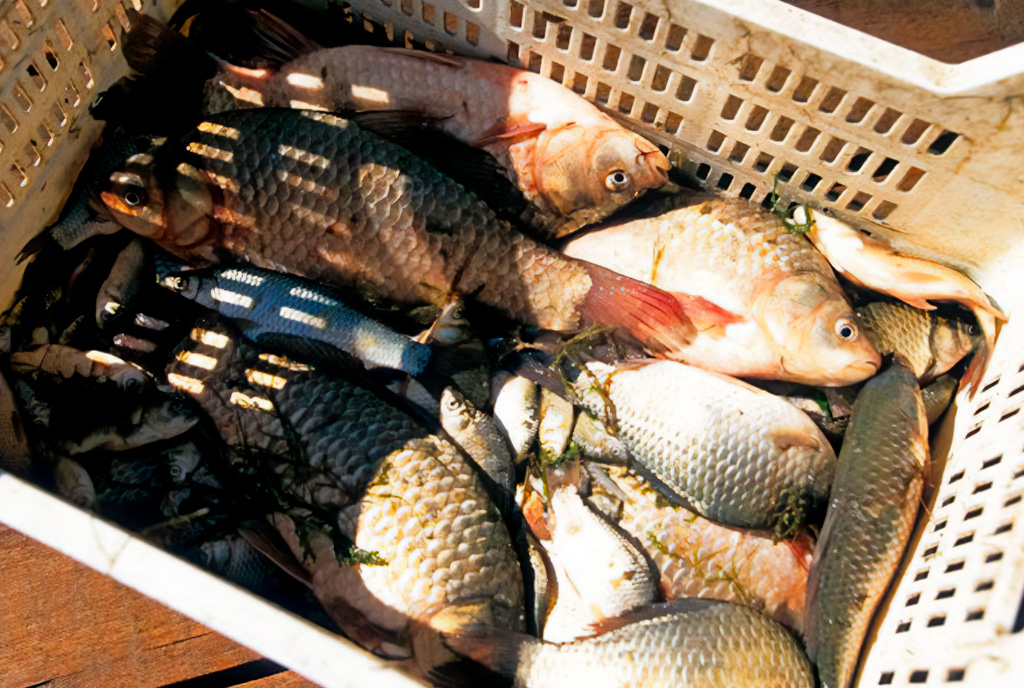
And yet here at the lake, traditional dishes trade pasta and pizza for fish. Not your everyday fish, though. Instead of elegant cuts of tuna or sea bass, you'll find perch, pike and eel.
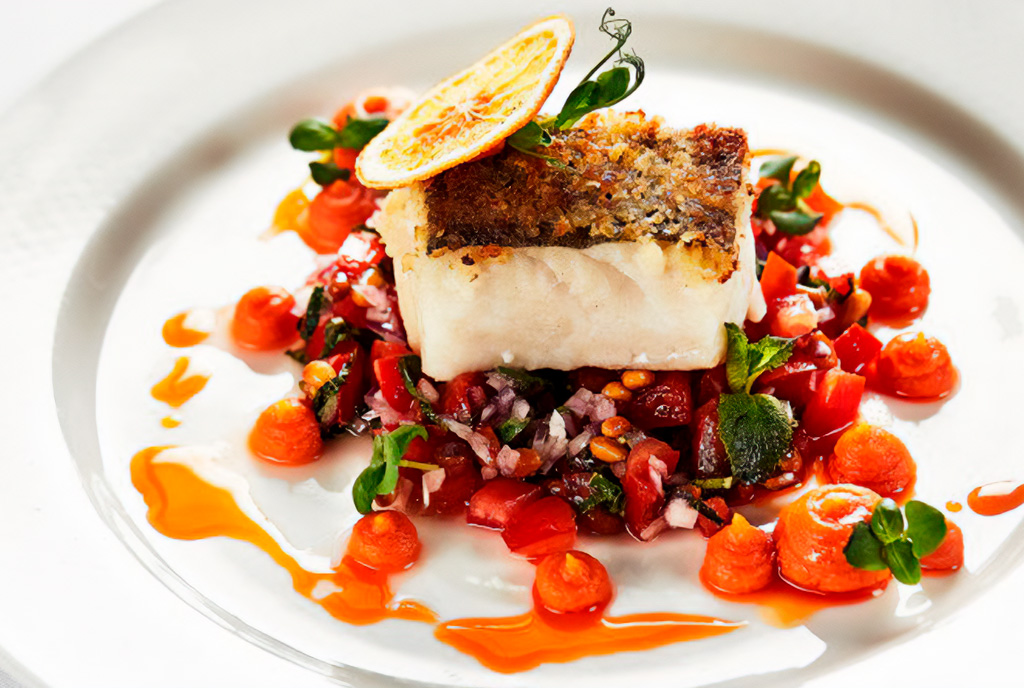
They're often prepared in an unusual way. Take carpa regina in porchetta, for instance, one of the lake's signature dishes. "Carp roasted like porchetta" (herb-roasted pork) takes one of the lake's biggest fish, coats it in bold herbs and roasts it, exactly the way it's done with a classic Italian meat, porchetta.
"I come to Trasimeno for the food, because it's like nowhere else in Italy," says Veronica Grechi, a B&B owner from Florence and a regular at the lake.
Visitors may be surprised, but the reason these Italians don't eat "like Italians" in our collective imagination is that Italian cuisine is hyperlocal, usually varying from town to town.
The food of Lake Trasimeno, which might at first strike foreign tourists as out of place, is actually what Italians call "zero kilometer" food. In other words, as local as it gets. Not only that, but there's a reason some of the dishes might seem strange. And there's a reason they nearly vanished.
'The Rimini of Umbria'

Today, Lake Trasimeno is a peaceful place in the very heart of the country, far from the noisy crowds of Italy's beach resorts.
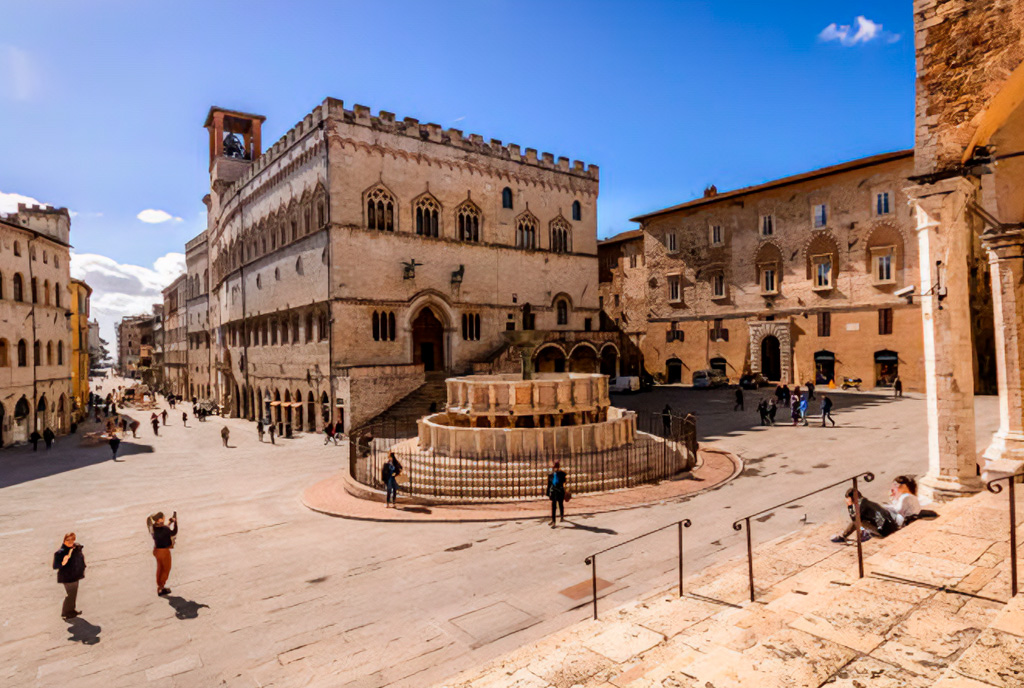
But 50 years ago, says Professor Daniele Parbuono, an anthropologist at the nearby University of Perugia, things looked completely different.
The area was important during the Second World War (a military airfield stood here), and when tourism began to take off in postwar Italy, local politicians saw their chance for a reinvention.
"They wanted to turn it into the 'Rimini of Umbria'," he says. Rimini is one of Italy's most famous beach resorts, on the Adriatic coast.
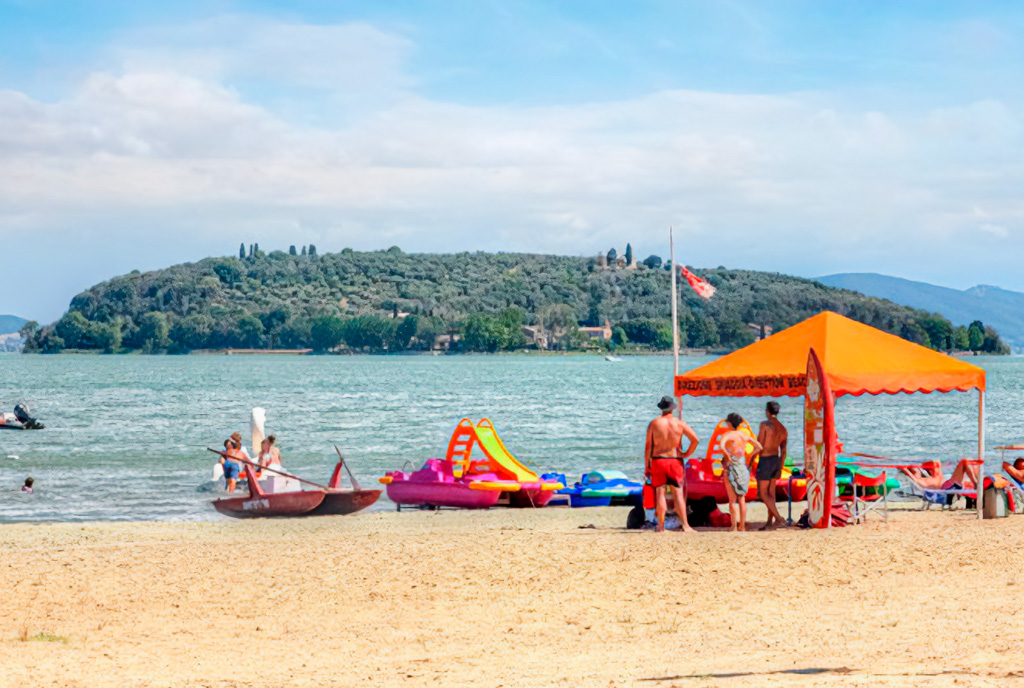
"In the 1960s and 1970s, if you came here, you'd find pine trees, pedal boats, changing cabins, just like in Rimini. So much so that you wouldn't be eating lake fish, but sea fish.
"Today, if you come to Lake Trasimeno, you'll eat [the lake's own fish], but that wasn't always the case until a few decades ago."
About 20 years ago, he says, the tourism model changed.
"A new awareness emerged about local resources, about the territory. We're talking about slow food, about food and wine."
That shift in the tourism model saved the lake's unique culinary heritage.
An Economy Driven by Pike
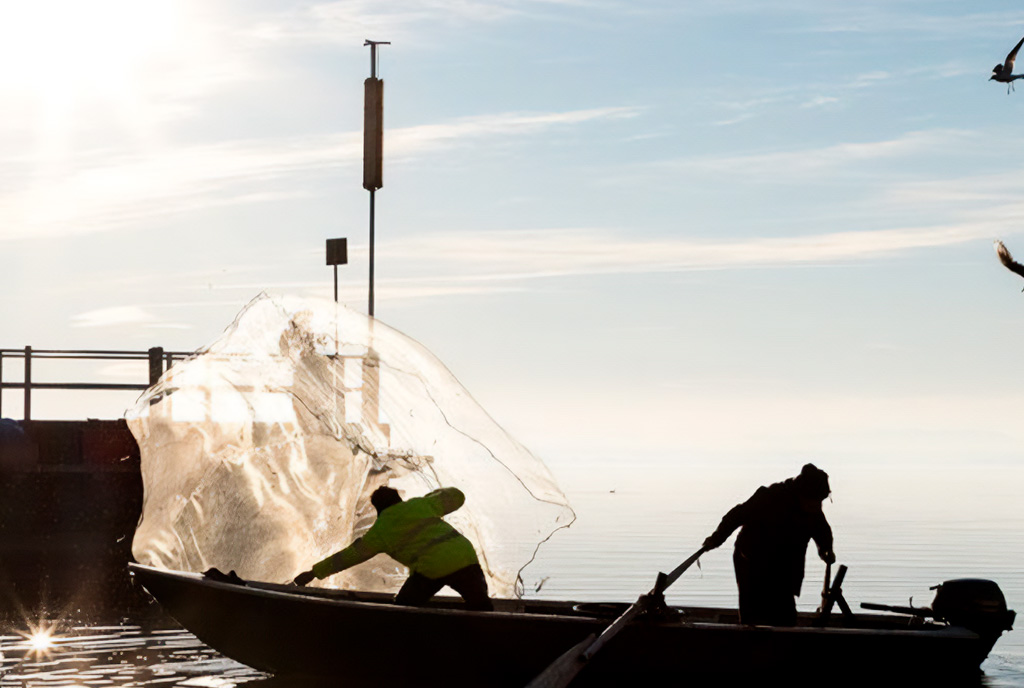
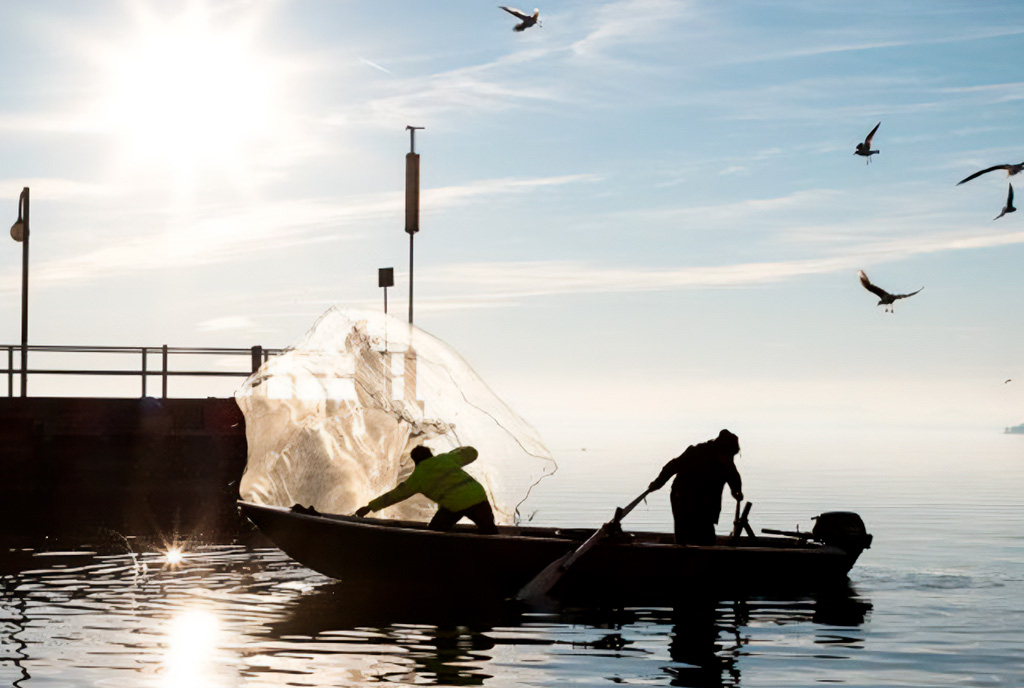
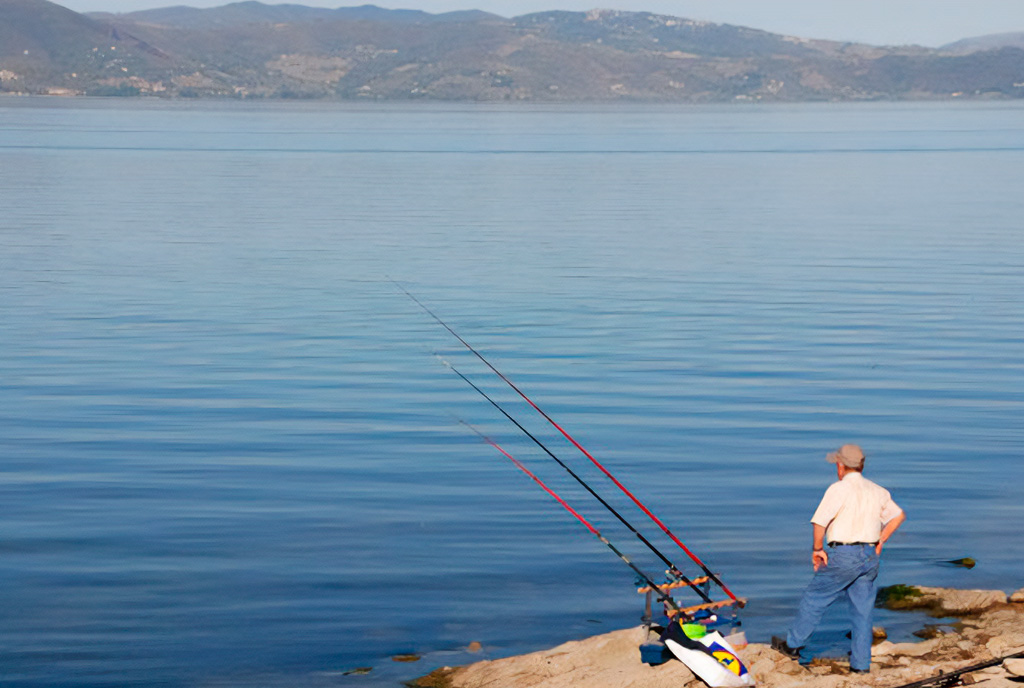
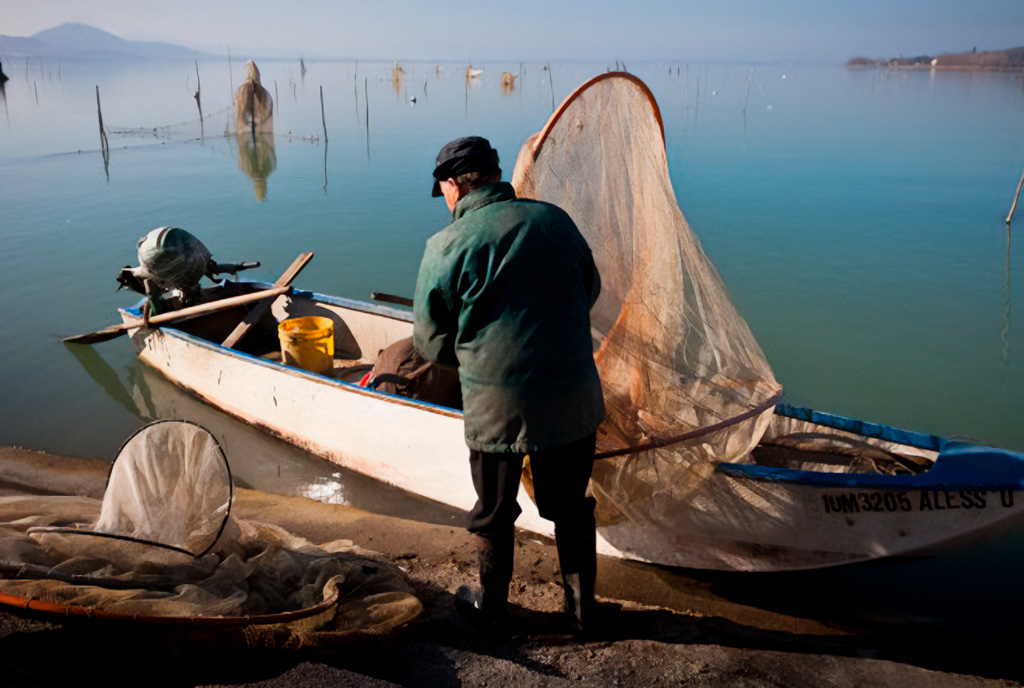
Today the lake supports a cooperative of 70 fishermen, says Walter Sembolini, vice president of the Cooperativa Pescatori del Trasimeno. It was founded in 1928, but the times weren't always this good.
Last year they opened a restaurant, La Locanda dei Pescatori del Trasimeno, where the fishermen themselves roll up their sleeves and cook the lake's classic dishes alongside their partners.
"We wanted to give a [boost] to Trasimeno's culinary traditions," says Sembolini.
"We wanted to take another step toward improving them and to grow economically, but sustainably, for ourselves and for the region. We couldn't survive on fishing alone."
In their first eight months they'd already welcomed 20,000 guests who came to eat dishes like pike salad, carp with truffles and homemade gnocchi with smoked tench. And of course they also serve the Trasimeno classic: carp in porchetta.
For Mariapia Scarpocchi, whose parents opened the restaurant Da Sauro 57 years ago (she now runs it with her children), carp in porchetta is one of her signature dishes.
Carpa regina, the European carp, is a "huge fish, big in every sense, including its flavor," she says. The biggest she's ever cooked? A staggering 23 kilograms, or more than 50 pounds, prepared in porchetta for a wedding.
"It's a medieval dish," she says. "Back then, carp was thought to resemble pork in appearance and texture. It's very firm compared to other fish and a little bloody. So it's rolled in flour, then you add wild fennel, garlic, rosemary, all the same herbs as [real] porchetta. It's served in pieces. If you ate it with your eyes closed, you'd think it was pork."
Scarpocchi and her family also serve modern dishes, but for her, carp in porchetta is "historic. It's always been made this way, and we want that to continue."
Fish 'Turned into Meat'
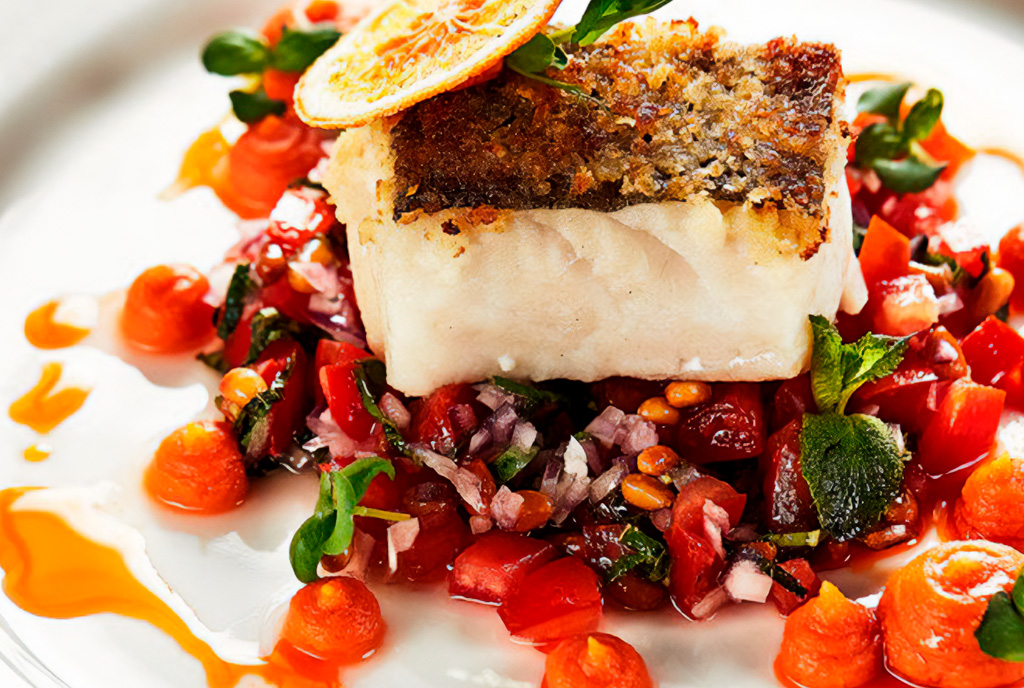
Pork-style carp isn't the only out-of-place dish on the lake's menus. In fact, Parbuono, who was born on the lake, says locals have historically cooked fish like meat for a curious reason.
"The area around the lake was historically a land of contadini [peasants, though not in a demeaning sense] and sharecroppers," he says.
The late Perugian anthropologist Alessandro Alimenti described Trasimeno as "an island of water in a sea of land." There were around 10,000 contadini and about 400 fishermen.
The contadini and the fishermen led completely different lives. The days of the former were regimented; they lived by the hours of the sun and the seasons, while the latter "had no fixed hours, no sense of time. They could go out at 3 in the morning and be free by 10."
This bred distrust between the two communities.
"The contadini wanted nothing to do with the fishermen, and vice versa," says Parbuono.
"A peasant's greatest fear was marrying his daughter off to a fisherman, and the fisherman's greatest fear was exactly the same."
The divide between the two communities living side by side showed up in their eating habits. The lake's fish was sold in Perugia and even in Rome, going all the way back to ancient Roman times. But those who lived on the lake's shores were less interested.
"There wasn't much of a habit of eating fish. The diet was based on recipes from the land, the food of the contadino," says Parbuono. "They ate rabbit, chicken, game, pork, but very little fish."
That's why, when they did eat fish (perhaps trading their own produce with the fishermen), they "turned it into meat," he says.
"They didn't know how to cook fish, so they cooked it like meat. They cooked carp as if it were pork or roast rabbit. They grilled perch fillets." Brustico, a dish typical not only of Trasimeno but of two other nearby lakes, Chiusi and Montepulciano, is "fish cooked like grilled meat," he says.
In the postwar period, when politicians were trying to build a landlocked Rimini, the lake's fish was "forgotten," says Parbuono. It even disappeared from people's homes. "There'd be that one grandmother or aunt who made tegamaccio [fish stew] once a year, but it was very, very rare," he says.
He remembers one restaurant in Chiusi, over the border in Tuscany, that served brustico and tegamaccio, and one place in Castiglione del Lago. But then, slowly, it came back to the menus.
More conscious, sustainable tourism helped, he said, as did Italy's broader emphasis on promoting hyperlocal products.
How 'Rabbit Food' Became Gold Dust
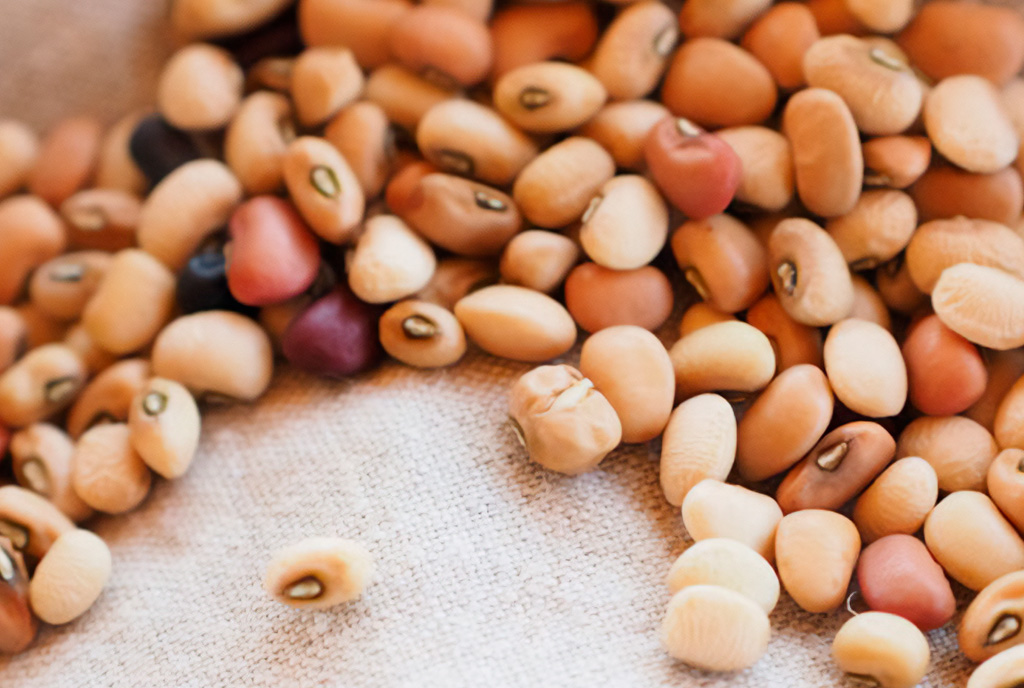
Today, Trasimeno is known not only for its food but also for its "fagiolina": a tiny bean grown by the Etruscans in pre-Roman times. The fagiolina has earned a Slow Food "presidio," a mark of protection given to products from an area that are at risk of disappearing.
But when Parbuono was growing up, the bean was anything but prized.
"Today the bean costs as much as a gold nugget, but my grandmother used to feed it to the rabbits," he says.
"When I suggested eating it, she told me: 'You eat it, I give it to the rabbits.'"
"In the 1980s, there was no idea of sustainability," he adds.
"Then political work was done to [value] the ingredients from their area, and it [Trasimeno and Umbria] recharacterized itself."
He compares it to the highly prized saffron from Citta della Pieve, about 15 minutes south of the lake: "These were forgotten products, rediscovered in the 1990s."
Quality, Not Quantity
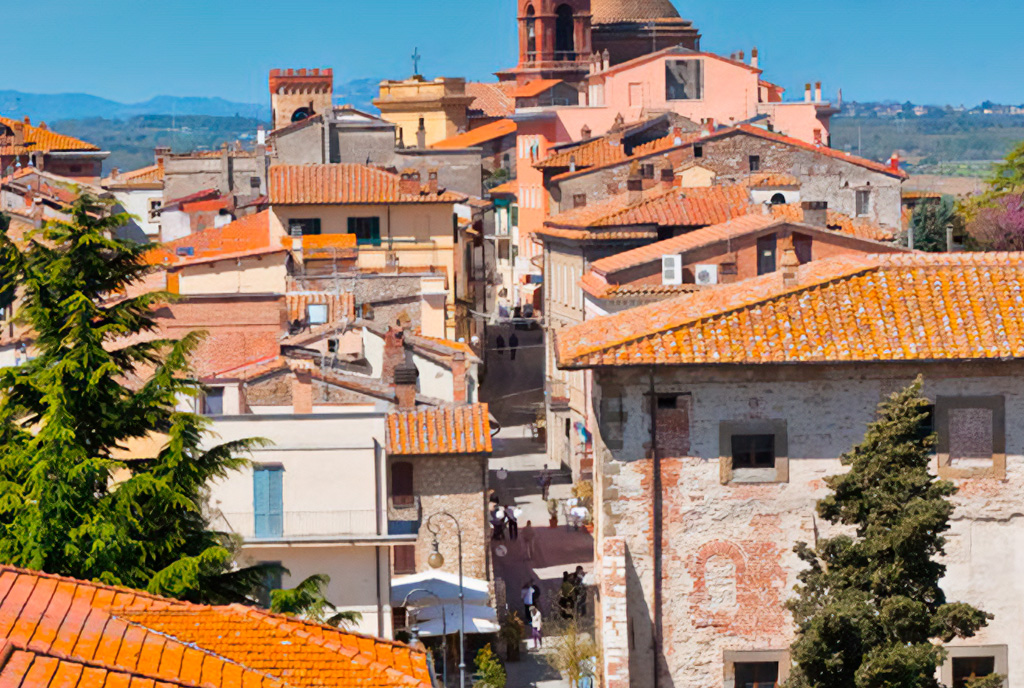
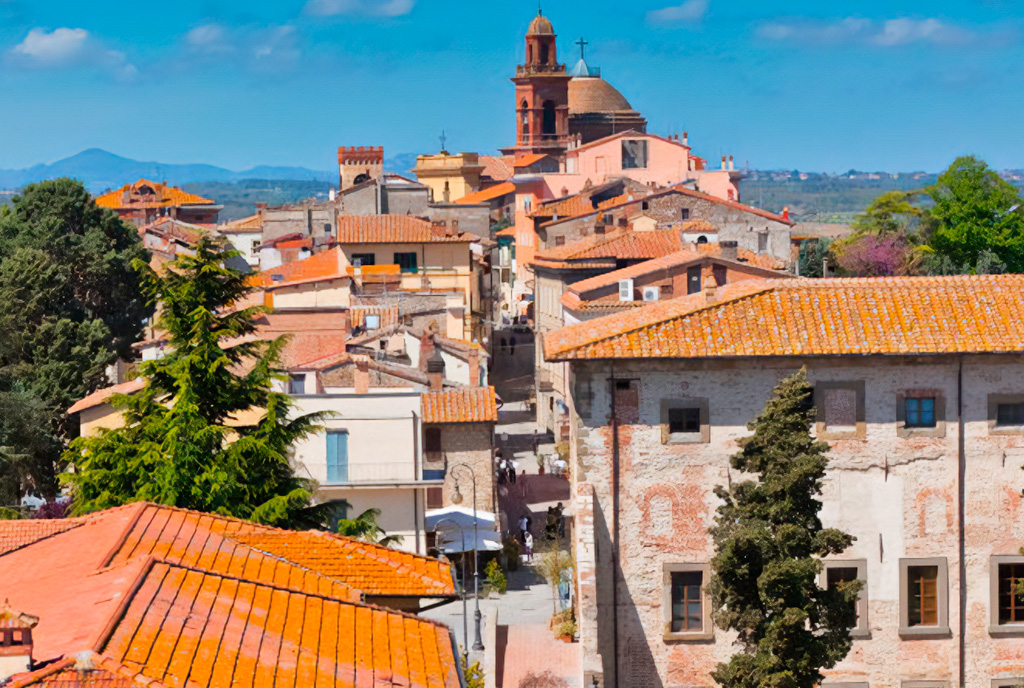
Today Lake Trasimeno has a tourism model very different from Italy's mainstream resorts. Instead of quantity, the area bets on quality. Two lakeside towns, Passignano sul Trasimeno on the northern shore and Castiglione del Lago on the western one, are on the list of Borghi piu' belli d'Italia, a roundup of Italy's most striking small towns. They're joined on that list by three more towns a little further from the lake: Corciano, Paciano and Panicale.
The idea is to offer a slower kind of tourism that appeals to a different, more thoughtful type of traveler, one more likely to appreciate the food or attend the Trasimeno Music Festival, held every July.
Angela Hewitt is one of them. A Canadian concert pianist based in London, she's the festival's artistic director, but back in 2002 she bought a plot of land on the lake's shore to build her dream retreat. "I can honestly say I never tire of my view, and when I arrive there after endless touring around the world, I can't believe my luck," she says.
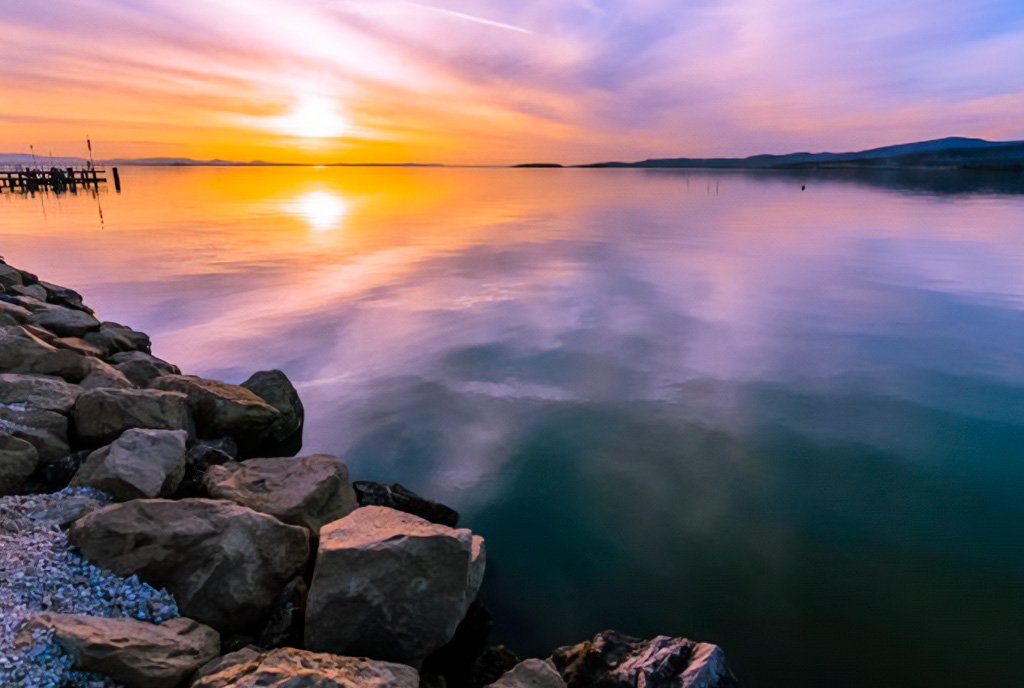
"The lake sets the stage for breathtaking sunsets that open your heart and soul, especially in the autumn and winter months. Even at the height of the season, the area is still calm and not too touristy, with marshland surrounding much of the lake."
For Hewitt, the dishes here "highlight the flavor of the ingredients without adding a lot of rich sauces." She forages for wild fennel and wild asparagus on the hill where she lives, and grows olive trees, pomegranates, lemons, cherries and, the key ingredient in carp in porchetta, rosemary.
Her favorite dish is another lake fish cooked like meat: perch skewers, prepared exactly the way you'd do meat. And while she's no fan of eel, she loves torciglione, a festive cake made from almonds and pine nuts that the region prepares for Christmas and New Year. Some say it's an eel; others, a snake, a nod to the Etruscans who lived on the lake 2,500 years ago and are said to have worshipped serpents.
Scarpocchi, whose restaurant sits on the shore of Isola Maggiore, an island hovering off the lake's northern bank, says these traditional dishes are the story of the local people. She also specializes in tegamaccio, a fish stew once made from the leftovers the fishermen couldn't sell, cooked in a sauce in a clay pot. She makes it with perch and eel, first searing the eel and adding lemon to lighten it.
She says that although some lakeside restaurants serve sea fish, most tourists happily let her staff steer them toward something more local (they serve only local products alongside the lake's fish).
'Consuming the Lake'
At Da Sauro they pair tagliolini pasta with smoked tench and make their own lakeside version of seafood pasta, all supplied by the cooperative. Not that everything is traditional. They also make fish and chips using perch.
"Italy is rich in lakes, and the quality of the fish is high. The ingredients are local, but these are completely Italian products," she says of her cooking.
For Parbuono, refocusing on the lake's traditions saved them, growing the number of fishermen from the handful left 20 years ago to the thriving cooperative of today.
Eating the lake's distinctive food lets you understand this place better, he says.
"If you eat eel at home, it's eel; at the lake, you see the cultural dimension.
"We anthropologists distinguish between nutrition and diet. Nutrition is biological, while diet is cultural.
"Sitting with a view of the lake at sunset, eating this eel while the chef explains how it was prepared and brings you a good white wine from Trasimeno, you're not just eating eel.
"You're consuming the lake."