

There are really only five big lakes of Italy worth building a whole trip around, and they all sit in a band along the southern foot of the Alps. The largest, Garda, is bigger than a mid-sized city with its suburbs; the quietest, Orta, you can stroll around in half a day. What separates them isn't the colour of the water but what people come for: some chase villas and photos, others a silent boat at dawn.
Here are the five that actually cover most of what travellers ask about. For each one: where it is, what it does well, and what's wrong with it, because none of them is perfect.
Which lake to pick, and how do they differ?
If you're short on time, read the table and cut the rest right away. Each lake pulls its own kind of holiday, and trying to grab all five in a week means spending your trip behind the wheel.
Partner links: booking through them supports the blog at no extra cost to you.
| Lake | Region | What makes it unique | Best for |
|---|---|---|---|
| Como | Lombardy | Villas, cypresses, celebrity neighbours | Couples, lovers of beauty and status |
| Garda | Lombardy / Veneto / Trentino | Largest, warm, theme parks nearby | Families with kids, active travellers |
| Maggiore | Piedmont / Lombardy | Borromean Islands with palace and gardens | Garden lovers who like a slow pace |
| Orta | Piedmont | Small, quiet, island of San Giulio | Romantics escaping the crowds |
| Lugano / Iseo | Swiss border / Lombardy | Mountains right at the water, few tourists | Those who've seen the rest |
Como: beauty you'll pay for
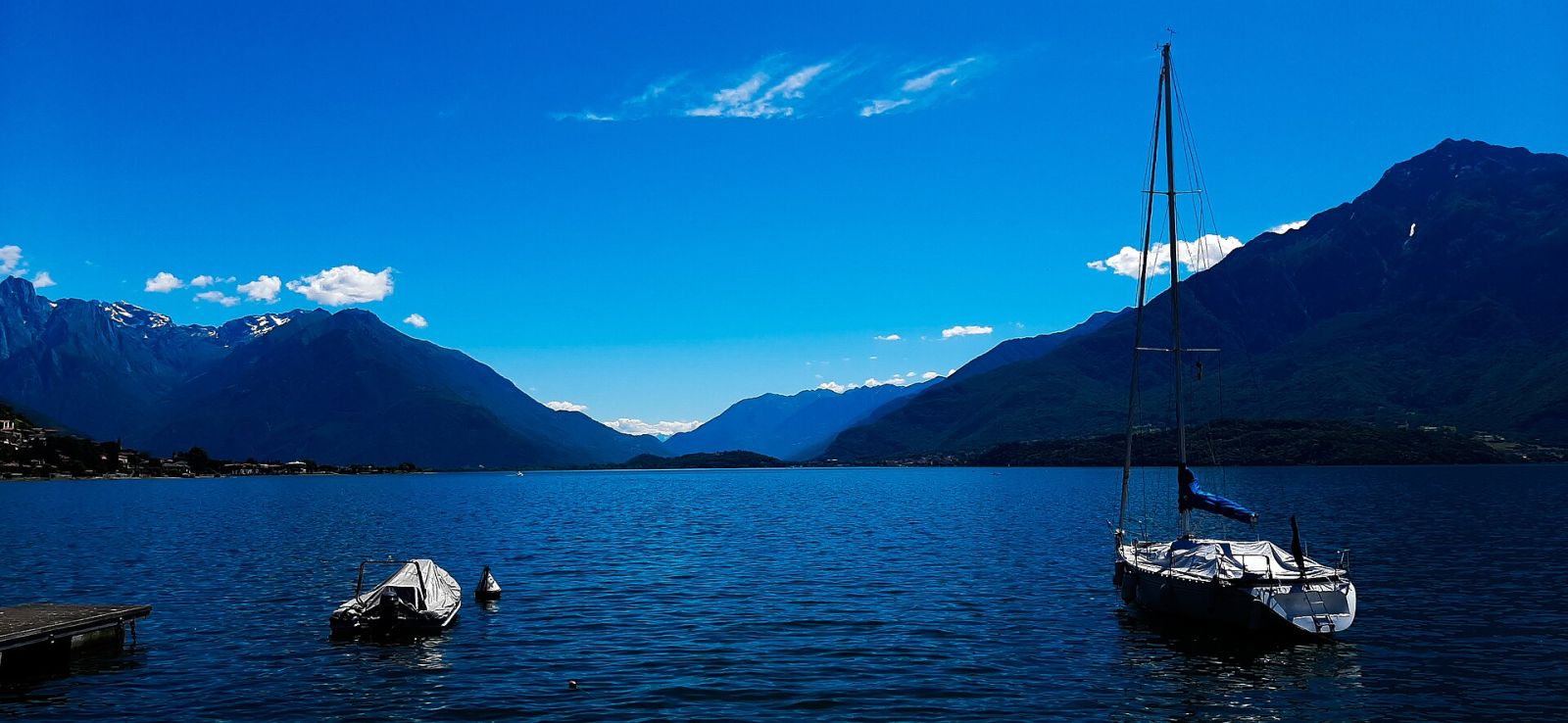
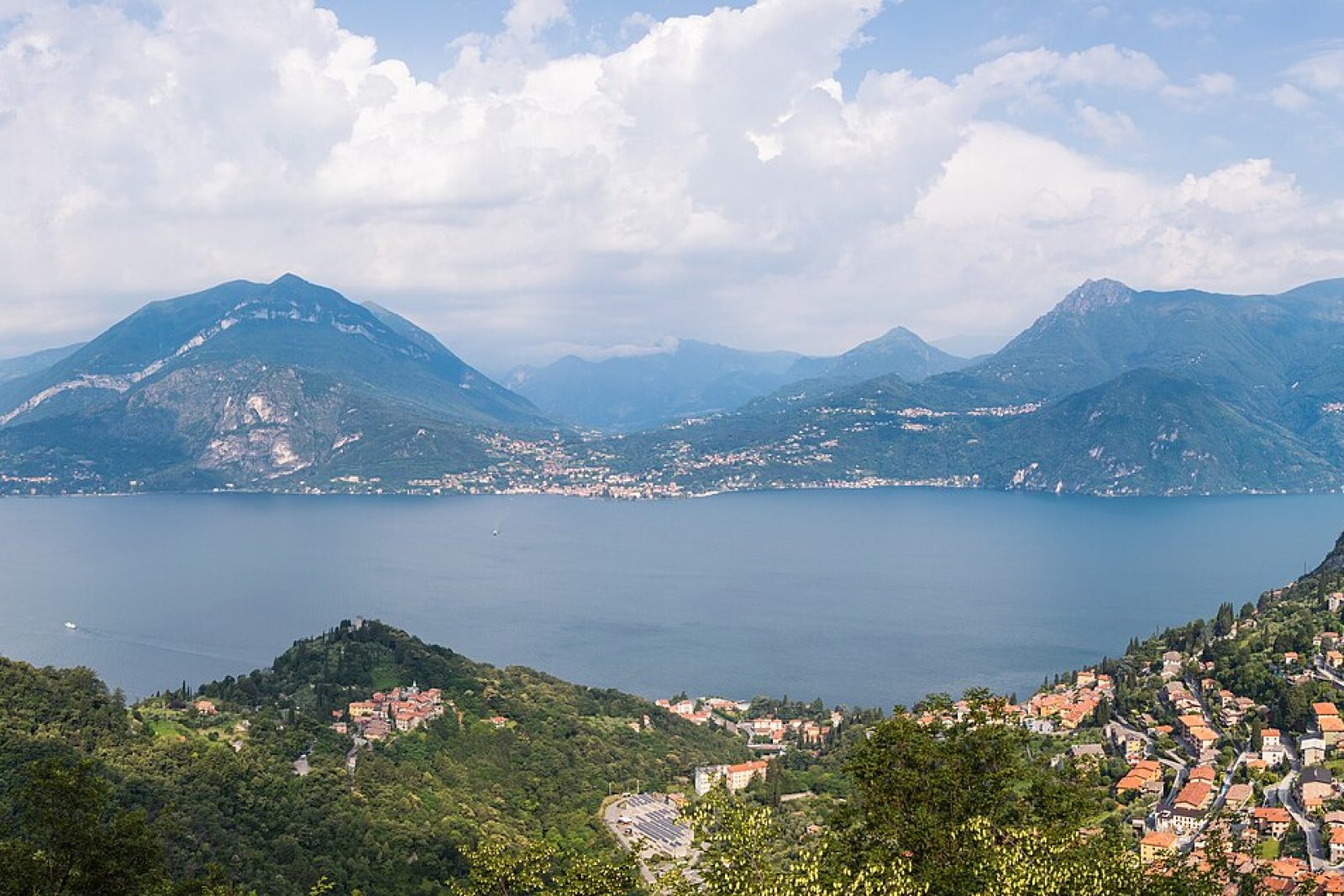
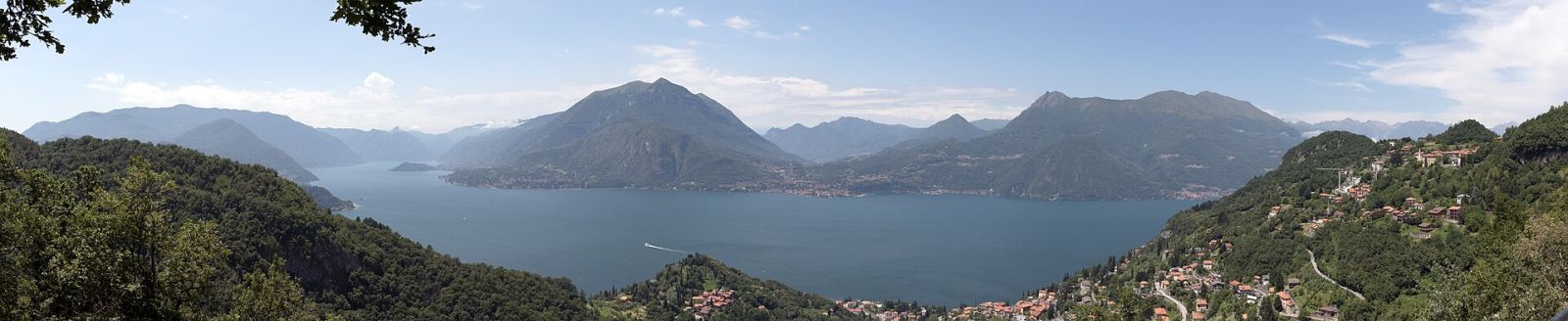
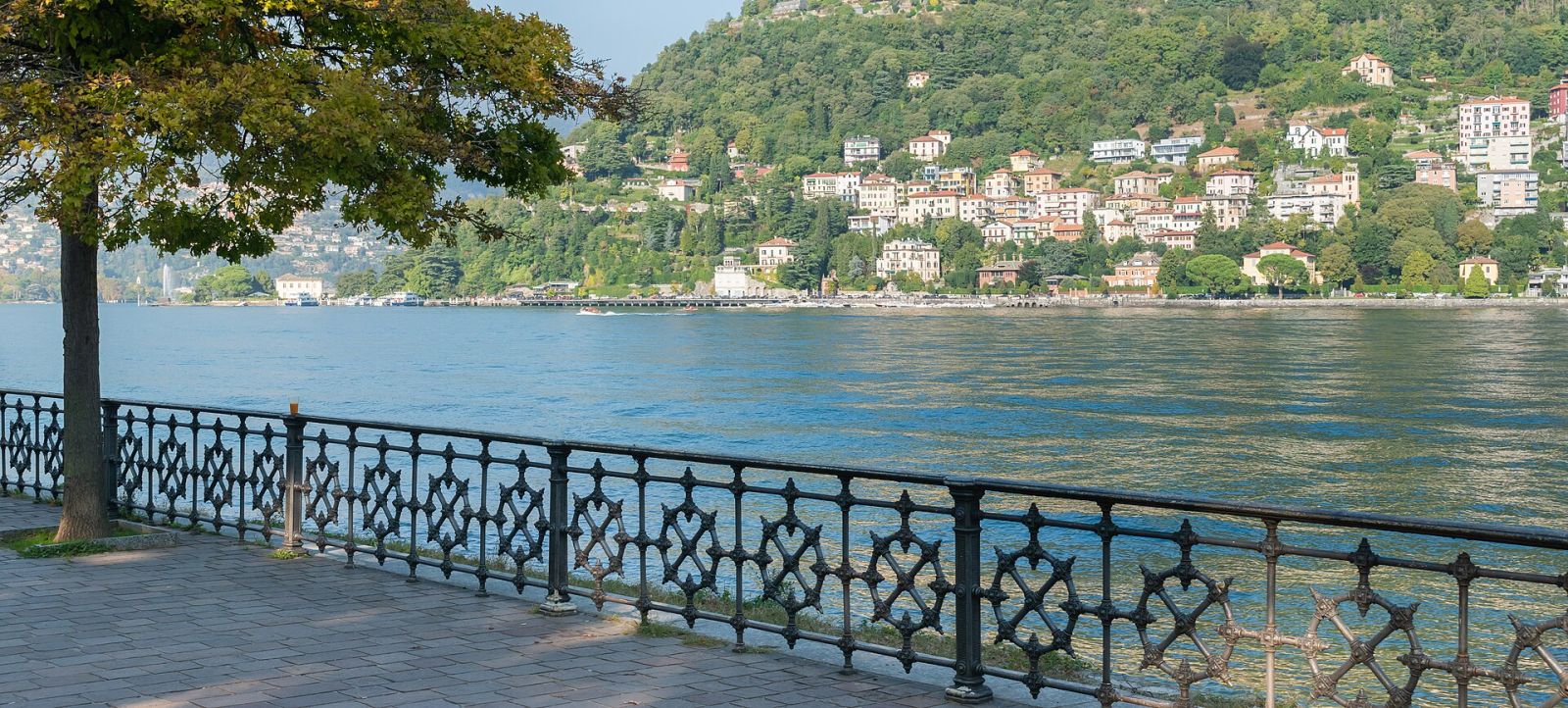
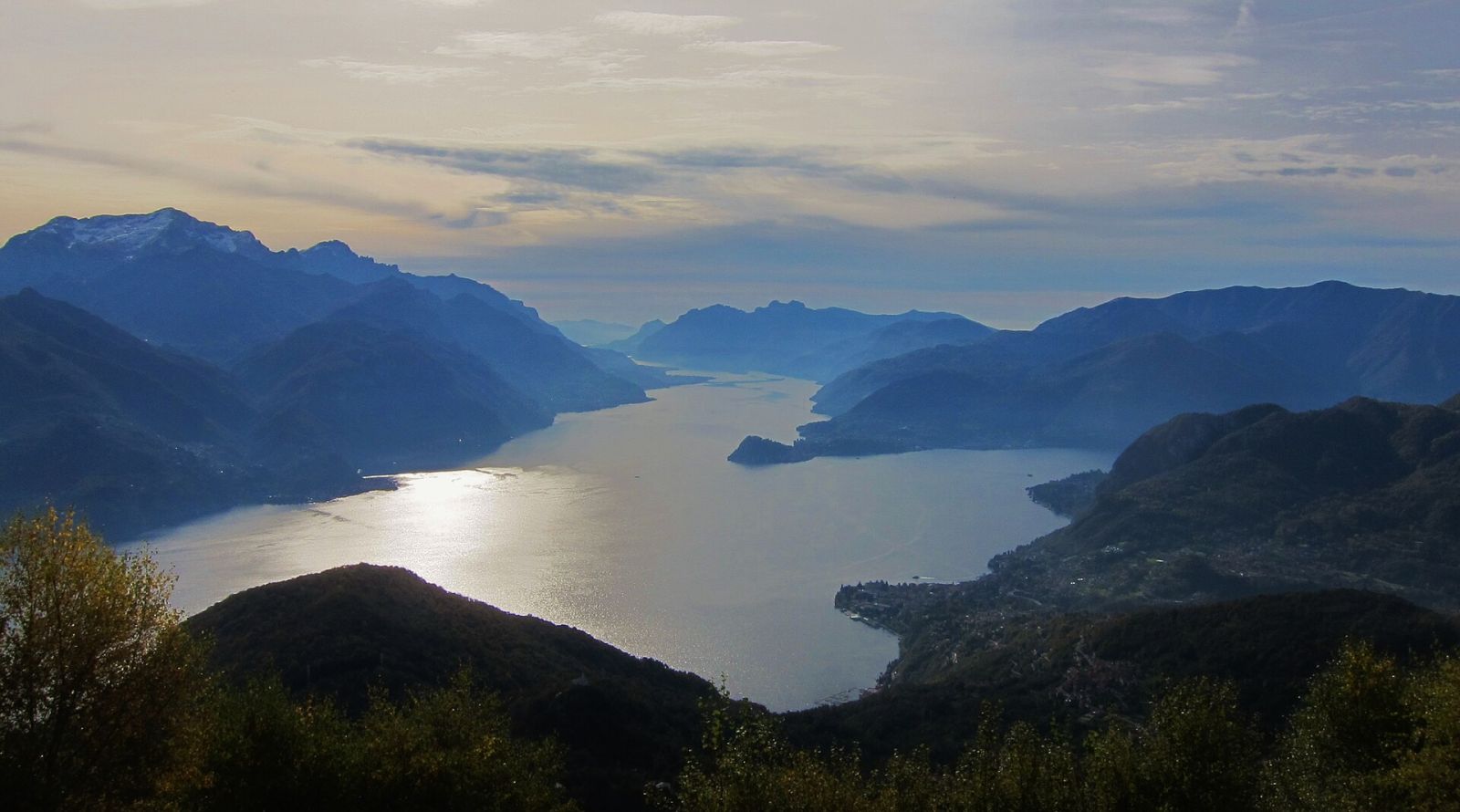
Como, just north of Milan, is the lake from the postcards: steep green shores, old villas, cypress trees and water of that deep, recognisable shade. It's shaped like an upside-down Y, and the heart of the whole show, the town of Bellagio, stands exactly where the three arms meet. The best views are here, and so are the priciest hotels.
The real star isn't even the scenery, it's the villas. Villa del Balbianello with its terraced gardens turned up in Star Wars and Bond scenes, while Villa Carlotta keeps a botanical garden full of azaleas. Yes, boats ferry gawkers past George Clooney's place at Lenno, and locals have long stopped noticing. The honest downside: Como is expensive and crowded. In July the Bellagio waterfront at night feels like a metro escalator, and a dinner-with-a-view bill easily outruns a capital-city one.
Garda: the biggest, and the best for families
Garda, the country's largest lake, lies between Milan and Venice, and it's the most practical pick if you're travelling with kids. The south is flatter, warmer and lined with beaches; the north is narrower, windy and hemmed by cliffs, which is where the kite and windsurfers head. The water warms up nicely, so swimming really does work all summer.
Families love Garda for more than the beaches. Within easy reach of the shore sit several big theme parks, Gardaland among them, one of Europe's largest, plus water parks. The towns hold their own too: Sirmione on a thin spit with thermal springs and the ruins of a Roman villa, colourful Malcesine with a castle under Monte Baldo, where a cable car lifts you to alpine meadows. The flip side of that popularity is predictable: at peak season the lakeshore road crawls, and a free square metre of sand near Sirmione takes some hunting.
Maggiore: islands, palaces and gardens
Maggiore stretches from Italian Piedmont all the way into Switzerland, and the main reason to come floats right in the middle of the water. These are the Borromean Islands, opposite the town of Stresa. Isola Bella is essentially a baroque palace with a terraced garden where white peacocks wander the lawns; Isola Madre is quieter, with an English park; Isola dei Pescatori is still a fishing village of narrow lanes and trattorias serving the day's catch.
Maggiore is slower than Como and less showy. Budget not a flying visit but two or three days: hop between the islands by boat, ride the cable car up Mottarone for a view of seven lakes at once, wander the botanical gardens of Villa Taranto. The catch is the weather, which is moody here; the northern end catches clouds off the Alps, and it can drizzle for days even in summer. Swimming is so-so too, the water's cooler and the shores are mostly not beaches.
Orta: a small lake for those tired of people
Orta hides just west of Maggiore, and even travellers on their second Italian trip often don't know it exists. Their loss. It's the quietest of the five, tiny, with a single town, Orta San Giulio, where cars aren't allowed in. The centre is intimate: cobbled lanes, painted facades, a square looking out over the water.
In the middle of the lake sits the little island of San Giulio with an ancient basilica and a convent. The path around it is officially called the "way of silence", and signs ask you to walk quietly, almost unheard of in Italian tourism. Above the town rises the pilgrimage hill of Sacro Monte, its chapels scattered among the trees. Orta is perfect for a day or two of calm, but its very size runs out fast: there's little to do, nightlife simply doesn't exist, and in the rain there's not much point being here.
Lugano or Iseo: the fifth, your call
Two lakes compete for fifth place, and you should take whichever sits closer to your route. Lugano lies right on the border, most of it belonging to Switzerland, so bring both francs and a slightly different rhythm. The mountains here drop almost sheer to the water, and the town of the same name feels Swiss in mood: clean, expensive, with a palm-lined promenade.
Iseo is humbler and more Italian. Its trump card is Monte Isola, Europe's largest lake island, a whole mountain of villages that also bars private cars. Back in 2016 the artist Christo laid orange floating walkways across the water here, and for a moment the whole world heard of the lake, then forgot it again. For a traveller that's a plus: noticeably fewer tourists, gentler prices, more of the real thing. The downside is the same as the upside, the infrastructure is thin and English is spoken reluctantly.
When to go?
The most comfortable window is late May, June and September. The gardens are already (or still) in bloom, the water on Garda is bearable for a swim, and the crowds aren't as dense as at the peak. July and August give you the warmest swimming and the full run of attractions, but prices, queues and traffic all top out then too, especially on Como and Garda.
| Season | The weather | The catch |
|---|---|---|
| April, May | Cool, gardens in bloom | Too early to swim, but empty and lovely |
| June, September | Warm, comfortable | The best balance, ideal for most |
| July, August | Hot, warm water | Busy and pricey, book well ahead |
| October onward | Damp, much of it closed | Quiet and misty, some hotels on pause |
How to get there?
The logistics are simple, and that's half the charm of the lakes. For Como, Garda and Maggiore it's easy to fly into Milan, then an hour or ninety minutes by train or car. Como has its own railway station; Garda is usually reached via Desenzano or Peschiera on the Milan to Venice line, and Maggiore via Stresa. Orta and Iseo are easier with a car, public transport runs there but with changes and not often.
On the lakes themselves regular boats and ferries run, at once transport and attraction. Tickets are cheap, the timetable dense in season and thinner in winter. Exact fares and hours change every year, so check the current details on the local operator's site before you travel.
The takeaway is simple. Pick Como for beauty and status, Garda for a family holiday and swimming, Maggiore for palaces and gardens, Orta for silence, and Lugano or Iseo for the feeling that you've found the Italy the guidebooks left out. The smartest strategy for a single trip is to choose one lake as your base and not chase all five.