

Finland travel tips boil down to one paradox: this is among the easiest countries in Europe to get around and among the most expensive to spend a day in. Two numbers set the frame: Finland consistently ranks in the world's top five for safety and quality of life, yet a coffee and a bun in Helsinki will happily eat 7-8 euros. So the real question is not "will it be comfortable" (it will), but "how do I avoid paying double". Money, transport, seasons, sauna and paperwork, in that order.
Money: euros, cards and cash you will barely touch
The currency is the euro, and you will not find exchange booths on every corner because nobody needs them. Finland is effectively a cashless country: cards and phones work everywhere, from museums to petrol station toilets to the strawberry stall at the market. Carrying 20-50 euros in cash for the whole trip is plenty, and even that is more for peace of mind than actual use.
A small but pleasant quirk: shop prices are rounded to the nearest 5 cents, since 1 and 2 cent coins are not in circulation here. Tipping is optional everywhere, service is already in the bill, and leaving a couple of euros is reserved for genuinely warm service. Nobody will be offended either way.
Transport: why VR trains are a pleasure in themselves
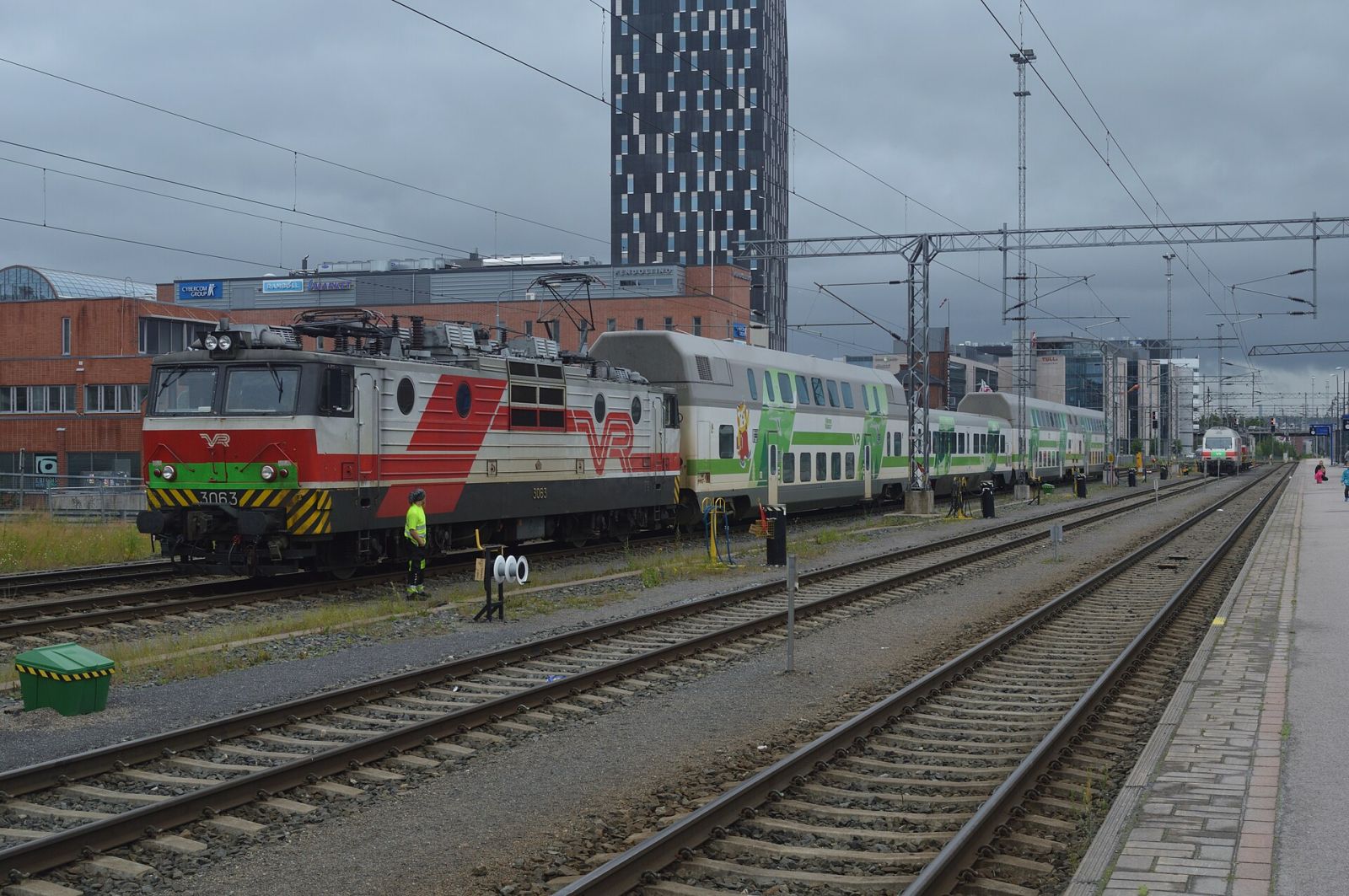
Intercity transport number one is the railway. Trains run by the state operator VR are quiet and punctual, with working sockets, Wi-Fi and a restaurant car, and the double-deck InterCity units serve up lake-and-forest panoramas from the top floor. Tickets are sold on the official site vr.fi, and the core saving rule applies: pricing is dynamic. Two to three weeks out, Helsinki to Tampere can cost 10-15 euros; on departure day it can hit 40. Book early, it is the single biggest saving lever in the country.
A separate attraction is the night train to Lapland: board in Helsinki in the evening, wake up in Rovaniemi with snow and pines outside the window. A two-berth cabin costs more than a bus, but you save a hotel night and the experience stays with you for years. In summer and around Christmas the cabins sell out months ahead, so do not sit on this one.
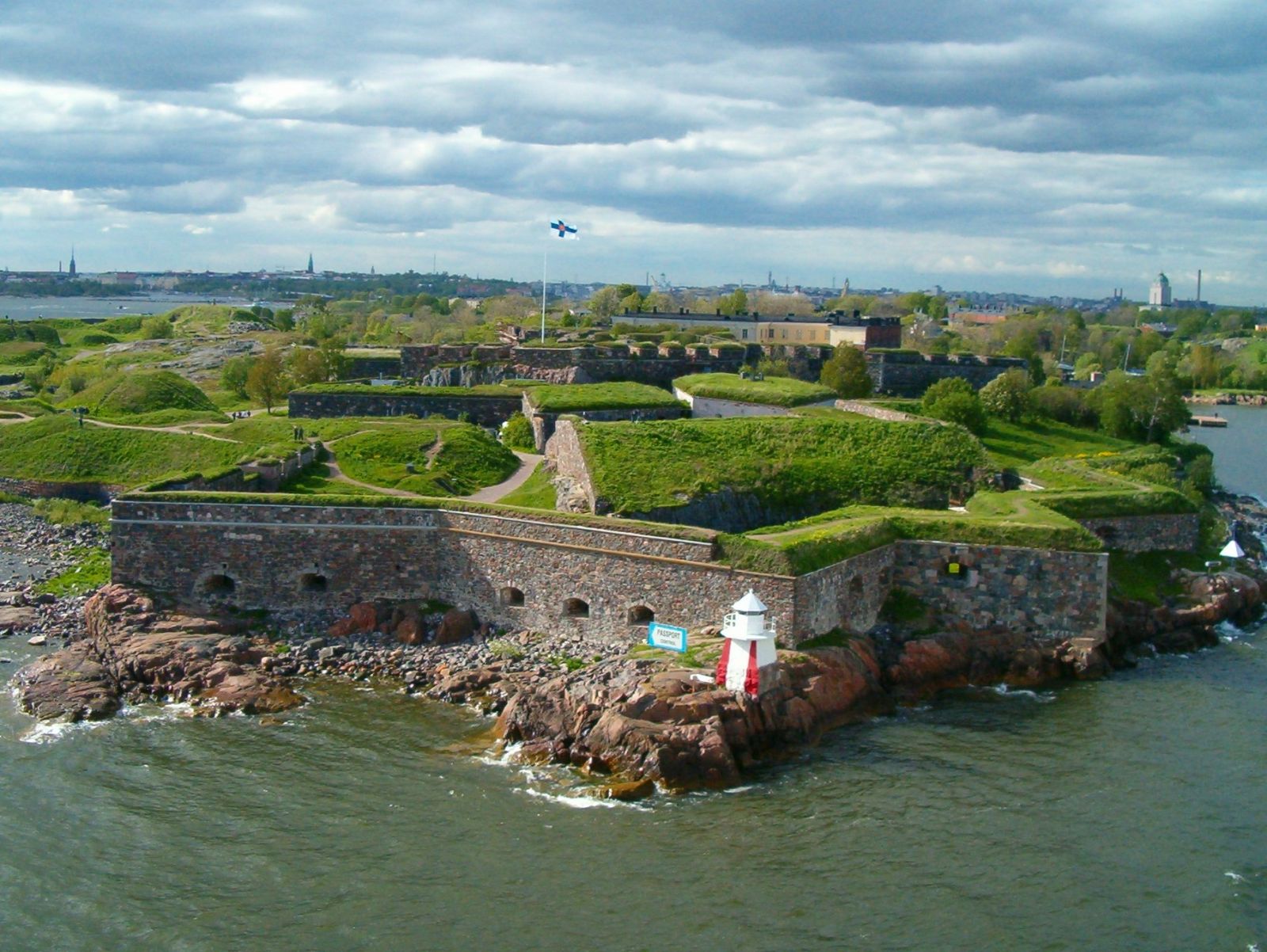
City transport is equally predictable: Helsinki runs the unified HSL system (metro, trams, buses, ferries, including the one to the Suomenlinna fortress), with tickets bought in the app. Taxis are pricey, 10-15 euros even for a short hop, so within the capital you will rarely need one.
Prices: an honest table and how to save
| Expense | Ballpark | How to save |
|---|---|---|
| Hostel / budget hotel | 35-60 / 90-140 euros per night | Weekdays are cheaper, book early |
| Lunch | 12-16 euros (lounas buffet) | Weekday lunch buffets instead of restaurant dinners |
| Restaurant dinner | 30-50 euros per person | S-market and Lidl supermarkets, evening discounts on ready meals |
| Train Helsinki-Tampere | 10-40 euros | Buy 2-3 weeks ahead on vr.fi |
| Museums | 15-25 euros | Museokortti if you plan several; free admission days |
| Alcohol in a bar | 8-10 euros for a beer | It is simply expensive, accept it or skip it |
Prices are volatile, so treat everything above as a 2025-2026 ballpark and verify before you go. Three more working tricks: tap water is drinkable and delicious everywhere, just refill a bottle; supermarket reverse vending machines pay back 10-40 cents per returned bottle; and national parks, beaches and viewpoint trails are entirely free, which in Finland happens to be the best content on offer.
When to go: aurora season versus white nights
These are two completely different travel products, and mixing them up ruins trips. The northern lights run from late August to early April, most reliably September through March, and specifically in Lapland above the Arctic Circle: Rovaniemi, Levi, Saariselkä, Inari. Statistics favor the patient: in the far north the aurora shows on average every second or third clear night. You need darkness, clear skies and a buffer of 2-3 nights; a single night is a lottery ticket.
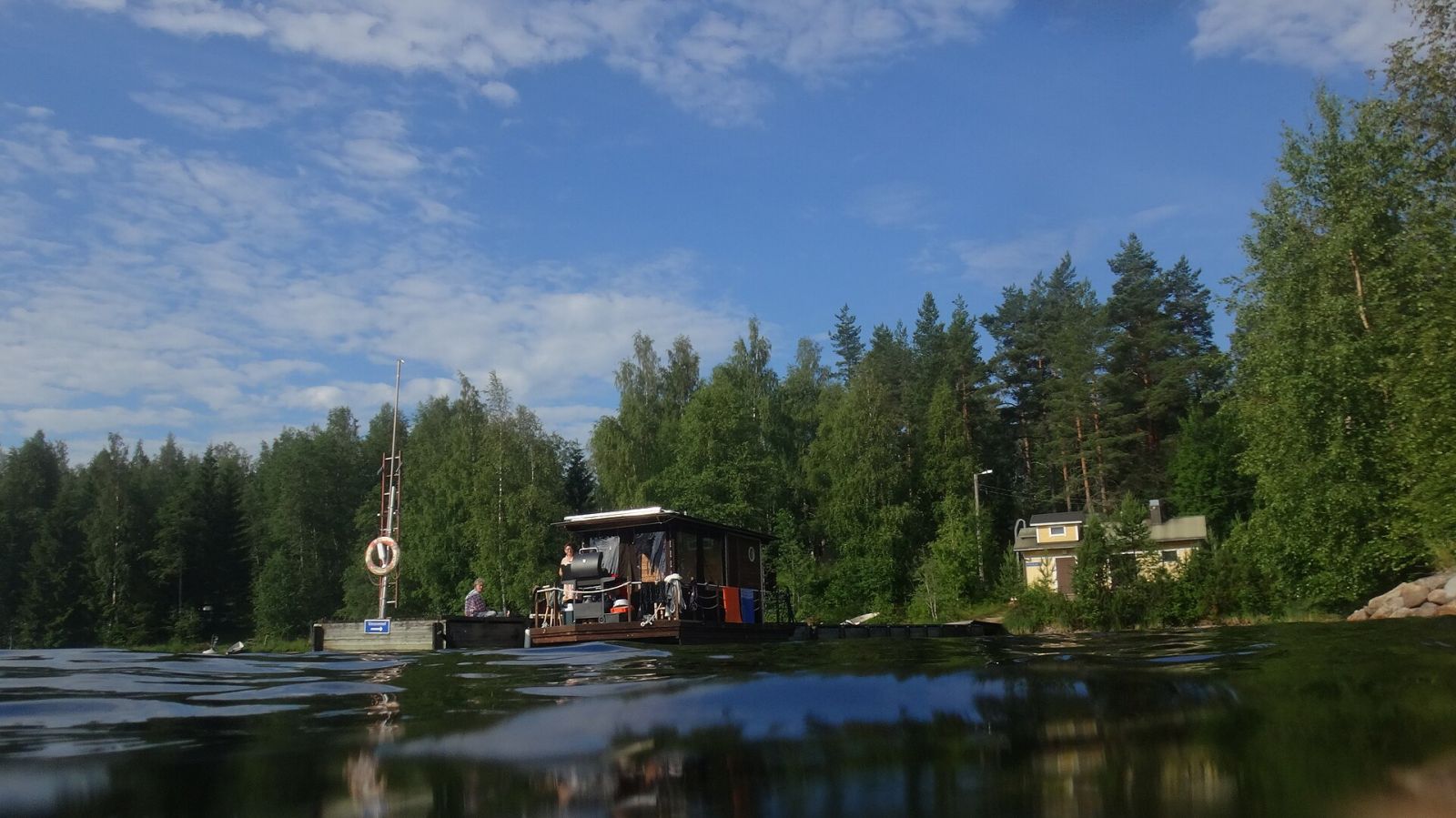
White nights sit at the opposite pole: from June to mid-July the sun never sets in the north, and Helsinki gets only a couple of dim hours. This is the season of lakes, cottages, bikes and festivals. The detail people forget: seeing the aurora in summer is physically impossible, the sky simply never darkens. Decide first which Finland you want, the winter one with aurora and huskies or the summer one with lakes, and only then buy tickets.
Sauna etiquette without the panic
Finland has over three million saunas for five and a half million people, so an encounter is inevitable. The rules are simple. Saunas are used naked, but public ones are almost always separated by gender; where mixed, swimwear is allowed, just check locally. A shower before entering is mandatory. You sit on a disposable liner or your own towel, which is hygiene, not fussiness. Anyone may throw water on the stones, though asking your neighbors "löylyä?" first is the polite move.
The main thing not to do is treat the sauna as a noisy attraction. For Finns it is a place of quiet and reset: conversations stay low, phones stay in the changing room. Beginners should start with 10-15 minutes on the lower bench, then a cool shower or, with luck, a lake. Worth seeking out: Helsinki's public saunas (Löyly, Kotiharju) or a smoke sauna by a lake somewhere, two different experiences and both worth having.
Safety: what can actually go wrong here
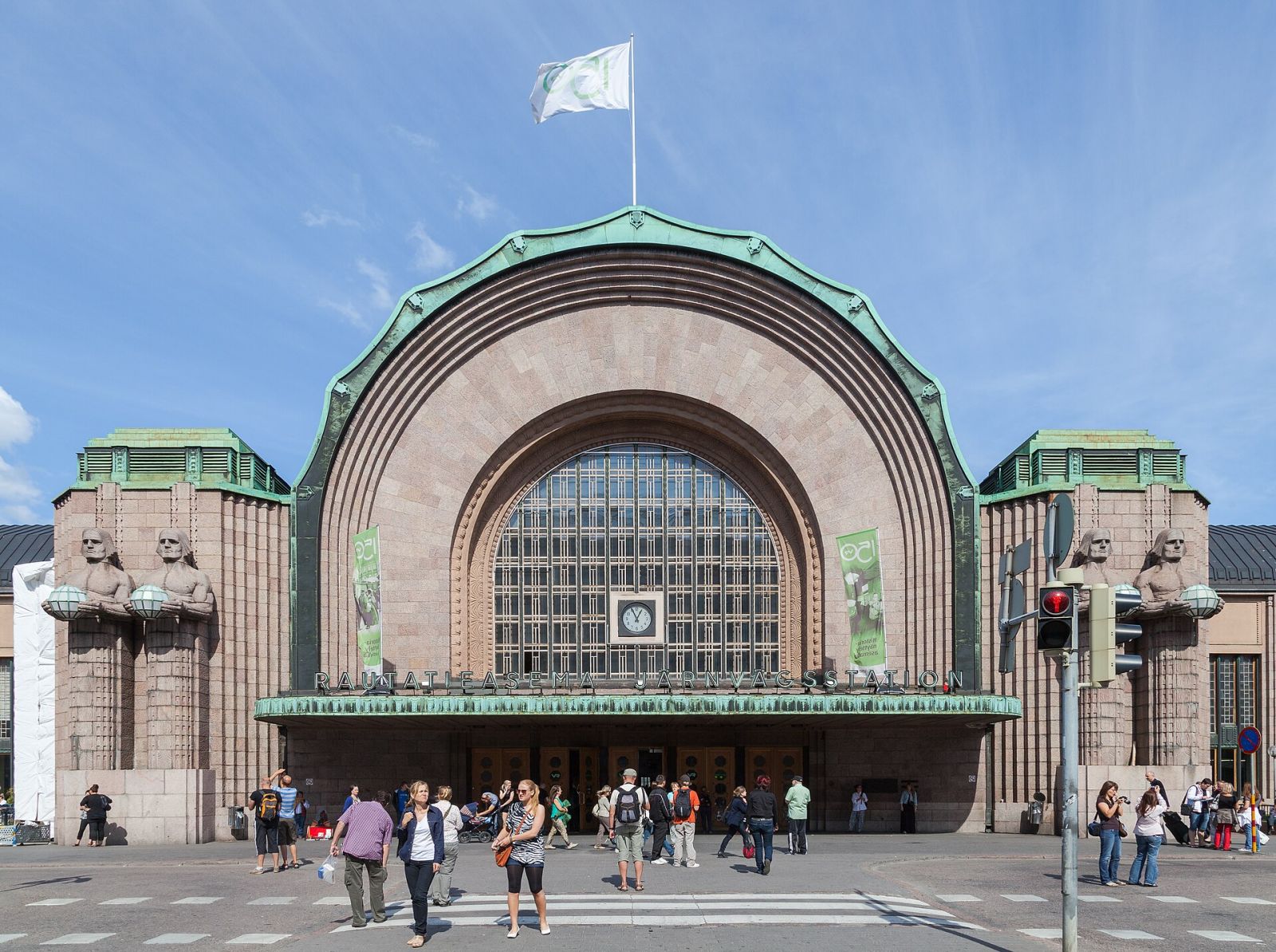
Finland has spent years at the top of global safety rankings, and travelers feel it literally: walking at night is calm, a jacket left on a cafe terrace stays put, the police are polite and speak English. Pickpocketing occurs mostly in the summer crowds at Helsinki Central Station, and ordinary attentiveness covers it.
The real risks are natural, not criminal. In winter it is ice underfoot (shoes with proper tread are non-negotiable) and Lapland frosts down to -25...-30 that demand serious layering. In summer the northern mosquitoes are relentless, pack repellent from the start. On hikes the standard northern rule applies: tell someone your route, check the weather, carry a charged phone. The pan-European emergency number 112 works here too.
Formalities: visas, borders, documents
Ukrainian citizens with a biometric passport enjoy Schengen visa-free entry: up to 90 days within any 180. The passport must remain valid at least 3 months beyond your departure date. Border officers may ask about your trip's purpose, bookings and funds, so keep accommodation confirmations and return tickets handy. Travel insurance is not formally required for visa-free entry, but given Finnish healthcare prices, going without it is reckless.
Important for 2026: the EU is phasing in new border systems (EES and ETIAS), and requirements may shift, so verify the current rules on official EU or Finnish Border Guard resources before traveling. There is no direct Ukraine-Finland connection at the moment; typical routes go by plane via Warsaw, Krakow or Riga, or overland through the Baltics with the hourly and moderately priced Tallinn-Helsinki ferry as the final leg.
In the end, Finland travel tips reduce to a simple picture: an expensive but transparent country where everything works, nobody cheats you, and nearly everything that matters most (forest, lakes, air, light) comes free. Book VR tickets early, eat lunch buffets, choose your season deliberately, and the budget becomes entirely manageable.