

Malta runs on the euro, and its entire public transport system boils down to a single bus network: no metro, no trains, just buses and ferries. The whole archipelago is smaller than many European capitals, which is exactly why Malta for tourists looks deceptively easy. It mostly is, but a few things catch first-timers off guard: driving on the left, brutal August heat, and accommodation prices that spike hard in season. Here is the practical rundown, point by point.
How much money should you budget?
One currency, the euro, keeps things simple. Visa and Mastercard work almost everywhere, buses and pastizzi kiosks included. Cash is only really needed at markets, small bakeries and on boat trips where the skipper does the maths on a calculator. Twenty or thirty euros in your pocket is plenty.
As for price levels, Malta sits above Poland or Hungary but noticeably below neighbouring Italy. A coffee at the bar costs around 2-3 euros, a pastizz, the local flaky pastry stuffed with ricotta or mushy peas, less than a euro. Lunch in a simple trattoria runs 12-18 euros, a fish dinner in Marsaxlokk lands at 25-35. A realistic daily budget excluding accommodation: 40-60 euros travelling lean, 80-120 if you are not counting every glass of wine. Prices drift with the seasons, so double-check current figures before you fly.
Buses: one network for the whole archipelago
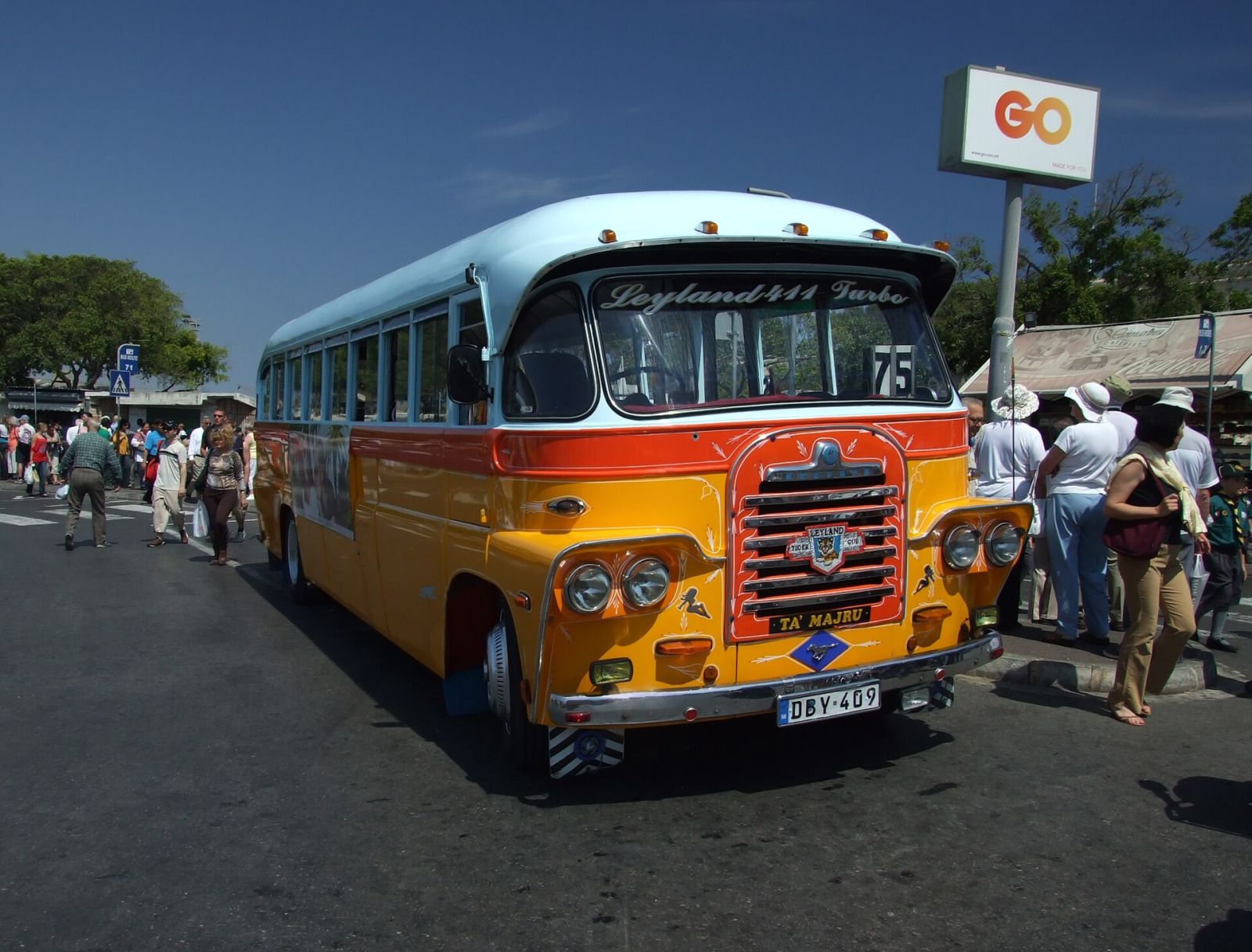
Everything is operated by Malta Public Transport under the Tallinja brand you will see at every stop. A ticket bought from the driver is valid for two hours including transfers: roughly 2.50 euros in summer, slightly less in winter, with night routes costing more. If you plan to move around a lot, the 7-day Tallinja Explore card pays for itself by day three or four.
Now the honest warning. Maltese buses are slow. The island is tiny, but narrow roads, traffic jams and looping routes take their toll: the 15 kilometres from the airport to Sliema can swallow a full hour. In July and August buses run packed, and a driver may simply sail past a crowded stop. Build in buffer time, especially heading to the ferry or the airport. The alternative works well: Bolt and Uber both operate here, a ride across half the island costs 10-20 euros, and for a group of three or four that is often the smarter choice.
How do you get to Gozo and Comino?
The classic route to Gozo: bus to the Cirkewwa terminal in the north, then the Gozo Channel ferry to Mgarr harbour. Ferries run around the clock, every 45 minutes during the day, and the crossing takes about 25 minutes. A quirky detail: you pay on the way back, not the way there. The fare, around 5 euros per passenger, is collected only when leaving Gozo. Since 2021 there has also been a fast catamaran straight from Valletta to Gozo, about 45 minutes, handy if you are based in the capital or Sliema.
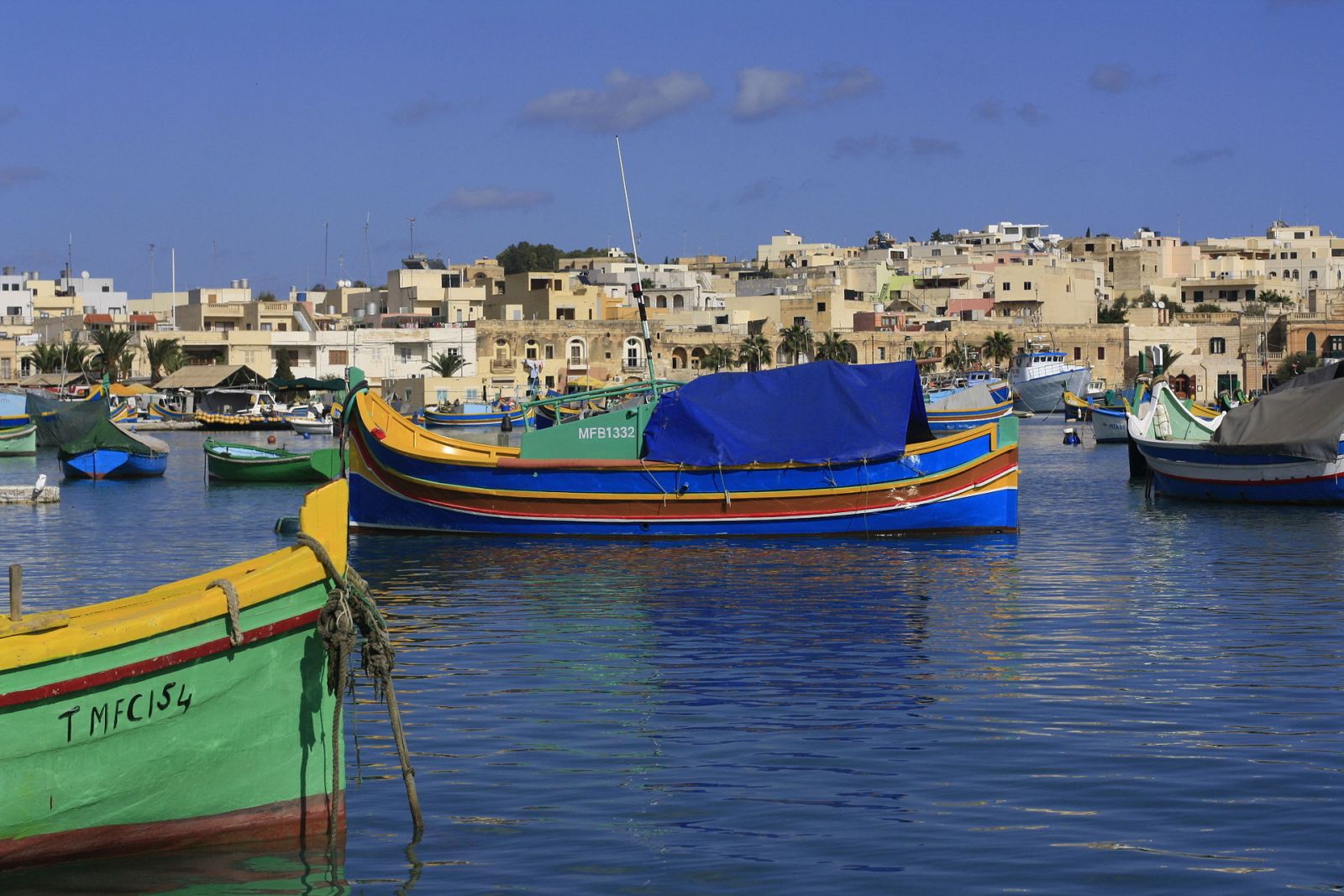
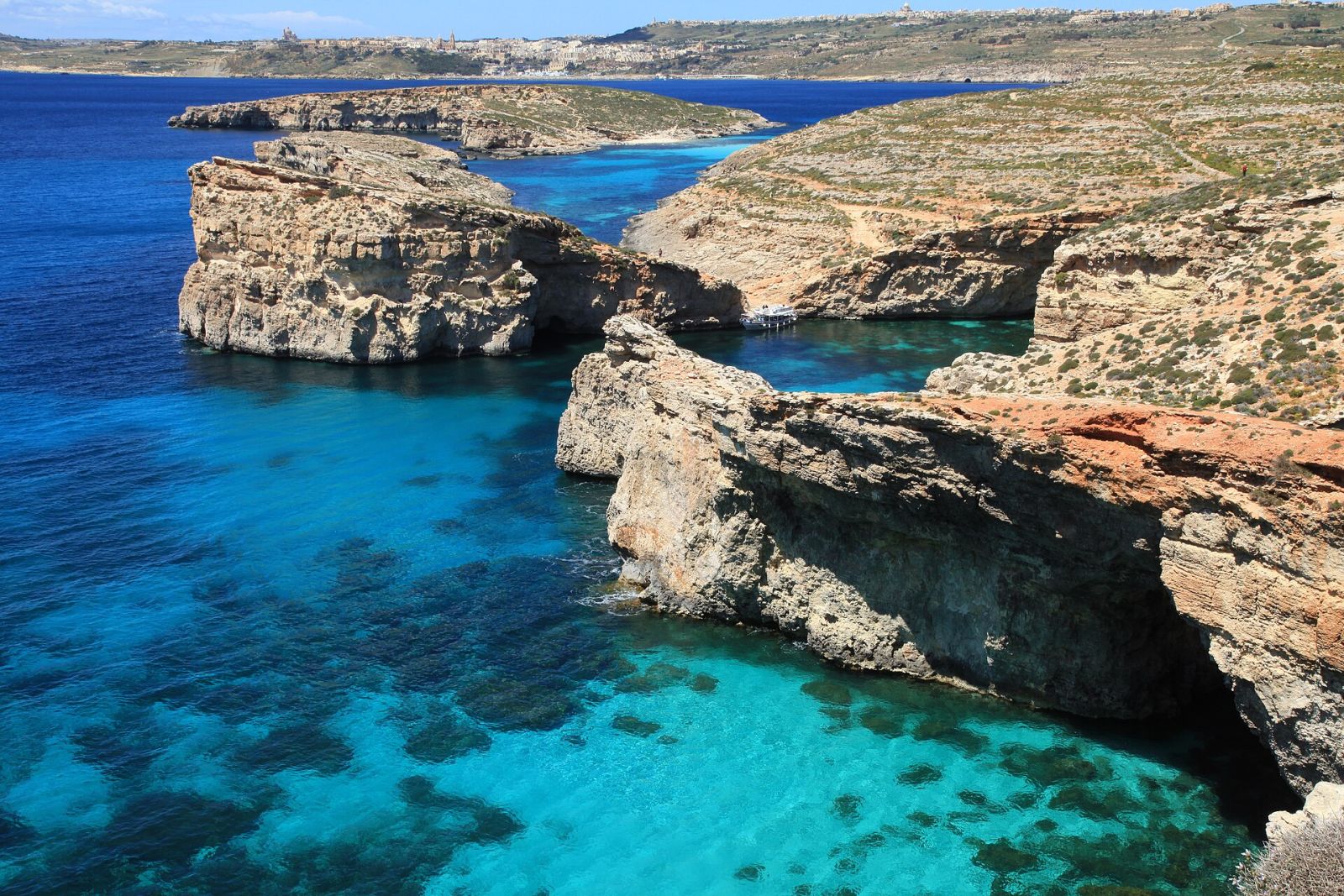
Comino and its Blue Lagoon have no scheduled ferry; countless boats run from Cirkewwa, Bugibba and Sliema instead. In high season the lagoon is rammed by midday. If you want that turquoise water without the crowds, take the first boat at 9 am or an evening departure.
Driving on the left: rent a car or not?
As a former British colony, Malta drives on the left. Right-hand steering, roundabouts running clockwise from your perspective, and all of it on roads where two cars sometimes barely squeeze past each other. The local driving style adds flavour: indicators here are more of a suggestion. If you have never driven on the left, Malta is not the gentlest place to learn.
On the other hand, rentals are cheap, from 20-30 euros a day off season, and on Gozo a car genuinely unlocks the island. The sensible compromise: stick to buses and Bolt on the main island, and rent a car for a day or two specifically on Gozo, where roads are emptier and parking is painless.
Where to stay: Sliema, St Julian's or Valletta
The three main bases compare like this:
| Area | Best for | Keep in mind |
|---|---|---|
| Sliema | The all-rounder: promenade, shops, ferries to Valletta | No sandy beaches, swimming is off rocky platforms |
| St Julian's | Nightlife, younger crowds, language schools | The Paceville quarter is loud until dawn, book away from it |
| Valletta | Old-town atmosphere, museums, restaurants | Priciest option, quiet in the evening, steep stairs with luggage |
| Bugibba and Qawra | Budget stays in the north | Far from the centre, charmless architecture, but a third cheaper |
Beach lovers, brace yourselves: sandy beaches are scarce and almost all in the north, Mellieha, Golden Bay, Gnejna. Around Sliema and St Julian's people swim off flat rocks with ladders, and locals love it just as much.
When is the best time to visit?
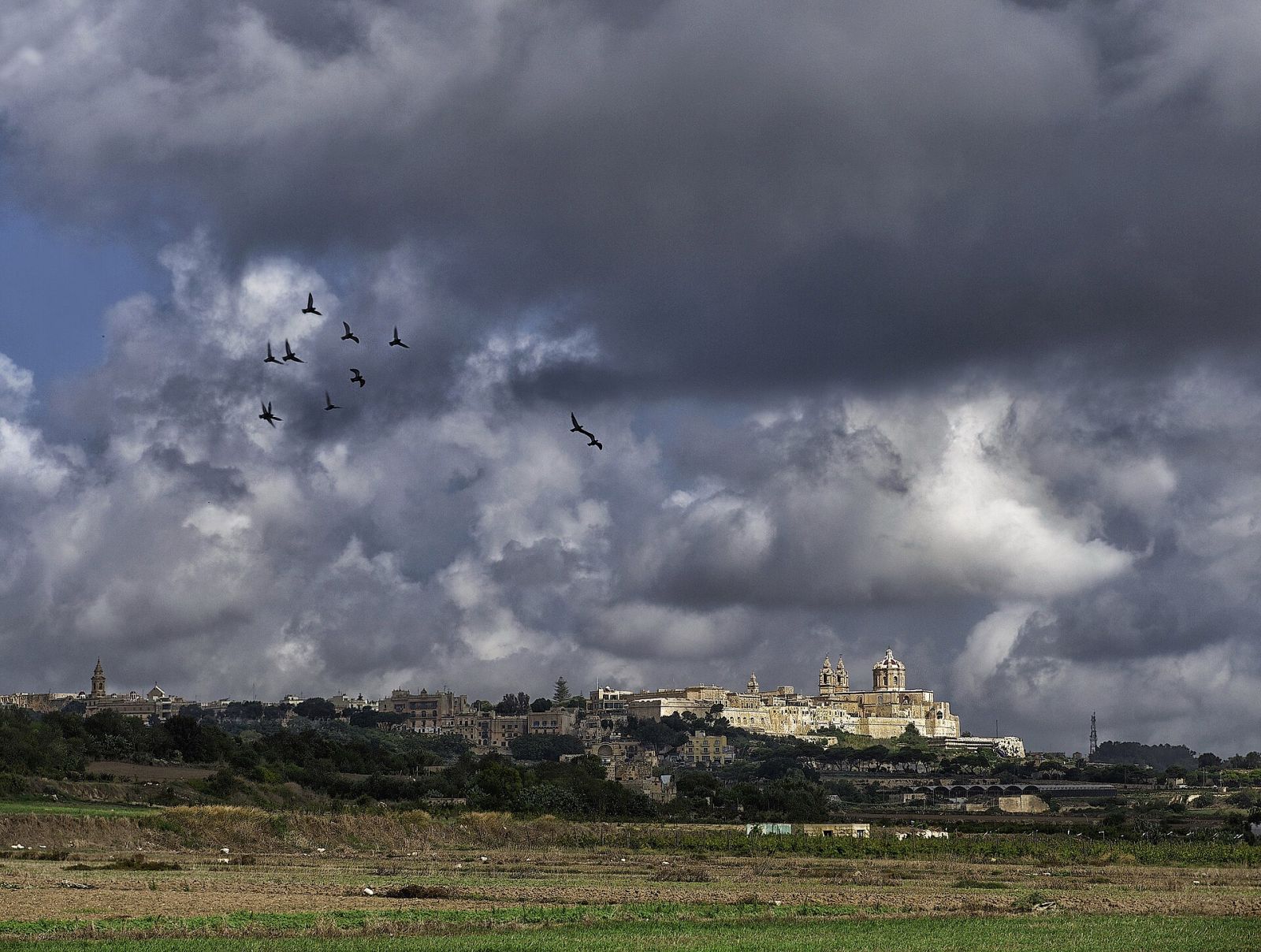
The sea warms up late and cools down slowly, so the swimming season stretches from June to October. July and August push past 30 degrees Celsius, and shade is a rare commodity. The sweet spots are May-June and September-October: warm without the furnace, and accommodation drops back to sane prices. Winter is mild at 12-17 degrees with short rain spells. For cities, museums and wandering the lanes of Mdina, winter actually wins, and flights are at their cheapest.
Entry rules and documents
Malta is in the Schengen area, so standard rules apply. Travellers from Ukraine enter visa-free with a biometric passport for up to 90 days in any 180-day period; most other non-EU visitors fall under their usual Schengen arrangements. Border officers may ask about your return ticket, accommodation and funds, so keep bookings handy on your phone. Travel insurance is not formally required for visa-free entry, but skipping it is reckless: a private doctor's visit starts at 20-30 euros, and anything serious runs into thousands. Verify current entry rules on official EU resources before booking.
How safe is Malta really?
Malta consistently ranks among the calmest EU countries for street crime. Evening walks through Valletta or along the Sliema front need no second thoughts. Stay alert in exactly two places: packed buses, where pickpockets do their rounds, and Paceville at night, where the main hazard is not crime but rowdy groups spilling out of bars.
The real dangers here are natural. The August sun bites hard, and sunstroke on a boat trip without a hat takes about an hour to earn. On wild beaches watch the flags and ask about currents; some rocky spots hide nasty undertows. One more small thing: jellyfish. The purple Pelagia arrives in waves, and local social media groups post daily maps of affected bays. Tap water is technically drinkable, it is desalinated, but the taste puts most people off, and nearly everyone buys bottled.
The bottom line
The formula is short. Money: euro, card covers nearly everything. Transport: Tallinja buses are cheap but slow, and a rental car makes sense for a day on Gozo, left-hand traffic permitting. Base: Sliema for balance, Valletta for atmosphere, the north for savings. Timing: May-June or September-October. Papers: passport and insurance. With that sorted, Malta for tourists stops being a list of caveats and becomes a compact island where one week fits both the sea and three thousand years of history.