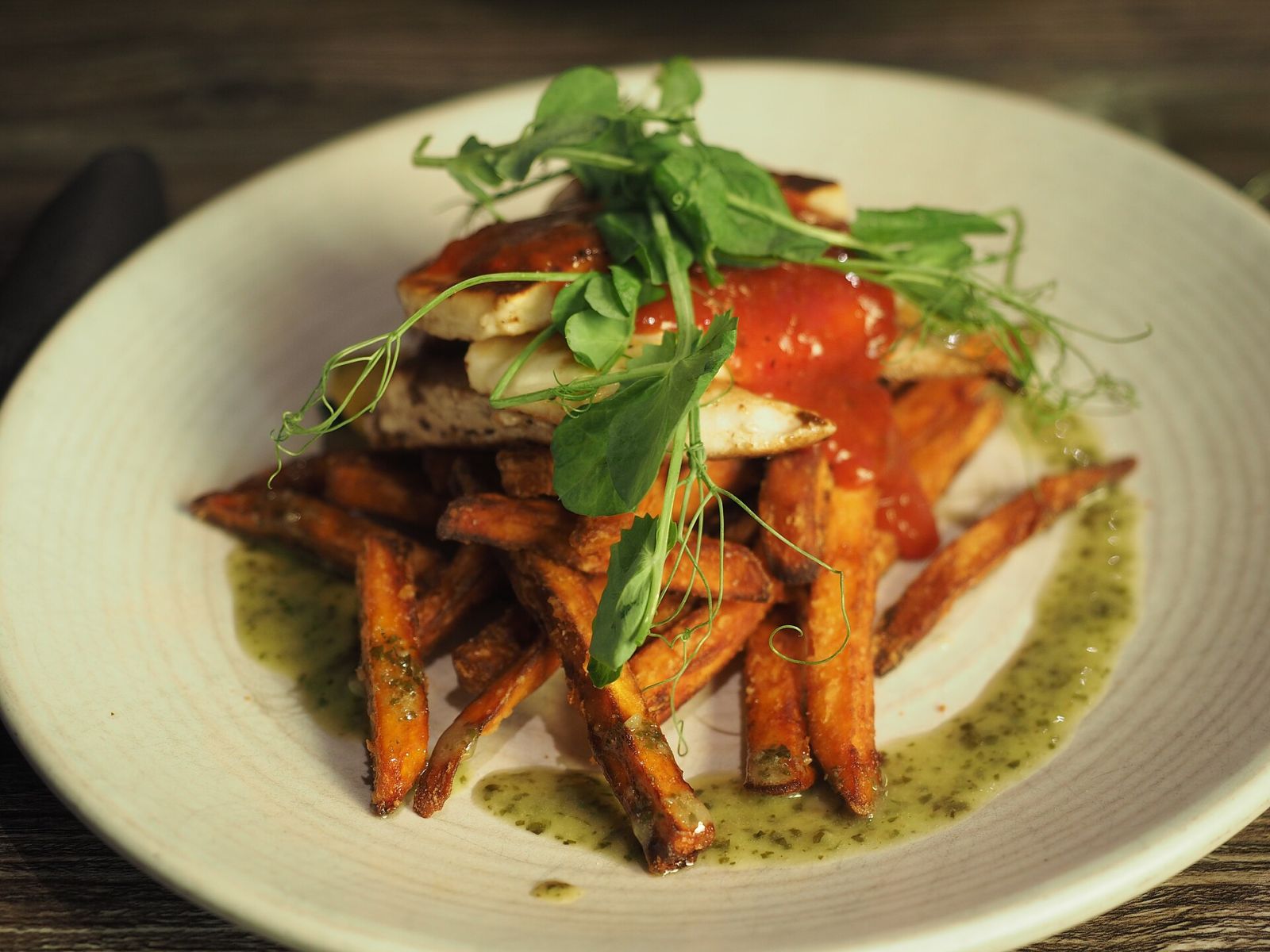


The fastest way to understand Cypriot food is to order meze and cancel your evening plans. It is not one dish but a parade of 15 to 20 plates that unfolds over two hours and costs roughly 20-25 euros per person. Cyprus sits at the crossroads of Greek, Turkish and Levantine cooking, which is why grilled halloumi, charcoal kebabs and syrup-soaked pastries share the same menu without anyone finding it odd. Here is what to try, what it costs and how to tell a real taverna from a tourist stage set.
Meze: how it works and how to survive it
Meze is ordered for two people minimum. Bread, olives, tahini, tzatziki and taramosalata arrive first, then salads and grilled vegetables, then hot starters, and only near the end comes the meat or fish. The classic rookie mistake is filling up on the opening plates and surrendering halfway through. Pace yourself, take a spoonful of everything, because the best dishes land last.
Meze comes in meat and fish versions. Meat meze is cheaper and more common, while fish meze is worth seeking out in coastal villages such as Zygi or Latchi, where tavernas sit next to the fishing piers. If a menu just says "meze" with no details, ask: in tourist zones the word sometimes hides a trimmed set of 8-10 plates.
Halloumi: the cheese that refuses to melt
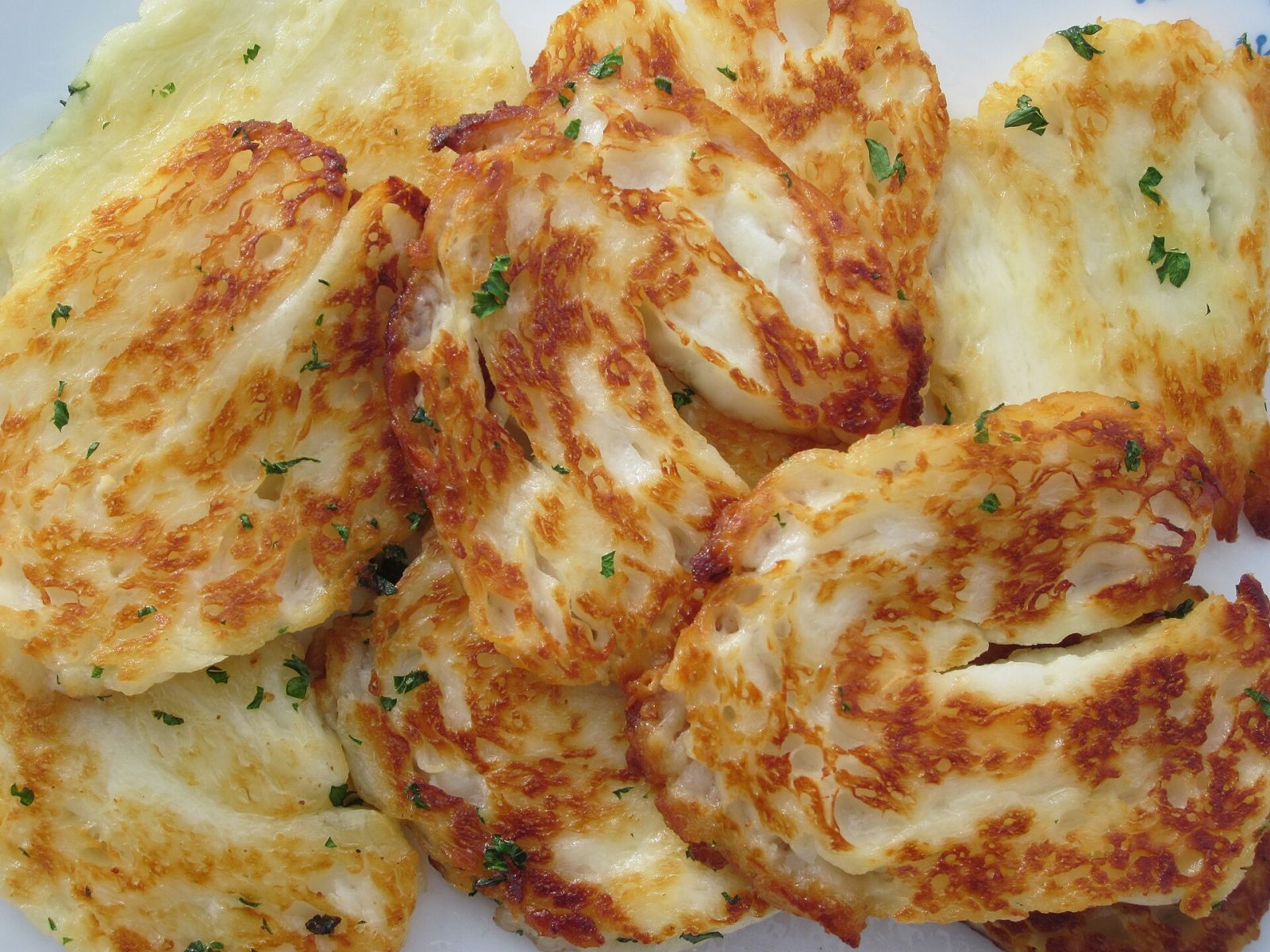
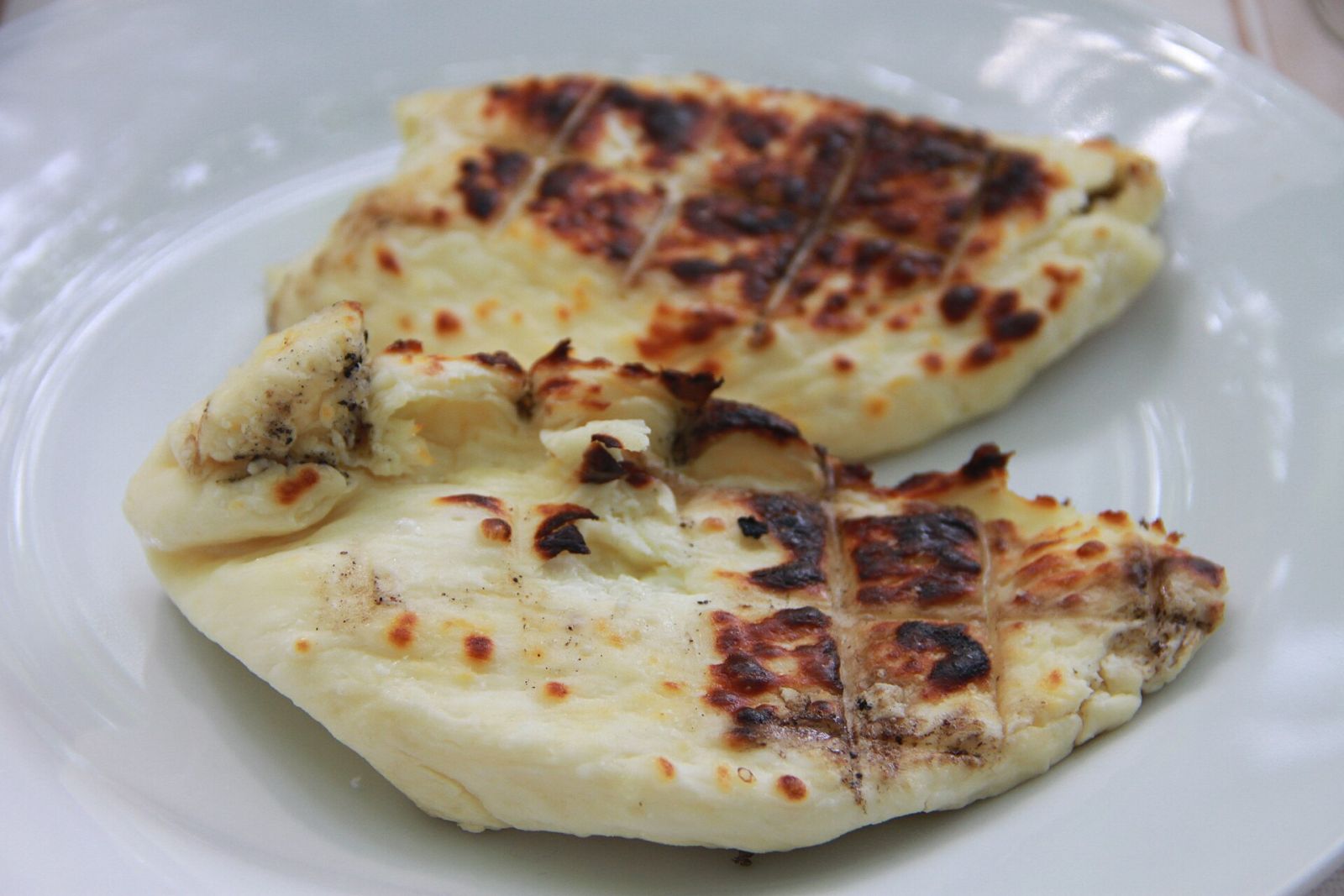
Halloumi (hellim in Turkish) is the island's edible mascot, and since 2021 the name has been protected in the EU as a product of specifically Cypriot origin. The trick is its high melting point: you can lay the cheese straight on a grill grate and it holds its shape while building a golden crust. The traditional recipe calls for mostly sheep and goat milk, whereas cheap supermarket versions lean on cow milk, and you can taste the difference. Proper halloumi is springy, pleasantly salty, with a hint of mint from the brine it is stored in.
Locals eat it grilled with watermelon in summer, stuffed into pita with vegetables, or raw alongside coffee. At farmers markets in Nicosia or Paphos a wheel of handmade halloumi runs about 10-14 euros per kilo, and it plays in a different league than the vacuum-packed blocks.
Kleftiko: lamb that takes half a day
Kleftiko is lamb baked in a sealed clay oven for 4 to 8 hours with lemon, bay leaf and oregano. The name comes from "klepht", meaning thief: legend says rebels stole sheep and cooked the meat in covered pits so the smoke would not give away their position. Serious tavernas keep dedicated dome-shaped kleftiko ovens in the yard, and that oven is your first sign the dish is cooked honestly rather than reheated.
The meat should fall off the bone at the touch of a fork. A portion with potatoes roasted in the same juices costs around 14-18 euros. One telling detail: good places run out of kleftiko by evening because the oven is loaded once a day. If you show up at nine and your kleftiko arrives in five minutes, ask yourself some questions.
Souvla vs souvlaki: the eternal mix-up
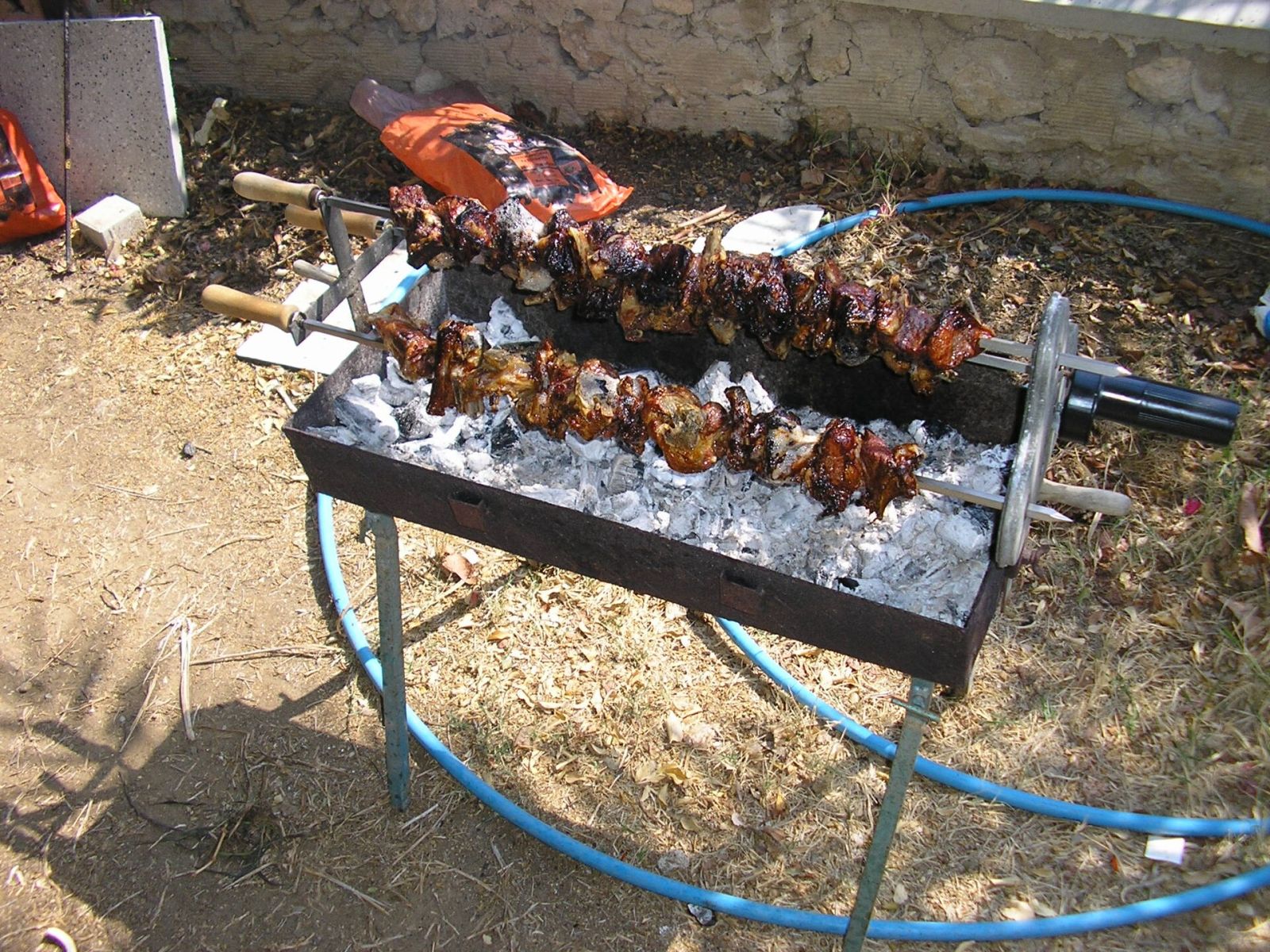
The confusion never ends, so briefly. Souvla means large chunks of pork, lamb or chicken on a long skewer, rotating slowly over charcoal for 40 to 90 minutes. It is the Sunday family ritual: Cypriots grill souvla on a foukou, a motorised charcoal barbecue, and on Sundays whole neighbourhoods smell of coals. Souvlaki, by contrast, is small cubes of meat on short skewers, fast street food wrapped in pita with salad and tzatziki for 5-7 euros.
When ordering souvla at a taverna, get the mixed platter: pork is juicier, lamb has more aroma. It comes with lemon, and you really should squeeze it over the meat. Acid does more work here than any sauce.
What else to hunt for on the menu
- Sheftalia: minced pork sausages wrapped in caul fat and grilled over charcoal. Often part of a mixed grill.
- Afelia: pork braised in red wine with crushed coriander seeds. A deep, wintry dish.
- Loukaniko: smoked sausages soaked in wine. Excellent with zivania, the local grape spirit.
- Koupepia: vine leaves stuffed with rice and minced meat, the Cypriot take on dolma.
- Lountza: cured pork loin, fried in slices next to halloumi. With eggs it makes the classic village breakfast.
- Tavas: lamb stew with onion and cumin baked in clay pots, the signature dish of Lefkara village.
Commandaria and zivania: what to drink
Commandaria, a sweet dessert wine made from sun-dried Xynisteri and Mavro grapes, is considered one of the oldest named wines in the world: crusaders in the 12th century already called it the wine of kings. It is produced in only 14 villages on the slopes of the Troodos mountains, and a decent bottle costs 10-15 euros. The taste sits near port but softer, with raisin and honey notes. Serve it chilled with dessert or as a digestif.
Zivania is the opposite end of the spectrum: a fiery grape distillate at 45 percent or more, poured for guests in mountain villages simply as a gesture of welcome. Kykkos Monastery sells its own, with a solid reputation.
Cypriot coffee: slow, strong, with sediment
Cypriot coffee is brewed in a copper pot on hot sand, never brought to a full boil. You order the sweetness upfront: sketo for no sugar, metrios for medium, glykys for sweet. Sugar goes in during brewing, not after, so there is no renegotiating. A glass of cold water always arrives with the cup. Drink slowly and never to the bottom, because the bottom is grounds.
The most atmospheric place for it is a village kafenion, where older men spend hours over tavli, the local backgammon. A cup costs 2-3 euros, and hurrying is simply not done.
Desserts: syrup, rose water and one Easter rule
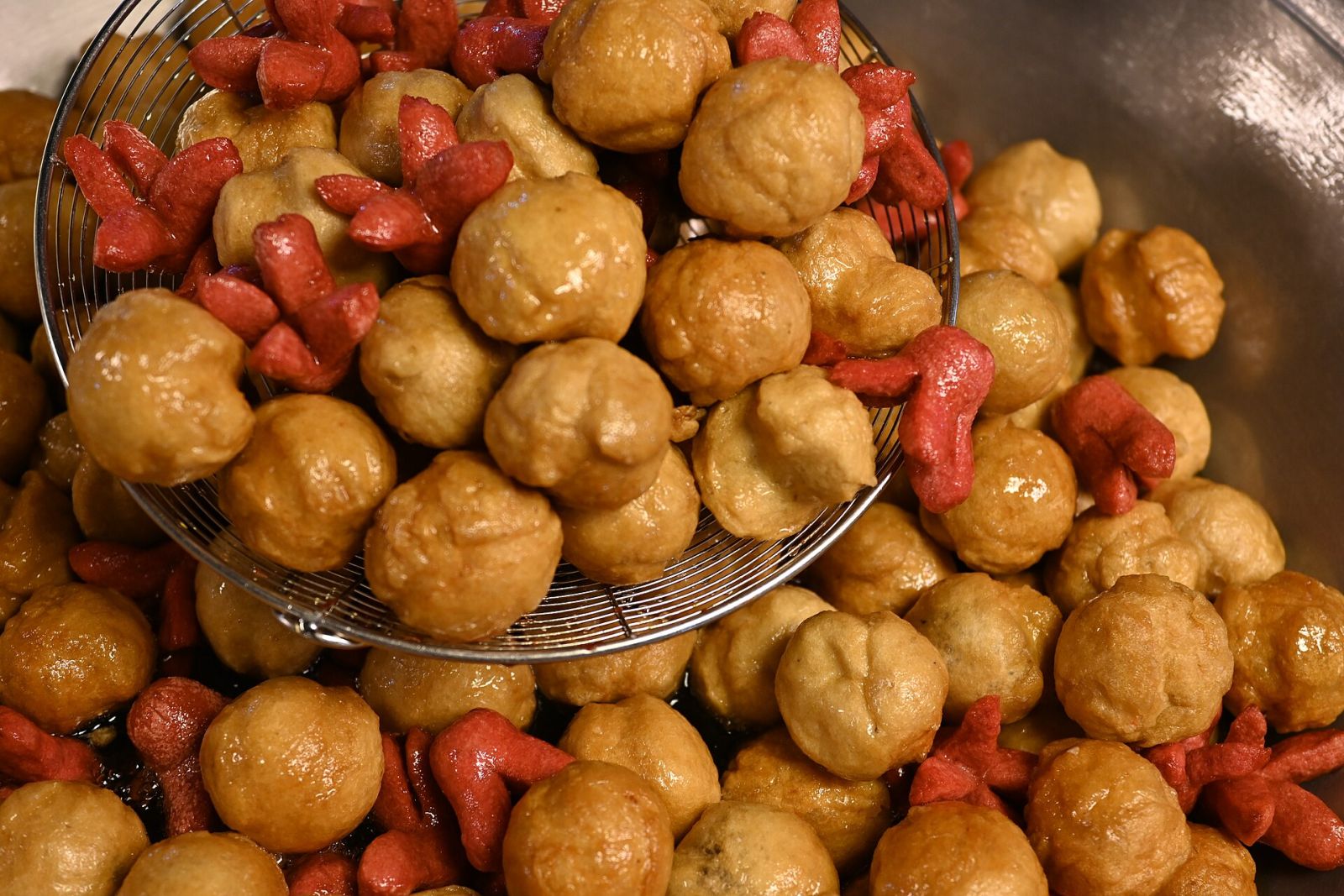
Loukoumades, dough balls drenched in hot honey syrup, are fried at fairs and dedicated kiosks. Mahalepi, a milk pudding with rose water, is a lifesaver in the heat. Glyko tou koutaliou, "spoon sweets", are fruits or nuts preserved in thick syrup: a whole walnut in its soft shell sounds strange and tastes wonderful. And a seasonal note: flaounes, cheese-filled Easter pastries with raisins, are baked in April. If you are in Cyprus around Orthodox Easter, hit the bakeries in the morning, they sell out by lunch.
What eating in Cyprus costs
| Format | Approximate price | Notes |
|---|---|---|
| Souvlaki in pita (street food) | 5-7 € | A full meal in itself |
| Main dish at a taverna | 12-18 € | Kleftiko, tavas, afelia |
| Meat meze per person | 20-28 € | Two people minimum, more food than you need |
| Fish meze | 25-35 € | Fresher and fairer in coastal villages |
| Coffee + loukoumades | 5-8 € | Kafenion or kiosk |
| Bottle of Commandaria | 10-15 € | Supermarket price, restaurants charge more |
Prices are ballpark figures for 2026. In tourist hubs like Ayia Napa or Limassol add a third, and double-check current prices on the spot.
How to spot an honest taverna
A few simple markers. A menu without photos and without ten languages is usually a good sign. Tables full of local families on a Sunday afternoon: it does not get better than that. A kleftiko oven in the yard and a charcoal grill instead of a gas one. The opposite signals matter too: a tout at the door, "traditional meze" for 12 euros, calamari on the menu of a mountain village. The best food in Cyprus often hides behind the humblest setting, plastic chairs, paper tablecloths and a grandmother in the kitchen cooking exactly the way she did forty years ago.