

Nearly two decades after the Concorde was retired, interest in supersonic travel is picking up again, and several ultra-fast aircraft are now in development. Airlines are paying attention: United has already committed to offering supersonic routes as early as 2029.
But what about hypersonic travel, which happens at Mach 5 (five times the speed of sound) and beyond? That would let a jet cover the distance from New York to London in just 90 minutes, compared with roughly three hours for the Concorde and six to seven hours for a conventional passenger aircraft.
Is it even possible?
Partner links: booking through them supports the blog at no extra cost to you.
Hermeus, an Atlanta-based startup aiming to build hypersonic aircraft, believes it is. The company is already testing a new type of engine that, it says, will eventually be able to reach Mach 5 (more than 3,000 miles per hour). The engine is being developed for a small, uncrewed hypersonic aircraft that Hermeus is currently building for the US Air Force, but scaled up to a larger size it could power a passenger jet.
That passenger jet is still a long way off. Hermeus hopes to get it into the air for a first test flight by the end of the decade, in 2029. But because its technology has to be built practically from scratch, the company is already planning the design.
For starters, it will be far smaller than today's airliners, and even smaller than the Concorde, which could carry around 100 passengers.
"To help us figure out the size of the aircraft, we essentially built a business model for an airline," says AJ Piplica, CEO of Hermeus. "We focused on business-class and first-class passengers, then experimented with a few variables, such as speed and operating costs. What came out of it was an aircraft with a 20-passenger cabin," he adds.
That is not far off the capacity of a large business jet, which means there will be only one class.
"We expect it to be profitable at today's business-class fares," Piplica says, with the caveat that it is hard to gauge how much people would be willing to pay to fly five times faster, because "you really can't answer that question until there's a product on the market and you have real data."
Faster Than Ever Before
The jet's range would be roughly 4,000 nautical miles, enough for transatlantic routes such as New York to Paris, but not for transpacific ones such as Los Angeles to Tokyo, which would need a stopover.
Overland routes such as New York to Los Angeles are ruled out by noise regulations: breaking the sound barrier produces a loud sonic boom, which typically has to happen over water.
To appreciate just how bold the idea of a Mach 5 passenger jet is, it helps to look at flight speed records.
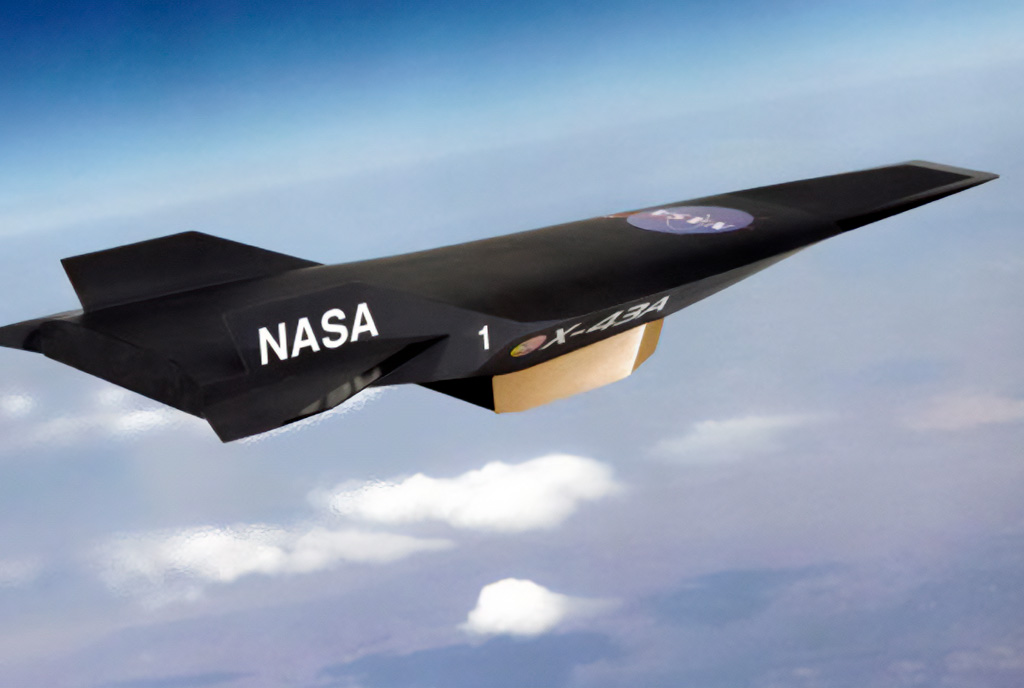
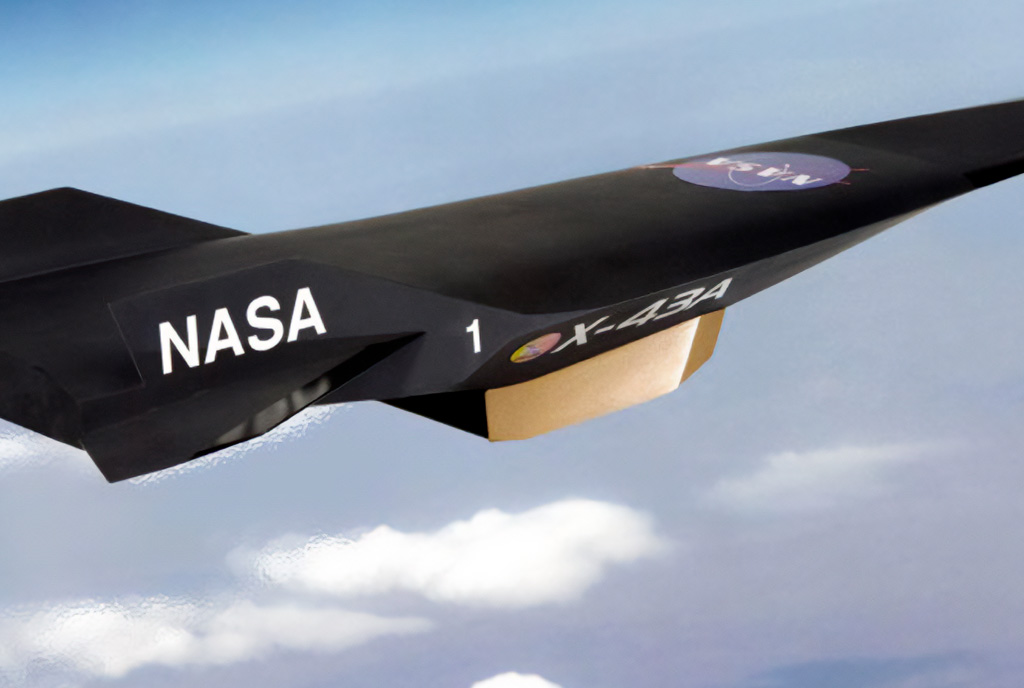
The fastest a powered aircraft has ever flown is Mach 9.6 (about 6,800 miles per hour), a record set in 2004 by NASA's X-43A, an uncrewed vehicle roughly 12 feet long.
Because that flight lasted only a few seconds, the record for the longest sustained flight above Mach 5 belongs to the Boeing X-51, another uncrewed experimental aircraft, which in 2013 flew for more than three minutes at Mach 5.1 (about 3,400 miles per hour). Both aircraft had to be launched from altitude by a B-52 bomber and then accelerated by a rocket, which underscores how difficult such high-speed flight is.
For aircraft carrying people, the current outright speed record is Mach 6.7 (4,520 miles per hour), set in 1967 by the X-15. It was essentially a rocket with a seat, built to break the record, and it too had to be launched from altitude by a B-52.
For an air-breathing aircraft (in other words, powered by jet engines rather than a rocket) able to take off and land on its own, the speed record is "only" Mach 3.3 (about 2,200 miles per hour), set by the SR-71 Blackbird, a military reconnaissance plane, in 1976.
The top speed of the Concorde, one of just two supersonic passenger jets ever to fly commercially, was Mach 2.04 (1,350 miles per hour).
So the passenger jet that Hermeus is proposing would smash the current record for the fastest air-breathing aircraft by a wide margin, and by flying for an extended period at Mach 5 it would top an achievement that currently belongs to the realm of uncrewed experimental vehicles (of course, other aircraft could break these records in the future before Hermeus does).
"Mature Technologies"
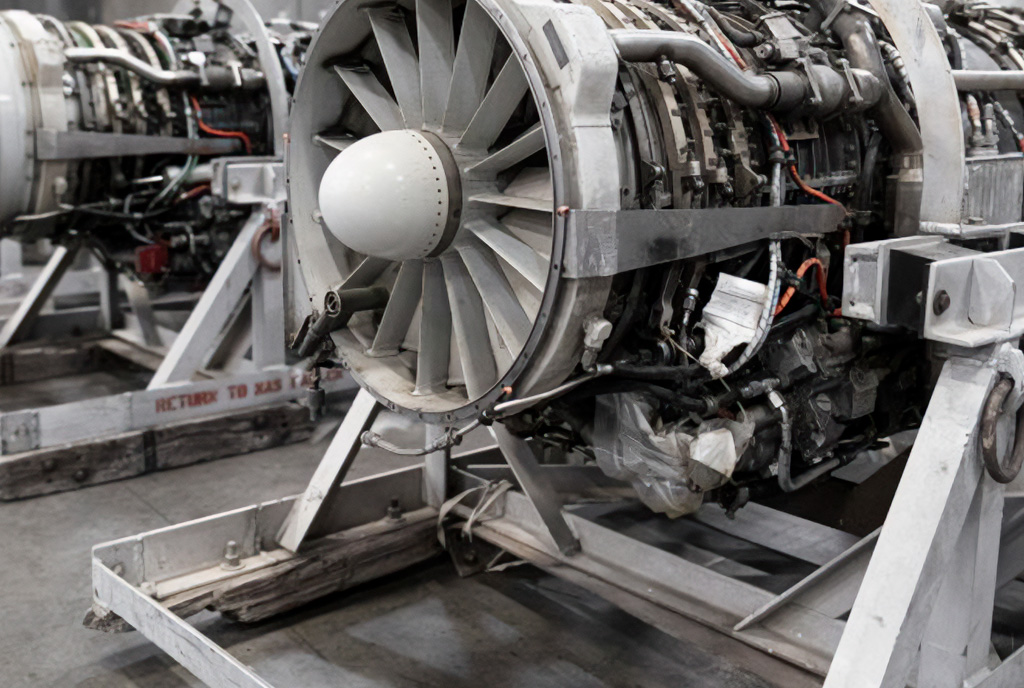
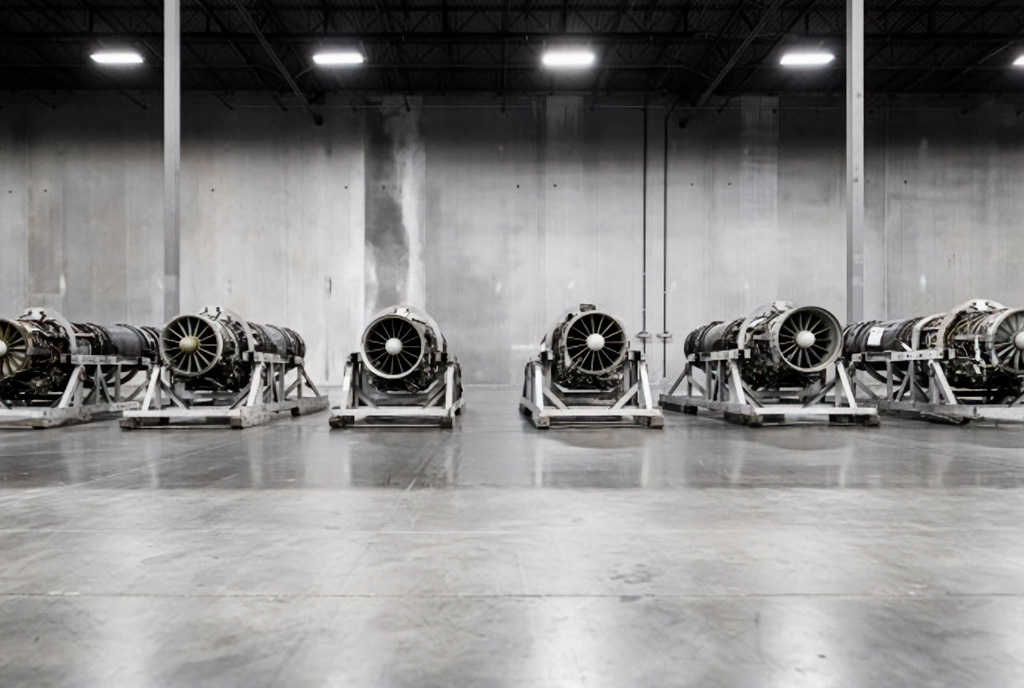
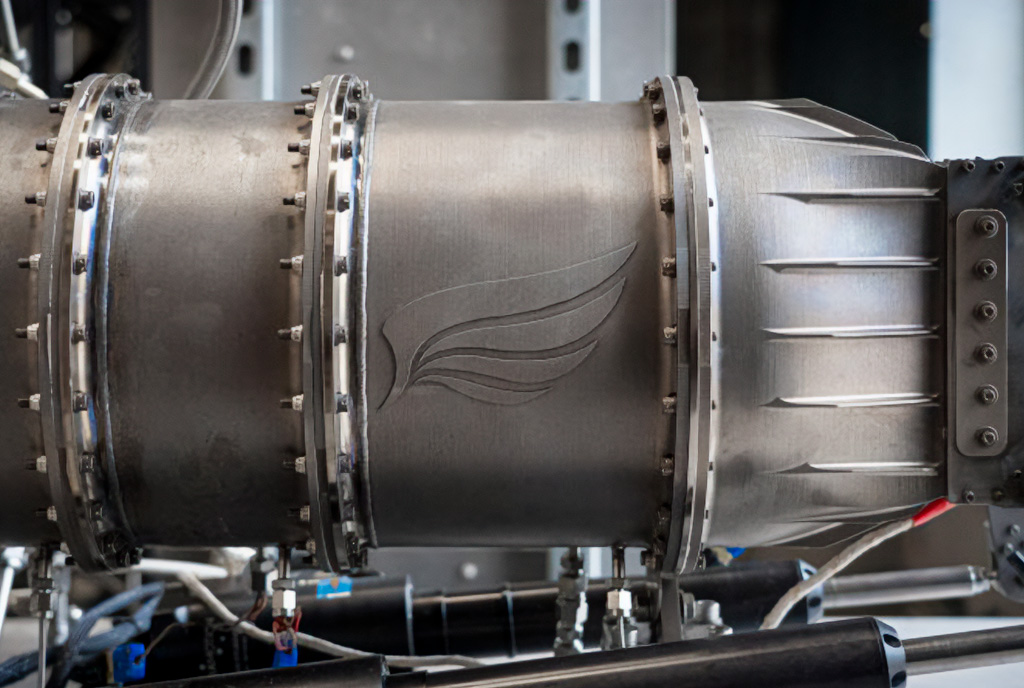
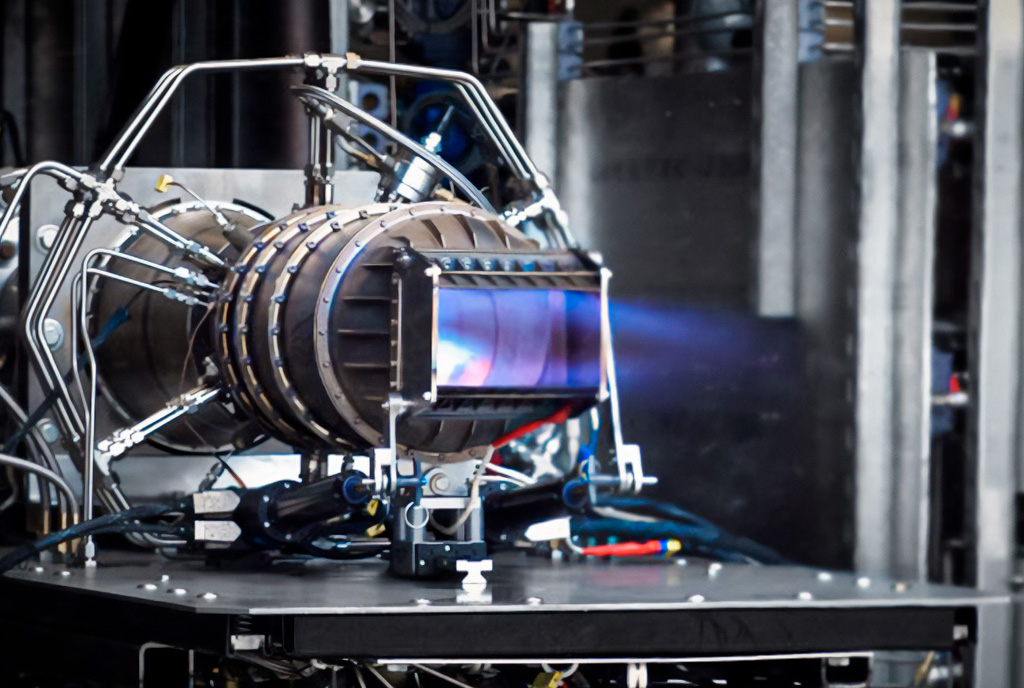
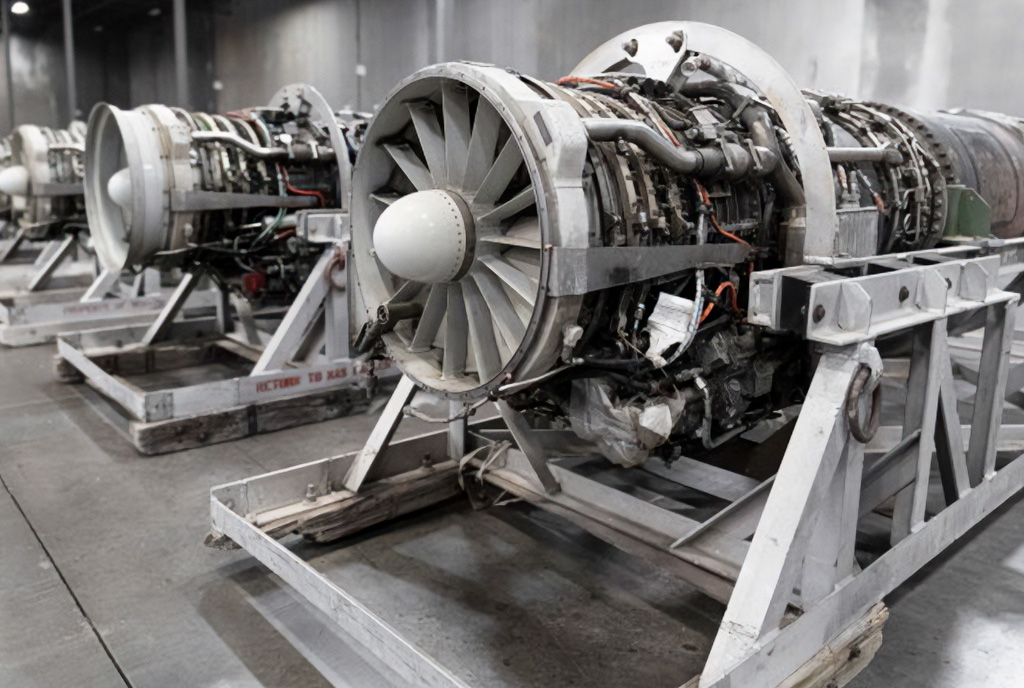
Not surprisingly, the company's initial focus is on the engine. Testing began in February 2020 for a new type of engine design, based on an existing model used in fighter jets and made by General Electric.
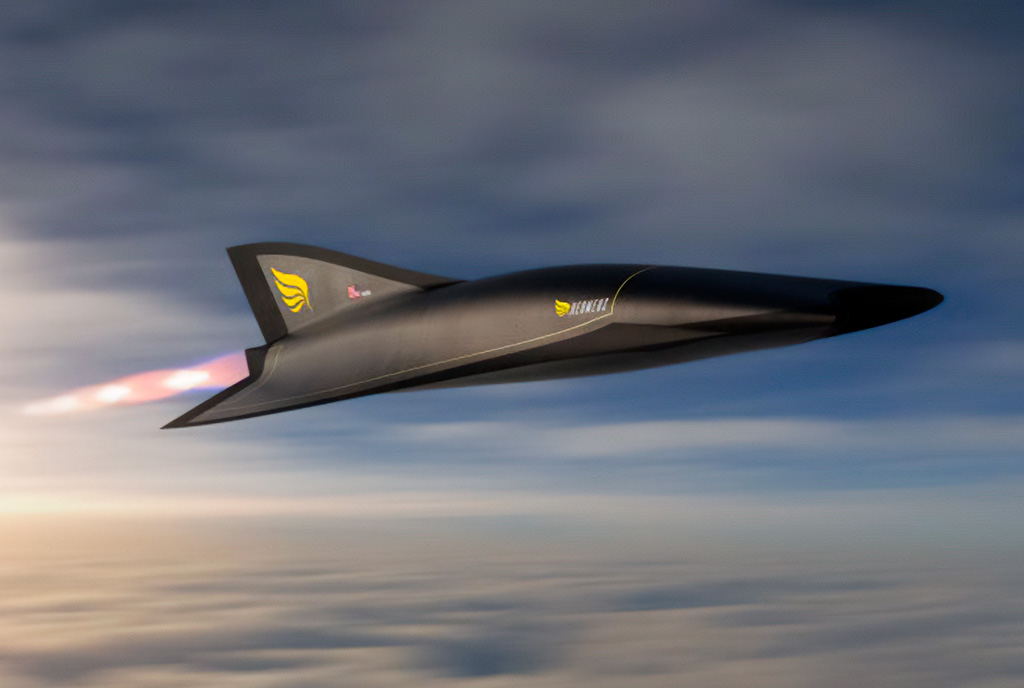
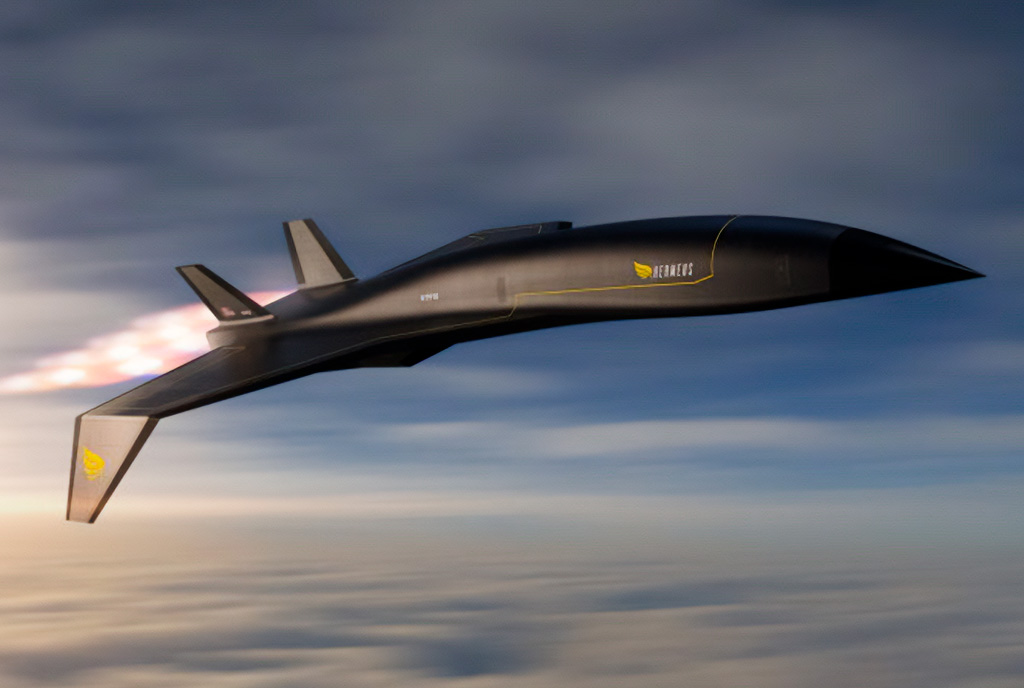
It will be a hybrid of two established technologies: the turbojet, which is similar to the one used by airliners, and the ramjet, a type of engine that works only at supersonic speeds and above. At first the engine will power the Quarterhorse, a sleek hypersonic drone that Hermeus is developing as part of a $60 million partnership with the US Air Force.
Interestingly, when you design a jet engine for higher speeds, you don't add parts, you remove them. In a turbojet, air enters at the front and is first compressed (to boost its energy potential) by rotating blades, then mixed with fuel and ignited. The resulting hot gas is expelled through the back of the engine, pushing the aircraft forward.
Above Mach 3, however, there is no need to compress the air: it compresses on its own as it enters the engine, simply because it has to slow down so sharply. That is why, for speeds above Mach 3 and up to Mach 6, engineers often use a type of engine called a ramjet, so named because it literally rams into the air. It has no moving parts, unlike turbojets, but it doesn't work at all below Mach 3.
Hermeus will run its hybrid engine in turbojet mode during takeoff and landing, and at subsonic speeds. The engine will then gradually reconfigure into ramjet mode once it reaches Mach 3 and continues up to Mach 5.
"The turbojet part and the ramjet part are, on their own, mature technologies that we have been using for 50 years. The trick is combining them, so we developed our own architecture based on an off-the-shelf turbojet and then built on it from there," says Piplica.
Inspiration From SpaceX
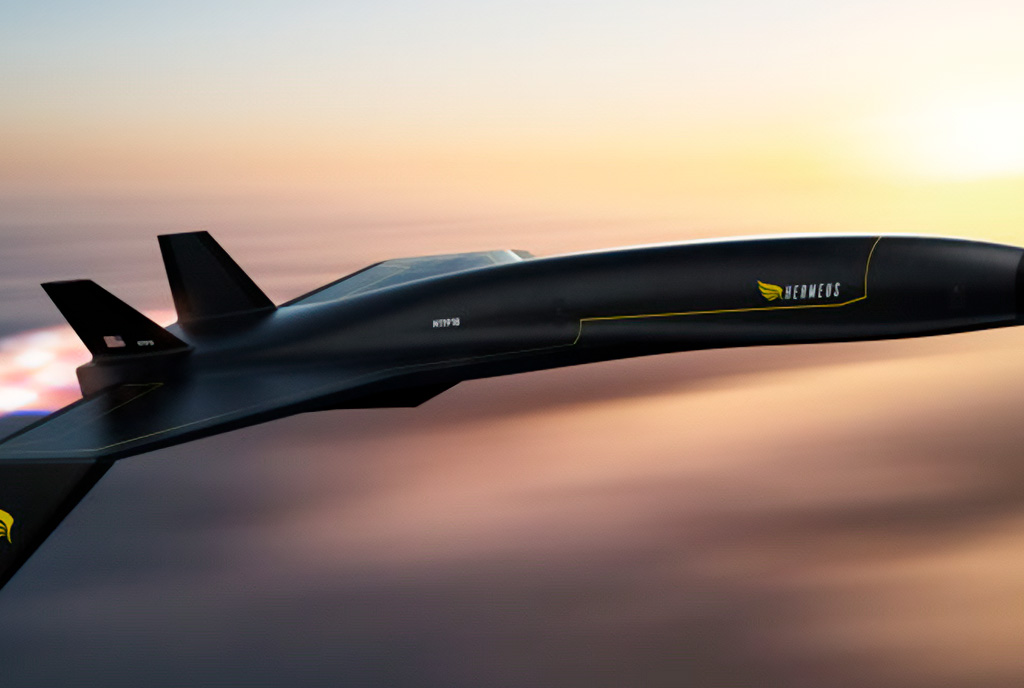
There is a whole range of challenges that Hermeus isn't even working on yet, such as the type of sustainable fuel to use (since consumption will be far higher than in today's jets) and the extreme temperatures the fuselage of a hypersonic aircraft has to withstand.
The speed of the Concorde, which flew at less than half the speed Hermeus is targeting, was limited precisely by temperature, with the windows and other interior surfaces becoming warm to the touch by the end of a flight.
The SR-71 Blackbird, on the other hand, had to be made of titanium, a rare metal capable of withstanding extreme heat, and the cockpit glass had to be made of quartz, with its outer temperature reaching 600 degrees Fahrenheit during a mission.
In response to skepticism about Hermeus's chances of success and the potentially huge amounts of funding it would need, Piplica draws an analogy with Elon Musk's SpaceX.
"I think people asked the same questions about the new space industry in the early days of SpaceX," he says. "People looked at reaching orbit and said it had to cost a billion dollars, but SpaceX did it for $90 million with the Falcon 1."
Hermeus plans to fund itself by developing a series of different aircraft on the way to its passenger jet, much as SpaceX developed its Falcon 1, Dragon, Falcon Heavy and Starship, which ultimately serve a vision of interplanetary spaceflight while generating revenue by working with NASA and commercial partners.
"There's really nothing quite like Hermeus, though plenty of similar projects have come and gone in the past," says Richard Aboulafia, an aviation analyst at the Teal Group. "It never works out. If they can magically build a hypersonic transport by the late 2030s, and the ticket price is in the business-class range, then yes, it will be a success. But the odds of that happening are somewhere in the 1% range."
If and when a hypersonic passenger jet becomes a reality, what would it be like to fly on it?
"It will be quite a lot like the Concorde," says Piplica. "You will accelerate for a longer stretch of time than on today's aircraft, where you feel yourself pressed back into your seat for about 30 seconds or so.
"This experience will last, maybe, 10 to 12 minutes. But once you reach Mach 5, at an altitude of about 100,000 feet or so, it will be a really smooth flight. There isn't much air traffic up there, and the atmosphere is relatively calm."