

Valencia pulls off a combination few cities manage: 15th-century Gothic on the UNESCO list, Calatrava's futuristic complex, a nine-kilometre park laid out in a diverted riverbed, and a city beach you reach by regular tram. Spain's third-largest city is also noticeably cheaper than Barcelona and free of its queues: two or three days cover the essentials, and almost everything sits within walking distance or a bike ride along the bottom of the former river.
Here is what to see in Valencia first, what the tickets cost, and where to eat paella you can brag about afterwards.
The City of Arts and Sciences: the headline act
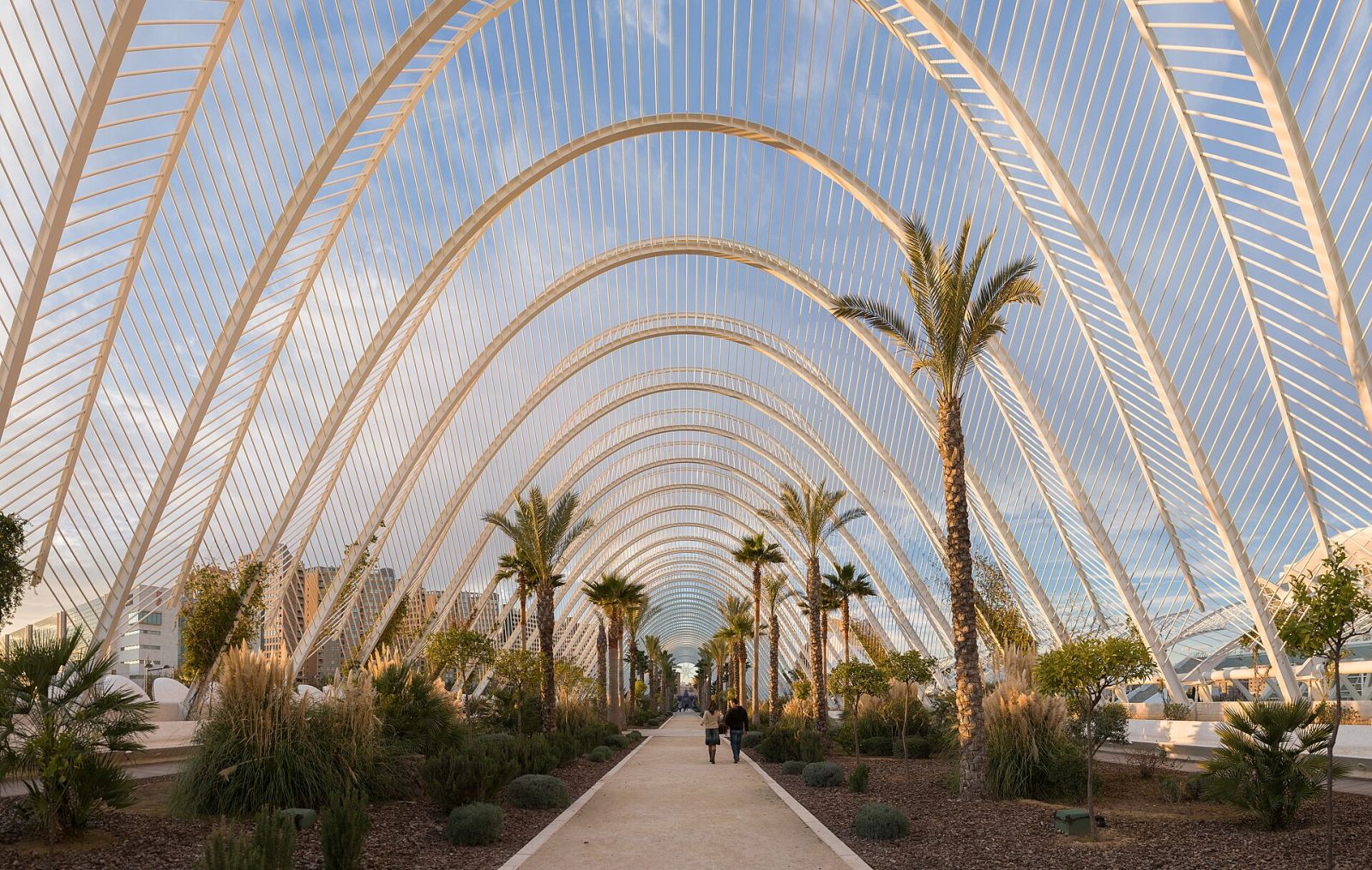
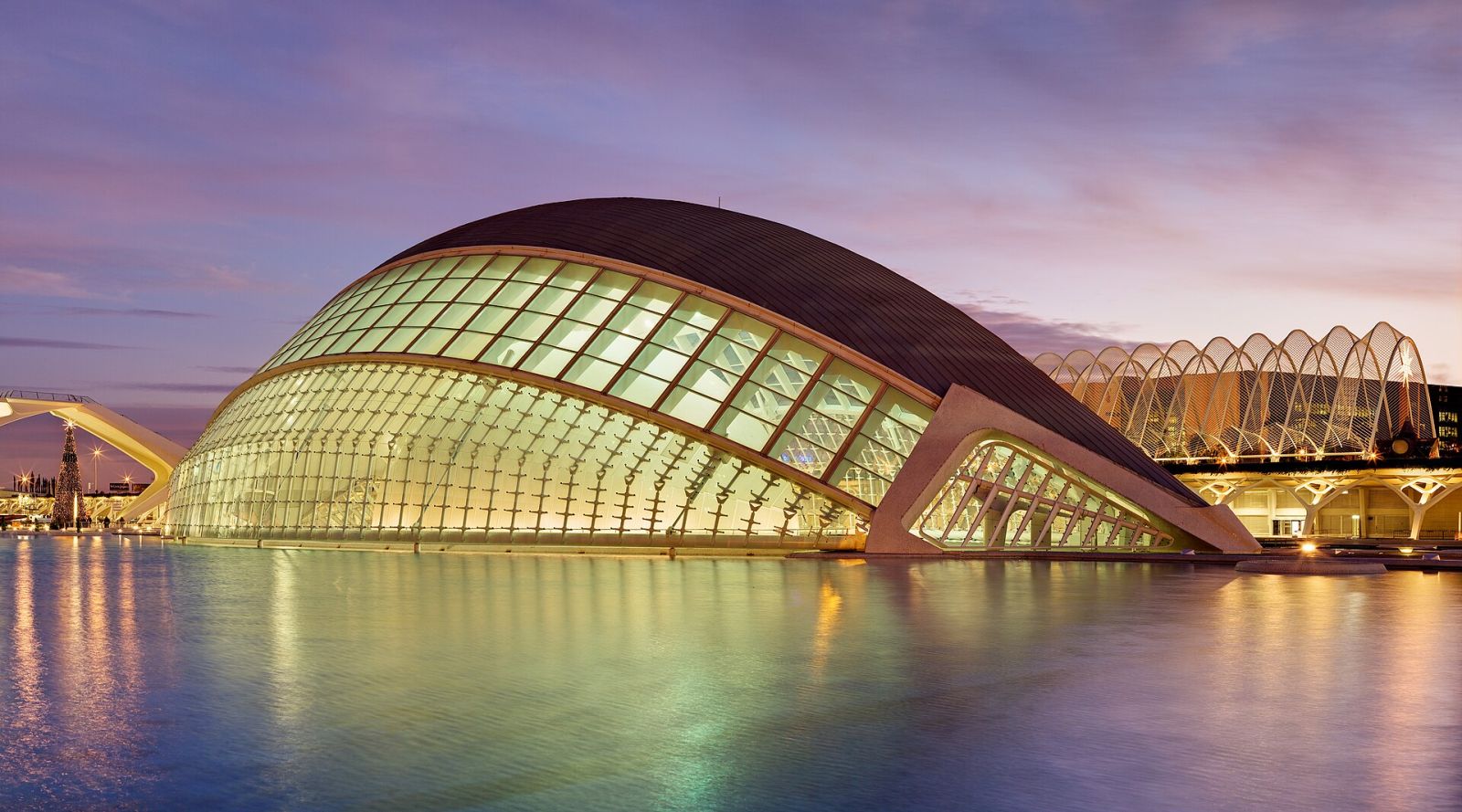
Santiago Calatrava's complex at the southern end of Turia Park looks like a sci-fi film set, and that is not a figure of speech: series and commercials genuinely get shot here. White concrete shells, mirror pools, not a straight line in sight. Wandering the grounds is free at any hour, and the best light for photos comes late in the evening, when the buildings glow and double themselves in the water.
Going inside is worth it selectively, because tickets add up:
- Oceanogràfic: Europe's largest aquarium, with a spherical tank, a shark tunnel and beluga whales. Adult entry runs around 35-40 euros, less for children. If you pay for one thing in the complex, make it this.
- Hemisfèric: an IMAX cinema shaped like an eye. Striking outside, a fairly standard space-or-ocean documentary inside.
- Príncipe Felipe Science Museum: hands-on and aimed squarely at kids and teenagers. Adults travelling without children can skip it.
Combined tickets for two or three venues work out noticeably cheaper; check current prices and hours on the official site cac.es.
The old town: the cathedral, a Grail and a silk exchange
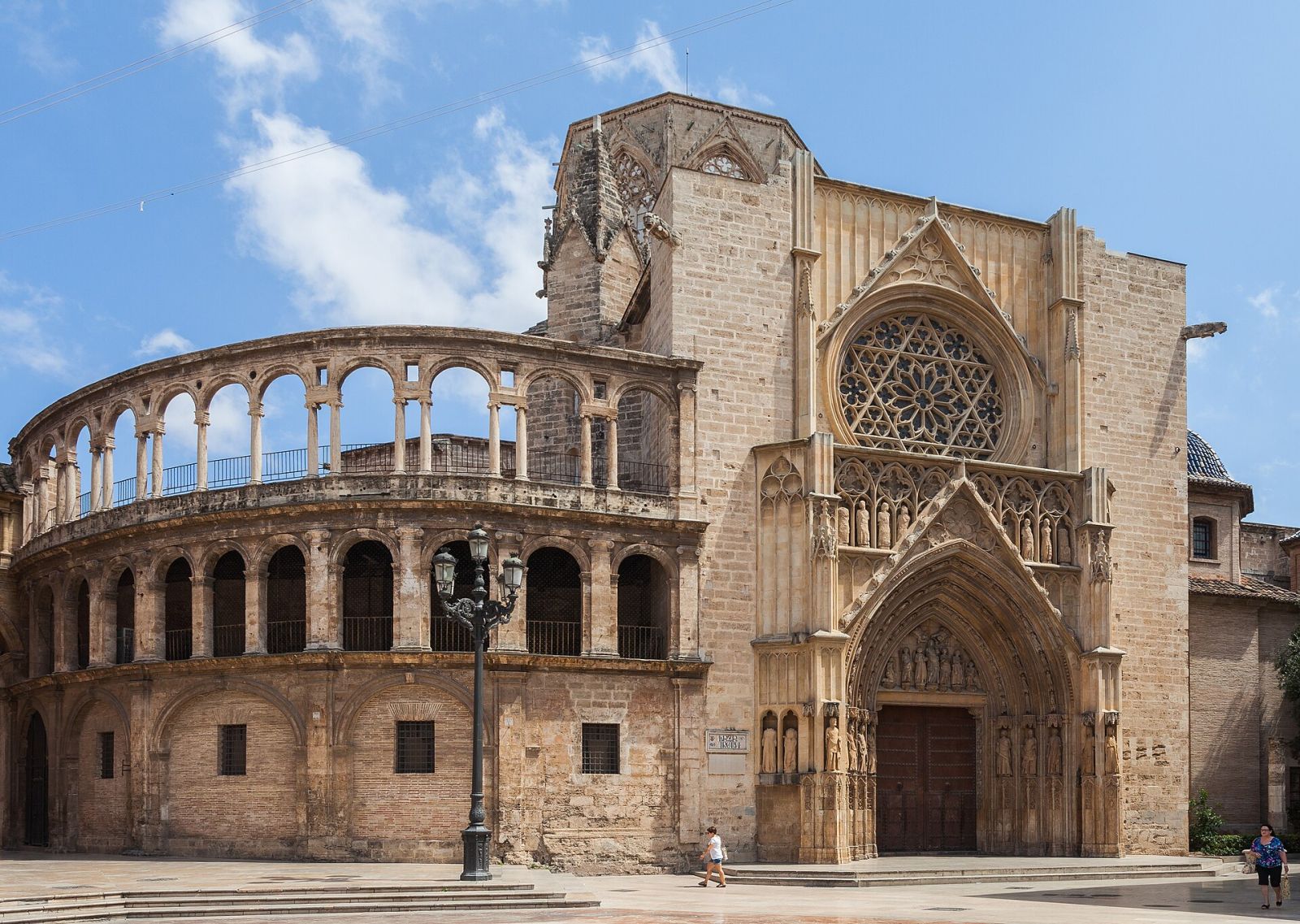
Valencia's historic centre is compact enough to cover in half a day. The logical starting point is the cathedral on Plaza de la Virgen. Inside sits a chalice the Vatican considers one of the most credible Holy Grail candidates: a modest agate cup in a side chapel that is easy to walk straight past if nobody tells you. The bell tower, the Miguelete, charges separately and earns it: 207 spiral steps, with the whole tiled roofscape of the city and mountains on the horizon waiting at the top.
Ten minutes away on foot stands the Lonja de la Seda, a late 15th-century silk exchange and UNESCO site. Its main hall, with twisted columns fanning out under the ceiling like palm fronds, leaves a stronger impression than the cathedral does. Entry costs a few euros and is usually free on Sundays. One honest caveat: there is not much to linger over, 30-40 minutes is plenty, so do not budget half a day for it.
Two more old-town stops worth a detour: the medieval gates of Torres de Serranos and Torres de Quart. Both can be climbed; Serranos has the better view over the Turia bed. Quart still carries the scars of French cannonballs from 1808, deliberately left unrestored.
Mercado Central: a market nobody leaves hungry
Valencia's Central Market, built in 1928, ranks among the largest covered food markets in Europe: roughly a thousand stalls under domes of stained glass and ceramic tile. It is a working market rather than a tourist backdrop; locals genuinely buy their fish and vegetables here. Come before noon: stalls start shutting between 14:00 and 15:00, and the market closes on Sundays.
What to buy: jamón and cheese by weight, smoked paprika, sun-dried tomatoes, and above all a glass of horchata. This local drink made from tiger nuts looks like milk and tastes like a sweet blend of almond and cinnamon. Valencians dunk long pastries called fartons into it. Sounds odd, works flawlessly.
Turia Park: the river that is not there
After the devastating flood of 1957 the Turia river was rerouted around the city, and the empty bed, once earmarked for a motorway, became a park instead. The result is a green ribbon about nine kilometres long that wraps around the centre and ends at the City of Arts. Cars cross on the bridges overhead while people run, play football and cycle underneath them.
The easiest way to see the whole park: rent a bike and ride the riverbed from Serranos to the Calatrava complex, an unhurried 30-40 minutes. If you have children, find Gulliver, a giant climbable figure whose slides are formed by the folds of the giant's clothes. The concept is simple: kids scramble over Gulliver like Lilliputians.
Malvarrosa beach and the Cabanyal quarter
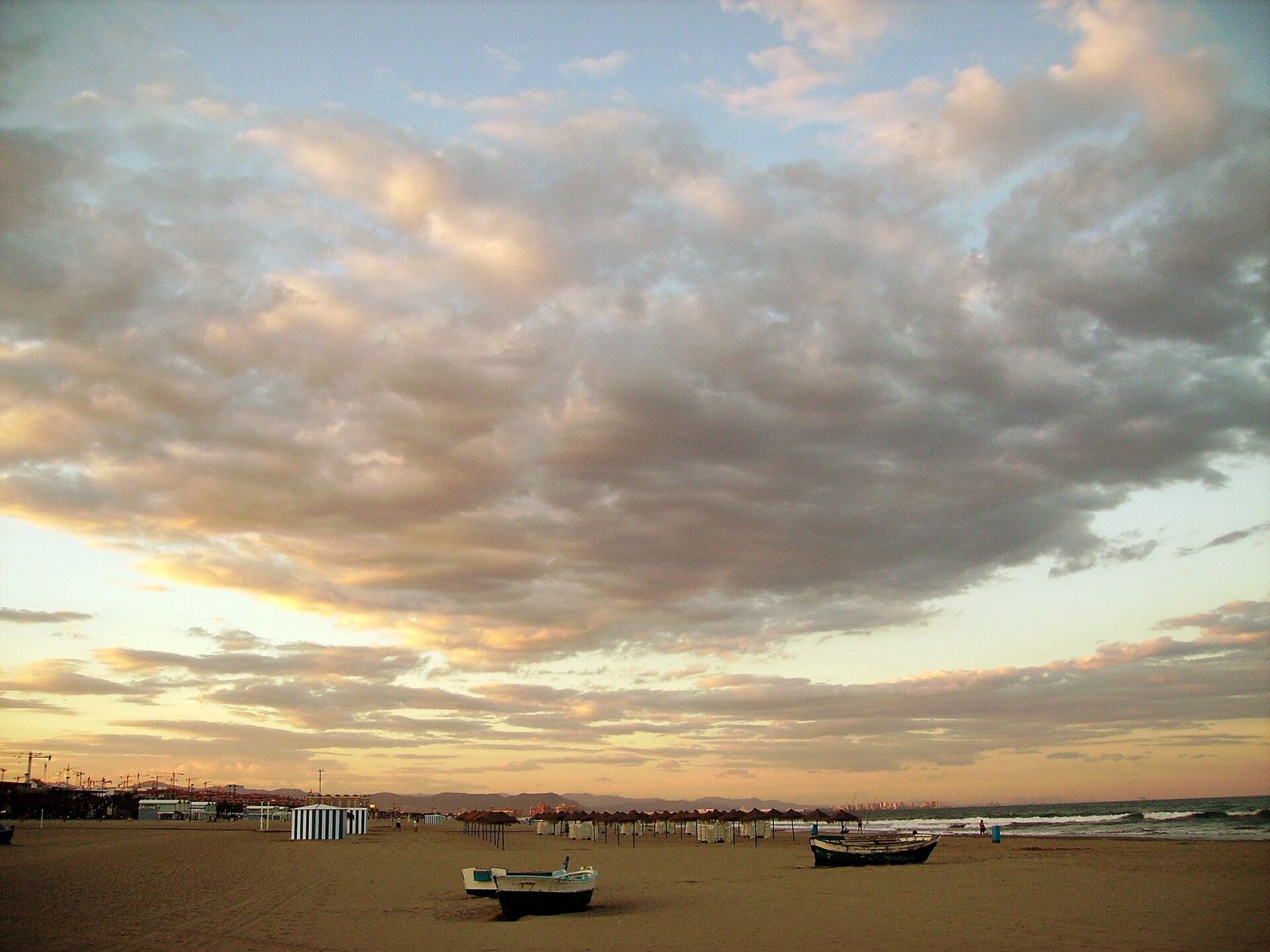
The sea in Valencia is not a resort add-on but a full part of the city. Malvarrosa beach is wide and sandy, with a long promenade and showers, 20-30 minutes from the centre by tram or bus. The swimming season genuinely runs from late May to early October, with the water hitting 26-27 degrees in July and August. In winter the beach is empty and windy, though a promenade walk with a coffee holds up even in December.
Between the city and the sea lies El Cabanyal, a former fishing village with tiled facades: striped, floral, powder blue. Fifteen years ago the quarter counted as rundown; now cafés and restaurants keep opening, and the facades get photographed more than the cathedral. Visit by day, since some of the side streets still feel bleak after dark.
Where to eat paella without getting it wrong?
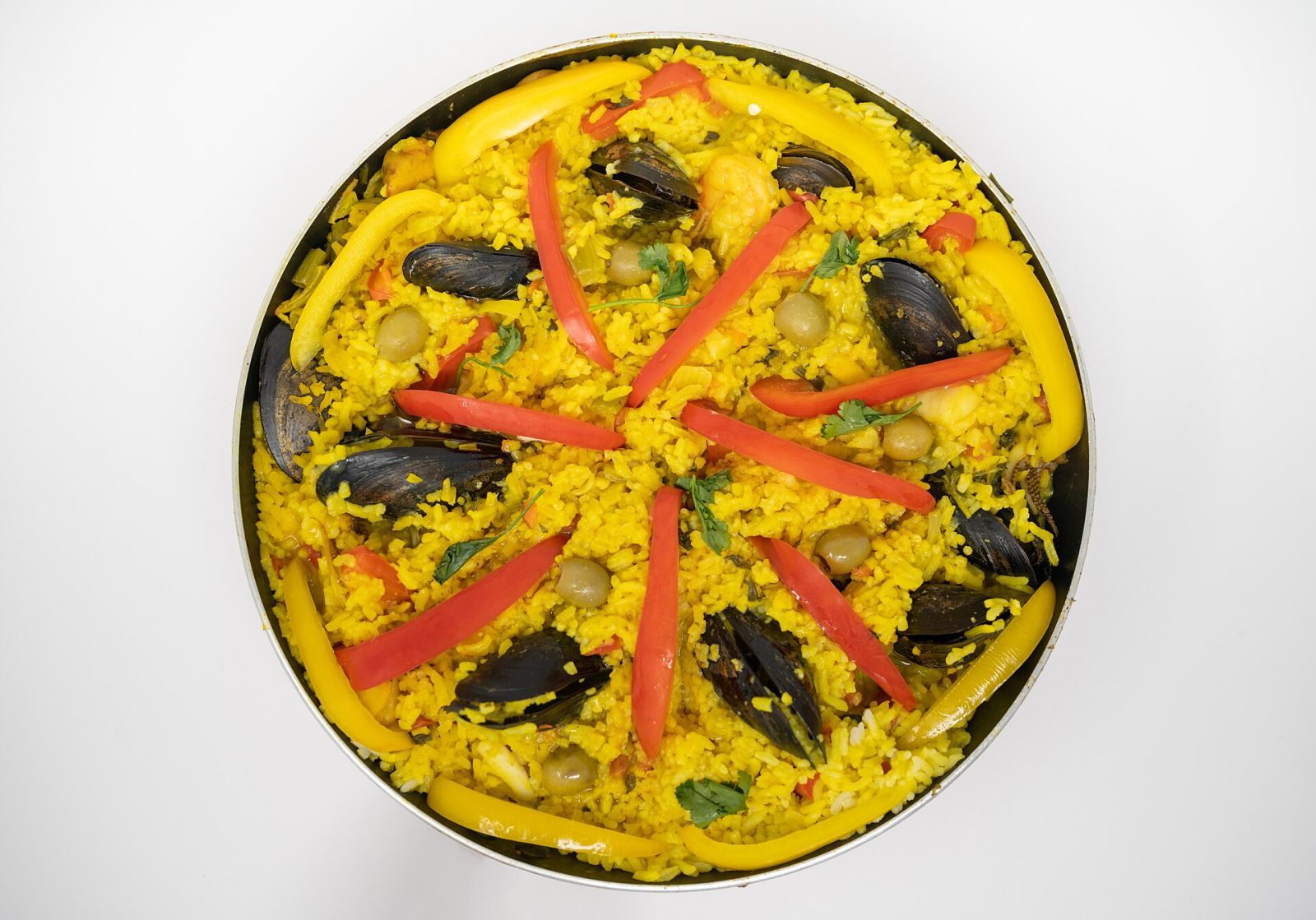
Valencia is the birthplace of paella, and the dish is taken seriously here. The classic paella valenciana is made with chicken, rabbit, flat green beans and snails, with no seafood whatsoever. The "bit of shrimp, bit of chicken, bit of everything" mix is dismissed by locals as tourist rice. A few rules that save money and nerves:
- Paella is a lunch dish. Restaurants where Valencians actually eat it serve rice from 13:30 to 16:00. A place frying paella at 21:00 next to the cathedral caters to tourists.
- It is cooked for a minimum of two people and takes 20-30 minutes; that is normal. Instant service means a reheated batch.
- For the canonical version, head to El Palmar, a village amid the rice paddies of the Albufera lagoon, 20 kilometres from the city. Every other house there lives off paella, and after lunch you can take a boat tour of the lagoon at sunset.
How many days, and when to go?
| Season | Weather | Worth knowing |
|---|---|---|
| March | 15-20°C, sunny | Las Fallas, the city's biggest festival: fire, firecrackers, burning effigies. Spectacular, but loud and expensive for lodging |
| April-June | 20-27°C | The best balance: warm, the sea is swimmable from late May, fewer crowds |
| July-August | 30°C and up, humid | Peak beach season, sightseeing at midday is hard work |
| September-October | 22-28°C | Warm sea, the mellow shoulder season |
| November-February | 10-17°C | Cheapest flights and rooms, hardly any rain, but no beach |
Two full days cover the city itself: one for the old town with the market and the Turia, one for the City of Arts with the aquarium. Keep a third day for the beach or for Albufera and its paella. Getting there is easy: Valencia's airport takes low-cost flights from half of Europe, and high-speed trains run from Barcelona and Madrid, about three hours and just under two respectively. Prices and timetables shift, so verify current details before the trip on the official tourism portal visitvalencia.com.
Valencia spent decades in Barcelona's shadow, and that is precisely what kept it pleasant: the same Gothic, sea and rice, minus the hour-long queues and the pickpockets on every corner. It is a city people return to, usually in spring, for Las Fallas.