The biggest mistake in saving on travel is fixating on the price of the ticket. You pay for the flight once, but after that your wallet gets thinner quietly and daily: a taxi because you are tired, coffee along the way, an entry ticket bought on autopilot because «well, we are here anyway». So learning to travel cheap is not about cutting the trip itself, it is about keeping three things in view: the flight, a roof over your head, and the small on-the-ground spending. All three are manageable, and once you handle them the trip lands about a third lighter on your wallet, without giving up anything that mattered.
What does a trip budget actually consist of?
Ask a friend what their last trip cost, and they will name the ticket price. Then they will scratch their head, because roughly the same amount vanished somewhere else. It dissolved into little things: the airport transfer, water at triple the price in a tourist kiosk, a fridge magnet, roaming that quietly ran in the background all ten days. Write those same costs out by category while you are still at home, and it is suddenly obvious where the money really goes.
And here is a simple thing that is not obvious at all. Cut not the most visible expense, but the biggest one. The ticket hurts psychologically, because you pay for it up front in one lump. Yet seven nights of a place to stay, or lunch out every day, often add up to more than the flight itself. That is where to look. Not at the twenty dollars you saved on the fare.
When should you buy tickets to fly cheap?
It usually works out cheaper to fly midweek, on a Tuesday, Wednesday or Saturday, rather than Sunday evening, when half the country is heading home. But the day of departure matters less than how far in advance you book. The booking horizon is what moves the price the most.
| Flight type | When to buy | Cheap departure days |
|---|---|---|
| Short European | 2-4 weeks ahead | Tuesday, Wednesday |
| Long-haul international | 4-8 weeks ahead | Tuesday, Saturday |
| Summer peak | 4-6 months ahead | any weekday |
The point here is not the hunt for some mythical «cheapest day», but a willingness to shift your departure by a day either way. Flexible dates open up prices that someone glued to a specific weekend will never see. Crack-of-dawn flights and overnight ones are usually cheaper too, and the reason is plain: not many people volunteer to get up at four in the morning.
Where is it smarter for Ukrainians to fly out from now?
The sky over Ukraine has been closed to civilian flights since February 2022, so most trips start from a neighbouring country. In 2026 the most popular departure points are the Polish airports.
- Warsaw: two airports. Chopin is closer to the centre, Modlin sits out of town and is often cheaper for the low-cost carriers.
- Krakow and Katowice: plenty of Ryanair and Wizz Air routes.
- Rzeszow: only about 100 km from the border, an easy bus ride away.
- Gdansk, Poznan, plus the airports of Chisinau and Bucharest as an alternative.
Just do not fall for the bare ticket price. The trip to the airport, a night in a hostel before an early flight, and the transfer back home can eat up the whole saving you chased the low-cost fare for. A cheap ticket that takes a long, pricey haul to reach stops being cheap.
How to save on a place to stay without losing comfort?
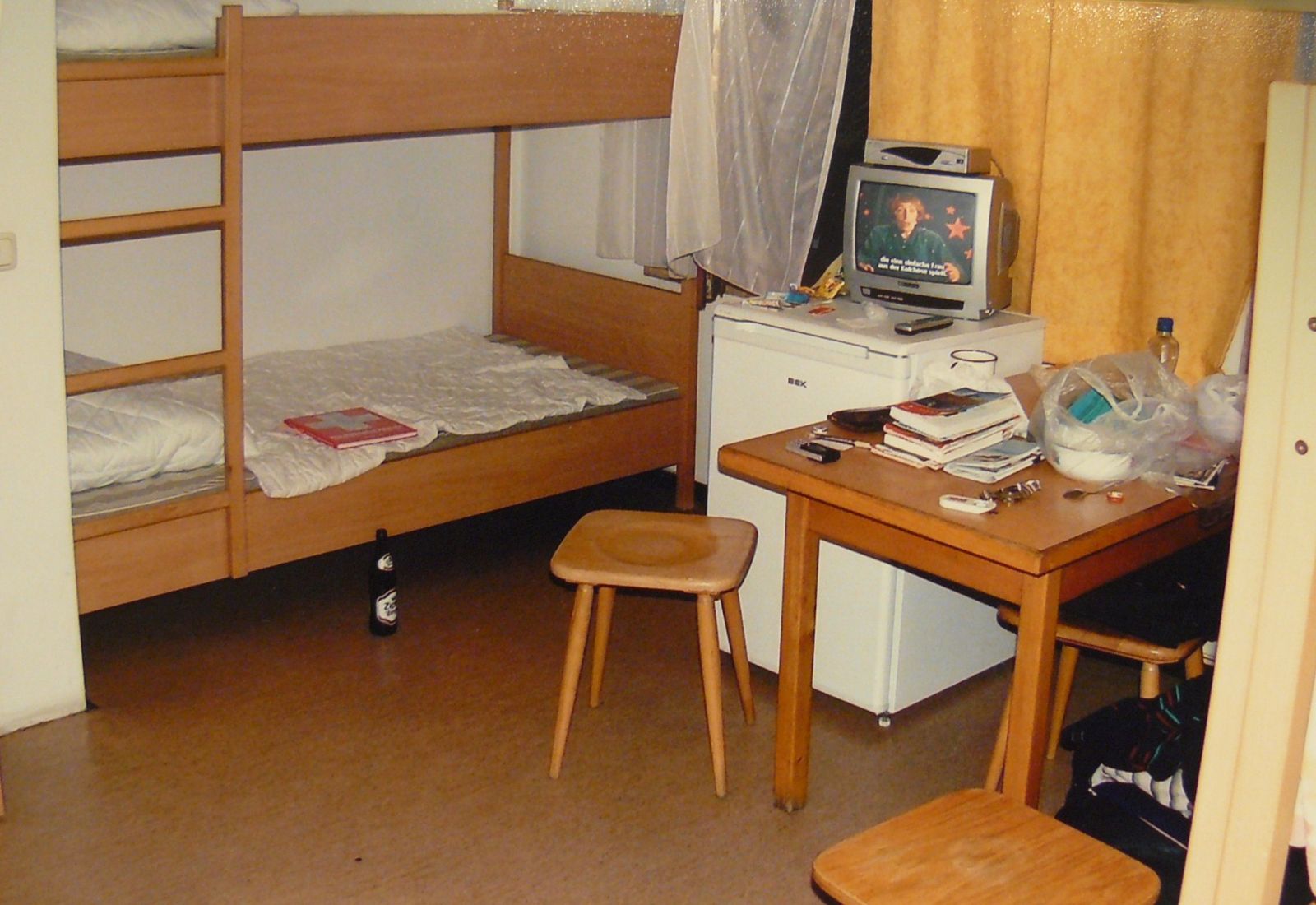
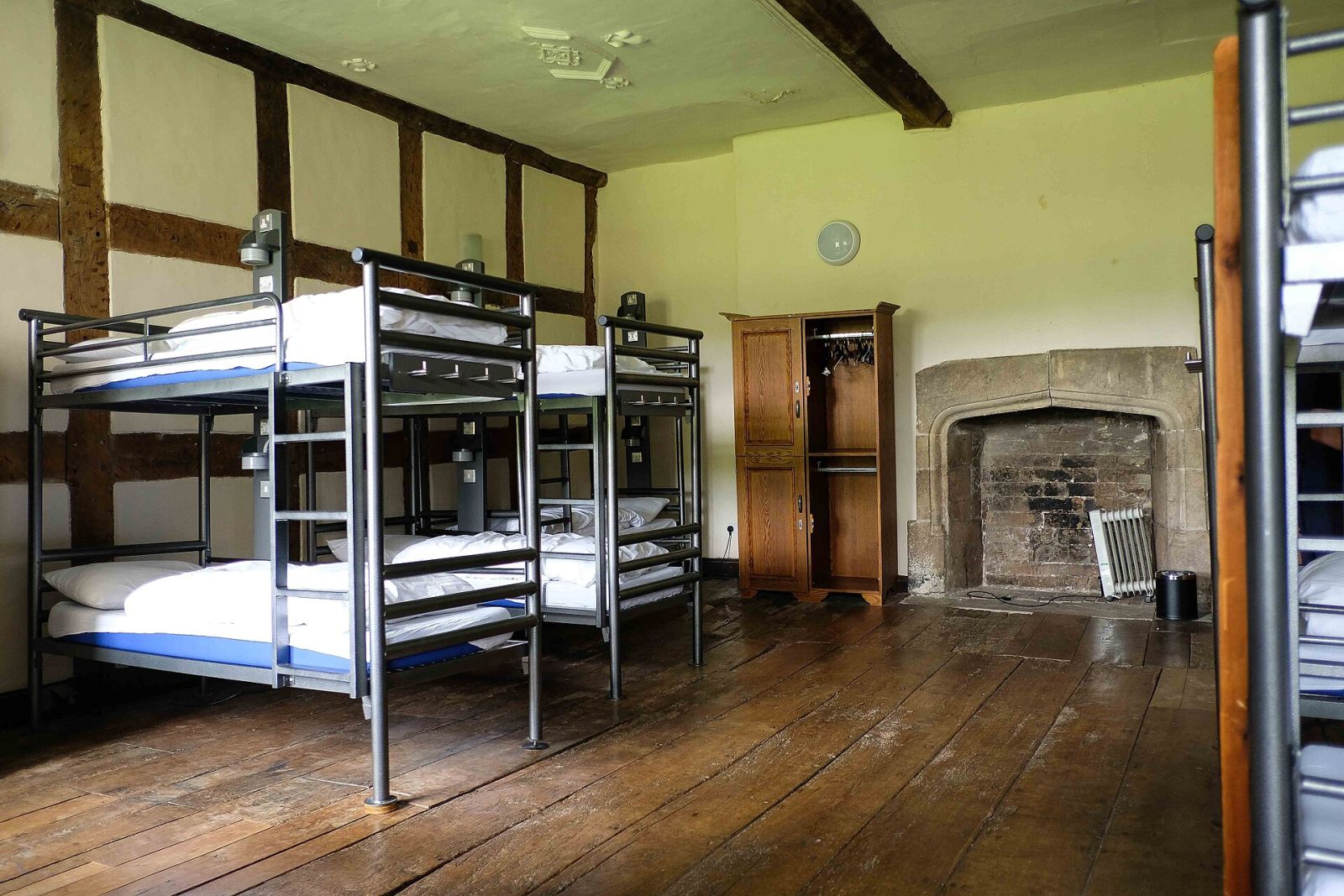
Accommodation is the second largest line in the budget, and at the same time the one where a traveller has the most room to move. A lot depends on whether you are going alone, as a pair or in a group, and for how many nights.
| Option | Who it suits | Plus | Honest minus |
|---|---|---|---|
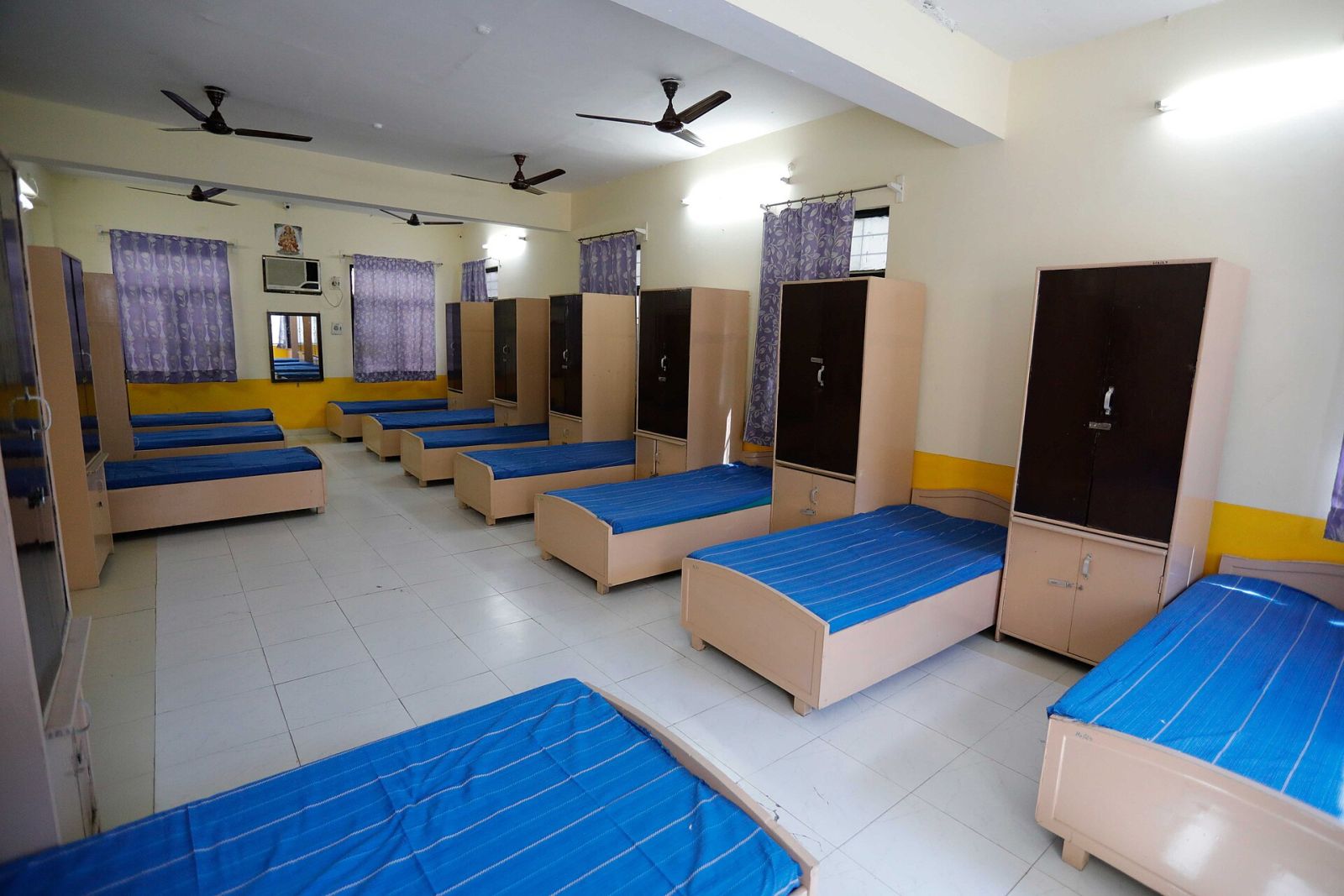
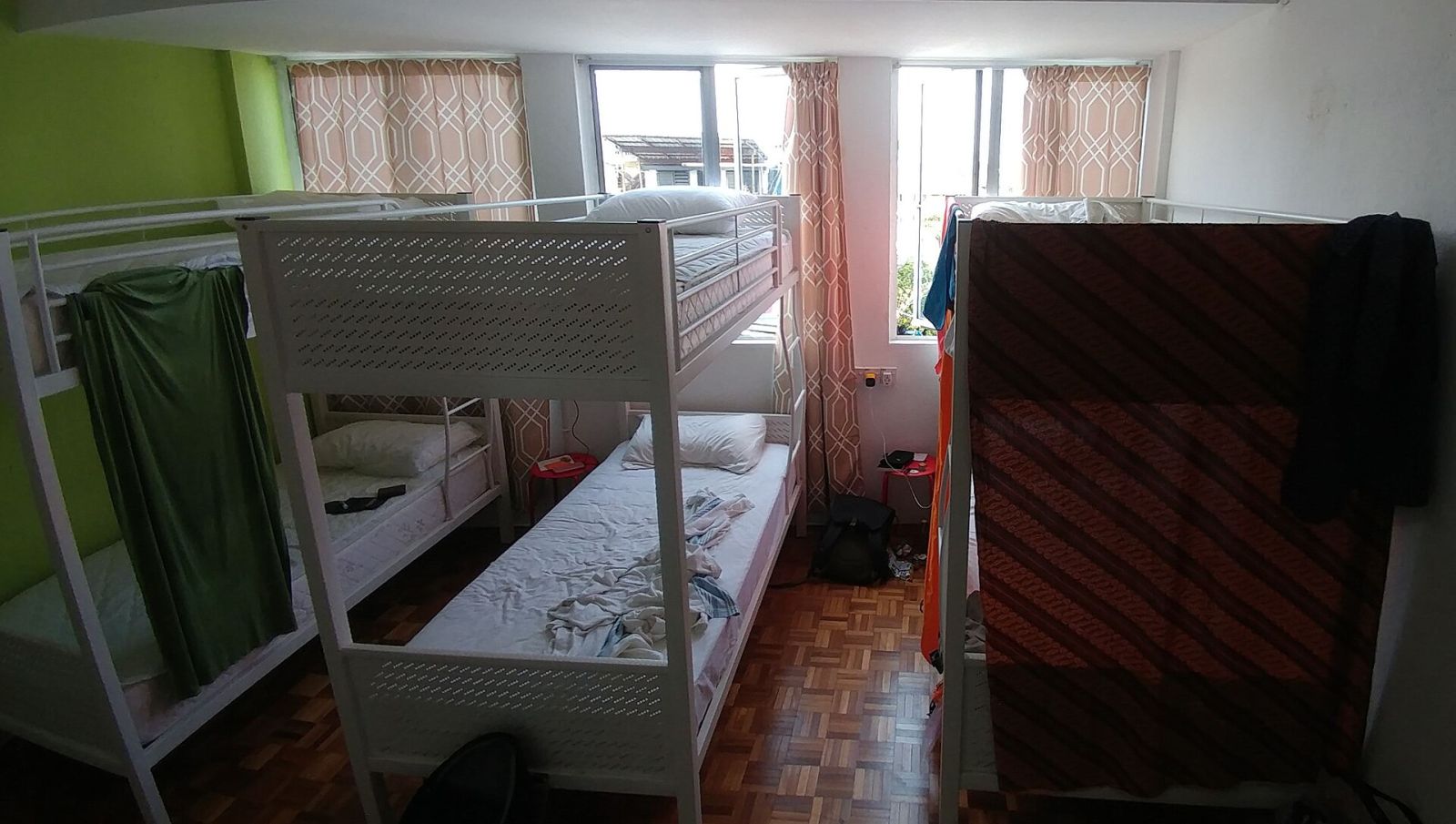
| Hostel dorm | solo traveller | lowest price per bed | noise, shared bathroom |
| Rental | couple, group, long trips | a kitchen, cheaper over a long stay | a cleaning fee |
| Couchsurfing | people open to company | a free night's sleep | needs flexibility and time |
A few things reliably knock the price down. Checking in midweek costs noticeably less than over a weekend. A similar place a couple of blocks away from the tourist core is often several times cheaper. And for a stay of a week or more, a discount is often yours for the asking if you just message the host directly. One more detail people forget: glance at the city's events calendar. A marathon, graduation week or a big concert send room prices soaring for one single night, and when your dates are flexible, that brief spike is easy to dodge.
How to get around cheap between cities and inside a city?
Over short distances the bus and the train almost always beat the plane, the moment you honestly add the ride to the airport and check-in to the ticket. And an overnight leg even saves you a night's accommodation, since you sleep on the way.
- International Flixbus coaches and local carriers: cheap, buy them in advance.
- BlaBlaCar shared rides: often faster than the bus and for similar money.
- Trains: in parts of Europe a multi-day pass pays off, do the maths for your route.
- In the city: multi-day transit cards and a rented bike instead of a daily taxi.
From the airport into the centre there is nearly always a bus or a train for pennies sitting right next to a pricey taxi. Find that route ahead of time. Because it is right after a draining flight, luggage in hand and a single wish to fall into bed faster, that the urge to give up and grab a taxi is at its strongest.
What to do about food so you do not overpay every day?
Three cafe meals a day run the budget up faster than anything else. But there is no need to skip the local food, that is half the point of travelling. It is enough not to turn every meal into a restaurant occasion with its own excuse.
Take a place with a kitchen and make your own breakfasts. Shop at local markets, not the tourist streets, where the same tomato costs three times as much. Have lunch where the locals do, and keep dinner as the one deliberate expense of the day. In plenty of countries the same menu is cheaper at lunch than at dinner, so it pays to move your main meal to the middle of the day.
How much do the best experiences cost?
Often nothing. In most big cities museums have free days or evening hours, parks and viewpoints are open all the time, and walking tours run on a «pay what you think is fair» model.
Write the free activities out as a separate list before you leave. It is not only about the money. It is also a way to see the city through local eyes, rather than through a shop window built for tourists. Paid attractions then become a conscious choice, not spending on autopilot.
Which apps should you keep on your phone?
| Task | App | What for |
|---|---|---|
| Ticket search | Skyscanner, Google Flights | compare prices and flexible dates |
| Price forecast | Hopper | tells you whether to buy or wait |
| Accommodation | Hostelworld, Couchsurfing | dorms and free places to sleep |
| Getting around | Flixbus, BlaBlaCar | buses and shared rides |
| Offline maps | Organic Maps, Maps.me | navigation without roaming |
Add a local eSIM or a local SIM card instead of roaming, plus a currency converter so you are not paying blind. Prices for tickets, rooms and transport move fast, so always check the actual numbers in the app itself right before the trip.
Where to start?
If it is your first trip and the budget is thin, there is no point swinging for two weeks across five countries straight away. One destination in the off-season, a bunk in a hostel and buses between cities already make the journey real this year, not a vague «someday later». And once you have more experience under your belt, it makes more sense to spend not on the number of places ticked off a list, but on the handful of experiences you packed the suitcase for in the first place.