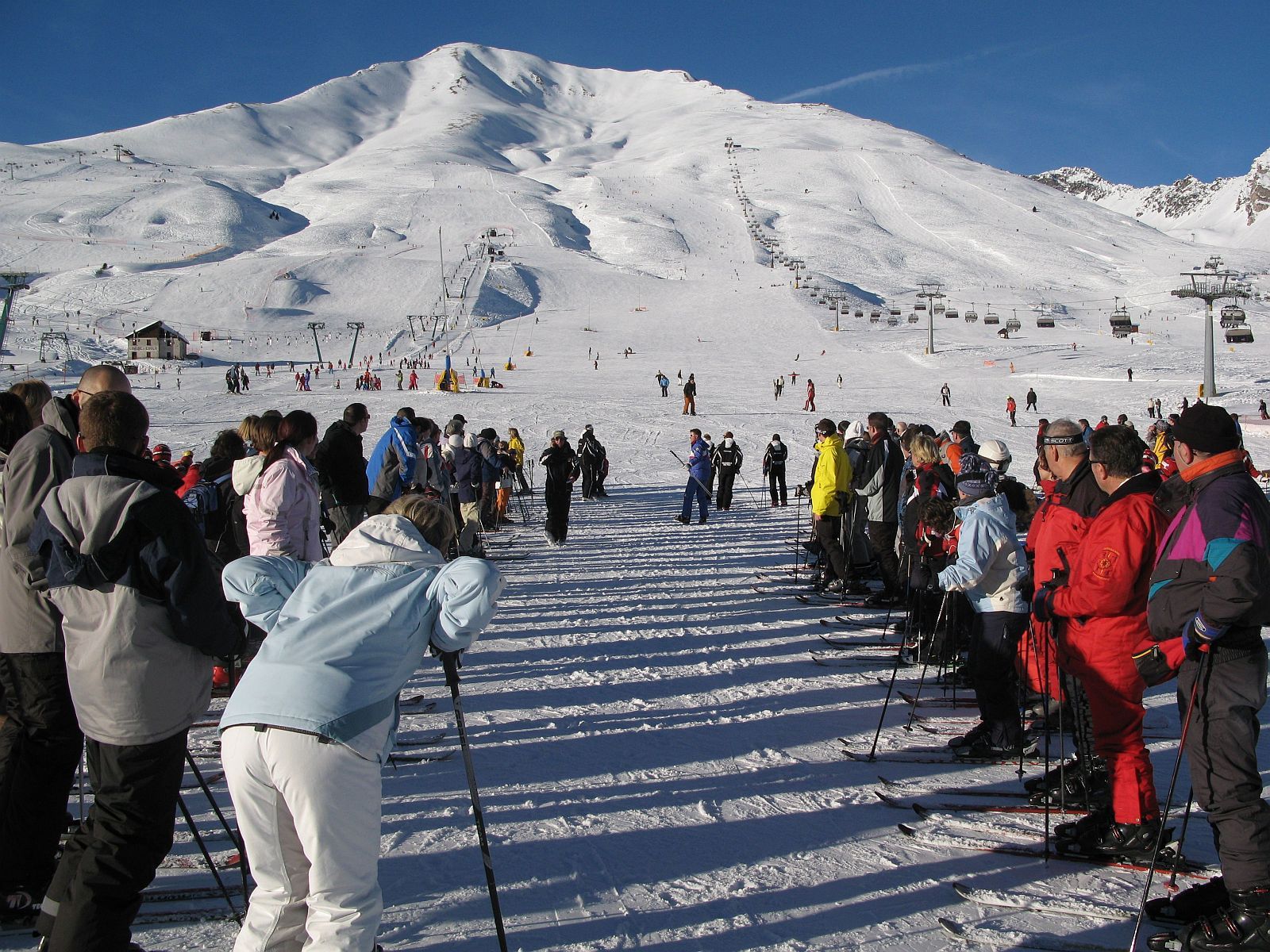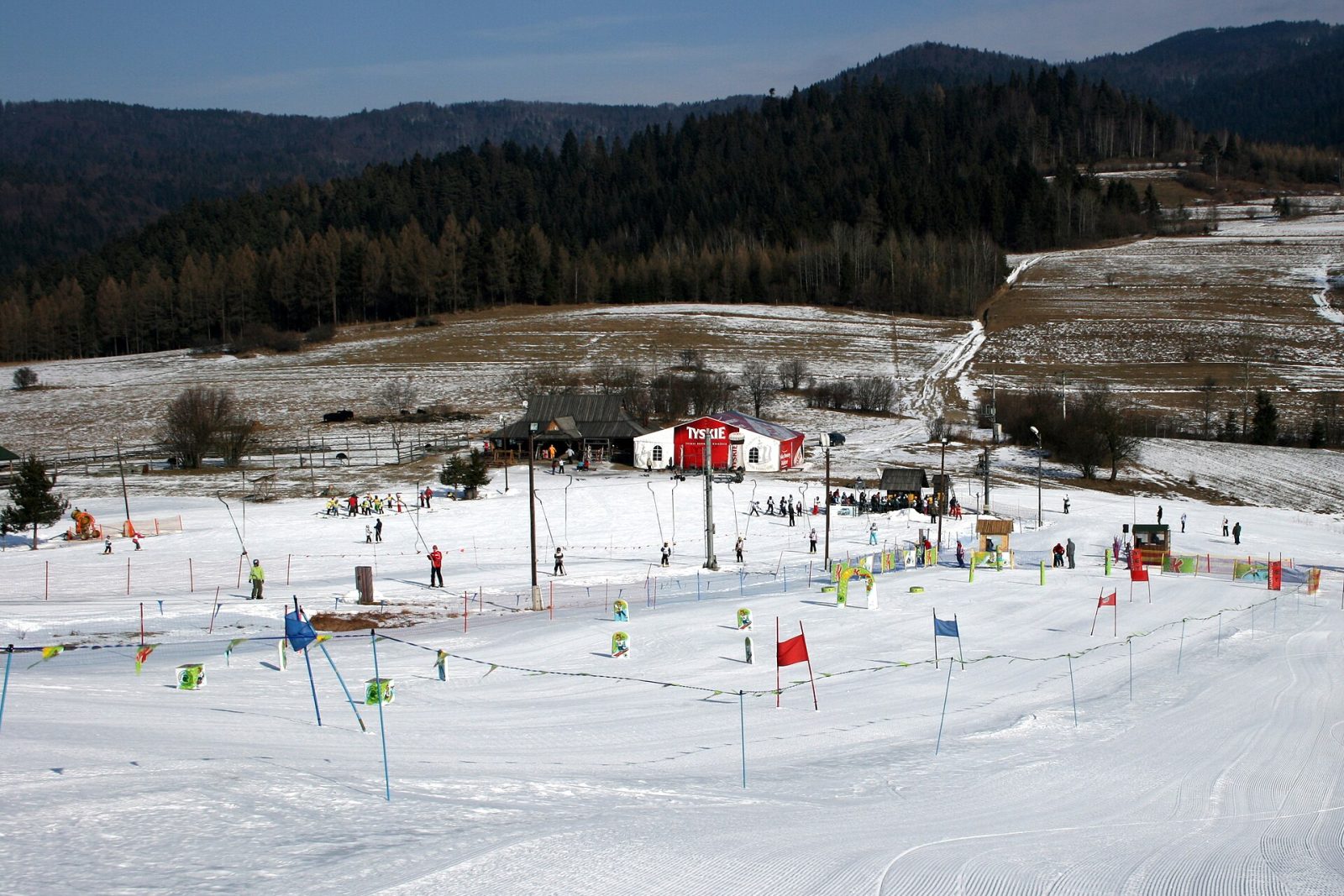


If you're going skiing for beginners for the first time, the most important rule sounds boring but saves your whole trip: pick a resort with wide, gentle slopes and a proper ski school, not the one famous for «views and nightlife». A beginner on a steep run doesn't ski, they fall and freeze in the lift queue. A gentle green slope with a simple drag lift on a weekday costs almost nothing, and that's exactly where three or four days will actually get you skiing instead of just burning cash and your knees.
Here's the less obvious part: your first week barely depends on whether you're in the Carpathians or the Alps. You learn the snowplough and the turn on flat terrain either way, and there's plenty of that in Slavske or in Zakopane. The difference shows up later, when you want longer runs and snow you can count on.
Ukraine: where to learn on the cheapest budget
For a first attempt the Carpathians make sense: close, cheap, everyone speaks a language you understand, and if it doesn't click you haven't lost a flight. The honest downside up front: the snow here is moody. December can be green, the real season kicks in closer to January, and by March the lower slopes are already slushy. So watch the forecast and don't book accommodation six months ahead.
Partner links: booking through them supports the blog at no extra cost to you.
- Slavske (Lviv region). The classic beginner spot. Mount Trostyan is serious, but the base and the neighbouring slopes are full of gentle runs, schools and rental shops. The infrastructure is alive, lodging suits any wallet, and Lviv is close by.
- Plai. A compact resort often recommended precisely to first-timers. Runs are shorter, crowds are thinner, and the groomers and snowmaking keep the surface in better shape than many rivals.
- Dragobrat. The highest one, snow lasts the longest, you can ski almost into May. But the only way up is by converted UAZ jeeps, and the slopes lean toward people who already have some skill. For a genuine first time it's a bit much.
- Bukovel. The most developed, modern lifts, lots of green runs, a huge ski school. The price of comfort is obvious: passes and lodging are the most expensive in the country, and during holidays the queues sour the mood.
A rough money guide: a day pass in the Carpathians is noticeably cheaper than in Europe, and private-sector lodging can be found for almost any budget. Exact figures change every year, so check current prices before you travel, especially around holidays when everything jumps.
Europe: when you finally want guaranteed snow
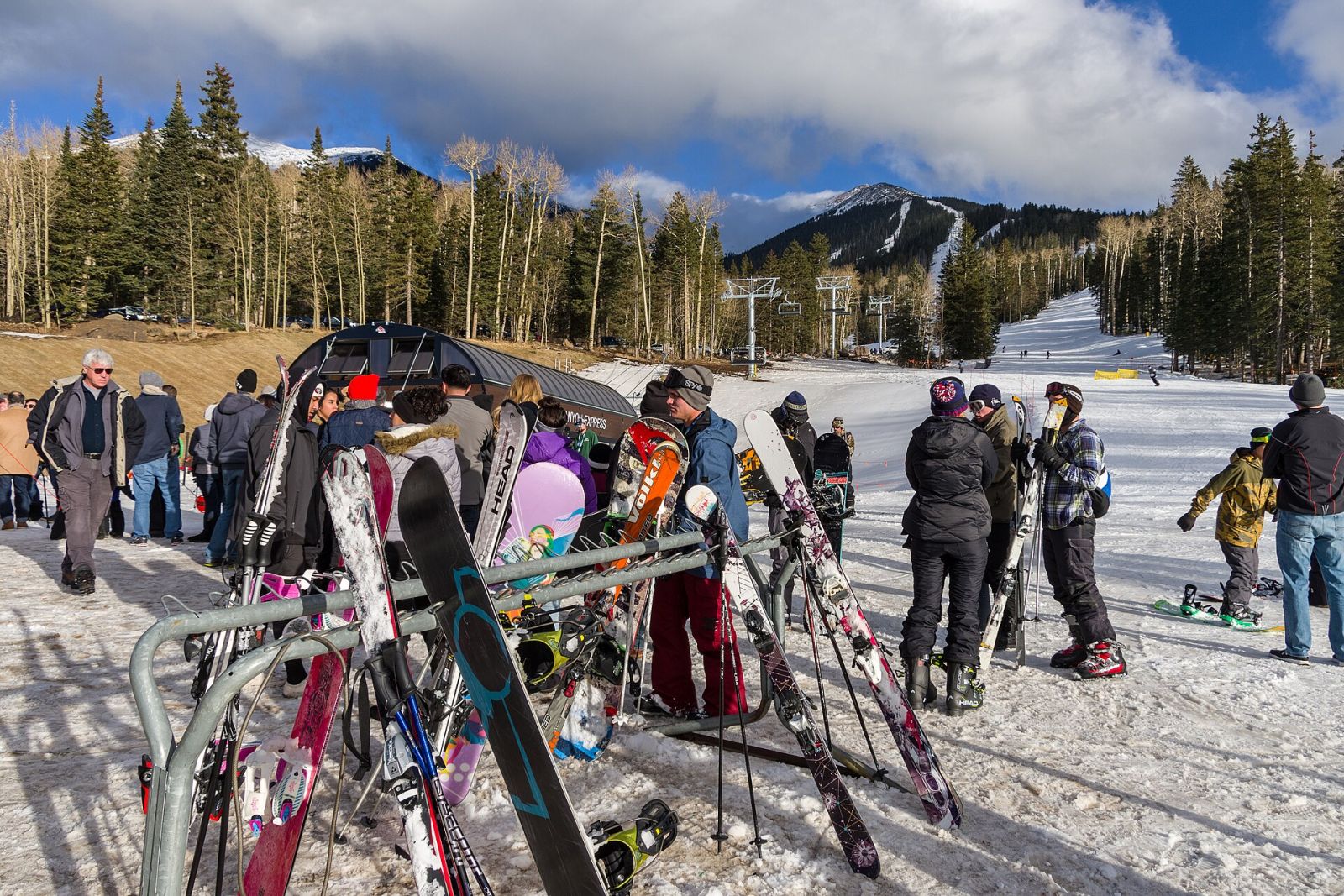
If you have a passport, time and the urge to do it «properly» straight away, Europe offers what the Carpathians lack: altitude, long runs, and snow that doesn't depend on the weather's mood. There's no exact Bukovel at the same price tag, but there are resorts Ukrainians have been learning at for years.
- Slovakia, Jasná (Low Tatras). The most popular budget choice for us. Cheaper than the Alps, a decent school, plenty of blue and green runs, and not far by car.
- Zakopane (Poland). Not one big resort but a network of stations around the town. Ideal for a beginner: small gentle slopes like Nosal or Szymoszkowa, cheap lessons, and a buzzing tourist street, Krupówki, in the evening.
- Austria, regions like Saalbach or Zell am See. Pricier, but this is the level where the infrastructure runs like clockwork: artificial snow fills in where nature falls short, schools teach in English, and the lifts move without the queues.
Rent or buy your gear?
The answer here is clear, and ignore anyone who tells you to «invest in your own» right away. For your first season, and ideally the second too, rent everything. Several reasons. You don't yet know if the sport is even for you. You have no idea which skis suit you, because you have no technique. And the right ski length for a beginner is shorter than the ones you'd buy «to grow into» once you can actually ski.
| Item | Rent | Buy right away |
|---|---|---|
| Skis + boots + poles | Yes, pick them up on site | No, that's a rookie mistake |
| Helmet | Often included in rental | Your own is fine, more hygienic |
| Ski jacket and pants | Rarely offered, rent separately | Yes, useful off the slopes too |
| Base layer, socks, gloves, goggles | Not rented | Yes, these are personal |
Spend a little longer trying on the boots. They, not the skis, decide whether you'll be in pain. They should press your toes when you stand straight and feel perfect once you bend your knees forward. The rental staff know this, so don't be shy about sending them back for another size.
How much is a lesson and do you need an instructor?
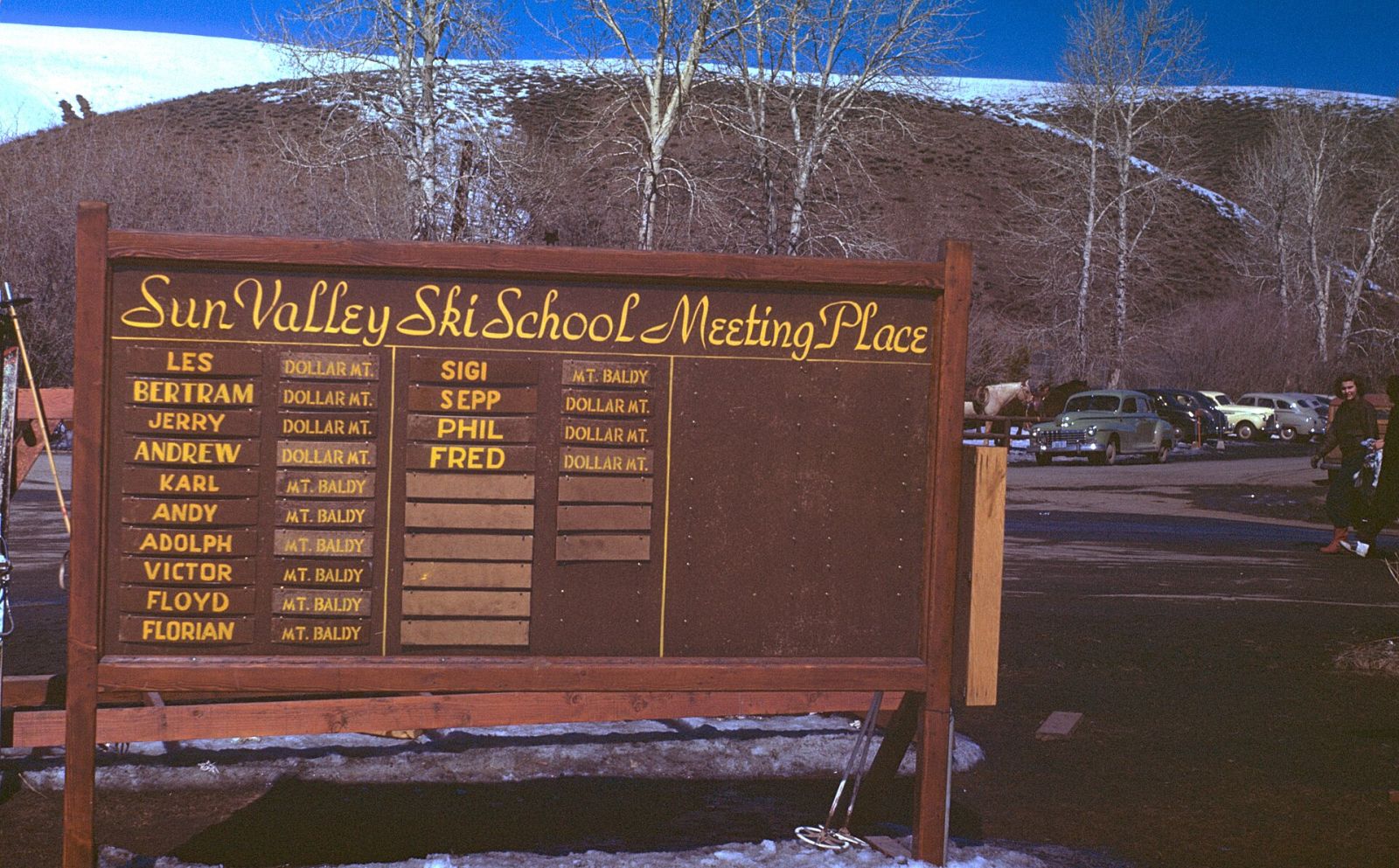
Yes, and it's the best money you'll spend on the whole trip. Someone who learns alone, or «with a friend who already skis», sets their body wrong, locks in the fear, and then spends half a lifetime stuck in a snowplough. An instructor gives you in a couple of sessions what takes a week to crawl toward on your own.
Choose the format by budget. A group lesson is cheaper, but there are several of you and less personal attention. A private session costs more, yet the progress shows the same day. A lesson usually runs one or two hours. In the Carpathians a private lesson is markedly cheaper than a European one, in Poland and Slovakia a bit more, in Austria the most. Exact numbers drift, so check the price list of the specific school before booking.
A workable compromise: take an instructor for the first two or three days, then practise what you've learned on your own. That way you don't pay for a full week of lessons, but you don't learn blindly either.
Mistakes every beginner makes
- Dressing «like for a walk». Jeans soak through in an hour, an ordinary coat won't hold heat on the lift. Think layers: base layer, fleece, membrane jacket. Cotton against the skin, which soaks up sweat, is a straight road to freezing.
- No goggles and no sunscreen. At altitude the sun hits twice as hard because the snow reflects everything. Getting burnt in the mountains in winter is easier than at the sea, and unprotected eyes start watering within an hour.
- Crawling onto a blue run on day one. Friends call you up, you can't brake yet, and instead of skiing you slide down on your backside. Stay on the greens until the snowplough is automatic.
- Ignoring fatigue. Most injuries happen at the end of the day, when your legs are done but pride still pushes for «one last run». If your legs feel like cotton, you're finished for the day.
- Parking your skis across the slope and resting standing up. They'll slide off. If you want a break, turn them across the fall line and dig the edges in.
Safety and the insurance people forget
The helmet isn't up for debate. It's not about «looking cool», it's about your head hitting ice even at a laughable speed. Many rentals include one, and in some schools it's outright mandatory for kids.
Now the thing most people skip. Ski insurance is a separate matter, because ordinary travel cover often excludes active sports. Look for a policy that specifically names «alpine skiing» or «winter sports». The price difference is tiny, but a rescue off the slope and transport to a foreign hospital cost enough that you'd rather not find out the hard way. In Europe it's frequently a formal requirement too, and in the Carpathians, where the risk and paid evacuation are real, a policy won't hurt either. Terms vary between providers, so re-read exactly what's covered before you buy.
One last thing. Don't chase a run count or someone else's pace. A first ski season is when you confidently ride a green run and enjoy it, not when you tick boxes. Speed and steep slopes aren't going anywhere, they'll wait until next winter, when your body already knows what to do on its own.