

It may be a while before tourists are travelling the whole world again. But what if you could travel to certain approved parts of it?
Politicians from Australia and New Zealand are discussing the possibility of opening their borders to each other, creating a travel corridor, or "travel bubble," between the two countries.
Both nations closed their borders to foreigners almost entirely in March, dealing a huge blow to their tourism industries. But because both countries have apparently succeeded in bringing their coronavirus outbreaks under control, politicians are now talking about when the borders might reopen to each other.
Partner links: booking through them supports the blog at no extra cost to you.
"If there's any country in the world with whom we can reconnect first, it is undoubtedly New Zealand," Australian Prime Minister Scott Morrison said last month.
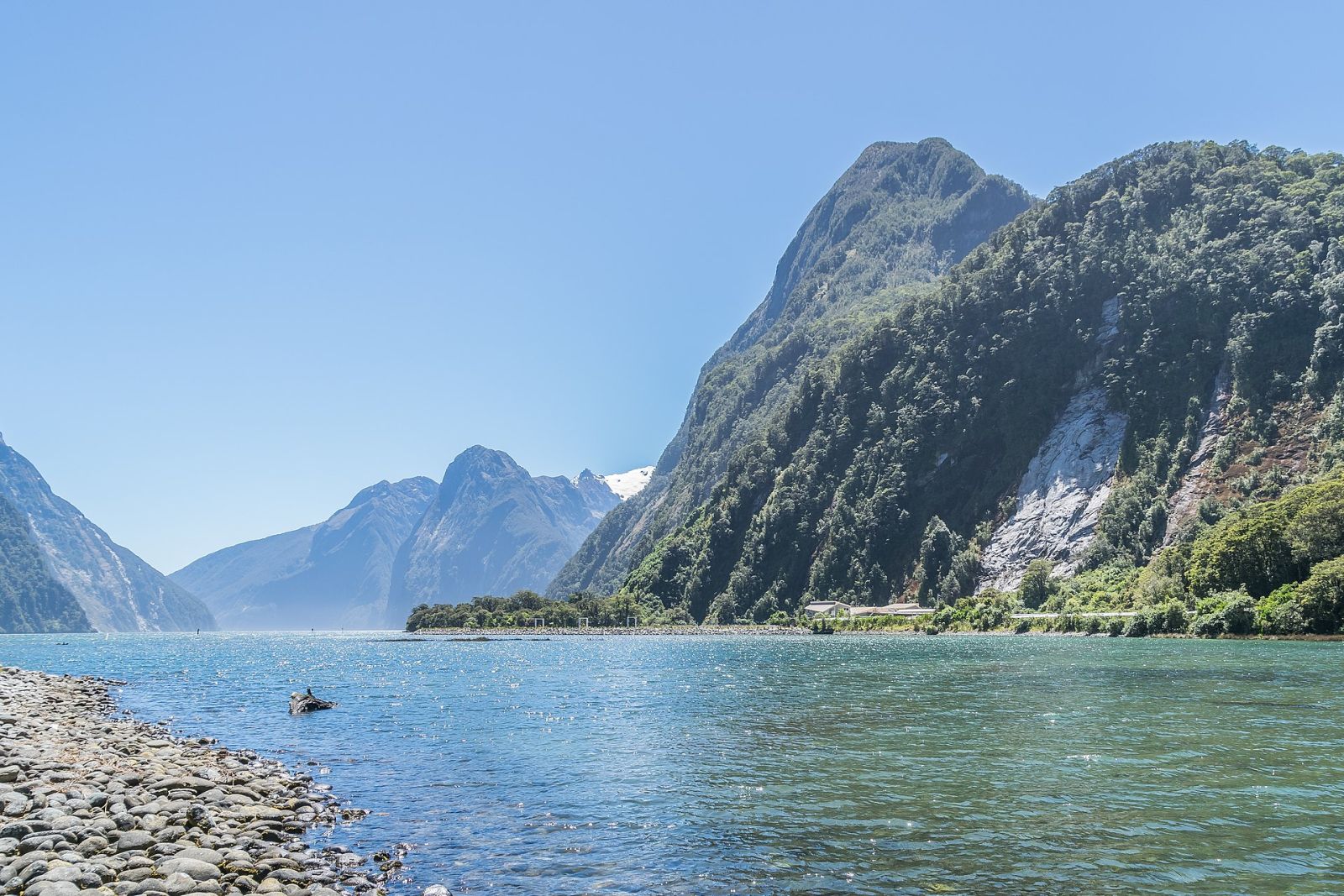
The 12 most beautiful places in New Zealand
"This is a situation we would all love to be in, but of course our top priority right now is to make sure that both our countries are in a position where we are managing Covid-19 internally to a level where we can confidently open our borders," New Zealand Prime Minister Jacinda Ardern said on 27 April.
"One thing I'm not willing to do is jeopardise the position New Zealand has earned by opening our borders too soon, even to Australia."
It's unclear when this "bubble" could become a reality. At the moment both countries still have domestic travel restrictions in place, and all international arrivals are subject to a 14-day quarantine.
Tourism industry experts say August is when the corridor is likely to be introduced, possibly ahead of the start of New Zealand's ski season and the September school holidays.
A special relationship
There are several reasons why New Zealand and Australia would be each other's first choice.
Although the two countries are separated by roughly 2,000 km (1,243 miles) of sea, they share one of the closest bilateral relationships in the world. Australian passport holders can travel and work in New Zealand indefinitely without a visa, and vice versa.
Both countries also make a significant contribution to each other's tourism industry.
Australians account for nearly 40% of international arrivals to New Zealand and about 24% of New Zealand's international tourism spending. This matters especially in New Zealand, where tourism is the country's biggest export industry. (Tourism is considered an export industry because it involves foreign currency being used to buy New Zealand goods and services.)
In Australia, New Zealanders make up about 15% of the country's international visitors and only around 6% of international tourism spending. Tourism is still worth billions to Australia, though it is only the country's fourth-largest export industry.
In both countries, tourism industries have been hit hard by the coronavirus outbreak, so it's no surprise that industry figures are welcoming the prospect of a travel bubble.
"The message from the industry is that the bubble is a reality," said Simon Westaway, executive director of the Australian Tourism Industry Council, adding that it was the only way to bring international tourism to Australia in the near future.
Couple ties the knot at 37,000 feet in the air between Australia and New Zealand
"If we could add Australians, it would be enormously beneficial to the survival of tourism businesses and thousands of jobs," said Chris Roberts, chief executive of Tourism Industry Aotearoa, which represents the tourism industry in New Zealand. He added that the amount tourists spend in New Zealand had dropped by at least NZ$2 billion (US$1.22 billion) a month.
But Roberts doesn't expect the level of Australian tourists that New Zealand saw before Covid. He thinks many will simply prefer to travel within their own country.
In Australia, some tour operators have focused their attention on China, which accounts for about 15% of travellers to Australia but 27% of total tourism spending. Westaway said these businesses would need to adapt and work out how to attract more Kiwi travellers.
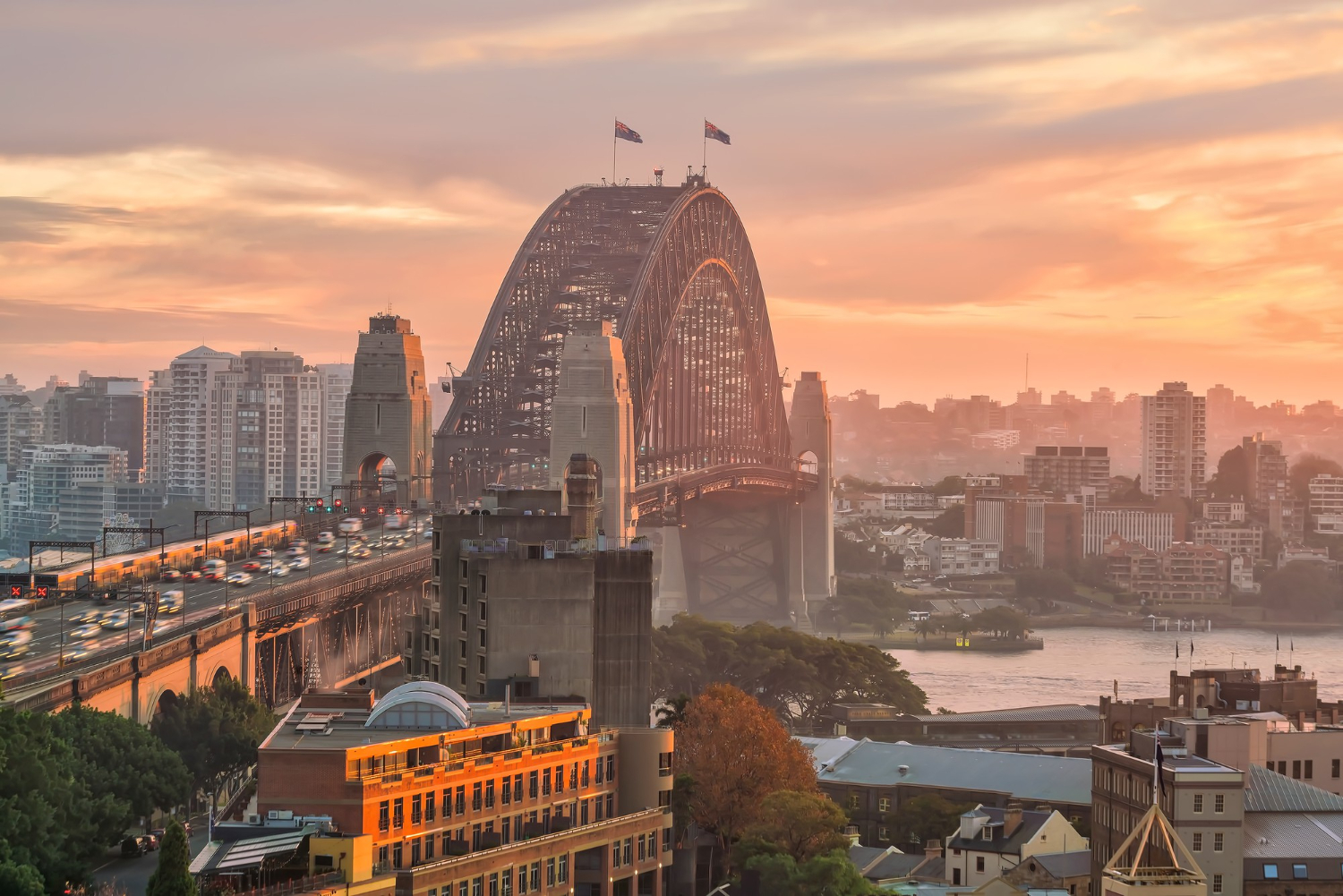
The most beautiful places in Australia
How would it work?
One thing to keep in mind: Australia is made up of states and territories, and some of them currently have additional quarantine rules. For example, a person travelling from Sydney (in New South Wales) to Brisbane (in Queensland) would have to go through a 14-day self-quarantine period.
Airports may also need to roll out new procedures.
Roberts imagines a future where travellers could arrive at the airport, be tested for Covid-19, and only be cleared to board the plane after a negative result. When they arrive at their destination, their temperature might be checked. Travellers may need to provide more information than usual so they can be easily traced if necessary.
Norfolk Island: Why residents want to ditch Australia for New Zealand
Both Roberts and Westaway believe the bubble will only work if the current 14-day quarantine period for everyone entering the country is scrapped.
Once the trans-Tasman bubble has been tried and tested, New Zealand could consider adding other territories to its bubble, perhaps Taiwan and Hong Kong, Roberts said.
"I think it will happen on a country-by-country basis," he said. "A general opening of the borders could be a long way off."
Could the bubble get bigger?
There's also some discussion about expanding the bubble to include the Pacific islands.
From a public health standpoint, the Pacific island nations have, for the most part, apparently avoided the coronavirus outbreak. Fiji, the worst-affected Pacific island nation, has reported only 18 cases of coronavirus and no deaths. Guam, which is a US territory rather than a nation, has reported more than 140 cases of coronavirus and five deaths.
Many Pacific island nations closed their borders early to guard against a potential spread.
But the pandemic has damaged tourism in the Pacific islands, one of the most aid-dependent regions in the world.
Ardern urged caution about including the Pacific, saying: "Our Pacific neighbours have largely not been hit by Covid-19, and the last thing we would want is to put that at risk."
But expanding the Australia and New Zealand travel bubble to at least some of the Pacific islands would help boost the islands' tourism industry, said Stephen Howes, director of the Development Policy Centre at the Australian National University in Canberra.
"For many people this is very hard," he said of the impact on tourism in the Pacific. "Some have gone back to their village... people are just struggling to survive."
"Obviously, no country would be forced to do this," he said, adding that the travel corridor could always be halted if it wasn't working. "It would be a complex undertaking... but it would certainly be worth a try."
The world's most powerful passports in the age of coronavirus
And including the Pacific would also help Australia and New Zealand by allowing migrant workers to enter both countries. Its inclusion could also have an enormous soft-power impact in a region that is strategically important to New Zealand, Australia and China.
"This is a real test," Howes said. "If Australia and New Zealand go ahead and just create a trans-Tasman partnership, they could really antagonise the Pacific. It would be like: 'well, you don't really care.'"
Roberts agreed that the bubble would benefit the Pacific, saying that without tourism their economies are in serious trouble.
"In terms of economic help to our Pacific neighbours, it would be the best thing we could do for them, if we could do it safely."
Is this the future of travel?
The potential Australia and New Zealand travel bubble could ultimately become a model for the rest of the world, Roberts and Westaway say.
Like other countries around the world, New Zealand and Australia need to be careful not to move too fast and trigger a second wave of Covid-19.
Moving too quickly could also put their image at risk among international tourists, who see these countries as clean, reliable places.
But overall, Roberts and Westaway are optimistic.
"If (the details) can be worked out between New Zealand and Australia, then they can be applied to other places too," Roberts said.
"There's quite a lot of attention on this part of the world right now because of New Zealand and Australia's apparent success in containing the virus outbreak. If we can also come up with a way to restart travel between countries, I'm sure the rest of the world will take a very keen interest in how it works."