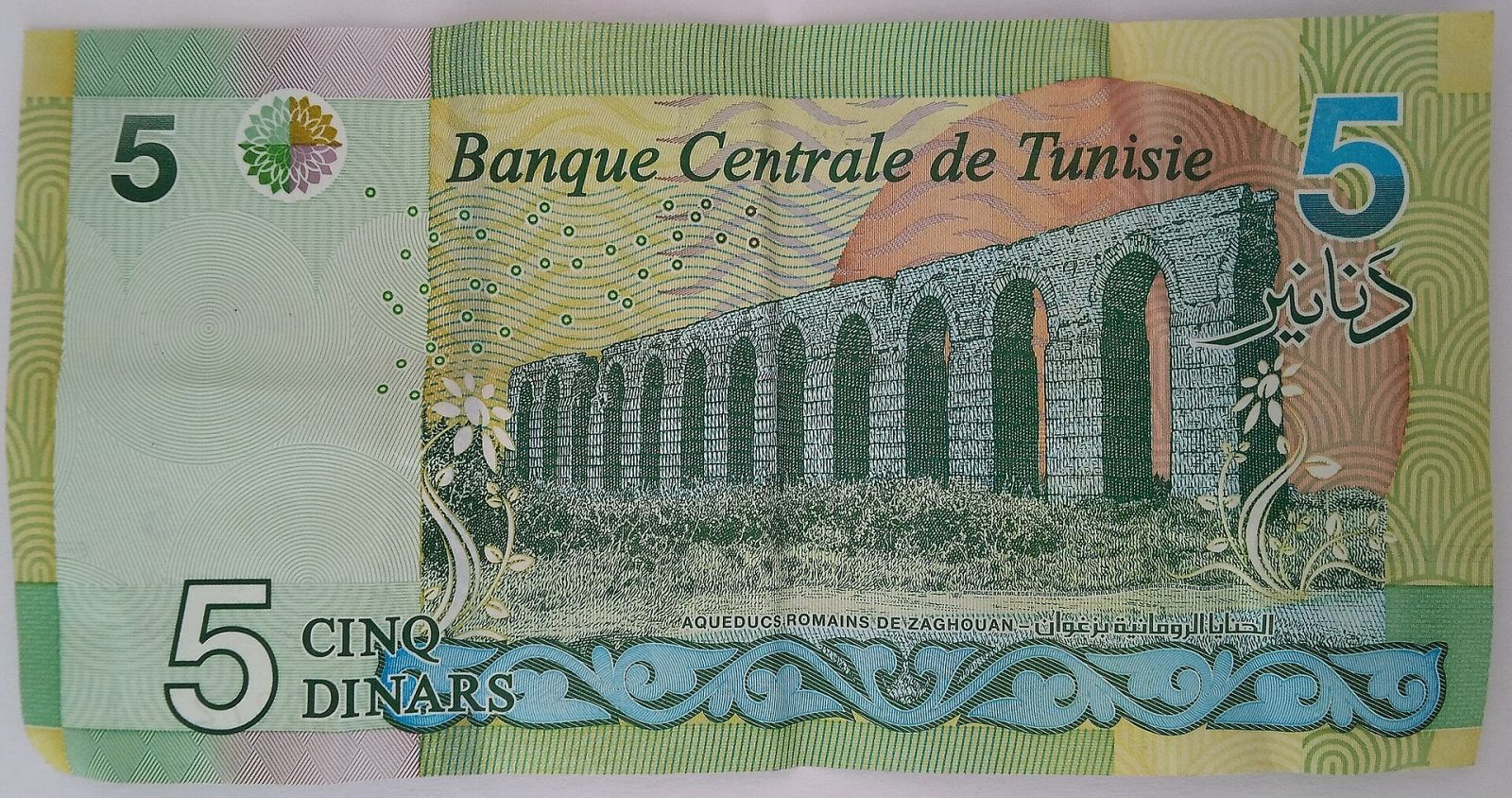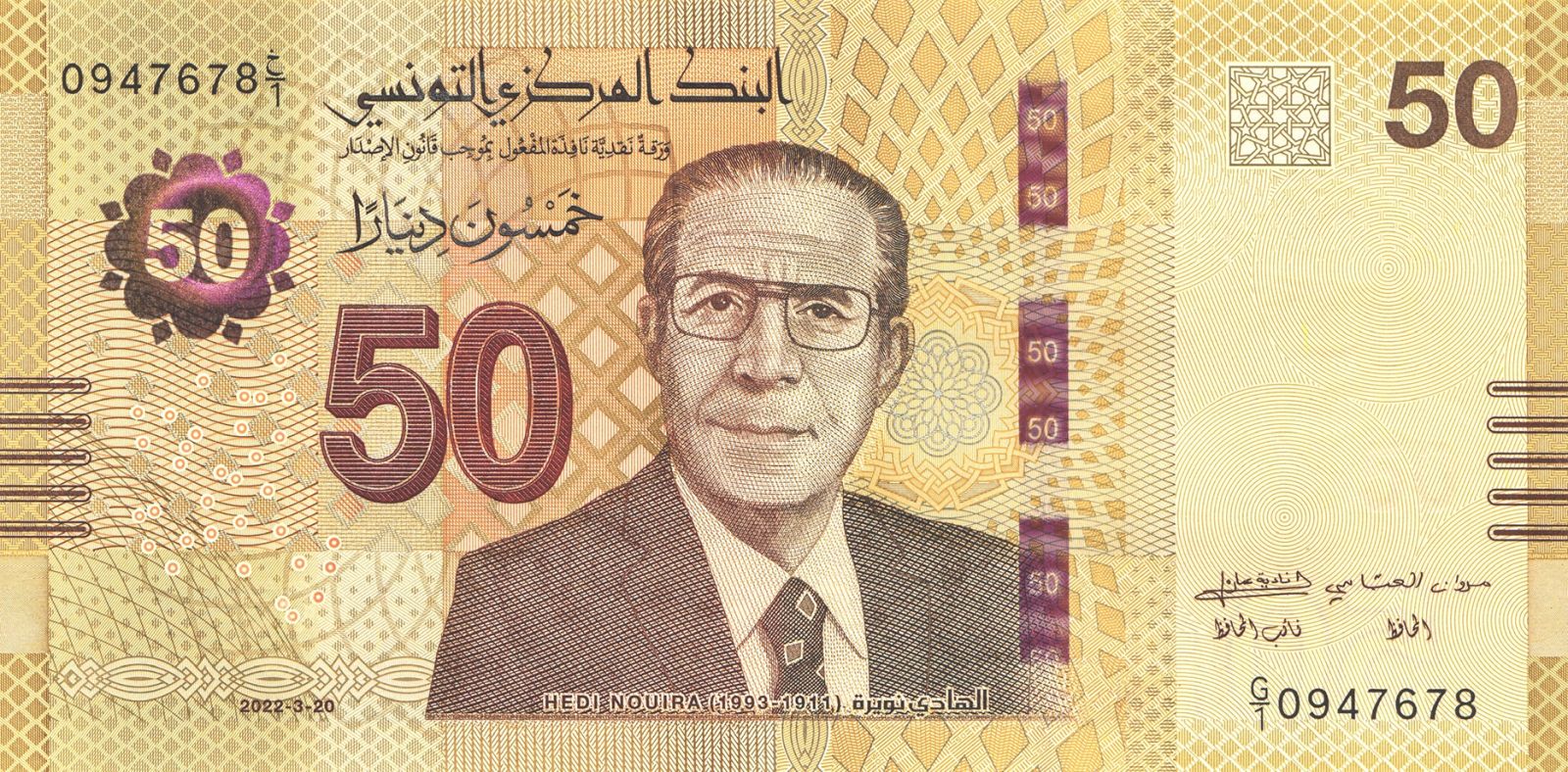


The single most important thing to know before you fly: the Tunisian dinar is a closed currency, which means it cannot legally be brought into or taken out of the country. You cannot exchange money at home in advance, and whatever is left in your wallet at the end of the trip has to be spent or converted back before departure. Beyond that quirk, this Tunisia travel guide territory is easy and cheap, but a handful of local rules, from entry vouchers to yellow taxis and their meters, are worth sorting out before you land. Here they are, one by one: money, transport, entry, holiday format and seasons.
Money: living with a closed currency
The dinar divides into 1,000 millimes, which produces the first surprise: a price tag of "3.500" means three and a half dinars, not three thousand. The rate floats; roughly speaking a US dollar buys around three dinars, but check current numbers before you travel.
The practical routine goes like this. Bring cash dollars or euros and exchange them at a bank, an exchange office or your hotel desk: the rate is nearly identical everywhere because the central bank regulates it, so shopping around is pointless. The crucial part: keep your exchange receipts. Without them, leftover dinars cannot be converted back, and exporting them is forbidden. Exchange in small portions rather than the whole budget at once, or the end of the holiday turns into a quest to burn dinars at a duty free that accepts them grudgingly.
Visa and Mastercard work in hotels, supermarkets and bigger restaurants, and ATMs are easy to find in tourist towns. But markets, louages, taxis and the tastiest hole-in-the-wall eateries run on cash. The sensible split: card for big spending, small-denomination cash for daily life. Keep small notes separate too; taxi drivers "cannot find" change for large bills with remarkable regularity.
Transport: trains, louages and yellow taxis
The state railway SNCFT links the major cities: cheap, unhurried, with air conditioning in first class that justifies its modest surcharge. The Tunis, Sousse, Sfax line is the most useful for visitors. Timetables can be approximate, so do not build tight connections on them.
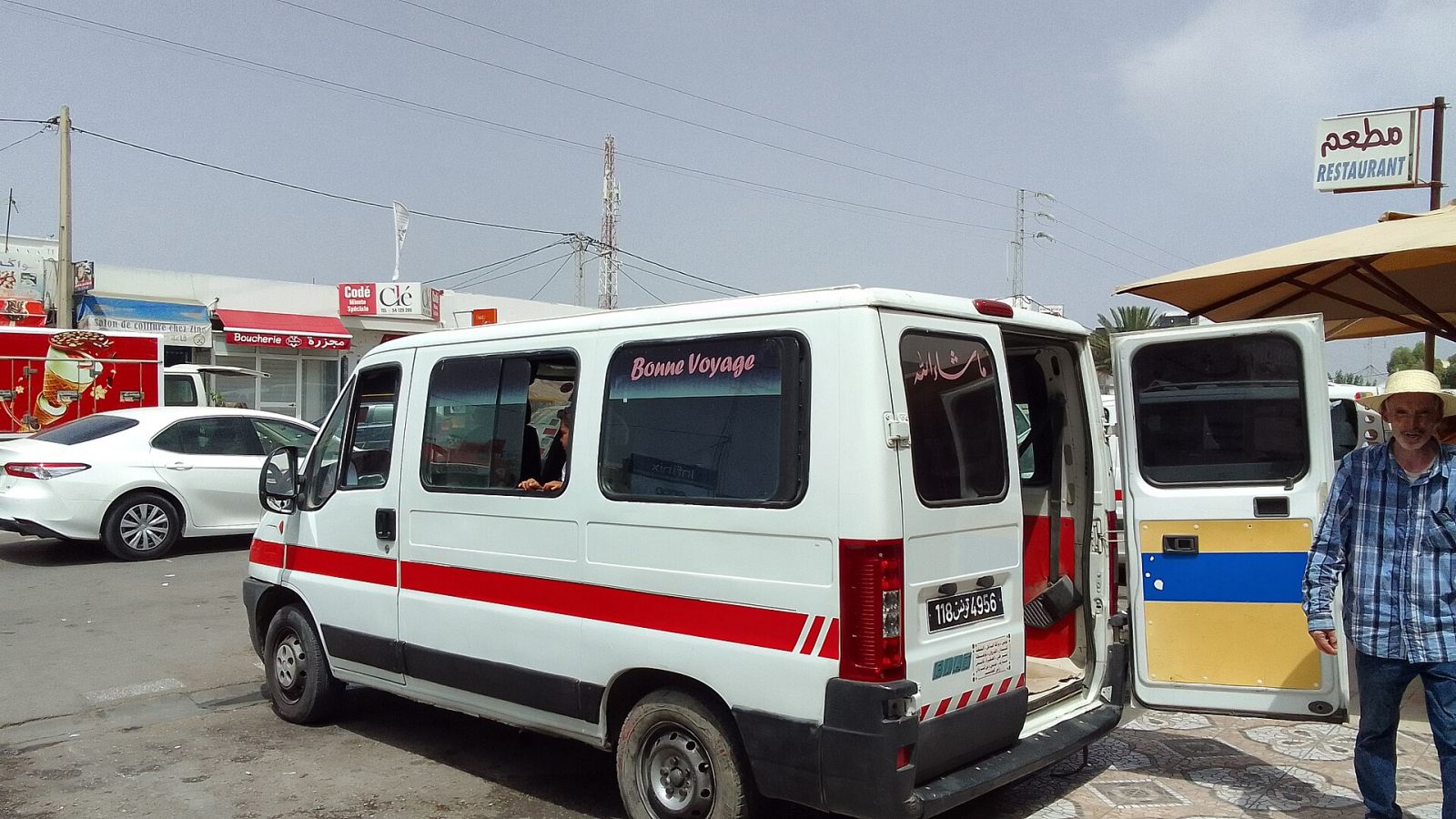
The true bloodstream of the country is the louage: an eight-seat shared minibus with no schedule at all, departing the moment it fills up. The coloured stripe on the side tells you the range: red runs between regions, blue within a region, yellow serves rural routes. Every town has a louage station, fares are fixed and tiny, and they are faster than the train. The honest downsides: a spirited driving style, and a boot that may not swallow a full-size suitcase.
City taxis are yellow and cheap, with one condition: the meter. Learn the word "compteur" first, because for tourists it tends to stay mysteriously off. If the driver refuses to switch it on, get out; the next cab is a minute away. A night tariff applies after 9 pm, which is legitimate. In the capital, the TGM suburban train beats any taxi for reaching Carthage and Sidi Bou Said.
| Transport | Best for | Honest drawback |
|---|---|---|
| SNCFT train | major coastal cities | delays, sparse timetable |
| Louage | any intercity hop | leaves when full; lively driving |
| Taxi | trips within a city | you have to insist on the meter |
| TGM train | Tunis, Carthage, Sidi Bou Said | packed at rush hour |
| Rental car | the south, the Sahara, freedom | local driving habits take adjusting to |
Entry rules: easy for package tourists, trickier solo
Tunisia is generous with visa-free entry: citizens of the EU, UK, US, Canada and dozens of other countries walk in without a visa for up to 90 days. For Ukrainians the rule has a twist that breaks the most plans: visa-free entry applies to organised tourism, meaning a tour operator voucher and a hotel booking, which is why package holidays to Tunisia involve zero visa paperwork. Fully independent Ukrainian travellers with just a flight and their own booking generally need a visa arranged through a Tunisian embassy in advance. Some solve it with a voucher from a local host agency, but that is a grey zone better not tested in person. Rules change, so verify current conditions with the Ukrainian Ministry of Foreign Affairs or the nearest Tunisian embassy before booking.
Whatever your passport, it should remain valid for at least three months beyond your departure date. You fill in a migration card on arrival; keep its stub until you fly out.
All inclusive or independent?
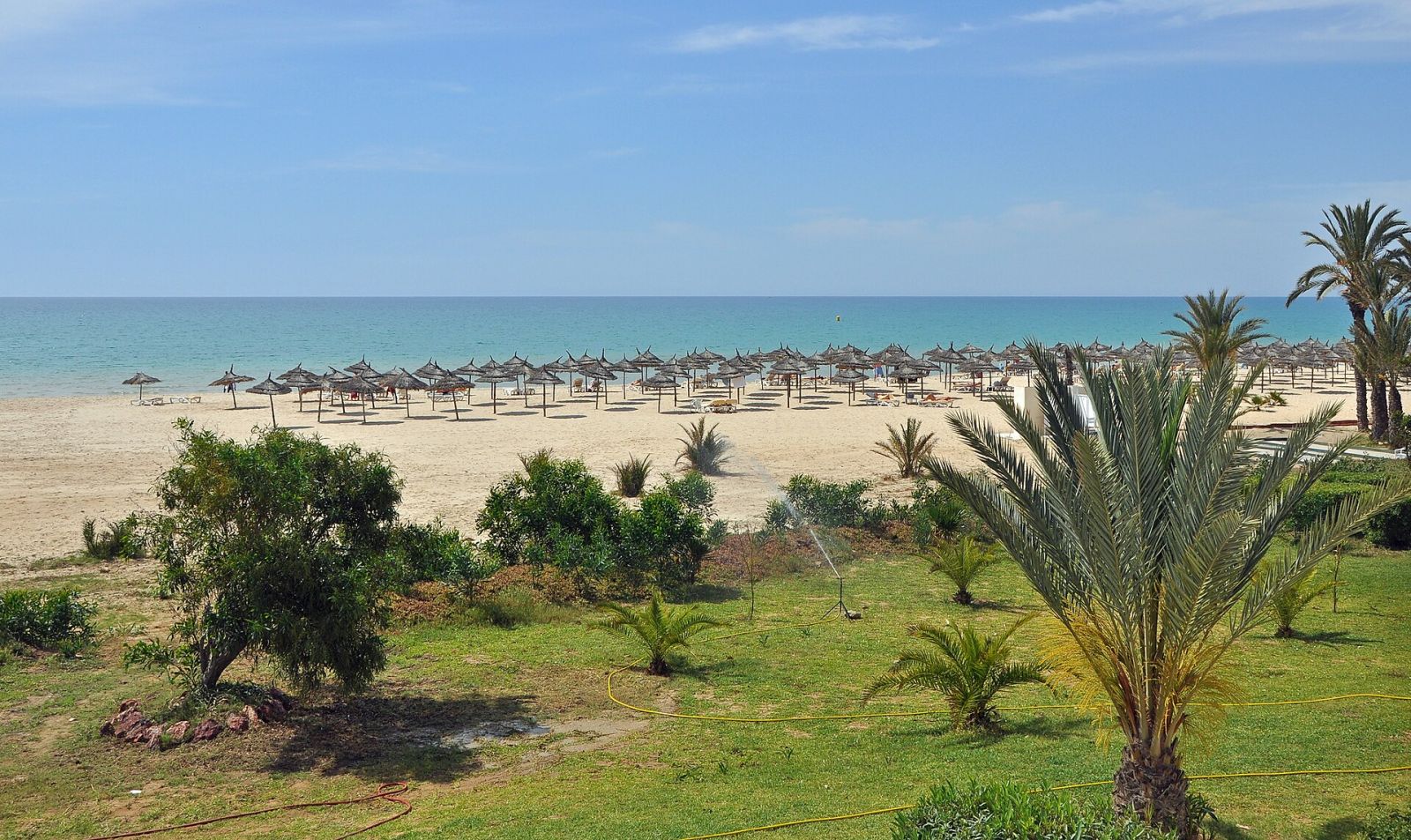
Package Tunisia means the coasts of Hammamet, Sousse, Monastir and Djerba: hotels with thalassotherapy spas, entertainment crews, buffets. On a price-to-sea ratio it is one of the best value corners of the Mediterranean, and for a "decide nothing for a week" holiday the format works flawlessly. There is just one problem: from inside that bubble you see none of the actual country.
Independent travel opens a different Tunisia: medinas without animation teams, lablabi for pocket change, Kairouan and El Jem without queues. Transport is cheap, lodging runs from guesthouses to boutique hotels in old medinas, English is scarce but French opens every door. The compromise most worth recommending: a beach package plus two- or three-day excursions, one to the desert with an overnight and one to the capital region. The sea will still be there; the memories come from the part without the buffet.
Safety: what to actually worry about
Tourist police are visibly present in the resort zones, hotel grounds are guarded, and daytime Tunisia feels calmer street-wise than plenty of southern European cities. The real risks are mundane: pickpockets in crowded medinas, insistent "helpers" who show you the way and then request payment, and tourist mark-ups at the markets. Haggling is the norm; open at a third of the quoted price and keep it friendly.
Women find it more comfortable to cover shoulders and knees away from the beach zone: not because of any prohibition, but to dial down the attention. During Ramadan, eating and drinking on the street in daylight is impolite, and cafes outside the resorts close during the day. And the classic: drink bottled water, and rinse fruit with it too.
When to go: seasons without illusions
The swimming season runs from mid-May to mid-October. The velvet months are June and September: warm sea, no furnace. July and August suit those who genuinely tolerate thirty-five plus in the shade; excursions in that heat become endurance events. April and October are sightseeing time, with the sea still or already cool. Winter is mild, around fifteen degrees by day in the north; hotels run heated pools and thalasso programmes, and desert tours are at their absolute best. The cheapest packages, incidentally, are winter ones too.
The bottom line of any honest Tunisia travel guide: this is a rare mix of a short flight, low prices and a country that works both as a sun lounger and as an adventure. Sort out the dinar and the entry rules at home, insist on the taxi meter, and everything else turns out easier than you expected.