

The first thing to know about Tunisian food: it is hot. Not "pleasantly spiced for the Mediterranean" but genuinely fiery, because harissa sits on every table where other countries keep ketchup and finds its way into almost every dish. Tunisian cuisine blends a Berber base, Arab spices, French technique and an Italian-grade obsession with tuna and tomatoes, which is why it tastes nothing like Moroccan or Egyptian cooking. Here are six things you absolutely have to try, with honest pointers on where Tunisians themselves go for them.
Brik: a crispy triangle with a runny yolk
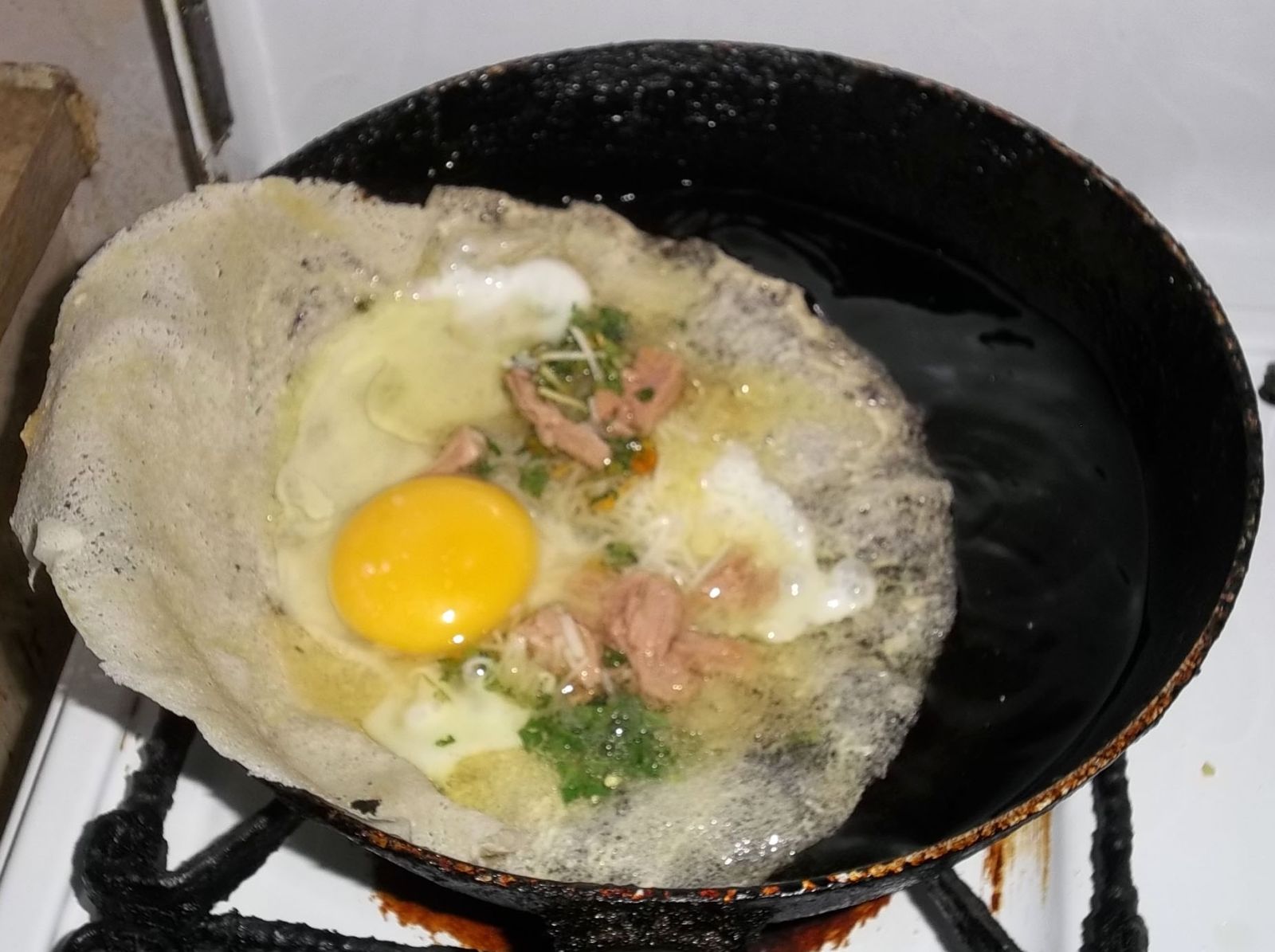
The country's calling card and the best first test. Paper-thin malsouka pastry is folded into a triangle around an egg, tuna, capers and parsley, then flash-fried in bubbling oil for mere seconds. A proper brik crackles like autumn leaves while the yolk inside stays liquid. You eat it with your hands, starting from a corner, and the first bite requires technique: lean forward, or the yolk ends up on your shirt.
Where to get it: not at the hotel buffet, where the brik went cold and leathery hours ago, but at simple eateries near the markets, fried in front of you. It costs pocket change, and the difference is like a fresh croissant versus yesterday's.
Tunisian couscous: with fish, not lamb
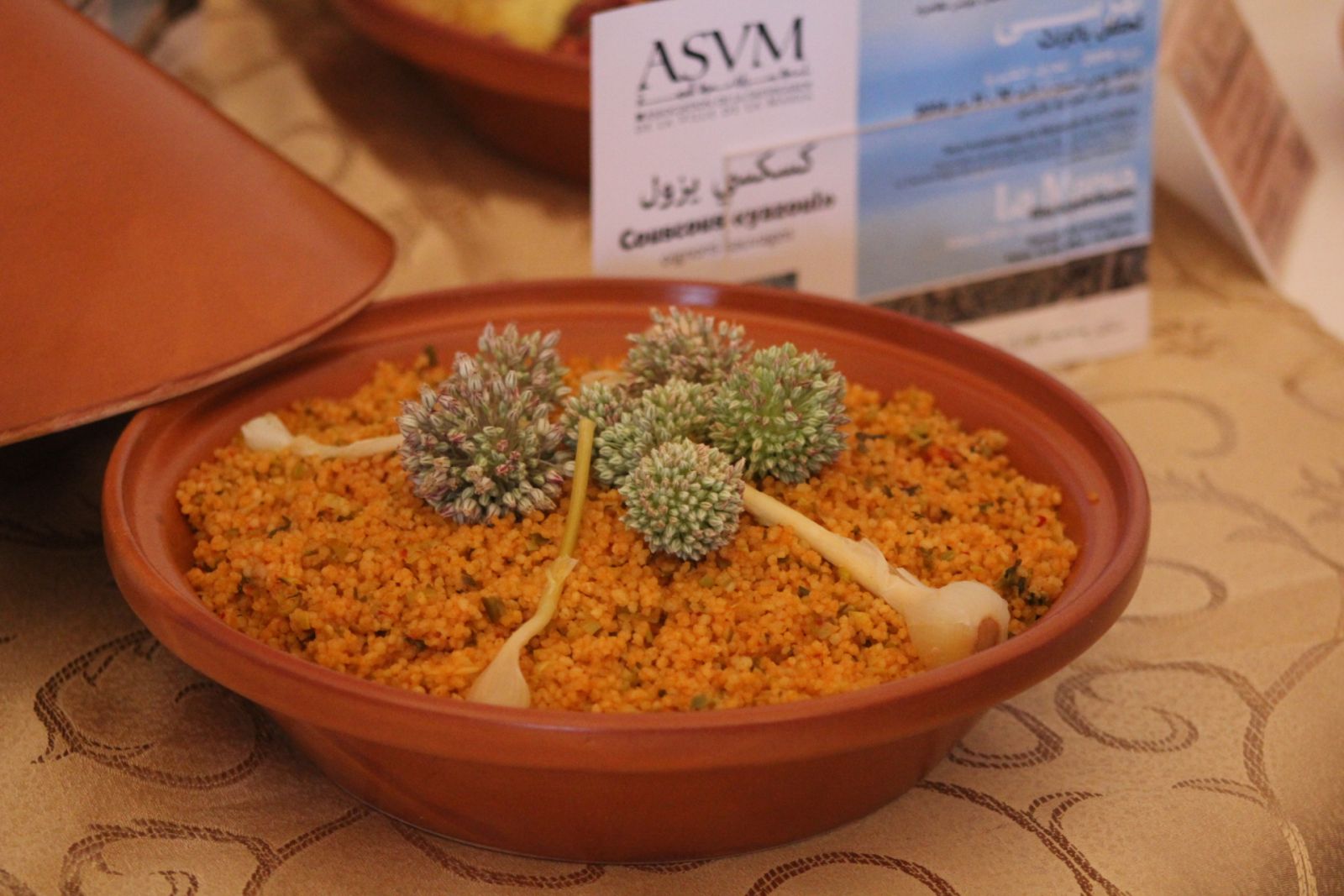
Couscous is eaten across the Maghreb, but the Tunisian version stands apart in two ways. First, it is red: the grain is steeped in tomato paste and harissa, while Moroccan couscous stays golden. Second, the coastal classic is couscous with fish, a whole sea bass or grouper, not just lamb or chicken. In seaside towns like Sfax or Mahdia, fish couscous is the Sunday family dish, and many restaurants only cook it on certain days.
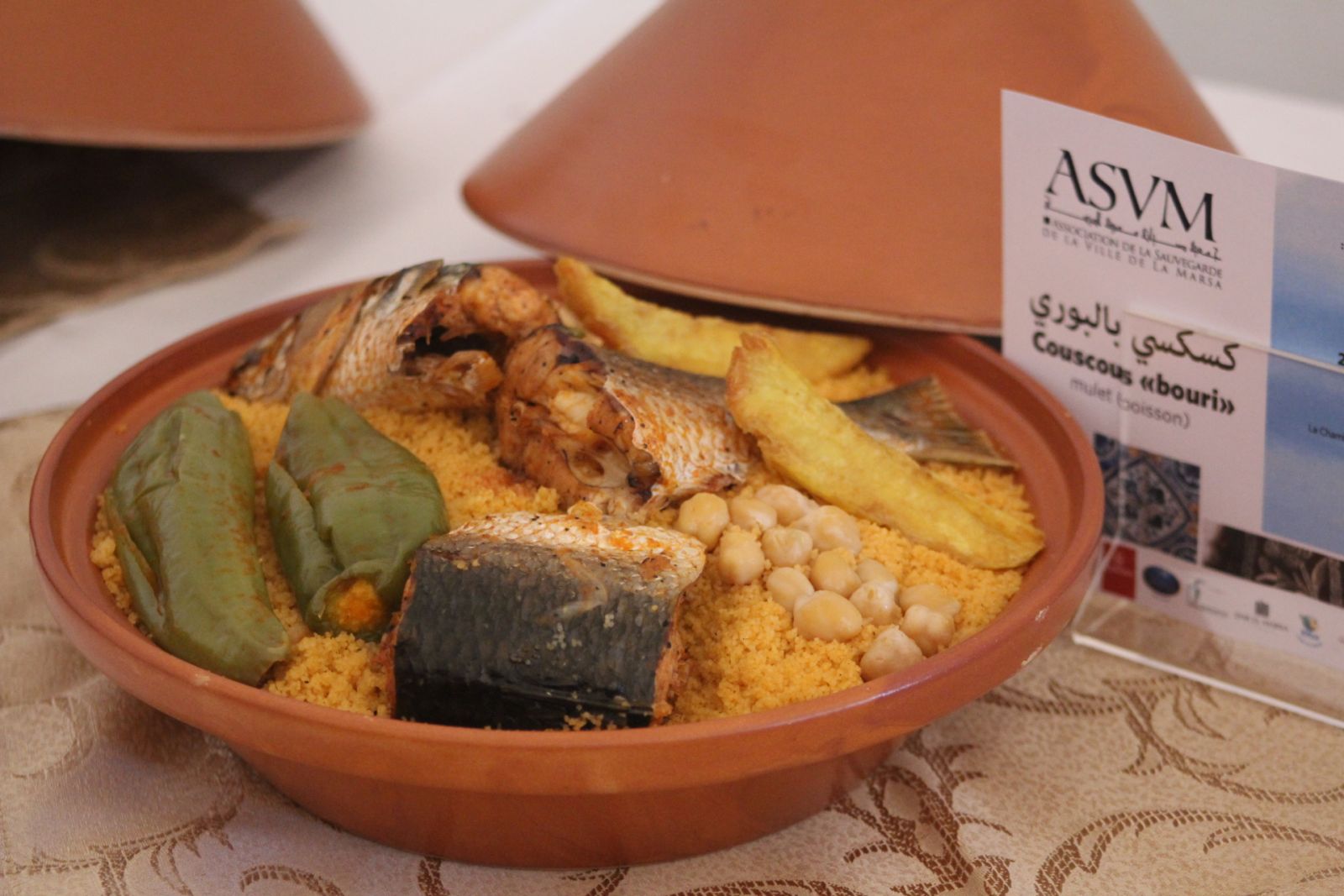
The advice is simple: order couscous wherever locals are queueing, and do not be alarmed by the portion. This is a dish you conquer rather than finish.
Harissa: the paste that made the UNESCO list
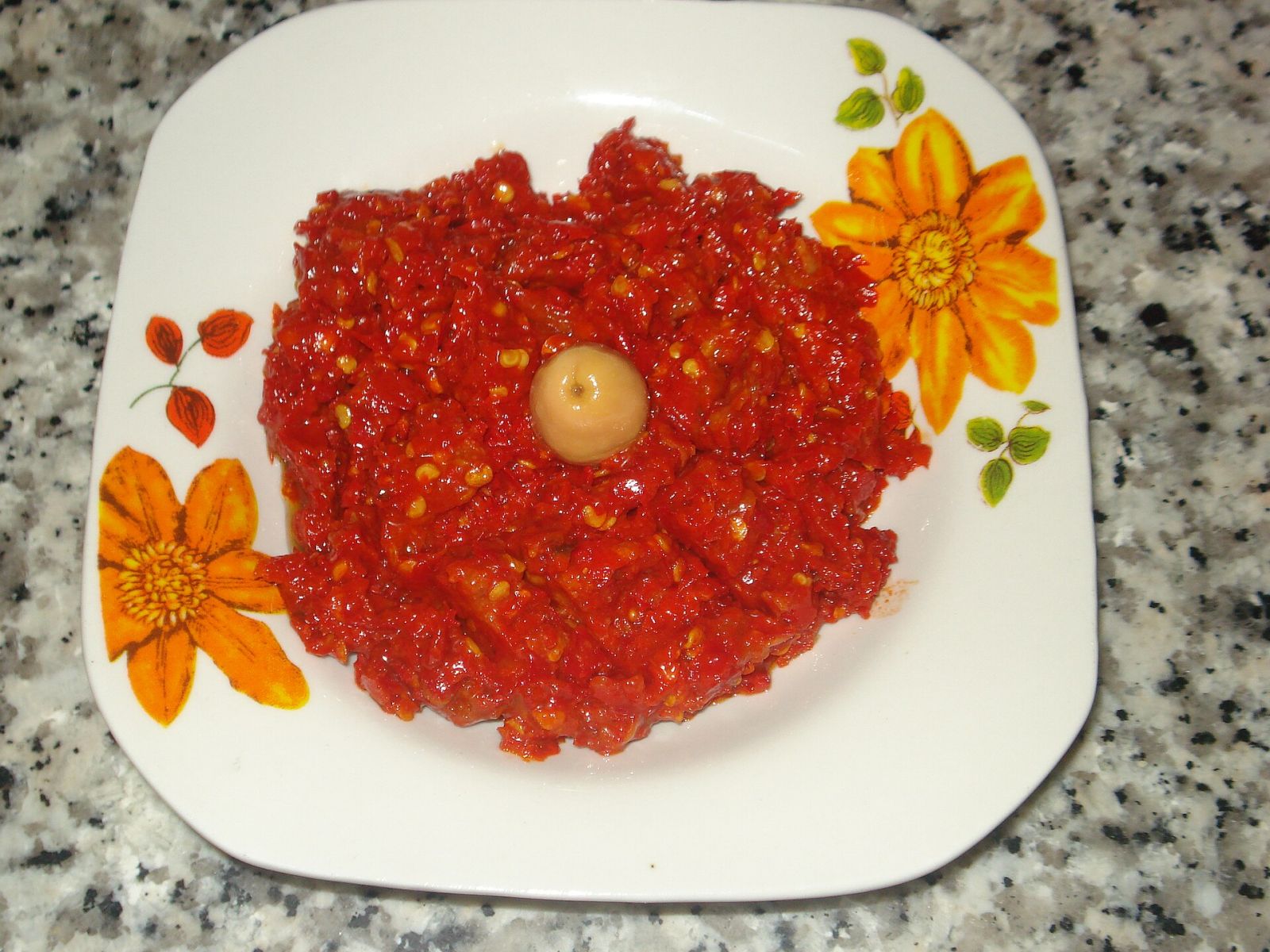
A fiery paste of sun-dried red peppers, garlic, cumin and coriander: not merely a condiment but a national symbol. In 2022 harissa was inscribed on the UNESCO Intangible Cultural Heritage list, rituals of preparation and all. The finest harissa comes from the Cap Bon peninsula, where peppers are still dried in the sun on rooftops.
Cafes serve it in a small saucer with olive oil and tuna before you even order; dipping bread into it is the legitimate warm-up before lunch. Skip the souvenir tubes at duty free and bring home market jars or glass containers labelled Cap Bon instead. Dose it carefully: real Tunisian harissa is noticeably meaner than the supermarket versions sold in Europe.
Lablabi: the workers' breakfast turned cult dish
The most honest dish in the country. Stale baguette is torn into a deep bowl, drowned in hot chickpea broth with the chickpeas themselves, then topped with harissa, cumin, olive oil, tuna and a soft egg. It looks like a mess, costs about as much as a metro ride, and warms you better than any soup. In winter, when northern Tunisia turns damp and windy, people eat lablabi for breakfast beside the markets, standing up, from disposable bowls.
This is a case where the decor of the place is inversely proportional to the flavour. The scruffier the joint, the better the lablabi. Tourist restaurants often do not list it at all, which tells you exactly who they cook for.
Makroud: date-filled diamonds from Kairouan
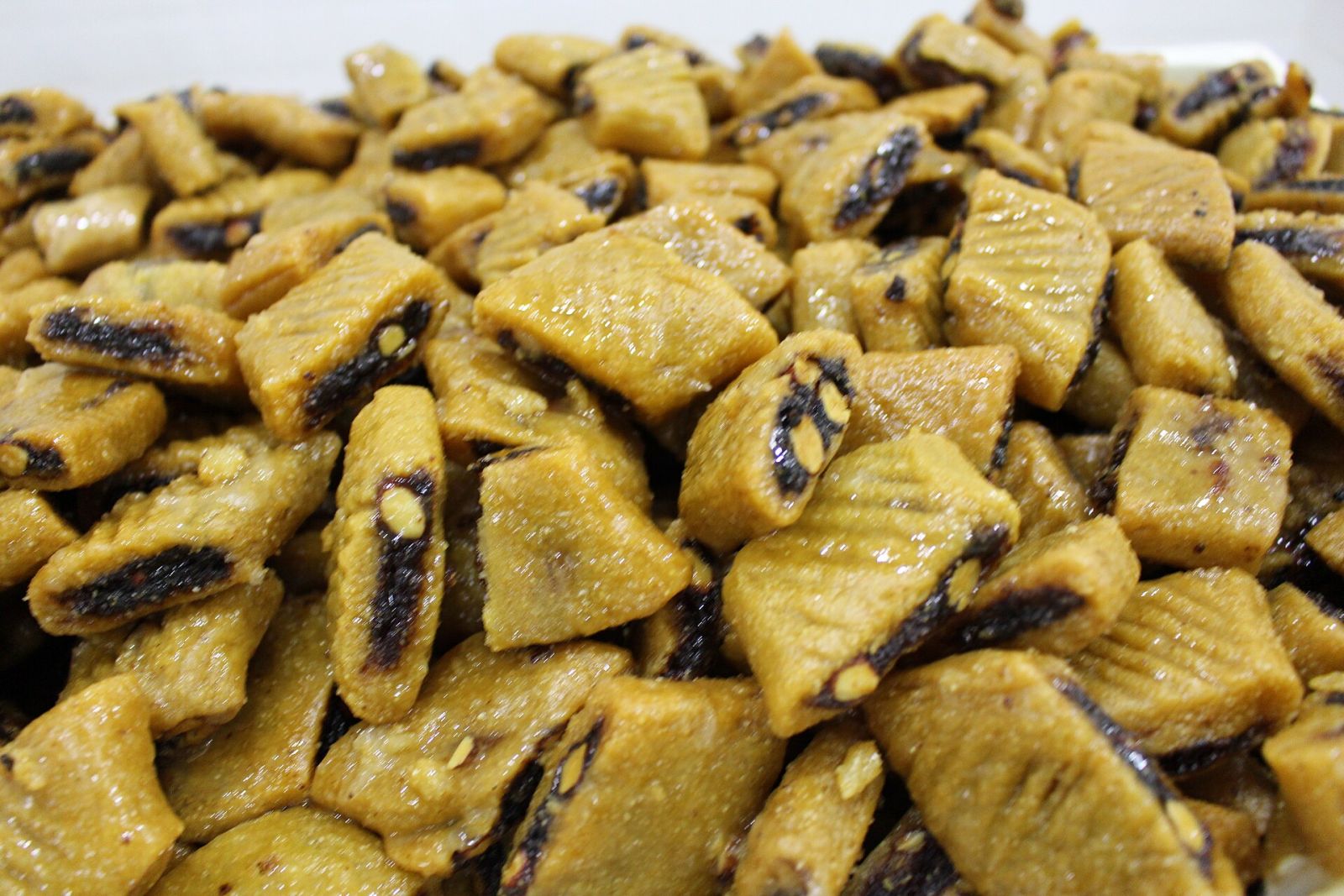
Tunisia's flagship dessert was born in the holy city of Kairouan and is still at its best there. Diamonds of semolina dough are stuffed with date paste, fried, then soaked in honey syrup. Sounds simple, but a fresh makroud from a stall near the Great Mosque and a boxed one from a supermarket are two different desserts. The first melts; the second squeaks.
Buy it by weight, still warm, and take less than you crave: makroud is dense and very sweet, and two pieces with tea already count as a full dessert. Whole family dynasties trade in it around Kairouan, and vendors happily let you taste before buying.
Mint tea with pine nuts: the finale of every meal
Green tea is brewed strong with sugar and fresh mint, and a small handful of pine nuts goes straight into the glass. They float at first, then soak up the tea and sink: drink the tea, then eat the nuts with a little spoon. This is no tourist gimmick but a daily ritual; in any cafe across the country, men linger over these glasses for hours.
The canonical spot for your first glass is Café des Nattes in Sidi Bou Said, seated on woven mats above the blue and white lanes. Yes, it is touristy. The tea is still the real thing.
What else to order once you are hooked
- Ojja: shakshuka's close cousin, eggs in a peppery tomato sauce, often with merguez, the spicy lamb sausage.
- Salade mechouia: fire-roasted peppers and tomatoes chopped with garlic, topped with tuna and egg. Served cold, tastes of smoke.
- Fricassé: a small fried bun stuffed with tuna, potato, olives and harissa. The number one street snack.
- Bambalouni: a sugared doughnut fried in a cauldron of oil right on the street. Eat it hot, while it still crackles.
- Merguez: spicy grilled sausages, best with tabouna bread from a clay oven.
Hot or not: a quick orientation
| Dish | Heat level | When and where |
|---|---|---|
| Brik | mild, harissa optional | lunch, eateries near markets |
| Fish couscous | medium | lunch in coastal towns |
| Lablabi | hot, you control the harissa | breakfast, no-frills joints |
| Ojja with merguez | hot | lunch or dinner, anywhere |
| Makroud | sweet dessert | Kairouan, by weight from a stall |
| Tea with pine nuts | no heat | after every meal |
Practical details that will save you some nerves
Alcohol is legal in Tunisia but sold in limited places: licensed restaurants, hotel bars and dedicated shops, with tighter rules during Ramadan. Local Celtia beer and the herbal soda Boga are the street food classics. Tap water is technically drinkable in the big cities, but a traveller's stomach fares better on bottled. Prices at local eateries are a pleasant shock after Europe: a full lunch costs about what a coffee and cake would in most EU capitals, though in the resort zones the bill easily triples. Above all, Tunisian food reveals itself not in hotel restaurants but in places where the menu is chalked up in Arabic only. Point at whatever the next table is eating: that method has never failed anyone yet.