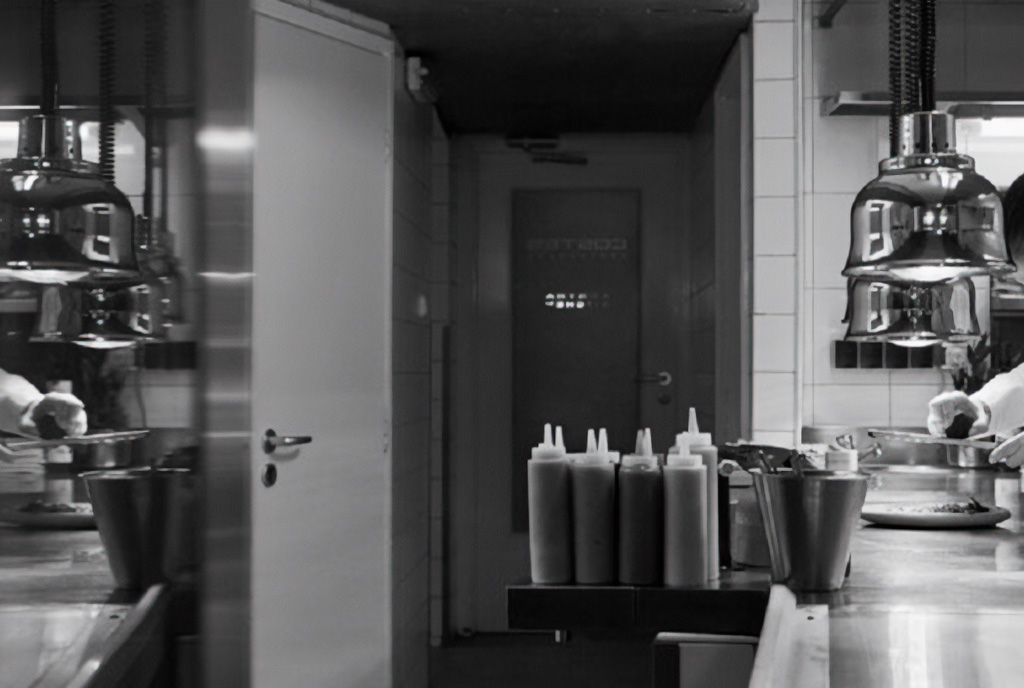


Hungary isn't a country famous for cutting-edge cooking. It's better known for hearty meat stews, creamy soups, plum dumplings and deep-fried dough.
So when Costes became the first Hungarian restaurant to earn a Michelin star in 2010, it marked a dramatic shift in the nation's culinary habits, sparking a countrywide movement toward lighter, more inventive takes on traditional dishes.
Leading that movement is Eszter Palagyi, the chef at Costes, who was named Chef of the Year by Hungary's Dining Guide in 2016.
Partner links: booking through them supports the blog at no extra cost to you.

"Ten years ago, it was impossible to get good-quality meat or good-quality vegetables," she says. "We had to buy so many products from France."
Now, thanks to Hungary's culinary revolution, top-quality cheeses, meats and vegetables are easy to source locally.
Stay local and seasonal

That's one of the things that sets Costes apart. Guests can order duck from Hungary's Kunsag region, marinated in Tokaji wine from vineyards in the country's northeast, or catfish from Lake Ferto, which sits on the border between Austria and Hungary.
Local ingredients are what give the food its traditional flavor. If you served truffles imported from Europe's major suppliers, such as France, Italy or Spain, rather than from Hungary itself, the taste would be different, Palagyi says.

That means the menu is dictated by the seasons. But for Palagyi, who draws inspiration from her grandmother's kitchen, that's exactly how it should be.
"They didn't have a supermarket where you could go and buy, say, apples all year round," she says.
Childhood memories guide Palagyi's cooking, as she hopes to give her diners a taste of home. She remembers peeling potatoes for her father, or picking apples, fermenting them and storing them away to eat in winter.
"I believe that when someone comes to Costes, they feel special... and they get more than just food and dinner," she says. "They also get an experience, and they take away a little piece of our history. I hope they fall in love with our country and our food, too."

Traditional cooking with a twist
This month, Costes' seven-course tasting menu, which costs around $150 per person, features Hungarian caviar, a traditional fisherman's soup and potato dumplings.

"I love her playful, creative approach," says Zsofia Mautner, a Hungarian food blogger and author, of Palagyi. "Her cooking these days really presents classic Hungarian dishes in a very creative way."
Mautner explains that heritage recipes lie at the heart of "new Hungarian cuisine." She says the movement, which began around 2007, means traditional food but with "lighter dishes, new culinary techniques, research and the use of high-quality local produce, and creative plating."

When Palagyi joined Costes, she steered the menu back to its roots, away from the international cuisine created by Portuguese chef Miguel Rocha Vieira, who now runs the sister restaurant Costes Downtown, another of Budapest's four Michelin-starred Hungarian restaurants.
There's also the two-star Onyx, which offers a tasting menu called "Within Our Borders" that includes turo rudi, a popular Hungarian sweet resembling a chocolate bar but filled with a cheese-like milk cream, and the restaurant and wine bar Borkonyha, which serves lamb goulash.
Building a career

Palagyi studied at a culinary school in Budapest before moving to Ireland to train at the Mount Falcon Country House hotel.
"I remember my first day in the kitchen," she says. "In the first hour, I cut my finger; I didn't know how to use a knife. Now I think I'm starting to know the ingredients and understand how I can work with them perfectly and how I can get the most out of them."
But her career took off fast. At just 32 years old, Palagyi has already won Hungary's Chef of the Year title three times, and under her leadership Costes has been named Restaurant of the Year three years running while maintaining its Michelin-star standards.
She insists she never set out to win awards, but that "one opportunity led to another and so on, so I never really realized how far I'd come."
"I never had the time to stop and say, 'Wow, well done,'" she says.