

Here is the short answer: the best thermal spa resorts in Europe are, first of all, in Hungary, followed by Slovakia, Slovenia and Austria. Budapest is called the city of baths for a reason, since dozens of hot springs run beneath it, so at Szechenyi alone you can swim outdoors in winter while steam rises off the water and the thermometer sits below zero. And here is the counterintuitive part. Thermal resorts are best visited in winter rather than summer, because the contrast between cold air and hot water is exactly the thing people come for.
Below we cover what thermal water actually does for you, when to plan the trip, roughly how much it costs and how travellers from Ukraine can get there. Prices and opening hours are approximate and change every season, so check the current details on the baths' own websites before you go.
Why are thermal resorts good for you?
Thermal water is not just a heated pool. It comes up from deep underground already hot and packed with minerals: sulphur, calcium, magnesium, bicarbonates, sometimes trace amounts of radon. The mineral profile is what decides where you should go. Sulphur springs are traditionally recommended for joint and skin issues, bicarbonate water eases tired muscles, and simply lying in warm water melts away stress better than any spa treatment.
Partner links: booking through them supports the blog at no extra cost to you.
What a thermal resort really gives most visitors:
- Joints and back. Warm mineral water relaxes you, and the water pressure takes the load off your spine. After a few days many people find moving around easier.
- Recovery after strain. Athletes and people who sit at a desk all day come here precisely for this.
- Skin. Sulphur and salt springs often help with dermatitis, though it is wise to talk to a doctor first.
- Nerves and sleep. The most underrated effect. Hot water, silence, steam over the surface, and a week of tension simply dissolves.
One thing the brochures skip over. Thermal water has contraindications. With heart conditions, pregnancy, acute inflammation or high blood pressure a hot bath puts strain on the body, so sitting in it for hours is a bad idea. A sensible routine is 15 to 20 minutes, then a break.
Where exactly to go: the main destinations
Hungary: Budapest and Heviz
Hungary is the undisputed number one, and Budapest is in a league of its own. The thermal baths here are not a tourist attraction but part of everyday local life.
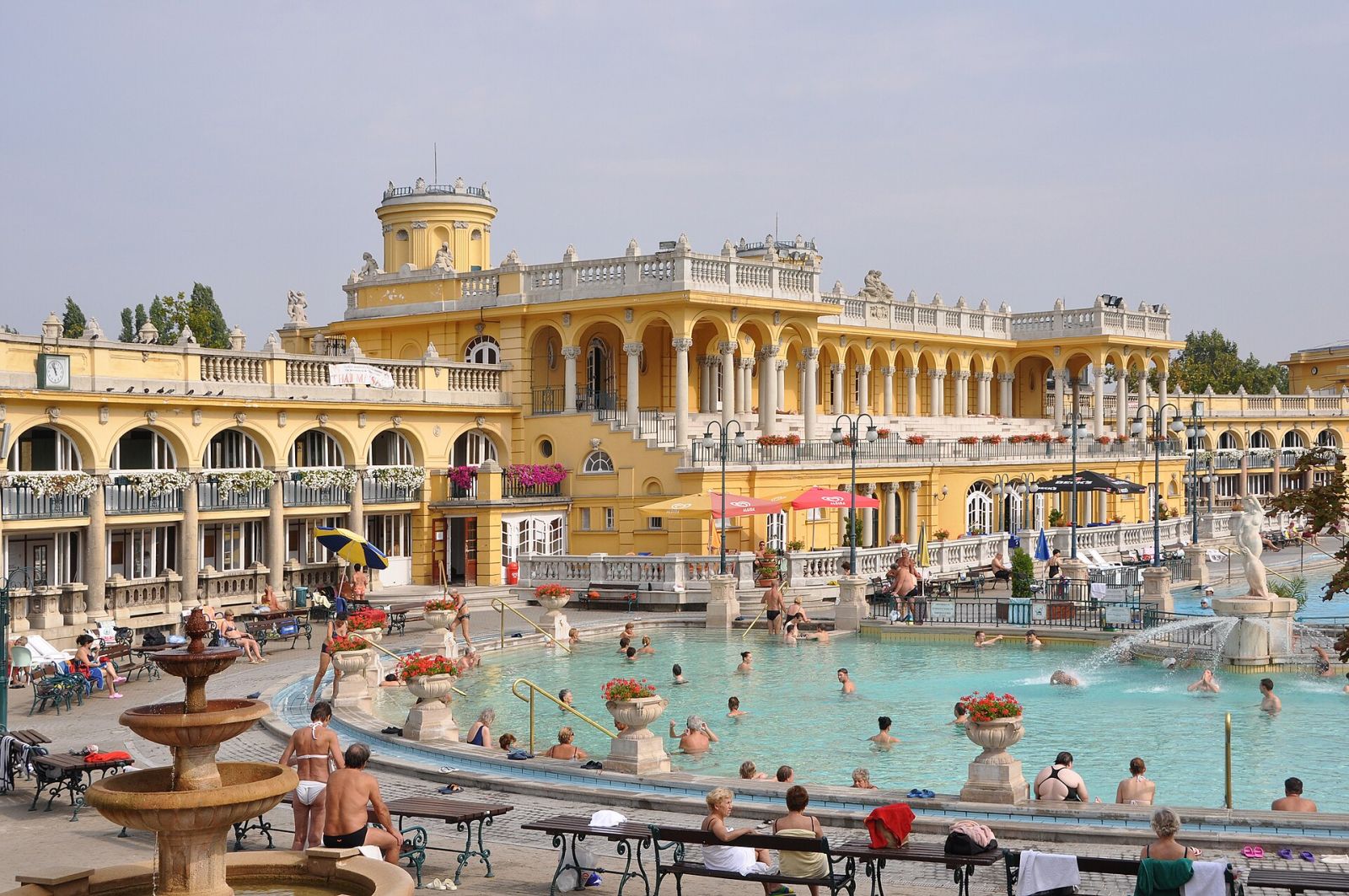
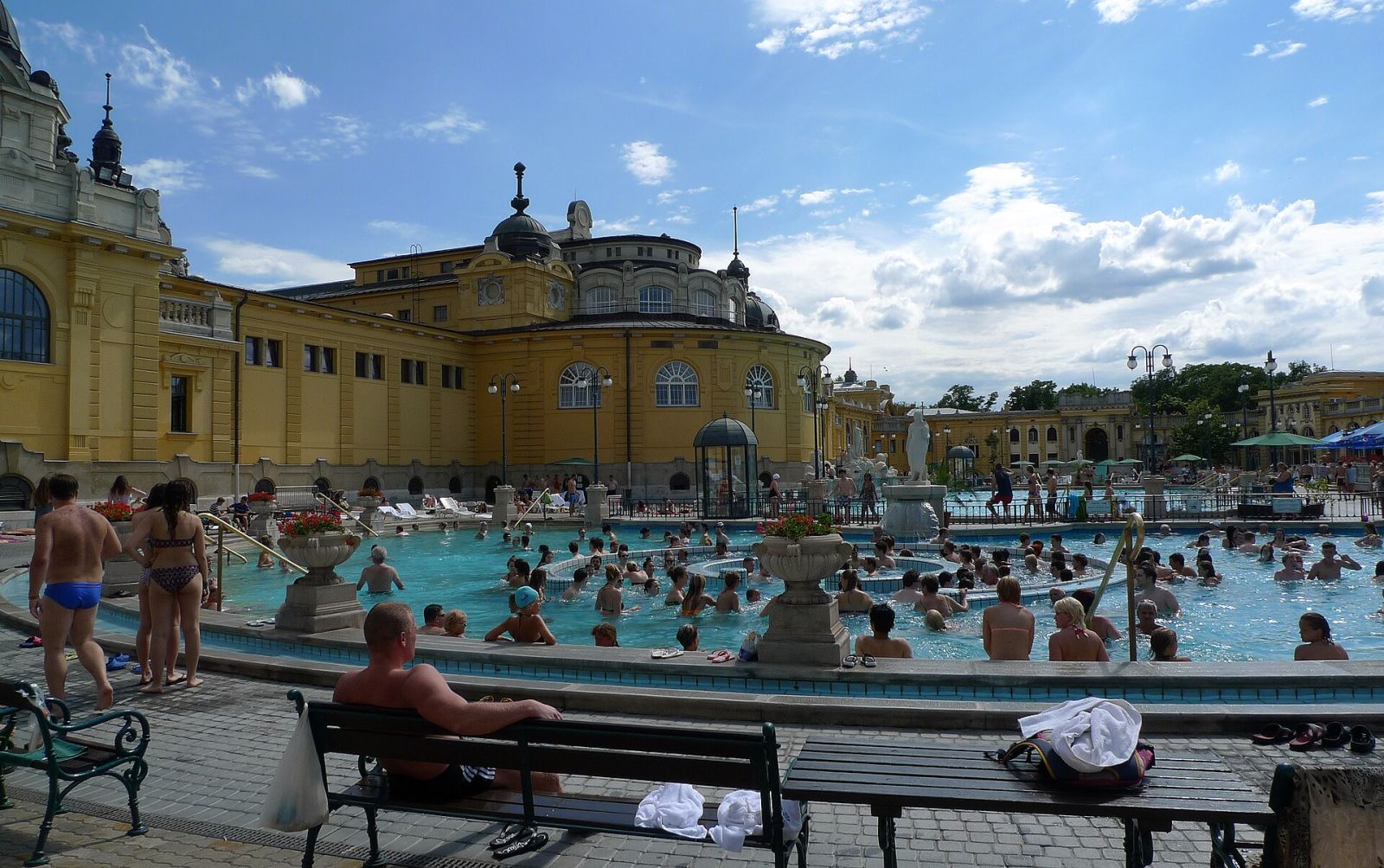
- Szechenyi. The largest and most famous bath in Europe, those iconic yellow buildings and open-air pools where people swim in the steam all winter. Inside there is another dozen indoor pools at different temperatures. Locals come to play chess right in the water.
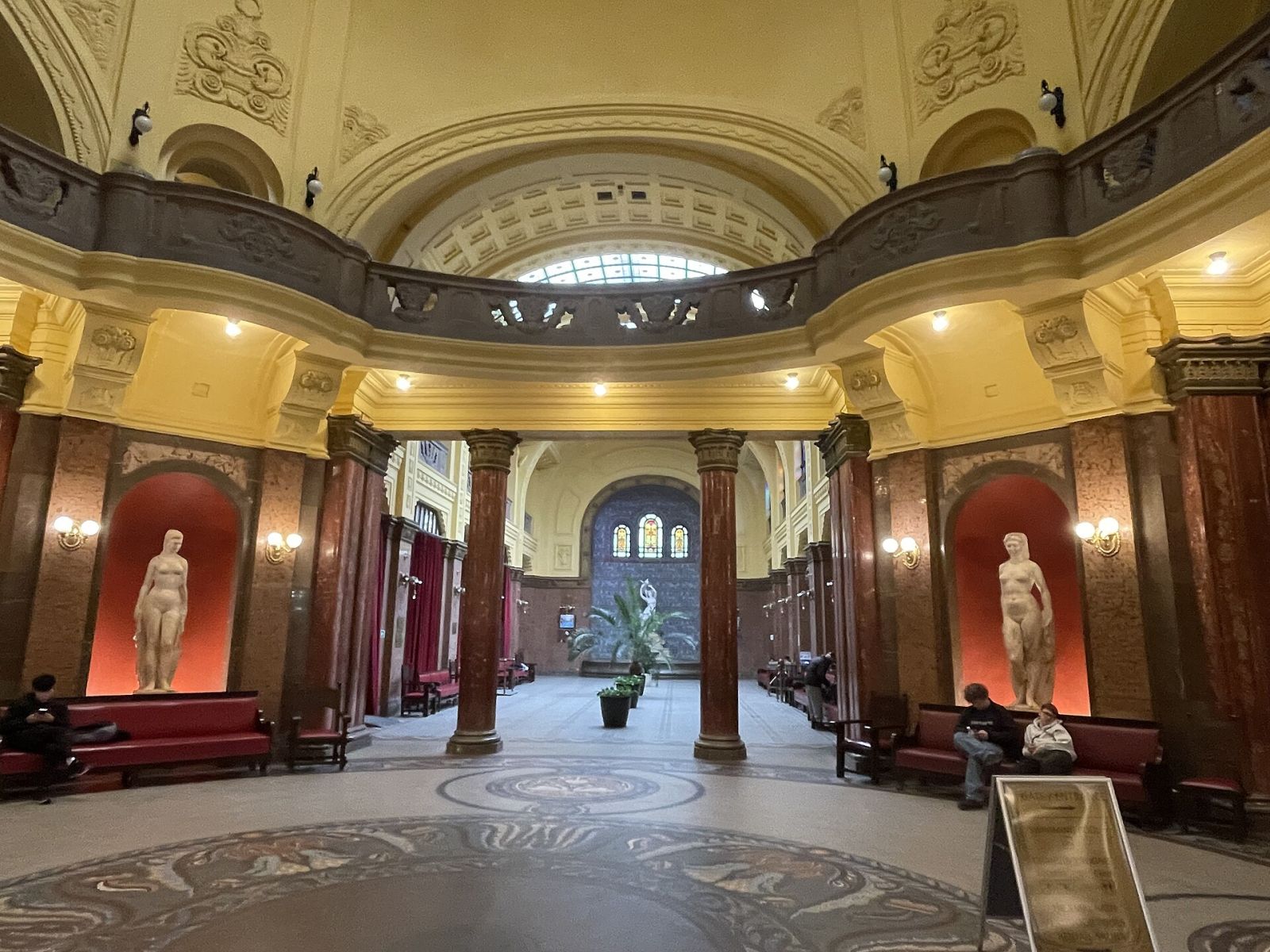
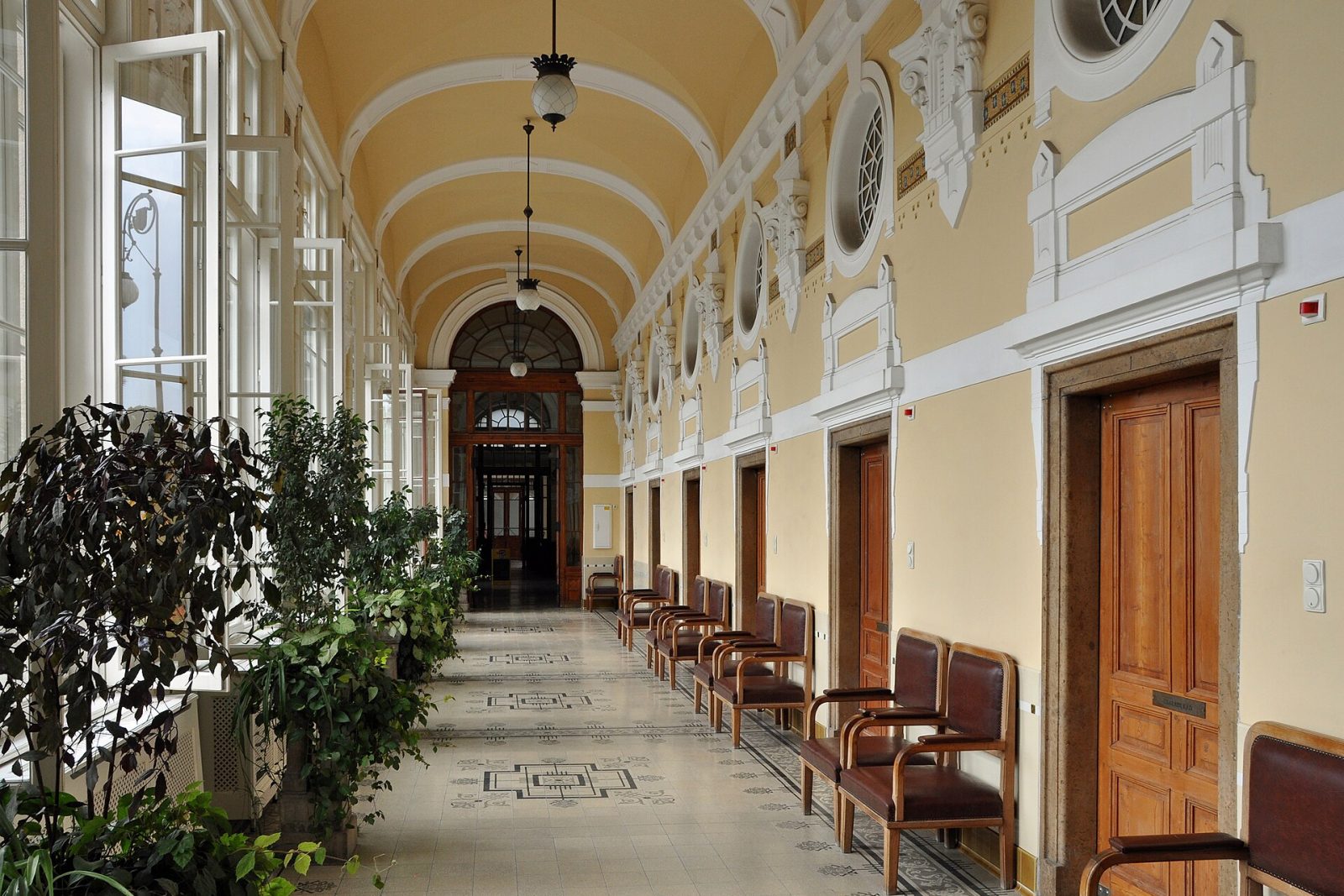
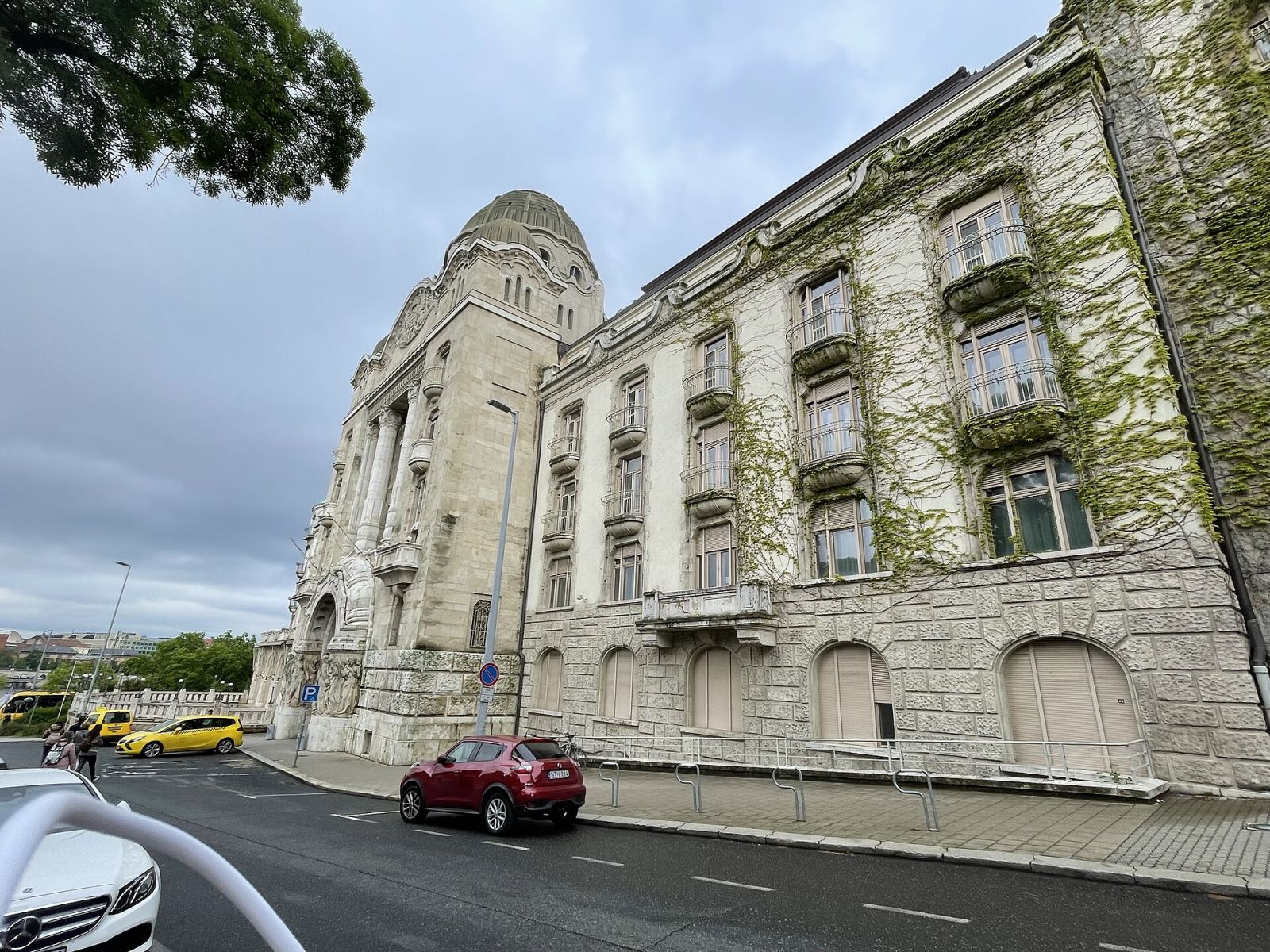
- Gellert. An Art Nouveau bath with mosaics and stained glass, more atmospheric and intimate than Szechenyi. People come here for the beauty of the interior rather than the scale.
- Heviz. A separate wonder three hours from Budapest. It is the largest thermal lake in Europe that you can actually swim in: a huge natural crater of warm water where you float among water lilies even in January. The water fully renews itself every few days, and you bathe right in the lake, not in a pool.
If you only get one chance to see what thermal Europe is about, choose Hungary.
Slovakia: Aphrodite in Rajecke Teplice
The closest full-scale thermal resort to Ukraine. Aphrodite in the small town of Rajecke Teplice is a thermal water park in the classical style: columns, statues, cascading pools at different temperatures. Less glamour than Budapest, but it is closer and noticeably cheaper. A solid weekend option when you do not want a long journey.
Slovenia: small but thermal
Slovenia is underrated, and that is a shame. The country is tiny, yet it has a dozen thermal resorts, all well kept. The best known are Terme Catez and Rogaska Slatina. These are no longer just baths but proper medical spa complexes with treatments, so people come for several days rather than a single dip. Add mountains and caves nearby, and the trip pairs easily with nature.
Austria: Bad Bleiberg and the Alpine format
The Austrian take on thermal resorts means cleanliness, quiet and mountains outside the window. Bad Bleiberg in Carinthia is known for its mineral-rich thermal water and a special healing gallery inside a former mine, where visitors breathe the therapeutic air. Pricier than the neighbours, but the level of service matches. It pairs perfectly with a ski holiday: the slope in the morning, hot water in the evening.
When to go? Why winter is the answer
Thermal resorts are a rare case where winter is genuinely the better season. In summer, sitting in hot water under the sun defeats the purpose and the whole point of the contrast disappears. But from December to February everything lines up. Frost all around, steam over the water, your body warm, and that contrast delivers the sharpest sensation.
There is a practical bonus too. A thermal resort stitches together neatly with Christmas markets and skiing, which also fall in winter. A day on the slope or at the market, then the evening ends in a hot pool. Prices and crowds peak over the New Year holidays, so for peace and quiet aim for mid-January or February.
How much does it cost and how to get there?
Here is the key information in one table, so the character of each destination is clear. Prices are approximate, and for exact figures and opening hours always check the bath's official website before your trip.
| Resort | Country | What makes it special |
|---|---|---|
| Szechenyi | Hungary | Largest bath in Europe, open-air winter bathing in the steam |
| Gellert | Hungary | Art Nouveau bath, mosaics and stained glass, intimate atmosphere |
| Heviz | Hungary | Largest thermal lake in Europe, bathing among water lilies even in winter |
| Aphrodite (Rajecke Teplice) | Slovakia | Closest to Ukraine, classical style, cheaper and easier to reach |
| Terme Catez, Rogaska | Slovenia | Medical spa complexes with treatments, mountains and caves nearby |
| Bad Bleiberg | Austria | Alpine level of service, healing mine gallery, skiing nearby |
On money, the picture looks roughly like this. Entry to the Budapest baths runs around 30 to 40 euros a day, while Slovakia's Aphrodite is noticeably cheaper. The Slovenian and Austrian complexes cost more, because they are already about several days with treatments and accommodation. For a week for two, Slovakia and Hungary come out cheapest, Austria the priciest.
How travellers from Ukraine get there. The most logical route is overland across the western border. Budapest is an easy bus or train ride through Zakarpattia, taking about a day from Ukraine. Slovakia is even closer, and you can reach Rajecke Teplice in a single day by car or bus. Slovenia and Austria are further, usually a flight from a neighbouring country or a long overland trip through several states. All of these destinations require a Schengen visa, so sort the paperwork out in advance and check the latest entry rules before you leave.
The takeaway is simple. If you want the classic and the scale, head to Budapest for Szechenyi and Gellert. If you dream of a real thermal lake, go to Heviz. If you need something closer and cheaper, look at Slovakia's Aphrodite. And for quiet, treatments and Alpine views, set off for Slovenia or Austria. The best time for any of these is winter, when the hot water and the frost around you work as a pair. Above all, verify current prices and opening hours right before you book.