


Given that the very first "barbecue" may well have taken place in Africa, the continent has a fair claim to having invented cooking itself.
Yet African food, especially the dishes that come from regions south of the Sahara, is still underrepresented on the world's culinary stage.
From humble corn and grain porridges and root vegetables that form the backbone of many diets, to grand celebratory feasts like biryani, tagines, stews and fragrant curries, Africa's favorite dishes offer something for every palate.
Partner links: booking through them supports the blog at no extra cost to you.
This article focuses on regional dishes you can enjoy in some of the most popular travel destinations.
Pap en vleis / Shisa nyama, South Africa
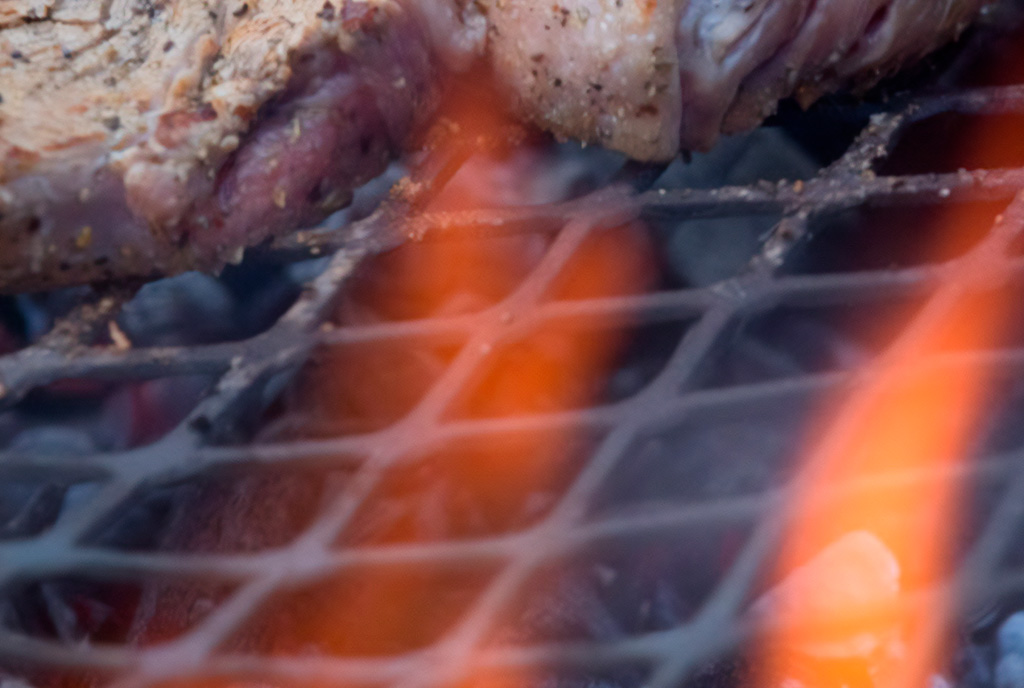
Grilled meat and corn porridge is a combination adored across many South African cultures, and especially in South Africa, where the braaivleis is a treasured institution and practically a national sport.
"Pap en vleis" (literally "corn porridge and meat") is a colorful catch-all term covering just about any pairing of a starch with grilled or braised meat, always served with a spicy sauce, relish or chakalaka.
Shisa nyama, which means "burn the meat" in Zulu, has come to describe a festive "bring and grill" gathering; shisa nyama restaurants often sit right next to butcheries, so guests can pick out their own cut and have it cooked to order over blazing wood fires.
Chops, steak, chicken, kebabs and boerewors, a farm-style sausage typically packed with coriander and other spices, are served alongside corn porridge in various forms, including phutu and stywe pap, krummelpap (crumbly porridge) and suurpap (sour porridge).
Add a local beer and you have South Africa on a plate.
Peri-peri chicken, Mozambique
Mozambican cuisine is a heady blend of African, Portuguese, Eastern and Arab flavors: think fragrant spices, fiery peri-peri and creamy coconut sauces with hints of cashew and peanut.
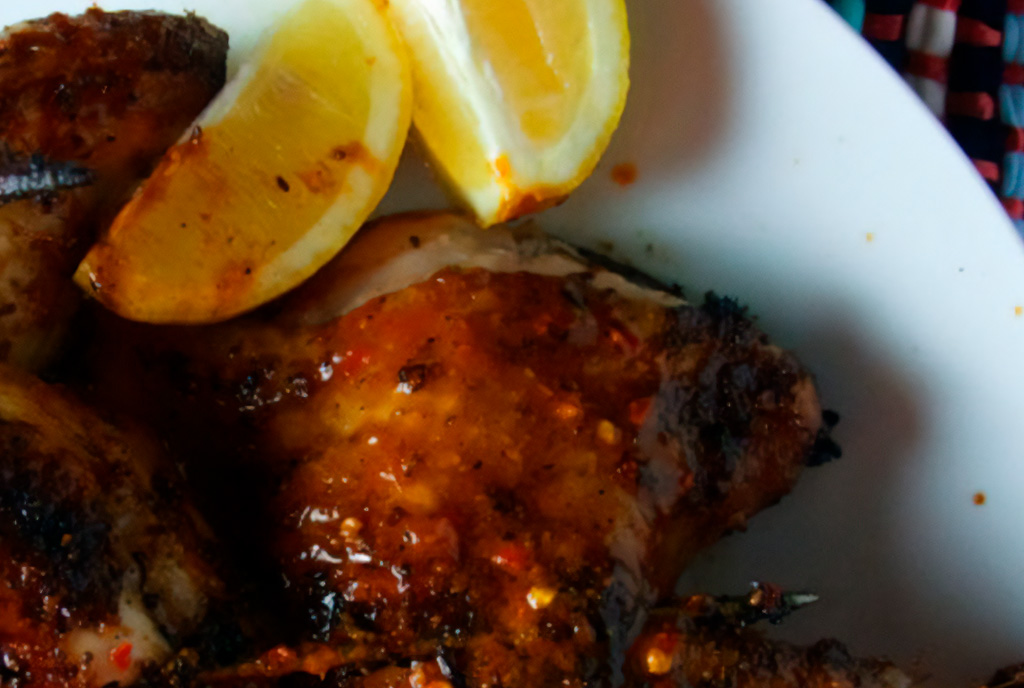
Sizzling, spicy prawns and seafood are often the first choice for visitors to Maputo, but do not miss Mozambique's iconic Galinha a Zambeziana, a succulent celebration of chicken cooked with lime, pepper, garlic, coconut milk and peri-peri sauce.
Tourists usually know it simply as grilled peri-peri chicken, and it is traditionally served with matapa, a dish of cassava leaves cooked in a peanut sauce.
Jollof rice and egusi soup, Nigeria
Pinning down Nigeria's single favorite dish is no easy task, because it is a vast country with a wealth of different regional cuisines.
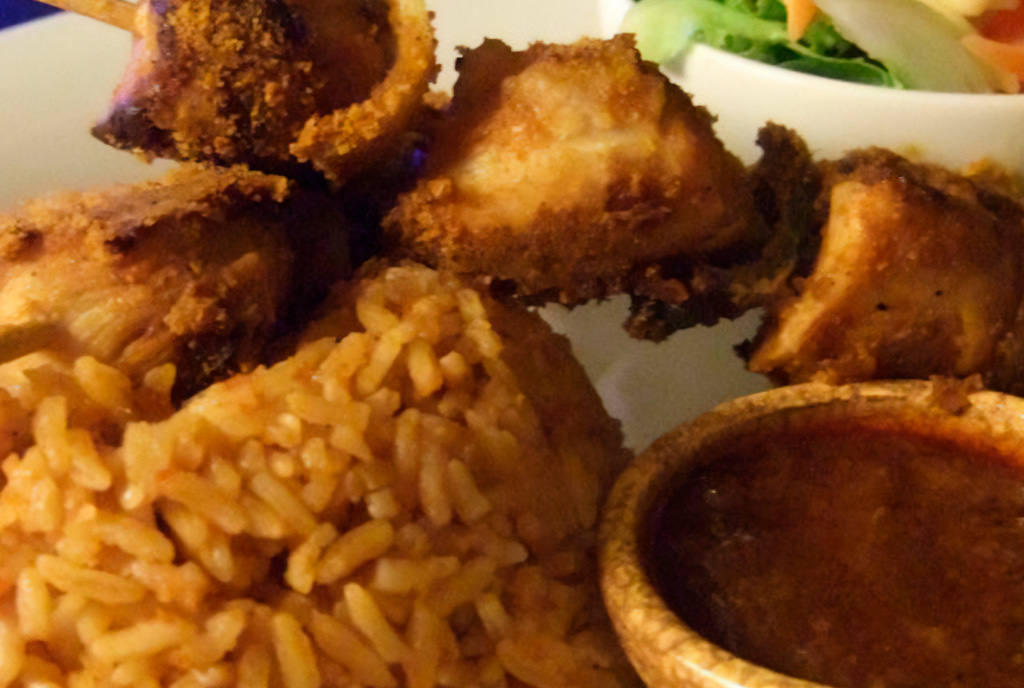
But one dish you should not leave Nigeria without trying is jollof rice, a great favorite right across West Africa, and thought to be a possible ancestor of the Creole dish jambalaya.
A simple, spicy one-pot dish built around rice, tomatoes, onions and peppers, it is often served at parties and other festive gatherings alongside other Nigerian favorites, such as egusi soup (made with ground melon seeds and bitter leaves), fried plantains and pounded yam (iyan or fufu).
Other dishes worth trying in Nigeria include thick, spicy broths made with okra and seasoned with chicken or meat, and suya, spicy Nigerian shish kebabs (similar to the Ghanaian chichinga) grilled by street vendors over open coals.
Bunny chow, South Africa
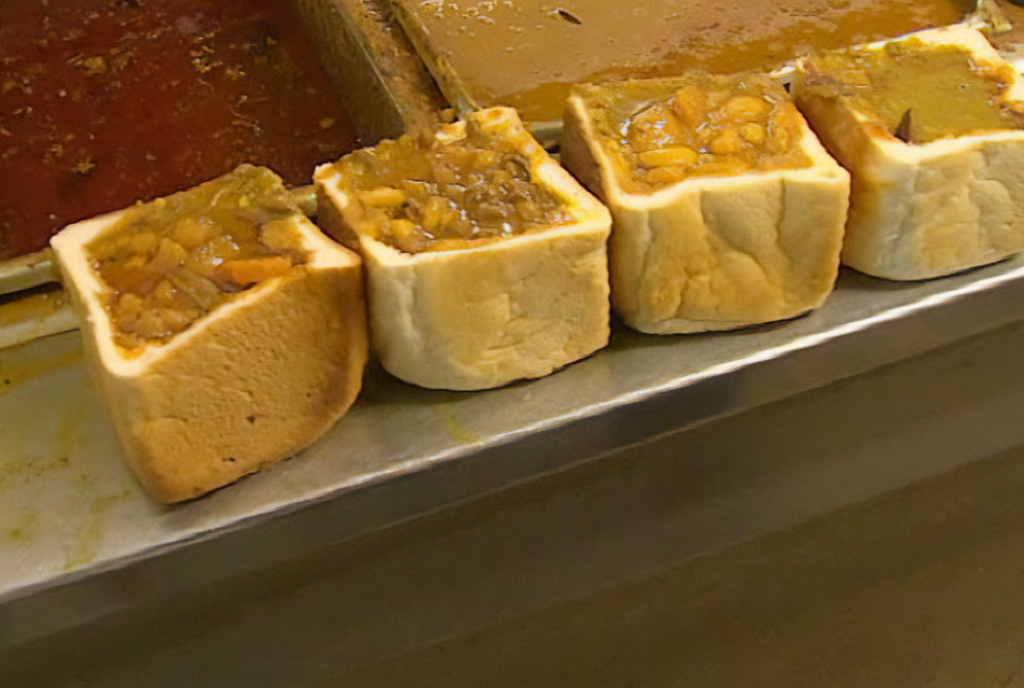
No one is quite sure how bunny chow got its name, but what is certain is that this hollowed-out half or quarter loaf of white bread, filled with searingly hot curry, is one of South Africa's most treasured street foods.
The meat and vegetable curries that fill bunny chow were brought to South Africa by Indian indentured laborers who arrived in the 19th century to work the sugar plantations.
Available as takeaway in every major city, but the best bunnies come from Durban.
Kapenta with sadza, Zimbabwe
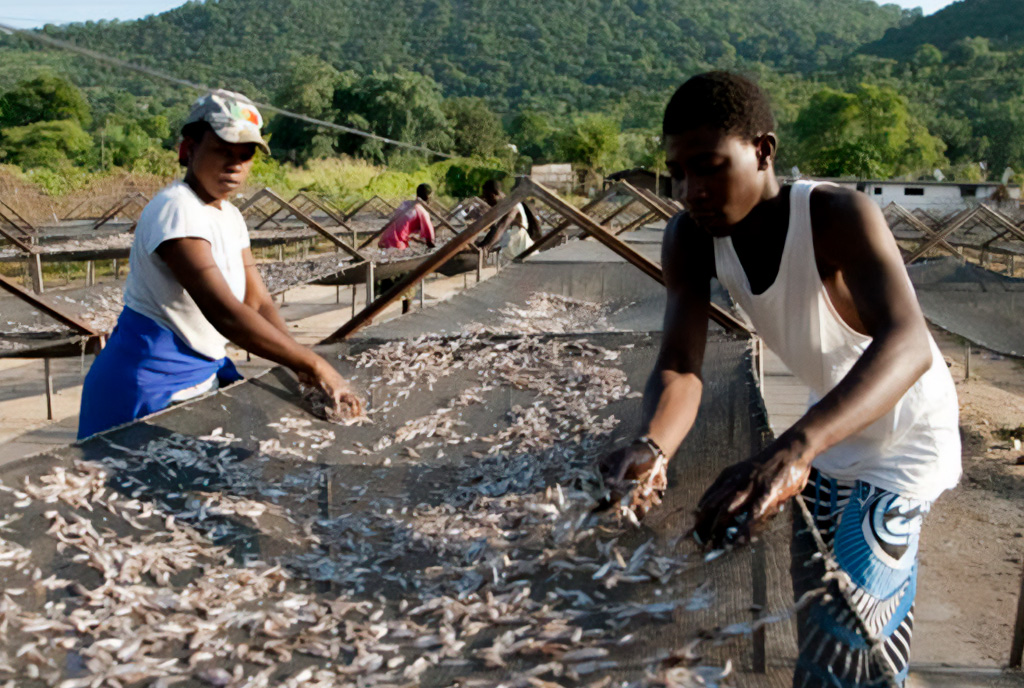
A pile of crispy fried kapenta is a culinary highlight for many visitors to Zimbabwe.
Kapenta, made up of two species of small freshwater fish native to Lake Tanganyika, was introduced to Lake Kariba and is now a much-loved source of protein for the communities living near the lakes in Zambia and Zimbabwe.
Like many African dishes, kapenta is often served with a mound of tasty corn porridge, known in Zimbabwe as sadza. Kapenta comes both dried and fresh, and is also stewed with tomatoes, onions and peanut powder and served with fresh greens.
Do not reach for a knife and fork to tackle your kapenta: the traditional way to eat this dish is to scoop up the sadza by hand and dip it into, or wrap it around, the accompanying fish and relish.
Another must-try when visiting Zimbabwe is fresh bream or tilapia from Lake Kariba, grilled or fried with plenty of lemon butter.
Chambo with nsima, Malawi

Homesick Malawians may find their eyes welling up when you say the word "chambo": it is the most popular and best-known fish living in Lake Malawi, and a great national favorite.
It is grilled along the lakeshore, usually with nsima (a thick porridge much like South African pap and Zimbabwean sadza) or with fries.
A plate of chambo is not complete without ndiwo, a tasty relish made from pumpkin or cassava leaves, tomatoes and peanut powder. Both nsima and ndiwo are revered staples in neighboring Zambia too, along with ifisashi, a dish of greens in a peanut sauce.
Namibian venison, Namibia
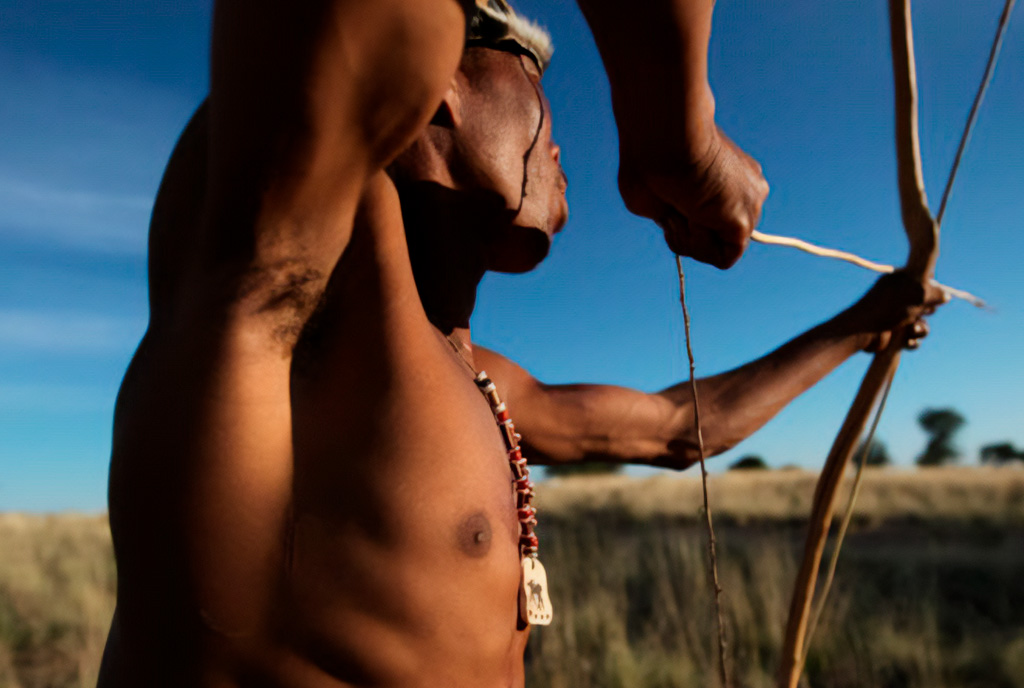
Good venison can be found all over Southern Africa, but Namibians will insist that the finest gemsbok, kudu, zebra, warthog, ostrich and springbok are found in the restaurants and hunting lodges throughout their country.
Namibian cuisine shows a strong German and South African influence: traditional German delicacies such as sausages, cured meats, sauerkraut and eisbein sit alongside South African-style potjiekos, biltong and braaivleis.
Try your venison with the traditional staples of oshifima (corn porridge) or mahangu (pearl millet) and, of course, with a couple of hearty mugs of excellent Namibian beer.
Muamba de Galinha, Angola
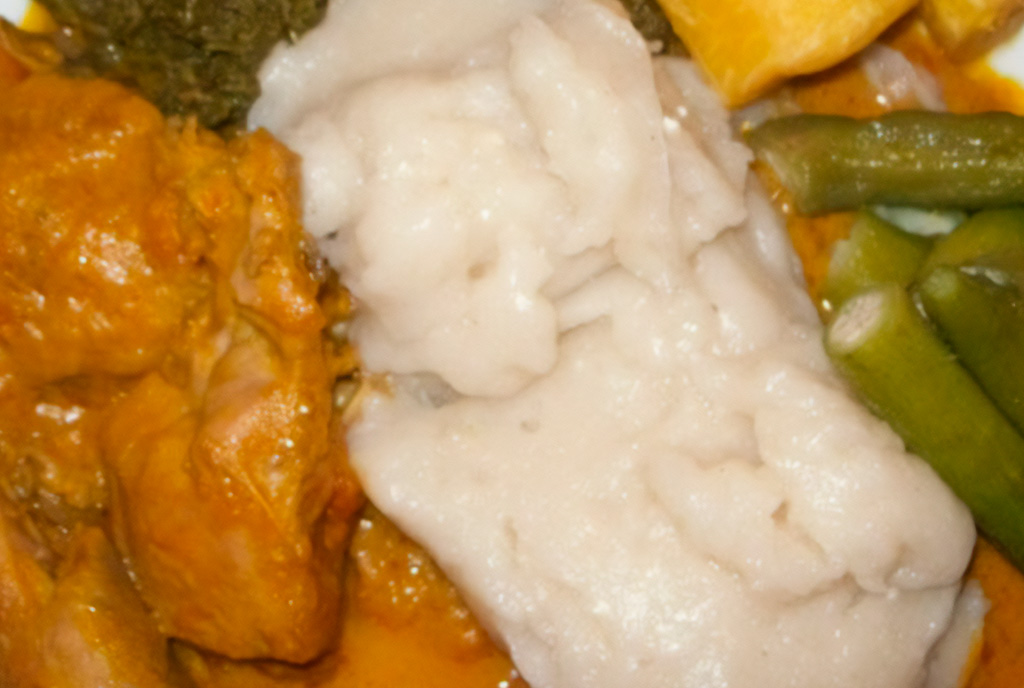
This dish, like the popular Caldeirada de Peixe (fish stew), reveals the strong influence of Portuguese cuisine on this former colony and is considered one of Angola's national culinary treasures.
Also known as chicken muamba, it is a spicy, slightly buttery stew cooked with palm oil, garlic, chili and okra. Variations of chicken muamba, such as poulet moambe, can be found throughout the Congo River region, where it is often served with cassava leaves and white rice.
Another variation, chicken nyembwe, is the national dish of Gabon, where it is made with palm or macadamia nuts. So rich and spicy, chicken muamba pairs well with the starchy Central African porridges that Western palates tend to find bland: funge, fufu and ugali.
Caldeirada de Cabrito is another of Angola's favorite dishes; this stew of kid or goat is cooked with potatoes, wine and tomatoes and is often eaten to mark Independence Day celebrations on November 11.
Cape breyani, South Africa
A cherished classic of Cape Malay cuisine, breyani is an aromatic dish made up of layers of marinated meat, rice, lentils and spices, topped with crispy fried onions and boiled eggs.
This slow-cooked one-pot dish, a favorite for feeding large crowds on special occasions and celebrations, was brought to the Cape from the East in the earliest days of the slave trade, along with other "Malay" dishes such as bredies, pickled fish, denningvleis and bobotie.
Zanzibari biryani and pilau, Zanzibar
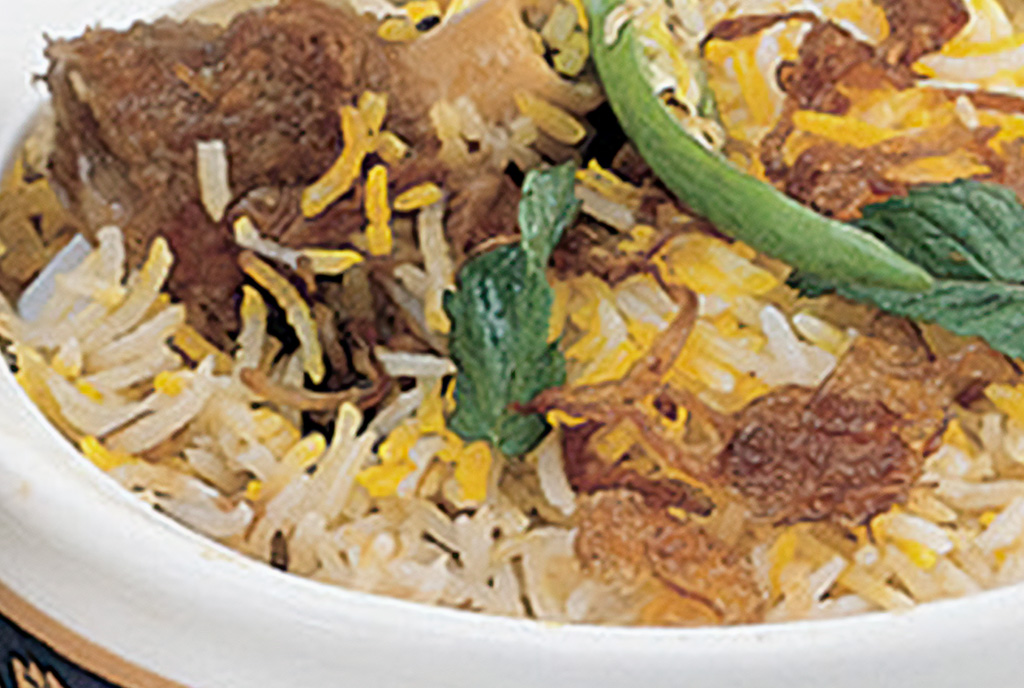
You can almost feel the warm breath of the trade winds on your face as you taste these wonderful celebration dishes, both built on rice and an exotic array of spices synonymous with Zanzibar.
There are countless variations of biryani, from humble vegetable versions to more elaborate ones featuring meat and seafood; pilau tends to be a one-pot dish, generously seasoned with cardamom, cumin and pepper.
Both dishes are delicious accompanied by kachumbari, a fresh onion and tomato salad popular throughout East Africa. Another quintessential Zanzibari dish is urojo, a yellowish broth bought from street vendors and made with a whole host of different ingredients, including pieces of meat, chili, mango, ginger, tamarind and lime.
Nyama na irio, Kenya
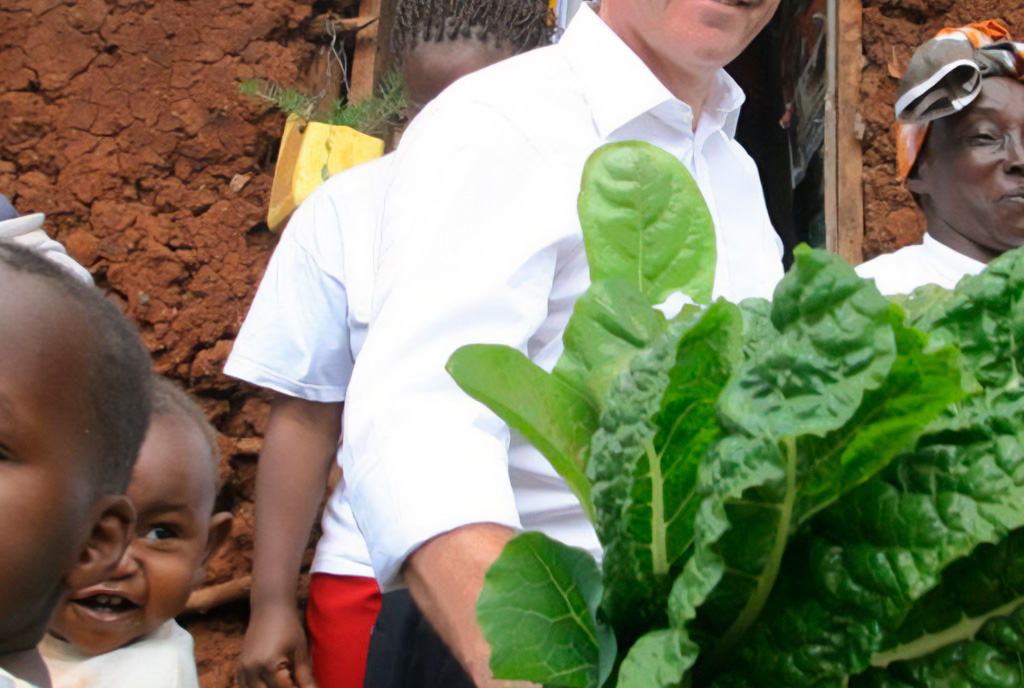
Ask any Kenyan about their favorite comfort food, and they will most likely cry out "Irio!" without a moment's hesitation.
This beloved dish, originally a staple of the Kikuyu people that spread across Kenya, is made from mashed potatoes, peas, beans, corn and onions and is often served with spicy grilled meat, making up a tasty dish called nyama na irio.
Kenya is famous for its long-distance runners, and many Kenyans credit their endurance to the benefits of another beloved staple, sukuma wiki. It means "stretch the week" in Swahili, a nod to the fact that this dish can be used to feed a family throughout the week.
Sukuma wiki is made from collard greens and/or kale cooked with onions and spices to make a savory relish for ugali (corn porridge).
Koshari, Egypt
If you want to taste what ordinary Egyptian families eat at home, you cannot go wrong with koshari (also spelled kushari and koshary), a hearty vegetarian dish of rice, lentils, pasta, garlic and chickpeas brought together with a tangy tomato sauce and crowned with fried onions.
A good koshari can send an Egyptian into raptures, and it is also hugely popular as filling street food and takeaway.
Another beloved home-cooking classic is mahshi, or vegetables such as zucchini, peppers, tomatoes and grape leaves stuffed with spiced rice.
Ful medames, Egypt
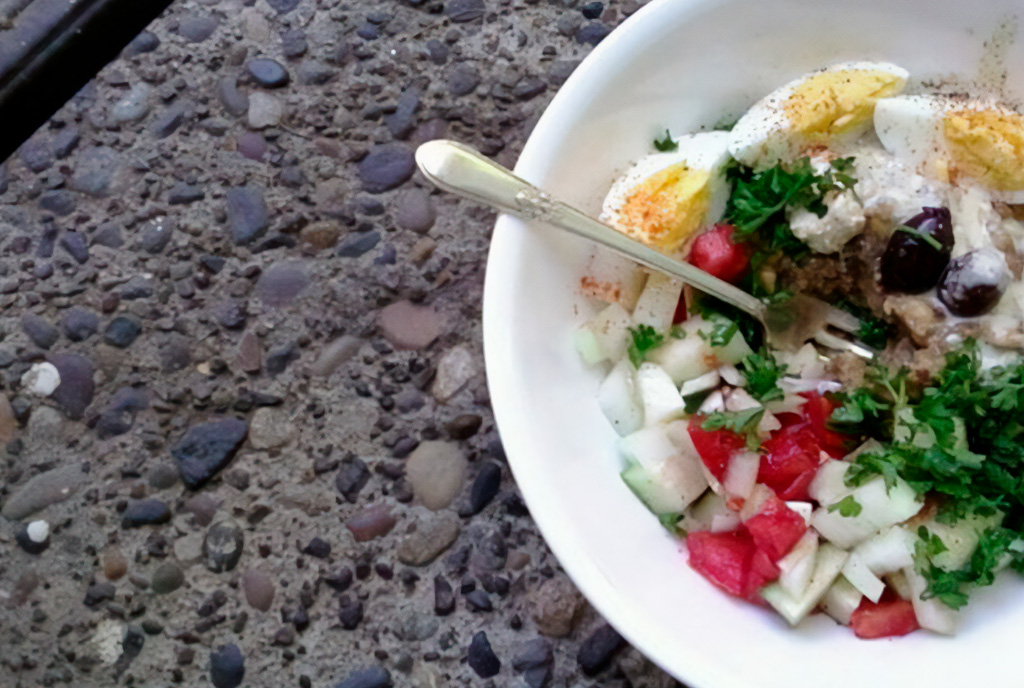
According to the Egyptian-born food writer Claudia Roden, this dish existed before the Ottomans and before Islam, and is probably as old as the pharaohs.
In her classic work "A Book of Middle Eastern Food," Roden quotes an Arab proverb: "Beans have satisfied even the pharaohs."
They still satisfy Egyptians today. Ful medames is one of the country's national dishes, consisting of fava beans stewed with spices and olive oil. The dried beans are often cooked overnight and served for breakfast in the morning with eggs and pita.
It is perfect for a hearty breakfast if you are traveling on a tight budget and need to fill up on nourishing food that will keep you going all day.
Potjiekos and stews, South Africa
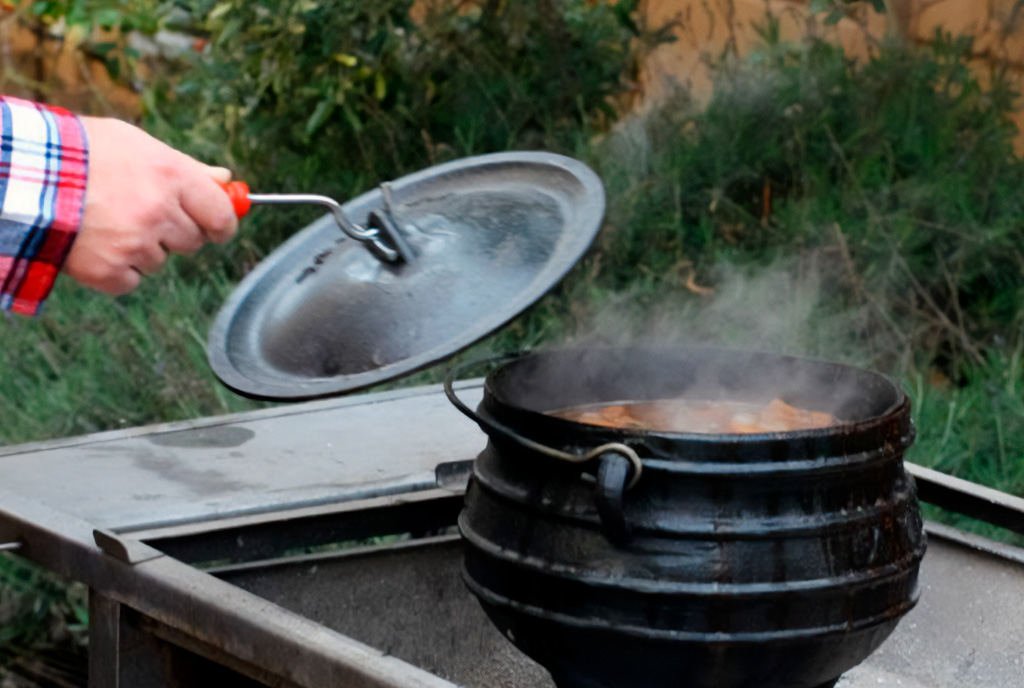
What makes a great potjie is a matter of heated debate among enthusiasts who have all the time in the world to argue the merits of their own version over the several hours it takes the meal to cook.
Potjiekos ("small pot food") is the Afrikaans term for food cooked in layers in a traditional three-legged cast-iron pot, but at heart it is a stew, not so different from the slow-cooked beef, chicken and lamb dishes that are popular across all of Southern Africa.
If you are feeling brave, try a curry made from sheep's heads (known as "smileys" because of the sinister grins the heads take on as they shrink from the heat) or a stew made from chicken feet (called "runaways" or "walkie-talkies").
Stews are traditionally served with pap (see above) and other staples such as umngqusho (samp and beans), morogo (wild greens), dumplings (amadombolo) and steamed bread (ujeqe) or bread baked in a pot (potbrood).
Pigeon pastilla / bstilla, Morocco
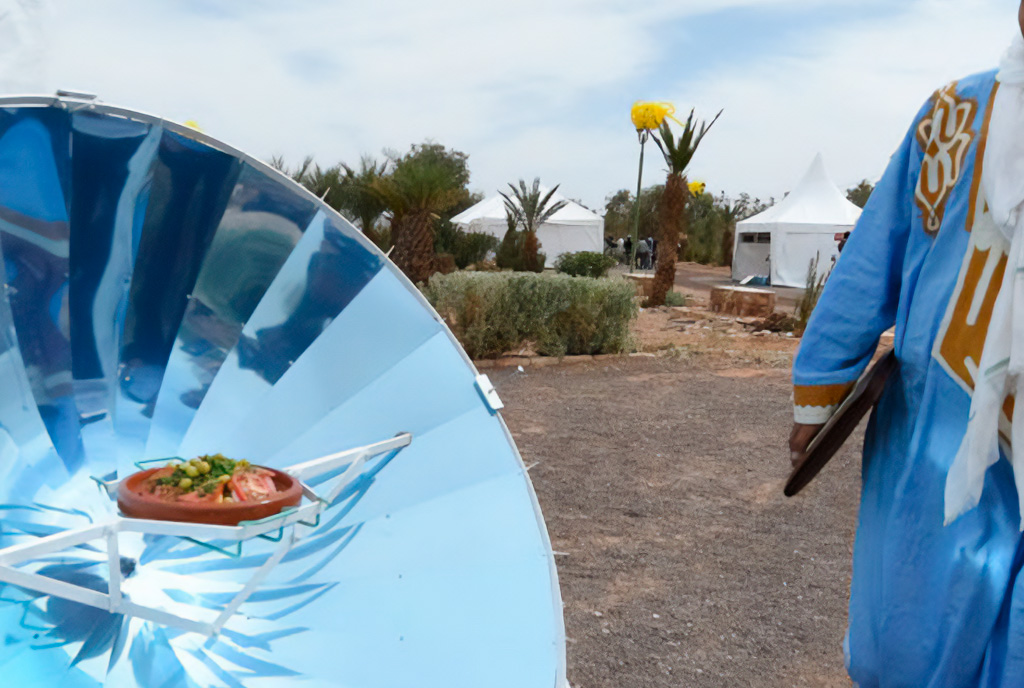
Moroccan tagines and couscous dishes have earned their fame on the world's culinary stage in recent decades, but this is one dish you will not find in an ordinary cookbook.
A complex and multi-layered celebration dish, pigeon pastilla (also known as bstilla) is both sweet and savory; substantial and delicate.
It is a pie made of shredded cooked pigeon (or, more commonly, chicken, when pigeon is hard to find), thickened with an egg-based sauce and layered with paper-thin pastry and layers of a nutty, spiced filling.
No grand celebration in Morocco would be considered complete without bstilla, and it is usually reserved for feasts because it is so labor-intensive to make.