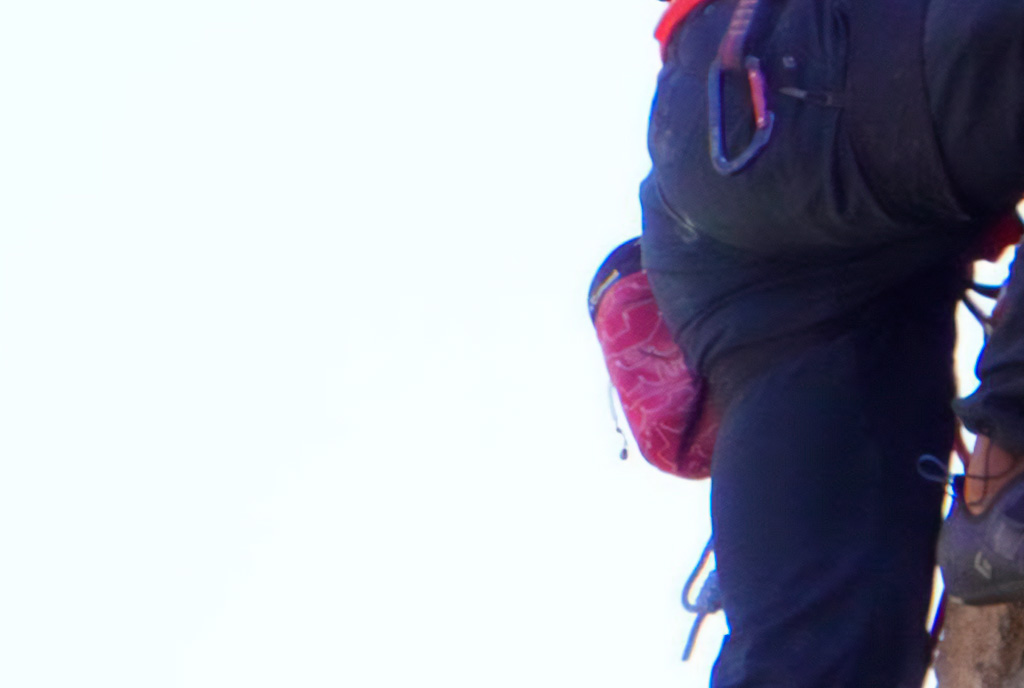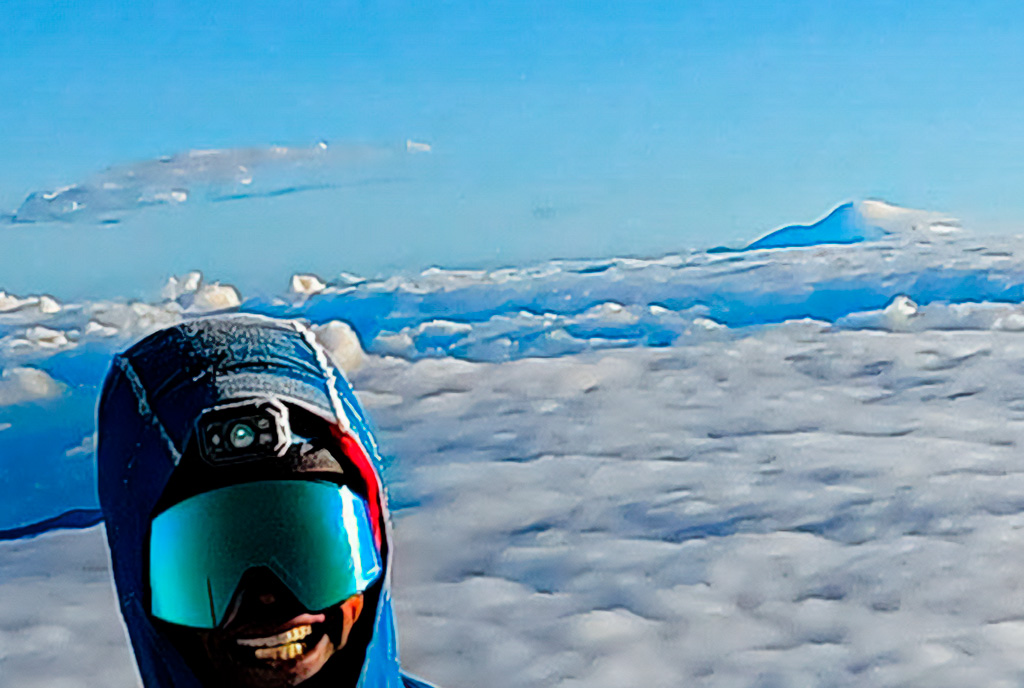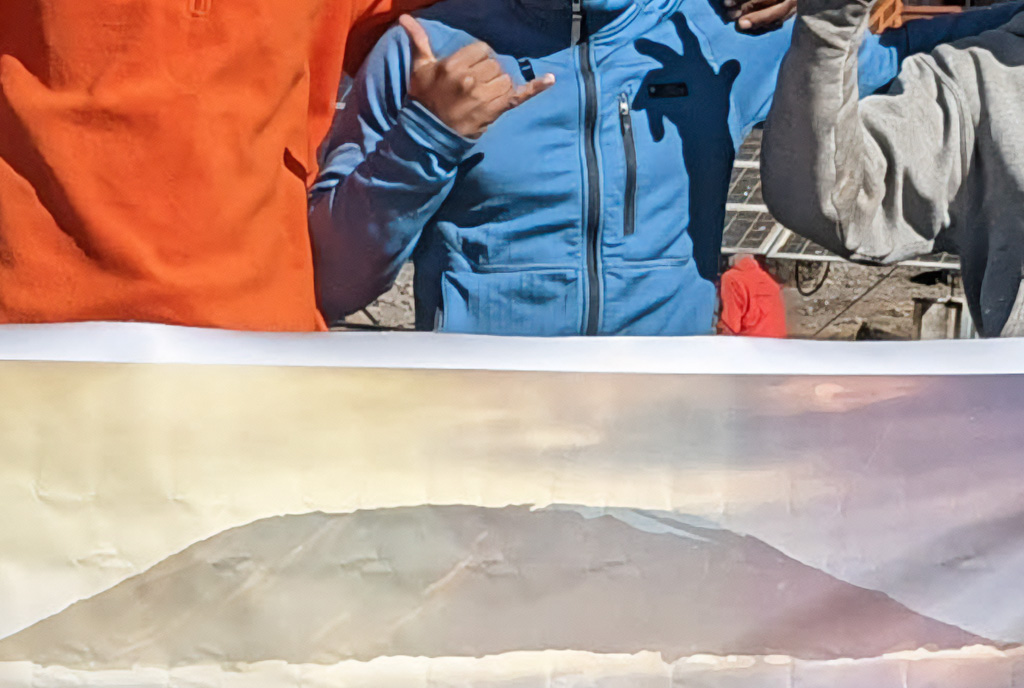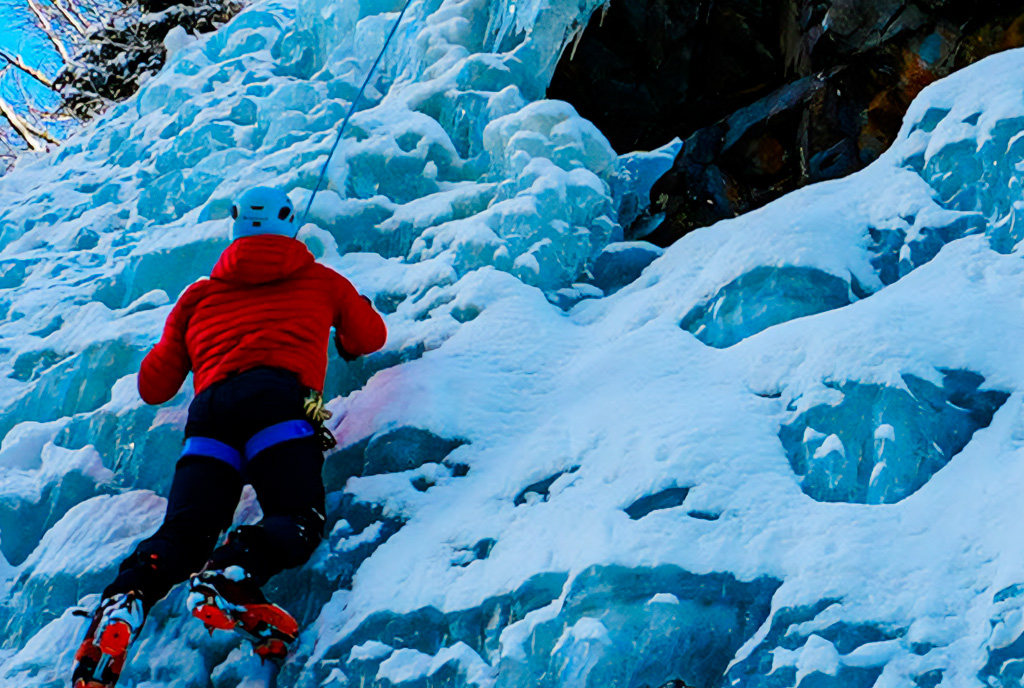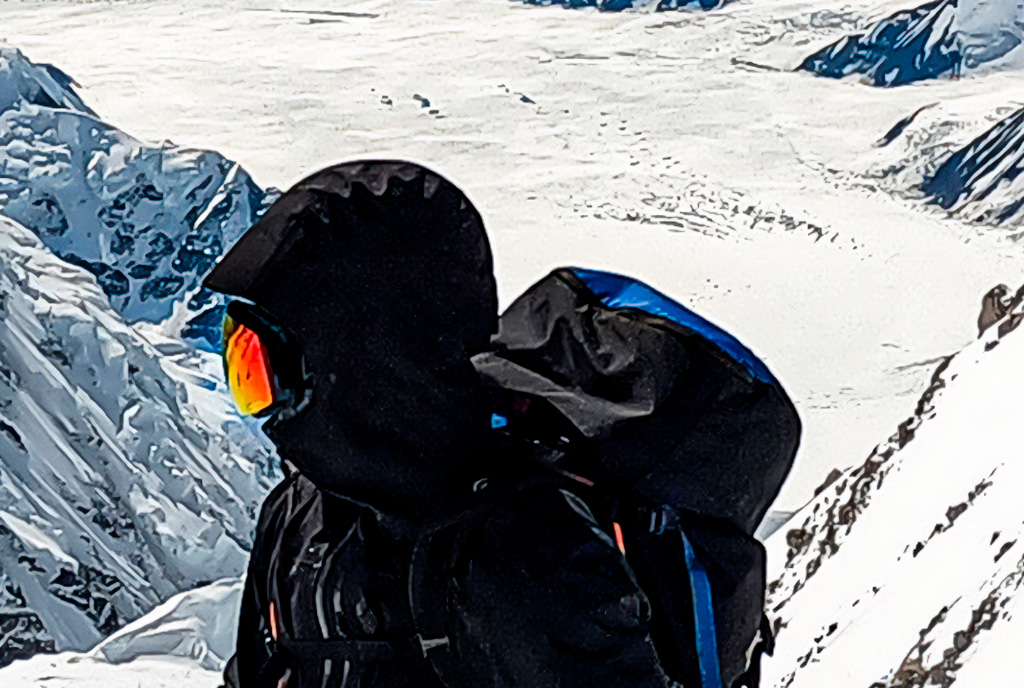


Andrew Alexander King will never forget his first ascent of Mount Kilimanjaro in Tanzania, Africa's highest peak and the tallest free-standing mountain in the world, back in 2018.
But it wasn't the summit that surprised the climber. What struck him was the welcome he received when he came back down, as the local mountain guides gathered around him in a celebratory dance.
"It turned out they were excited because they had never seen an African American make the climb before," he says. "And I was just blown away by it."
Partner links: booking through them supports the blog at no extra cost to you.
According to the American Alpine Club's first-ever State of Climbing report in 2019, only 1% of the climbers surveyed identified as Black. "No one should be surprised to hear that climbing is dominated by white men," guide and author James Edward Mills wrote in the report's foreword; among the club members surveyed, 85% were white and 72% were men.
While that survey was conducted in the US and was the first of its kind, the shortage of climbers of color is seen and felt all around the world, from Mount Kilimanjaro to Mount Everest.
We recently spoke with King and two other Black climbers about what it takes to make the sport more diverse and inclusive in Africa and beyond.
A Trailblazer in Mountaineering
Saray Khumalo, CEO, Summits with a Purpose
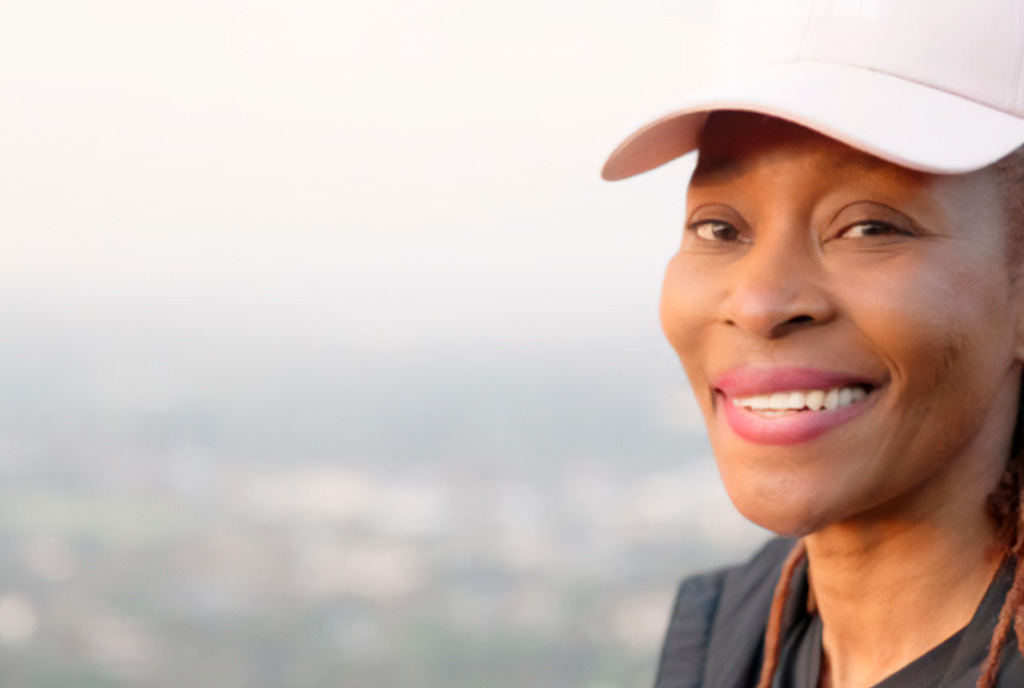
Neither fatal accidents nor failed summit attempts have slowed down mountaineer Saray Khumalo. A mother of two, born in Zambia, she works in the corporate world, hosts a podcast, and has conquered some of the tallest mountains on the planet, all while finding time to lead a nonprofit focused on education across Africa.
"My grandfather always said, 'If you don't live a life of service, it's a life wasted,'" she says.
In 2013, she founded Summits with a Purpose in South Africa, raising funds with every climb to help build schools and libraries.
Khumalo's climbs also advance the cause of diversity. After she successfully completed her first major ascent in 2012, on Mount Kilimanjaro, Khumalo realized she was meant to be a climber. And although she noticed the lack of diversity in her sport ("it's mostly white men," she says), she never let it discourage her.
"I'm African, a very proud African, when I'm up in the mountains. And I'm told that (other climbers) don't think I belong there," Khumalo says. "I try to make sure that when they see an African, someone who looks like me, they remember that we're capable of this."
Soon after her first climb, she set her sights on the highest peak in the world: Mount Everest, in the Himalayas.
The first three attempts were grueling and painful for Khumalo: she went through everything from natural disasters to losing consciousness in the "death zone," the upper stretch of Everest above 8,000 meters (26,000 feet) above sea level, where oxygen is dangerously scarce.
On May 16, 2019, on her fourth attempt, she succeeded, becoming the first Black African woman to reach the summit. In all, only eight of the 4,000 people who have ever conquered Everest are Black.
"I have a love-hate relationship with Everest," Khumalo says. "I don't know whether it was my greatest achievement, or simply that I got back up every time I fell."
She is now working to complete the Explorers Grand Slam, aiming to conquer the seven highest mountains in the world and reach both the North and South Poles. So far, she has summited five peaks.
Khumalo is amazed by what she has achieved so far, but she notes: "I don't think I've broken those stereotypes yet; there's still so much work ahead," adding that representation needs to reach beyond mountain summits.
"It's not just about Everest; representation... it's a gift we have to leave for the next generation, wherever we happen to be," she says, urging her peers to step out of their comfort zone to show that Black people belong in every space.
An Inspiring Explorer
Andrew Alexander King, CEO, The Between Worlds Project
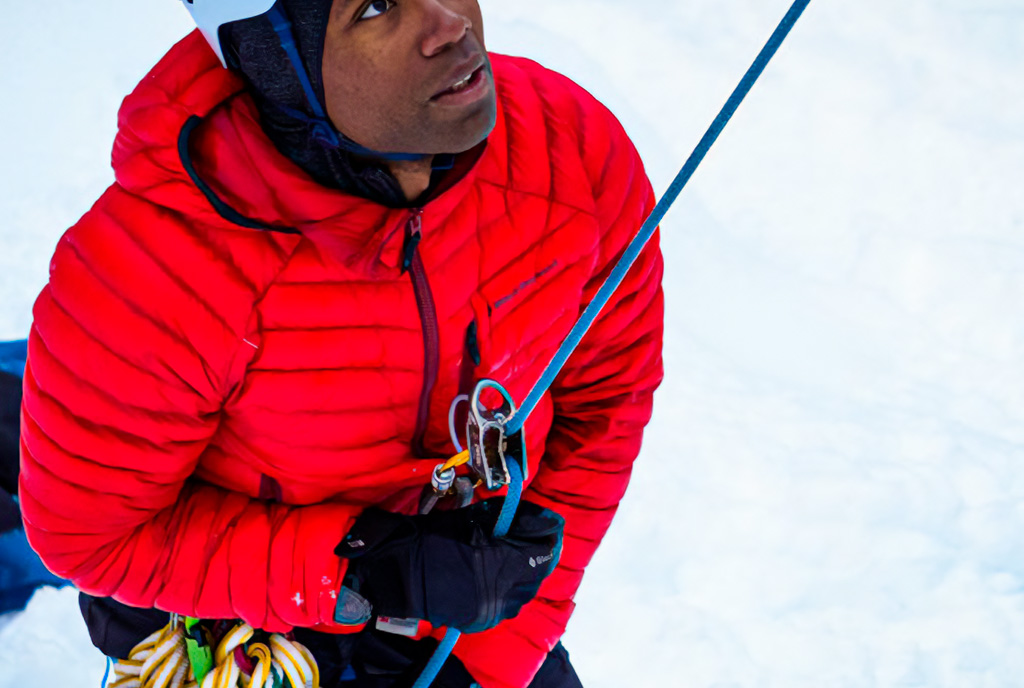
Andrew Alexander King says the first mountain he ever climbed was finding his way out of the rough streets of Detroit, Michigan.
Today, the passionate explorer says he has summited more than 66 mountains. His long-term goal is to climb the 14 highest mountain and volcanic peaks on every continent. If he pulls it off, he'll be the first Black man to do so. But that's not what drives him.
"If a person doesn't see themselves on top of Everest, on top of Kilimanjaro... they won't aspire to it, because deep down they'll feel like they don't belong there," he says.
When King started taking mountaineering more seriously in his twenties, he says, "The lack of diversity was very noticeable," and he was acutely aware that he was the only Black person on the mountain. Climbing Aconcagua, the highest mountain in South America, he says he was the only Black person in the expedition group, even though the group itself was diverse.
"There were a lot of racist jokes and tension, and I had to stand up for myself," he recalls, adding that people assumed he wasn't capable of difficult climbs.
"It made me feel insecure, but I also use that insecurity as rocket fuel to push forward and break through that glass ceiling," King says.
Seven years ago, he founded The Between Worlds Project, whose mission is to support the communities where he climbs. With every expedition he takes on, he works with local nonprofits on the issues they face, such as sexism, racism, climate change, and inequality.
When we spoke with King, he was on his way home from a two-month trip to Tanzania and Kenya, where he volunteered at a children's home, partnered with the Moving Mountains Trust, and climbed Mount Kilimanjaro and Mount Kenya alongside local residents.
"The seeds we plant will grow. I probably won't see it in my lifetime, but we have to start planting and nurturing them now," King says of building representation. "Diversity in outdoor sports is a challenge we have to tackle together."
The Barefoot Climber
Peter Naituli, rock climber
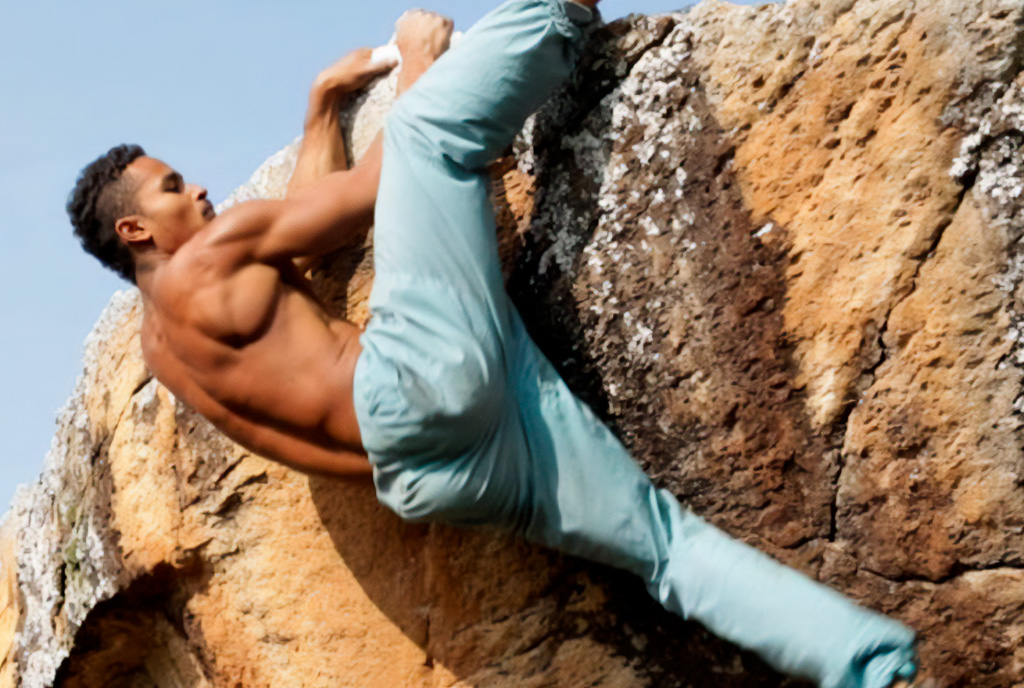
Peter Naituli is a Kenyan rock climber known for scaling mountains barefoot.
With no experienced climbers to guide him as a child, he says he dove straight into the riskier side of climbing, including free soloing, which means climbing without a safety system. Through remarkable physical feats, such as ascending Mount Kenya without a rope or shoes, Naituli is proving Kenya's place in the world of climbing.
"(As a kid) one thing that was a little dull about my climbing was that I had no one to share the passion with," he says. "It was just me trying to keep the fire alive."
In 2021, Naituli appeared in the documentary "Cold Feet" with the goal of showcasing Kenya as a mecca for climbing, in the hope that it would help grow the local industry and dispel the notion that climbing is a white person's sport.
"It's not just a Western activity, it's something that's right here in the country, and just by watching someone else do it, (Kenyans) can have something to aspire to," he says.
Nonprofits such as Climbing Life Kenya and the Mountain Club of Kenya are making climbing more accessible and lowering the barriers to participation. In 2012, Climb BlueSky opened in Nairobi, the first public climbing gym in East Africa.
Even so, Naituli says he would like to see more climbing gyms and greater access to the sport in Kenya, noting that the talent is there but the opportunities are not.
"Having a story from a country like Kenya, with Kenyan climbers in the leading roles, that's a story we need to tell," Naituli says, offering "a different view of Kenya, a different view of the climbing world."