


A wildlife researcher scribbles careful notes in a notebook as elephants come into view, determined not to miss a single one in the tally.
Meanwhile, a pilot flying high in a helicopter above Kenya's Amboseli park circles the herd to get a clearer look at the group, and spots an extraordinarily rare pair of twin elephant calves among them.
"The last time Kenya recorded twin elephants was 40 years ago," says Najib Balala, Kenya's tourism minister, through crackling headphones.
Partner links: booking through them supports the blog at no extra cost to you.
During the pandemic, Kenya saw a baby boom of more than 200 elephant calves, or "Covid gifts," as Balala calls them.
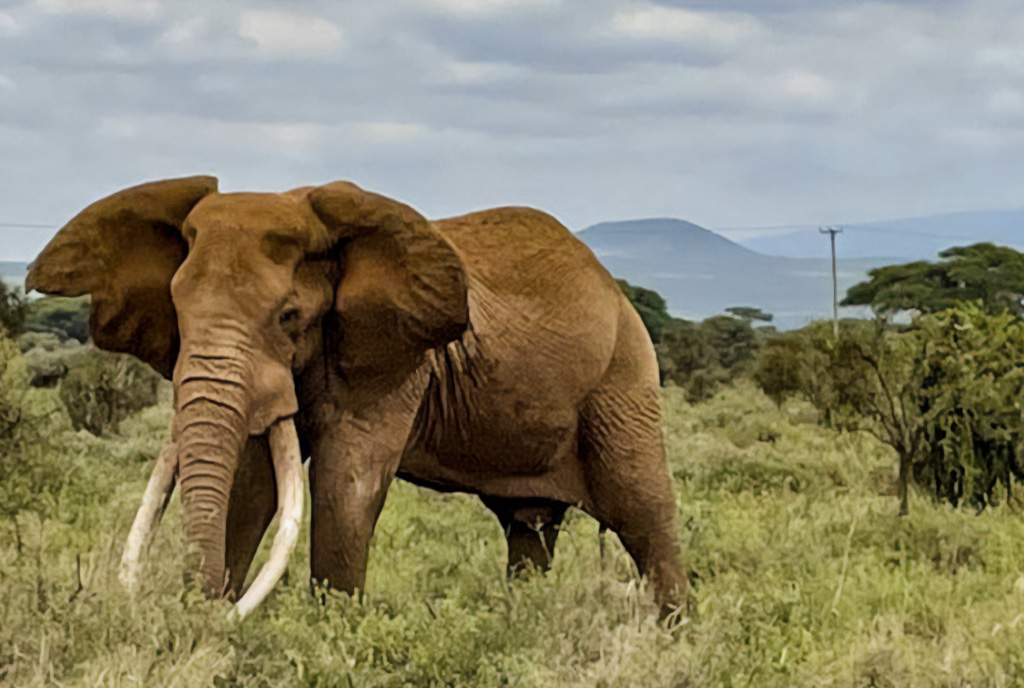
But while some animals thrived in the quieter parks during the pandemic, Covid-19 had a devastating effect on conservation across the African continent, and on the millions of livelihoods that depend on ecotourism.
In March 2020, Kenya abruptly closed its border in an effort to curb the spread of the virus. The country's billion-dollar tourism industry ground to a halt, losing more than 80% of its revenue. It is not expected to recover until 2024, Balala says.
"Can tourism survive until 2024? We need to rethink and change the way we do things so that we can survive until tourism bounces back," he says.
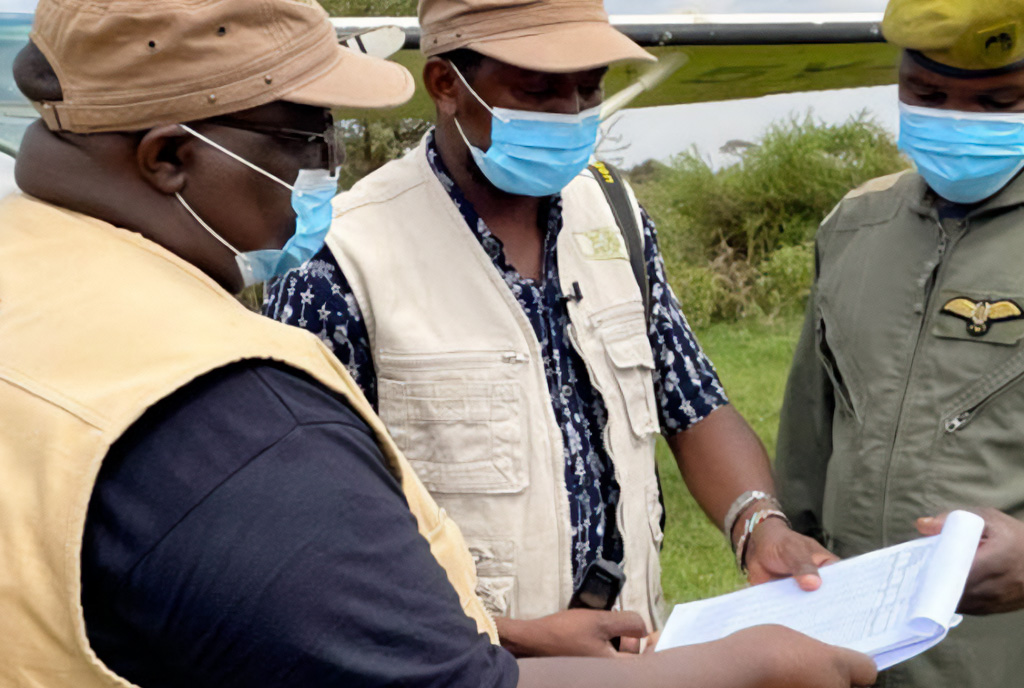
That question has sparked Kenya's most ambitious conservation effort to date: counting every individual animal and marine creature across all 58 national parks in the country, for the first time ever.
The huge wildlife census will be crucial for understanding and protecting the more than 1,000 species that are native to Kenya, some of which have seen an alarming drop in population over the past few decades, according to scientists.
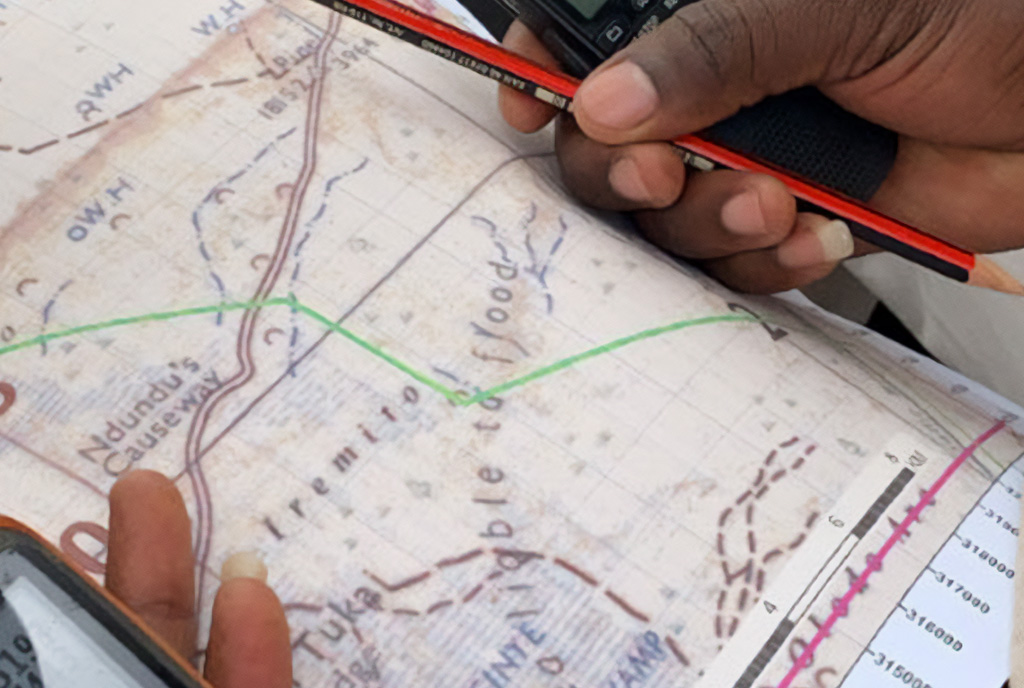
Using GPS trackers, aircraft, camera traps and plenty of manpower, the Kenya Wildlife Service (KWS) will count everything from the majestic giraffe to the charming, cat-sized dik-dik over the course of three months.
They will focus on rare species, including the pangolin, often trafficked illegally, along with the sitatunga antelope, aardvarks and hedgehogs, none of which have ever been counted before.
Shrinking habitats
This unprecedented level of data will help Kenya better understand its wildlife and the various threats it faces today, such as climate change, human-wildlife conflict and shrinking habitats amid growing competition for land use.
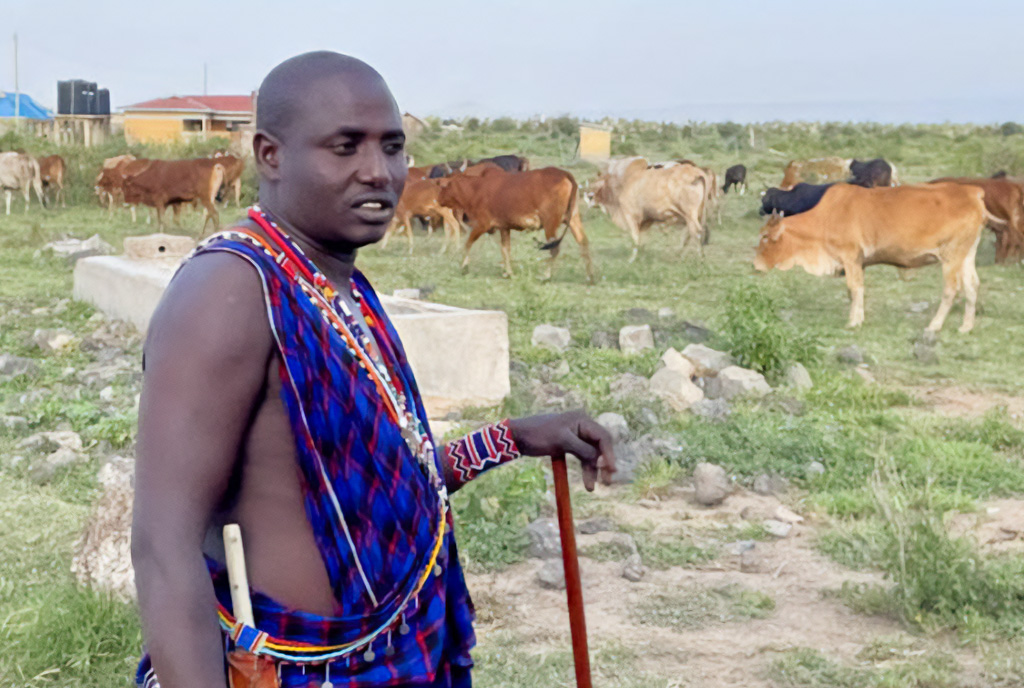
For decades, the Maasai people have given up land for some of Kenya's most famous parks. Noah Lemayian, a herder wrapped in a red-and-blue shawl, lives on the edge of Amboseli. Since the tourists stopped coming, he says, income for his village has dried up.
"The women used to make bracelets and necklaces," he says. "But now we have to sell a cow just to buy food."
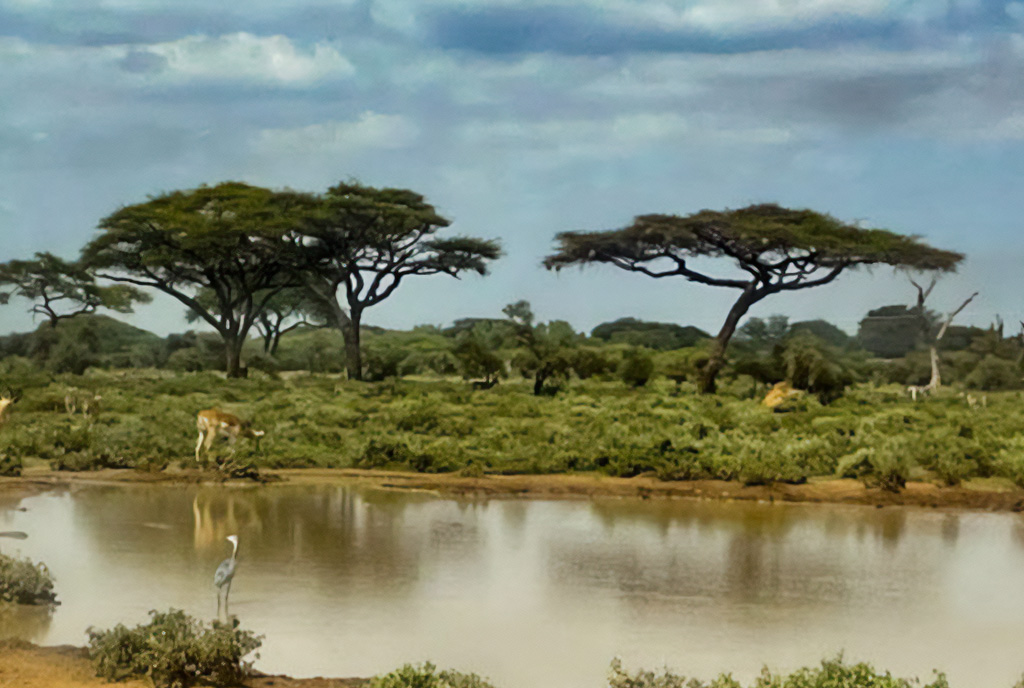
Lemayian is also struggling with a shortage of water, which is vital for keeping his herd alive.
Dr. Patrick Omondi, acting director of biodiversity, research and planning at KWS, hopes the census will give them a better understanding of how erratic weather patterns are affecting the animals and forcing habitats to change.
"We will establish where these wild animals are in time and space," he says, which will allow them to build a more robust management plan.
"We have seen wildlife moving into spaces where they weren't 50 years ago," he adds.
By the end of July, Omondi and his team of hundreds will have surveyed every corner of Kenya's stunning landscapes from the air and on the ground, and studied every lake and marine park by boat and underwater.
And once the census is complete, the work can begin.