

Until recently, most travellers and even some locals had no idea about the aquatic mammals living in or passing through Kenya's waters.
Best known as a safari destination, with the wildebeest migration in the Maasai Mara between July and September widely considered its peak, the country's vast marine life was something only fishermen truly understood.
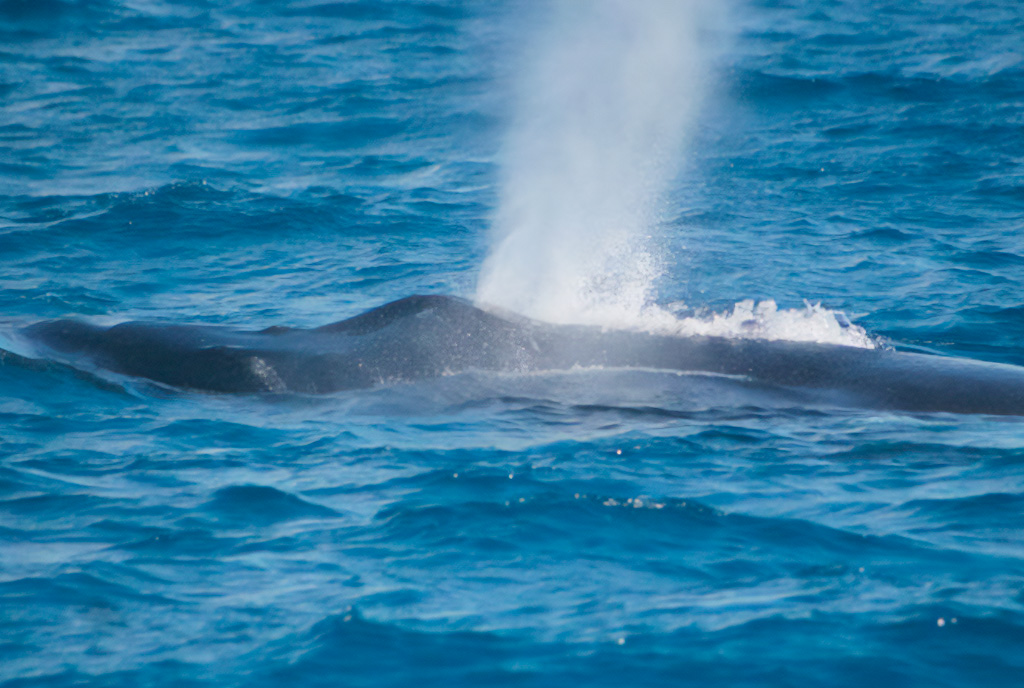
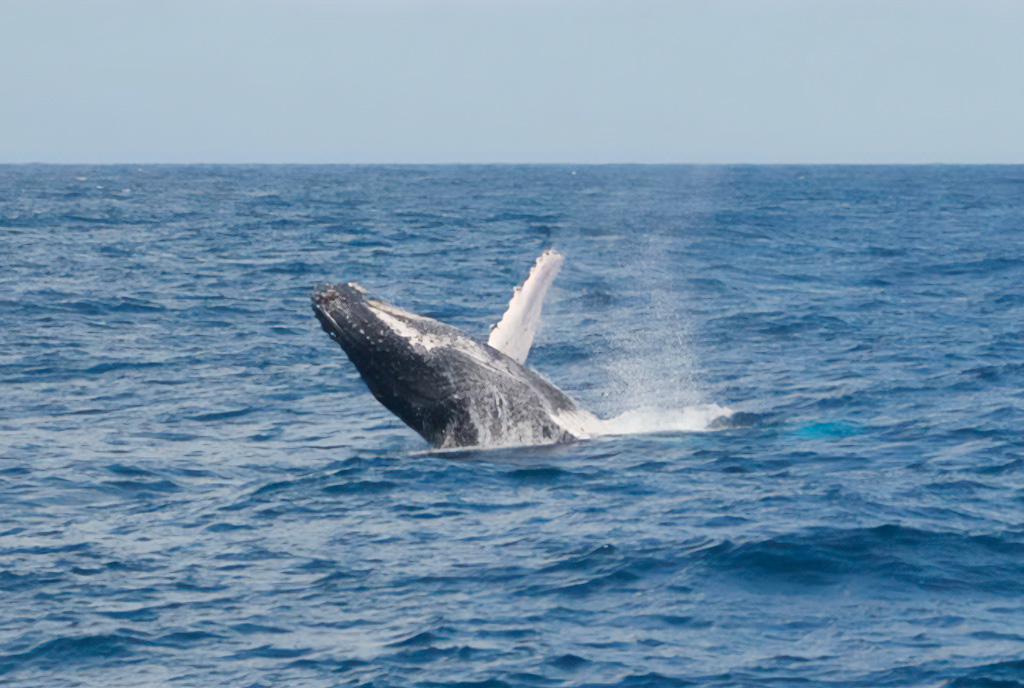
But largely thanks to the efforts of a former London lawyer, marine tourism is now taking off here, and visitors are flocking to the coastal town of Watamu, 140 kilometres north of Mombasa, to see humpback whales.
Partner links: booking through them supports the blog at no extra cost to you.
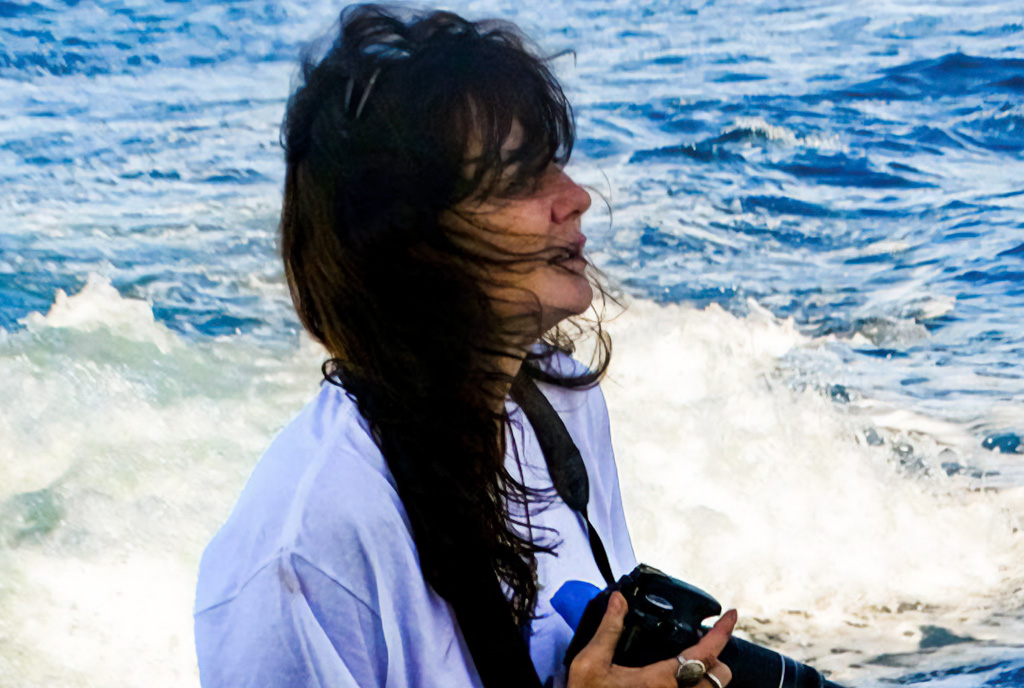
Things began to change around 10 years ago, when Jane Spilsbury, who had lived in Watamu with her marine biologist husband for several years, started hearing stories from local fishermen about dolphin and whale sightings.
Determined to prove they existed, the couple spent six months aboard local fishing boats, armed with nothing more than a few scraps of paper and a cheap camera to document and photograph any visible evidence.
In Search of Whales

Spilsbury first moved to Watamu, home to the Watamu Marine National Park and Reserve, one of Kenya's first marine parks, when her husband Steve was offered a job working with the area's sea turtles. The town's main beach is a critical nesting zone for endangered turtles.
Spilsbury later helped found the Watamu Marine Association, a partnership between hotels, local fishermen, divers and other members of the community, in 2007.
Their aim was to simplify channels of communication and to work on conservation, but the couple found themselves constantly being asked about the country's marine life.
"People kept asking us about the situation with whales and dolphins in Kenya, and we simply didn't know, because the cost of researching mammals was just too high," she explains.
"So we spoke to some of the boat operators and asked them, 'when you take people snorkelling, what else do you see?' And they said, 'well, there are dolphins out there too.'"
Discovering humpback whales in the area was a game changer, but Spilsbury says she learned about them in an equally casual way.
"It was as simple as chatting to a fisherman in a bar and asking whether he'd seen humpback whales, and he said, 'Of course, we've been seeing them for 30 years,'" she says.
'Citizen Scientists'

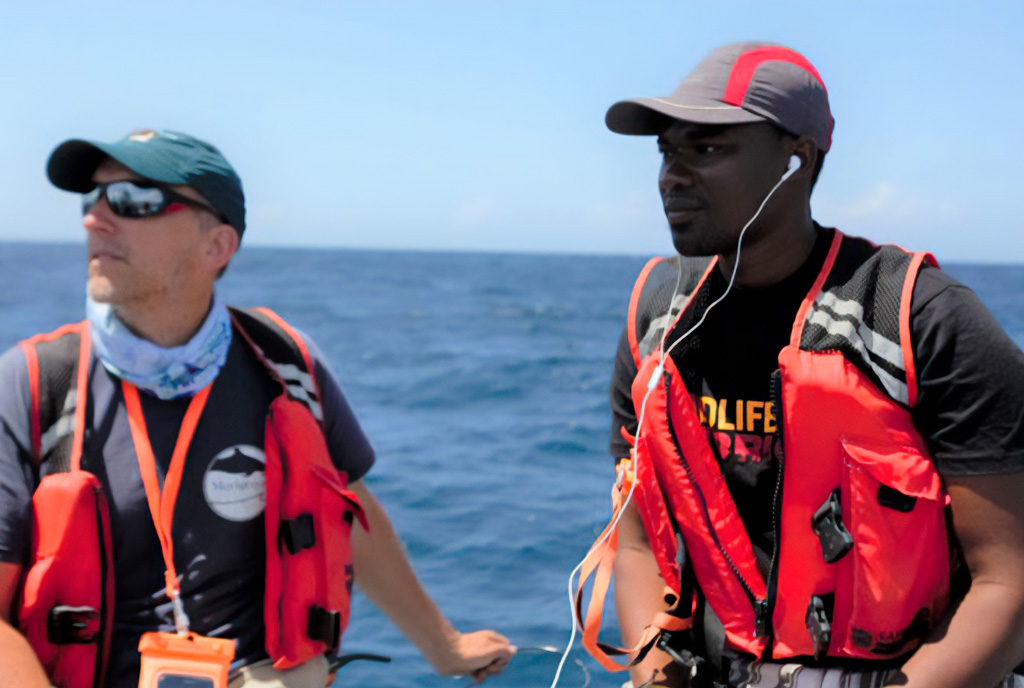
Calling themselves "citizen scientists", they began heading out to sea together in search of migrating mammals, building a research database of their sightings.
"We didn't really know what we were doing," Spilsbury admits. "We weren't scientists, but each of us had our own set of skills."
They were amazed to find a rich population of Indo-Pacific dolphins, and then came the humpback whale sightings.
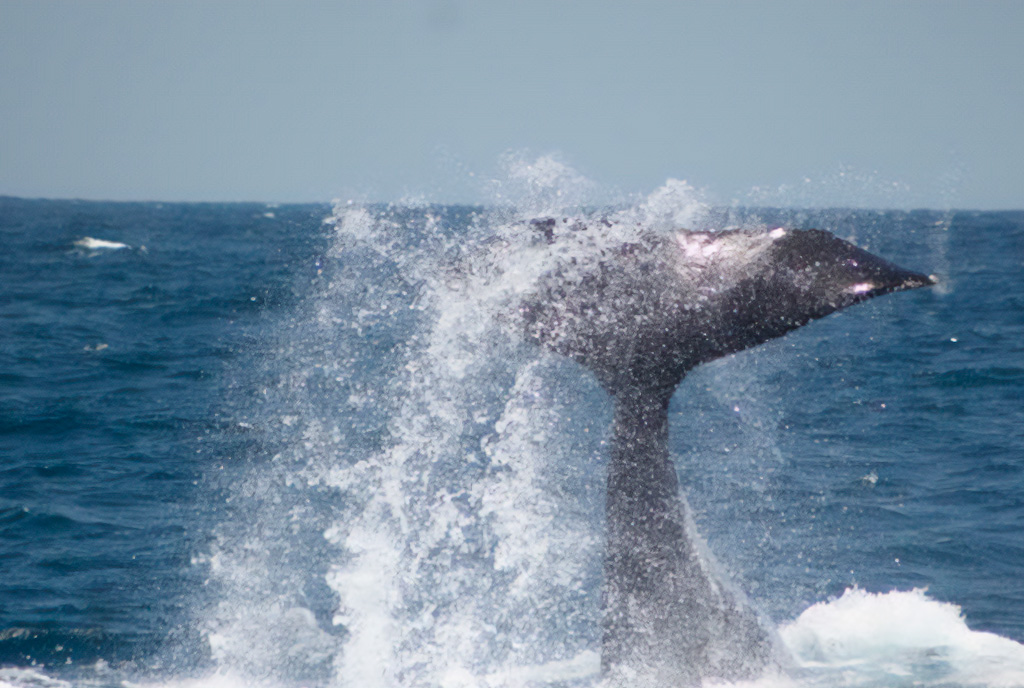
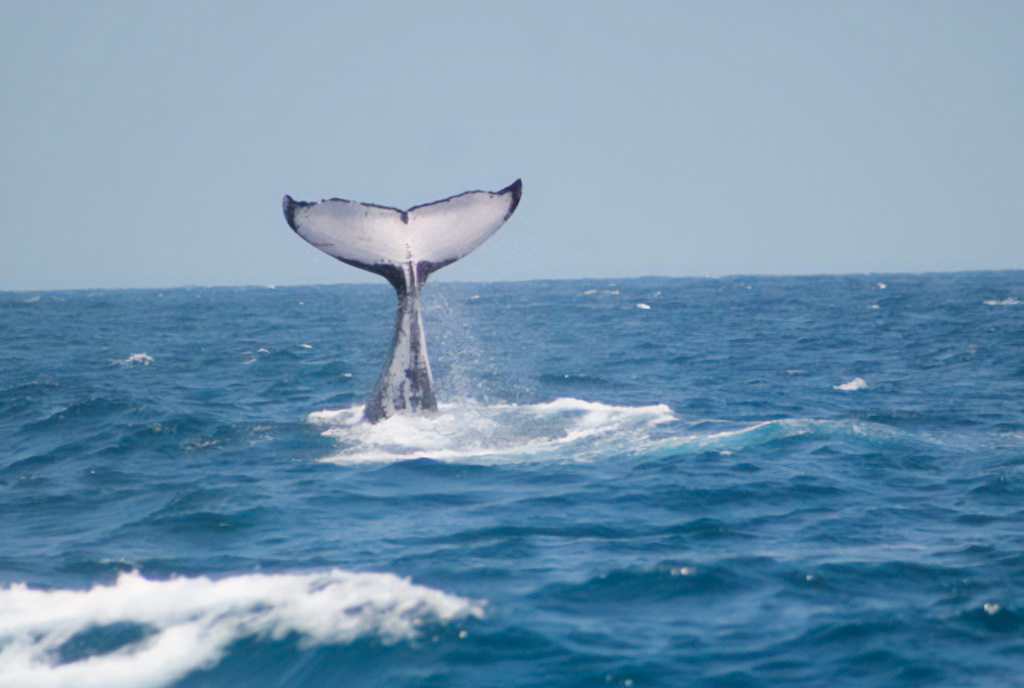
Over time, they were able to establish that the whales make an annual pilgrimage past Kenya between July and September, travelling from Antarctic waters to Somalia to breed.
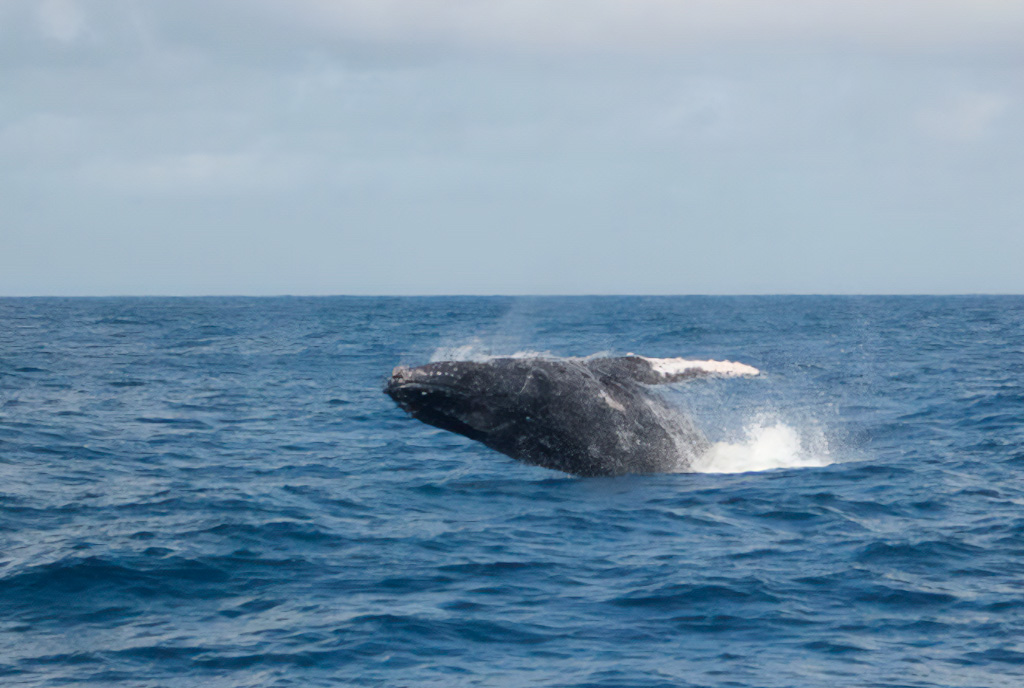
And so another tourism industry was born, built on postcards of the pristine white beaches and azure waters of the Kenyan coast, and now the occasional shot of a humpback whale leaping out of the water.
Their main platform for gathering information is a WhatsApp group, set up so that locals can regularly report sightings and strandings of marine mammals.
Between May 2011 and December 2019, the group, which now has 100 members, reported 1,511 sightings.
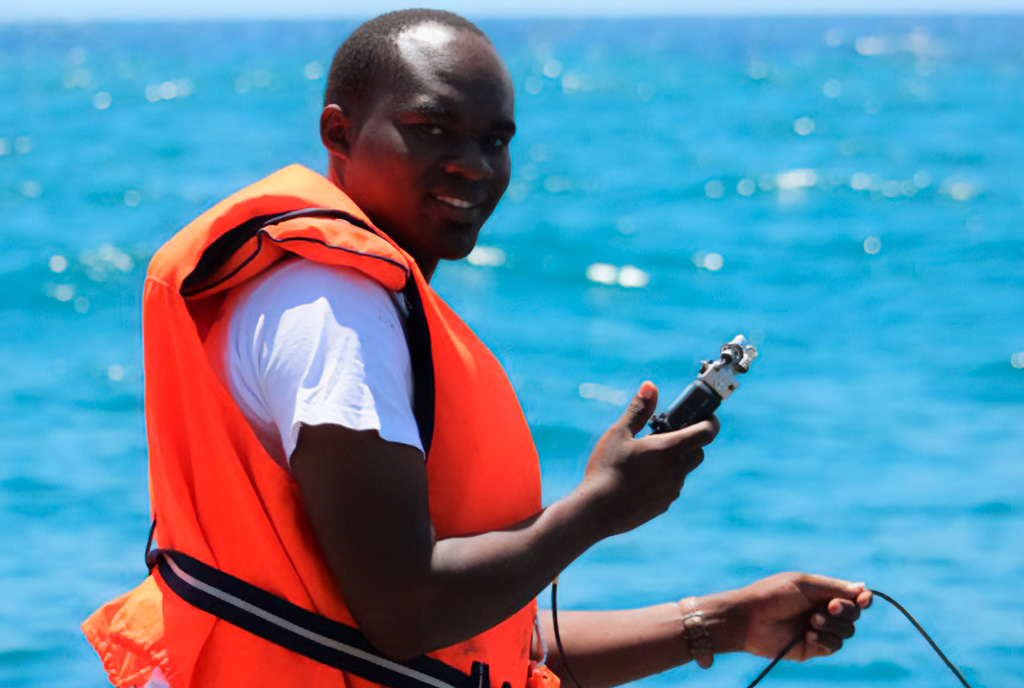
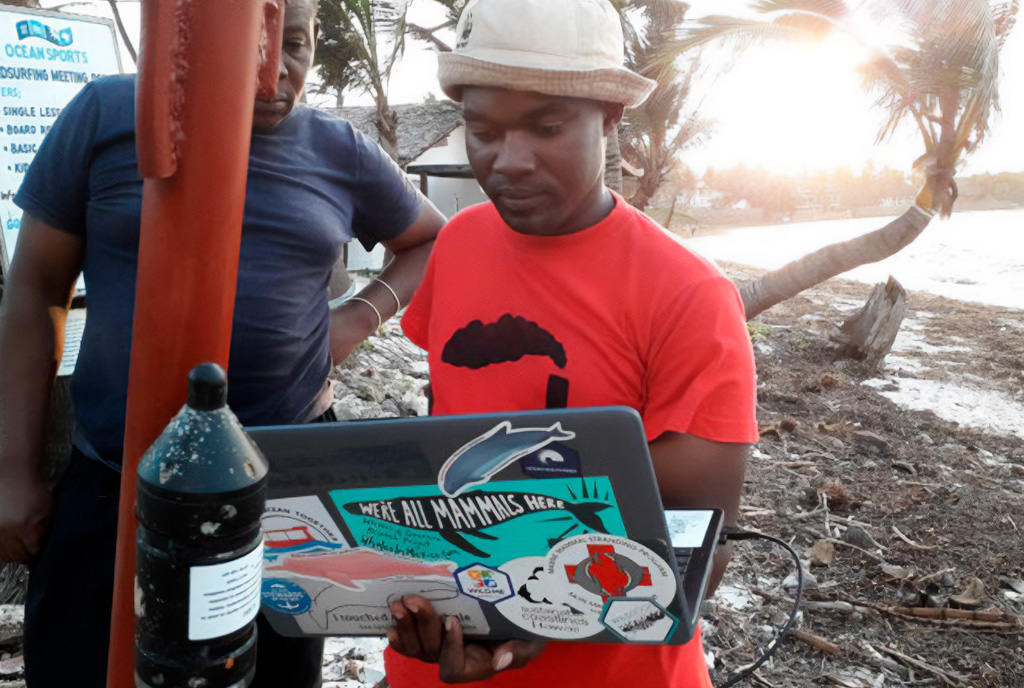
In 2014, when the records and databases were growing unmanageable, the team got a boost with the arrival of Michael Mwang'ombe, a young self-taught scientist from Taita in south-eastern Kenya.
Mwang'ombe, who also had no scientific training, spent his school years mapping out a plan to work in marine research, and arrived in Watamu to start working with sea turtles.
After meeting Spilsbury and learning about the research being done, he persuaded her to let him help with data collection.
"I remember my first time seeing dolphins, I can't explain the emotions I felt then," he says.
"But with the whales I was a little disappointed, because at school we were taught they were vicious, dangerous and enormous."
Working With the Locals

When Mwang'ombe returned home, he was disappointed by the reaction from locals when he talked about Watamu's fantastic marine life.
"I came back so excited and told people about my experience, but no one believed me, even with the photos," he says.
"They thought I'd downloaded them off the internet. That moment changed my life, realising that these people, living so close to the coast, had no idea what was going on out there."
"People asked whether whales eat people or attack them. I knew that would be my next task: educating the locals."
Mwang'ombe began working with local fishermen, teaching them how to use whale and dolphin populations as potential sources of tourism income.
Between 2016 and 2018, fishermen were given cameras and asked to take pictures of any whale sightings while out at sea, to help with the team's research.
"People called me all the time, they loved it. It's these simple things that make me see the value of the work I do," says Mwang'ombe.
"And this is from a community that doesn't really trust anyone. They'd been pushed towards a new era before, back when they didn't want it."
"It's important for us to listen to them and offer suggestions, rather than forcing them to do anything."
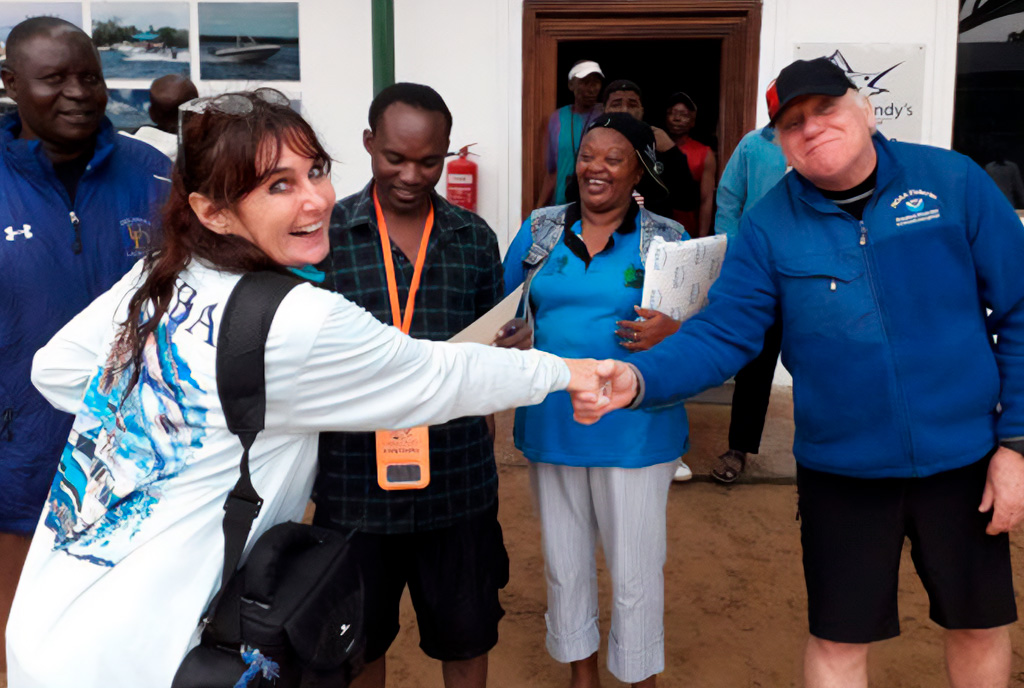
The local Hemingways Watamu hotel soon came on board, offering the team a boat and paying them to organise whale-watching tourist trips.
According to Spilsbury, this means the research trips and the excursion trips are one and the same, which is a novel experience for tourists.
They also rely on the fishermen to provide updates, a simple WhatsApp message if they spot any activity, so the boat knows where to head.
'From Whales to Wildebeest'

Over the years, the country's tourism and research efforts have grown hand in hand. Both international and local tourists have started flocking to Watamu for the chance to see humpback whales.
As a result, Spilsbury managed to convince the Kenya Tourism Board to trial the marketing slogan "The Double Migration: From Whales to Wildebeest", since both events happen at the same time of year.
Until then, the nation's snow-white beaches were often a rare add-on for international tourists on a safari holiday.
The migration months were usually low season for the coast, as strong winds off the sea bring in seaweed that blankets the pristine beaches.
But this seasonal dip is seeing an upswing, buoyed by the whales.
In 2018, 197 humpback whales were recorded in the area, the highest number since records began.
That number dropped to just 35 in 2019 due to environmental conditions, but sightings surged again later in 2019.
In August, the Hemingways team had only a single whale-watching trip, which failed to spot any mammals.
Most of these trips were filled with local tourists, as international visitors remain elusive at the height of the pandemic, despite Kenya's relatively low coronavirus figures.
At the time of writing, Kenya, with a population of just under 50 million people, had recorded fewer than 100,000 Covid-19 cases and just over 1,600 deaths.
The Domestic Tourism Bonus
Melinda Rees, general manager of Hemingways Watamu, says the pandemic "forced Kenyans to explore their own country, and they're realising just how amazing it is".
Before Covid and the whales, the hotel saw 20% occupancy at this time of year, mostly because of the unappealing seaweed.
But in September this year, occupancy rates reached 80 to 100%, with bookings coming almost exclusively from local tourists.
"We're geared towards both markets in Kenya, and if one disappears, it creates a real problem," says Rees, noting that while domestic tourism had been a huge bonus, reinvesting in the hotel this year was impossible.
And while the emergence of tourism is encouraging for Spilsbury, she remains focused on research and conservation efforts. The team has already documented 24 species of whales and dolphins in the area.
They've also been "embraced" by the global scientific community, receiving invitations to international symposiums on marine mammals and regular outside funding.
"Scientists say this is genuinely local and important data, and it has incredible value," says Spilsbury.
"And here we are, just ordinary people with ordinary skills."
Now deeply involved in the country's growing marine tourism industry, Spilsbury, who worked in the UK government's legal service before packing up and moving abroad, believes she'll spend the rest of her days in Kenya, because "there's just too much to do here".
"Local people didn't even know where Watamu was [before]," she adds. "But now there's a huge shift happening. It's exciting."