

Figuring out what to see in Bucharest: the city core takes two days, and the third fits perfectly into a mountain trip to Sinaia, an hour and forty minutes by train. Bucharest gets underrated, and unfairly so: it holds the world's second-largest administrative building, blocks of Parisian-style Art Nouveau mixed with socialist realism, and coffee and restaurants that cost noticeably less than in neighboring Central Europe. Here is the route point by point, from the Palace of the Parliament to the coffee shops.
Palace of the Parliament: megalomania in person
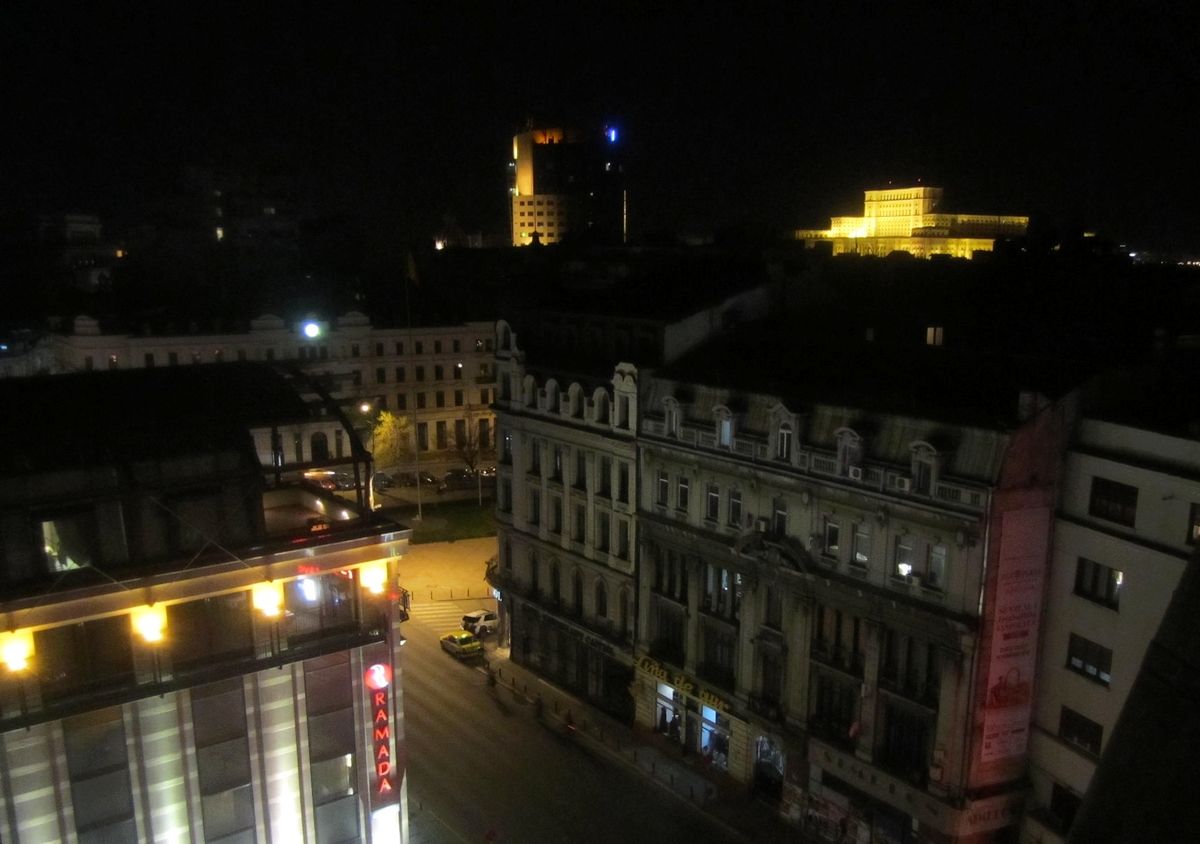
The Palace of the Parliament is the main reason tourists think of Bucharest at all. The numbers are genuinely absurd: over 365,000 square meters, more than a thousand rooms, a building heavier than anything you have ever seen, and still not fully finished. Ceaușescu demolished a fifth of the historic center to build it and did not live to see it completed. Entry is by guided tour only: book ahead on the Palace's official website, and bring your passport, without it you will not get in even with a ticket. The standard tour lasts about an hour and covers only a few percent of the building, which turns out to be plenty: stadium-sized marble halls tire you out faster than they run out. The balcony overlooking Unirii Boulevard, designed to outmeasure the Champs-Élysées, is the tour's best moment.
Lipscani: the old town that survived
The historic center of Lipscani is a handful of blocks between the Dâmbovița river and the boulevard that survived both Ceaușescu and the earthquakes. By day it is an architecture walk; by evening the quarter turns into one continuous and fairly loud bar street. What not to miss:
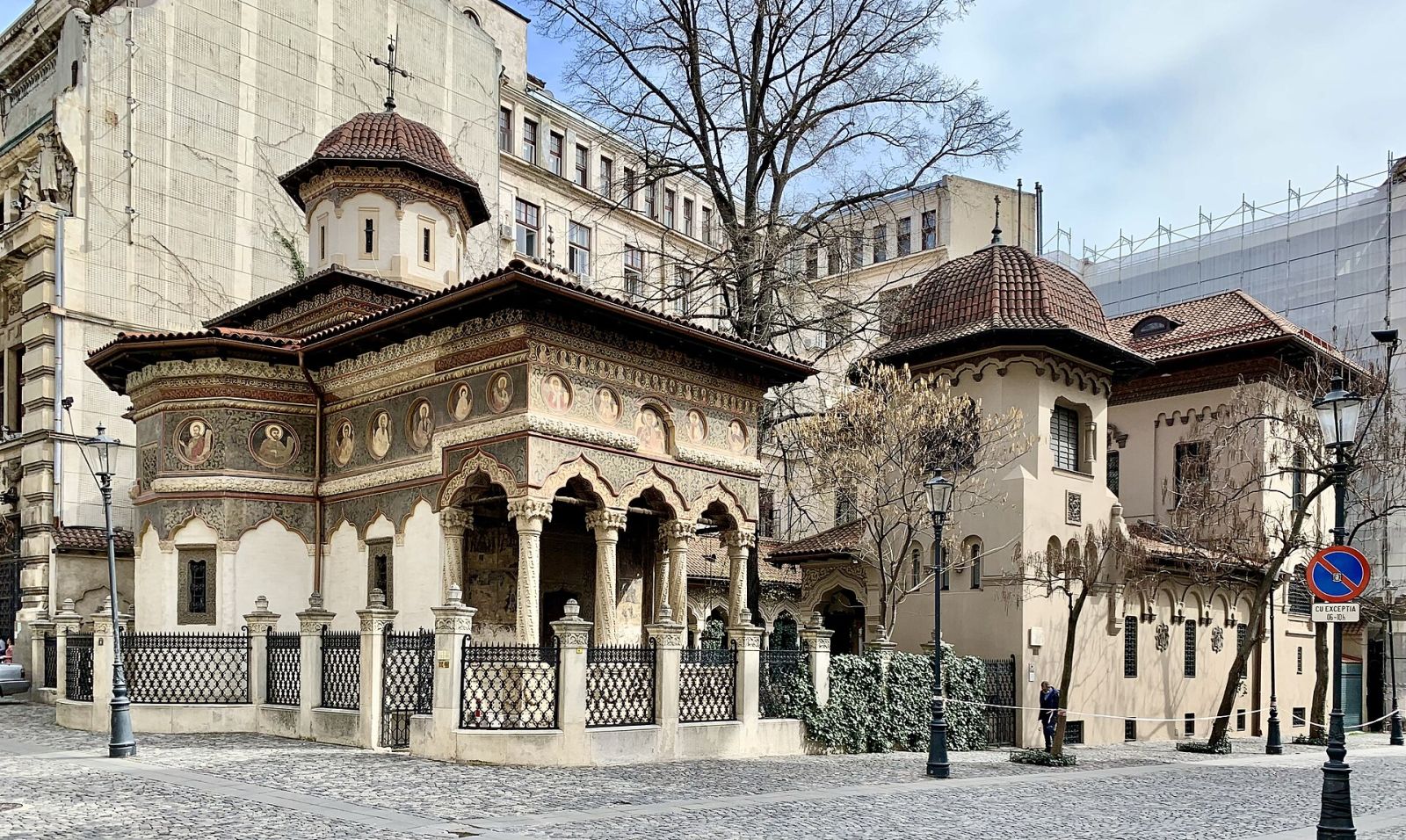
- Stavropoleos Church: tiny, from 1724, with a carved stone porch and a silent courtyard. The contrast with the bars twenty meters away could not be sharper.
- Macca-Vilacrosse Passage with its yellow glass roof, the most photogenic walkway in the city.
- Cărturești Carusel: six snow-white floors of bookstore in a restored bank building, cafe on top. Yes, people come for the photos, and yes, it earns them.
- Hanul lui Manuc: an early 19th-century caravanserai with wooden galleries around the courtyard, now a restaurant. The courtyard is open to everyone.
- The ruins of the Old Princely Court, once ruled by Vlad the Impaler himself: modest, but enough to tick the "Dracula was here" box.
Caru' cu Bere, a beer hall open since 1899 with neo-Gothic interiors, stained glass and waiters moving at waltz tempo, is the classic first dinner. Touristy, with occasional lines, but the interior and the ciorbă justify it. Reserve a table online, it is free and removes the queue question entirely.
The Athenaeum and around: ceremonial Bucharest
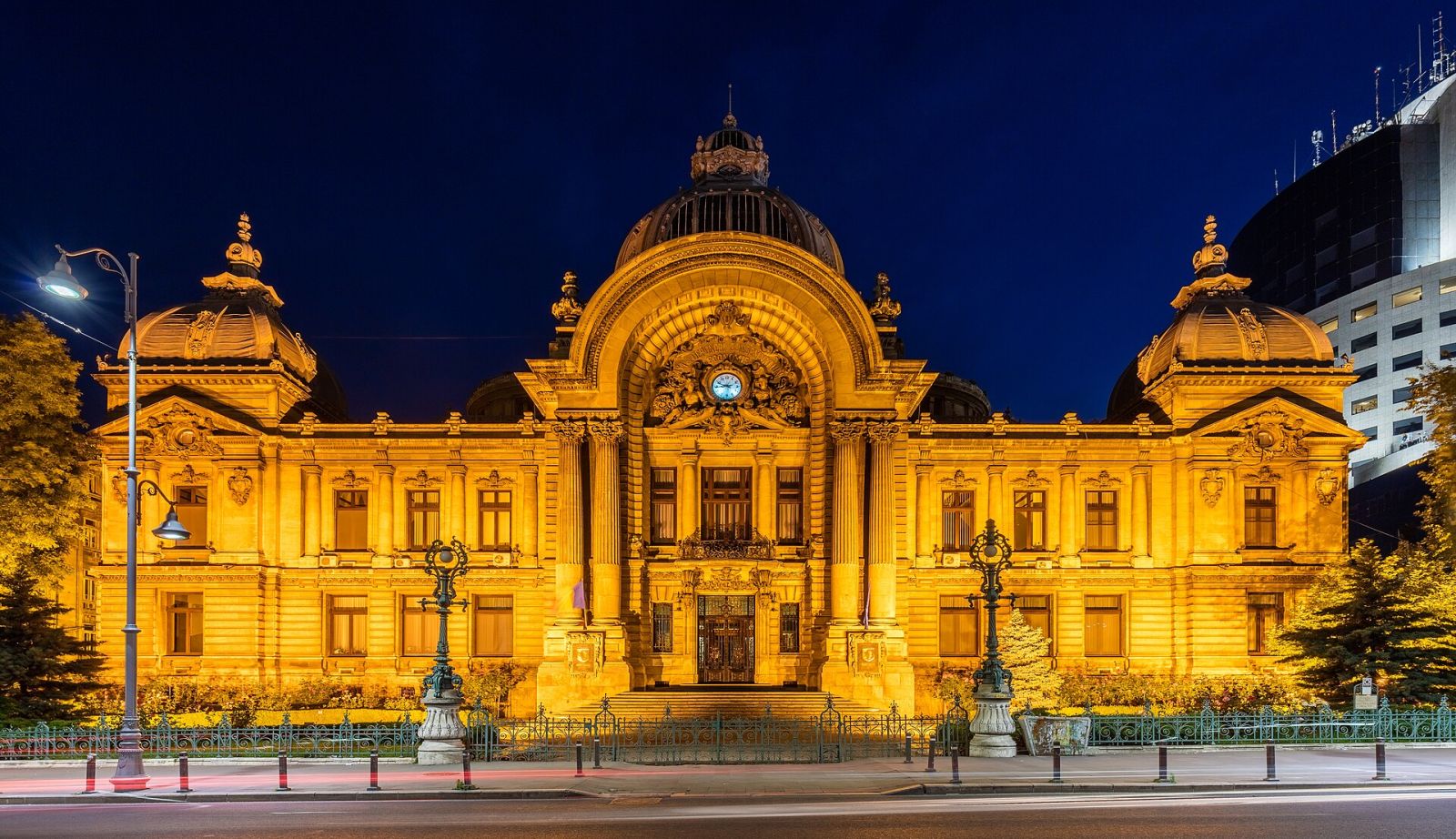
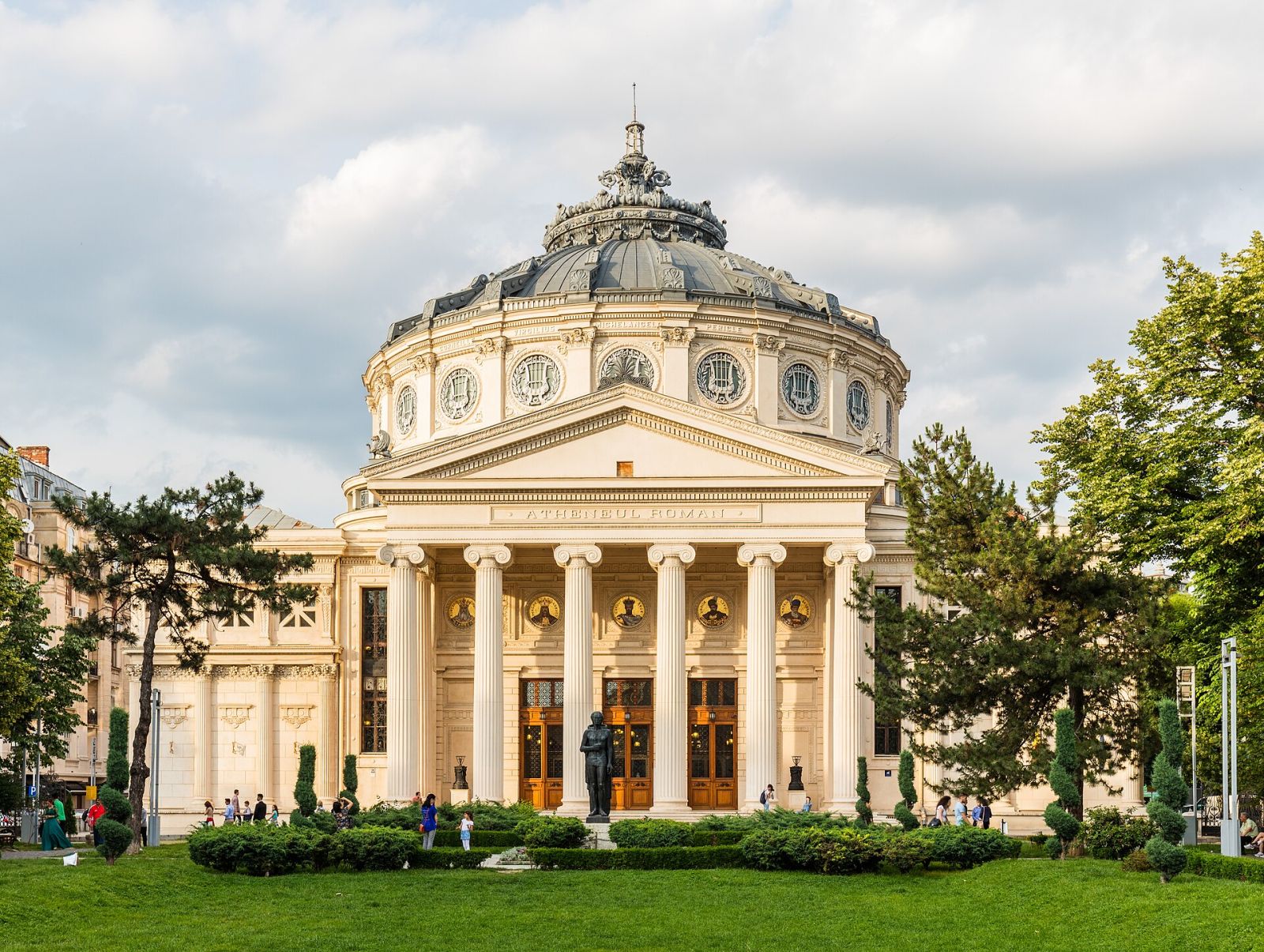
The Romanian Athenaeum, an 1888 concert hall with a colonnade and dome, is the most beautiful building in the city, no contest. If the George Enescu Philharmonic's schedule cooperates, buy a concert ticket: the hall impresses more from the inside than the facade does, and tickets are moderately priced. No luck with the program, drop in by day, a token fee gets you into the frescoed foyer. Nearby is Revolution Square with the Central Committee balcony where Ceaușescu gave his final speech, and the memorial to the events of 1989. From here begins Calea Victoriei, the main ceremonial street: heading south you will pass the CEC Palace, the 1900 savings bank headquarters with a glass dome, Art Nouveau in peak form. You usually cannot go inside, it is still a working bank, but the facade is among the most photographed in the city, especially lit up at night.
Herăstrău: park, lake and an open-air village
Herăstrău Park, officially King Michael I Park, is a vast green expanse around a lake in the north of the city, the local Hyde Park with boat rentals, bike paths and terraces on the water. The real reason to come is not the park itself but the Village Museum at its edge: over 250 genuine houses, churches and windmills relocated from across Romania, from the wooden churches of Maramureș to the half-buried dwellings of Oltenia. Budget two hours for the museum and as much again for the park. Getting there is easy: metro to Aviatorilor station and you are at the entrance. On the way, look at the Arcul de Triumf. Yes, Bucharest has its own, and the "little Paris" nickname was worn with genuine pride in the interwar years.
Coffee shops: an unexpectedly strong suit
Bucharest's coffee scene has grown in recent years to a level worth comparing with Berlin. Specialty cafes number in the dozens: Origo near Lipscani, M60 in the Amzei area, Beans & Dots, Steam. A cappuccino runs about 15-20 lei, that is 3-4 euros, and desserts and breakfasts are solid across the board. A separate genre is the cafes set in old villas with courtyards between Calea Victoriei and Cișmigiu Park: you come in for a coffee and stay half a day. Cișmigiu itself, the city's oldest park with a lake and its chess players, rounds off the coffee break nicely.
Sinaia: the mountain day trip
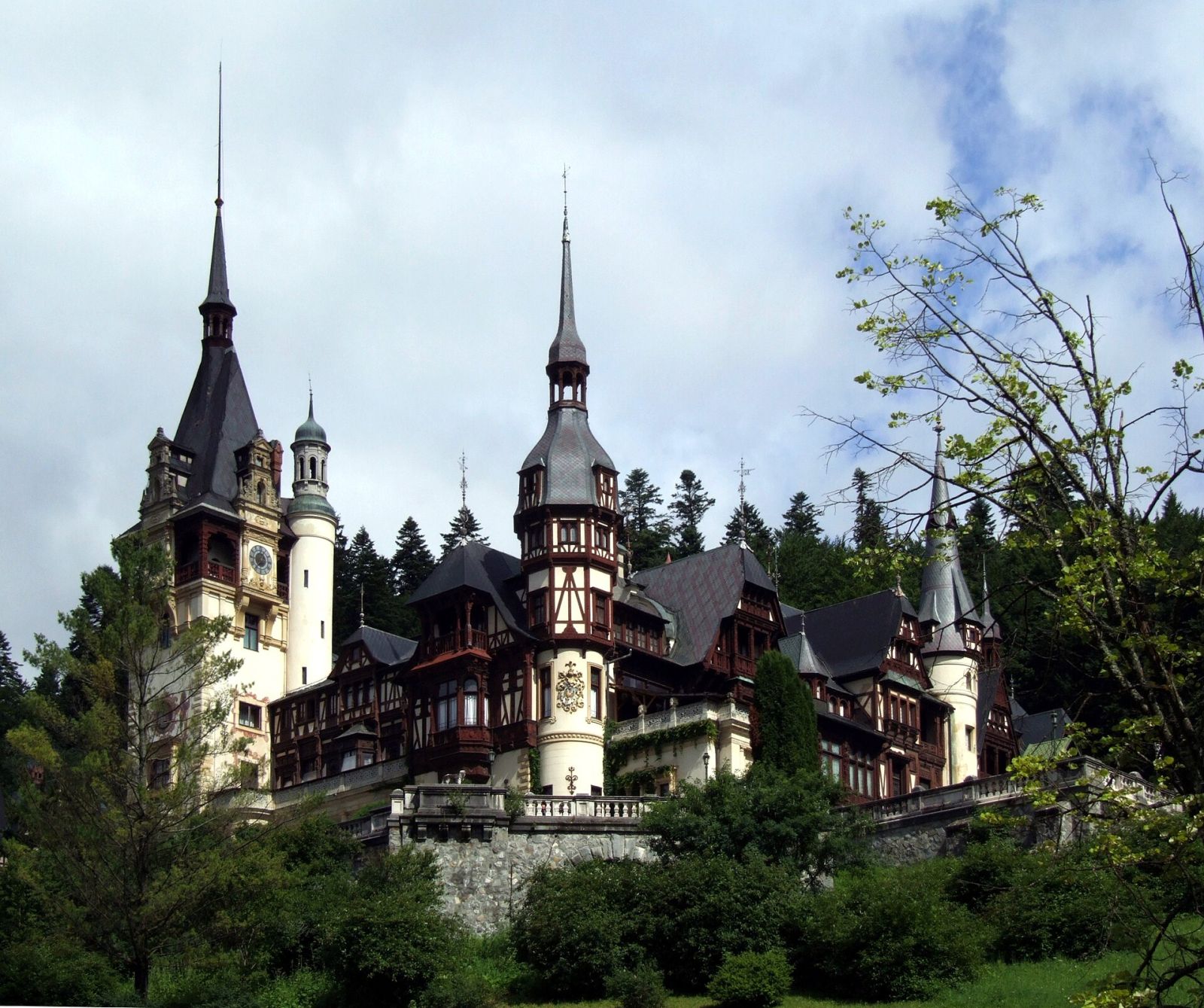
Give day three to Sinaia, a mountain town in the Carpathians on the Bucharest-Brașov railway line. Trains from Gara de Nord take an hour and forty minutes, a ticket costs roughly 30-50 lei one way. The main target is Peleș Castle, a late 19th-century royal residence: a fairy-tale silhouette against the mountains and some of the richest interiors in Europe, carved wood, an armory, a library with a hidden door. Interior visits are guided only, the castle closes on Mondays (and Tuesdays in some seasons), so verify the current schedule and prices on the official Peleș website. Next door stand the smaller Pelișor and the Sinaia Monastery of 1695, which gave the town its name in honor of Mount Sinai. With time and weather on your side, the cable car from central Sinaia climbs to 1400 and 2000 meters, up to the Bucegi ridge. Leave Bucharest before nine: afternoon queues at Peleș eat a full hour.
The 2-3 day plan
| Day | Route |
|---|---|
| 1 | Palace of the Parliament in the morning on a booked tour, Unirii Boulevard, afternoon in Lipscani: Stavropoleos, Carusel, Hanul lui Manuc, dinner at Caru' cu Bere |
| 2 | Calea Victoriei: CEC Palace, Revolution Square, the Athenaeum, lunch around Amzei, afternoon at Herăstrău with the Village Museum, evening concert at the Athenaeum if the program allows |
| 3 | Sinaia: Peleș, Pelișor, the monastery, optionally the cable car up the Bucegi |
Practical notes to finish. The currency is the leu, not the euro; pay by card or exchange at banks, street "great rates" are a classic scam. The metro is cheap and convenient, and a train links Otopeni airport with the center. And calibrate expectations: Bucharest is not a postcard city, it is eclectic and scuffed in places, but its charm lives precisely in that mix of brutalism, belle époque and cheap espresso.