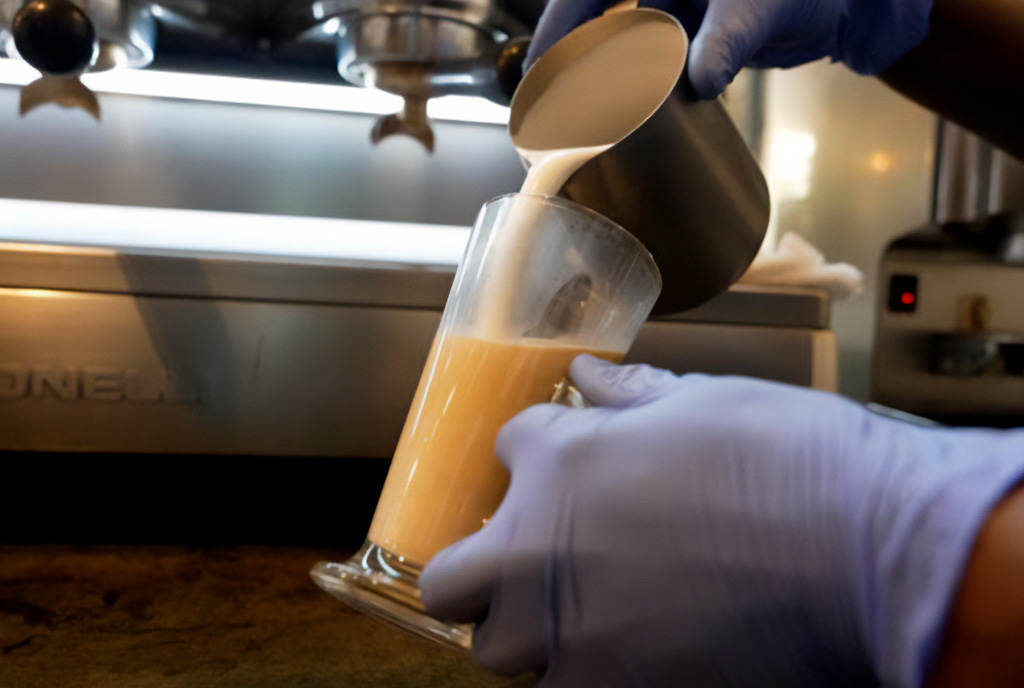


While tea may be Kenya's biggest export, a new drink is brewing in central Nairobi: a cappuccino made with camel milk.
At CJ's, a popular cafe in downtown Nairobi, manager Omar Sharif has noticed a shift. Where demand for camel milk once came mostly from the local Somali community that grew up drinking it, today more and more customers are asking for it.
His menu now features drinks like the "camel-ccino" and the "camel latte," and there are plans to roll out camel products beyond beverages, such as a camel burger.
Partner links: booking through them supports the blog at no extra cost to you.
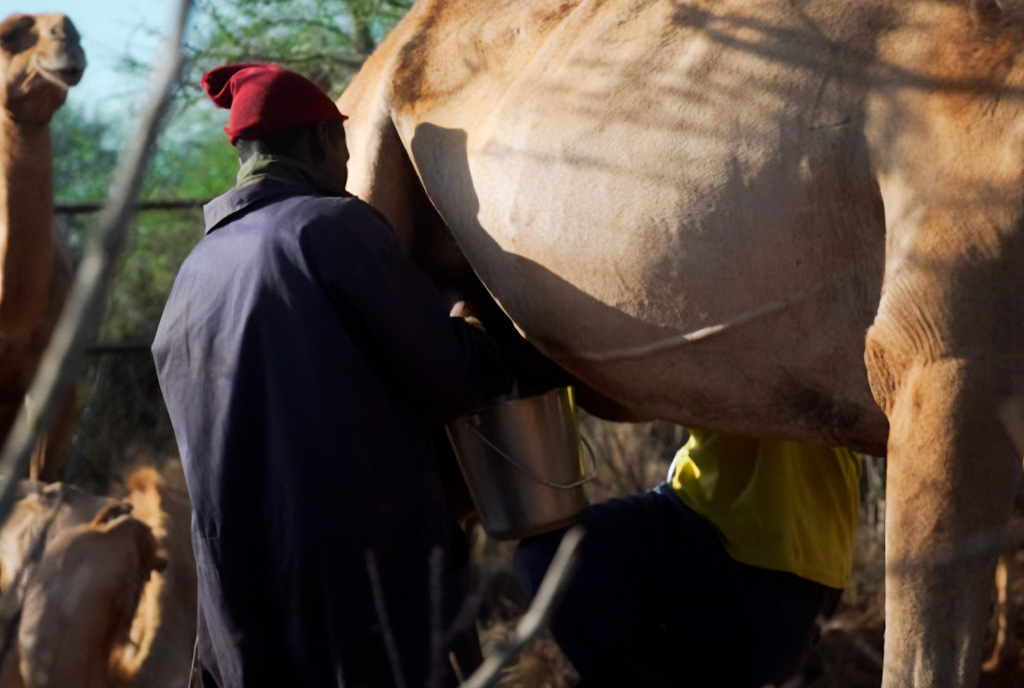
Although camel milk is consumed around the world in other regions, including much of the Middle East, parts of Asia, and Australia, its popularity in East Africa has largely stayed within rural communities. But wider interest, both across the region and around the globe, has started to grow, and prices have led some to call this milk "white gold."
"Camel milk is incredibly profitable on the international market," says David Hewett, ranch manager at the Mpala Research Centre on the Laikipia Plateau in north-central Kenya. "Half a liter of finished milk sells for between $10 and $20," he says, compared with ordinary cow's milk, which retails for around 50 cents a half-liter in the US.
Tapping into an Abundant Resource
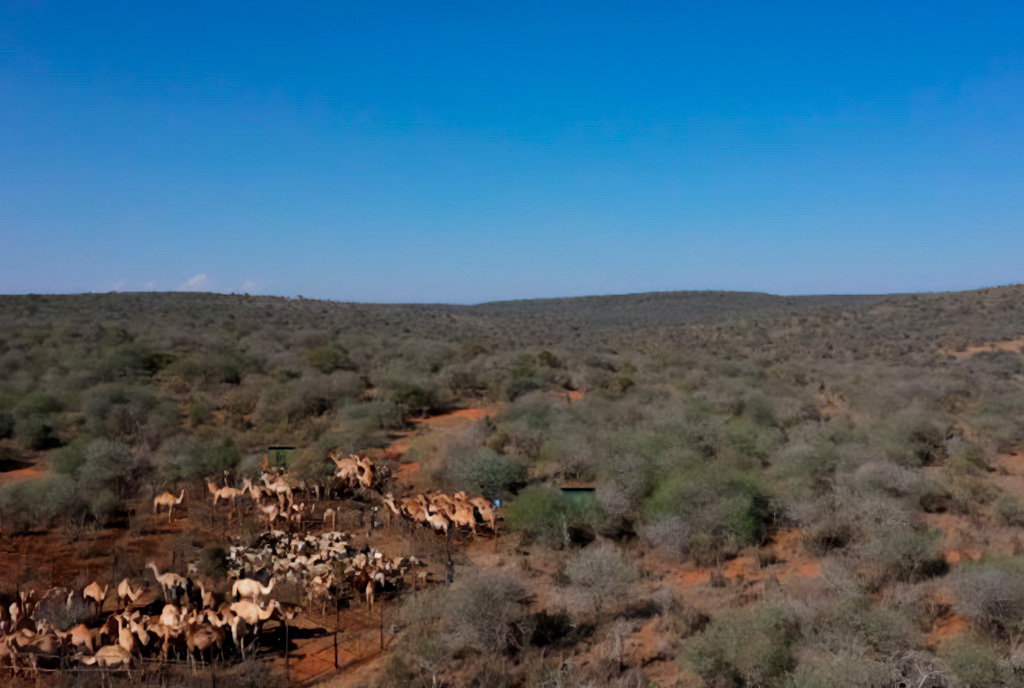
The African continent is home to 80% of the world's camels, with roughly 60% living in East Africa alone. In Kenya, more than four million camels roam the country's rangelands, a figure that has quadrupled since 1999, according to the Kenya Camel Association.
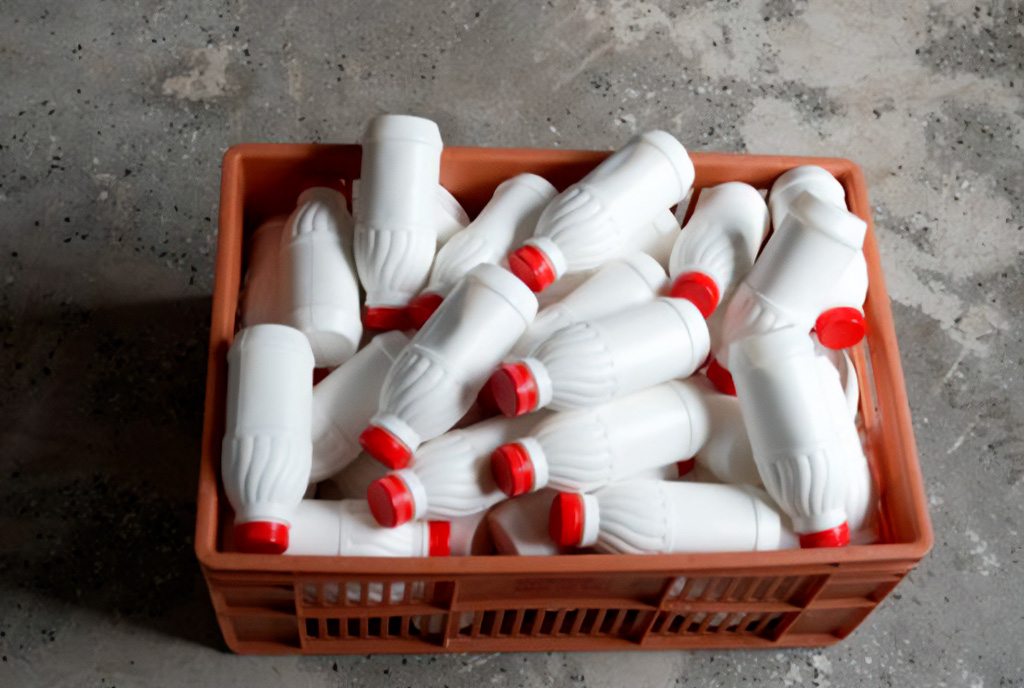
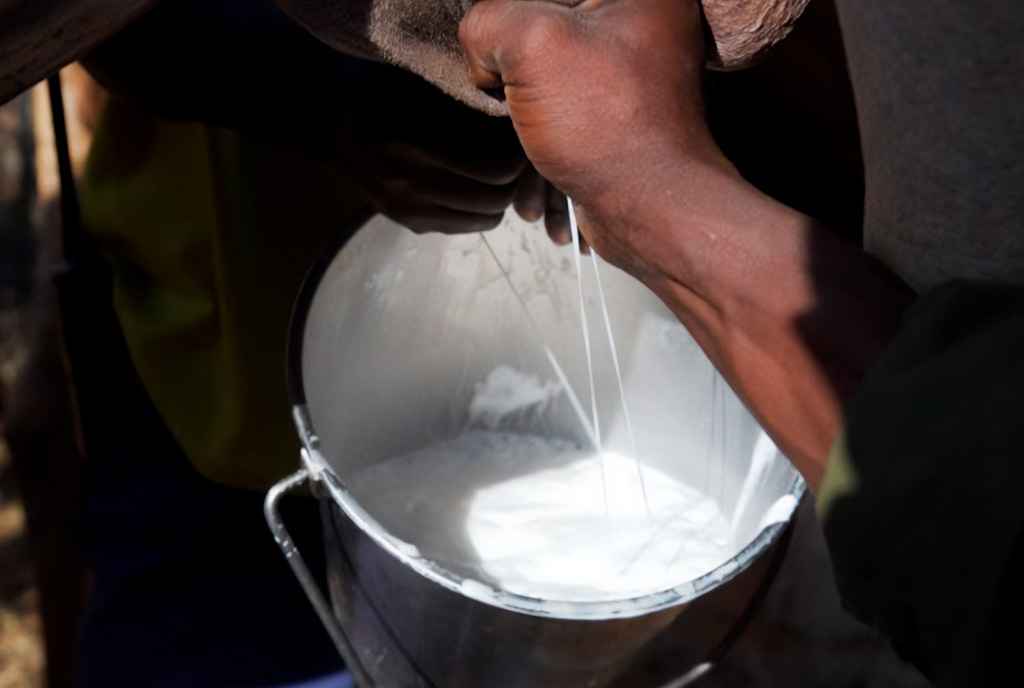
Although the drink has long been a daily staple for some in the region, it lacks an organized and widely available route to market. Instead, the milk is most often found in informal markets across the country.
Even without a formalized supply chain, the sector brings 10 to 12 billion Kenyan shillings ($90 to $108 million) into the country's economy each year, says Khalif Abey of the Kenya Camel Association.
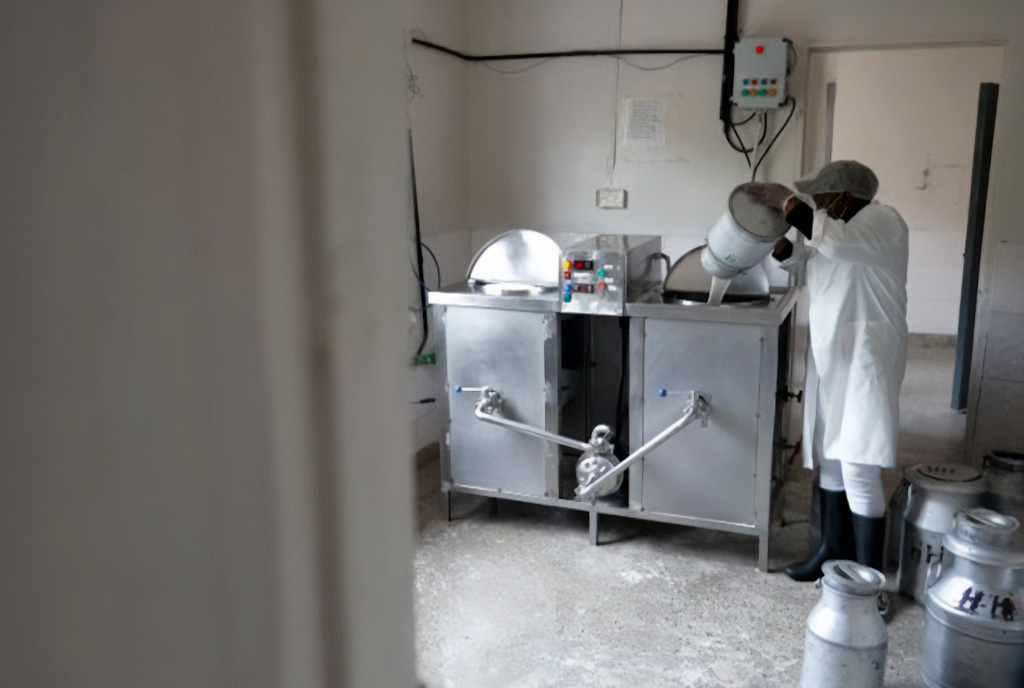
For one of East Africa's largest camel milk producers, White Gold Camel Milk, the room to grow is clear. The company produces 500 liters of milk a day, and its CEO, Jama Warsame, notes that local demand has pushed the company to diversify into other value-added products, such as flavored camel milk and yogurt.
The Appeal of Adaptability
As large parts of East Africa continue to endure longer and more intense droughts, camels have also become a climate-friendly alternative food source.
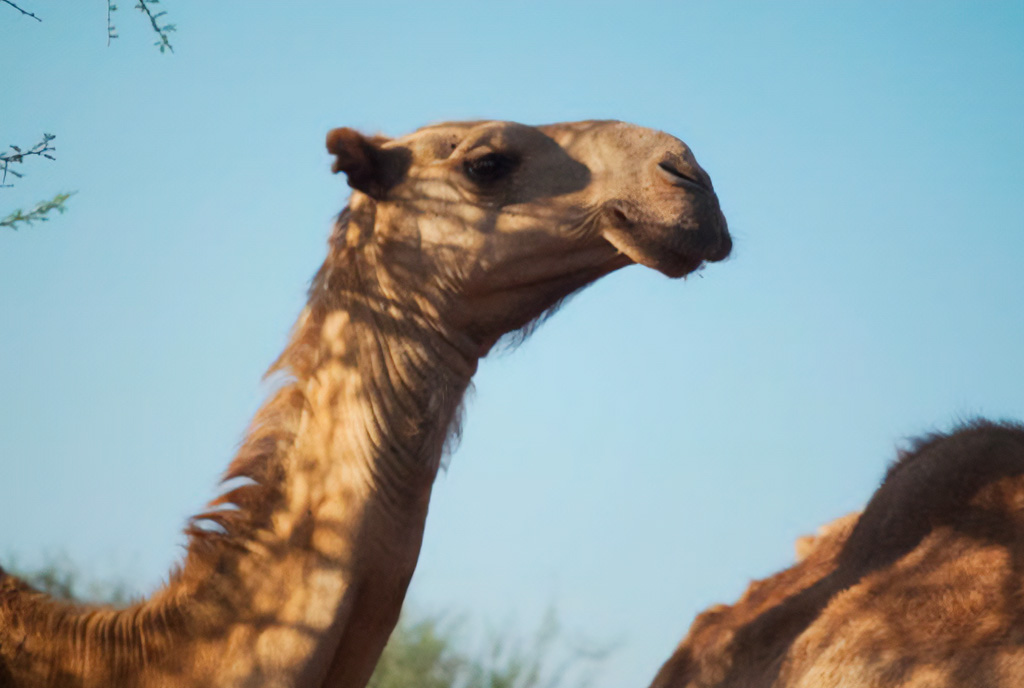
According to Kenya's National Drought Management Authority (NDMA), Kenyans living in 23 counties are facing shrinking food supplies because of drought and will need food assistance over the next six months. Unlike herds of cows and sheep, camels can go 100 miles without water and can stay cool at temperatures above 120 degrees Fahrenheit. "That provides a safety net in dry weather, when traditional livestock come under pressure," Hewett argues, because "camels keep producing milk."

Beyond the climate considerations, Sharif says a growing base of health-conscious customers has nudged establishments like CJ's toward serving the milk.
"We have several people, from fitness instructors to nutritionists, who tell us they've discovered a lot of interesting facts about camel milk and its benefits," he says.
The UN Food and Agriculture Organization states that camel milk contains three times more vitamin C than cow's milk. Current research has also shown evidence that the milk may lower cholesterol and ease digestive disorders.
Overcoming the Obstacles
Even though there are potential markets to grow into, a number of challenges continue to hold back the expansion of camel milk production in Kenya. Limited roads and a lack of infrastructure and cold storage stand in the way of large-scale production and supply of dairy products.

"Where most of the ranchers live, it's a harsh environment. We have to invest in refrigerated trucks. We have to invest in building a collection center," Warsame says.
For a sector built on a network of small family farms, growing the industry to export to lucrative markets overseas presents other hurdles as well.
"It's very hard to meet international standards for management and disease control across a multitude of markets for milk produced by smallholders," Hewett notes.
Despite the difficulties, industry leaders are pushing to build a formal value chain. With the right infrastructure, the Kenya Camel Association says the sector could be worth around $200 million a year and support 10 to 12 million households in northern Kenya whose livelihoods depend on these animals.