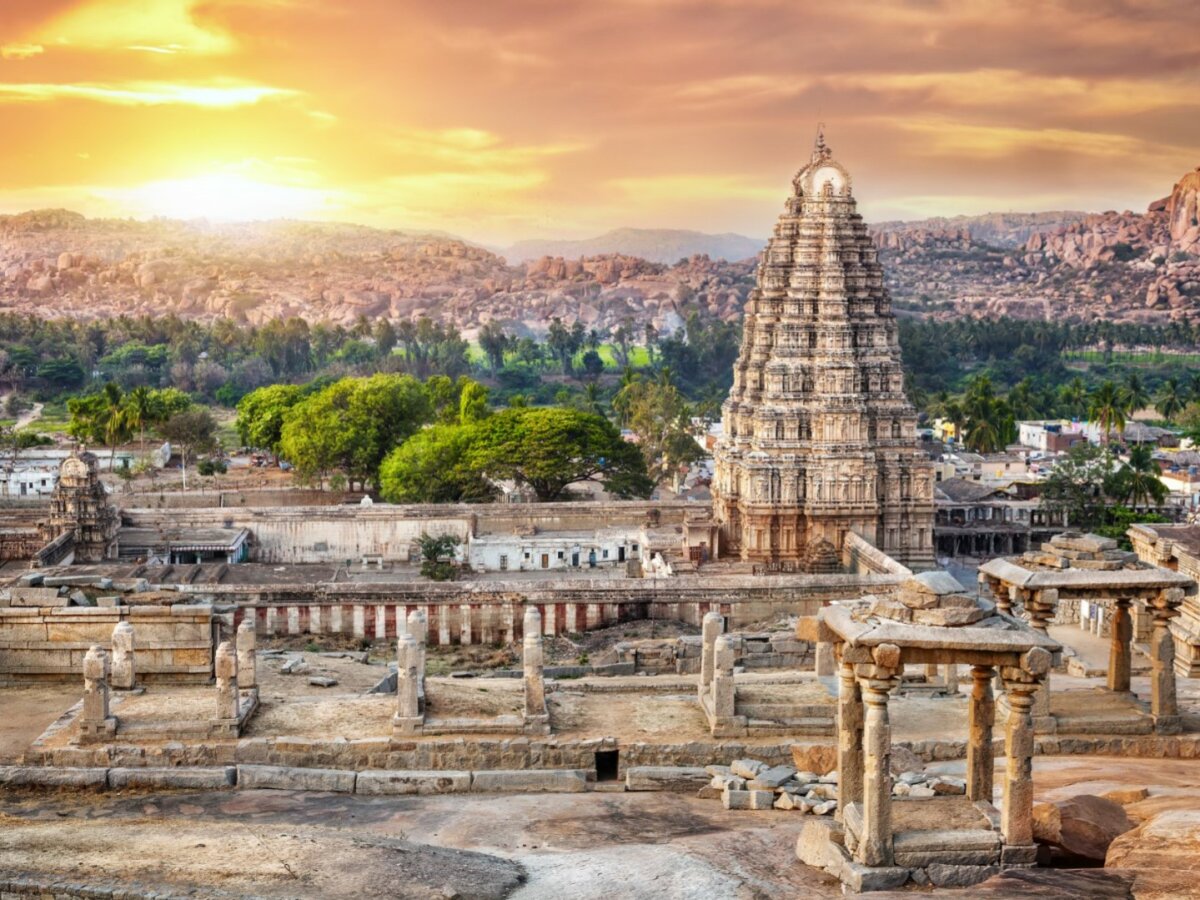


Home to more than 1.2 billion people, India is a kaleidoscope of diverse languages, beliefs and religious practices.
The country recognizes at least nine religions, including Islam, Buddhism, Christianity, Sikhism, Jainism and several tribal and folk faiths.
Most people in India follow one of two religions: 80% identify as Hindu and 14% as Muslim, according to the latest census. Still, the mix of faiths varies widely from region to region.
Partner links: booking through them supports the blog at no extra cost to you.
In the western state of Maharashtra, home to Mumbai, for example, there is a large concentration of Buddhists, while the northern state of Punjab is home to the lion's share of Sikhs.
Reflecting the country's religious diversity, intricate and majestic temples can be found all across India. Some date back centuries, while others are modern architectural marvels.
Here are eight of the most beautiful temples worth visiting on a trip to India.
Vaishno Devi Temple
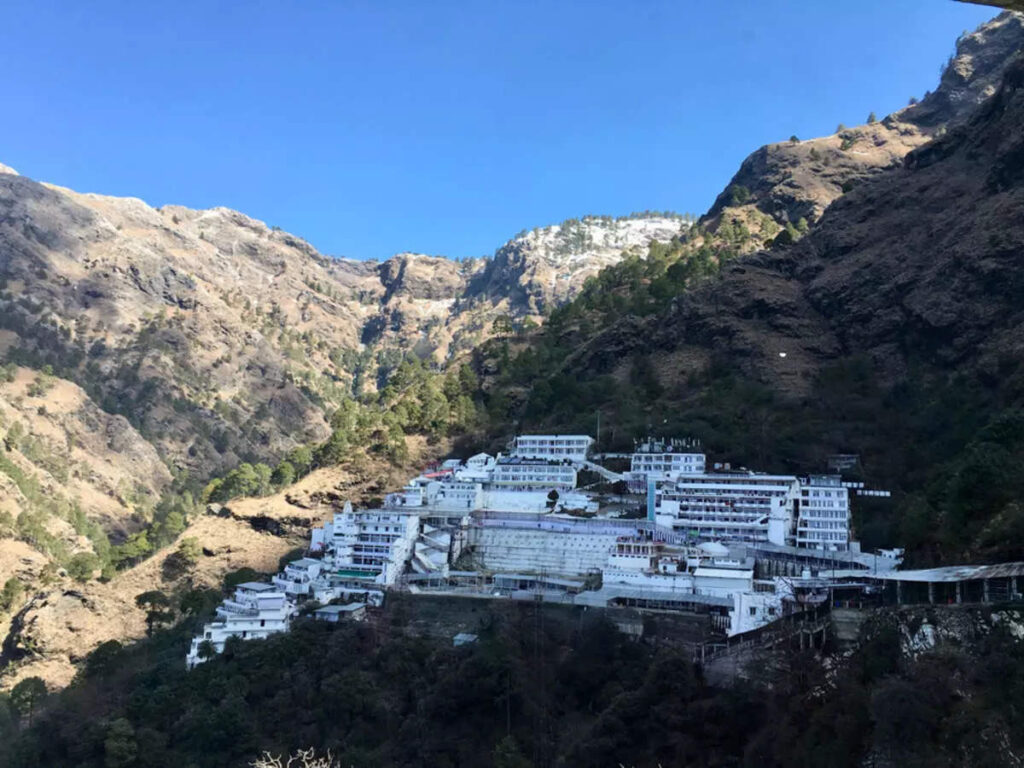
Where: Katra, Indian-administered Kashmir
Perched at 5,300 feet above sea level in northern India, the Vaishno Devi Temple draws around 8 million pilgrims each year to the sacred cave of the Mother goddess.
Most people reach the temple on foot along a 12-kilometer trail, a journey that takes about six hours for anyone reasonably fit. Since the path is mostly uphill, there are several spots along the way to grab a bite, rest or spend the night.
Elderly, unwell or injured visitors can ask to be carried up the slope on a palanquin. Alternatively, you can make the journey on horseback or even by helicopter.
Once you arrive, you'll be surrounded by dense forests and mountains. Depending on when you visit, the scenery either glows in dewy shades of green or shimmers beneath a blanket of white snow.
A cable car runs from the main temple to the sacred shrine of Bhairav Baba, about one and a half kilometers further up the mountainside.
Golden Gurdwara (Golden Temple)
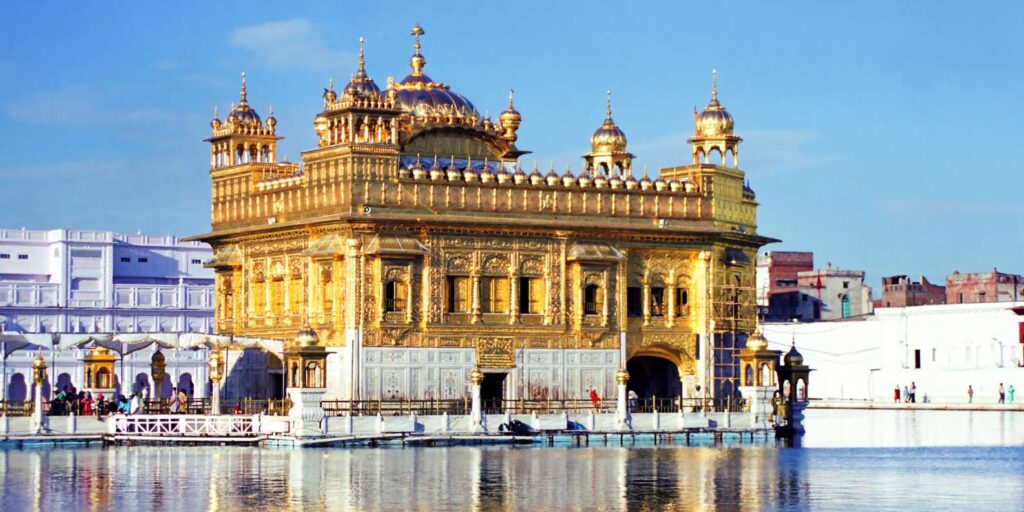
Where: Amritsar, Punjab
A famous Sikh temple in northern India, the Golden Temple takes its name from its gilded facade, which is said to be covered in gold leaf.
Dating to the 16th century, the temple is considered the central place of worship for Sikhs, and the faithful typically make a pilgrimage here at least once in their lifetime.
It is nothing short of a work of art. Inside, visitors will find colorful frescoes and intricate tile mosaics, all hallmarks of Mughal-style architecture.
The temple is known for another reason too: its langar, a communal kitchen that feeds anyone in need. The langar is said to serve more than 100,000 people a day, and it's often called the largest "free kitchen" in the world.
Tirumala Tirupati Balaji Temple
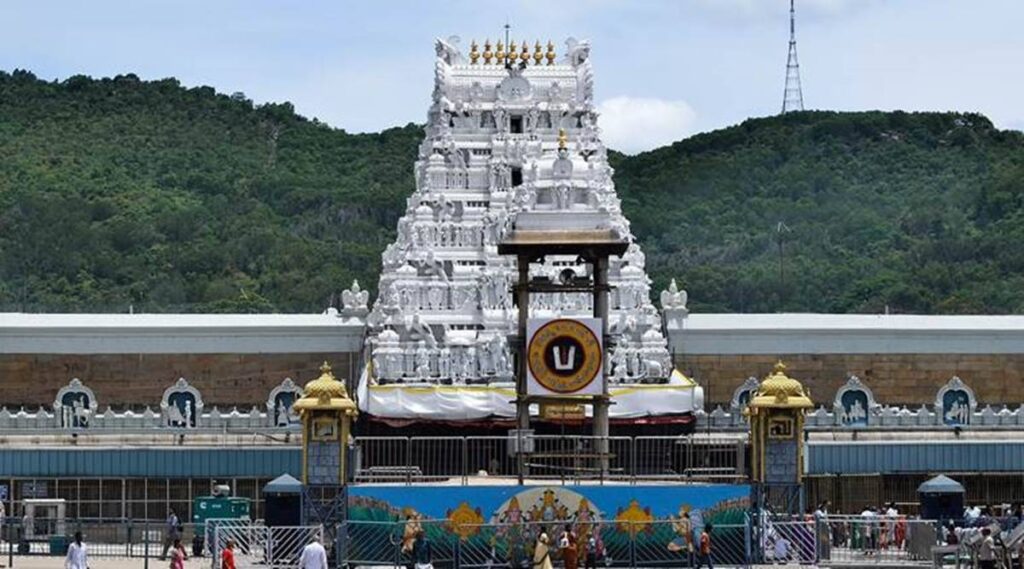
Where: Tirupati, Andhra Pradesh
Set in the wooded Tirumala hills in southeastern India, the Tirumala Tirupati Balaji Temple welcomes up to 40 million visitors a year. This Dravidian-style Hindu temple is thought to date back to the 4th century, though the exact period is unknown.
For travelers and devotees alike, one of the temple's many highlights is its grand architecture: an outer wall, an inner wall, a 1.5-acre pond and several gold and white temple towers arranged in a circle.
Many pilgrims also shave their heads at the temple, as it is believed to deepen their sense of humility.
For general entry to the main hall, it's best to book tickets online, since this is one of the most visited religious sites in India.
Swaminarayan Akshardham
Where: New Delhi
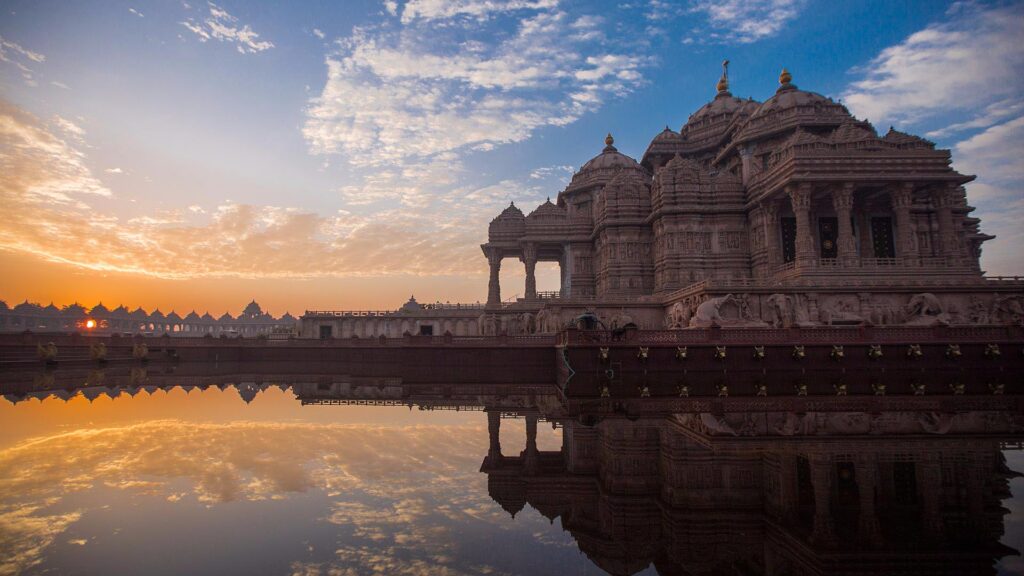
A breathtaking example of Indian architecture, Swaminarayan Akshardham in Delhi is the largest Hindu temple in the world. Although it looks ancient, construction was completed in 2005, but it was built in the traditional style.
It took five years and 11,000 craftsmen to create the temple from majestic materials, including Rajasthani pink sandstone and Italian marble.
The architecture is impossible to look away from: the 141-foot main temple, known as the mandir, is colorful and dramatic thanks to its nine domes, hundreds of carved details and life-size stone elephants.
But not everything here is traditional. Across 60 acres of halls and gardens, visitors will discover a series of high-tech exhibitions, an IMAX theater and even a water show.
Lotus Temple
Where: New Delhi
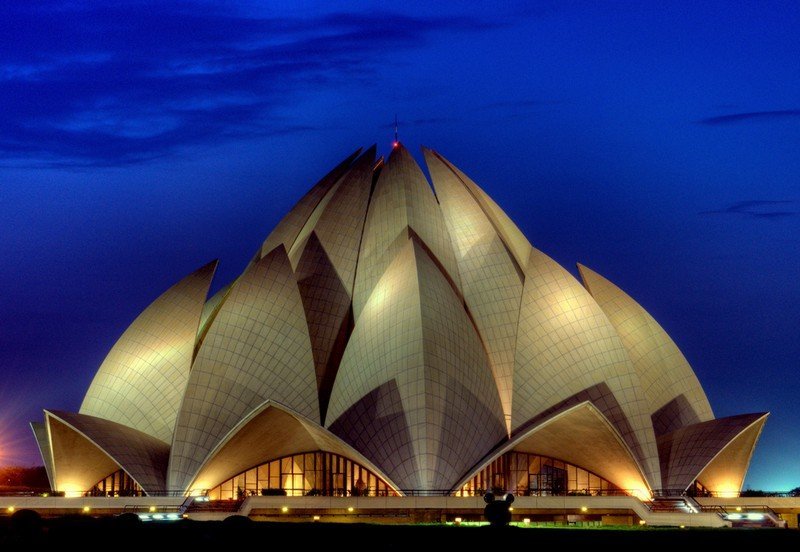
Another modern beauty is the Lotus Temple, which welcomes around 10,000 visitors every day.
Built in 1986, the temple is one of seven major Baha'i Houses of Worship around the world.
Gleaming bright white, it was designed by Iranian-American architect Fariborz Sahba and is made up of 27 marble panels that curve together to form the shape of a blooming lotus, a symbol of divinity and purity.
In line with the Baha'i faith, in which the number nine is associated with unity, the temple has nine sides in total, along with nine tranquil pools.
Mahabodhi Temple
Where: Bodh Gaya, Bihar
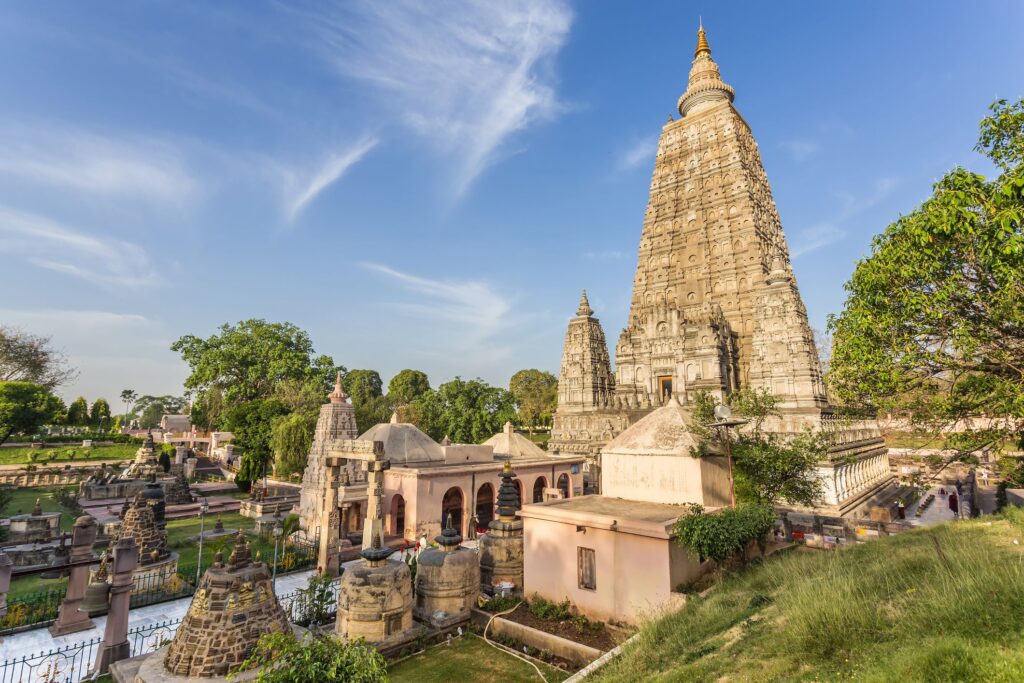
Considered one of the most important sites in the Buddhist faith, this is where Gautama Buddha (also known as Siddhartha Gautama) attained enlightenment beneath the legendary Bodhi tree. As a result, the Mahabodhi Temple draws pilgrims from every corner of the world.
Rebuilt in the 5th century, the 11.9-acre temple, a UNESCO World Heritage Site, showcases a beautiful blend of white and pink sandstone along with intricate engravings.
The most striking structure is the main pyramidal temple, a beautiful brick building standing 180 feet tall that towers over the landscape. And for those searching for the famous Bodhi tree, the original is no longer there, but it's said that a descendant of it grows on the temple grounds.
Meenakshi Temple
Where: Madurai, Tamil Nadu
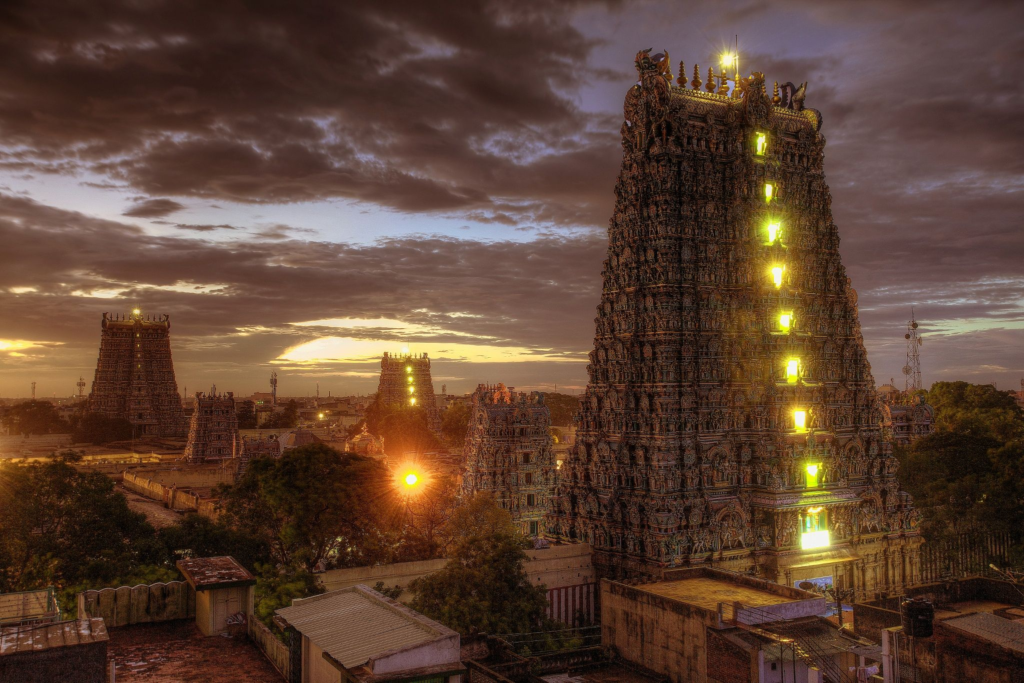
A visit to the Meenakshi Temple, built in the 1st century in southeastern India, begins with a breathtaking entrance. Four massive gopurams (towers) rise overhead, adorned with hundreds, if not thousands, of colorful and richly detailed sculptures of deities, animals and demons.
Once inside, the walled 15-acre complex feels like a labyrinth thanks to a series of concentric enclosures, columned walkways and bustling markets.
For many, the main attraction is the Thousand Pillar Hall, which has been turned into a museum of history and art filled with hundreds of stone sculptures.
But be ready for the crowds. This is another popular pilgrimage site, visited by around 25,000 people a day.
Brihadeeswarar Temple
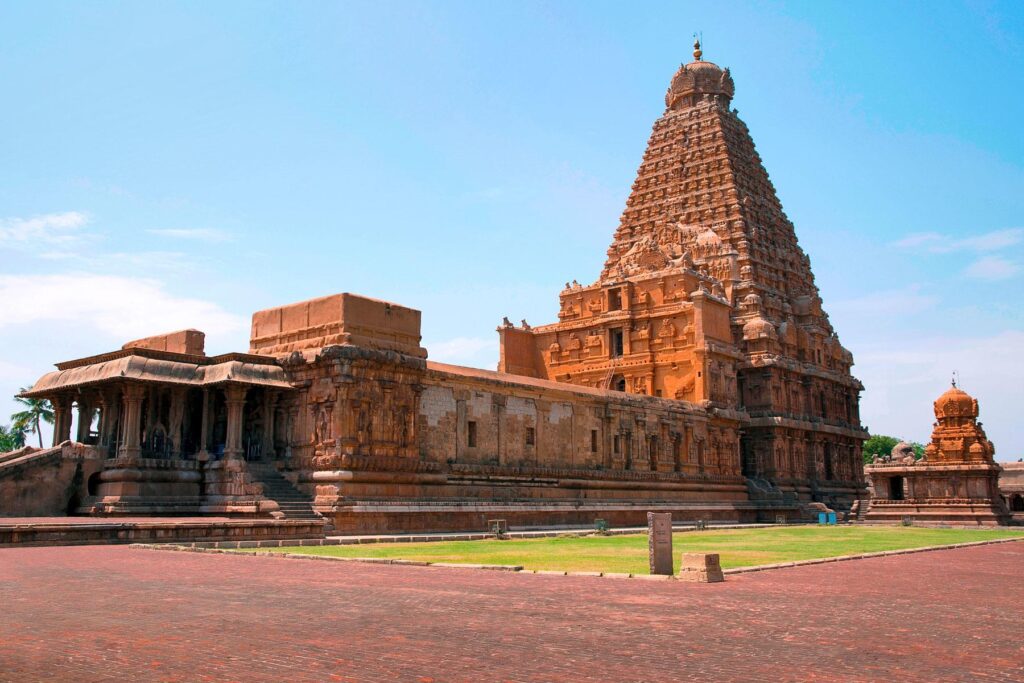
Where: Thanjavur, Tamil Nadu
Brihadeeswarar, part of the UNESCO-listed Great Living Chola Temples complex, is one of the largest temples in southern India, not to mention one of the most beautiful.
The "Big Temple," as it's nicknamed, was the first temple in the world built entirely of granite when it was constructed in the Dravidian architectural style in the 11th century. To this day it still looks remarkably grand, with frescoes, intricate carvings and a variety of sculptures.