

Founded in 1690 on the banks of the Hooghly River, Kolkata (or Calcutta, as it was known until 2001) quickly grew from a fishing village into a thriving colonial metropolis and served as the capital of the British Empire until 1911.
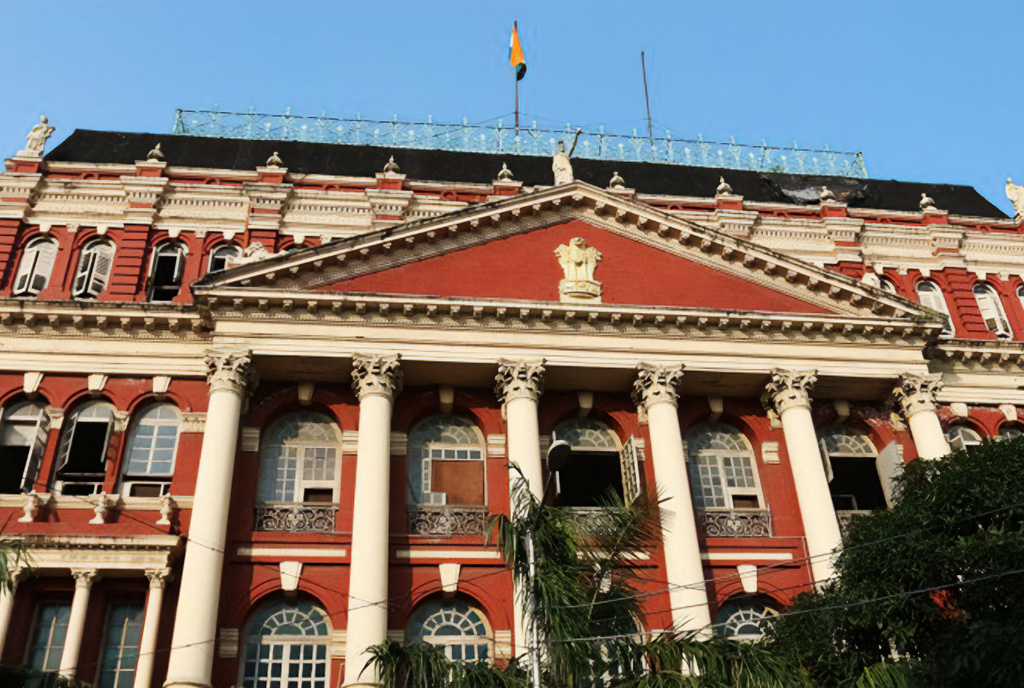
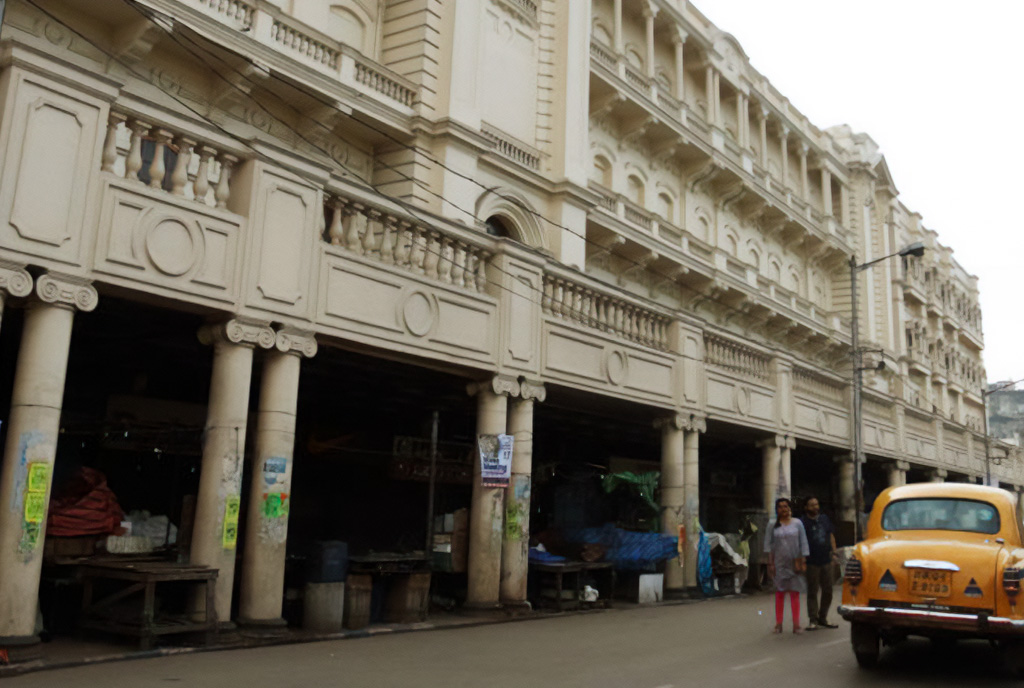
Unlike India's other big cities, the capital of West Bengal has held on to a great deal of its charm, not least because hundreds of grand, crumbling buildings dating back to the British occupation have survived more or less intact. Among them are enormous government offices, private mansions and historic hotels.
Kolkata's cityscape offers a window into the past: the trade, culture and struggles of the subcontinent.
Partner links: booking through them supports the blog at no extra cost to you.
"The people of Kolkata love their city's landmarks, no matter who built them. There is a bit of East and a bit of West here, and we like it that way," says Iftekhar Ahsan, owner of Calcutta Walks, a tour company that shows visitors both the famous sights and the hidden corners of the West Bengal capital.
Here is our suggested itinerary for a three-day visit, one that puts the city's global reputation as a place of poverty into a much wider perspective.
Day 1: North Kolkata
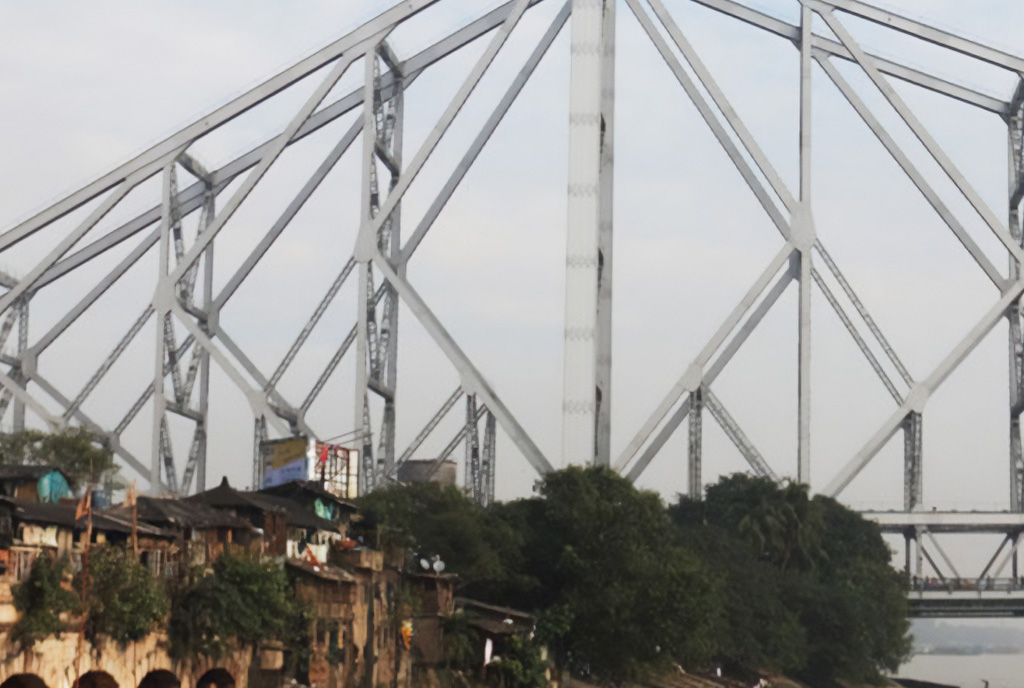
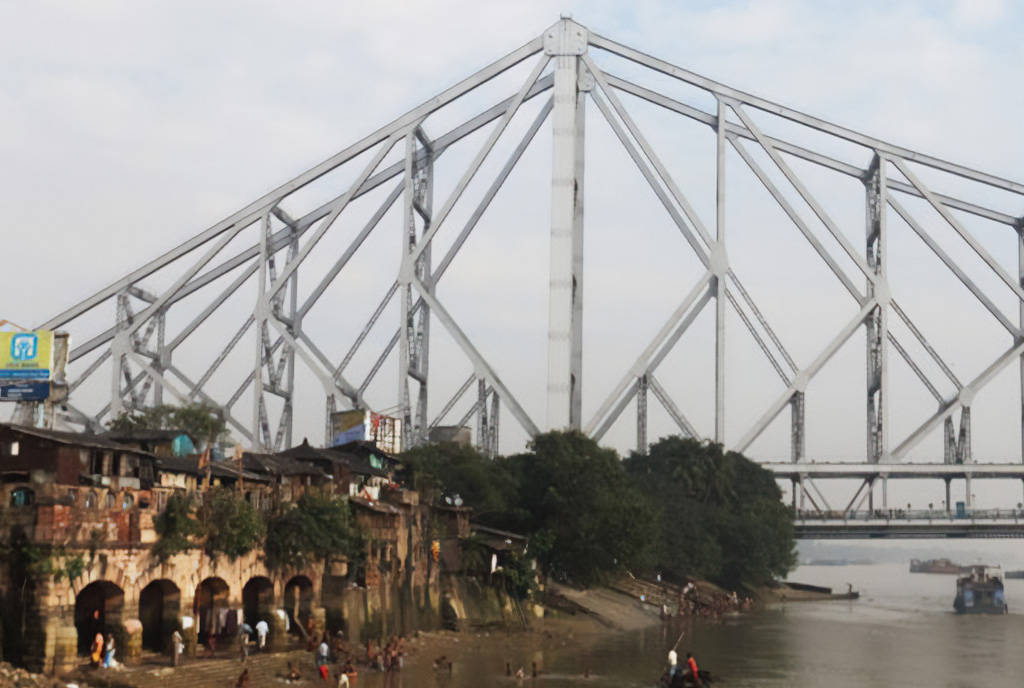
The best place to start the day is the Howrah Bridge, the third-longest cantilever bridge in the world, stretching like an iron finger across the wide expanse of the Hooghly River.
With roughly 100,000 vehicles and 150,000 pedestrians crossing it every day, this structure (also known as the Rabindra Setu) is one of the city's most striking sights. On the eastern bank of the Hooghly, just below the bridge, a bustling flower market makes for wonderful photo opportunities.
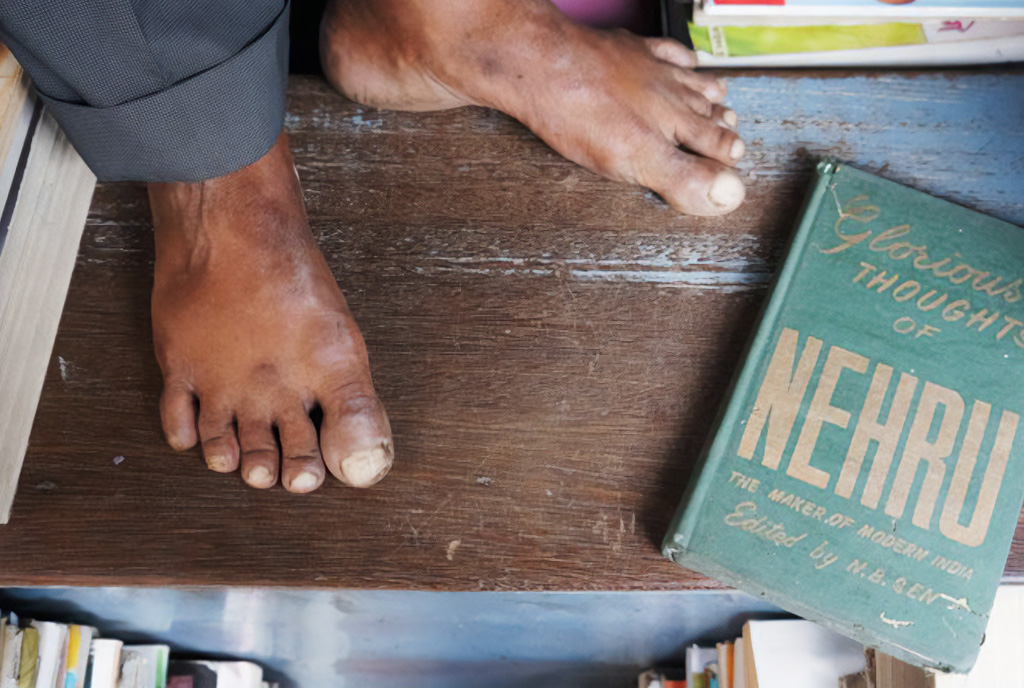
A short taxi ride northwest of the bridge lies College Street, home to some of the city's finest educational institutions. The streets in this area are lined with countless tiny wooden stalls, their sellers surrounded by stacks of textbooks alongside antiquarian and esoteric volumes. The Indian Coffee House offers a welcome break from the crowds.
A little further south, B.B.D. Bagh (formerly Dalhousie Square, renamed in honour of India's freedom fighters) is surrounded by imposing 18th- and 19th-century buildings, including the giant dome of the General Post Office and the striking Writers' Building, once the bureaucratic heart of India and now home to state government offices. "B.B.D. Bagh was once the seat of power in the eastern hemisphere, the very heart of the second city of the British Empire," says Iftekhar Ahsan.
Have lunch at Koshe Kosha, an excellent little restaurant chain with nine locations across Kolkata serving modern Bengali cuisine. The kosha mangsho (mutton in a rich, heavy sauce) is every bit as delicious as the bhetki paturi, a typical local river fish in a tomato sauce.
The Broadway Hotel, Kolkata's budget palace, is an institution. The worn but stylish rooms date back to the 1960s, as does the gentleman who operates the rickety cage lift. The bar and restaurant downstairs have the atmosphere of an Edward Hopper painting and come alive in the evenings with locals.
Koshe Kosha, Hare Road, BBD Bagh, tel. +91 9830 949494, 8am to 8pm.
The Broadway Hotel, 27A Ganesh Chandra Avenue, tel. +91 332 236 3930
Day 2: West Kolkata
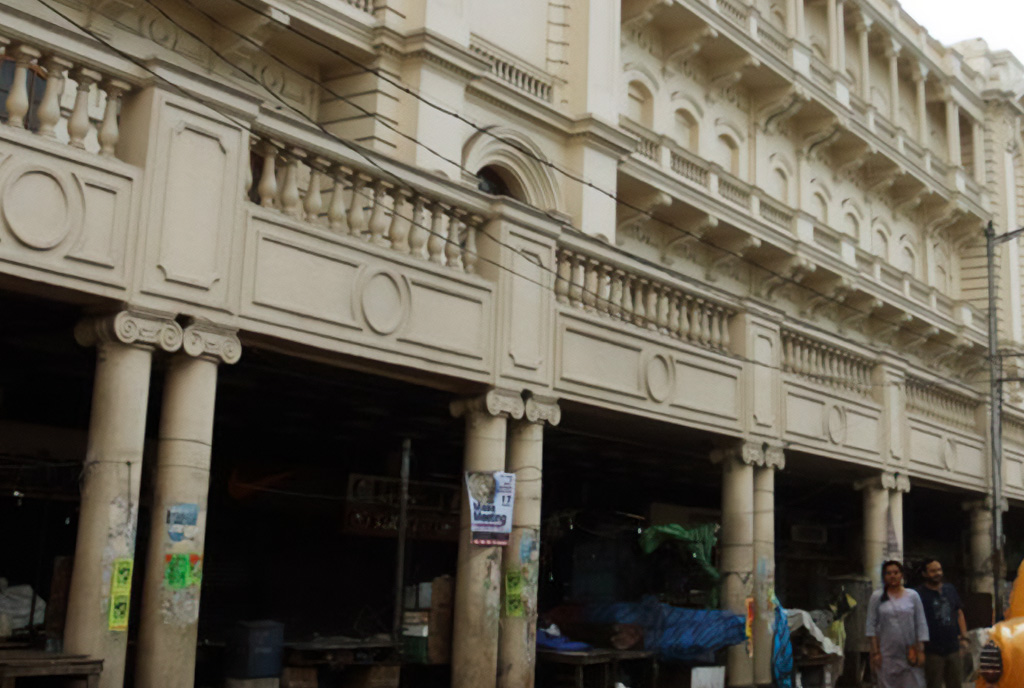
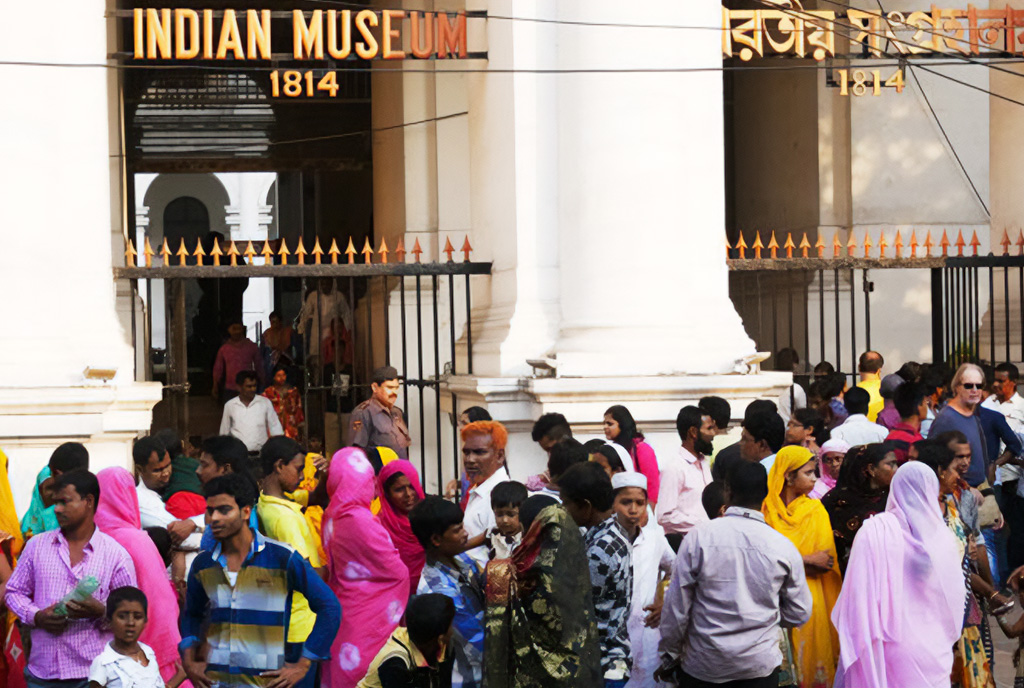
Spend the day in the Chowringhee district, the city's most elegant promenade, lined with colonial-era buildings including the Indian Museum, the Chowringhee Mansions and the Asiatic Society, as well as markets, shops, cinemas and restaurants.
"Kolkata is a very democratic city. When the Park Street metro station opened, the area changed from what sailors once called the City of Palaces into a place everyone can visit. The city's most exclusive apartment blocks can be found here, but the road is open to all for the price of a metro ticket. That is what makes Chowringhee so lively today," says Iftekhar Ahsan.
More than 100,000 exhibits await visitors at the magnificent Indian Museum, the oldest and largest in India, which opened in 1814. The collections of Mughal paintings, ancient sculptures and jewellery, along with Egyptian artefacts including a mummy, are well worth the long walk through the corridors.
For a quick and filling lunch, grab a kati roll: pieces of grilled meat off the skewer, wrapped in a flaky paratha with plenty of chilli and onion. Kusum Rolls, at 21 Park Street, has long been the tastiest spot for this classic Kolkata snack.
Mother House, home of Mother Teresa's religious order, the Missionaries of Charity, and her final resting place, is a monument to the city's struggle with poverty. Beyond the simple tomb, a small museum displays the sandals, wastepaper basket and other everyday belongings of the controversial missionary.
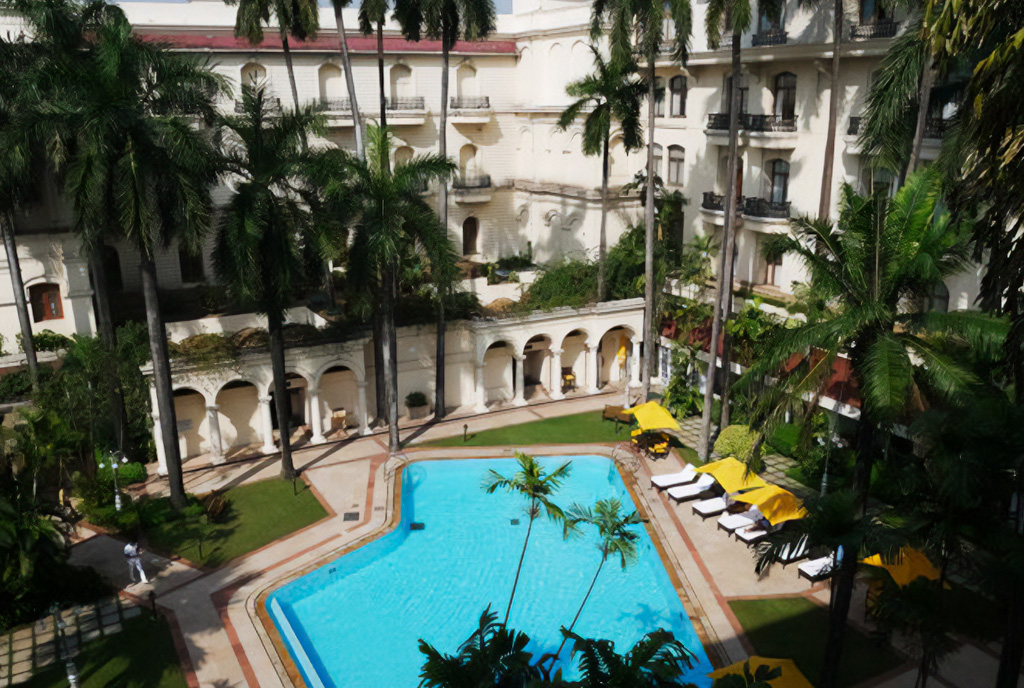
For pure colonial grandeur, the Oberoi Grand, arguably Kolkata's finest hotel, is in a class of its own. Opened as the Grand Hotel in the 1880s, this fully restored building offers a swimming pool, fitness centre, spa and delightfully retro suites, while miles of historic engravings adorn the walls of the hotel's public spaces. The staff are as impeccably formal and courteous as you would expect in this city palace.
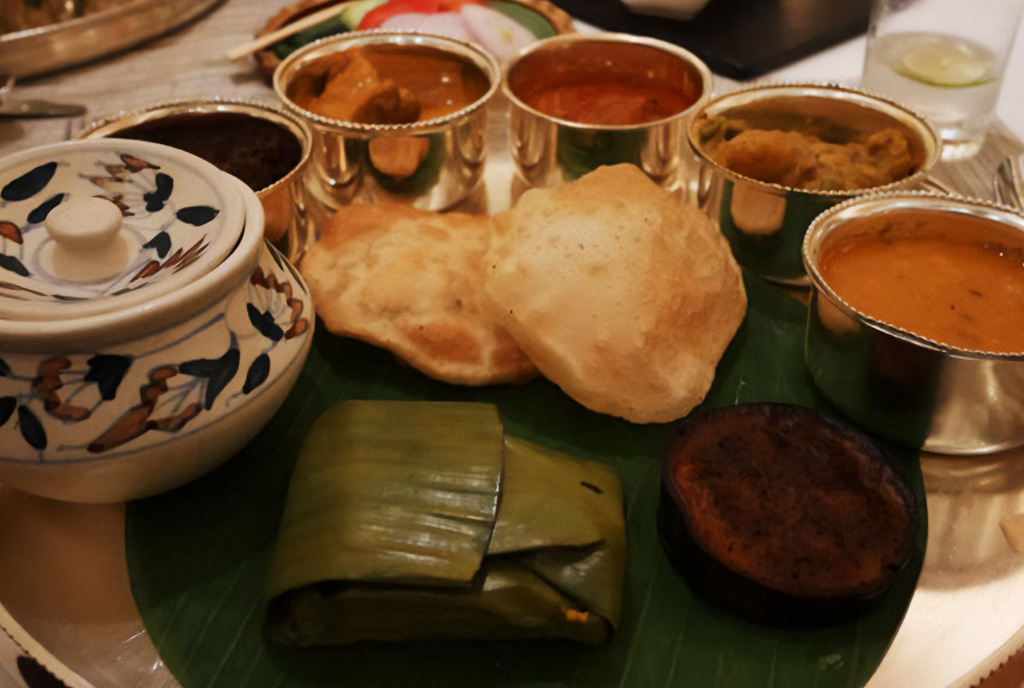
The hotel's superb restaurant, Threesixtythree, offers a wide menu of international dishes, but the Bengali food is especially good. Bengalis love to linger over dinner, and the thalis are long, varied affairs with an excellent selection of fish, mutton and chicken. If that is not enough, the milk-based sweets will probably finish off even the hardiest diner. The mishti doi, a sweet yoghurt, is particularly good.
Indian Museum, 27 Jawaharlal Nehru Rd, Colootola, New Market Area, daily 10am to 5pm.
Mother House, 54A A.J.C. Bose Road, 8am to 12pm and 3pm to 6pm, except Thursdays
The Oberoi Grand, 15 Jawaharlal Nehru Road, New Market Area, +91 332 249 2323
Day 3: South Kolkata
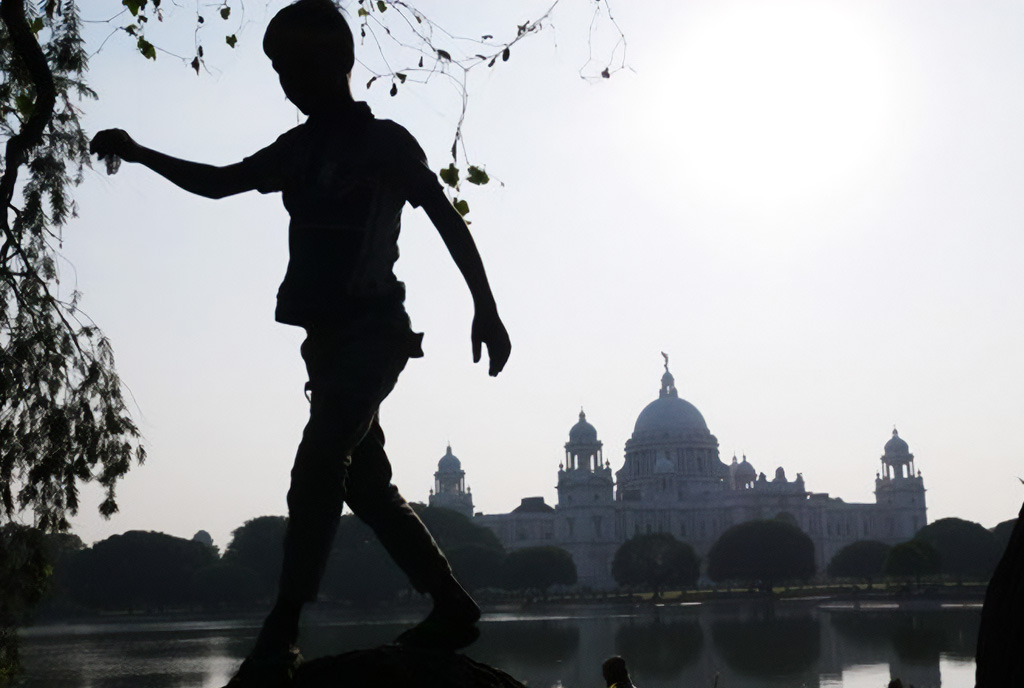
Start your day on the Maidan, Kolkata's 400-hectare green lungs, which boast a racecourse, countless social and sports clubs, a cricket ground, several football stadiums and the Victoria Memorial, a grand marble monument to imperial ambition completed in 1921 that now serves as a museum, showcasing paintings from the Raj era and an excellent permanent exhibition about Kolkata.
"The city's young people love coming here to fly kites, play football or cricket, and ride horses. Kolkata was the funnel through which the colonisers shipped out their spoils, and the city grew rich, orderly and clean. As a result, the Victoria Memorial remains popular with locals, even though it is a symbol of the British occupation," says Ahsan.
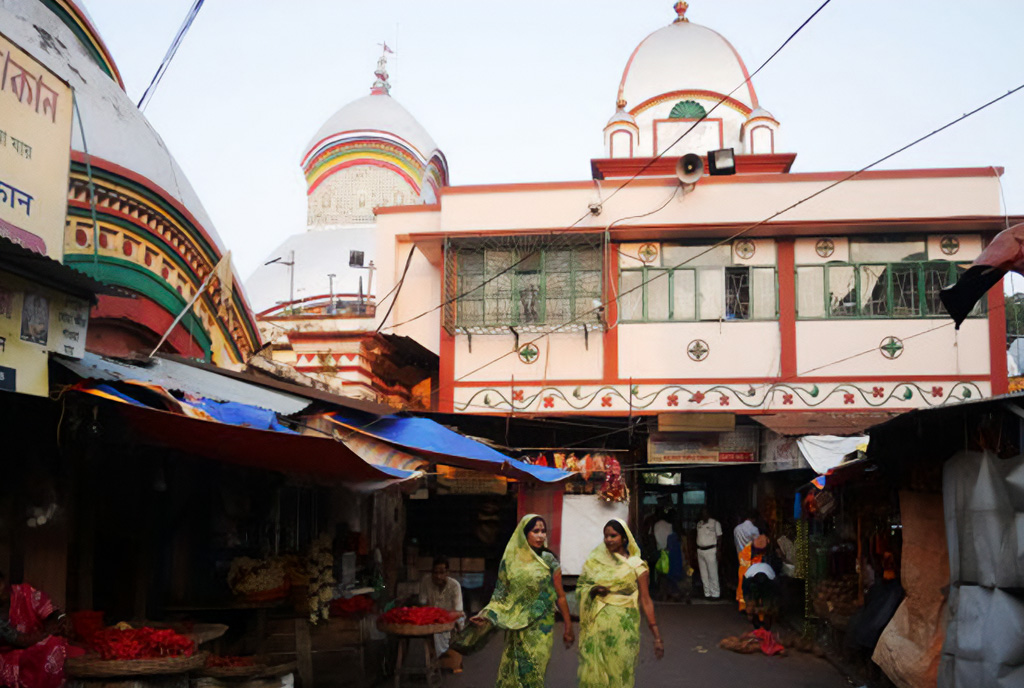
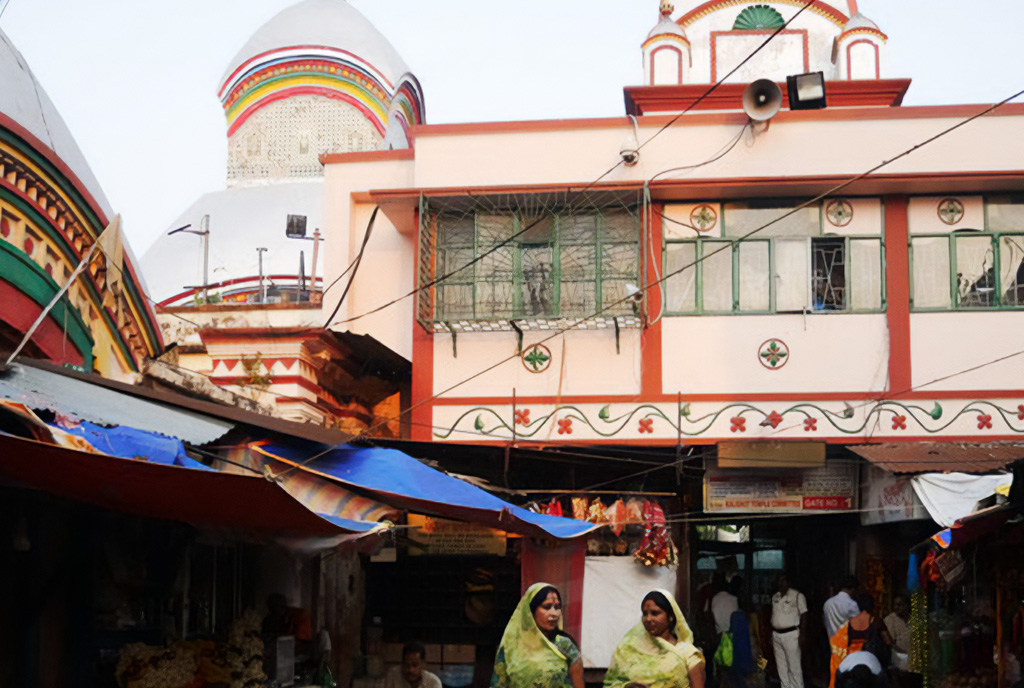
The Kalighat Kali Temple, the city's oldest Hindu pilgrimage site, has existed in its current form for only 200 years, but its origins go back at least to the 15th century (and it certainly looks that old). The goddess who resides in the temple's inner sanctum has a fierce appearance, and the gold on her long, shimmering tongue is replaced every day. The temple priests are masters of the art of extracting money.
Nearby, Nirmal Hriday (the Home of the Pure Heart), formerly Mother Teresa's Kalighat home for the dying, is about as sombre a tourist site as you can imagine.
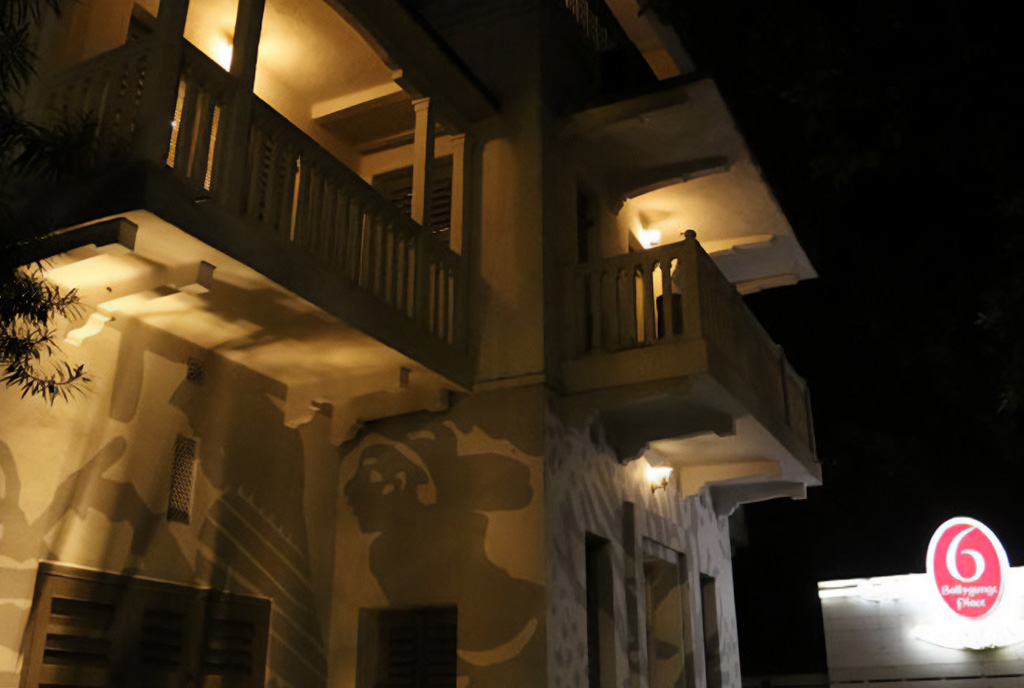
In the evening, you can dine at 6 Ballygunge Place, one of Kolkata's most famous Bengali restaurants. Set in an old colonial villa, this establishment offers evening buffets and à la carte dishes and has branches in London and New York.
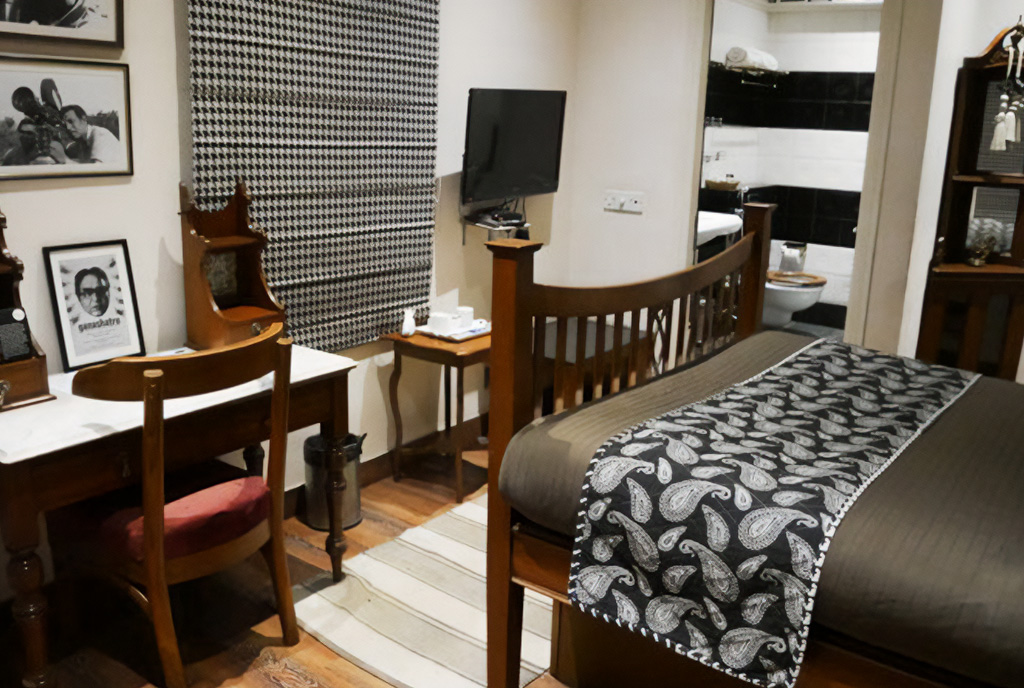
A wonderful place to rest your weary head is The Corner Courtyard, a stylish boutique hotel and heritage property located in Lansdowne. The building began life as a Bengali home in 1904 and offers just seven unique, beautifully furnished rooms, an excellent restaurant and a lovely rooftop terrace. A chic yet utterly informal retreat from the bustle of the Bengali capital.
The Victoria Memorial is open daily from 10am to 5pm. Admission is 200 rupees. Entry to the gardens costs 10 rupees.
Nirmal Hriday, 251 Kalighat Rd, daily 8.30 to 11.30am and 3.00 to 5.00pm, except Thursdays.
6 Ballygunge Place, open daily 10am to 10pm, tel. 033 2460 3922
The Corner Courtyard, 92B Sarat Bose Rd, Hazra, Bhowanipore, +91 990 399 0597