

In the pitch black of an Afghan night, a Soviet rocket slams into a tiny village, exploding with tremendous force and, most likely, claiming dozens of lives.
Riyaz Bhat, 20 years old and scared out of his wits, is grabbed by his guides and hauled into the darkness. Fleeing to save his life, he survives to see another day and carry on his mission.
Afghanistan has long been a land of conflict and intrigue, where spies and elite soldiers gamble with their lives on covert operations, but Bhat, from Kashmir, is here on a far more unusual quest.
Partner links: booking through them supports the blog at no extra cost to you.
He has come to find the truth about carpets.
As conflict raged around him during the final months of the Soviet occupation of Afghanistan in 1988, Bhat says he made a perilous week-long journey across the country to learn the carpet-making secrets that nomads had guarded for centuries.
His quest took him by bus, jeep, horse and on foot across treacherous terrain in the company of ruthless mujahideen resistance fighters. He travelled mostly by night to avoid Soviet troops.
The Front Line of Floor Coverings
"It was like crossing the world," he recalls of his adventure. "I saw so many dangerous things, so many times I thought, 'okay, this is the end of the road.' So many times I was so frightened that I cried.
"I swear to God, I still remember those moments when my legs were shaking and I thought that any moment now I would be dead."
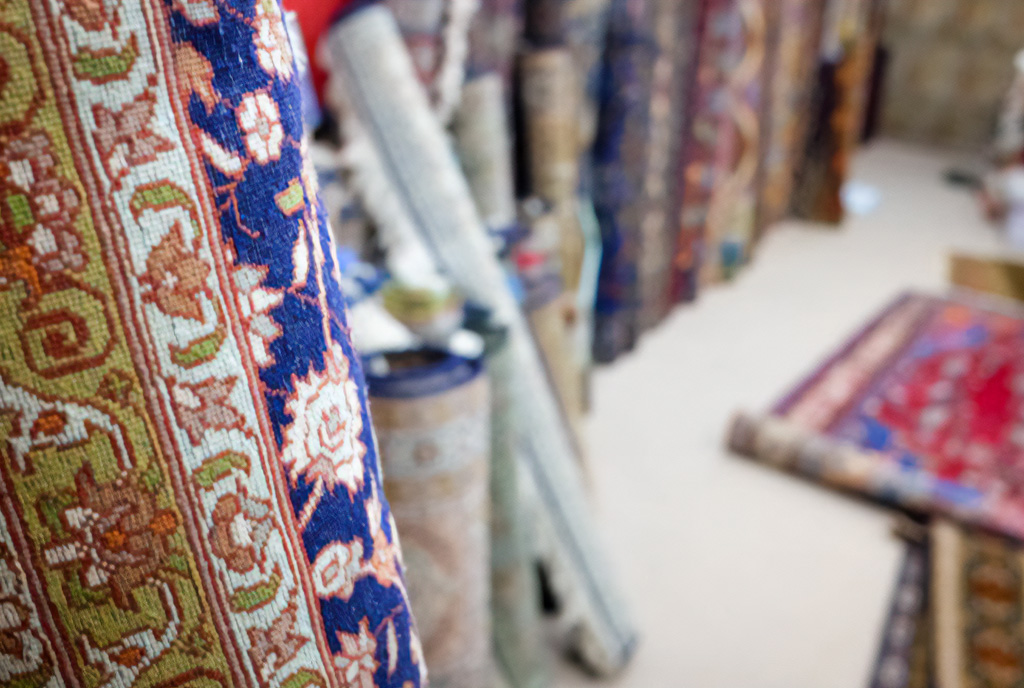
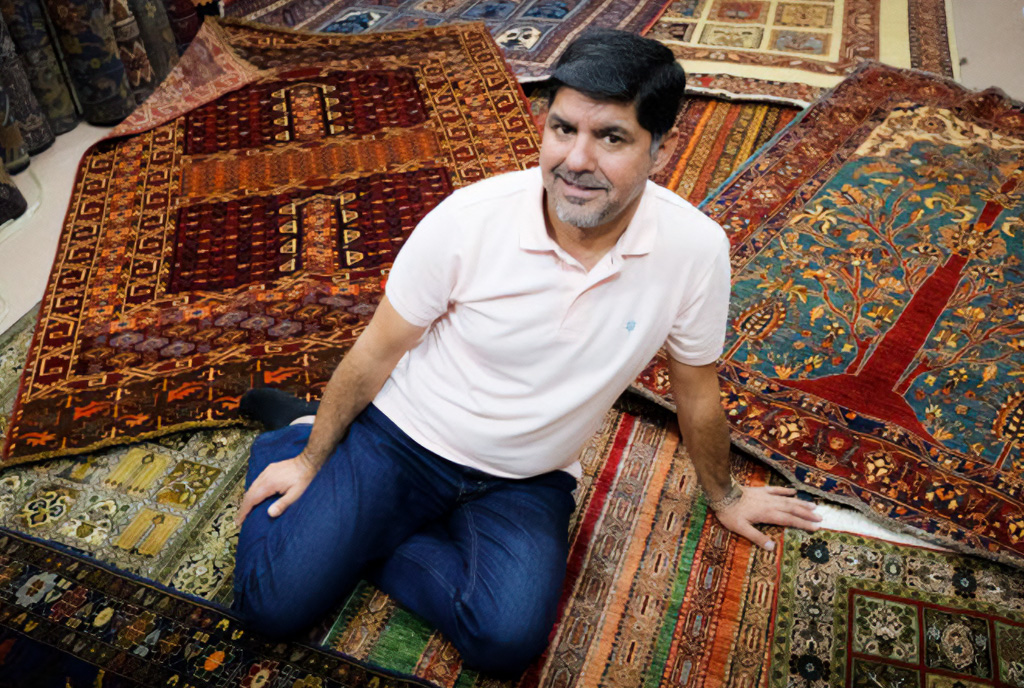
Three decades on, Bhat stands in the far more comfortable surroundings of the carpet shop he now runs in the Qatari capital, Doha. Expat shoppers watch as sumptuous rugs unfurl at their feet.
A visit to his Kashmir Handicraft store is a rite of passage for many people living in or visiting Qatar. Partly because of the quality of the carpets on sale, but also because of the show that comes with them.
Bhat is no ordinary carpet seller. Setting off on a youthful quest into the wilds of Afghanistan, he turned the secrets he learned into a lifelong passion for the handwoven tribal rugs of Central Asia.
And while scholars and historians have studied the origins of many of the carpets that pass through his shop, Bhat can claim to have experienced it for himself. Today he is known as a walking encyclopaedia of tribal rugs.
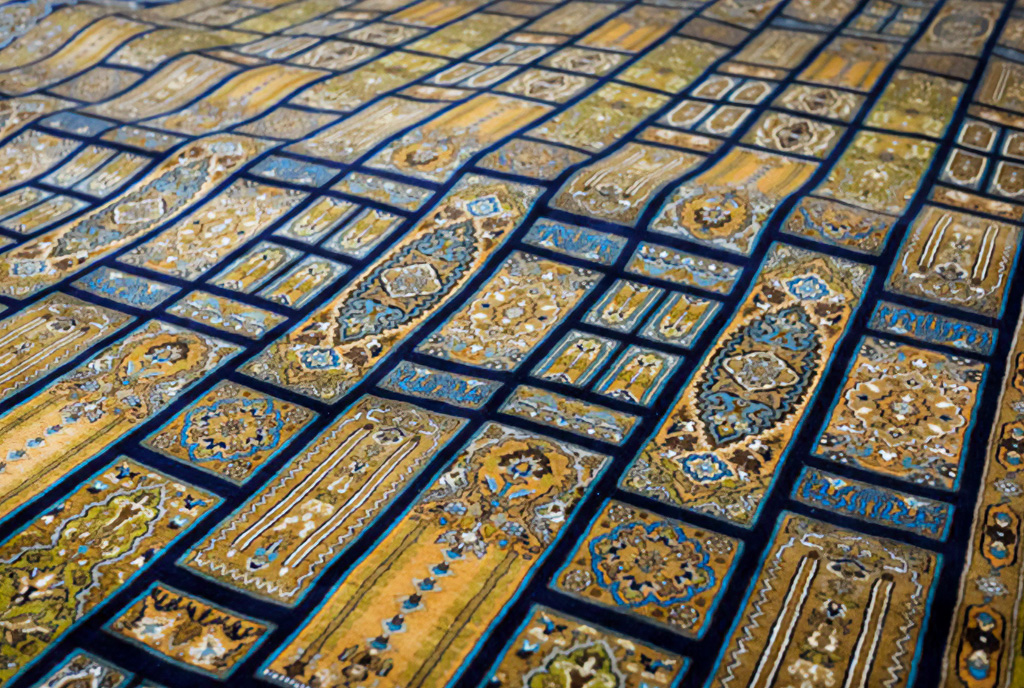
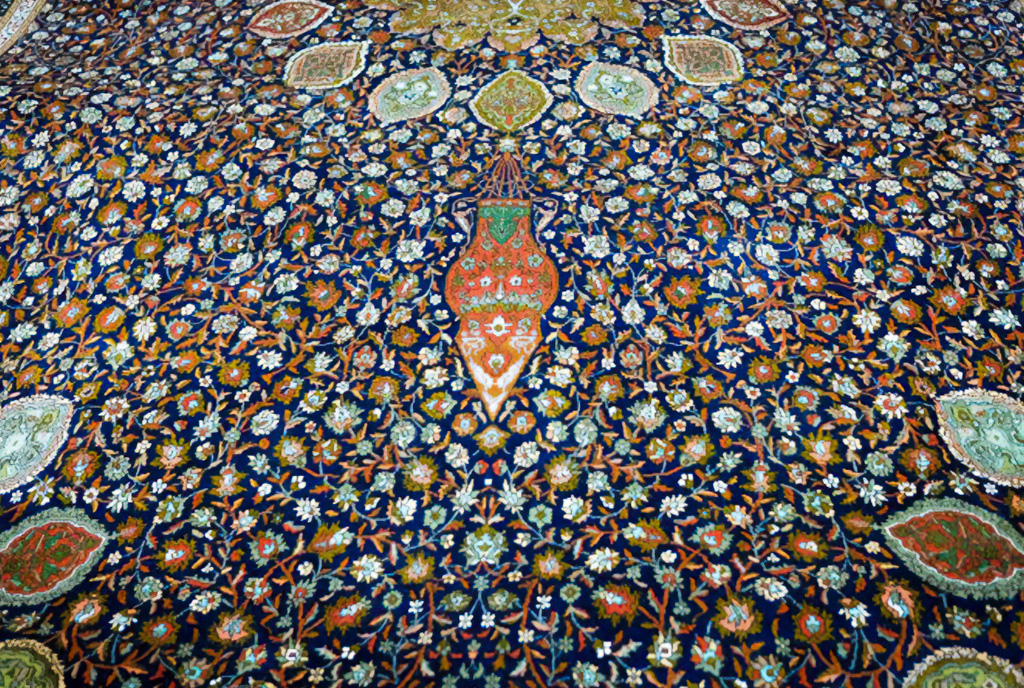
His journey to the front line of floor coverings began in Indian-administered Kashmir, where generations of his family produced intricate silk carpets using elaborate designs that take years to master before they can be recreated.
A Rare Encounter

Fascinated by how nomadic women living in harsh conditions across Central Asia could also weave such intricate patterns, he begged his family to let him travel first to Pakistan, where his uncle was a carpet trader, and then on to Afghanistan to see it all with his own eyes.
"I realised that these women in the mountains of Central Asia are brilliant designers," he says. "They are uneducated and illiterate, yet for centuries they have been creating these carpets.
"If you think about it, it's impossible to memorise the design of a carpet that contains more than three or four million knots. So how did they memorise almost five million knots, one by one, in different colours?
"I couldn't find the answer in books. To learn it, I had to travel to Central Asia."
Related article A day trip into Qatar's desert: East-West/West-East and the Zekreet peninsula
After studying the carpet business in Pakistan for several months, Bhat's uncle arranged with some resistance fighters in the spring of 1988 to take his nephew deep into Afghanistan to meet the nomadic carpet makers.
After weeks of gruelling travel, he reached a ridge of hills in Herat, a province in the northwestern corner of Afghanistan, where his guides led him on foot to a nomad camp in the mountains.
"I was so tired and exhausted, but also mesmerised," Bhat says. "It was my dream come true, and I felt like I was in an Indiana Jones film."
Given permission by an elder to meet the tribe's women weavers, a rare encounter for an outside man, he soon discovered how they carry out such technical, symmetrical work without any books to guide them.
"Finally, I saw how they work at the loom," Bhat says. "They sing. And they sing the design to one another."
The whole process, he learned, takes up to eight years.
"First, a 10-year-old girl is introduced to the loom to work with the fibre, the colours and the patterns. If she enjoys it, they teach her the craft, and if not, she is given a different job.
"Mothers work with their daughters, showing them how to shear sheep, how to find the herbs and flowers to make dyes, and then how to create the patterns."
Perfect Symmetry

Once the weaving begins, Bhat says, mothers and daughters work at opposite ends of the carpet. The mother chants the numbers of knots and colours, and the daughter copies the pattern until they meet in the middle.
"She sings, 'two blue, three yellow,' and that's how they achieve perfect symmetry.
"It takes five years to memorise the design, by which time the daughter is 18, a carpet designer and weaver. She is an independent woman.
"And that's how it has worked for thousands of years among these people."
Armed with everything he had learned from the women weavers, Bhat made the return journey, another long trek across a country at war.
Related article 13 of the best things to see and do in Qatar
It was not his last visit to Afghanistan.
In 1999, drawn by a customer from Qatar who complained about the lack of good carpets back home, Bhat opened a shop in Doha and became an instant success. To keep supplies flowing, he made regular forays back to meet Afghanistan's nomads.
The country, he explains, became a magnet for Central Asia's major nomadic tribes. For centuries they took advantage of conflict and isolation to carry on an ancient way of life, while their ancestral homelands modernised and carpet work was handed over to machines.
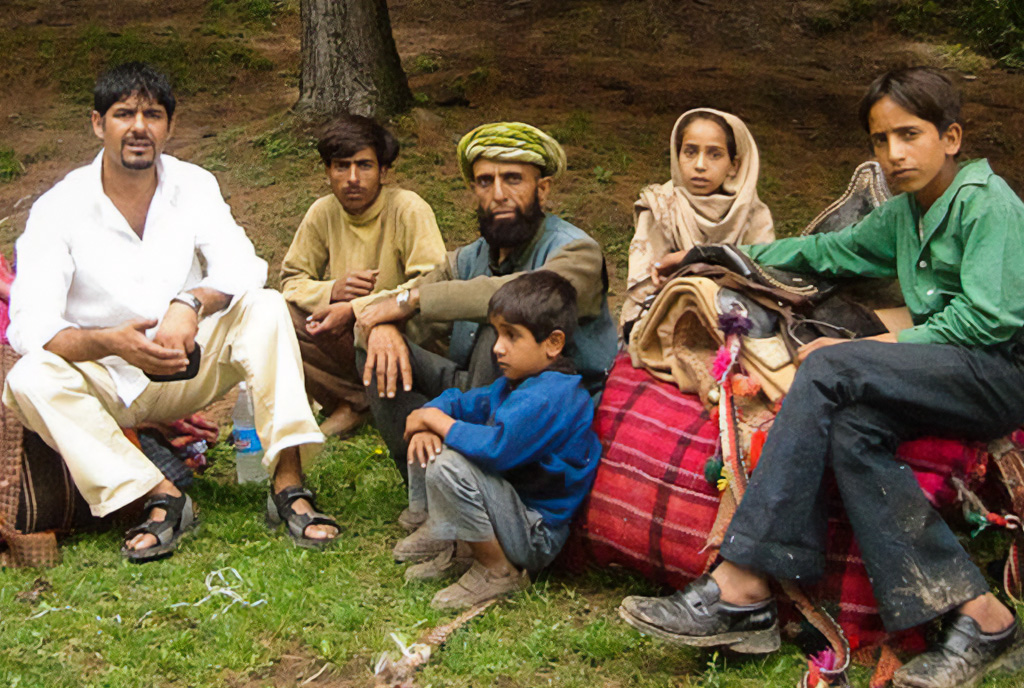
Families that trace their heritage to Turkmenistan, Kazakhstan, Uzbekistan, Pakistan and Iran, along with local Afghan nomads, still produce carpets in the Afghan desert according to age-old traditions.
Bhat and his relatives use a network of contacts to buy the carpets that are cast off when a nomad family replaces them with a freshly woven one. These trading missions back into sometimes lawless lands still carry a whiff of adventure.
Experimentation and Imagination

"When we go, we have to take a lot of cash with us, because there are no ATMs, no chequebooks," he says. "So we travel in a jeep with guards armed with machine guns, just like in a Hollywood movie."
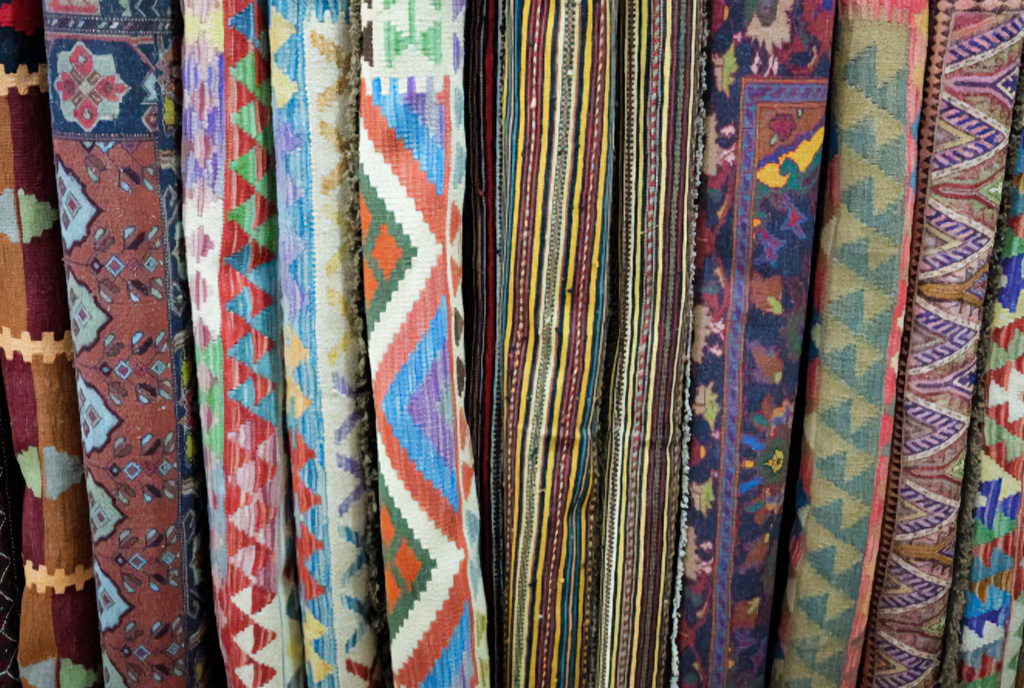
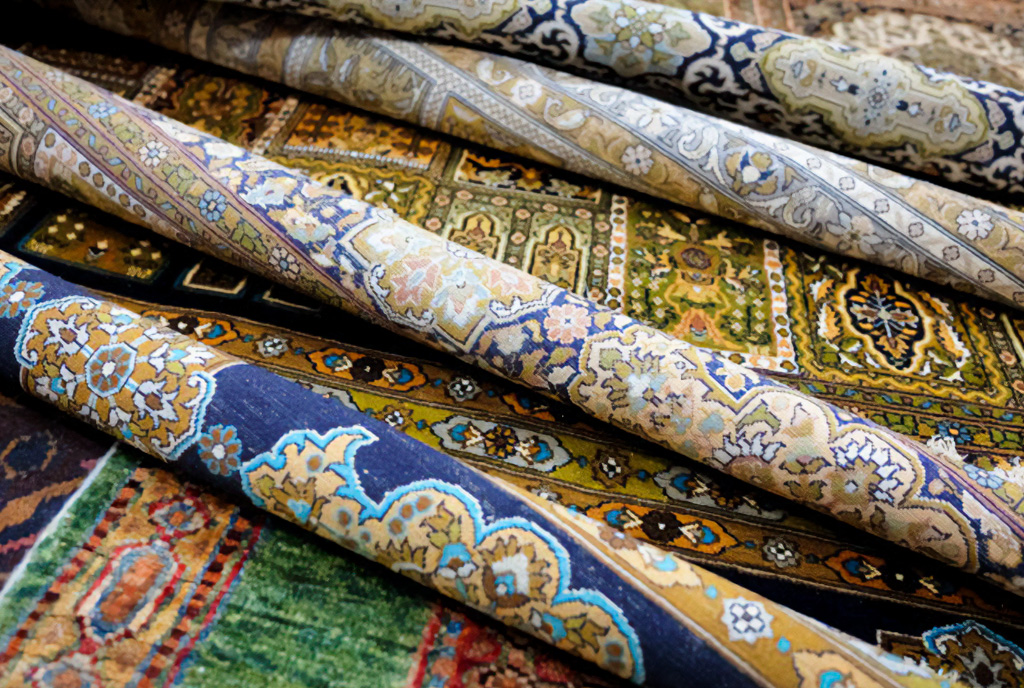
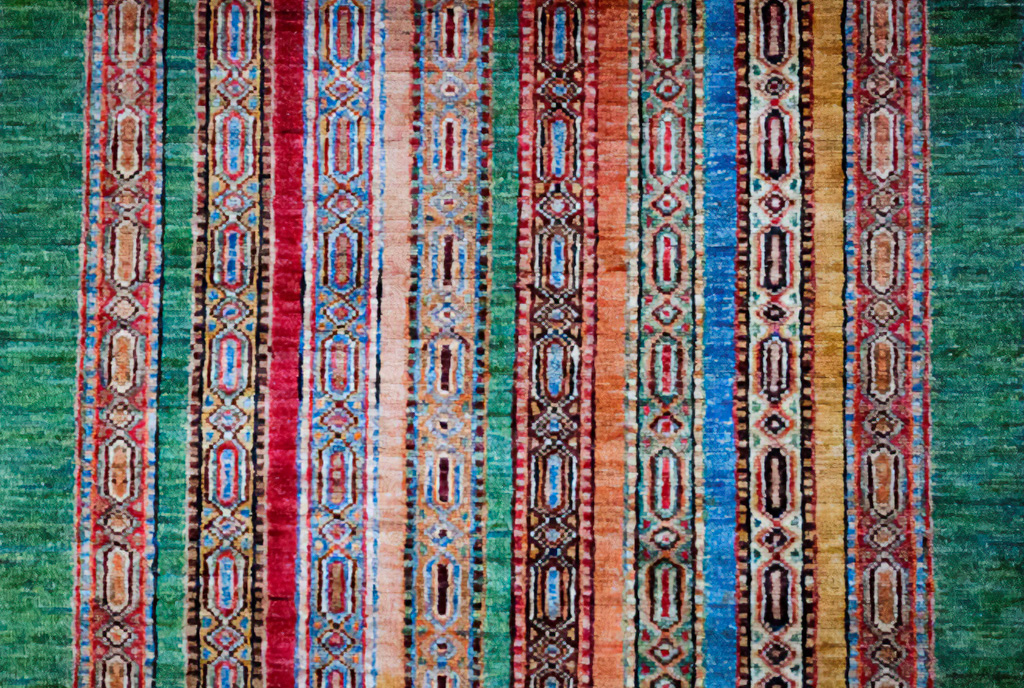
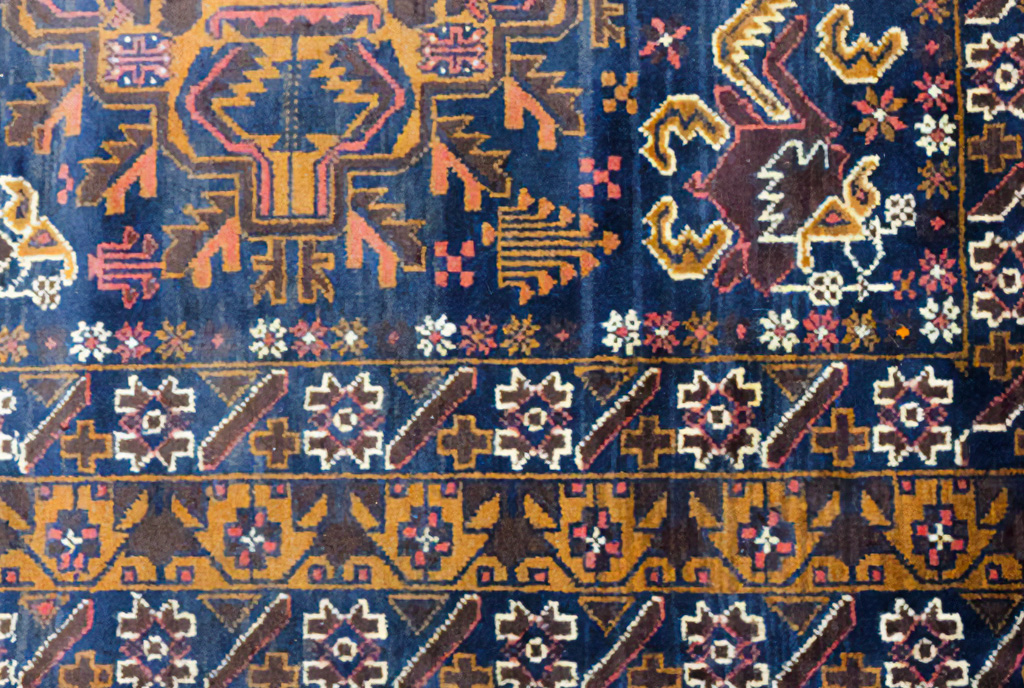
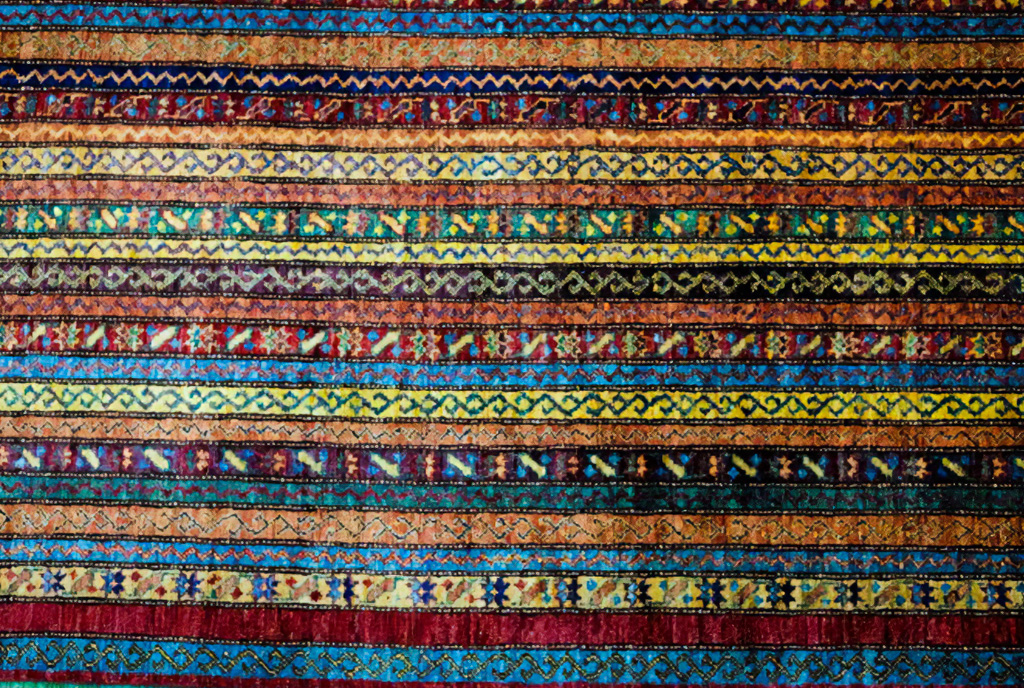
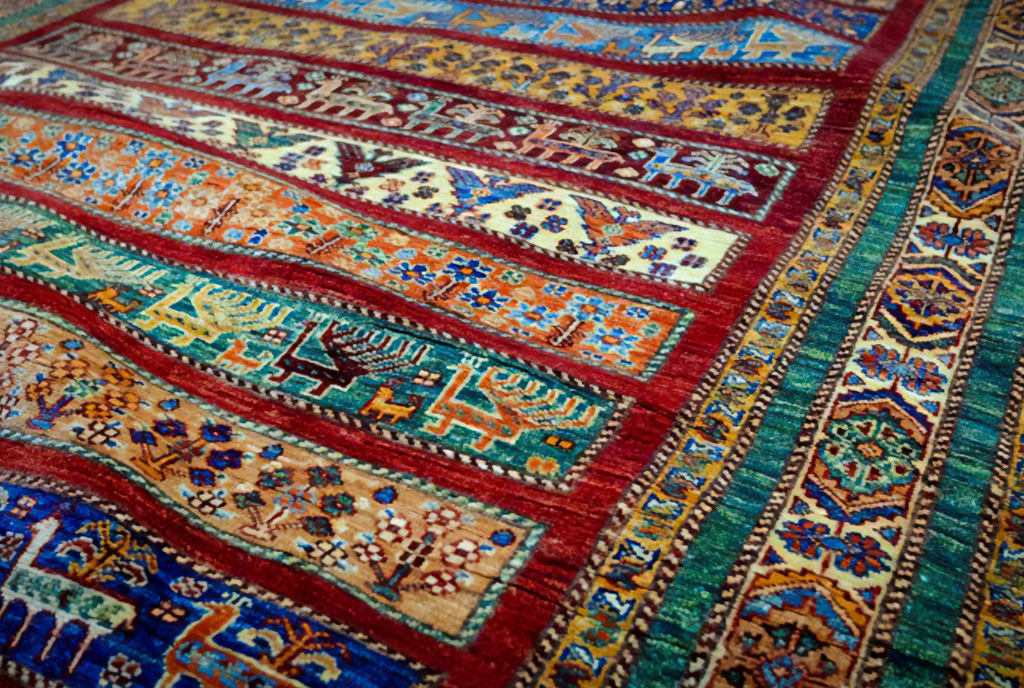
The fruits of these trips can be seen lined up along the wall of Bhat's shop. Roll after roll of beautiful silk and wool floor coverings that are works of art as much as they are decorative home furnishings.
Related article Souq Waqif: 10 things to see and do at Doha's "standing market"
They don't come cheap. Some of the finest silk carpets, the best, Bhat says, from his native Kashmir, can cost more than $7,000. The price of every carpet he sells includes the full backstory, which he records and presents to the new owner.
"It's like a show," remarks one shopper from Portland, Oregon, as the Carpet Man and his team lay out rug after rug before him for inspection. "But they're all so beautiful, it's hard to choose."
While Bhat is aware that some of his clients buy carpets simply to match a lampshade or the wallpaper, he urges them to appreciate the true, human value of his wares.
"These carpets are so special," he says. "You're not just buying a carpet, you're buying someone's hundreds of hours of work, of frustration.
"You're buying their experimentation and imagination, their dreams and their desires. It's something amazing."
Kashmir Handicraft, Al Mirqab Al Jadeed Street, Doha; +974 4443 2761