

For many years Malaysia stayed off the tourist radar, overshadowed by its more popular Southeast Asian neighbors such as Thailand and Singapore.
Even so, steady economic growth and an especially memorable tourism campaign, "Malaysia Truly Asia," helped push the country into the spotlight.
Malaysia is a tapestry of diverse cultural influences, drawing inspiration from its indigenous, Malay, Indian and Chinese communities as well as from its colonial past.
Partner links: booking through them supports the blog at no extra cost to you.
It is also a story of contrasts, a place where smooth highways lead to both modern cities and lush rainforests, where street vendors set up their stalls in the shadow of skyscrapers and hipster cafes operate alongside traditional kopitiams (coffee shops).
On August 31, Malaysia celebrates Merdeka Day, marking 60 years of independence from British rule.
To mark the occasion, we put together a list of 25 things worth doing and tasting in this unforgettable Southeast Asian destination.
WHAT TO DO
Meet Malaysia's wildlife
Malaysia has no shortage of natural beauty, home to some of the oldest rainforests in the world, vast cave systems and enormous mangrove forests.
Naturally, this makes the country an ideal place for wildlife watching.
Travelers can observe the fauna at night from the safety of hides inside Pahang National Park, where the oldest deciduous rainforest in the world awaits.
In Kuala Gandah, also in Pahang state, guests can accompany orphaned elephants on their daily baths at the National Elephant Conservation Center.
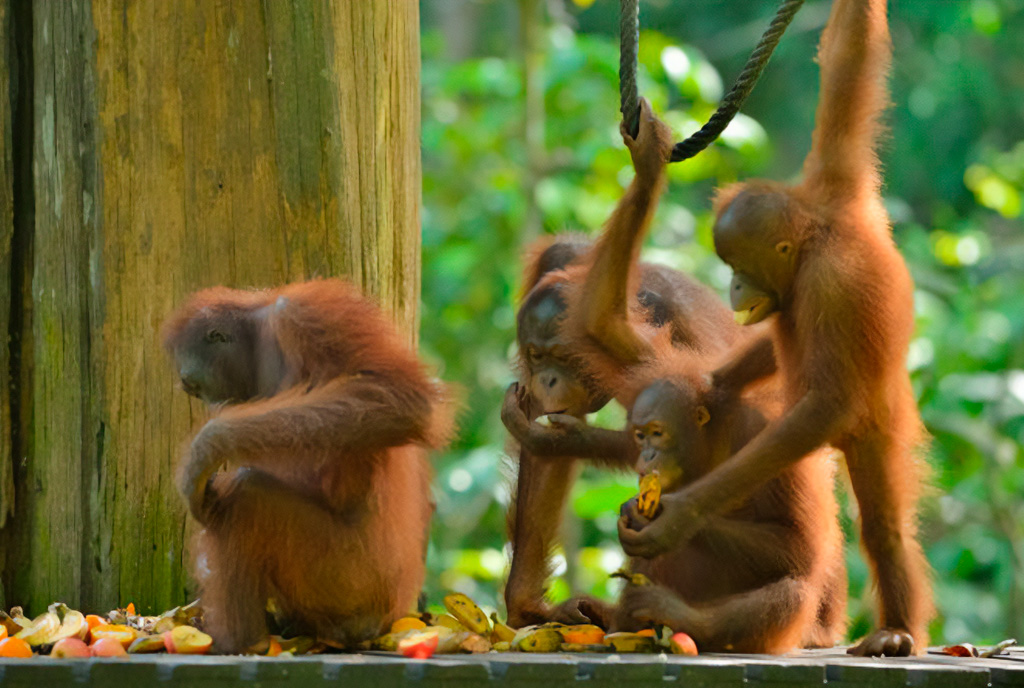
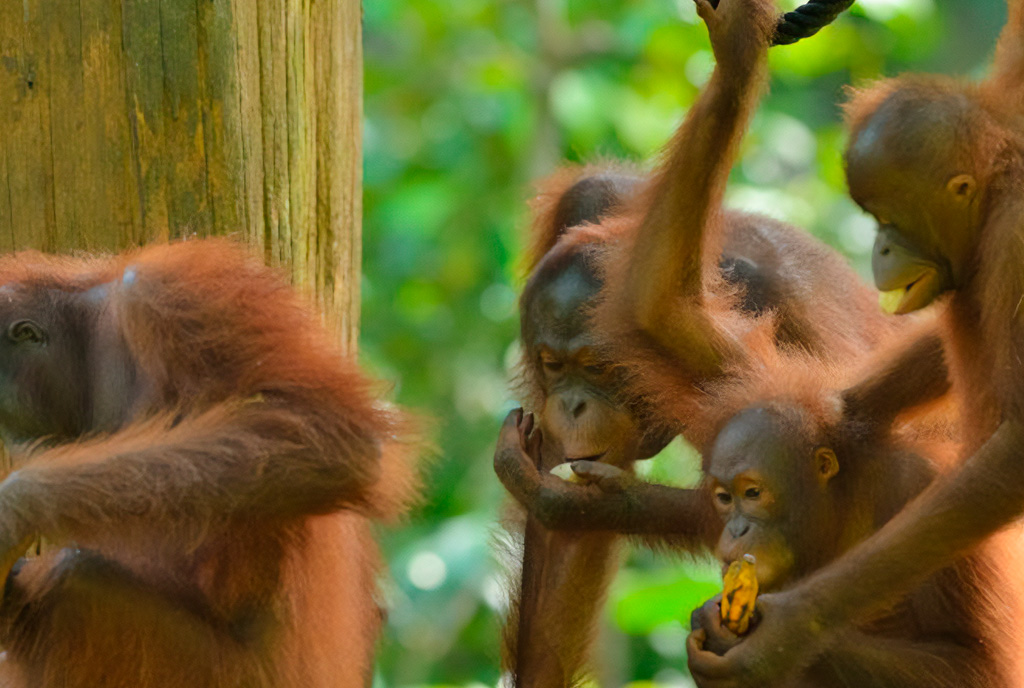
Meanwhile, the Sepilok Orangutan Rehabilitation Center in Sabah, on the island of Borneo, offers a chance to see these endangered great apes in their natural habitat. They usually appear on the viewing platform during feeding, at 10 a.m. and 3 p.m.
Next door, the Bornean Sun Bear Conservation Center is dedicated to the smallest bear species in the world.
Live in a village
Malaysia's Homestay program works with local communities to offer an authentic experience of living in a kampung (village).
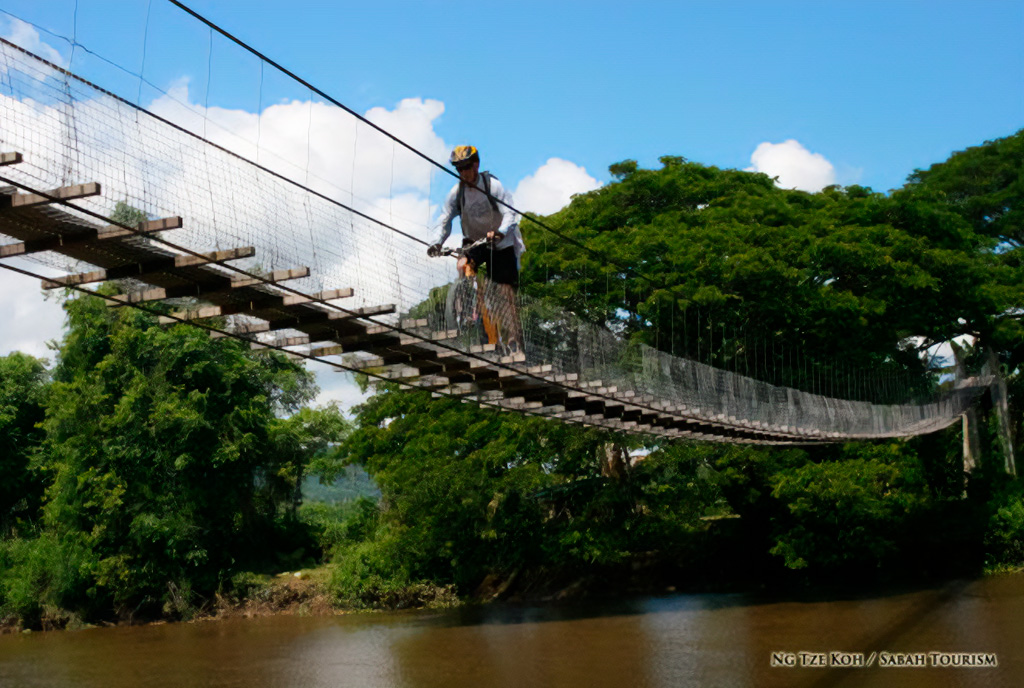
Curious travelers can stay with local hosts, or in traditional longhouses, both on Peninsular Malaysia and in Sabah and Sarawak to the east.
The experience includes daily village activities such as cooking local dishes, fishing, feeding livestock or learning Malaysian games like congkak (a wooden board game) and gasing (spinning tops).
Explore Gunung Mulu National Park
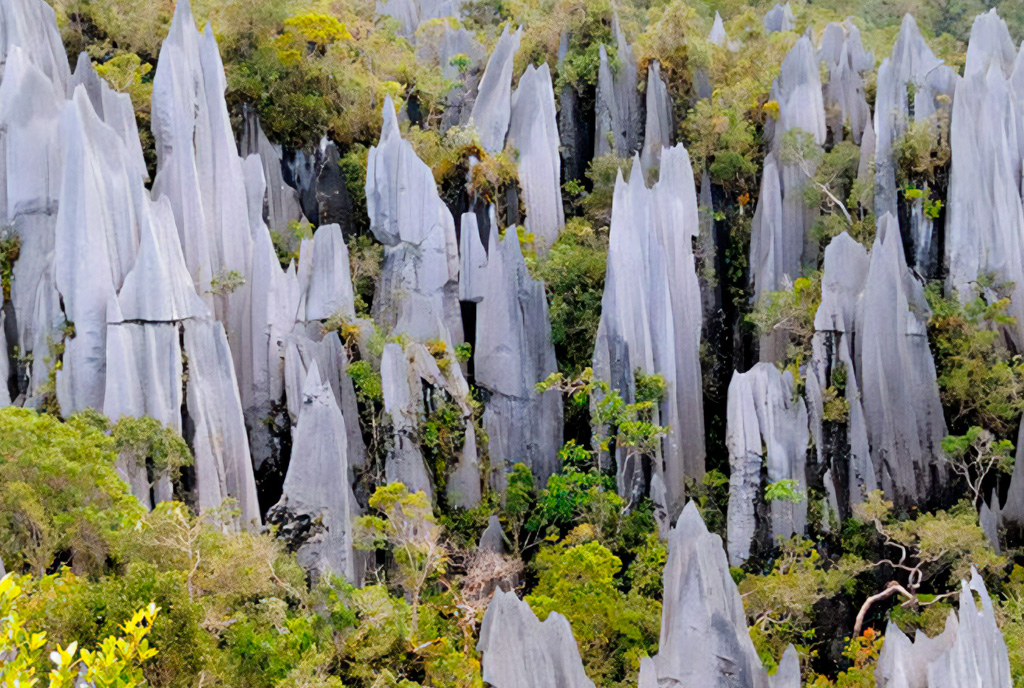
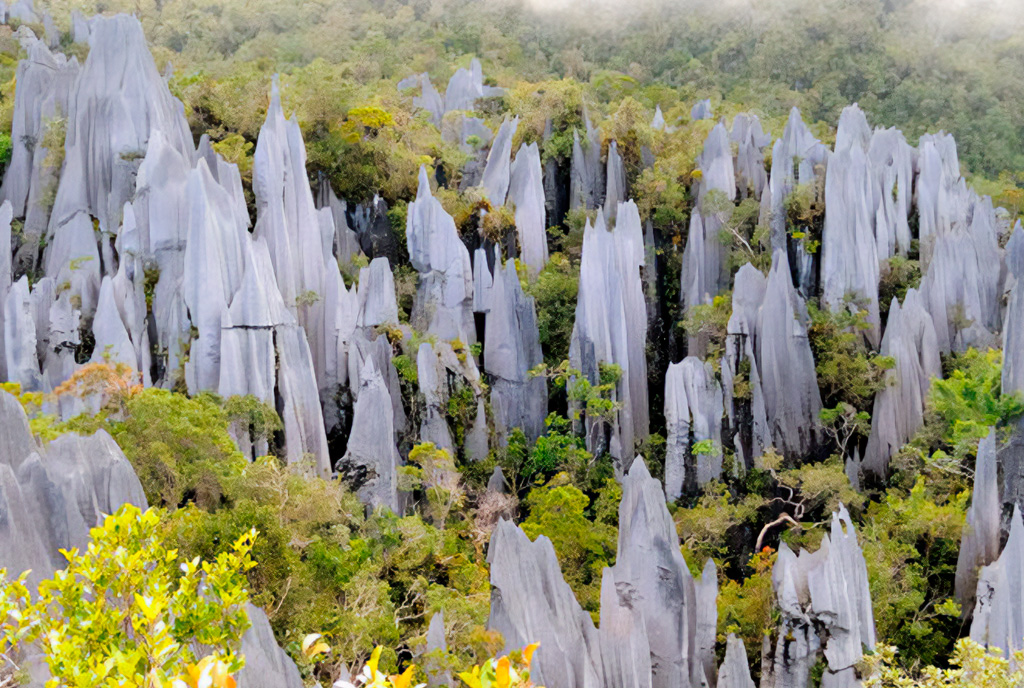
A UNESCO World Heritage Site, Gunung Mulu National Park in Sarawak is famous for its millennia-old karst cliffs.
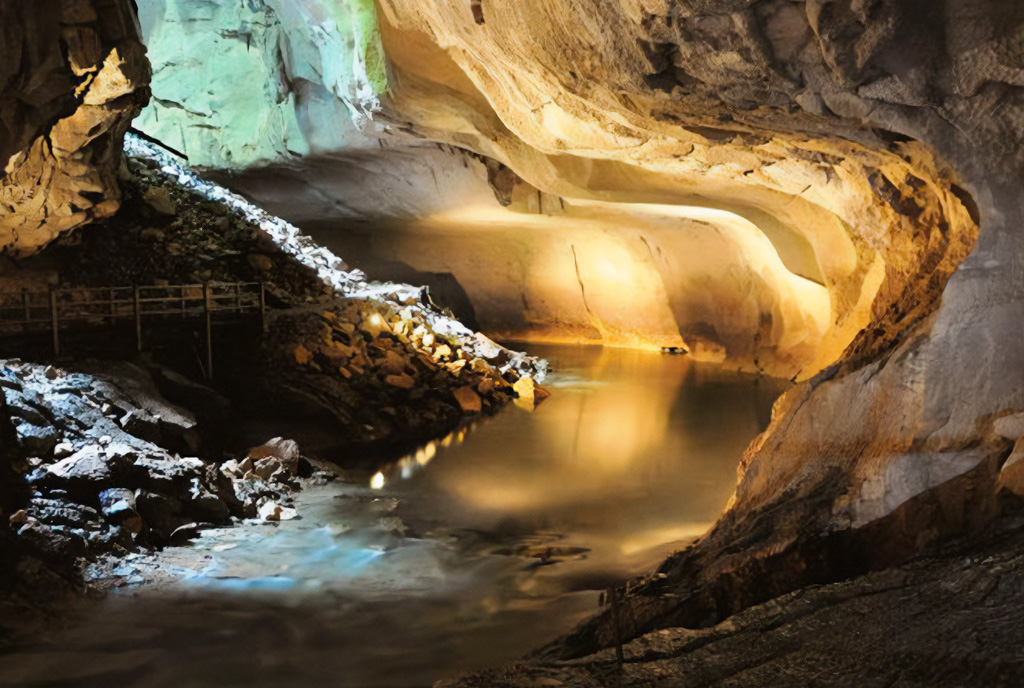
For avid cavers and climbers, that means challenging mountain slopes to ascend and spectacular cave chambers to explore.
Deer Cave, for example, forms the largest cave passage in the world, measuring 120 to 170 meters across. Located northeast of Deer Cave, the Sarawak Chamber is the largest cave chamber in the world, stretching roughly 600 meters in length, 430 meters in width and nearly 10 meters in height.
But not everyone can simply walk in: visitors who wish to explore the more advanced cave systems must provide a certificate or proof of their abilities for approval by the park manager.
Go white-water rafting
Adrenaline lovers will appreciate Malaysia's intricate network of rivers, which offers rapids of every difficulty level.
For Class 1 to 4 rapids, the Selangor River in the town of Kuala Kubu Bharu in Selangor, the Slim River in Perak and the Padas River in Sabah are just a few of the many popular spots for recreational rafting.
More experienced rafters can head to the Telom River in Pahang to take on Class 5 rapids.
And if that is not enough, the Singor River in Perak is where rapids reach a heart-pounding Class 6, the highest level on the international rapids scale, one only experts should dare attempt.
Hunt for fireflies
Your boat glides silently along a river lined with mangroves. The daylight fades, and suddenly you spot hundreds of shimmering lights.
In Malaysia, this can only mean one thing: fireflies.
Also known as lightning bugs, or kelip-kelip in the local Malay language, these tiny creatures are beloved for their beauty.
There are several places where travelers can admire the twinkling insects, including Kuala Selangor in Selangor; Kuala Sepetang in Perak, Kampung Cherating in Pahang, Kuching in Sarawak, as well as Sandakan, Semporna and Kota Kinabalu in Sabah.
As a bonus, some tour groups will even offer a seafood dinner before or after the boat ride.
Find a paradise island
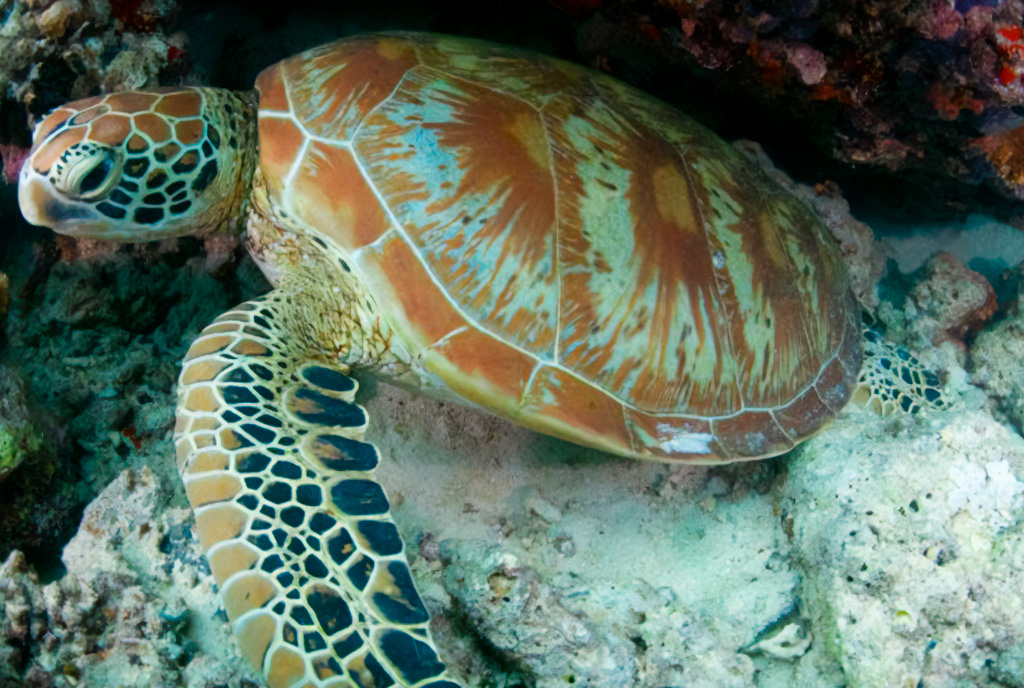
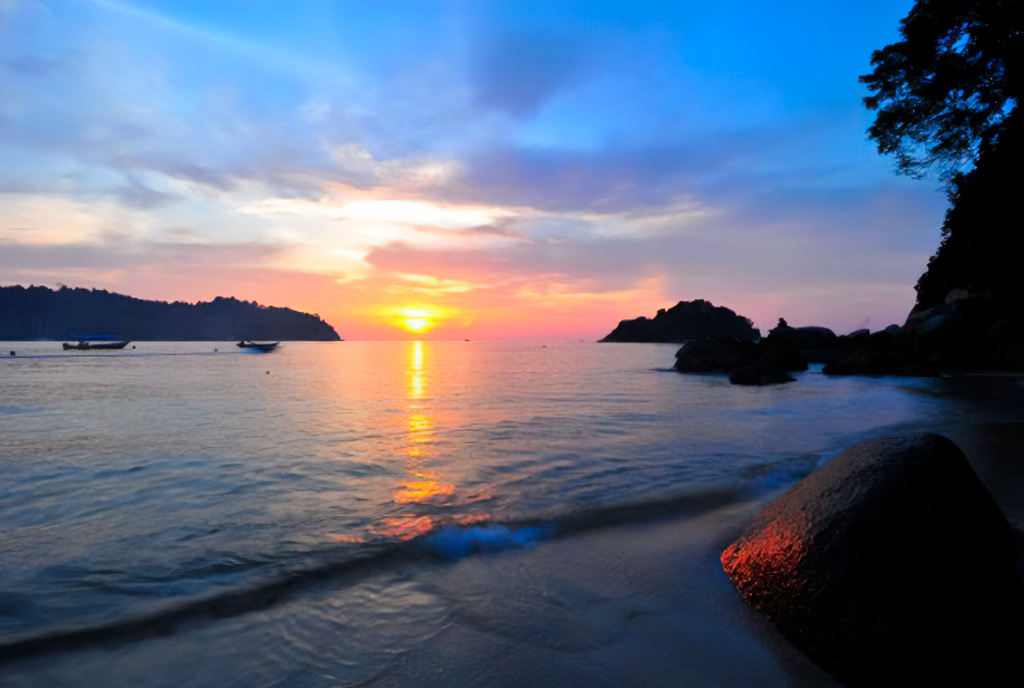
If you are looking for clear water and sandy shores, Malaysia will not disappoint.
From luxury resorts to private islands, backpacker hostels and beach bungalows, there is an island experience for every budget.
Not to mention some of the best diving spots in the world.
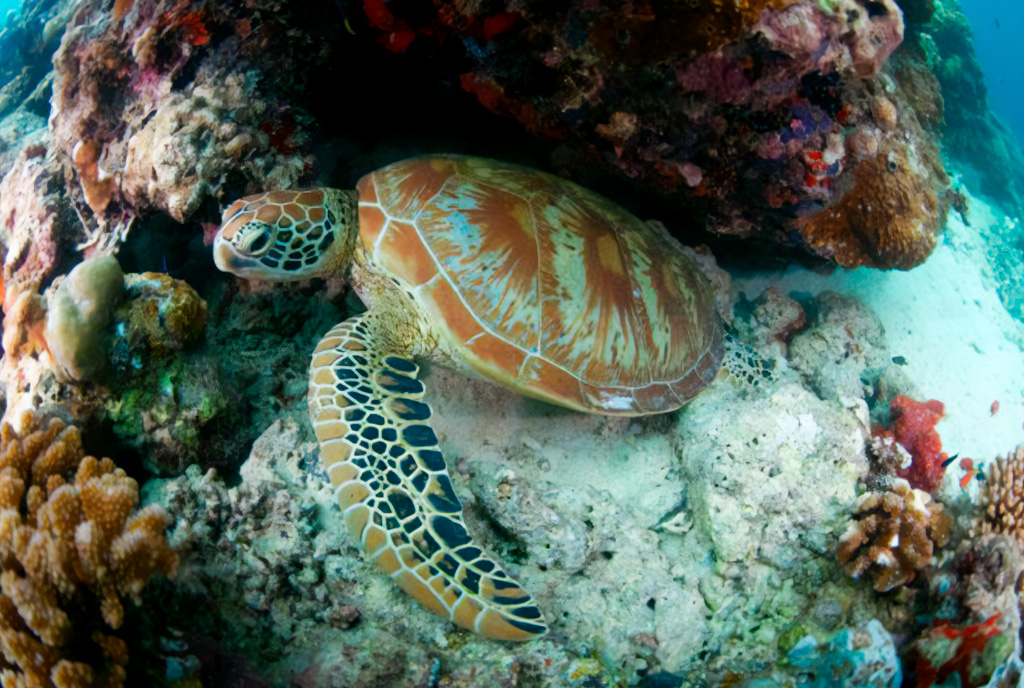
The rich waters teem with marine creatures such as hammerhead and other sharks, barracudas, sea turtles and manta rays.
Popular diving destinations include the Perhentian Islands, Redang Island in Terengganu, Tioman Island in Pahang, Pangkor Island in Perak, Langkawi Island in Kedah, as well as Gaya, Sipadan and the man-made Layang-Layang island, all near Sabah.
Plan ahead, since the islands off the east coast are closed from October to February or March due to the annual monsoon season.
Try metalworking
At the height of its development in the 19th century, Malaysia was the largest supplier of tin ore in the world. And where there is tin, you will also find pewter, a gray alloy made of tin, copper and antimony.
Royal Selangor, the world's largest maker of pewter goods, offers travelers a hands-on introduction to the craft.
Opened in 1885, the historic brand's headquarters offers two pewter-working workshops: the School of Hard Knocks for beginners and the more advanced Foundry.
Under the guidance of experienced pewtersmiths, travelers use traditional tools and techniques to create their own souvenirs.
Royal Selangor, Visitor Center 4, Jalan Usahawan 6, Setapak Jaya, Kuala Lumpur, Malaysia; +60 3 4145 6122
"Go backpacking" on two wheels
Malaysia's cycling community has grown considerably in recent years thanks to the arrival of bike-lane networks in cities across the country, such as Kuala Lumpur, Shah Alam in Selangor, Georgetown in Penang and Putrajaya, Malaysia's administrative capital.
Many experienced cyclists also leave the urban trails and head onto dirt roads to explore the country more fully.
One cycling enthusiast, Nadia Aziz, who blogs about her cycling adventures on Folding Tales, describes cycling as "a new way to go backpacking."
And you do not have to do it alone: many grassroots groups organize cycling tours along less-visited routes.
- Among them:
- Cycling Kuala Lumpur
- Bicycle Map Project (KL)
- Doowaroda mountain biking team (nationwide)
- Kinabalu Iron Horse (Sabah)
Visit the region's largest Islamic Arts Museum
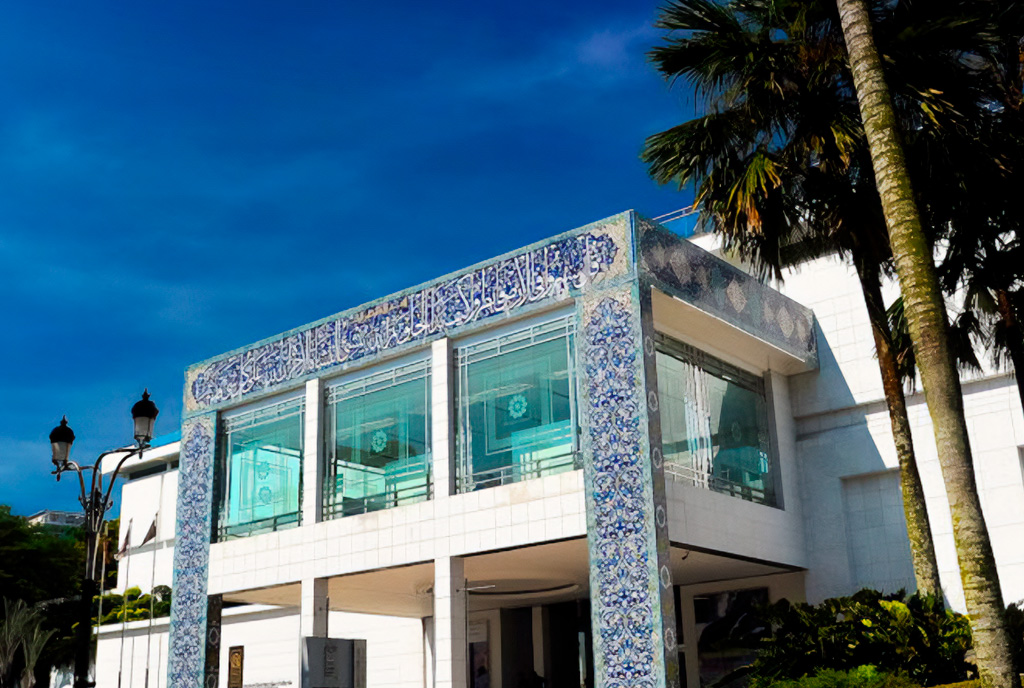
The largest museum of its kind in Southeast Asia, the Islamic Arts Museum Malaysia showcases the richness of Islamic cultures through its extensive collections of artwork and artifacts.
The museum places special emphasis on works from Asia, particularly from China, India and the Malay Archipelago.
It offers insight into Malaysia's unique form of Islamic identity, shaped by its position at the heart of once-great trade routes, the simultaneous spread of Islam across the region and the country's resulting multicultural makeup.
Islamic Arts Museum Malaysia, Jalan Lembah Perdana, Kuala Lumpur, Malaysia; +60 3 2092 7070
Learn about Malaysia's musical history
Opened last year, Penang House of Music, an interactive history museum, tells the story of the island's musical heritage.
This large complex traces Malaysia's musical origins, milestones and musical greats such as the celebrated singer-songwriter, director and actor P. Ramlee, jazz legend Jimmy Boyle and composer Ahmad Nawab.
The House of Music also documents local traditional art forms such as bangsawan, boria, ronggeng, puppet theater and Chinese opera.
Those who secretly dream of becoming a radio DJ can try their hand in the Radio Room.
Penang House of Music, L4-02, 4/F, KOMTAR, Penang, Malaysia; +60 4 370 6675
Visit one of the world's newest capitals
Gleaming and well-groomed, Putrajaya is a newcomer on the map.
Following the vision of Malaysia's fourth and longest-serving prime minister, Dr. Mahathir Mohamad, Putrajaya has been the country's administrative capital since 1997.
It is a purpose-built city that architecture lovers should absolutely visit. The buildings and structures here represent an eclectic mix of modern aesthetics, traditional Moorish or Islamic influences, and even elements of the Palladian or Neoclassical styles.
The most notable are the dramatic Palace of Justice, the iconic pink Putra Mosque on Putrajaya Lake and the modern curves of the Seri Wawasan Bridge.
You can also opt for a bird's-eye view, since hot-air balloon flights are available.
Wander the streets of Kuala Lumpur
Kuala Lumpur is far more than just the country's capital, a commercial and entertainment hub; it is the beating heart of Malaysia.
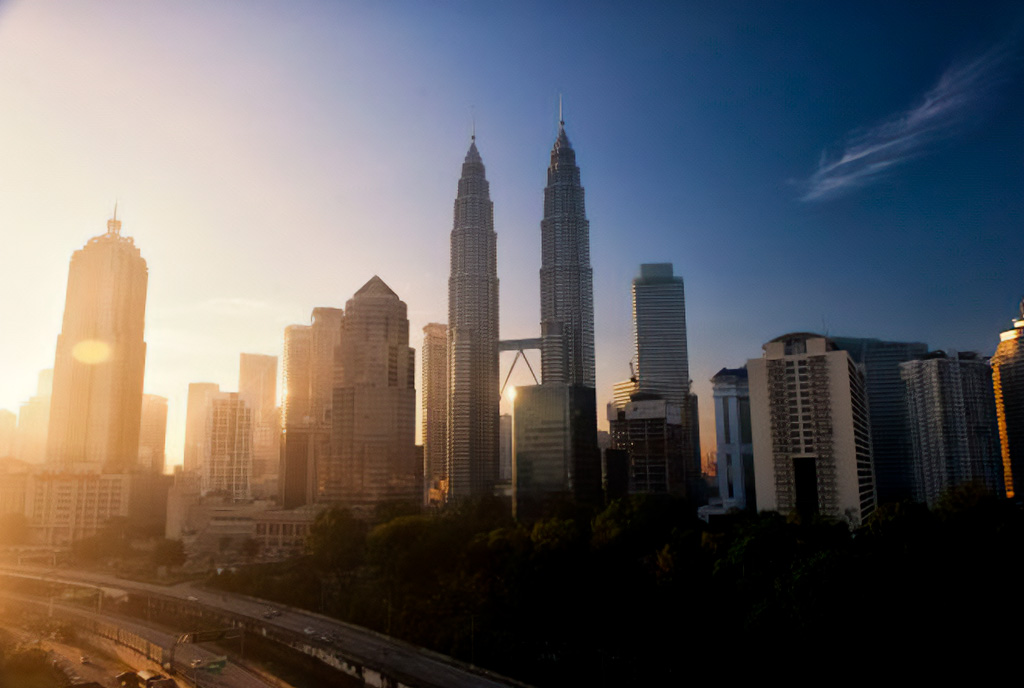
The 88-story Petronas Twin Towers, the tallest twin towers in the world, pierce nearly every view of the federal territory's skyline.
A trip up to the Skybridge connecting the two towers provides a stunning view of the city.
To glimpse KL's diverse history, a visit to Little India, known as Brickfields, promises color at every turn, with temples and traders, floral garlands, Indian clothing shops and wonderful South Indian sweets, snacks and hot dishes.
Meanwhile, in KL's Chinatown on Petaling Street, travelers can try their luck haggling with street vendors selling everything from watches, perfumes and designer bags to luggage.
Experience Malaysia's religious beauty
With its rich immigrant and colonial history, Malaysia is truly a rojak, a term that literally refers to the local fruit salad but has come to describe the country's diverse blend of cultures and religions.
This is reflected in the sheer number of places of worship, from mosques with Moorish-Malay influences to Hindu temples in the South Indian style and Chinese Taoist temples.
Most are open to visitors, but it is important to keep in mind their opening hours, dress codes and prayer times.
Which ones are worth visiting?
Located at the confluence of the Klang and Gombak rivers, the red-brick Jamek Mosque (or Masjid Jamek) is an incredibly beautiful building with deep historical significance.
With its lovely white arches and domes, it sits at the muddy confluence where KL was born and from which it took its name.
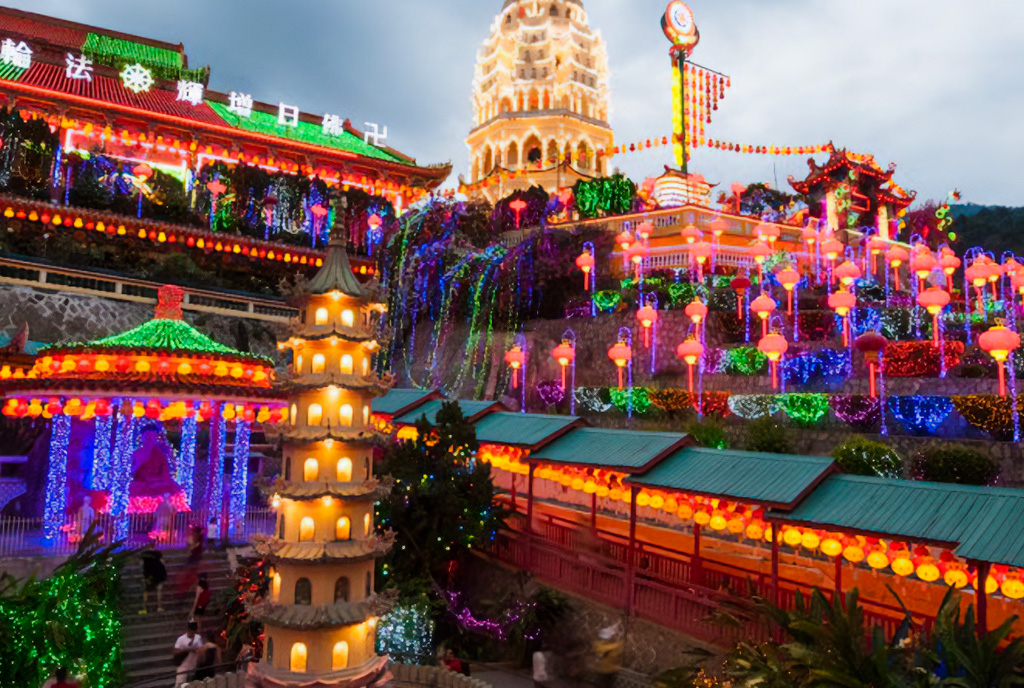
Meanwhile, Kek Lok Si in Penang, founded more than a century ago, has grown into a vast temple complex and is a major landmark for Buddhists across Southeast Asia.
Striking in its size and design, the complex blends Chinese and Buddhist influences and is renowned for its impressive collection of Buddhist statues, paintings and carvings, a seven-story pagoda and a 30-meter statue of the Goddess of Mercy.
One of Malaysia's most famous sites, the Batu Caves are large Hindu limestone cave temples located in Selangor state, just north of Kuala Lumpur.
Although some estimate the caves to be millions of years old, the shrines inside are about 130 years old. Marked by a giant 43-meter statue of Lord Murugan at the entrance, pilgrims have to climb 272 steep steps to reach the vast main Temple Cave.
And finally, St. Mary's is a late 19th-century cathedral located next to KL's famous Independence Square, or Dataran Merdeka.
Its elegant white Early English Gothic architecture certainly draws attention, as does the church's 110-year-old "Father Willis" organ.
Enjoy live music
Jazz fans have several options, since Malaysia hosts both the internationally acclaimed Borneo Jazz Festival in Sarawak and the Penang Island Jazz Festival, Malaysia's longest-running jazz festival.
Those who dance to a different beat can head to Sarawak for the annual Rainforest World Music Festival.
Every July, a mix of international and local musicians gathers for three nights of music, dance and fun in the beautiful Sarawak Cultural Village, set against the backdrop of the stunning Mount Santubong.
Visit the historic city of Malacca
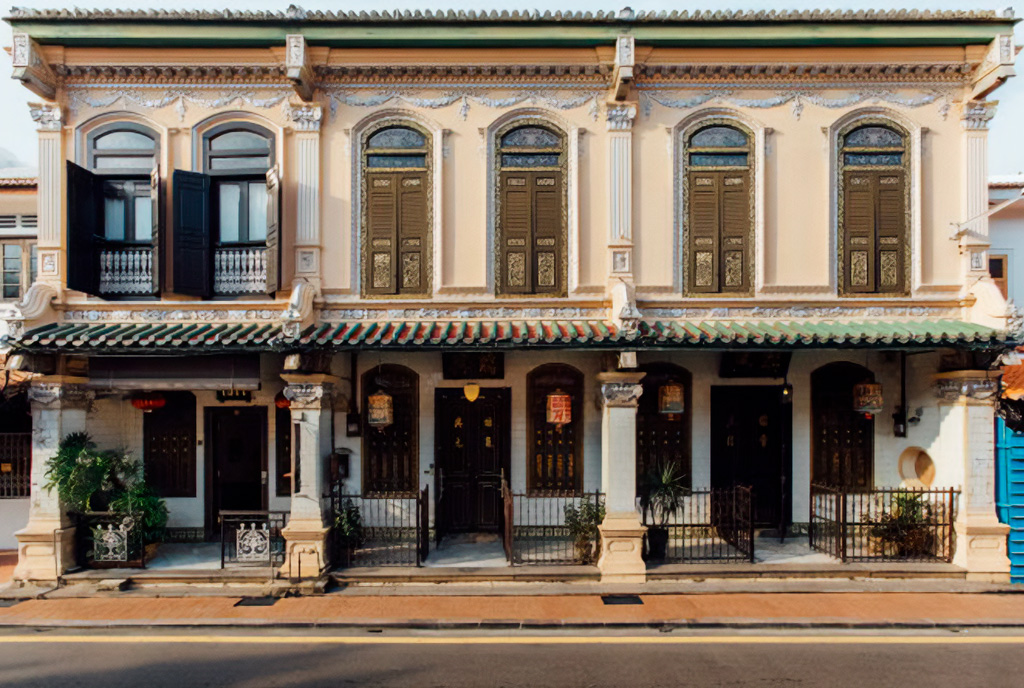
The capital of the coastal state of Malacca (also spelled Melaka), Malacca city is known for its delicious food and picturesque streets lined with old shophouses and antique stores.
Named a UNESCO World Heritage Site, the city has preserved much of its Portuguese and Dutch colonial influence, along with its Malay and Peranakan heritage.
Also called Baba-Nyonya (Baba for men and Nyonya for women), the Peranakans are descendants of Chinese migrants who, upon arriving in the Malay Archipelago, eventually married local women and assimilated into their customs, creating their own subculture and cuisine.
The lovely Baba and Nyonya Heritage Museum (No. 48 & 50 Jalan Tun Tan Cheng Lock, Malacca; +606-282 1273) offers an excellent look into this history.
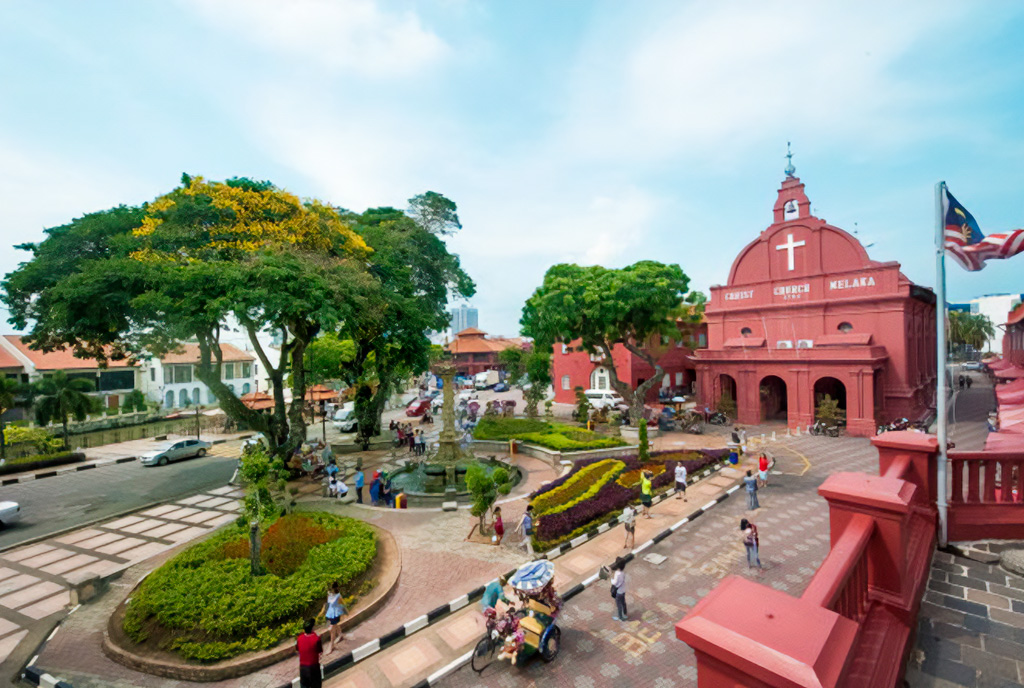
Meanwhile, the iconic red Dutch Stadthuys complex and the nearby centuries-old A'Famosa fort give travelers a sense of the area's colonial past, not to mention plenty of material for Instagram.
In the evening, Jonker Walk in Malacca's Chinatown comes alive as traders set up stalls selling everything from souvenirs and clothing to snacks and antiques.
Already been to Malacca and looking for another destination with a rich architectural, cultural and culinary heritage? Visit Ipoh, which is enjoying a tourism revival.
Hunt for the largest flower in the world
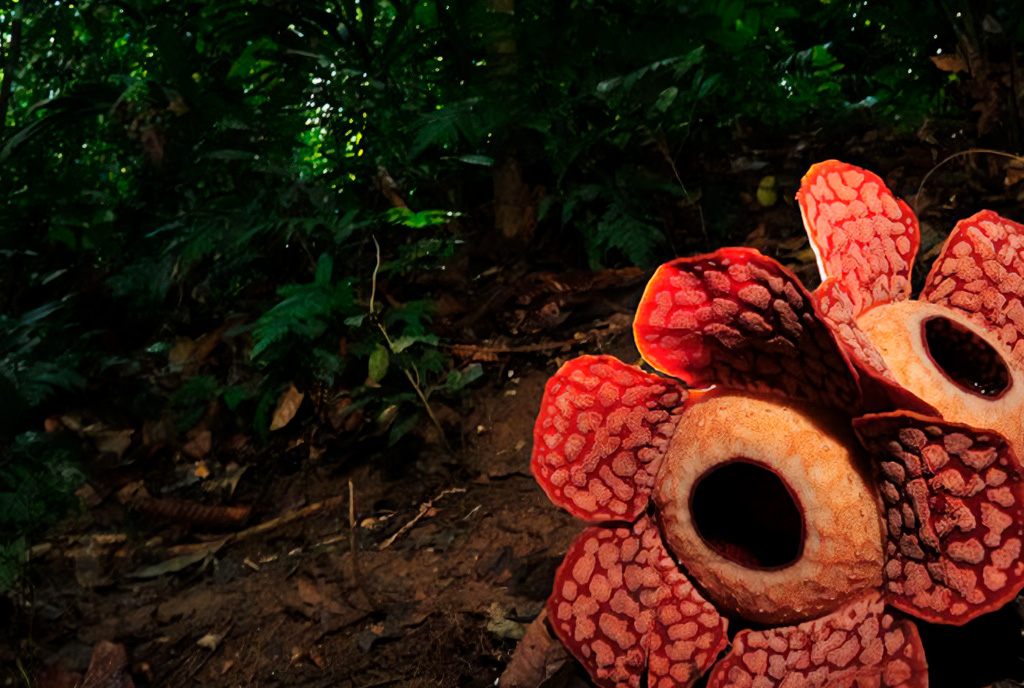
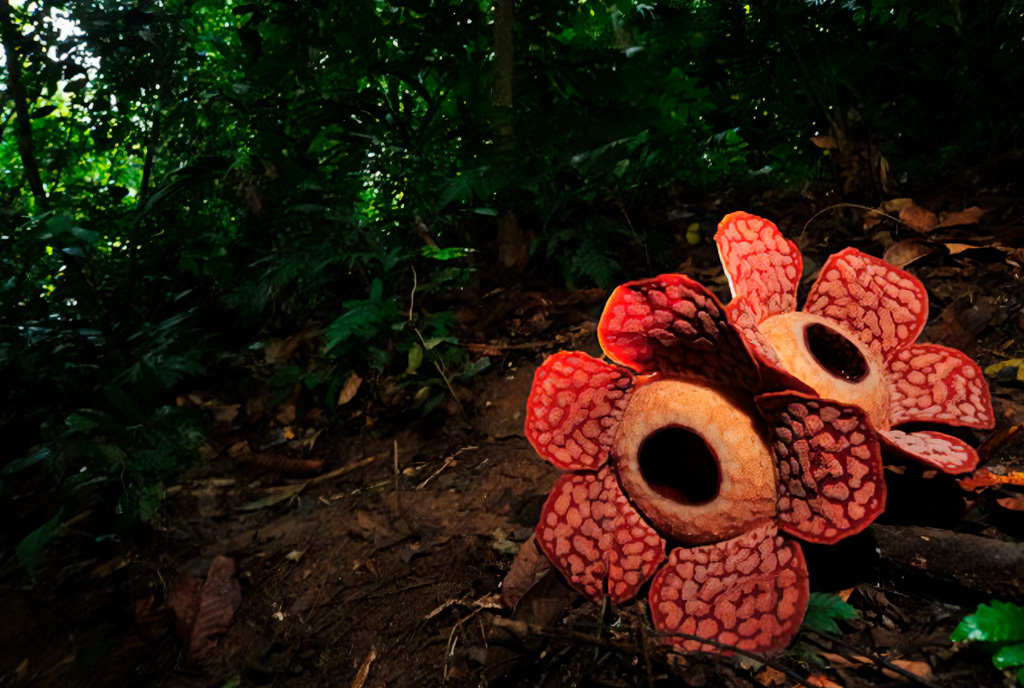
The parasitic Rafflesia flower has the largest bloom in the world, and it can only be found in Southeast Asia.
Without leaves, stems or true roots, these giants grow deep in the jungle. It is a sight worth beholding: their dark-red petals can reach a thickness of 2.5 cm and exceed 90 cm in diameter.
Once opened, Rafflesias stay in bloom for only a few days, so seeing one is a rare stroke of luck. Guided tours through Malaysia's amazing forest reserves let travelers set off in search of these wonders. To avoid disappointment, check before booking whether they are in bloom.
Where can you see them? The Royal Belum Forest Reserve in Perak, Gunung Gading National Park in Sarawak and the Tambunan Rafflesia Information Center in Sabah.
WHAT TO EAT
Milo
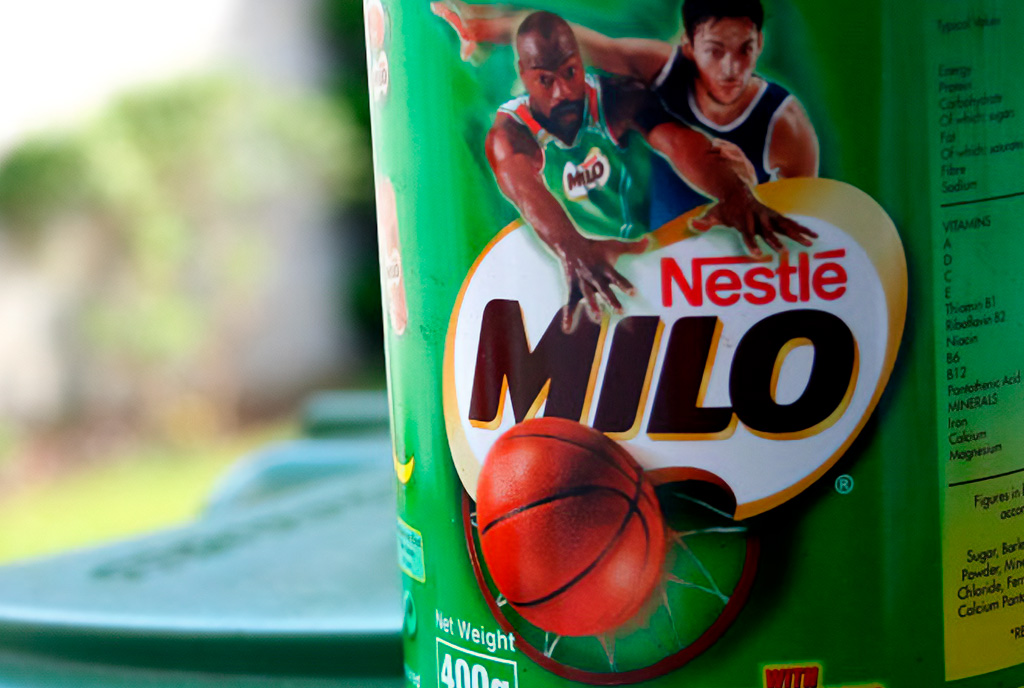
Ask any Malaysian who grew up in the 1980s for a fond childhood memory, and you are sure to hear at least one involving the bright green Milo truck, where kids lined up for a cup of chilled iced chocolate.
And it is not just for kids. You can order a cup of Milo at Malaysia's Indian-Muslim eateries, known as mamak shops, which can be found all over the country.
The nation's love for this chocolate-malt drink runs so deep that countless versions exist, ask for the classic Milo Ice or hot Milo for a wonderful, blood-sugar-boosting Milo with a splash of condensed milk.
Milo Dinosaur is served with a mound of pure undissolved Milo powder on top, while mocha lovers will find "Neslo" a good alternative.
Do not feel like drinking? Choose Roti Milo for dessert: classic Indian flaky bread generously dusted with Milo.
The 'Ramly' burger
Malaysia's answer to the Sloppy Joe, the "Ramly burger" is hot, gooey, buttery, soft and incredibly messy to eat, but oh so delicious.
Popularized by roadside stalls offering original Ramly-brand beef patties, it has since become a general term for any stall serving simple but tasty burgers, patties on toasted, buttered buns with add-ons such as onion and cucumber, cheese, mayonnaise and a special sweet chili sauce.
Just follow your nose to the source of the sizzling fat and toasting butter, and listen for the steady hum of the generator.
Chili pan mee
Chili pan mee is a seemingly simple Malaysian Hakka dish, but like most of the country's dishes, it is full of flavor.
Thick flat or hand-torn noodles are served dry in a bowl with a soft poached egg, fried anchovies and minced pork, next to a jar filled with a deceptively innocent-looking dried chili paste. You add as much paste to your bowl as you like and mix well.
A word of warning: a little chili paste goes a very long way in flavor.
Claypot chicken rice
This hot, hearty dish can be found in just about any non-halal street food court in the country, but claypot chicken rice is a specialty of the town of Kampar in the northern peninsular state of Perak.
The rice and chicken are cooked in a sticky, sweet dark sauce in clay pots over charcoal until they turn beautifully caramelized and infused with just the right amount of smoky aroma.
What makes this dish special is the crispy rice crust that forms at the bottom of the pot. Imagine paella, but with Asian flavors.
Appam/Apam
Indian appam is made of pancakes prepared from fermented ground rice and coconut milk. They have crispy paper-thin curled edges and a raised spongy center.
Served with sweetened coconut milk, and sometimes even with melted palm sugar. In more refined versions, a golden runny egg sits in the center.
There is also apam balik/apom balik. Although it resembles appam, it is a completely different dish that some believe originated in China.
It includes chopped peanuts, sugar, plenty of butter and creamed corn, all sandwiched between two thick, soft pancakes or wrapped in a folded crispy pancake.
Whichever style you choose, they are all best eaten hot and fresh straight from the pan.
Manok pansoh
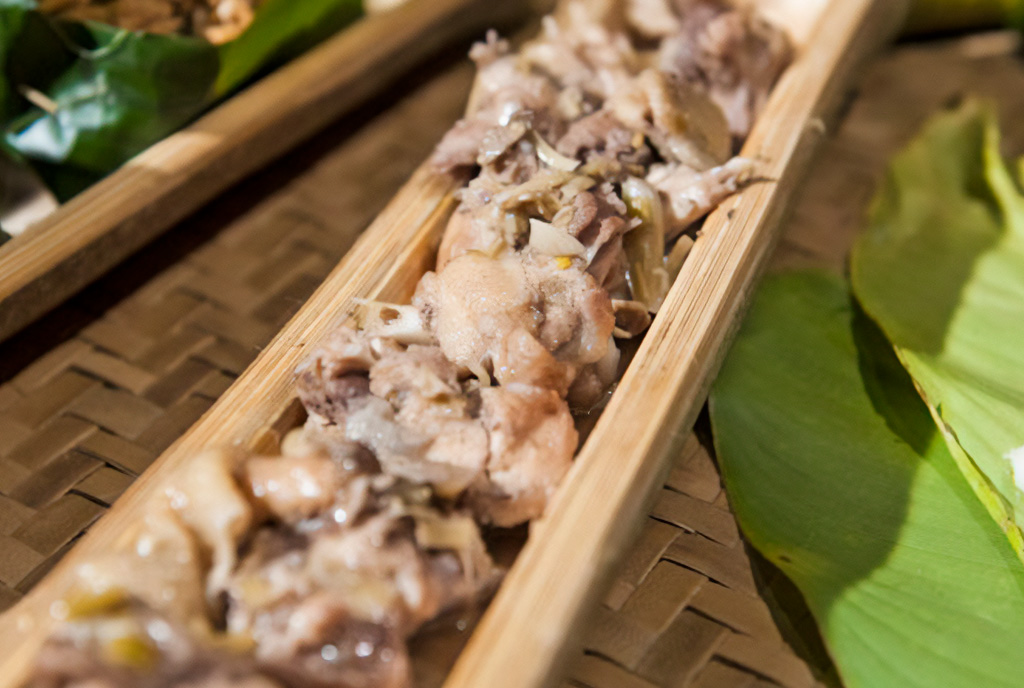
This is a traditional dish of the Iban and Bidayuh peoples of Sarawak. It is made by slowly cooking chicken inside a long piece of bamboo over hot coals or a wood fire.
The chicken is first generously marinated with lemongrass, tapioca leaves and ginger, among other ingredients, before being stuffed into the bamboo and cooked.
The juicy, fragrant meat is pulled out of the bamboo and served with rice.
It used to be served only during special celebrations or festivals, but it is now becoming more widely available across the state.
Hinava
The Hinava fish salad, a delicacy of the Kadazan-Dusun people of Sabah, is similar to South American ceviche but prepared in a Bornean style.
In it, pieces of fresh raw fish are marinated in lime, onion, chili, salt and ginger. The result is a light and delicate yet very flavorful dish.
Some versions use the grated seeds of a local fruit known as bambangan. Neighboring Sarawak has a similar dish belonging to the Melanau people, known as Umai, made with a local sour palm fruit known as kelubi or asam paya.
Chicken Kapitan
If you travel through the coastal states of Malacca and Penang, you will encounter the famous cuisine prepared by the Peranakan, or Baba-Nyonya, community, known for its bold, tangy and spicy flavors.
Among the standout dishes is Chicken Kapitan.
Named after the term "Kapitan," used to refer to the Chinese cooks appointed during colonial rule, this dish is a thick, aromatic curry made with a spicy blend that includes, among other things, belacan (shrimp paste), candlenut, lemongrass, kaffir lime leaves and galangal.
Kaya toast
Kaya means "rich" in Malay, and kaya jam truly is. Sweet, eggy, sticky and satisfying, this local treat is made from coconut milk, eggs and sugar boiled down into a golden-brown custard. There is also a green variety, flavored with fragrant pandan leaves.
Malaysians will tell you the best way to enjoy it is between thick slices of crispy toasted bread, generously spread with butter. You can order kaya toast at most kopitiams and mamaks, and although it is mainly a breakfast food, it can be enjoyed at any time of day.