

Say "Penang" and most people picture street food and heritage buildings.
Truth be told, if I'd spent eight years of my life on this Malaysian island purely for the terrific food of the capital, George Town, and its atmospheric shophouses, I'd be either seriously overweight or completely blind.
Because even without the food and the beautiful buildings, Penang is a very special place.
Partner links: booking through them supports the blog at no extra cost to you.
It's also a rich tropical egg yolk that newcomers find hard to crack.
Here are nine ways to step past George Town's polished facade and get to know the genuine multi-ethnic, artistic and natural depth that the whole of Penang island has to offer.
Penang's Eclectic Art Scene
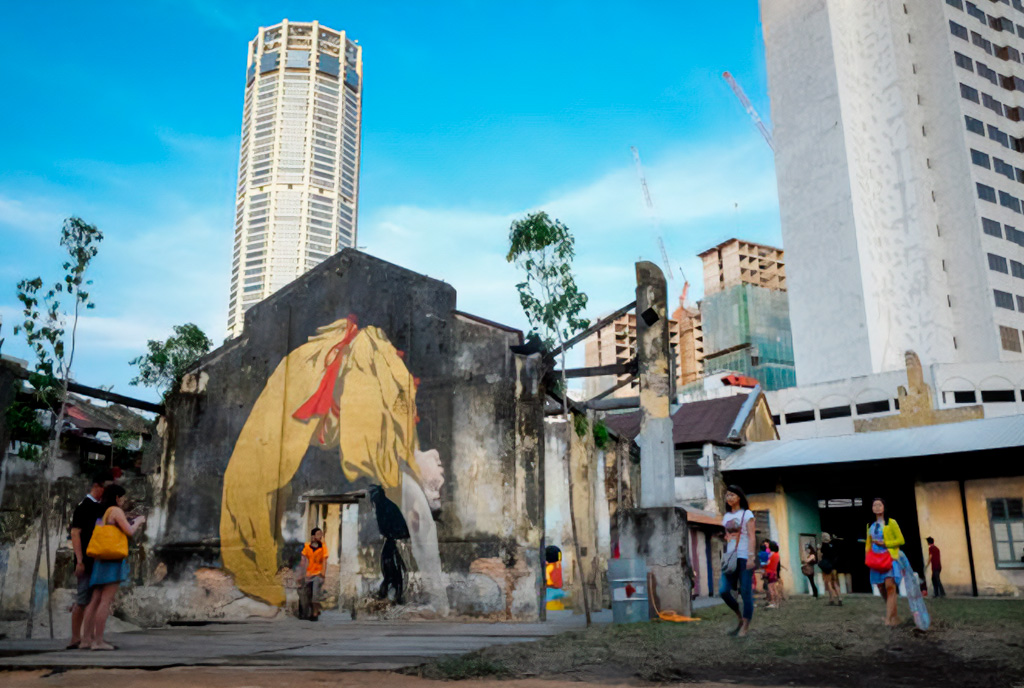
George Town's street murals have become a tourist attraction in their own right.
But it's the young international artists behind them who have truly turned the island into one of Asia's leading art destinations.
The local art scene is based at Hin Bus Depot (31 Jalan Gurdwara, George Town), a former bus depot reborn as a shabby-chic art and food space.
"In Penang it doesn't matter where you're from or how long you'll stay. Local and international artists collaborate without any friction," says Wanida Razali, manager of the Hin gallery.
Penang's blend of old and new certainly appeals to international creative souls.
"The art scene has plenty of different circles that anyone can slot into, and the island's vibe inspires people to get up and make things happen," says Alvin Neoh, a musician, visual artist and manager of the artsy bar Narrow Marrow (252 Lebuh Carnarvon, George Town; +60 (0)16 553 6647), another haven for Penang's creatives.
For Trevor Hampson, who lived in London for 14 years before opening the Run Amok art gallery (59A Jalan Timah, George Town) in Penang in 2014, "street art brought the local art scene to a wider public, but unlike London, the island has plenty of places to meet and mingle with artists, who are always up for striking up a conversation."
An Ancient Stick-Fighting Martial Art
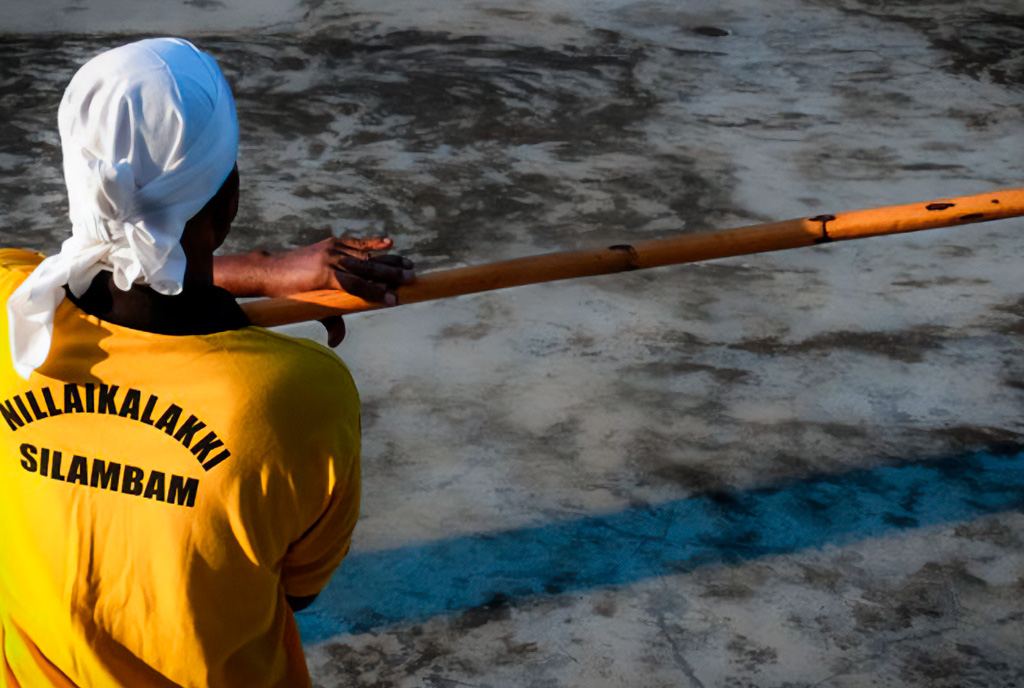
Since 1936, Penang has preserved silambam nillaikalakki, a traditional Dravidian Indian stick-fighting martial art transplanted from Tamil Nadu.
Grandmaster Dr Anbananthan, who began studying the style under Madurai-born Asan Mariapakaiam in 1962, still teaches this elegant martial art built on footwork and self-healing.
"We still preserve the 5,000-year-old silambam curriculum, keeping Tamil cultural heritage alive," says Saravanan Ramasamy, one of the group's senior members.
The best part is that you can learn silambam for free on the rooftop of Balai Rakyat Tun Sardon, a community hall tucked away in the Gelugor district.
"It doesn't matter where a student comes from, because if they managed to find their way here, it means that, like us, they too are searching for the truth," says student Aravindan Kamalanathan.
Balai Rakyat Tun Sardon, 25 Pintasan Pemancar 5, Taman Tun Sardon, Gelugor. Silambam training runs Monday to Tuesday and Thursday to Friday from 7pm to 9pm.
Underground Music
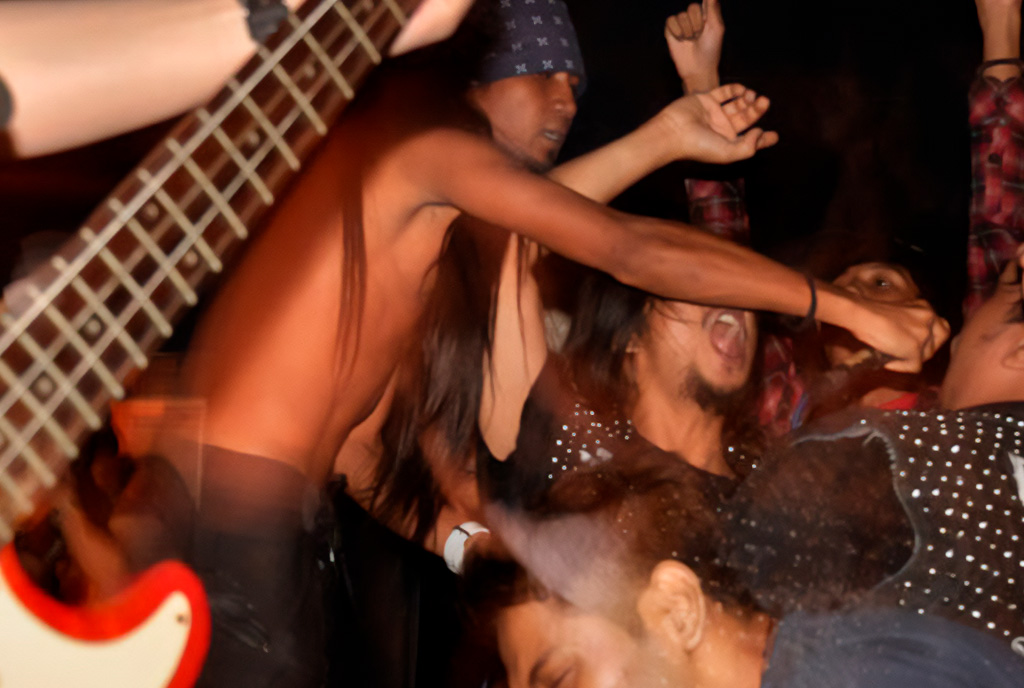
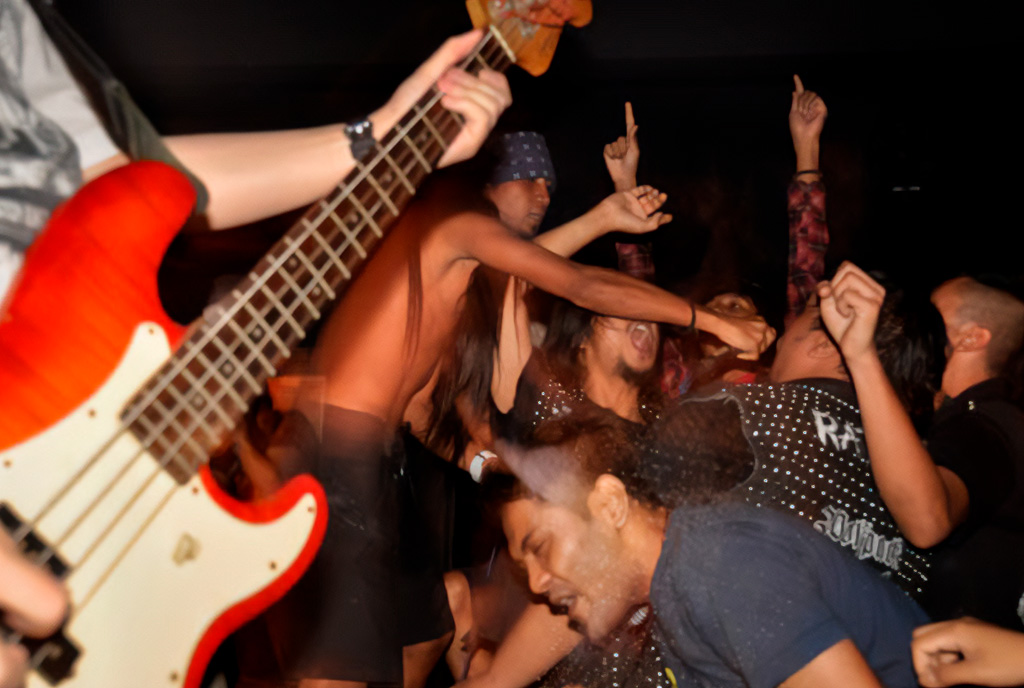
Punk rock, metal and alternative music thrive at Soundmaker (2nd floor, 62 Weld Quay, George Town), one of Asia's best underground clubs.
Hidden on the ground floor of a building overlooking the Chinese piers of Weld Quay, it draws crowds of alternative fans who come to headbang and throw up their horns to the loud guitars of an ever-growing roster of Asian and international touring bands.
"We welcome original music and support genuine local talent," says the wiry Cole Yew, Soundmaker's driving force for the past ten years.
"You won't find any of the dull cover bands here that clog up every Malaysian bar."
Check their gig schedule online, or just drop by for a drink and dive into Penang's hidden side.
Potehi Glove Puppet Theatre
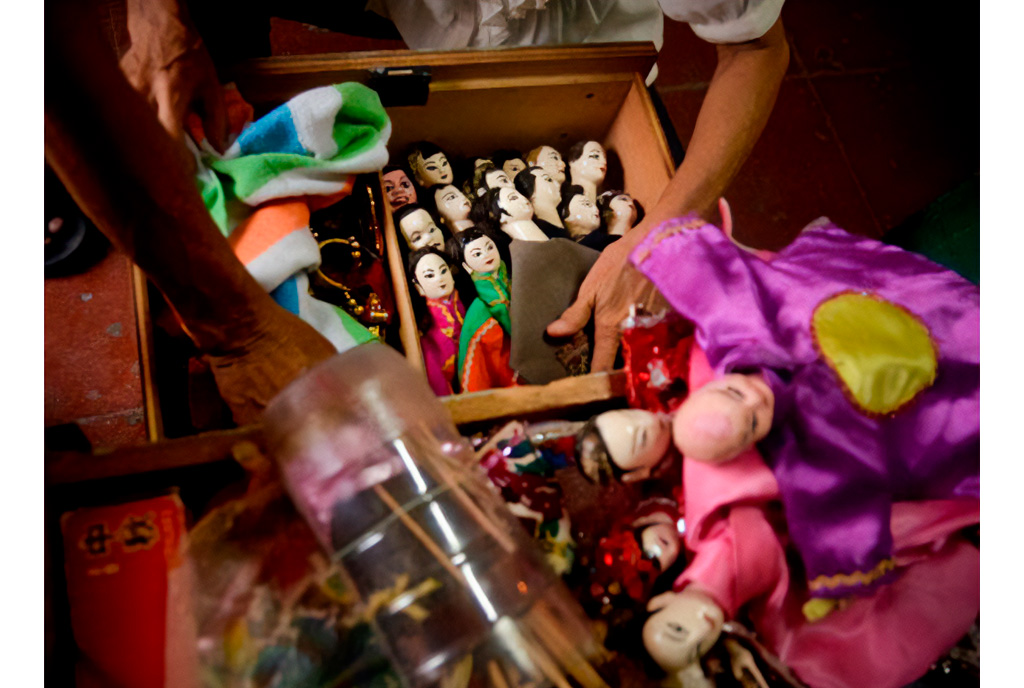
One of Penang's dying traditions, the classic Hokkien glove puppet theatre, is kept alive by just four troupes who make a living performing at temples for religious purposes.
"Chinese cultural associations don't promote this art, preferring the Chinese orchestra and lion/dragon dances as markers of their identity," explains Professor Tan Sooi Beng, a distinguished ethnomusicologist from Penang.
To help revive the art, she founded a Potehi group under the Ombak-Ombak arts studio.
Learning from the original Beng Geok Hong troupe, young puppeteers adapt three-hour potehi plays into shorter versions that fit the schedule of Penang's festivals.
For details on upcoming potehi shows and other Penang arts performances, get in touch with the Ombak-Ombak arts studio through their Facebook page.
Hungry Ghosts
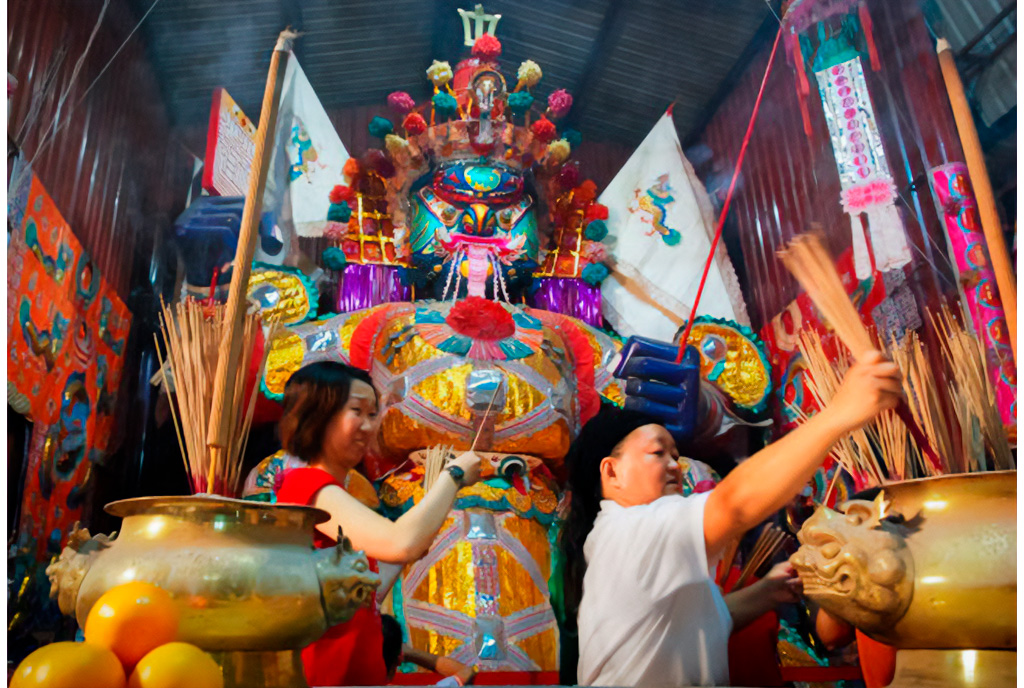
According to legend, in the seventh month of the lunar year (August/September), the King of Hell Tai Su Yah opens the gates of hell, releasing the dead onto Earth.
They go looking for worldly entertainment and the familiar food they can't find on the poorly stocked shelves of Hell's Kitchen.
Penang's alleys and street corners fill up with canopies sheltering makeshift shrines, each decorated with a single watchful paper statue of Tai Su Yah.
This is where the wandering ghosts come to be cared for and fed, beer and the occasional lump of opium included.
Song-and-dance shows are staged here by scantily clad, long-legged Chinese starlets, a modern replacement for Chinese opera.
Just don't take a seat in the front rows, even if they're empty: that's the VIP zone reserved for Hell's crew.
On the last night of the month, all the idols are thrown into a ritual bonfire, and the Gates of Hell are sealed for another year.
Balik Pulau
The south of the island is actually a gorgeous tropical region where you can visit durian farms, Chinese stilt villages and even take a swim off some decent beaches.
Few foreign tourists seem to know it exists.
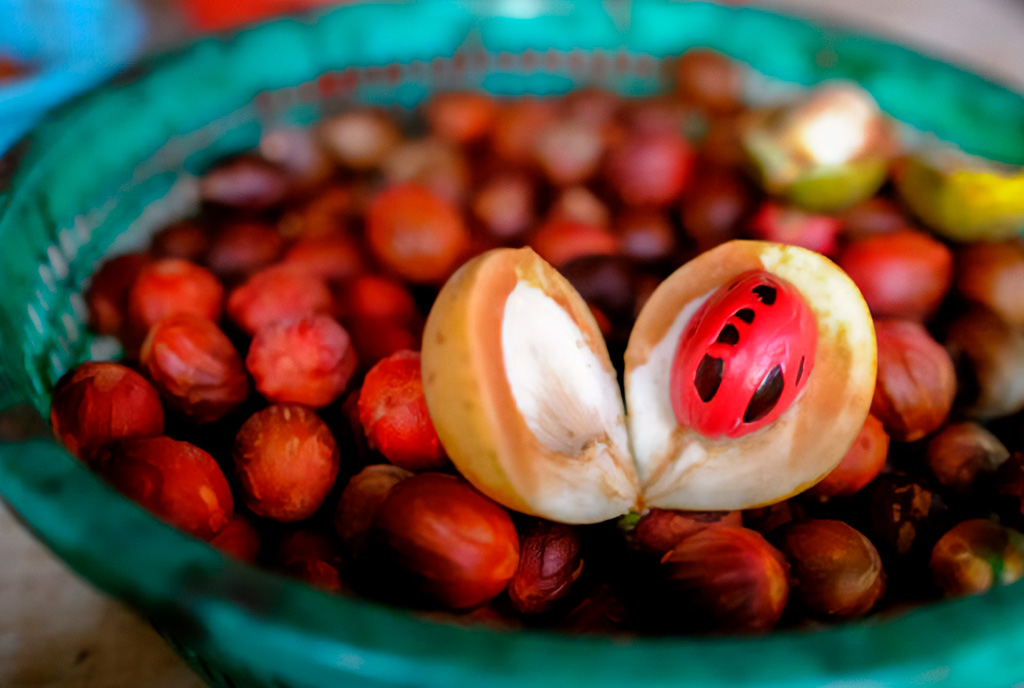
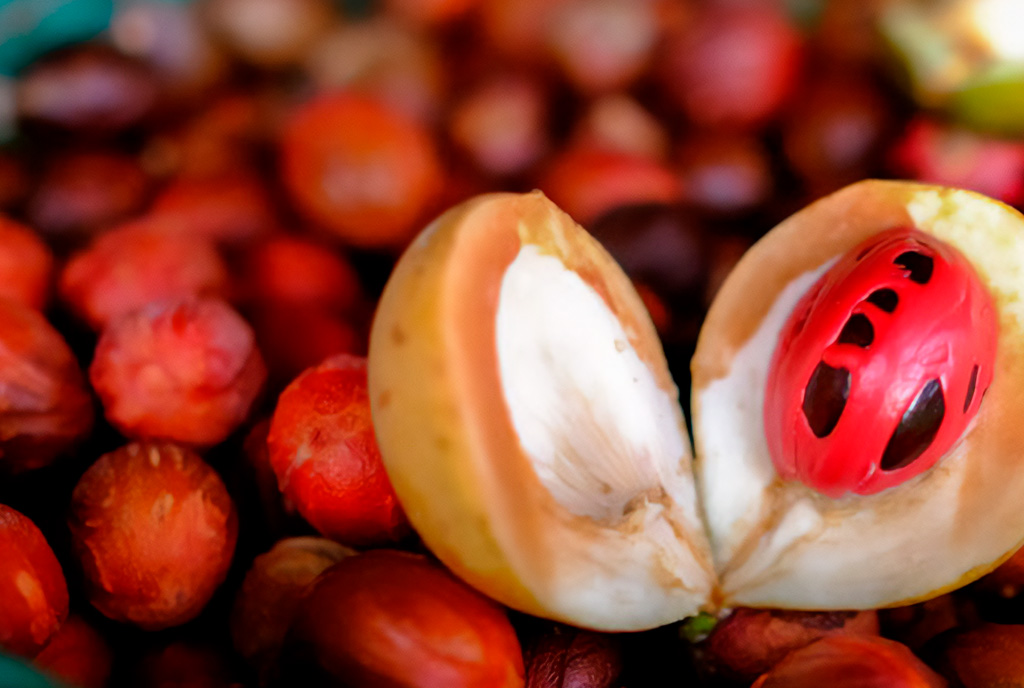
An interesting stop in Balik Pulau is Ghee Hup (MK3, 202A Jalan Tanjung Bungah, Kampung Sungai Pinang, Balik Pulau; +60 (0)16 433 6303). It produces nutmeg, one of the original mystical spices native to the Moluccas that has been cultivated in Penang for centuries.
Balik Pulau town itself is a pleasant one-way street lined with shophouses, a charming clock tower and, more recently, a new piece of wall art by Russian artist Julia Volchkova.
And if by this point you really can't stop thinking about food, the fragrant coconut Siamese laksa sold on the streets here is unlike anywhere else in Penang.
Penang Hill and Malaysia's Smallest National Park
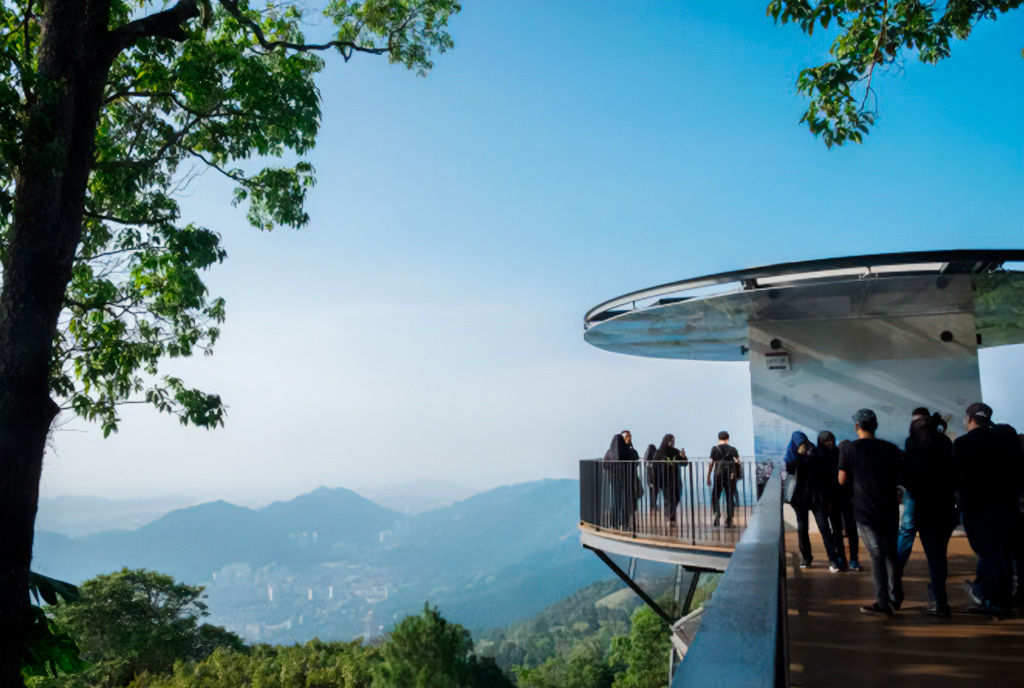
Penang's highest point, just a 10-minute drive from Chulia Street, has lush walking trails all the way to the botanical garden and boasts the world's steepest funicular railway.
"We have some of Southeast Asia's rarest flying mammals, including the flying lemur and giant red and black squirrels," says Allen Tan, manager of the new eco-park The Habitat (Bukit Bendera; +60 (0)4 826 7677), built to preserve and appreciate this 130-million-year-old ecosystem.
For more jungle, Taman Rimba, Malaysia's smallest national park, awaits in the northwestern corner of the island.
Multi-Ethnic Artisans
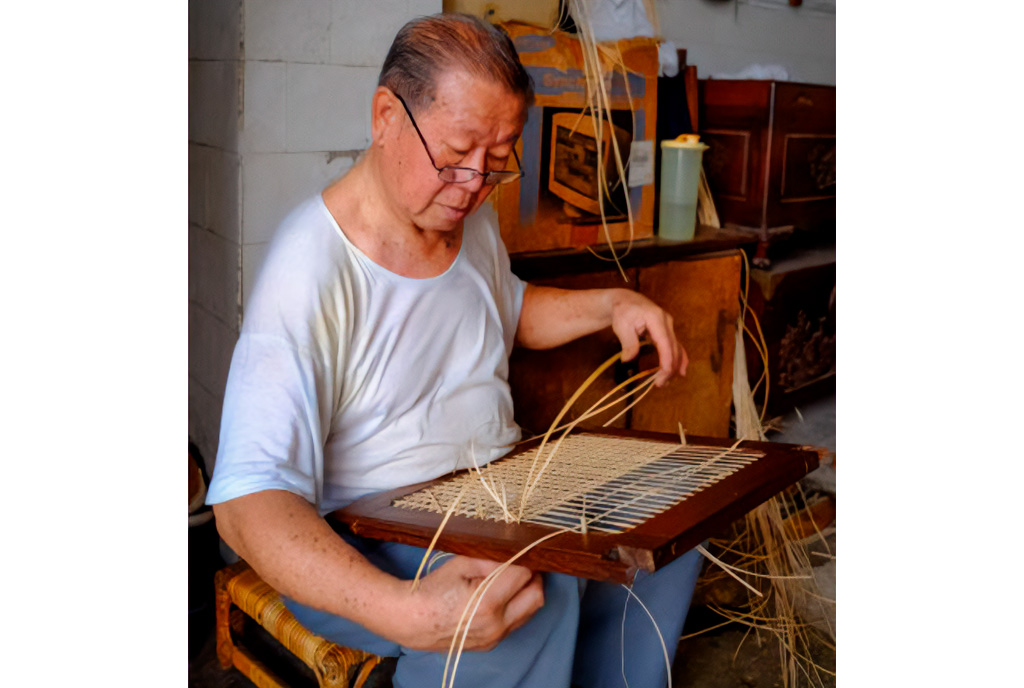
Penang's real heritage isn't just food: it's the culture of its street artisans and their age-old crafts, which are sadly vanishing in the coils of George Town's accelerating boutique gentrification.
There's still a string of old shops where multi-ethnic artisans hand-make traditional goods, including Muslim skullcaps, Chinese signboards, metal anchors, rattan furniture and paper effigies (picture life-size motorbikes, cars and horses) for Taoist ritual burning.
Little India is a good starting point: next to the Nagore shrine on King Street, Kedai Songkok OSM Mohd Sharif is the only place in Penang where you can find handmade Muslim headwear.
The Thaipusam Festival
Few people know that Penang hosts one of Asia's most awe-inspiring and gripping festivals, Thaipusam.
Held in the Tamil month of Thai (January/February), this wild eight-kilometre procession from George Town to the Arulmigu Balathandayuthapani temple on the slopes of Penang Hill honours the battle between Lord Murugan and the demon Surapadman.
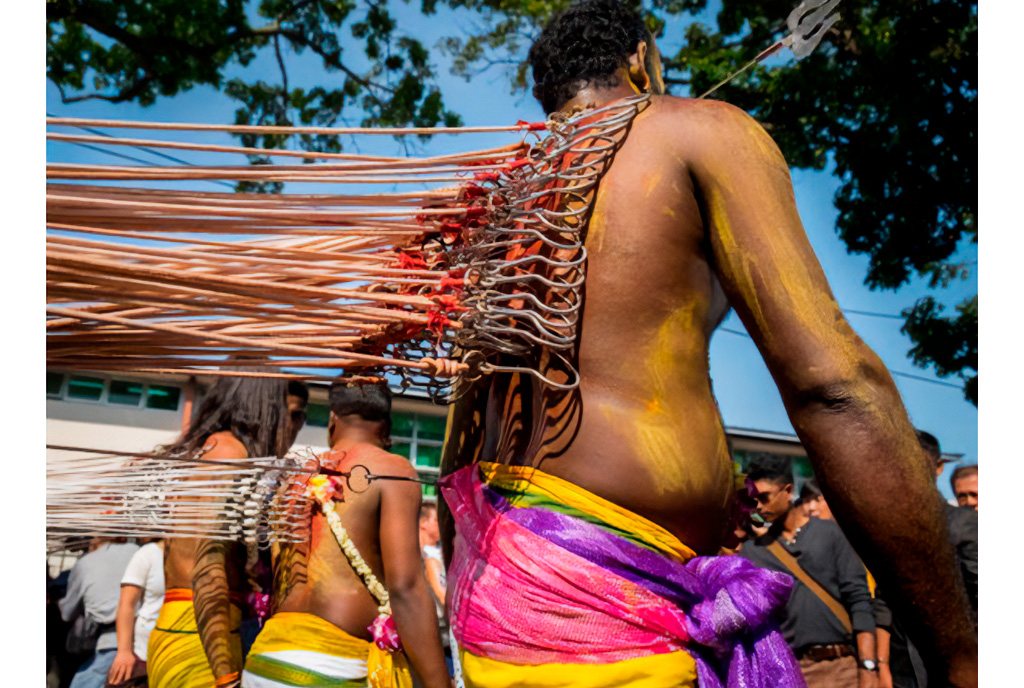
Devotees repay fulfilled wishes by carrying physical burdens called kavadi: they range from a simple pot of milk balanced overhead to heavy canopies of wooden rods mounted on the shoulders.
In the most extreme cases, devotees pierce their cheeks and tongues with skewers to keep from talking during the march, or are pulled back by ropes hooked into their bare backs.