

The wars, revolutions and fallen empires that reshaped the world map in the 20th century had one unexpected beneficiary: capital cities.
Only around 40 countries had capitals in 1900, writes professor David Gordon in the introduction to the book "Planning Twentieth Century Capital Cities."
By 2000 that number had grown to more than 200, as new nations emerged from the breakup of the British and French empires, the Soviet Union and Yugoslavia.
Partner links: booking through them supports the blog at no extra cost to you.
Most countries picked a single city to serve as their capital.
"It's the place where politicians gather to make laws, where you usually find a country's central administrative machinery," says Gordon, a professor of urban planning at Queen's University in Kingston, Ontario. "There are big synergies in putting all of that together in one spot."
But some countries simply decided that, when it comes to capital cities, more is better. From the shores of Benin to the Kingdom of Eswatini, there are nations around the globe with two or more capitals.
Their reasons vary. When countries take shape out of different regions, as in the case of the United States or South Africa, Gordon notes that regional rivalry over power can be a factor.
"None of them wants their rival to have the advantage of being the seat of government," Gordon says. "There's some very complicated politics wrapped up in the whole thing."
The United States settled that conflict by founding Washington, D.C., on a relatively undeveloped stretch of the Potomac River. South Africa, by contrast, chose to split the national government across the cities of Cape Town, Pretoria and Bloemfontein.
Sometimes choosing a capital is easier said than done.
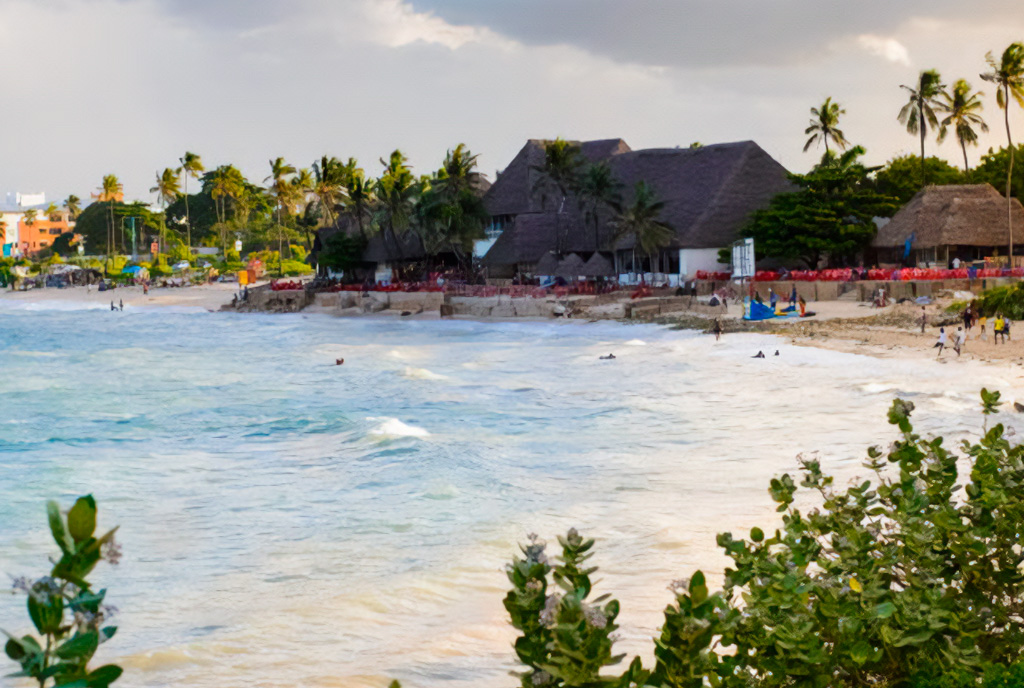
In 1973, Tanzania announced that a new capital would be built in Dodoma, hundreds of miles inland from the colonial-era capital of Dar es Salaam.
"Empires had a central administrative place for every colony, usually on the coast, so they had good sea access back to the imperial capital," Gordon says. "The tendency in decolonizing countries is to move the capital to the center of the country to make it more accessible to all citizens."
But the cultural pull of historic capitals can be hard to shake. Dar es Salaam still handles many government functions, and it wasn't until 2019 that Tanzania's president moved his office to the "new" capital of Dodoma.
Tanzania isn't the only country whose leaders have wavered over where to put the capital.
"Canada spent years and years agonizing over Ottawa," Gordon says. "The capital used to move every two years because the Federation couldn't agree on where it should be."
While travelers ride out the coronavirus pandemic by journeying in their minds and, hopefully, planning their next adventures, consider which capital of these countries to visit down the road: one, or maybe both?
Beyond the politics, Gordon sees an upside to his own country's tangled geographic past, and to a world map whose nations keep more than one capital: "It's great for a game of Trivial Pursuit."
Benin: Porto-Novo and Cotonou
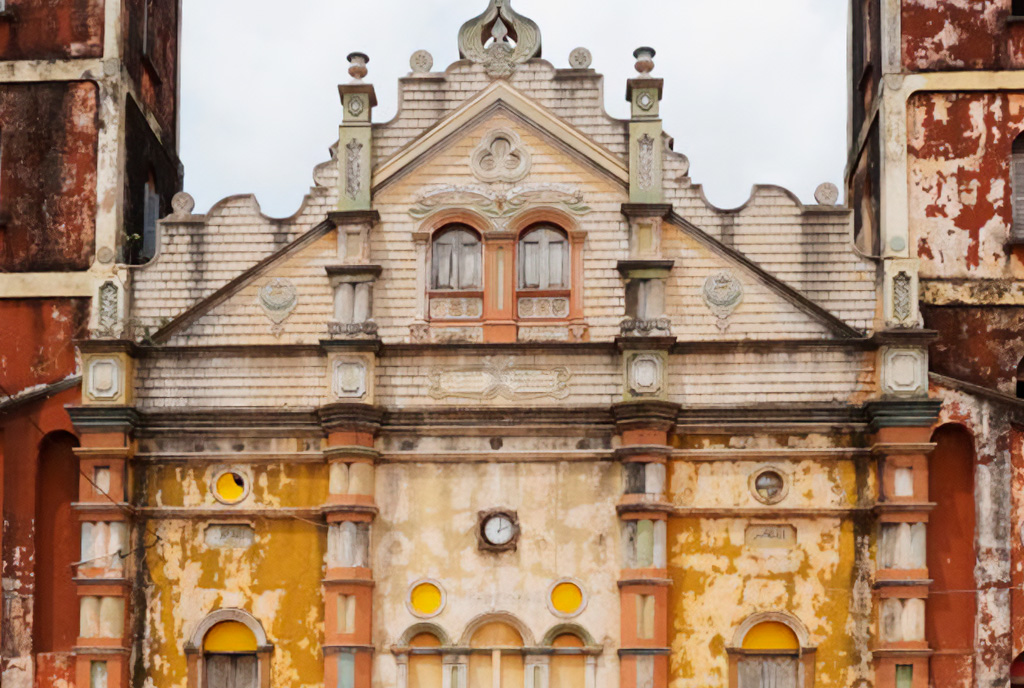
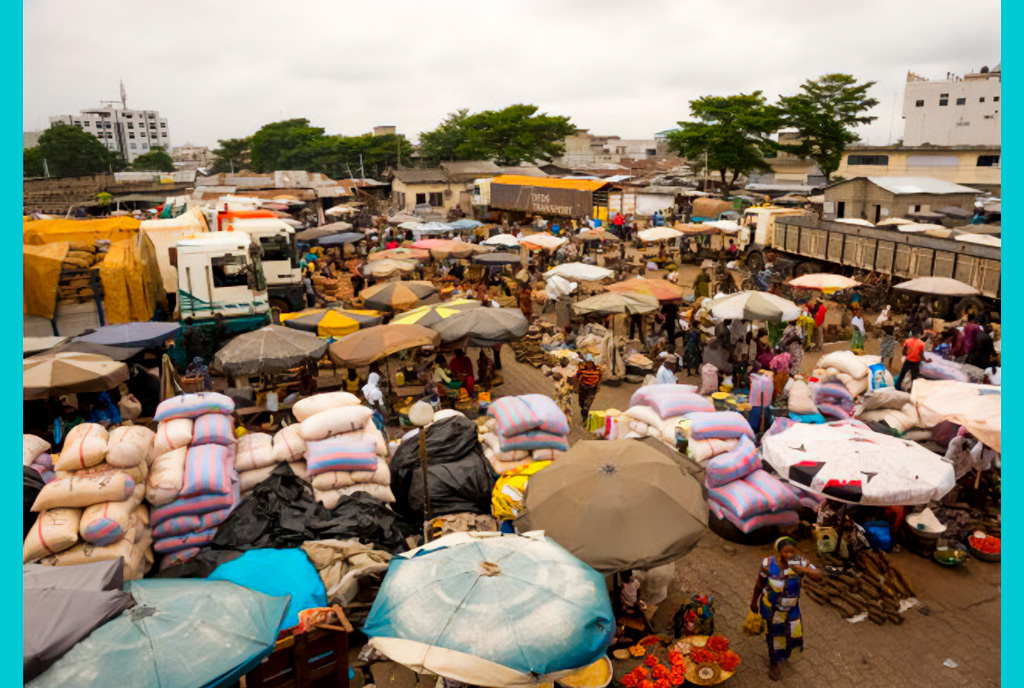
The lively port city of Cotonou welcomes travelers to Benin with a colorful bustle and swaying rhythms, and it's no surprise that the country's largest city is also the seat of government.
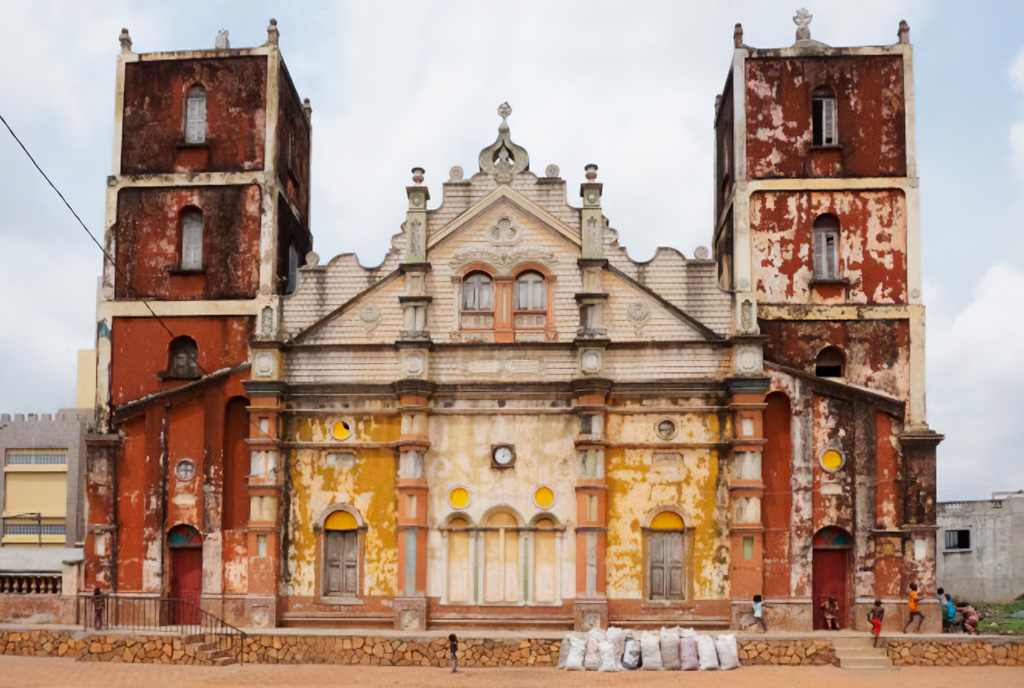
The official capital, though, sits an hour's drive away in Porto-Novo. Here the clamor of the big city gives way to tree-lined streets and historic architecture.
The split of power between the two cities dates back to before Benin gained full independence from France in 1960.
Bolivia: La Paz and Sucre
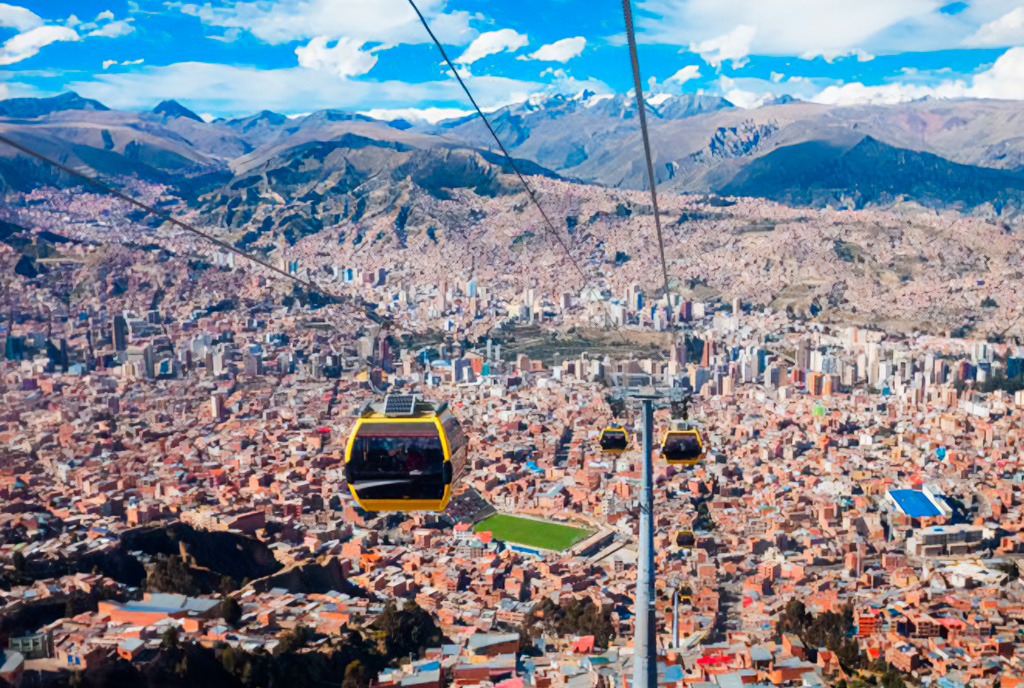
Ringed by the snow-capped peaks of the Andes, La Paz is a breathtaking capital.
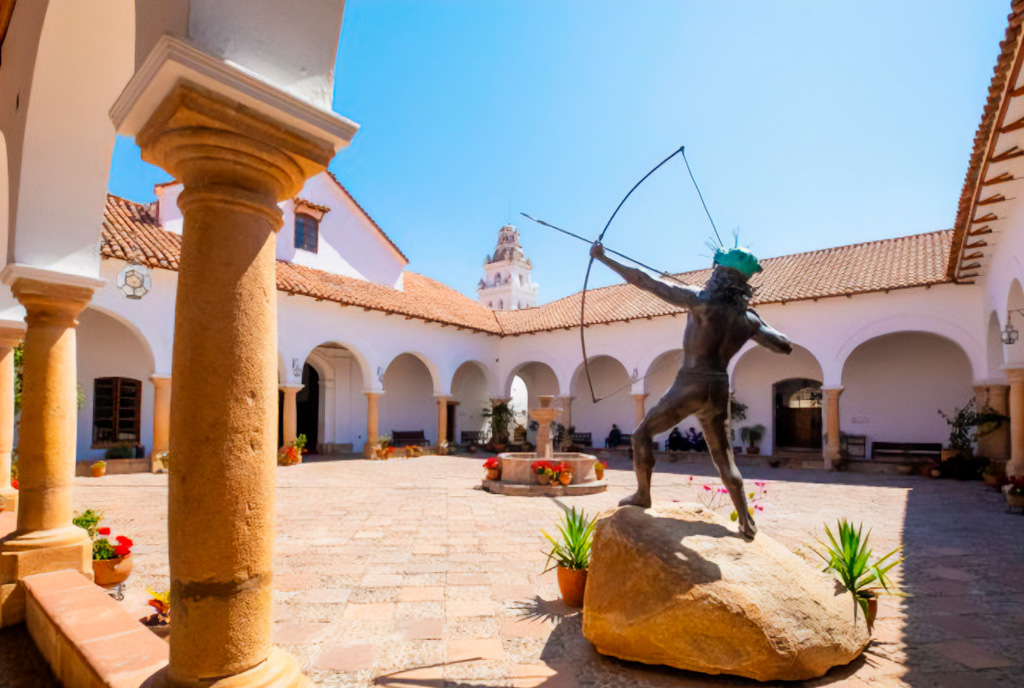
Cable cars glide above the tangle of city streets, and an independent-minded population fills the historic squares during frequent protests. But while La Paz is Bolivia's administrative capital, the constitutional capital lies hundreds of miles away in the city of Sucre.
In the early days of colonial rule, silver from the mines around Sucre turned the mountain town into an Andean center of power. Later, a booming tin industry helped make upstart La Paz a fierce rival for economic and political clout, and it remains the seat of the Bolivian government to this day.
Chile: Santiago and Valparaiso
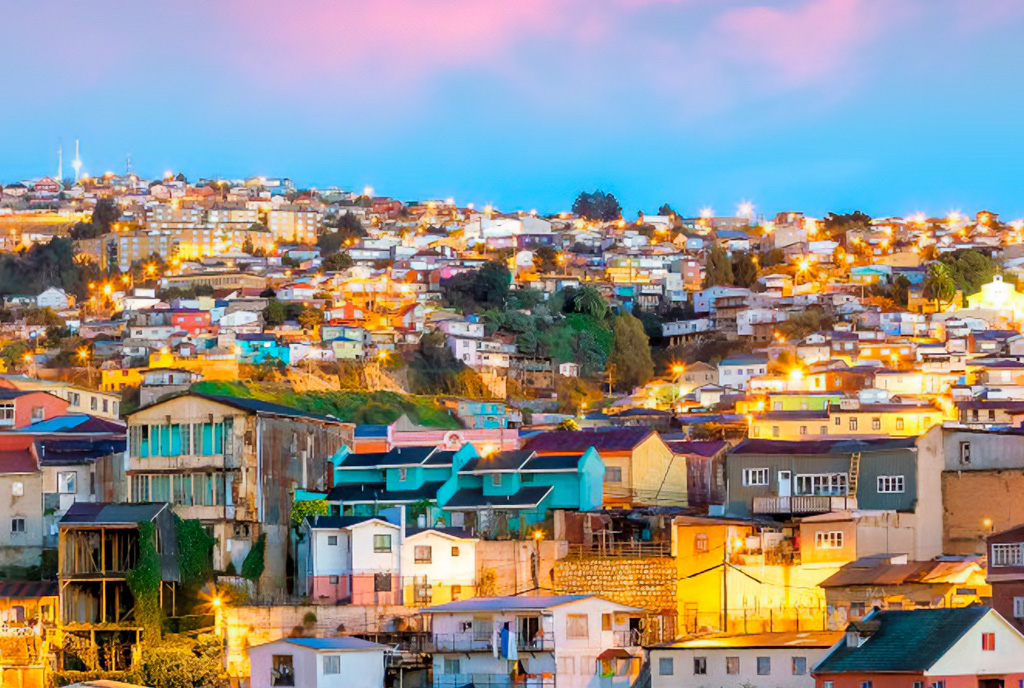
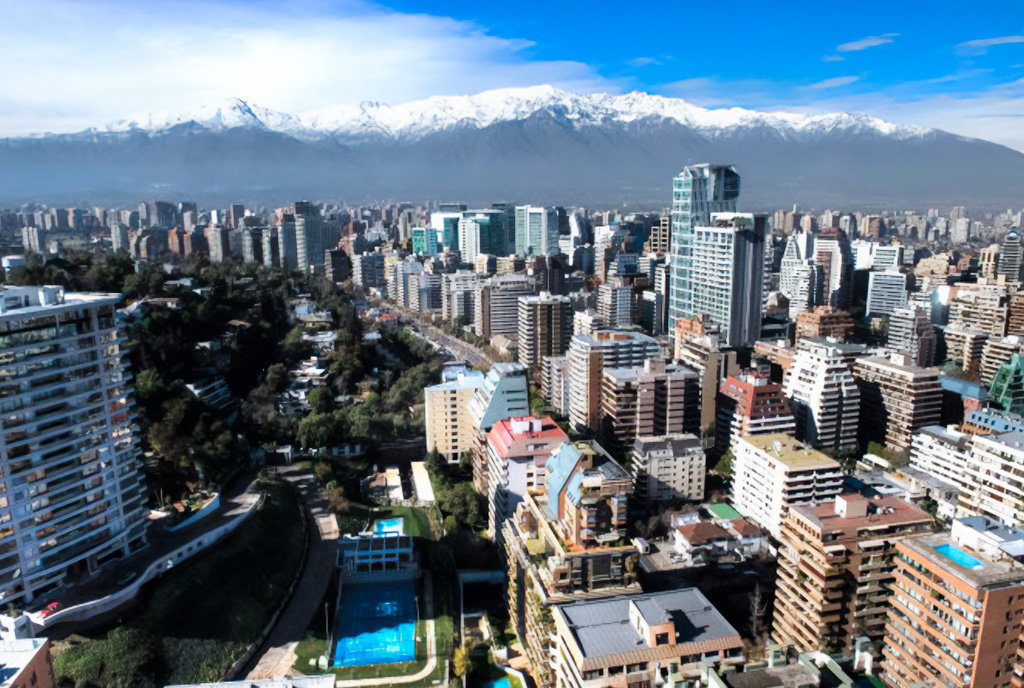
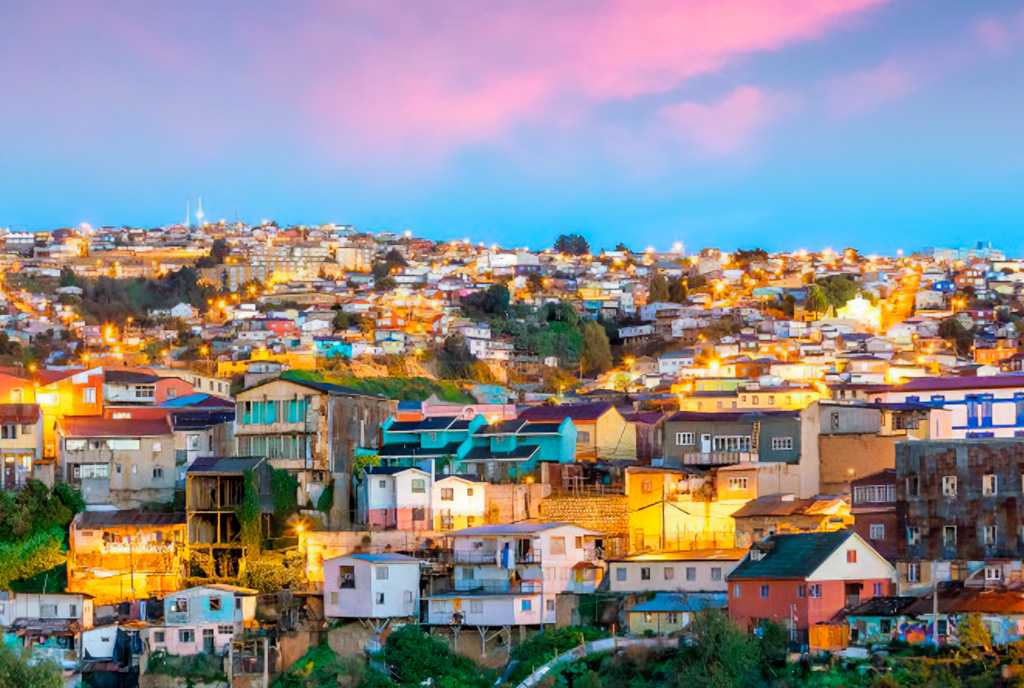
While members of Chile's national administrative and judicial bodies watch snow fall on the mountains around Santiago, the national legislature gets to enjoy a colorful sunset over the Pacific Ocean from the city of Valparaiso.
These two striking cities sit just 72 miles apart by road, yet they're worlds away from each other. In Santiago, the official capital, high-rises shimmer a cool gray-blue against a backdrop of rocky peaks.
In Valparaiso, home to the national legislature, the UNESCO-listed historic center is a crumbling gem with a rainbow palette and bohemian charm.
Ivory Coast: Yamoussoukro and Abidjan
Holding on to the presidency for more than three decades has its perks.
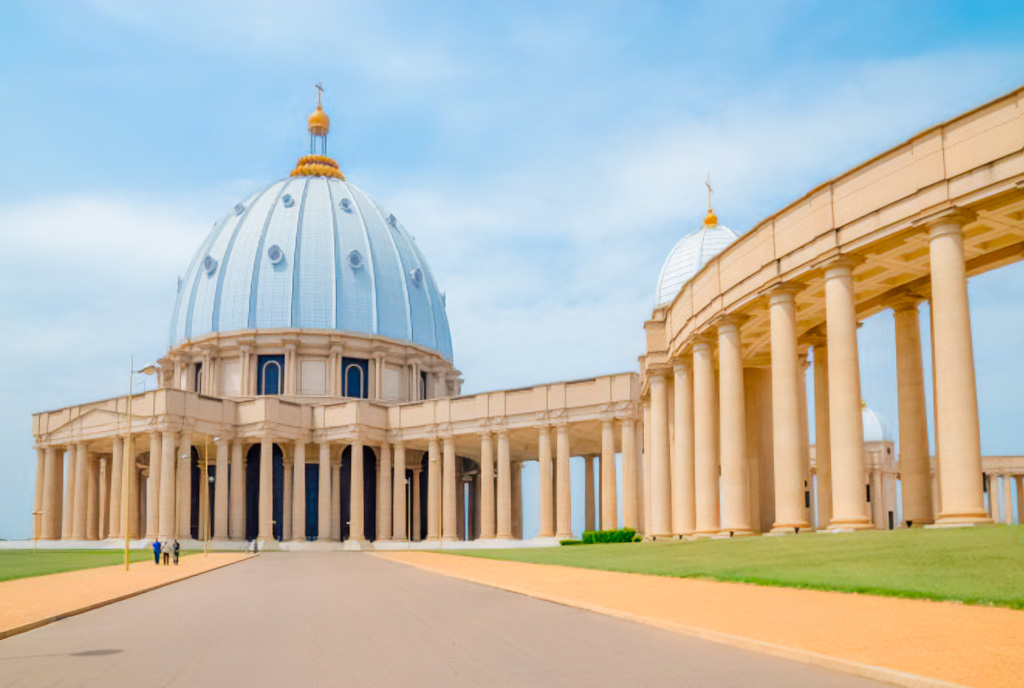
President Felix Houphouet-Boigny, who ruled Ivory Coast from 1960 to 1993, used his time in office to make his home village of Yamoussoukro the country's second capital in 1983.
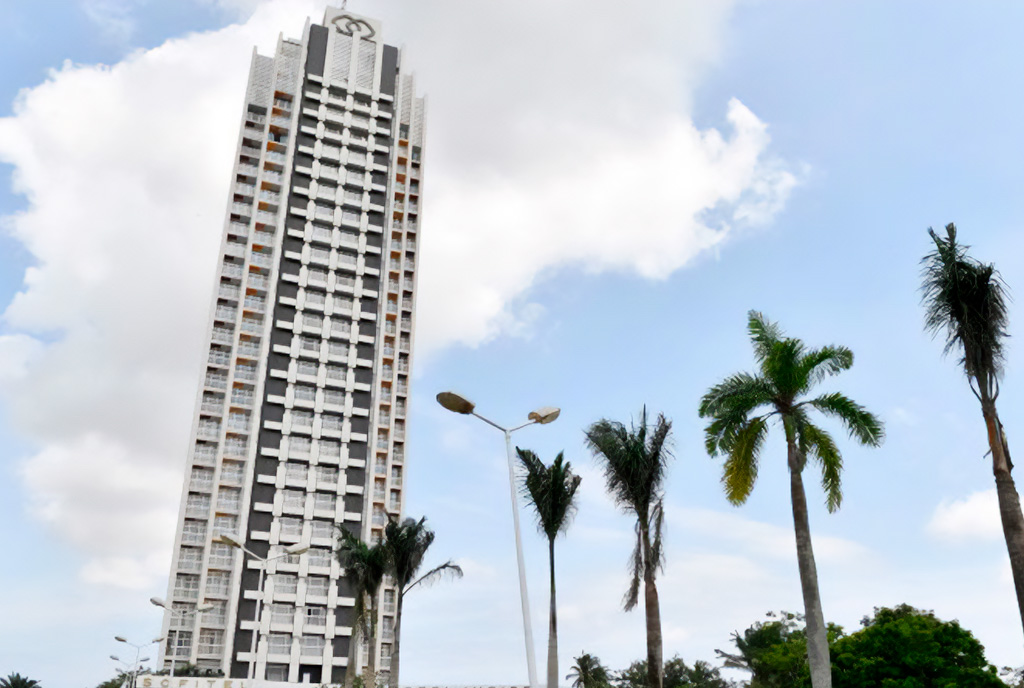
Compared with the original capital of Abidjan, though, Yamoussoukro remains sleepy. Abidjan is the de facto seat of government, where refined art at the Galerie Cecile Fakhoury meets modernist architecture and colorful markets.
Czech Republic: Prague and Brno
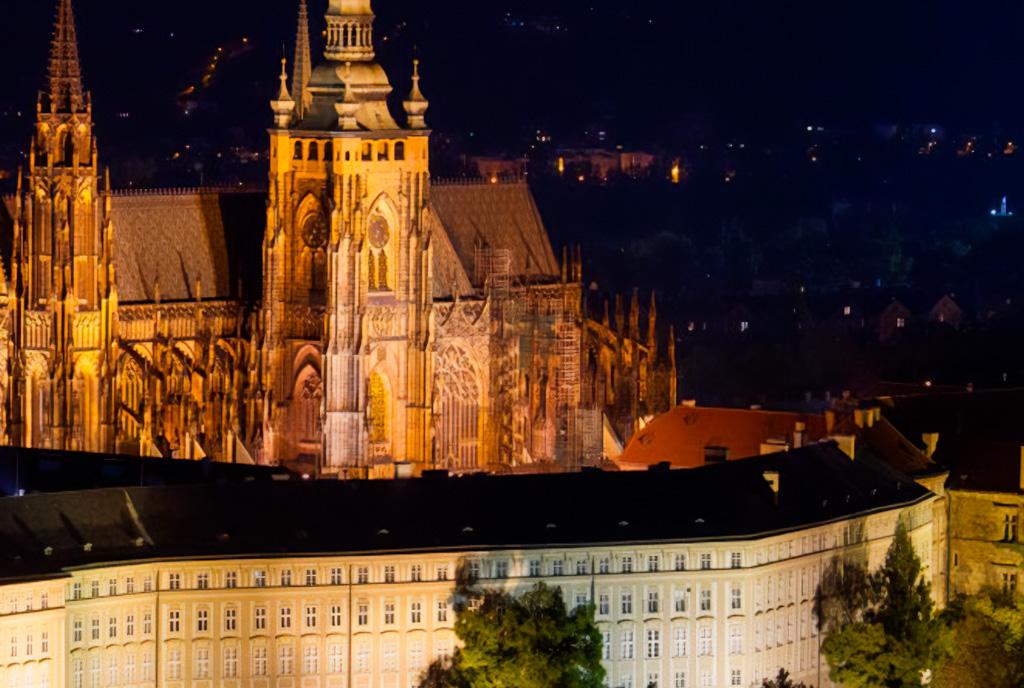
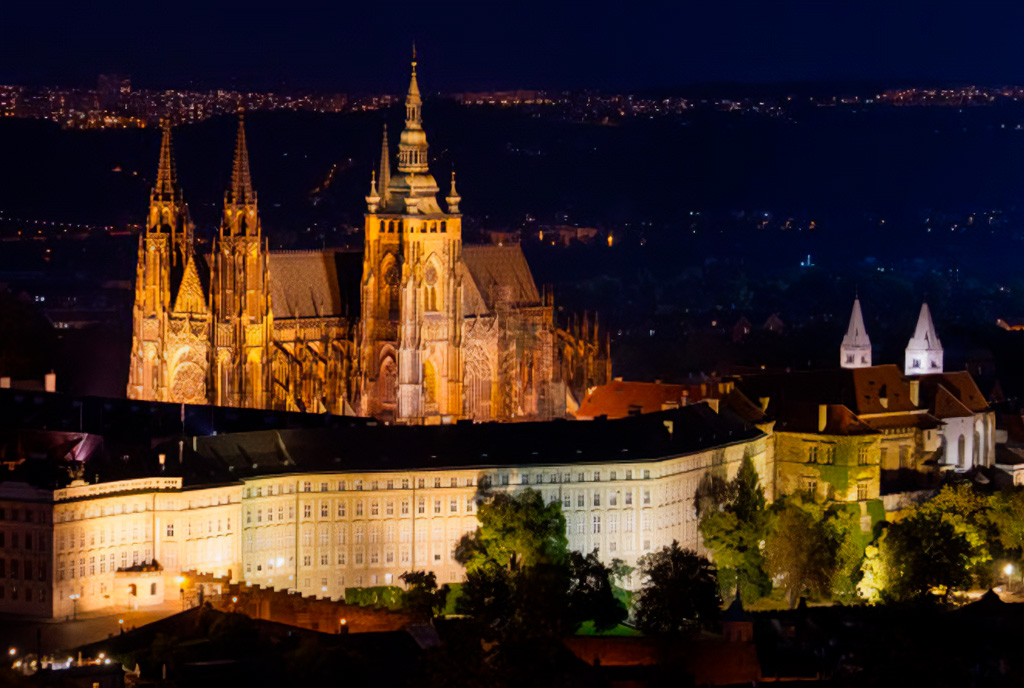
Gothic spires and Baroque rooflines trace the Vltava River in Prague, a charismatic city that showcases Czech culture and history.
Among the most stunning sights is Prague Castle, part of the city's UNESCO-listed historic center. Founded in the 9th century, the sprawling castle is still the official office of the President of the Czech Republic.
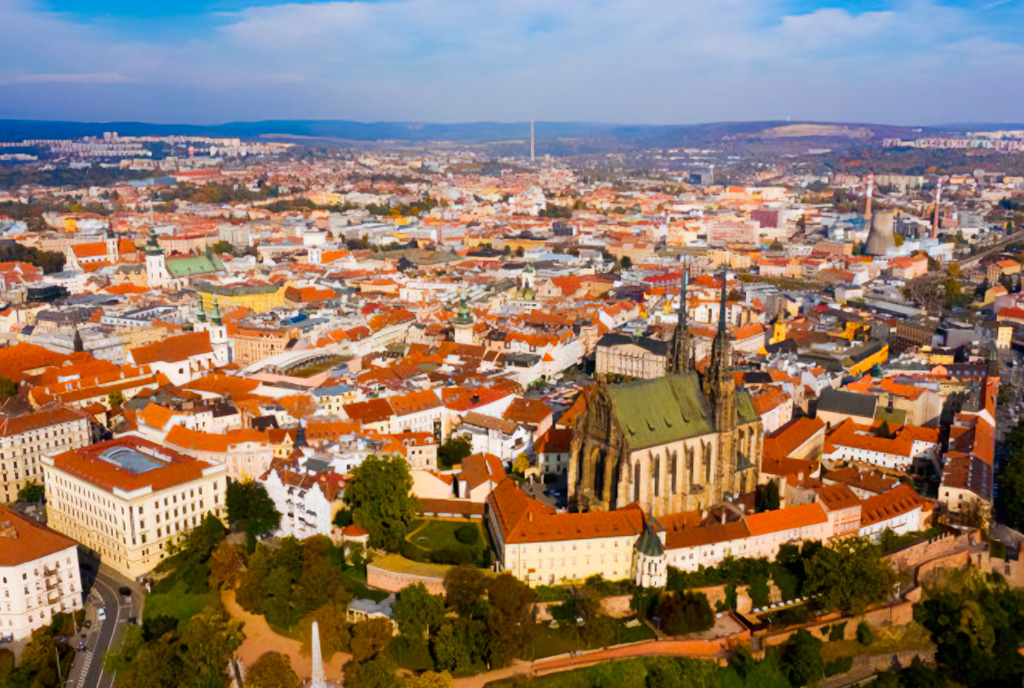
But the Czech Republic's Supreme Court sits in the country's second capital, the lesser-known and lively Moravian city of Brno. Here students fill stylish cafes, and adventurous visitors can head underground into a labyrinthine ossuary that holds the bones of tens of thousands of people.
Kingdom of Eswatini: Mbabane and Lobamba
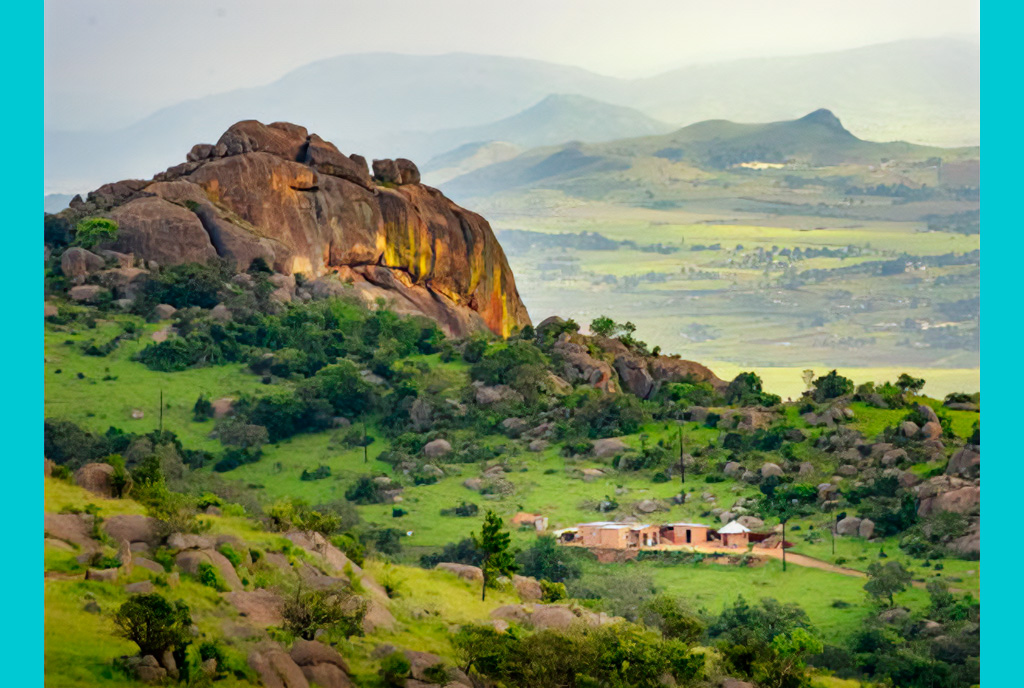
Formerly known as Swaziland, this landlocked country packs a dramatically varied landscape into less than 7,000 square miles of territory. In the mountainous west, escarpments break away from green hills that descend to hot, dry grasslands just above sea level.
Tucked into the heart of the Dlangeni Hills, Mbabane is the administrative capital. If you're hoping to catch a glimpse of Eswatini's absolute monarch, King Mswati III, you'll want to head for Lobamba, the royal capital.
That's where the royal family lives at the Ludzidzini Royal Residence, one of several royal residences across the country.
Eswatini's annual arts and music festival is just one stop on the African festival circuit
Malaysia: Kuala Lumpur and Putrajaya
A blend of minarets, futuristic towers and street markets, Kuala Lumpur is a maximalist plunge into Malaysian life and culture. Rooftop bars buzz all night long, and rush hour brings traffic to a complete standstill.
It's also the national capital, the seat of the legislature and the official home of Malaysia's monarch. But even governments need a break from big-city life.
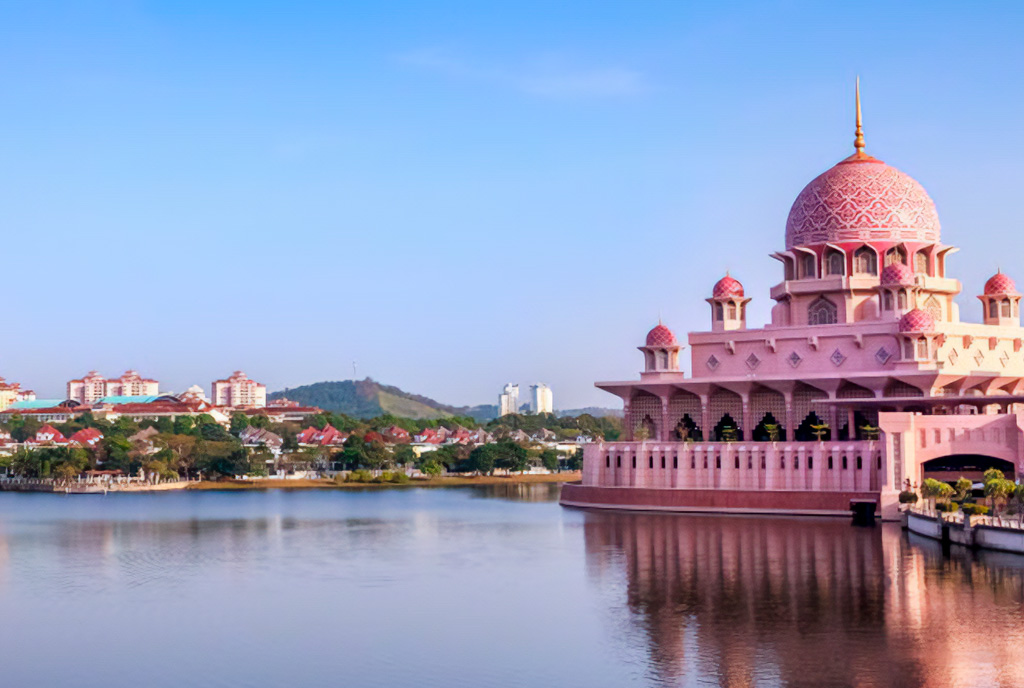
In 1995, the government broke ground on Putrajaya, a quieter metropolis that wraps around a huge man-made lake.
What the new capital lacks in heritage, it makes up for in space. With plenty of room to grow, Putrajaya has blossomed with oversized landmarks, including the bubblegum-pink Putra Mosque, which has become a sightseeing draw in its own right.
Montenegro: Podgorica and Cetinje
Grand mansions and museums attest to Cetinje's years as Montenegro's seat of power, and the president's official residence is still located in the city's Empire-style Blue Palace.
Now designated the Old Royal Capital, Cetinje lost prominence to the larger city of Podgorica, then called Titograd, after World War II.
Today, laid-back Podgorica is home to the official government. Known as Birziminium in Roman times, the city became the Slavic Ribnica and the socialist Titograd before turning into Podgorica in 1992, as Yugoslavia was falling apart.
Netherlands: Amsterdam and The Hague
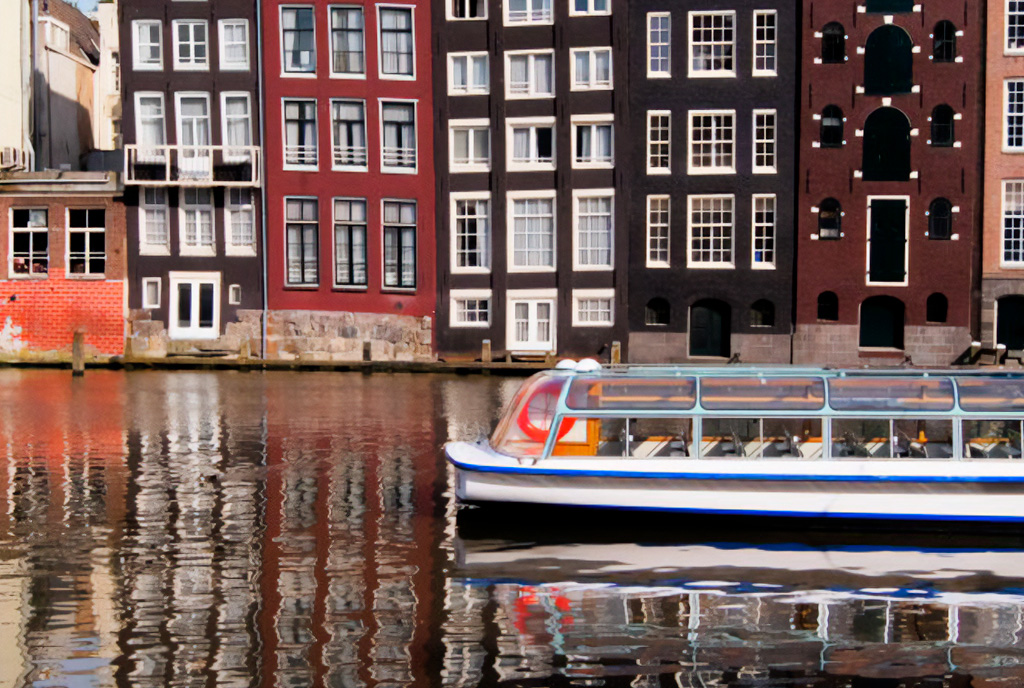
With its historic canals, ultra-hip locals and reputation as one of Europe's hottest party destinations, Amsterdam has plenty of name recognition.
But even though the Dutch constitution designates the city as the country's capital, the real business of governing takes place in The Hague.
The Netherlands' main governing bodies, including the States General, the executive branch and the supreme court, have called this stately city home for centuries.
To see the inner workings of the city, join a tour of Het Binnenhof, a historic complex of buildings clustered around the Gothic Hall of Knights, where the Dutch king still comes to deliver his annual speech from the throne.
South Africa: Pretoria, Cape Town and Bloemfontein
This is the only country with three capitals, a unique arrangement designed to share power among its regions.
With a stunning setting between the coast and Table Mountain, Cape Town was the capital of the British Cape Colony and remains South Africa's legislative capital.
By dividing the remaining branches of government between Pretoria and Bloemfontein, the newly formed Republic of South Africa helped spread power across the young country.
Each has its own charm: Pretoria is famous for the riotous jacaranda blooms that appear every September, while Bloemfontein radiates easygoing hospitality.
Sri Lanka: Colombo and Sri Jayawardenepura Kotte
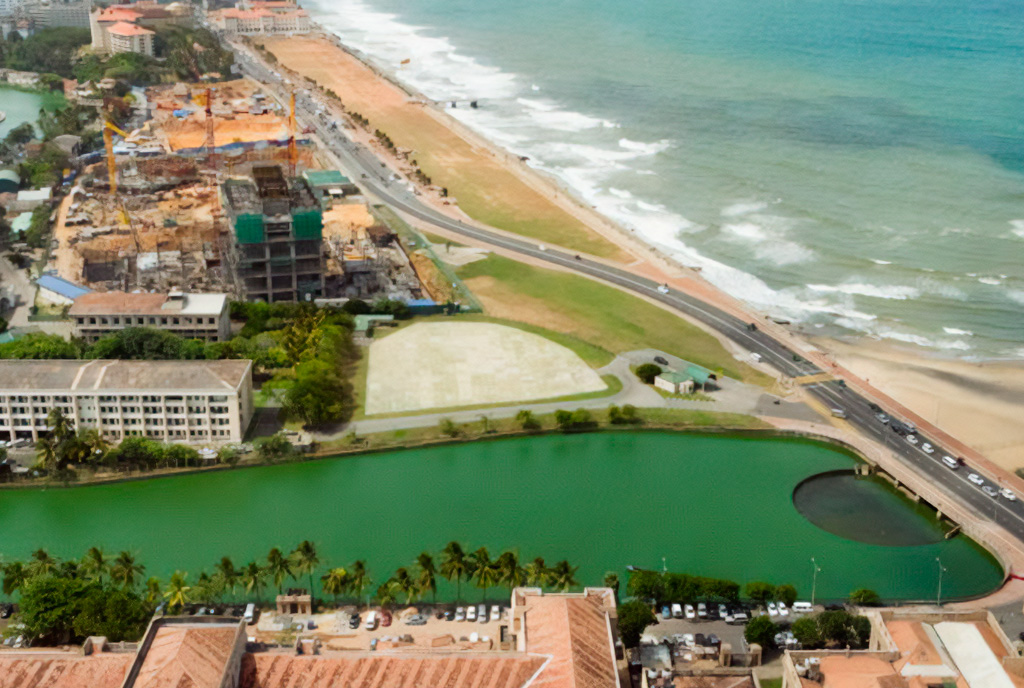
Colombo sprawls like a maze along the coast of Sri Lanka, rushing past vivid bazaars, colonial-era landmarks and golden-sand beaches.
It's a city with a determined magnetism, an iconic landmark that serves as the starting point for most travelers exploring the island nation.
Sri Lanka's national and executive branches are also based in Colombo, but the official capital sits in neighboring Sri Jayawardenepura Kotte, often called Kotte. There the modern Sri Lankan parliament building rests on an artificial island in the middle of the man-made Diyawanna Lake.
Tanzania: Dar es Salaam and Dodoma
Sometimes a move takes years.
In 1973, the Tanzanian government announced it would relocate from the coastal capital of Dar es Salaam and named Dodoma as the ideal central spot for a new capital.
Despite a set of grand buildings and broad avenues in Dodoma, though, many key government functions have stayed in Dar es Salaam. Perhaps it's simply too hard to give up Dar es Salaam's cultural diversity and its Indian Ocean breezes; there's even a wonderful marine reserve just off the coast.
But after nearly half a century of a move-in-progress, the Tanzanian government may finally be ready to make the leap to Dodoma. In October 2019, President John Magufuli moved his office there.