

While beef is the backbone of the everyday Argentine diet, the world's eighth largest country has plenty of other delicious dishes waiting for you.
Beyond the inspiration drawn from Italian and Spanish migrants, Argentine cooking also showcases ingredients from the northwestern Andes and from Patagonia in the south.
Ready to start eating?
Partner links: booking through them supports the blog at no extra cost to you.
Here are the 10 best dishes every visitor to Argentina should try.
Empanadas
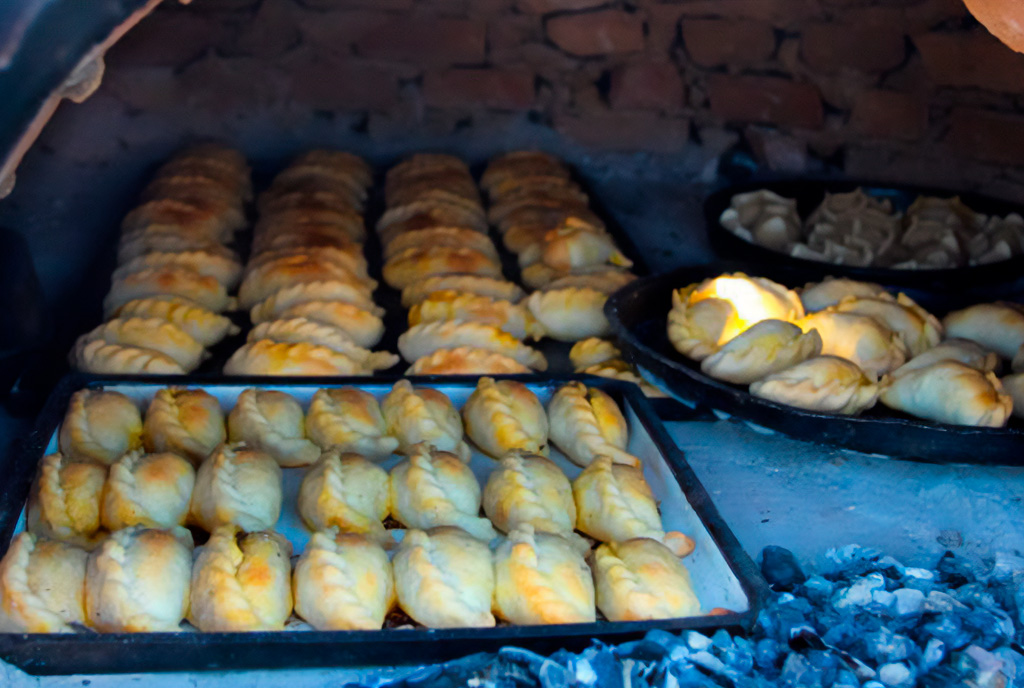
Argentina's beloved street food, these stuffed pastry pockets are similar to the Puerto Rican empanadilla or the Cornish pasty.
Translating as "wrapped in bread," empanadas come baked or fried, vegetarian or meaty.
Common fillings include chicken, ham and cheese, sweetcorn, caprese, or blue cheese.
Beef, either minced or hand cut, is always a popular choice, though seasonings such as cumin, spring onion, boiled egg, or potato depend on the province of origin.
Keep an eye out for regional specialties too: quinoa and goat's cheese in the northwestern province of Jujuy, or lamb in Patagonia.
So how do you tell the different flavors apart?
Most empanaderias provide a handy repulgue chart (the term used to describe the method of folding the edges of the dough) as a guide to the various crimped edges that signal each flavor.
Choripan
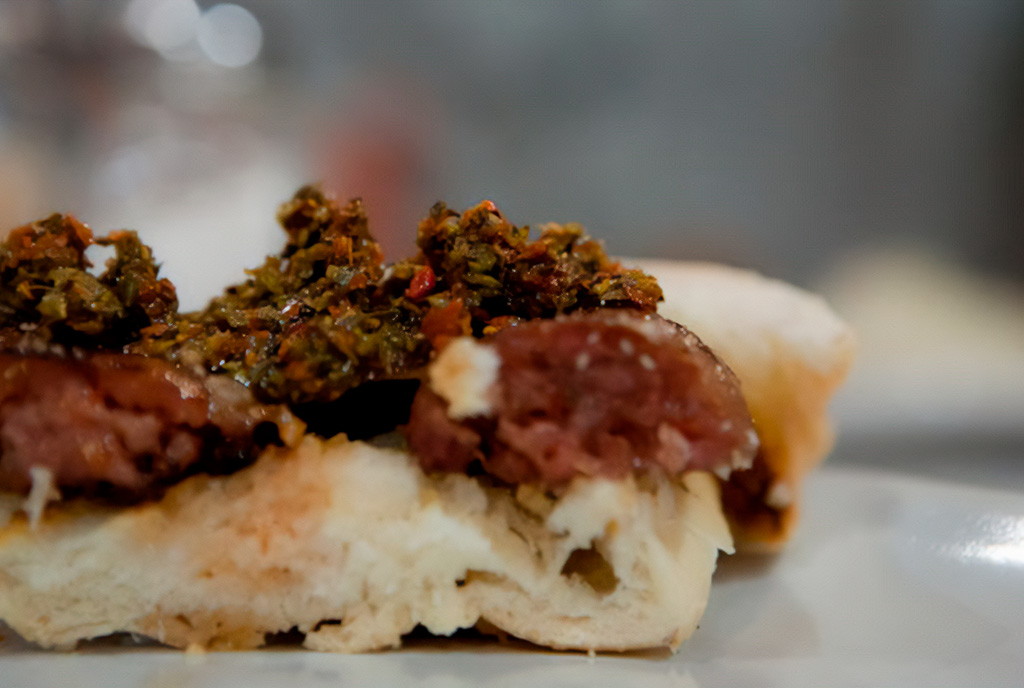
Another cheap and cheerful street food hit, choripan is usually served as a starter at an asado (barbecue).
But thanks to its convenient shape, this sausage sandwich (where chorizo or sausage meets pan, or bread) is perfect for travelers grabbing a bite on the go.
You can slather it with chimichurri, a tangy sauce of oregano, parsley, garlic, chili flakes, and red wine vinegar, or with salsa criolla, a version made from tomatoes, onion, and red bell pepper.
While chorizo is usually made from pork, some restaurants also offer wild boar sausages.
Pizza
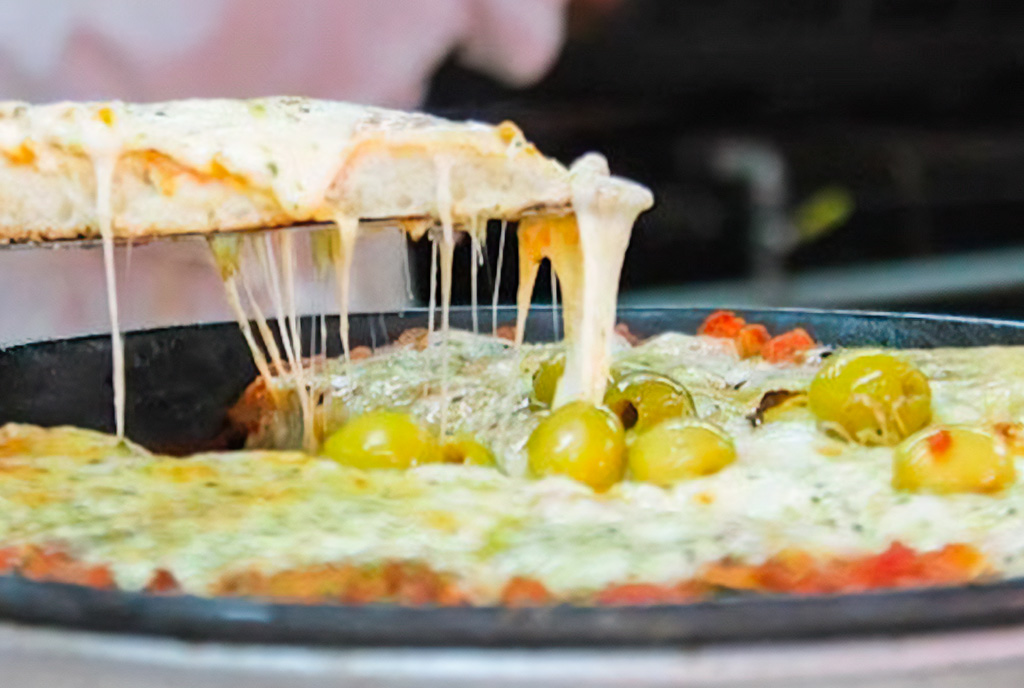
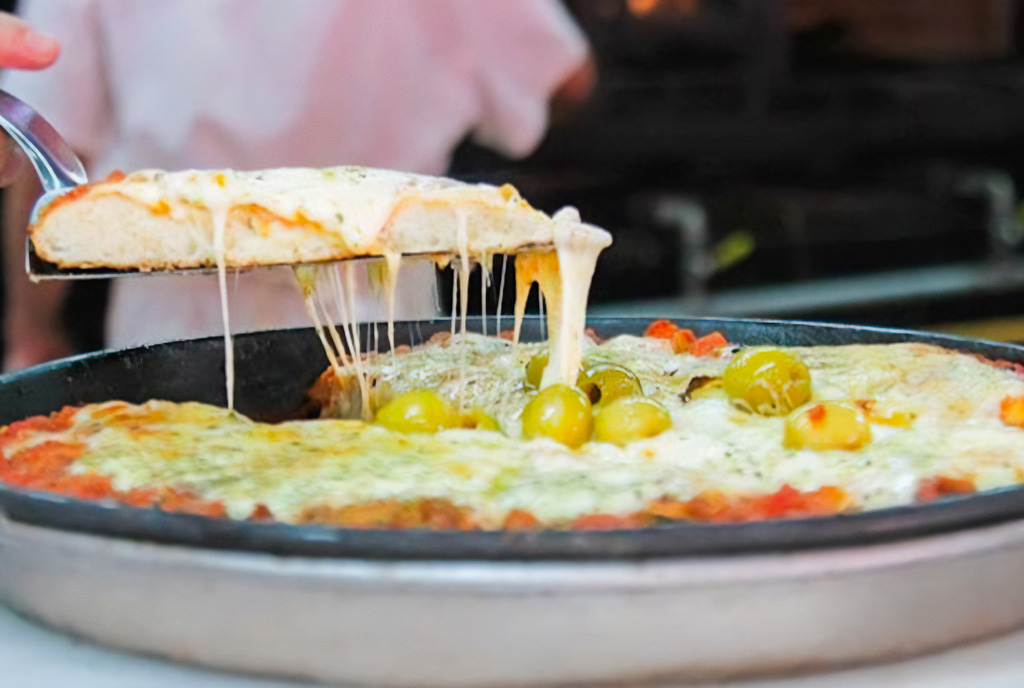
Although Argentine pies may bear some physical resemblance to their Neapolitan cousins, being round and built on a dough base.
That's where the similarities end.
The inch-high crusts are usually lightly coated with tomato sauce, but make up for it with so much Argentine-style mozzarella that it drips down the sides.
Toppings include green olives, oregano, or dried chili flakes.
A whole cheese-and-tomato pizza is often simply called "una muzza."
Some traditional pizzerias in Buenos Aires sell pizza by the slice, meant to be eaten standing at the bar.
Customers can also order faina, a hearty slab of chickpea flatbread, to soak up the gooey cheese.
Milanesa
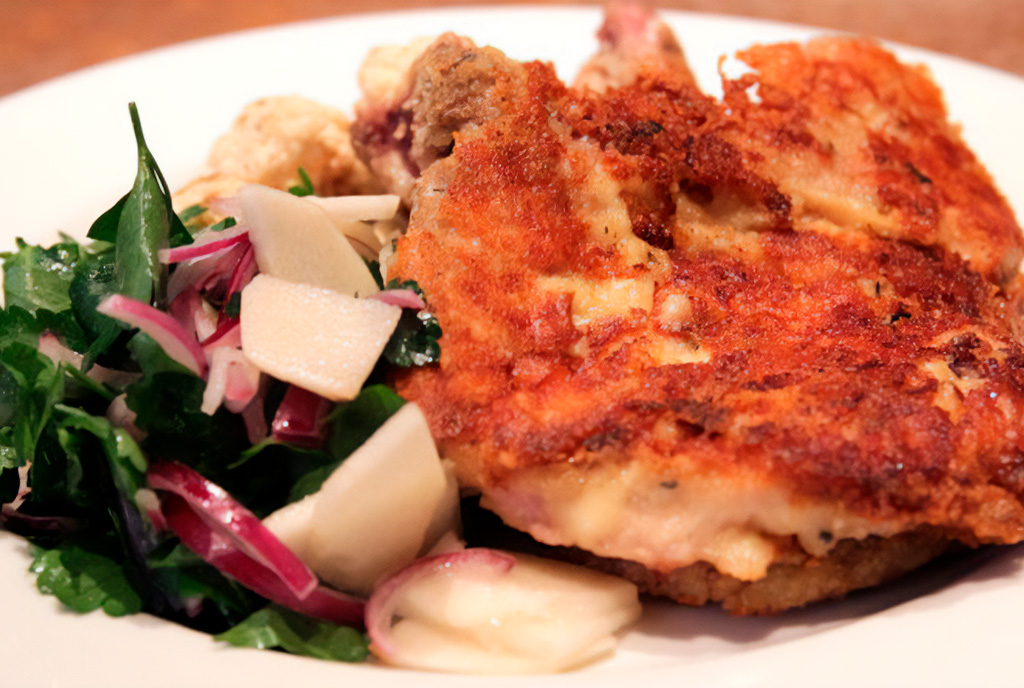
Another Argentine dish with Italian roots is the milanesa, known elsewhere in the world as an escalope.
Usually made from silverside, a cut of beef from the outer leg, or from chicken breast, the meat is pounded into a thin slice before being coated in breadcrumbs and then either fried or baked.
The toppings, however, take this dish to another level.
A caballo (on horseback) means a fried egg is placed on top, a la napolitana raises the stakes with cheese and tomato sauce, while a la suiza uses gruyere.
For bigger appetites, order the completa, with ham, cheese, and tomato sauce. It's best served with fries and a token salad.
Provoleta
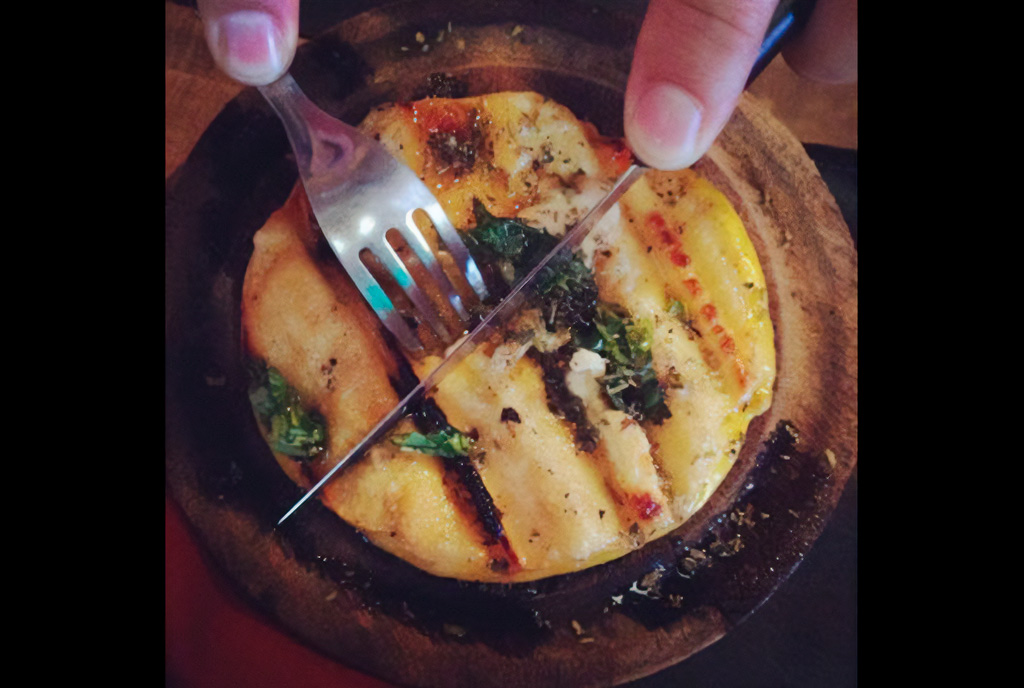
This soft, round provolone cheese is fairly bland, until it's put on the grill.
Provoleta, made from cow's milk, then turns into a stretchy treat and is a classic starter at an Argentine asado, or barbecue.
Grilled in a special pan or a simple foil dish, provoleta is often sprinkled with oregano and should be lightly crisp on the outside but melted within.
For a creamy yet slightly tangy flavor, try provoleta made from goat's milk.
Asado
Beef in Argentina is so tempting that even vegetarians have been known to fall under its spell.
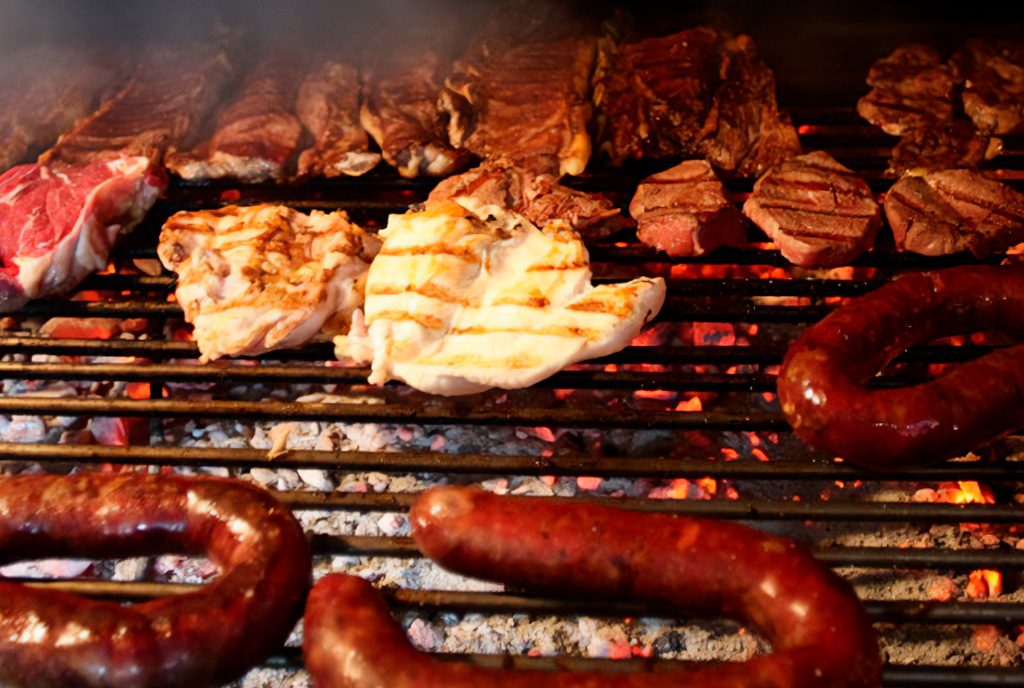
The best way to try it is at an asado, which refers both to the barbecue itself and to the traditional method of grilling beef.
It's the most important social event in Argentina, bringing friends and family together every weekend.
A multi-course meal that can stretch over several hours, it starts with appetizers: choripan, morcilla (blood sausage), and provoleta, before moving on to offal such as mollejas (sweetbreads), chinchulines (intestines), and rinones (kidneys).
Moving on to the main event, we recommend trying matambrito de cerdo (pork flank steak) drizzled with lemon juice, before tucking into one of several cuts, such as the tender ojo de bife (ribeye); bife de chorizo (sirloin), which comes with a strip of fat; the flavorful asado de tira (short ribs); and the full-flavored entrana (skirt steak).
While an asado in an Argentine's home is the most authentic experience, some restaurants offer the next best thing, a parrillada, which is a small portable grill with smoldering coals that keeps the cuts warm.
Llama
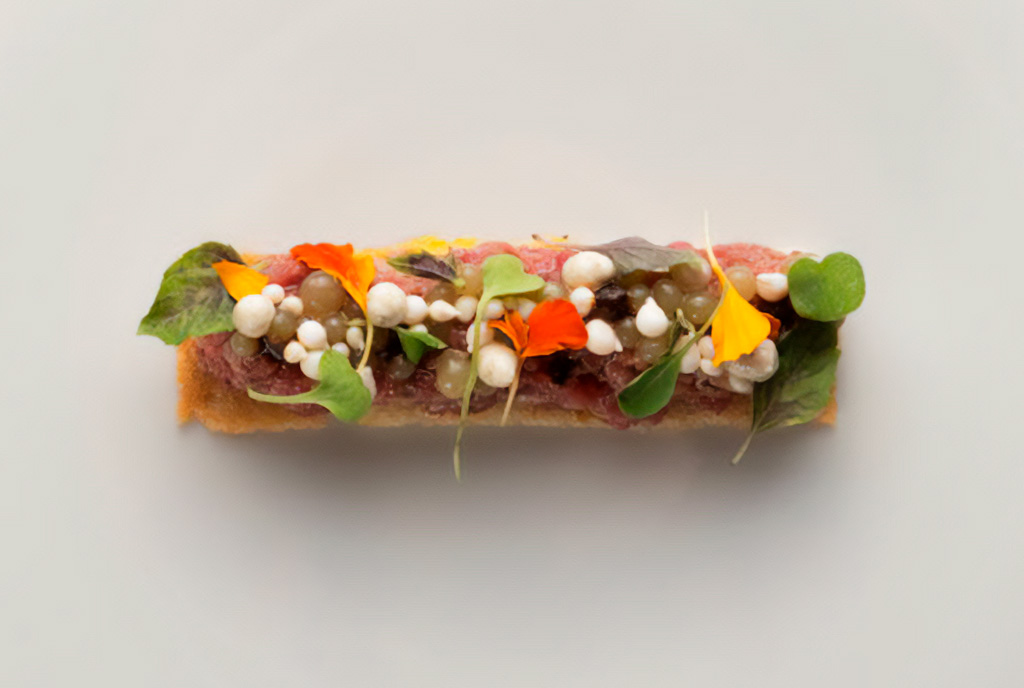
Eating llama steak is the norm in northwestern Argentina, given that this camelid is well suited to altitudes above 2,000 meters above sea level in the province of Jujuy.
Although its flavor is more rustic and earthy than beef, its fat content is lower, making it a healthier alternative.
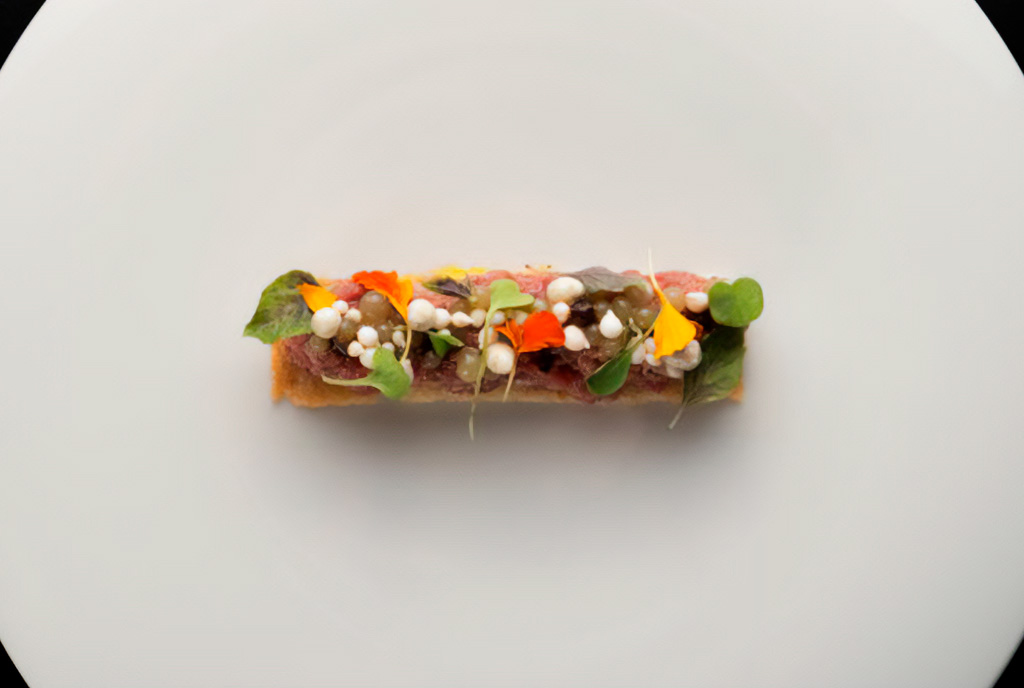
You can try it in empanadas, stewed, or as a standalone steak. Some fancier restaurants even use it for carpaccio or tartare.
Humita
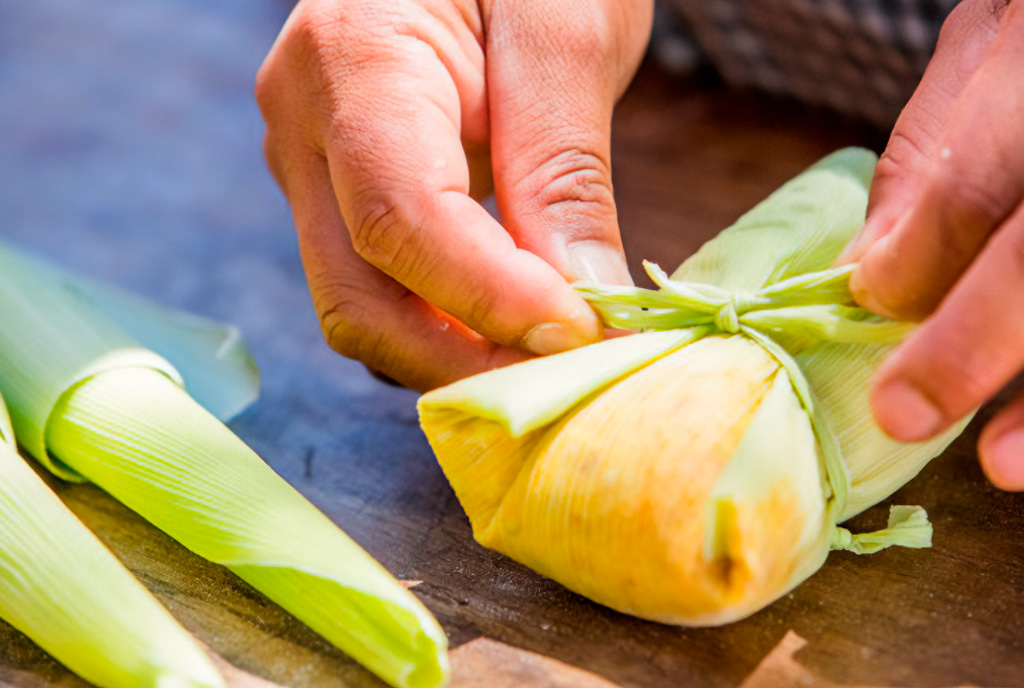
Eaten as a savory appetizer or a main course, the humita is the ultimate tribute to corn. The leaf parcels are untied to reveal the corn puree inside.
The whole parcel is either steamed or boiled.
Dating back to pre-Columbian times, humita is eaten throughout the Andean region, including Chile, Bolivia, and Peru.
Made from fresh corn and milk, onion, spices, and sometimes goat's cheese are added to enhance the flavor.
Locro
A hearty stew, locro is a national dish traditionally served on May 25, the day marking Argentina's May Revolution.
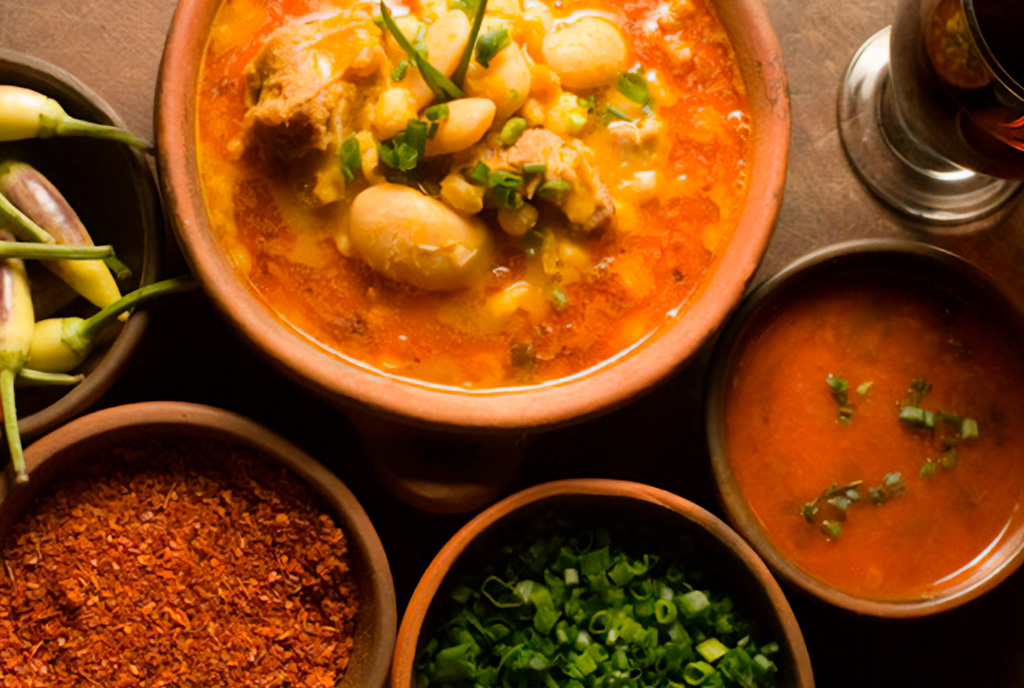
Made with white corn, beef or pork, tripe, and red chorizo, along with other vegetables including white beans, pumpkin, and squash, and seasoned with cumin and bay leaves, this delicious dish in a bowl is perfect for warming up in winter.
You can crank it up by adding quiquirimichi, a spicy salsa made from paprika, spring onion, and chili.
Also worth trying is carbonada, a similar dish that includes sweetcorn and is served inside a baked, seasoned pumpkin.
Dulce de Leche
Some Argentines might argue that licking dulce de leche (a caramelized sauce made from milk and sugar) off a spoon is a dish in itself.
Still, this sweet and sticky sauce usually accompanies desserts such as flan.
The greatest invention of all is dulce de leche flavored ice cream.
Any ice cream shop that didn't sell it would soon go bust; the bonus is that Argentine ice cream is thick and creamy, holding its own against Italian gelato.
For the ultimate sugar fix, DDL (dulce de leche) cones can be topped with a little (or a lot) of extra DDL sauce.