

Deciding where to vacation after your vacation is what you might call a first-world problem.
Still, for the lucky ones the question remains: where do you go to relax and recover after the glorious madness of the Brazil Olympics?
You are already in South America, so it makes sense to stay put.
Partner links: booking through them supports the blog at no extra cost to you.
But narrowing your focus won't shrink your options much; South America is nothing if not diverse.
From savoring a generous glass of Malbec to strolling through the world's highest capital, here is the lowdown on the 10 best places to explore once the Games are over.
The Vineyard: Mendoza, Argentina
Ready to fill your glass? The ultimate antidote to the Olympic whirlwind awaits in Argentina's famed wine country, Mendoza.
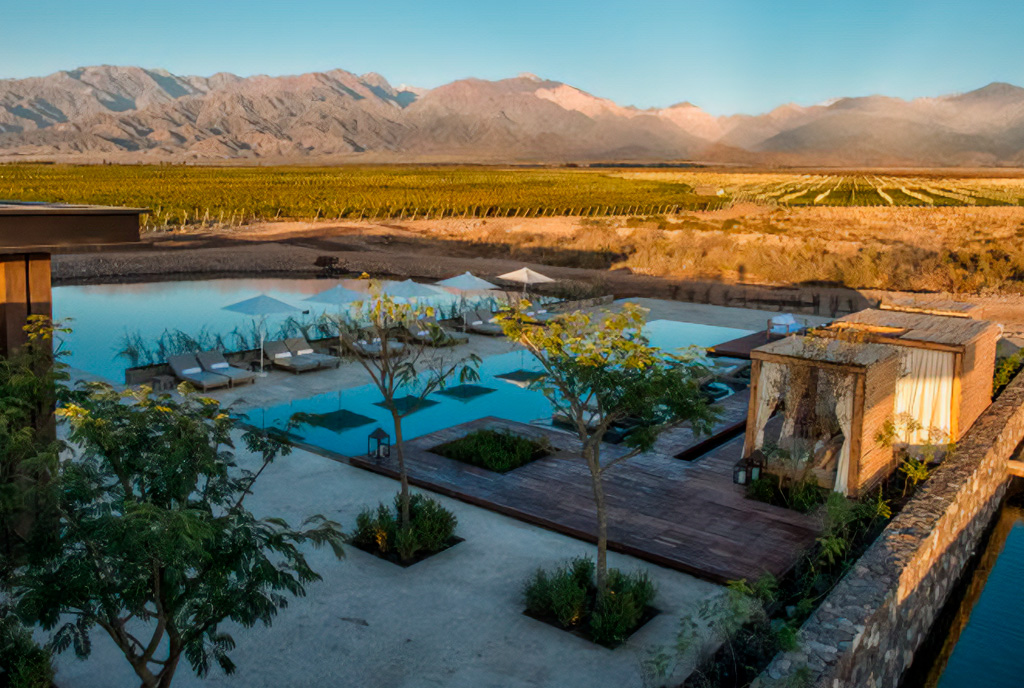
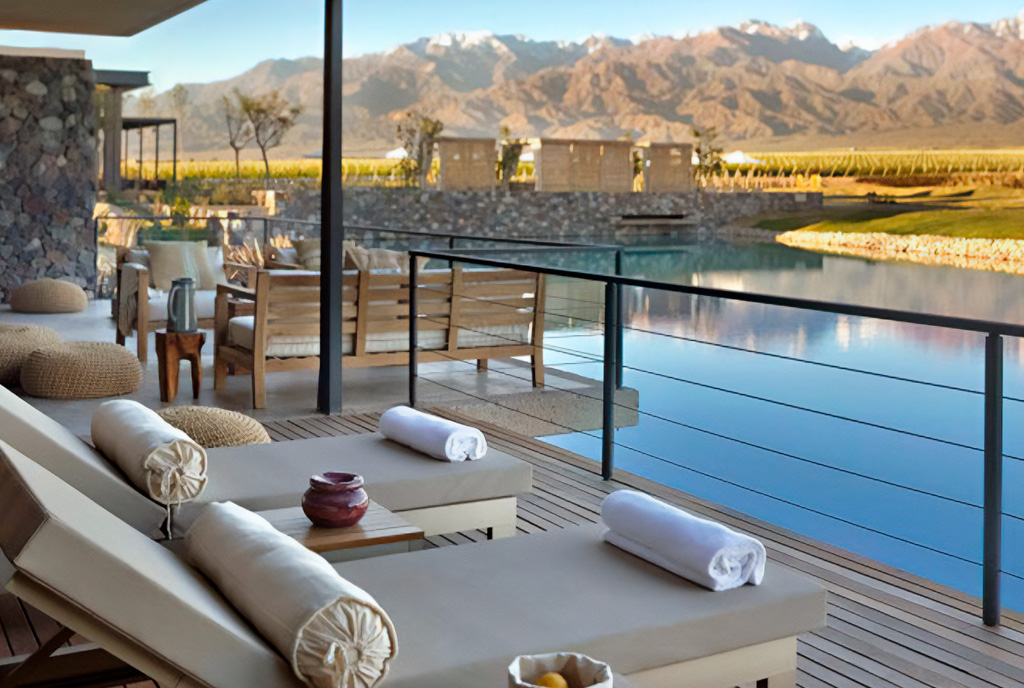
The Vines Resort & Spa, home to Francis Mallmann's own restaurant, sits at the foot of the Andes in the Uco Valley, an hour's drive south of Mendoza.
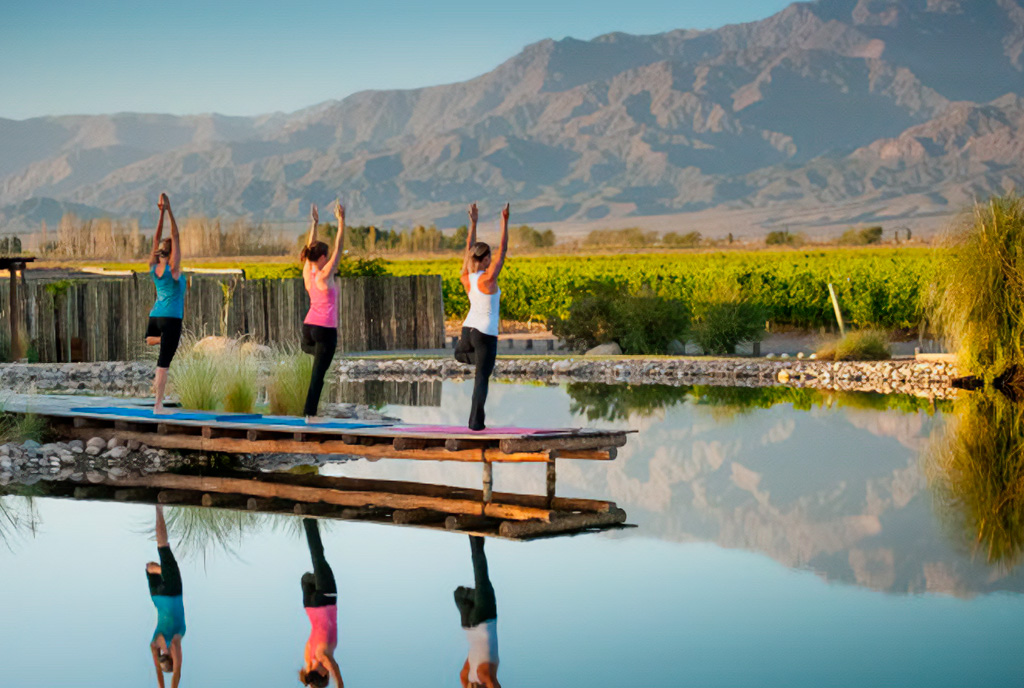
A day might look something like this: wake up in a private villa (the smallest a full 1,000 square feet), walk over to the floor-to-ceiling windows and rub your eyes because you can't quite believe the view, then step out onto the terrace for a morning yoga session.
After breakfast, the wine tasting begins. The Vines tasting room pours a range of Argentine wines, including its own Recuerdo label, and guests can try their hand at creating a personalized Malbec blend.
Other nearby wineries, such as Clos de los Siete, offer their own Malbec blends unique to this corner of the world.
To sober up before dinner, you might need a little "wine therapy" at the spa or perhaps a horseback ride through the vineyards.
Hungry? Mallmann's signature restaurant, Siete Fuegos, serves expertly cooked dishes over an open flame. The technique dates back 12,000 years and produces what may well be the best steak of your life.
The Slopes: Portillo Ski Resort, Chile
Don't forget that it's winter in the Southern Hemisphere right now, so there's no reason to just sit and stare at the Chilean Andes.
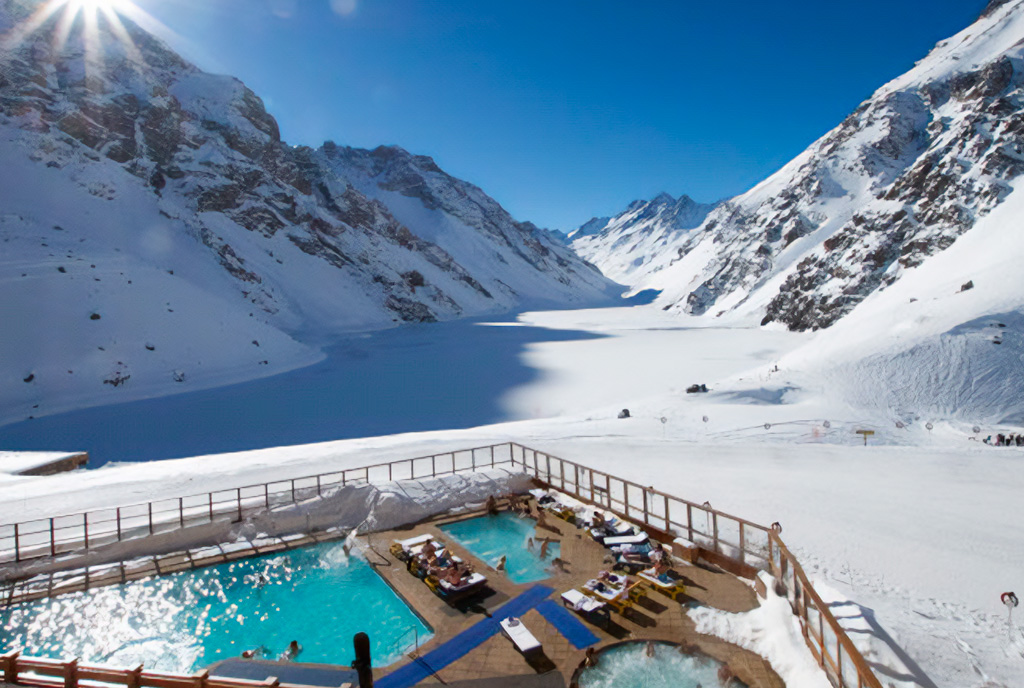
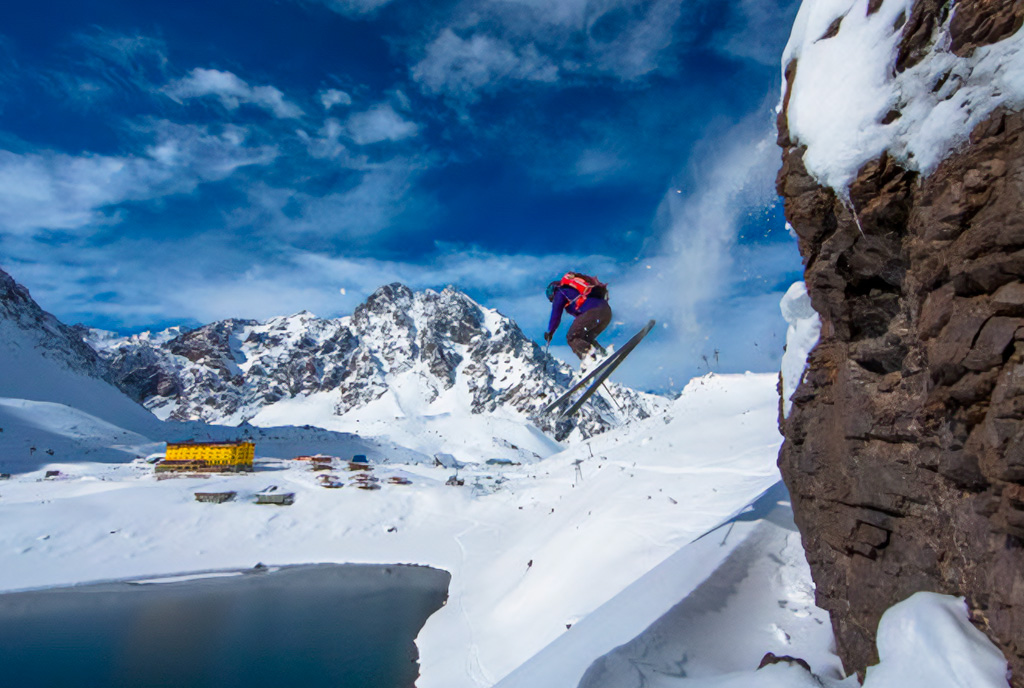
A quick hop, skip and a jump (a four-hour flight from Rio to Santiago plus a two-hour transfer) and you find yourself in Portillo, a bright-yellow beacon of a ski hotel perched at 9,450 feet (2,880 meters) like a ship run aground in a sea of snow.
Originally a railway lodge, Hotel Portillo was expanded to its current 125 rooms in 1949, making it the oldest ski resort in South America.
A private resort owned by the American-Chilean Purcell family, Portillo has a rich history, including hosting South America's first World Ski Championships in 1966.
Here you'll get skiing of the old-school kind, a step back 50 years to when skiing was glamorous, lift lines were unheard of, and red-jacketed waiters served afternoon tea on white tablecloths. All of it still happens at Portillo.
Beyond its 14 lifts, Portillo has the world's only "slingshot": an avalanche-proof, six-seat lift that hauls skiers up steep, ungroomed slopes at a faster clip than many can manage on the way back down.
The Pacific: Zapallar, Chile
One of the quirks of the long, skinny country of Chile is that you are never more than a few hours from a beach, even when you're out skiing.
When it comes to Chilean beaches, Valparaiso is where the bohemian crowd flocks, while Algarrobo caters to the masses (drawn by the shimmering waters of the world's largest swimming pool, San Alfonso del Mar).
And then there's Chile's hidden gem, the little beach town of Zapallar.
Compared by some of the lucky few who have wandered its sandy shores to the Hamptons, this central Chilean town is where local movers and shakers build their homes, from Alpine chalets to Greek villas.
It's not easy to peek inside one of these houses, but the snow-white, shingle-roofed Casa Wilson is an exception.
Shipped from Sweden by boat in 1906, this beloved family home recently reopened as a seaside B&B. Seven bedrooms are up for grabs, and the host is polo player Samuel Moreno.
"It's one of the oldest houses in Zapallar, built on top of the cliff where my grandmother used to play tennis," says Moreno.
His grandfather bought the house for his grandmother, Irene Wilson, a "zapallarina" who had spent her summers here since childhood. It has belonged to the family ever since, and Moreno's three young daughters now play on the cliff.
Whimsical and steeped in history, you feel like part of the family when you stay in the house. Family photos and mementos decorate the place, including a snapshot of Wilson being handed a cup by Princess Diana after a polo match.
The Atlantic: Montevideo, Uruguay
Surrounded by water, South America is never short on beaches to choose from.
On the east coast, where the Atlantic Ocean laps at golden sand, sits Uruguay, the second-smallest country in South America (after Suriname).
Home to just 3.4 million people, and roughly four times as many cows, Uruguay is nothing if not laid-back.
While the 400-mile coastline is dotted with famous beach towns like Punta del Este and Jose Ignacio, in August the best way to take in the water is from the capital, Montevideo.
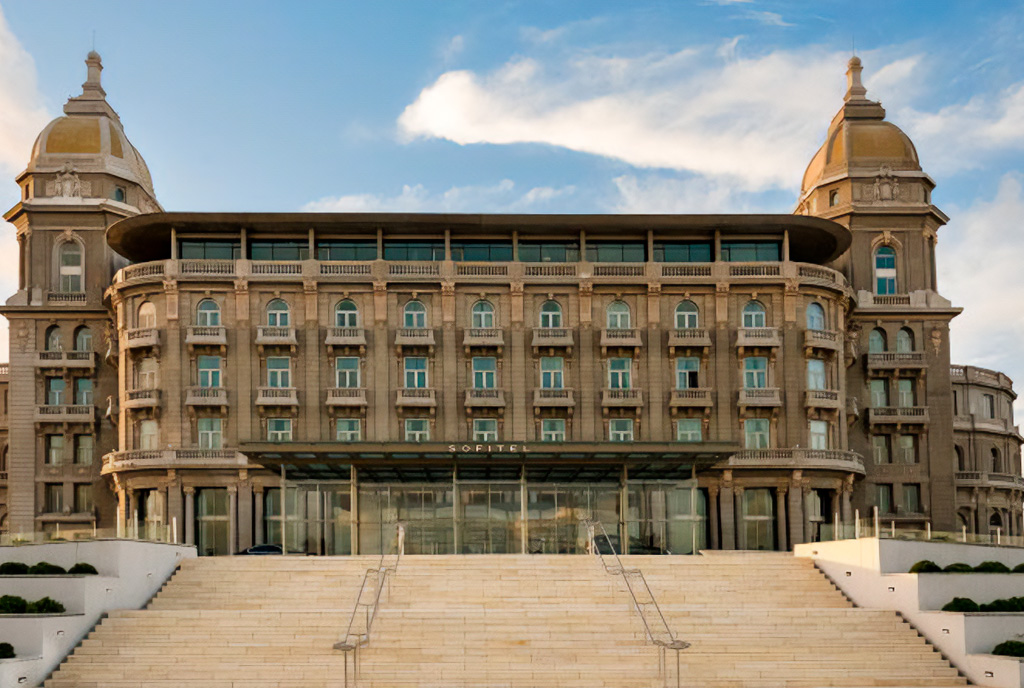
The Rio de la Plata and the South Atlantic Ocean border this sleepy colonial city. A coastal road called La Rambla stretches 14 miles from the Old Town to the French-style Hotel Carrasco, which dates back to 1921.
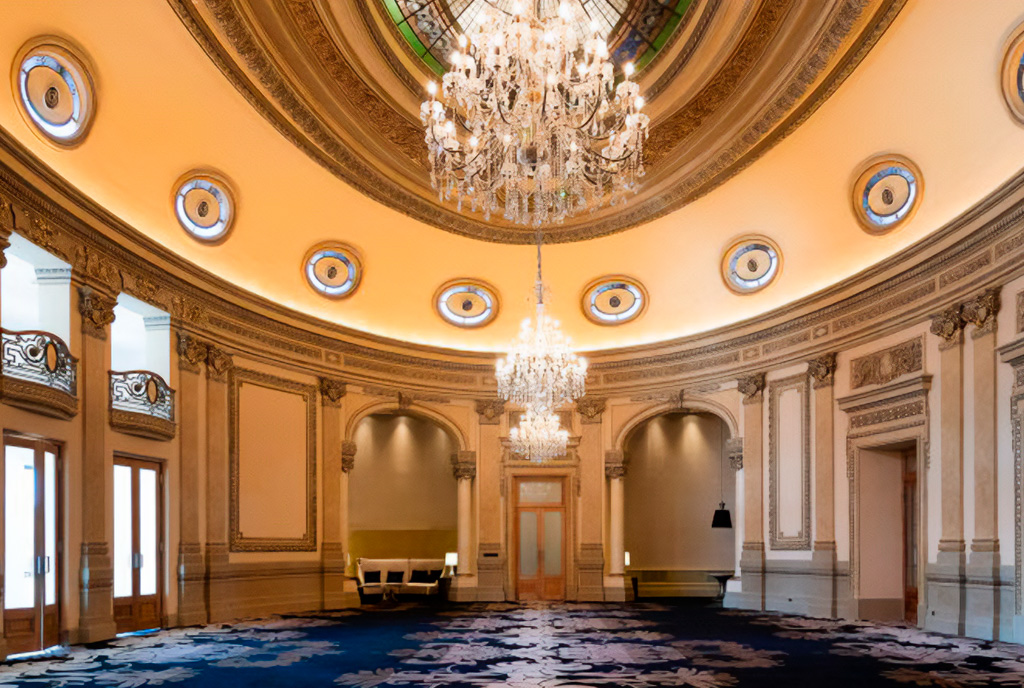
In its glory days, Albert Einstein was among the guests, but in recent decades the grand building fell into disrepair before Sofitel restored it to its former splendor.
The heritage landmark stands like a floodlit confection just a few meters from the water.
Energetic guests can rent the hotel's bicycles and ride the coastal path into the center. On Avenida 18 de Julio, art deco buildings catch the eye on the way to Plaza Libertad for souvenir shopping.
The Ancient City: Quito, Ecuador
UNESCO offers a hint when it comes to city breaks: among its World Heritage Sites is the best-preserved, least-altered historic center in all of Latin America.
Sitting at 9,350 feet above sea level, Ecuador's capital, Quito, was founded in the 16th century by Spanish conquistadors.
Built on top of an Inca city, its hilly cobblestone streets are surrounded by stunning architecture that blends the best of Spanish, Italian, Moorish, Flemish, Baroque and local influences.
The Basilica del Voto Nacional is a good place to get your bearings.
The largest neo-Gothic basilica in South America has a wonderful maze of passageways inside, letting you climb the clock tower more than 300 feet above the ground.
With more than 40 churches in Quito's old town, you're spoiled for choice. La Compania, with its gold-leaf interior, is a must-see.
A rising foodie city, Quito serves up plenty of options, from the Relais & Chateaux restaurant Zazu to the street stalls lining La Ronda that sell enormous empanadas and artisanal chocolate.
The Highest City: La Paz, Bolivia
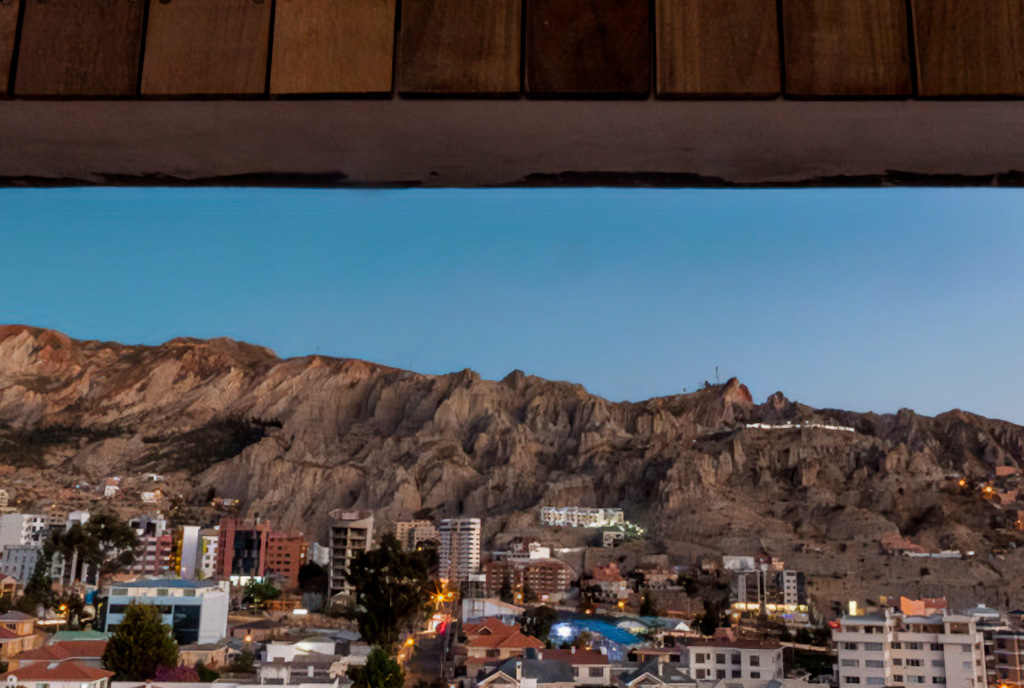
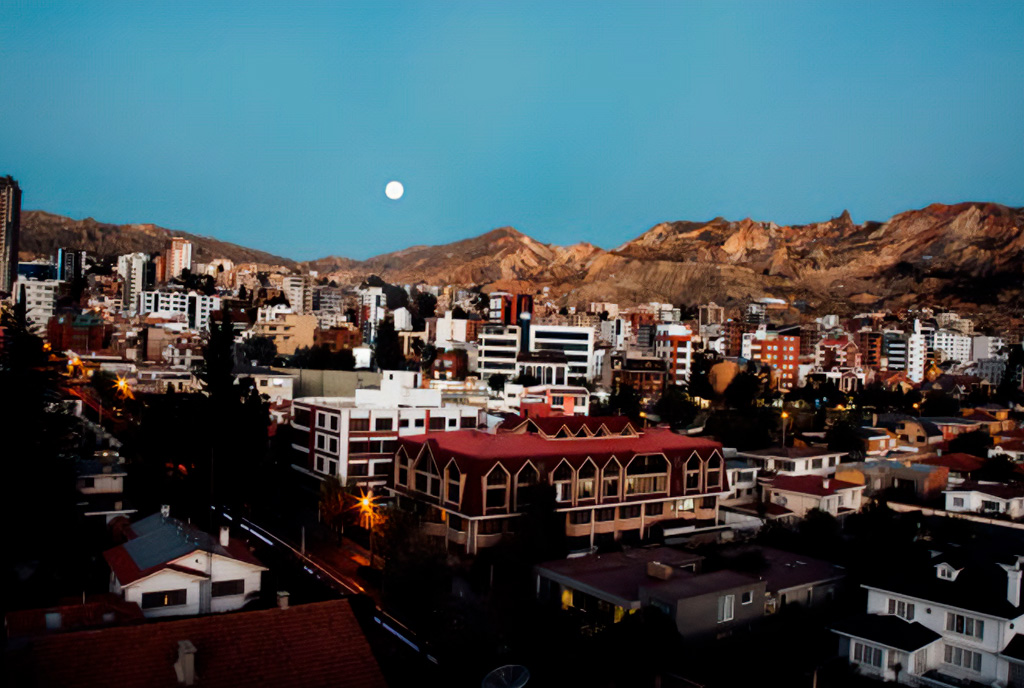
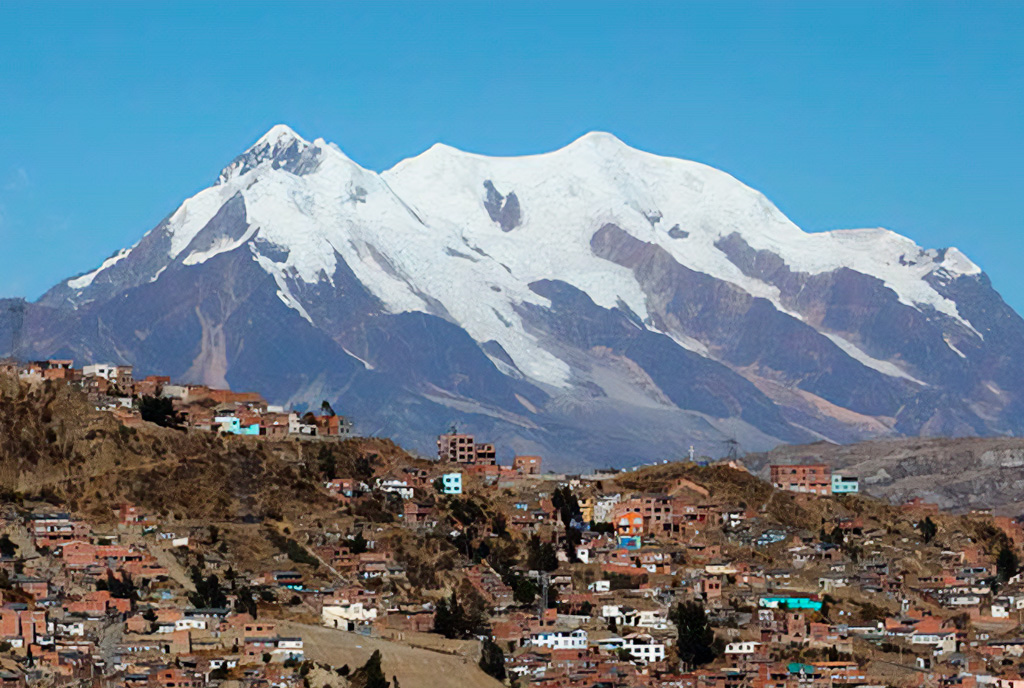
The world's highest capital also happens to be a fascinating spot for a city break. Perched at 11,910 feet above sea level, La Paz takes the prize when it comes to altitude.
A walk through the streets of La Paz reveals a range of sights, from the colonial architecture of the main square to shops overflowing with woolen hats and stalls organized by theme, one street lit up with light bulbs, the next with hardware, then fabrics, clothing and jewelry.
A classic backpacker stop, La Paz is peppered with hostels, and travelers crowd the markets, decked out head to toe in alpaca knitwear.
Even so, right after the Olympics, La Paz welcomes its first five-star hotel. Part of the Design Hotels collection, the 53-room Hotel Atix plans to open its doors in September.
Made of glass, brick and wood, the building was designed by Stuart Narofsky and will be adorned inside with a series of installations, video, sculpture and photography, by Bolivian artist Gaston Ugalde.
Inside, it's a tribute to Bolivia's varied landscapes, with each floor representing a different ecosystem: the Amazon, the Salt Flats, Lake Titicaca, the Mountains, the Lipez desert and the Valley of the Spirits.
The Lake: Titicaca, Peru
Floating islands. If that doesn't grab your attention, you might as well skip this section.
Stretching between Peru and Bolivia, Lake Titicaca feels like something out of "Gulliver's Travels."
The largest freshwater lake in South America and the highest navigable lake in the world at 12,500 feet, Titicaca is considered the birthplace of the first Inca king, Manco Capac.
More than 50 islands float on the waters of Titicaca, built from woven reeds by the Uros people, the pre-Inca population that inhabits them.
This place to stay is like no other: you can spend the night in a bungalow made, of course, of woven reeds, atop a floating island.
Thanks to solar power, electricity and hot showers are available, and the days pass learning about Uros culture and eating home-cooked food.
You'll probably see locals tending to the islands: fresh reeds have to be added on top often, as the lower layers rot away in the water.
The Galapagos: Ecuador
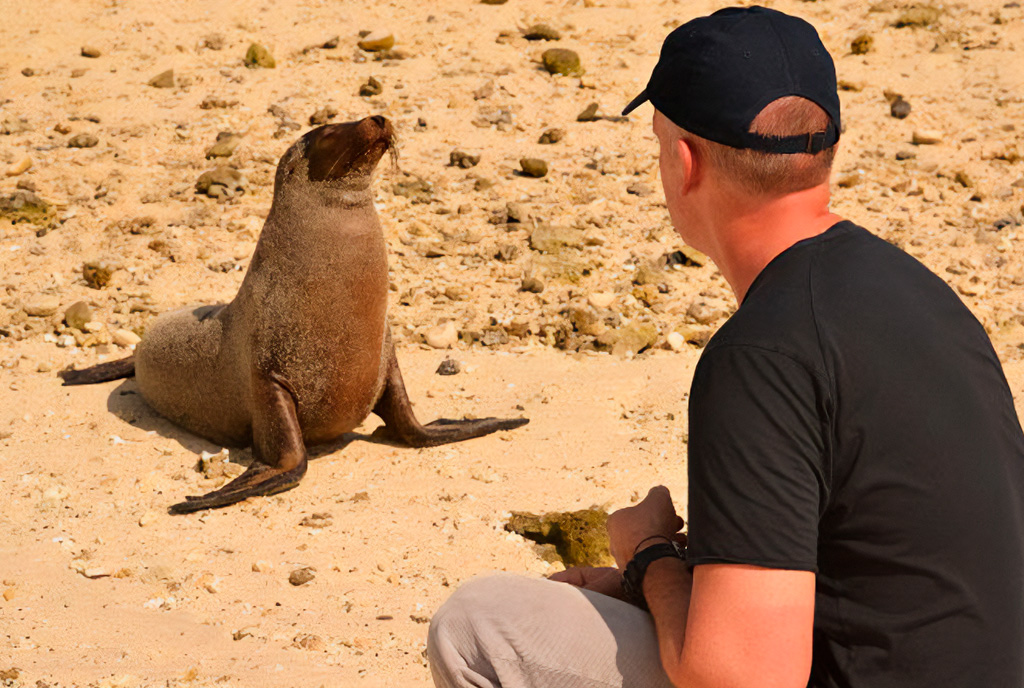
Astonishing to anyone who loves animals, the Galapagos are the closest you can get to stepping into a Disney movie.
And you don't need to be a professional diver. Nimble penguins, schools of yellow and blue angelfish, hammerheads, rays and Galapagos sharks are just a few steps away, or a snorkeling tour, from where you stand.
Located 600 miles off mainland Ecuador, the Galapagos archipelago is made up of roughly 20 volcanic islands that have existed for 10 million years, some say 20 million years.
A unique subclimate, hospitable to animals usually found either in the tropics or in Antarctica, is why the islands are home to such a wide range of creatures.
Countless endemic species live here, including 13 kinds of finch, while other animals include blue-footed boobies, herons, pelicans, marine iguanas and, of course, the famous Galapagos giant tortoises, with an average lifespan of more than 100 years.
The best way to explore is by boat. There are plenty of options (keep in mind this is not a budget destination), including the yacht La Pinta, which accommodates up to 48 guests and includes two daily excursions.
The Estancia: La Bamba de Areco, Argentina
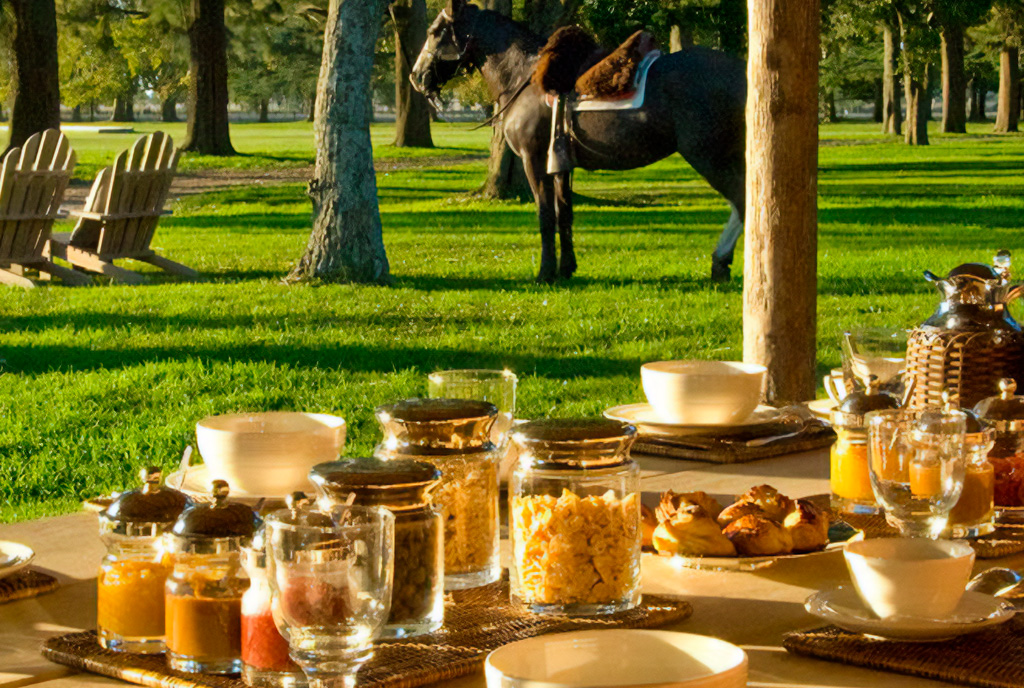
Carriage rides, gaucho games and long lunches, life on the Argentine estancia La Bamba is a lazy, hazy paradise.
One of the country's oldest rural estates, or estancias, La Bamba dates back to 1830 and lies just a few hours from Buenos Aires.
Perfectly manicured lawns stretch out beneath century-old leafy trees, the owners' polo ponies gallop across the field beyond, and the rust-red hotel takes center stage at the heart of the estancia.
Days begin with fresh orange juice and scrambled eggs in the breakfast parlor.
Then you can take a trip to the idyllic town of San Antonio de Areco, with its timeless bars and squares. Known for its high-quality artisanal goods, it's full of silversmiths' shops, leather goods and chic boutiques to browse.
Back at La Bamba, lunch is a classic "parrilla" (barbecue) of grilled meat with salad and, of course, a glass of Malbec.
Then it's time for the iconic gaucho show, a display of traditional games and horse races, followed by a "horse whispering" routine using traditional techniques that make a horse roll over like a puppy.
The Brazilian Beach: Bahia, Brazil
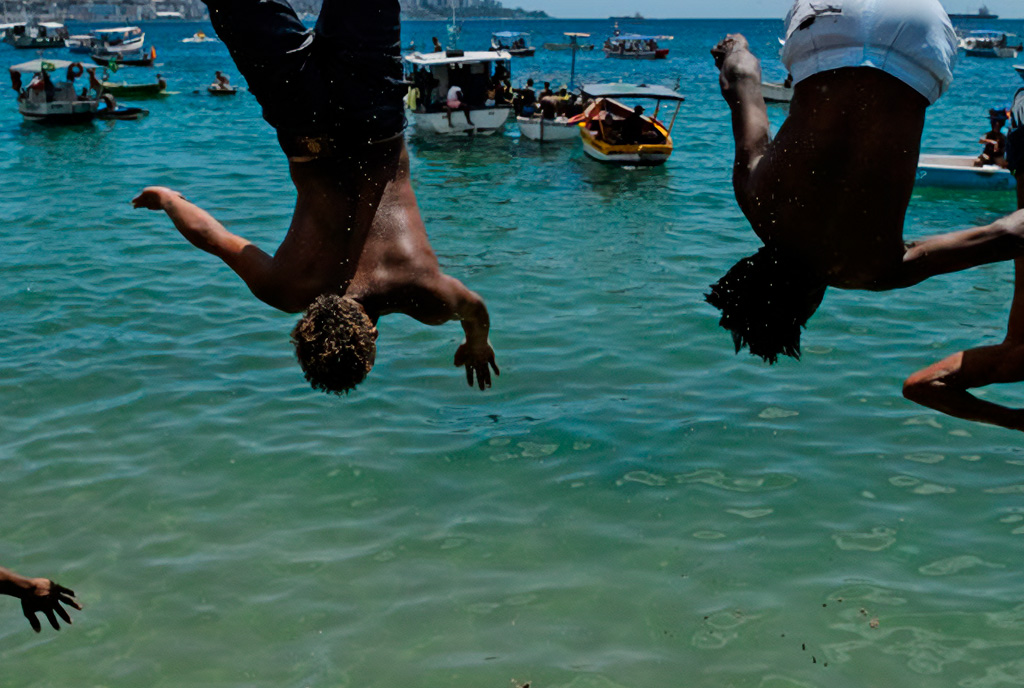
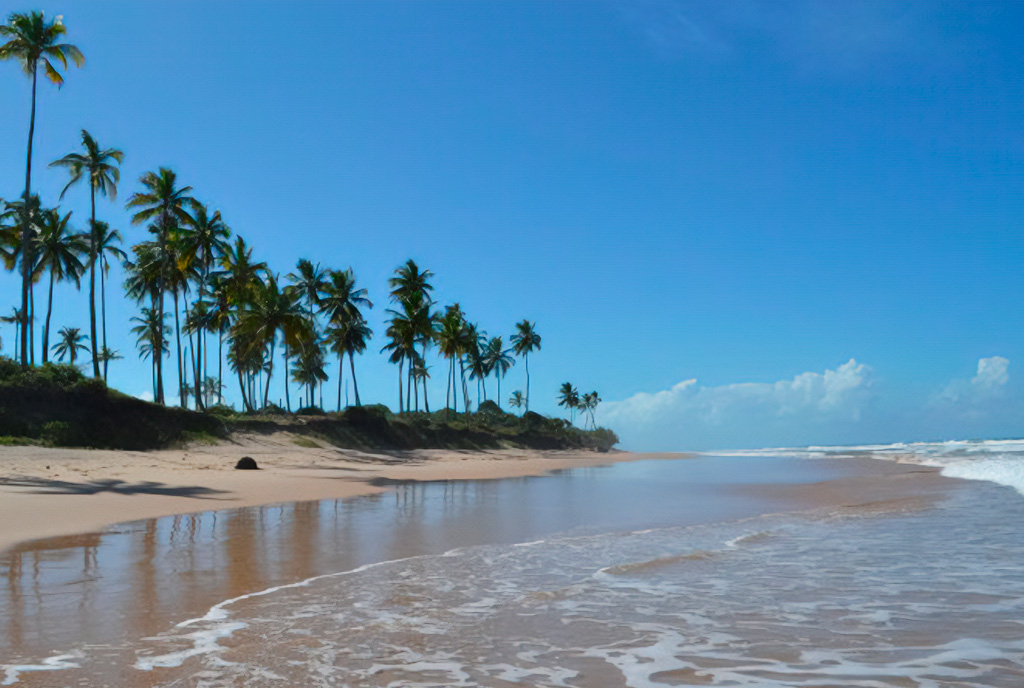
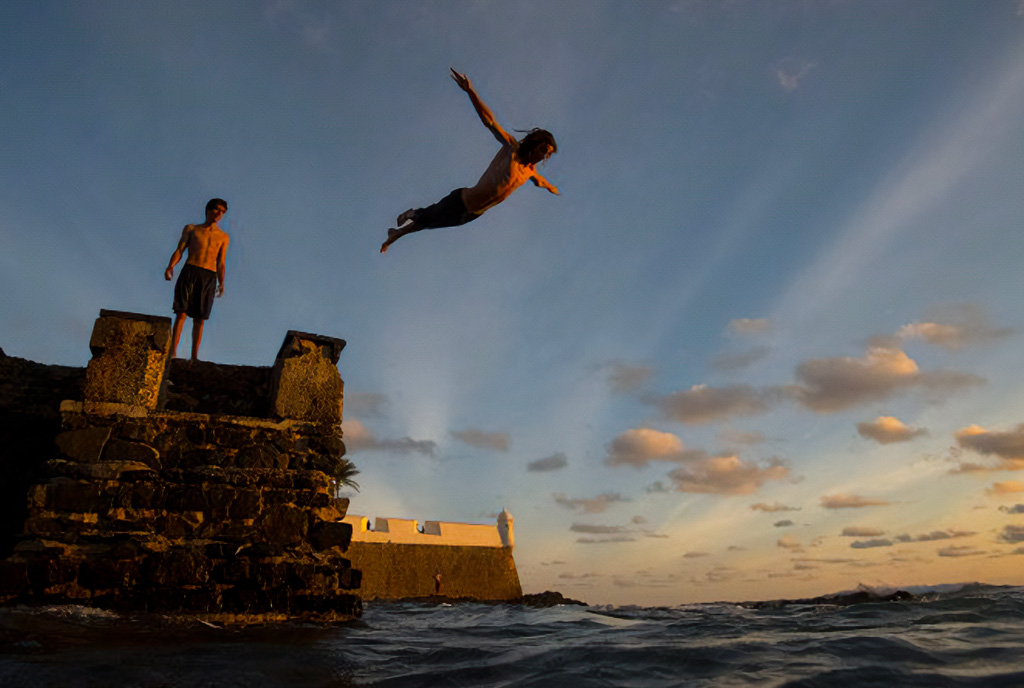
Last but not least: if you want to stay in beautiful Brazil and all you need is a beach and a big caipirinha, the northeastern Brazilian state of Bahia is exceptionally good for sun and sand.
You're spoiled for choice along the Bahia coast, known among locals as a place to unwind. There are no fewer than 600 miles of white sandy beaches, fringed with palm trees, along the Atlantic shore.
Avoiding the crowds often means venturing a little deeper, and the Marau Peninsula is one of those places where you'll get the beach almost entirely to yourself.
It's also an ideal spot for surfers, and the wonderful local cuisine, from moqueca (a Bahian fish stew) to grilled mango for dessert, is a big plus.
Tucked between banana trees and coconut palms, the Butterfly House offers separate grass-roofed bungalows encircling a lake-like pool, just a few meters from the beach.
This is the place for a bit of relaxed local luxury after the excitement of the Games.