

Despite its reputation as the Paris of Latin America, Buenos Aires offers sensible prices and is a surprisingly good-value destination for travelers.
Better still, some of the finest things to do in Argentina's capital are more than just affordable. They're free! Here are seven of them:
Recoleta Cemetery
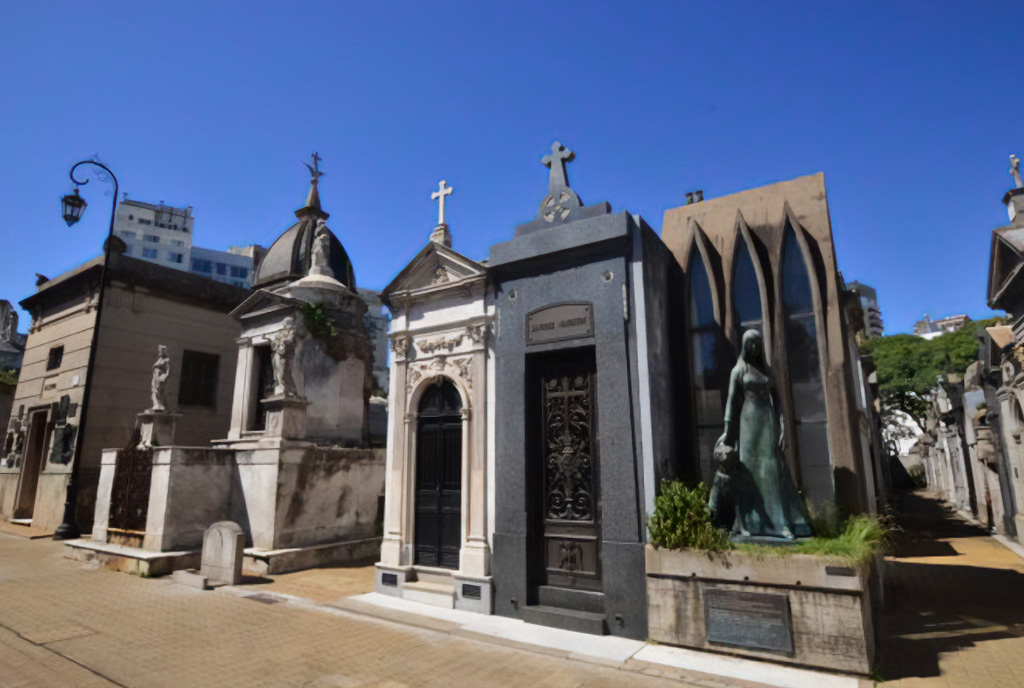
Although Argentine dignitaries rest here in grand marble memorials, it's the tomb of Evita Peron, buried under her maiden name Duarte, that turned the cemetery into the number one attraction in Buenos Aires.
Partner links: booking through them supports the blog at no extra cost to you.
The Duarte family mausoleum sits close to the entrance and is easy to find. But the narrow passage in front, just wide enough for a single person to squeeze through, makes it almost impossible to photograph without a wide-angle lens.
On your way there, you can pause to admire the statue of a sleeping angel boy, which strikes a chord with every visitor, and ask about another famous resident of Recoleta: Rufina Cambaceres, depicted opening the door of her own grave.
Legend has it that Rufina was buried alive after doctors misdiagnosed her cataleptic state, and a few days later she was heard screaming after waking up inside her tomb. By the time the gravediggers reached her, she was dead, this time for good.
San Telmo Flea Market
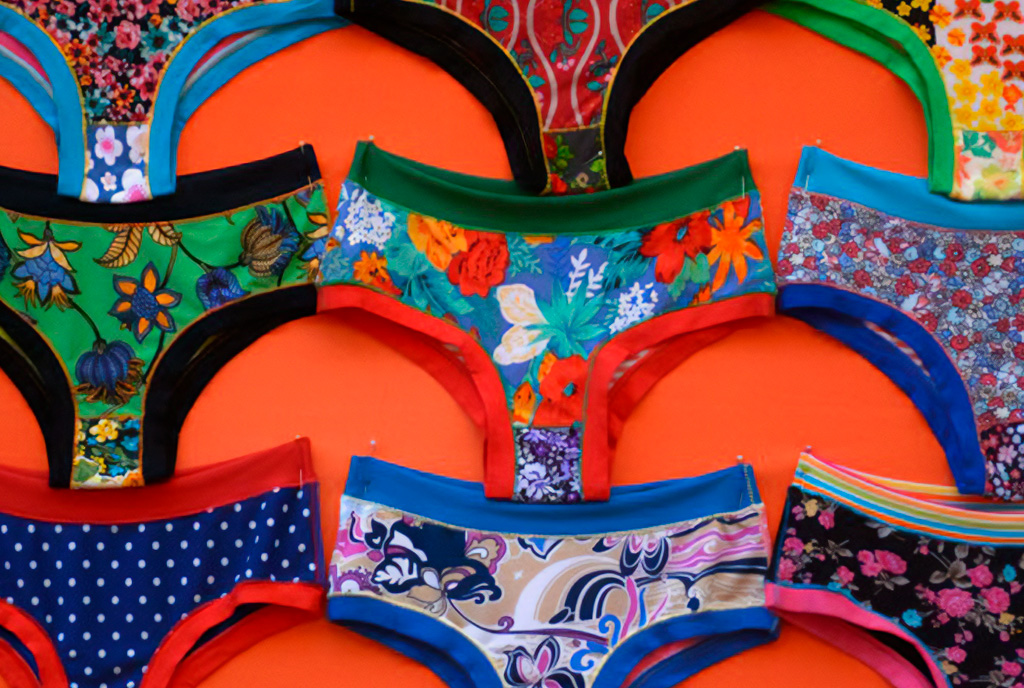
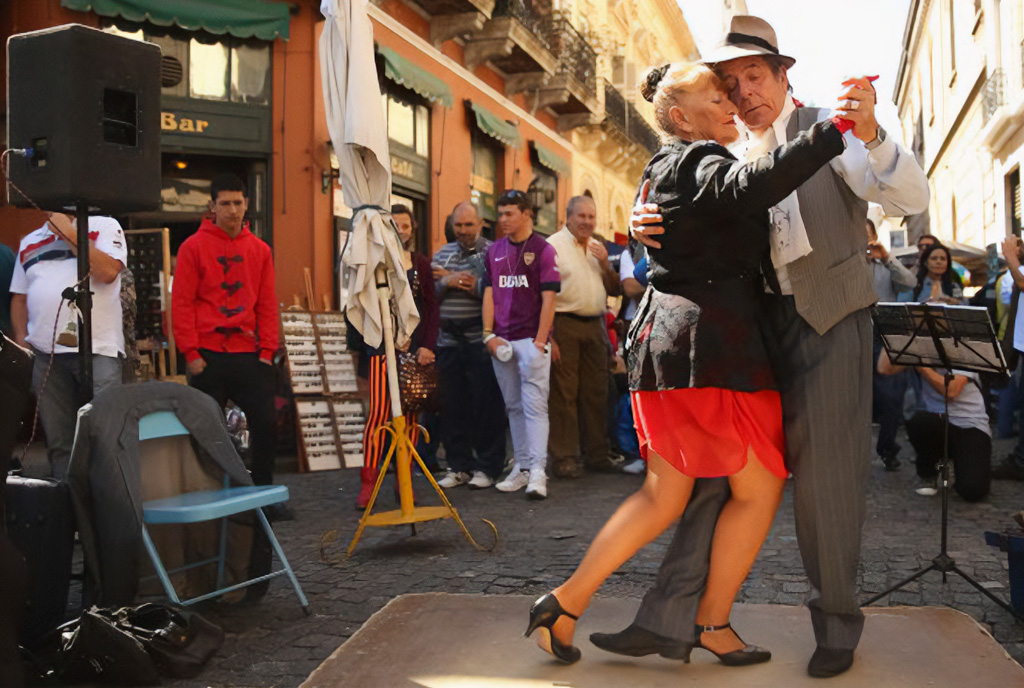
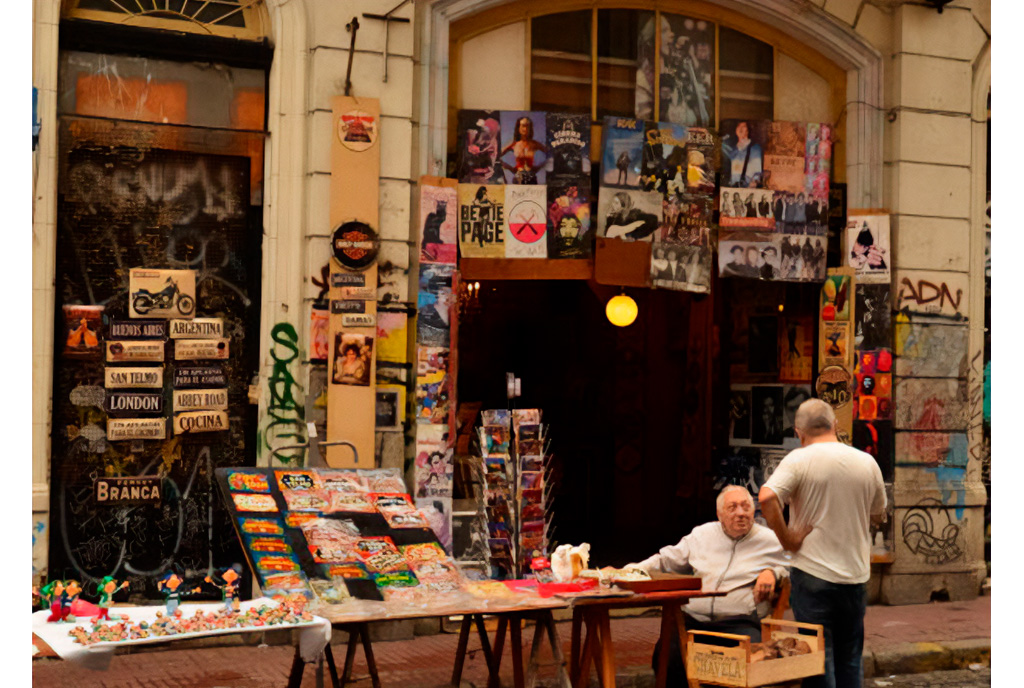
On Sundays from 10 a.m. to 5 p.m., Buenos Aires hosts one unforgettable event: the flea market on Plaza Dorrego in the San Telmo neighborhood. Since 1970 it has served as the main open-air antiques market in the Argentine capital.
This is where the city's descendants sold off the family silver during the depressions of the 1980s and 1990s, in deals that drew buyers from all over Europe and North America. Today a covered market nearby has absorbed the overflow from the bustling square, and any bargains have to be haggled over in the surrounding shops. They compete with street food vendors, organic produce stalls, secondhand book sellers, mobile phone kiosks, beer stands and traders selling just about anything you can imagine.
But the main reason most visitors flock to San Telmo is to watch, admire and applaud the dancers who show off their tango: young, old, but always graceful, they hold the crowd spellbound.
Casa Rosada
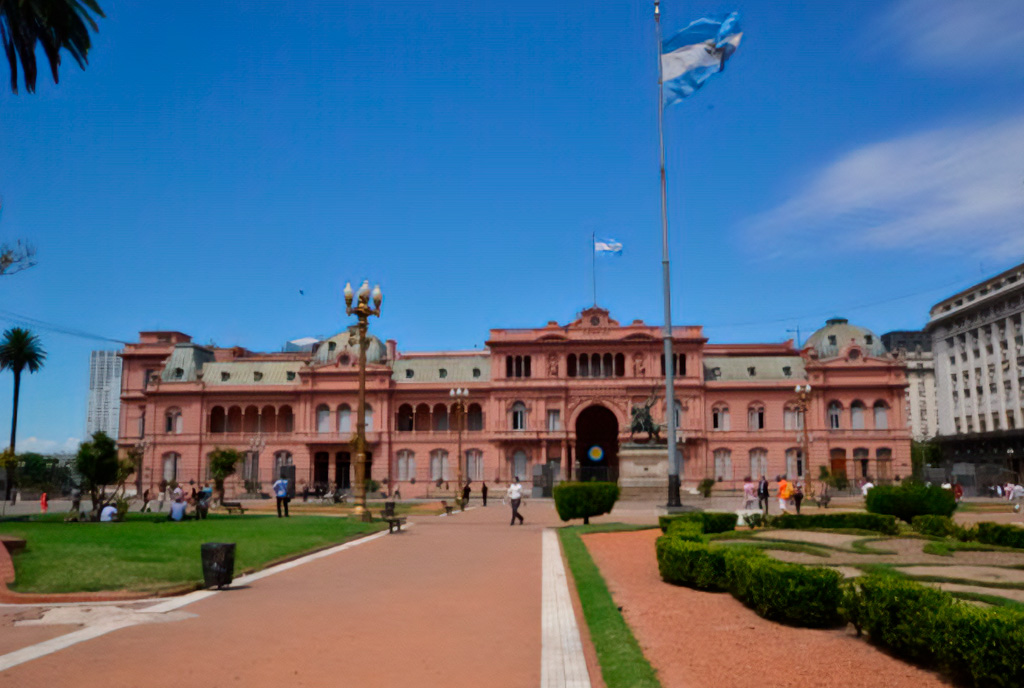
The Casa Rosada, the famous Pink presidential palace, is the centerpiece of Plaza 25 de Mayo in Buenos Aires. It is named after the date of the first successful revolution in South America, which ultimately led to independence.
Most visitors are content to simply photograph it from the outside. But if you come on a Saturday or Sunday, you can tour the building for free (you'll need to show your passport to enter).
First you'll arrive at the reception hall, home to the Gallery of Patriots, with portraits of Latin American political figures ranging from Salvador Allende and Che Guevara to Evita Peron, who herself lived in the Casa Rosada.
To the right you'll find a small, tidy chapel of Our Lady of the Rosary and a patio dedicated to the Falklands/Malvinas War. To the left, the appealing Palm Courtyard leads to the Hall of Honor, lined with busts of local luminaries, which opens onto a grand veranda. If you're lucky, you may get to visit the presidential apartments on the ground floor, which are not always open to the public.
Ecological Reserve
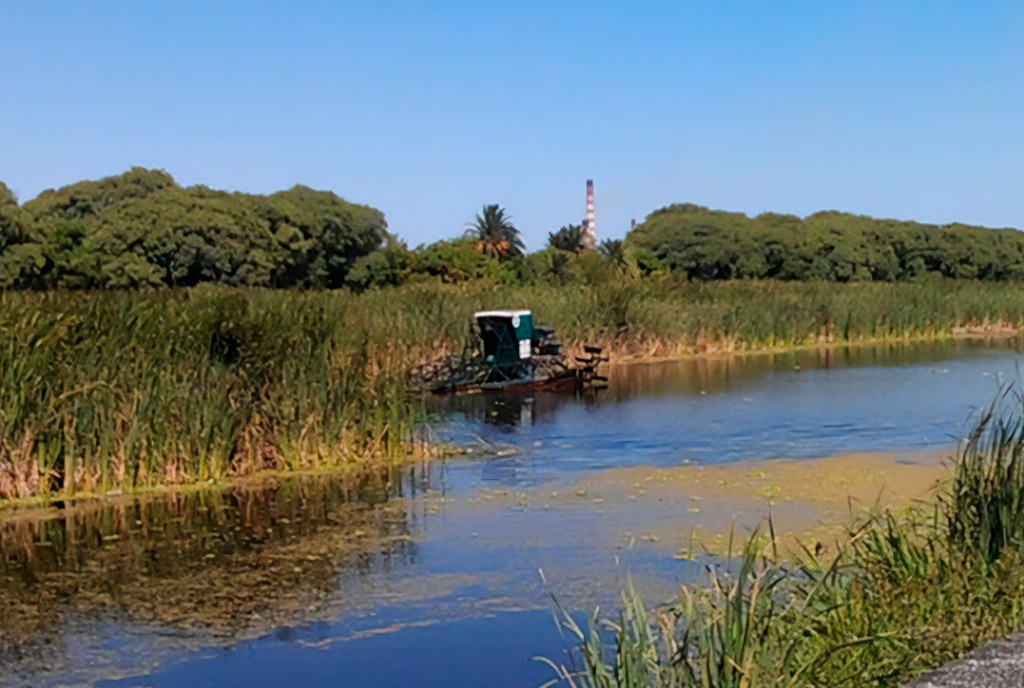
You could spend days in Buenos Aires without ever seeing the Rio de la Plata, the very reason the city exists. And yet, right in the city, there are 360 hectares of wetlands.
Perhaps the most valuable protected area in the world, sitting right in the middle of expensive real estate, the Costanera Sur Ecological Reserve is a treasure for hikers, cyclists and birdwatchers. You can spend a day inside walking its 22-kilometer trail. Or even have a picnic beside the Rio de la Plata.
Although the river's brownish, silty waters don't look inviting, the lack of tides and its shallow depth (you can walk out 300 meters and still not wet your knees) make it a popular spot for local families.
Papal Tour
Pope Francis is a great source of pride among the portenos (natives of Buenos Aires). So it's no surprise that not one but two papal tours, both free, are offered in his hometown.
The hour-and-a-half walking tour of the places of his childhood in the Flores neighborhood begins at the Basilica of San Jose, where the 17-year-old Jorge Bergoglio is said to have had an epiphany during confession. It continues to the modest house where he was born, his kindergarten and his primary school, and then ends at another house where he grew up.
The longer three-hour bus tour starts from the Metropolitan Cathedral, where he celebrated mass as Archbishop of Buenos Aires. This tour includes the seminary he attended in Balvanera and the Shrine of Mary, Untier of Knots, whose veneration he encouraged. While the bus ride is more comfortable and you see more, you only stop and get off at a few places.
La Boca
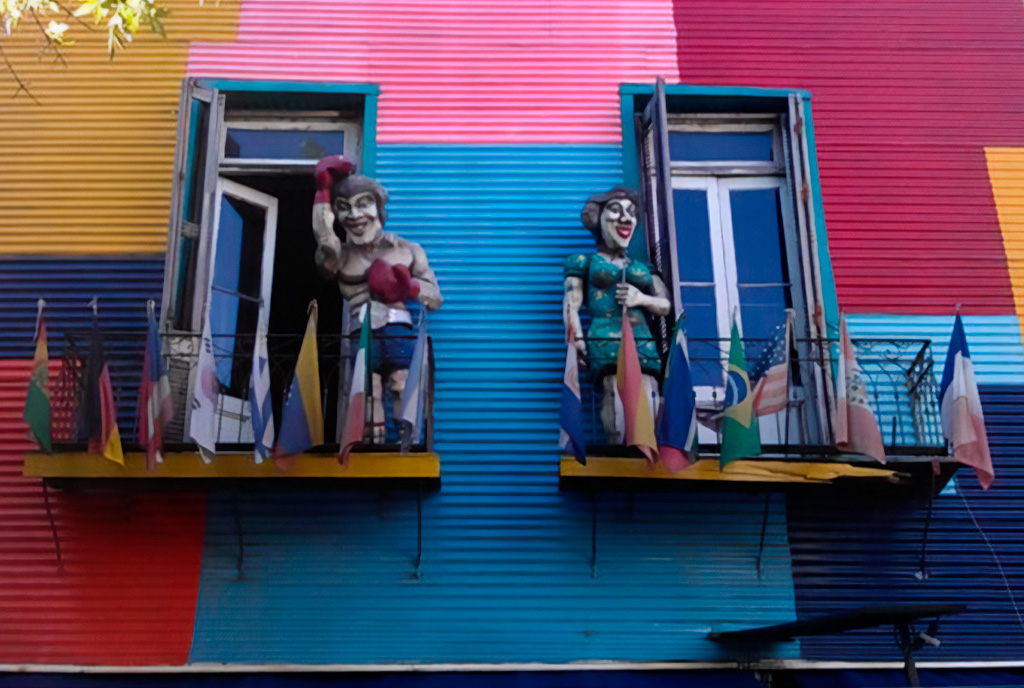
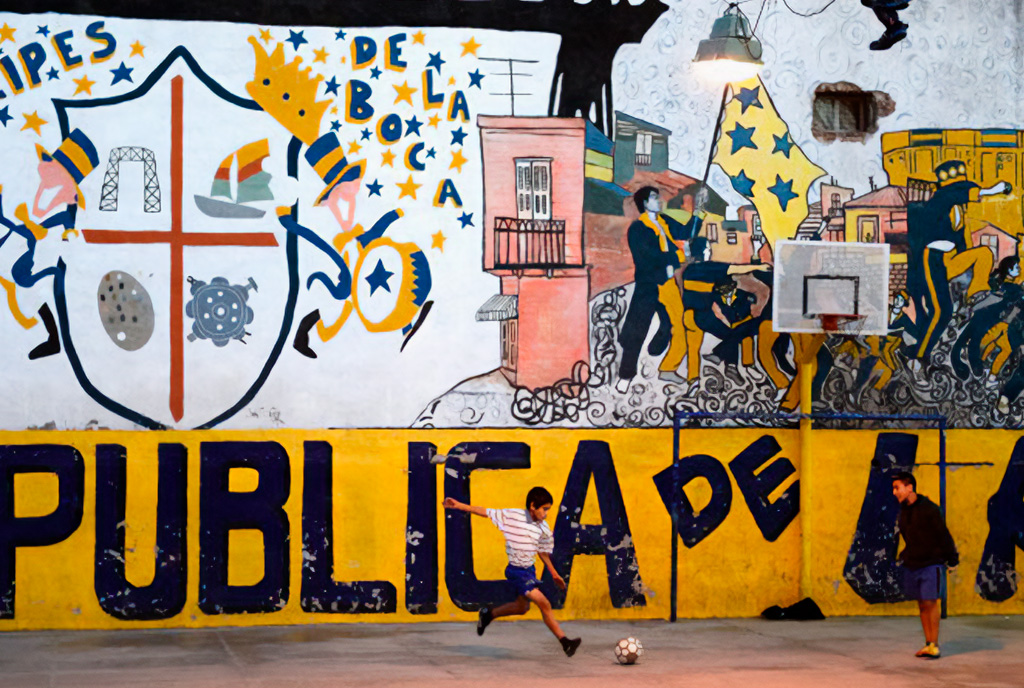
Next to the stadium of football legend Maradona's Boca Juniors, La Boca was once the first port of Buenos Aires. Left to decay in the 1980s and 1990s, it reinvented itself with extravagant bursts of kitsch.
Nothing is refined or subtle in La Boca: brightly painted walls, caricature figures, papier-mache greetings and garish graffiti leap out at you. Yet as a spectacle it's a delight. The streets of La Boca are a living, breathing gallery of 21st-century performance art. No one should leave Buenos Aires without this visual assault.
National Museum of Fine Arts
Any museum you can visit for free is a bonus on a vacation, but one that offers free guided tours in English is truly a rarity. They're offered four days a week (check the times and dates before you go) and the guides are knowledgeable, professional and engaging.
While the museum holds many works by famous names (Modigliani, El Greco, Goya, Picasso, Rodin), its real strength is its wealth of Argentine art. The museum is open every day until 8:30 p.m.
John Malathronas is a London-based travel writer and photographer. He has written or co-authored 15 books.
This article was originally published in January 2016.