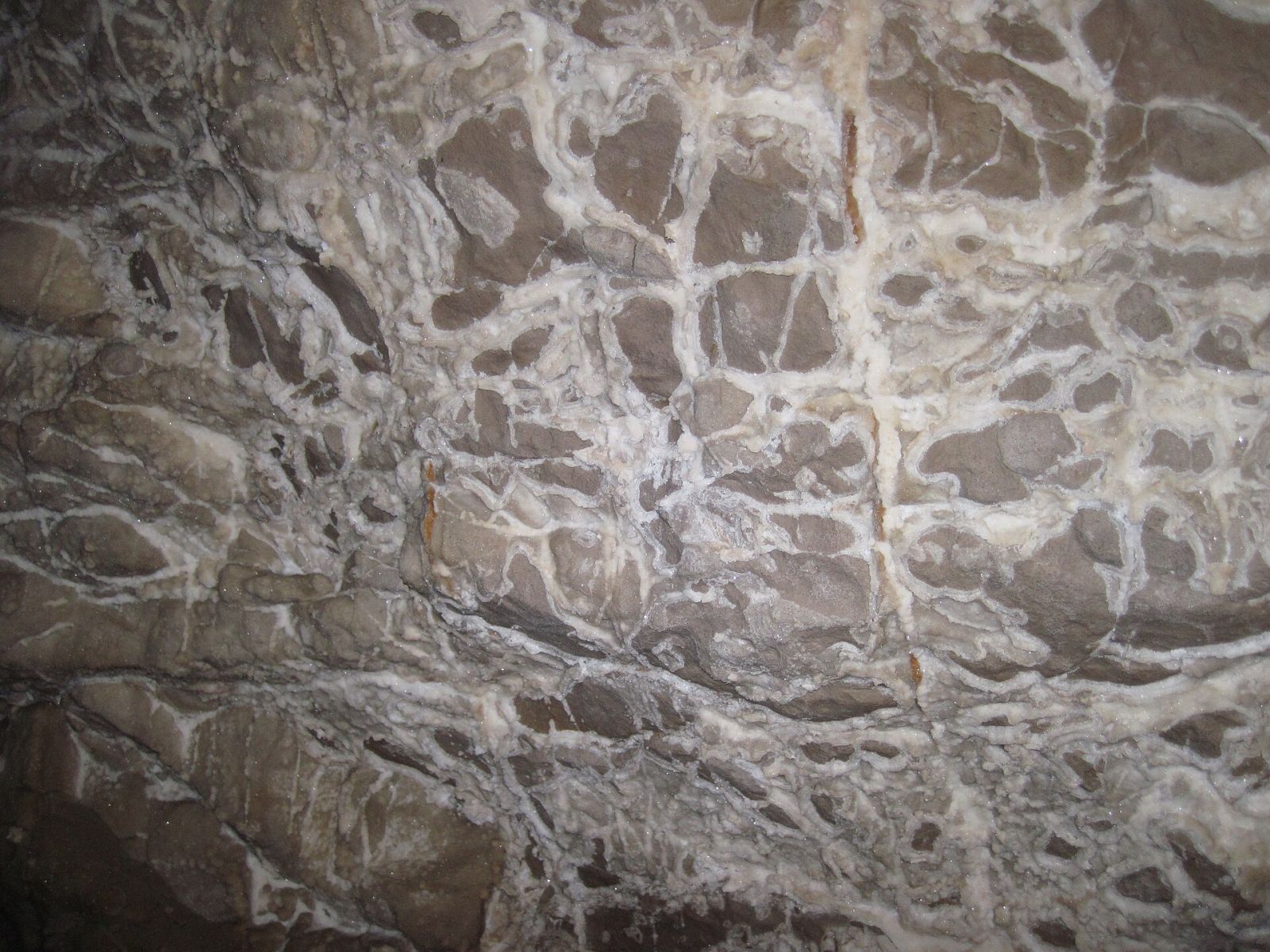
Optymistychna Cave is an underground labyrinth of more than 260 kilometres of mapped passages in the village of Korolivka in the Ternopil region, and it holds the title of the world's longest gypsum cave according to Guinness World Records. You can go through it only with a guide, by prior booking and in gear issued at the base. Below are the specifics: how much it costs, how to reach the entrance and why going down here is closer to a small expedition than to an ordinary tour.
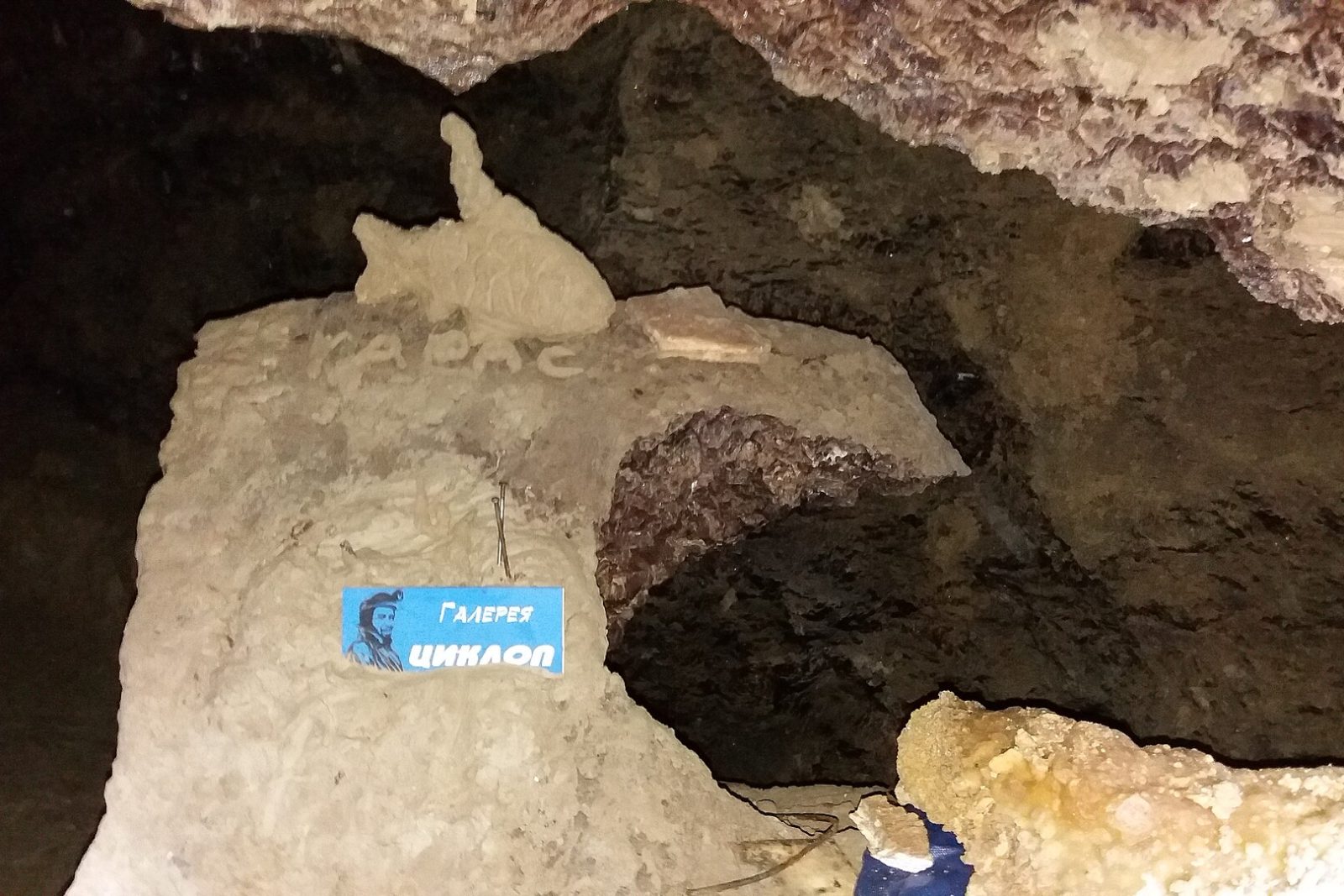
The name has nothing to do with beautiful scenery. When Lviv cavers from the Cyclops club started breaking through narrow cracks under an unremarkable hill in 1966, their colleagues did not believe in success and called them optimists behind their backs. The optimists turned out to be right: over decades of exploration, a network opened up underground that still has no completed map.
Why is Optymistychna Cave considered the world's longest gypsum cave?
Gypsum dissolves easily in water, so the underground cavities in it form not isolated halls but a dense weave of passages on several levels. The gypsum layer here is about 20-25 metres thick and covers an area of about 2 square kilometres, but inside this thin "sandwich" the water carved a labyrinth over millions of years in the Neogene, its length exceeding the perimeter of many large cities.
As of the late 1990s, cartographers recorded about 207 kilometres of passages. Today the figure is more than 260 kilometres, and it grows with every new expedition. Different sources cite from 230 to 264 kilometres: the discrepancy is not a mistake but a reflection of the fact that the cave still has not been explored to the end. Optymistychna Cave is among the seven longest caves on the planet and remains the longest in Europe.
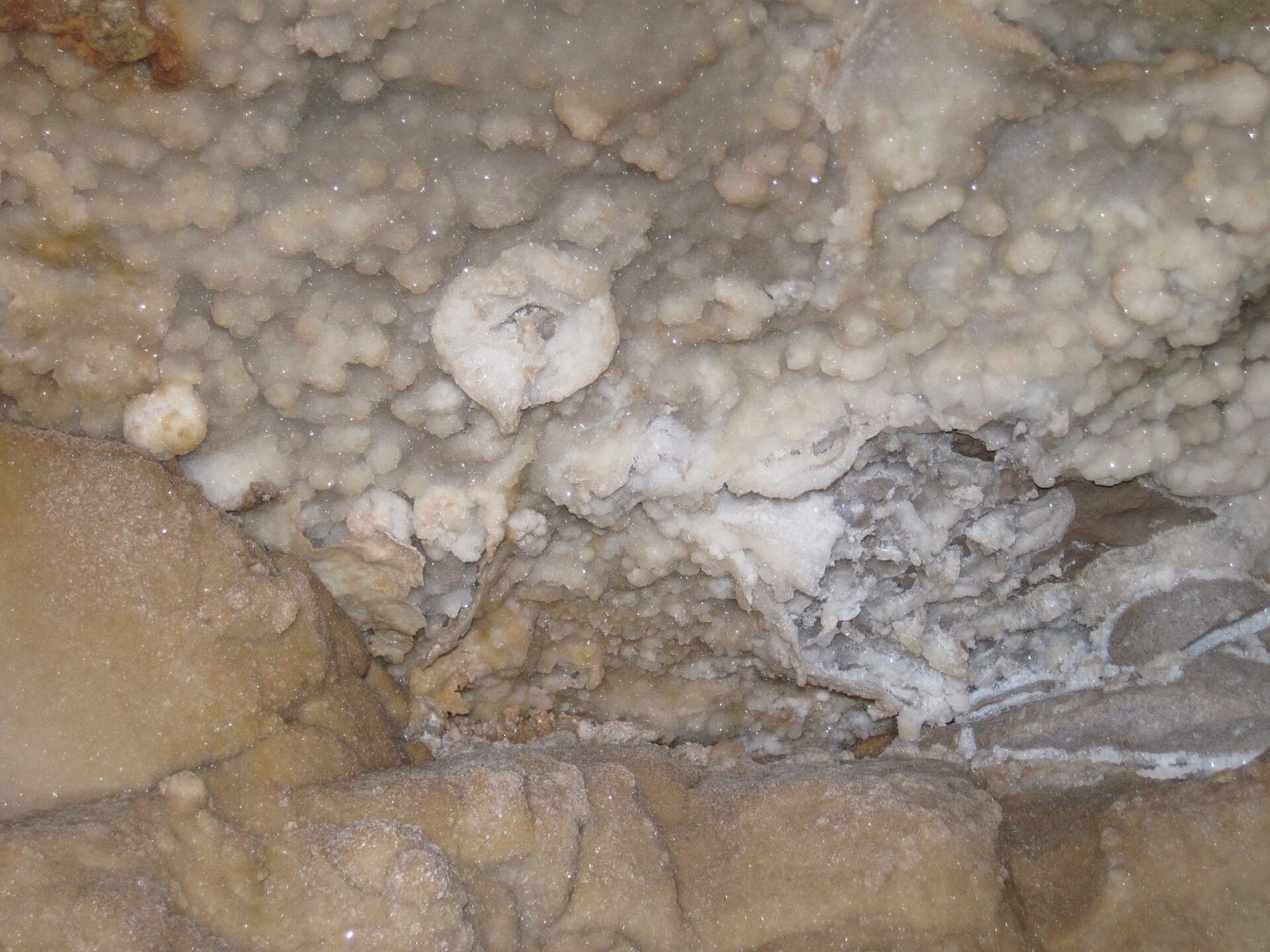
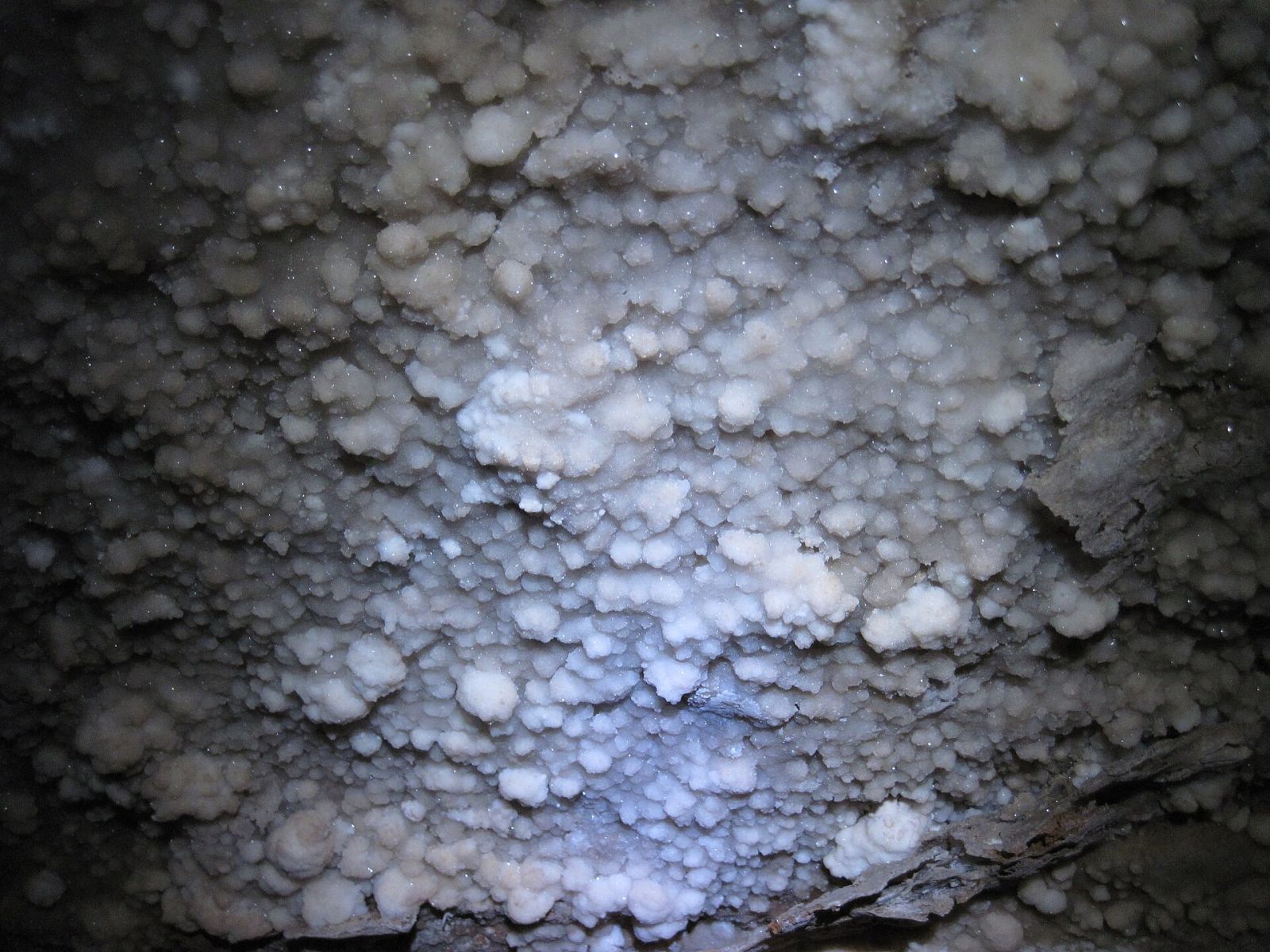
The passages are narrow. Mostly these are corridors no wider than 3 metres and up to one and a half metres high, so part of the route has to be covered crouching or crawling. At the intersections of the galleries the ceiling sometimes rises to 10 metres. Along the walls you come across gypsum crystals up to a metre long, which glint honey-coloured and transparent in the light of a headlamp.
What can you see inside?
Over the decades cavers have given names to the halls and underground lakes, so the route reads like a map with its own place names. The Molodizhnyi, Danylo Halytskyi and Cyclops halls. Lakes with water so clear that you do not notice the surface line at once.
The largest of the lakes is called Mikron: the surface area is about 500 square metres, the depth is 5-6 metres, and the water stays at about 7 degrees all year round. There are smaller ones too, with names like Mriya (Dream) or Chastynka Boha (A Particle of God). There is no light here at all except what you brought with you, so every detail appears exactly when the beam of a headlamp falls on it.
How much does the tour cost and what routes are there?
The cave is not equipped for mass tourism: there is no lighting, no railings or concrete paths. So going down is possible only with an instructor and by prior booking. The routes differ in difficulty and duration, from an overview one of a couple of hours to multi-hour ventures deep into the labyrinth.
| Route type | Time underground | For whom |
|---|---|---|
| Overview (Cyclops zone, Lake Balaton) | about 2 hours | first-timers, with older children, no experience |
| Medium (Central district, Radio Lux) | up to 6-7 hours | physically fit, those who want more galleries and lakes |
| Difficult / expedition | a full day and an overnight stay underground | the hardy, with prior caving experience |
Prices change every year and depend on the operator, so we give a range rather than an exact figure. A basic tour starts at roughly 350-400 hryvnias per person. Gear rental adds about 250-400 hryvnias. Package tours with a transfer from Ternopil, Lviv or Kyiv cost somewhere around 800-1800 hryvnias depending on what is included in the package. Before your trip, check the current rates directly with the organiser, because prices for niche caving tourism are revised more often than museum tickets.
How to get to Korolivka?
The entrance to the cave is located near the village of Korolivka in the Chortkiv district (until recently this was the Borshchiv district) of the Ternopil region. The most logical route by public transport looks like this.
- From Ternopil to the town of Borshchiv, scheduled buses run about every two hours, and the journey takes about 2.5 hours.
- From Borshchiv to Korolivka it is another 12 kilometres or so by a local minibus or bus.
- From the village to the base and the entrance the organiser usually helps with the last stretch, because finding the inconspicuous entrance in a field on your own is difficult.
By your own car it works out faster and more flexible, especially if you are a group. But the starting point and the meeting time are still arranged in advance: you are not allowed inside without an instructor, and this is not a formality but a matter of safety in a labyrinth without landmarks.
What gear do you need for the descent?
The basic kit is issued on site. It is a coverall, rubber boots, a helmet and a headlamp. Of your own, it is worth bringing only a change of clothes, because after several hours in the damp underground you will come out dirty and wet, and a thermos with something warm.
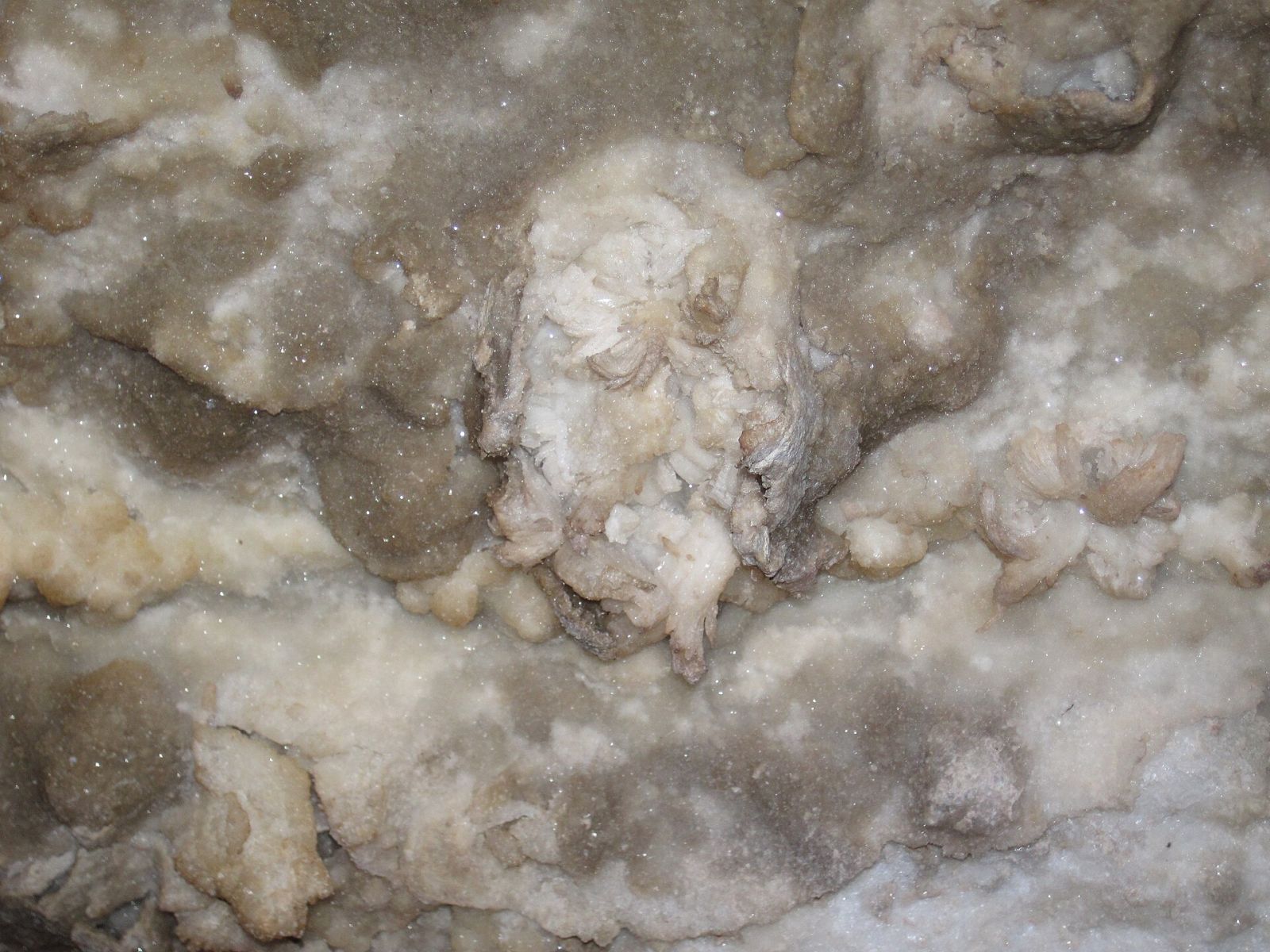
The microclimate here is stable all year round: about +8 degrees near the entrance and up to +10 in the centre of the labyrinth, with high humidity. In summer this saves you from the heat, in winter it means that it is warmer inside than outdoors. The boots at the base are rubber for a reason: there is clay underfoot, water in places, and part of the way you cover on all fours.
When to go and who is Optymistychna Cave not suitable for?
There is no season in the classic sense here: the temperature underground is the same in July and in January. The only difference is the road, in winter it is harder to reach Korolivka because of the weather. So take your bearings not from the month but from your own fitness and from whether you are ready to crawl for several hours, climb over boulders and not see daylight.
Honestly about the downsides. The cave is not suitable for people with claustrophobia, serious heart or back problems, and also for those who count on a comfortable stroll with lighting and a souvenir shop at the exit. There is none of that here. For small children the overview route is also hard because of the narrow squeezes.
If you are going for the first time, take the overview two hours and watch your own reaction: that is enough to grasp the scale and decide whether you want to go deeper. If you already have caving experience, arrange a medium or expedition route in advance, because that is exactly where those galleries and lakes begin that people come back here a second time for.