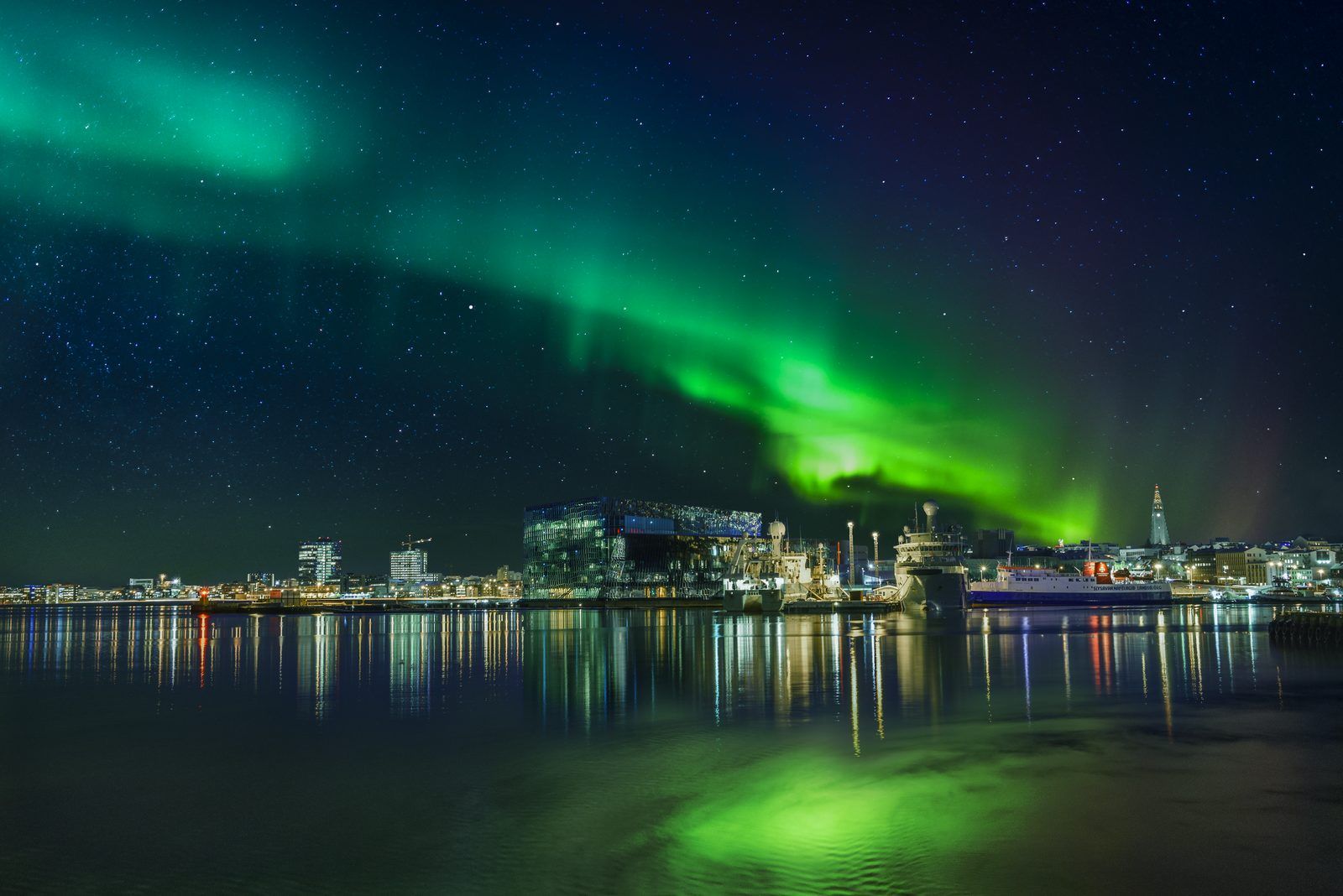


Seeing the northern lights is a bucket list moment. And watching the ever shifting glow ripple across the sky above mountains, glaciers and vast lava fields is especially breathtaking.
In Iceland the aurora borealis draws in everyone, from professional photographers to travelers who have the phenomenon high on their must see list. Your best chance of catching the night time lights comes when it is cold and dark outside and the aurora activity is strong.
The cold itself is not the deciding factor, but the sky needs to be clear, which usually happens on very cold nights.
Partner links: booking through them supports the blog at no extra cost to you.
The phenomenon is caused by solar winds that push electron particles into collisions with molecules of atmospheric gases, triggering a burst of bright light. The best time to watch the northern lights in Iceland is from October through March.
On vedur.is, the national weather site, you can find forecasts that predict visibility. If the forecast is strong, the best plan is to drive (or take a tour bus) to a dark spot and look up.
The South: City Lights
Staying in Reykjavik, Iceland's capital and the country's only city, with no car to get around? No problem.
You can catch the northern lights by strolling out to the Grotta lighthouse, where light pollution is minimal.
Other places that can get dark enough include the area around the dome shaped Perlan (The Pearl) building near Oskjuhlid, or Klambratun park. If a short drive is an option, consider Thingvellir National Park, home to Iceland's first parliament, which sits isolated and pitch black at night.
For travelers who would rather not venture out alone, guided tours are available. Reykjavik Excursions runs northern lights tours, with buses leaving regularly from central Reykjavik.
The West: Beautiful Scenery
Lonely Planet named West Iceland one of the best places to visit in 2016. And for good reason: it has it all, from glaciers and mountains to lava fields and ice caves. When you are chasing the northern lights in the west, keep an eye on the Snaefellsnes peninsula and fishing villages such as Akranes and Borgarnes.
There are plenty of striking backdrops for northern lights photos here, including the Snaefellsjokull glacier, black sand beaches and miles of fascinating rock formations.
Lighthouses are a favorite among photographers for shooting the aurora borealis, and the Akranes lighthouse, just a 40 minute drive from Reykjavik, is one of the best.
The lights shimmer and dance over the sea with minimal light pollution. Arctic Adventures offers tours to the west, including a super jeep northern lights excursion.
The North: Dramatic Landscapes
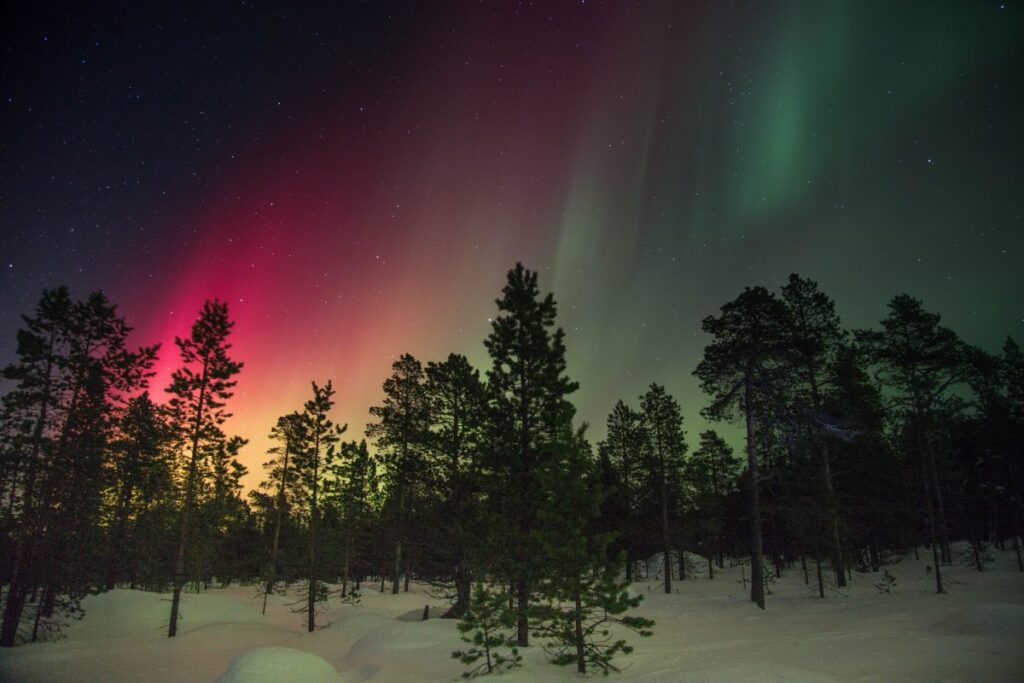
Northern Iceland is home to some of the island's most dramatic scenery, including thundering waterfalls and geothermal springs.
The unofficial capital of the north and Iceland's second most populous town, Akureyri, sits right in the middle of it all. The town has a thriving arts scene, growing snow sports, chic shops and fine restaurants. Its open surroundings, small population and low light pollution make it an ideal place to watch the aurora.
In winter, Extreme Iceland offers a two to three hour northern lights tour. Other spots worth exploring for independent travelers include the mighty Dettifoss waterfall and the stunning Lake Myvatn.
The East: Solitude and Sheep
For anyone seeking seclusion, the east is Iceland's least populated region. In fact, you are more likely to run into sheep than people here.
The east is home to Iceland's true "ice": the Vatnajokull glacier looms over farms and vast stretches of uninhabited land. Jokulsarlon, a glacial lagoon, is without a doubt the best place to watch the lights in the east.
In the lagoon you can see huge chunks of ice breaking off the glacier without end, while large icebergs drift in the water. The lagoon is not wide, but it reaches 250 meters deep, making it Iceland's deepest lake.
Icelandic Mountain Guides offers tours that include northern lights hunting at Jokulsarlon. Stand along the ice, bundle up in your warmest layers, look up and enjoy the show. Keep in mind that the weather in Iceland is unpredictable. It is best to check the road conditions (road.is) before setting out on a northern lights hunt or any other excursion.