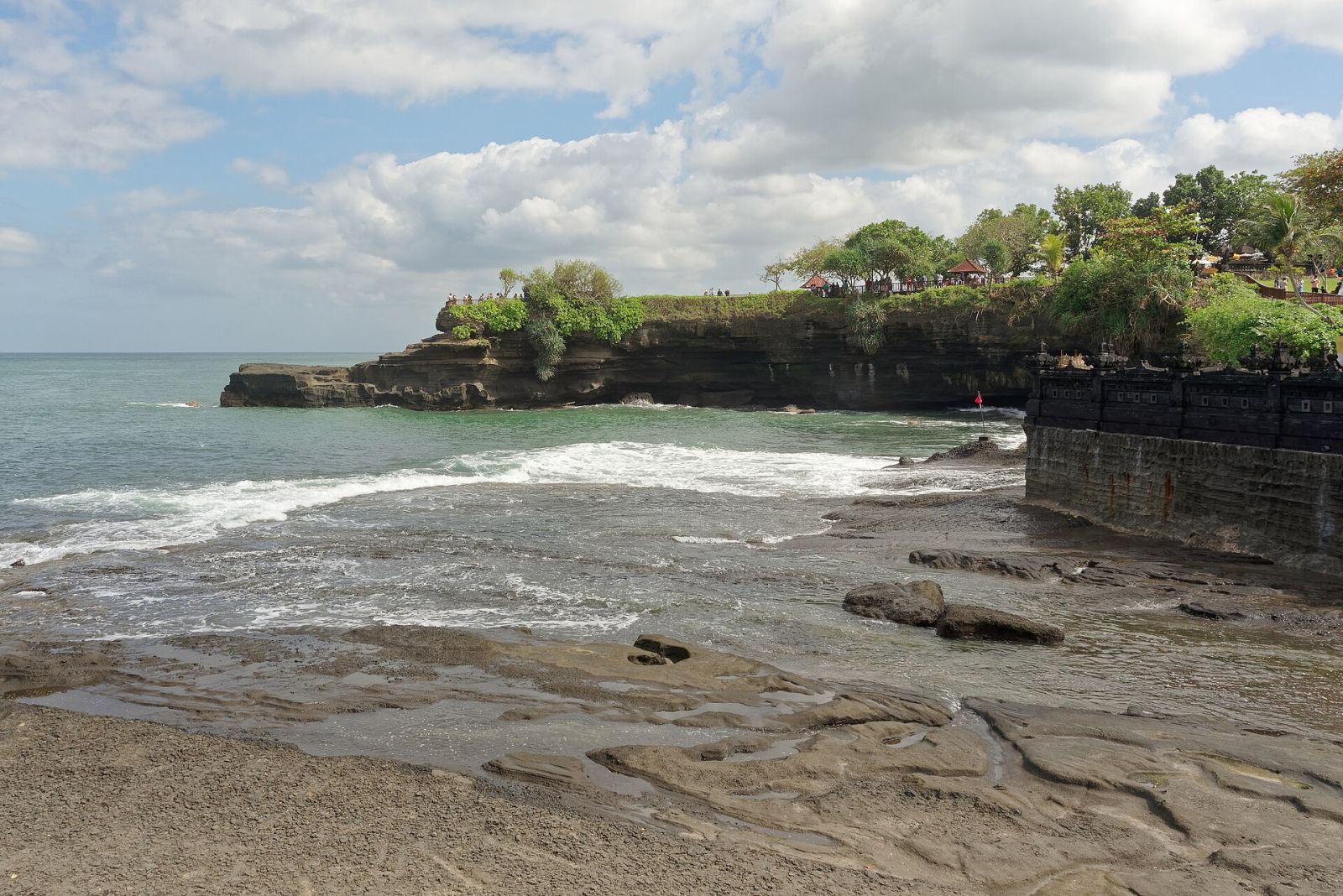


A week in Bali for two costs roughly 650-950 dollars on a tight budget, 1400-2000 at a middle pace and from 3600 in comfort, and none of those figures include the flight. That is the island's central paradox: return tickets from Europe eat 900-1300 dollars per person, while two weeks of living on the ground often costs less than one ticket did. So the honest answer to how much money to bring to Bali depends less on your appetites than on how long you stay.
The arithmetic is simple: the longer the trip, the cheaper every single day of it. A week is financially the worst deal, because the airfare spreads across seven days only. People who come for a month pay about a third as much per day, and we covered that format separately in Wintering in Bali. What follows is a normal holiday.
A week for two: three scenarios
The calculation covers seven nights split between Ubud and the south of the island, flights excluded. Prices are in dollars because locals quote them that way too, although you will actually pay in Indonesian rupiah. Figures are approximate, check current rates before booking.
| Expense | Budget | Middle | Comfort |
|---|---|---|---|
| Accommodation, 7 nights | Guesthouse or simple villa, 280-420 $ | Villa with pool, 4* hotel, 560-840 $ | Resort, staffed villa, from 1750 $ |
| Food for two | 130-190 $ | 300-450 $ | from 700 $ |
| Transport: scooter, taxis, driver | 50-80 $ | 150-250 $ | 400-600 $ |
| Experiences: temples, waterfalls, tours | 80-130 $ | 200-300 $ | 500-700 $ |
| Massage and spa | 30-50 $ | 80-120 $ | 250-400 $ |
| Visa and tourist levy for two | about 90 $ | about 90 $ | about 90 $ |
| Total for two | 650-950 $ | 1400-2000 $ | from 3600 $ |
Budget the compulsory payments first. Visa on arrival costs 500 thousand rupiah per person, roughly 35 dollars, and it is easier to arrange in advance through the official portal of the Indonesian immigration service, which puts you in a separate and much shorter queue at the airport. On top of that comes the Bali provincial tourist levy, 150 thousand rupiah per person or about 10 dollars, paid on the Love Bali site. Together that is close to a hundred dollars per couple, and it costs the same whether you sleep in a hostel or a villa.
A villa with a pool for 45 dollars: how accommodation works
Here is the news that surprises anyone used to European prices. A private villa with its own pool for two genuinely starts at 40 dollars a night in Bali, and that is not a shack but a proper little house with air conditioning, a kitchen and a garden. Options like this are everywhere in Ubud, eastern Canggu, Sidemen and around Pererenan. For 70-110 dollars you get the kind of villa people show their friends afterwards; from 250 upwards, a resort with rice terraces outside the window.

Location moves the price far more than floor space does.
- Canggu and Seminyak: the priciest, because that is where the cafes, the surf and the nightlife sit. Also where the traffic jams are worst.
- Ubud: about a quarter cheaper with much better greenery, but the ocean is over an hour away.
- Sanur and Nusa Dua: calm, family friendly, prices in the middle.
- The east and north, Amed, Sidemen, Lovina: half the price of the south and almost tourist free, though life there without a car or scooter gets uncomfortable fast.
One practical detail that gets skipped: cheap guesthouses may have no hot water at all, and the pool in the photos is sometimes shared between four houses. Read reviews from the last three months, since villas lose their looks quickly during the rainy season.
A warung meal for three dollars against a Canggu breakfast for ten
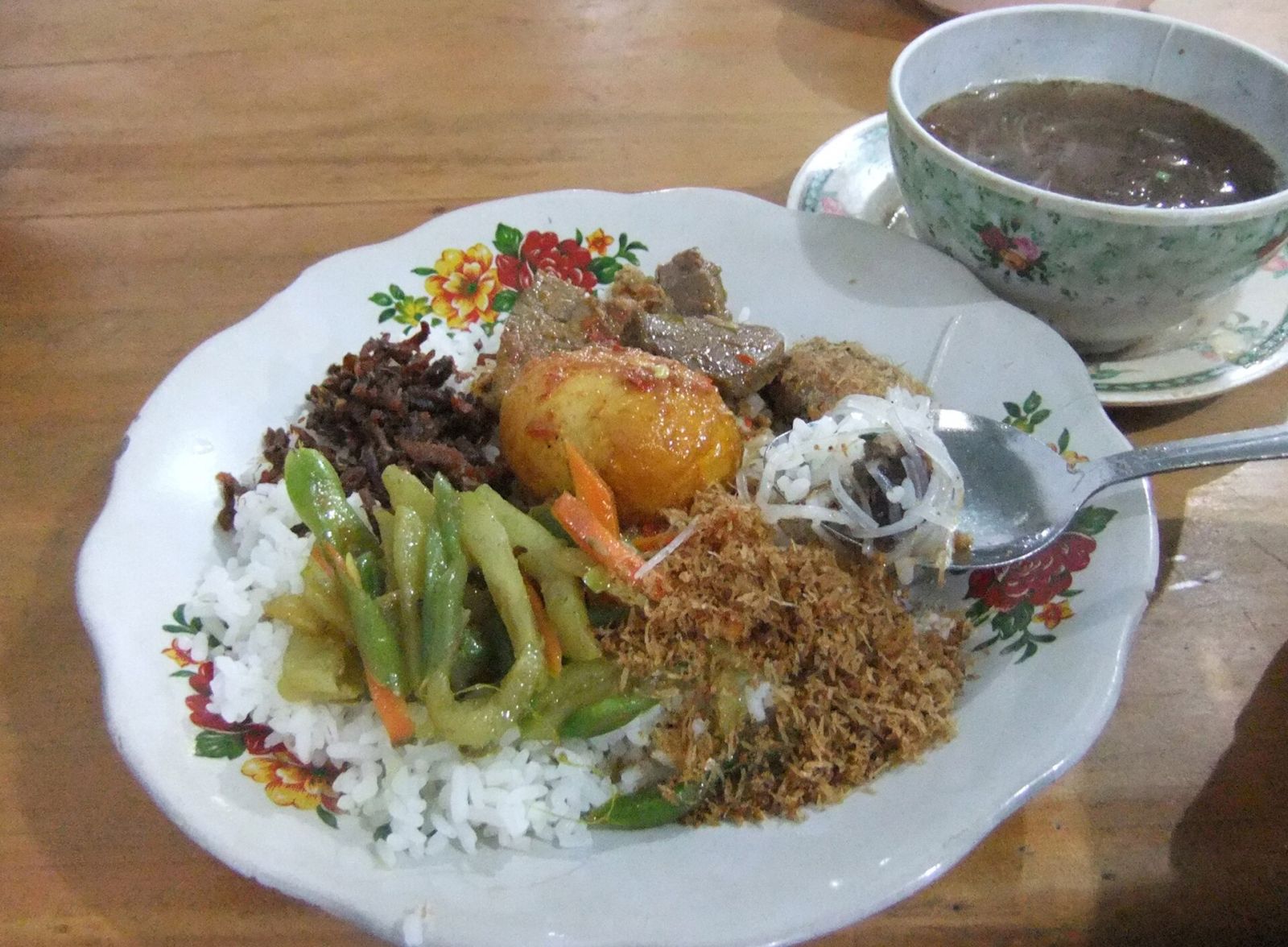
Food in Bali runs in two parallel worlds priced three or four times apart. A local warung serves nasi campur, rice with several toppings of your choice, for 25-40 thousand rupiah, meaning 2-3 dollars. The portion is filling, it is cooked in front of you, and these places are what keeps long stayers solvent.
The second world is the Canggu and Seminyak cafe scene with bowls, avocado toast and flat whites. Breakfast there runs 80-150 thousand rupiah per person, dinner for two in a decent restaurant with drinks, 400-700 thousand. The cooking is genuinely good and so is the setting, but the prices sit close to European ones.
- Nasi goreng or mie goreng at a warung: 25-45 thousand rupiah, 2-3,5 $.
- Fresh juice or a coconut: 15-25 thousand, under two dollars.
- Large bottle of Bintang beer: 35-50 thousand in a shop, 60-90 in a bar.
- Breakfast in a Canggu cafe: 80-150 thousand, 6-11 $.
- Dinner for two in a Seminyak restaurant: 400-700 thousand, 30-50 $.
One trap worth knowing in advance. Tourist venues add a service charge and tax to the bill, together around 15-16 percent, and those numbers live in small print at the bottom of the menu. So the dinner you mentally counted at 500 thousand arrives at 580. Warungs add nothing at all: the menu price is the final price.
A scooter for 6 dollars a day and an honest word about licences
Scooter rental in Bali costs 60-100 thousand rupiah a day, that is 5-7 dollars, and monthly deals cut the daily rate in half. Fuel is pennies; a full tank comes to less than two dollars. It is the cheapest and quickest way to move around the island, and also the riskiest.
Now the paperwork, honestly. To ride a scooter legally in Indonesia you need an International Driving Permit with category A open on it, not simply a home licence for cars. Police stop tourists regularly at the well known checkpoints near Canggu and Ubud, the fine is settled on the spot, and haggling is part of the ritual. The heavier issue is different: without the right category your travel insurance can refuse to pay after a crash, and scooter crashes in Bali are not rare events but daily business for the hospitals in Denpasar. A helmet is mandatory, and it is worth wearing even for the three hundred metres to the shop.
Alternatives for people who will not ride:
| Option | Price | Who it suits |
|---|---|---|
| Scooter rental | 5-7 $ a day plus fuel | Experienced riders with category A |
| Grab or Gojek, ride across town | 1-3 $ | Short hops inside one area |
| Driver with a car for the day | 40-50 $ for 8-10 hours | Temple and waterfall days for two |
| Airport transfer to Ubud | 18-25 $ | Arriving with suitcases |
The driver for a day is the most underrated line in the budget. For 40-50 dollars you get an air conditioned car, someone who knows the roads, and ten hours of it for two people. Split that between you and it beats two organised tours on price, while the route stays yours to design. Grab and Gojek have their own no go zones: near certain beaches and markets local taxi drivers block app pickups, so the car sometimes has to be met a block away.
Temples, waterfalls and where the cheap massage ends
Individual entry fees in Bali are small, yet a week of them adds up, simply because there is a lot worth seeing.
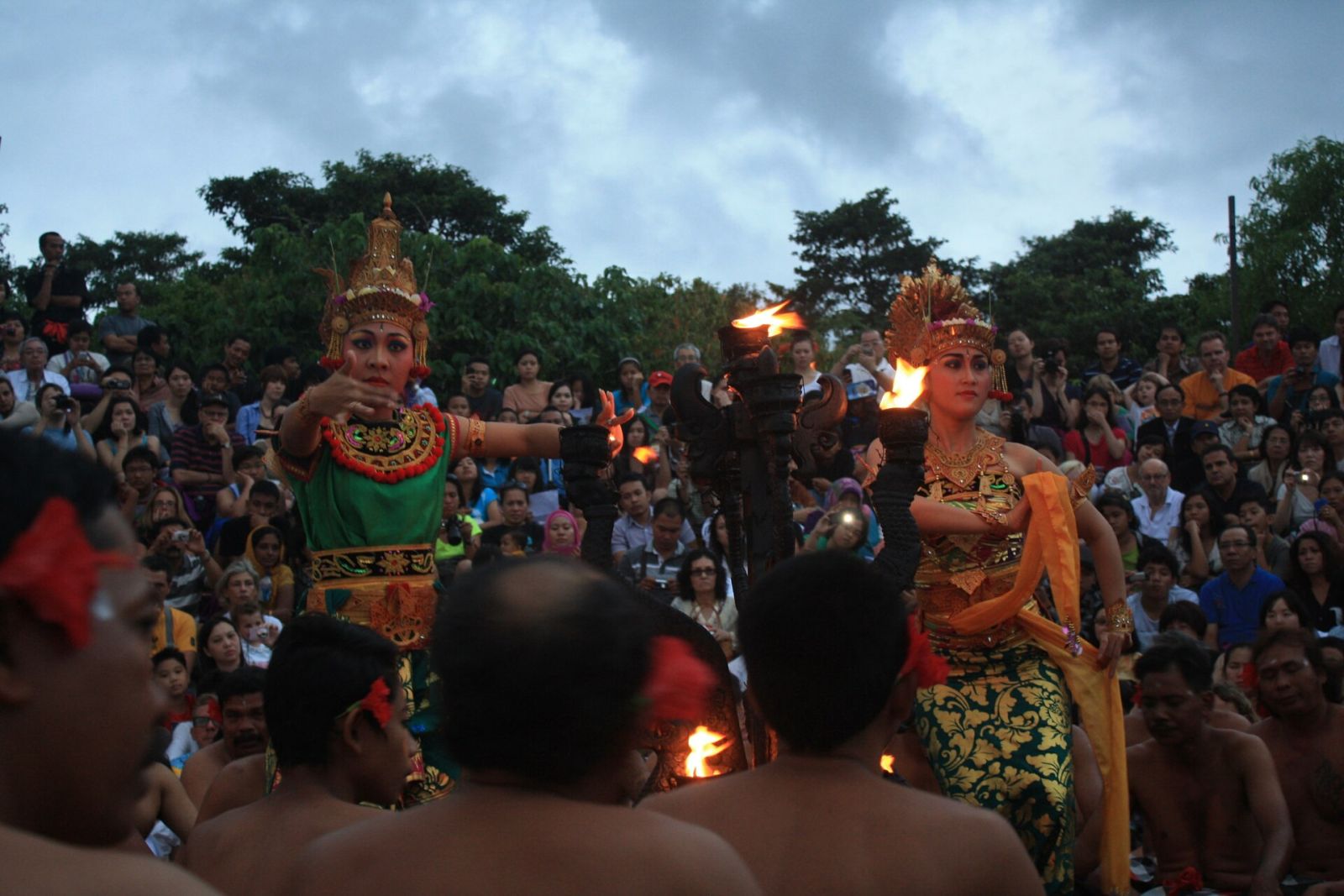
- Tanah Lot: around 60 thousand rupiah, 4-5 $.
- Uluwatu with the sunset kecak dance: entry around 50 thousand plus a performance ticket at 150 thousand, roughly 15 $ per person in total.
- Tirta Empul and its holy springs: around 75 thousand, sarong rental included.
- Waterfalls around Ubud: 20-50 thousand each, often with parking on top.
- Tegallalang rice terraces: entry is trivial, but photo spots and swings are charged separately at 100-350 thousand.
Balinese massage is another reason the island reads as cheap. An hour in an ordinary spa costs 100-150 thousand rupiah, that is 7-11 dollars, and the standard is usually solid. The same hour in a hotel salon runs 40-60 dollars, and in a clifftop resort 90 and up. The difference is the oil and the interior, not the technique. A couple going for a massage every other day at a neighbourhood spa spends around 50 dollars a week, and few things in Bali repay the money so well.
If you are coming to work rather than to rest
Bali long ago turned into an office under palm trees, and remote work changes the arithmetic. Monthly rent for a villa with a pool in Canggu runs 700-1200 dollars, less in Ubud, less again in Sanur. A coworking space with proper air conditioning and fast internet costs 100-180 dollars a month, a single day pass 8-12. A local SIM with a generous data bundle costs 8-15 dollars, and that matters: villa wifi drops with the rain while the mobile network holds up better.
A sober warning belongs here. Working for a foreign employer on a tourist visa sits in a grey zone of Indonesian law, and formally that visa grants no right to work. Separate permit categories exist for longer stays and their conditions keep shifting, so check requirements on the official immigration portal rather than in chat groups. One more thing people rarely plan for: Bali runs five hours ahead of Kyiv in summer and six in winter, which puts every call with European colleagues squarely in your evening.
What to budget
A realistic figure for a couple spending a week in Bali is 1500-1800 dollars without flights: a villa with a pool, daily warungs plus two dinners in proper restaurants, a driver for two days, several temples and a massage every other day. The 700-900 dollar version works without feeling poor, because the best of the island, meaning the ocean, the rice terraces and the evening sky, costs nothing. Bring cash for the first days only, then withdraw from ATMs of the big banks such as BCA or Mandiri, which charge around 50 thousand rupiah per transaction, so take larger amounts less often. Cards work in cafes, hotels and supermarkets; warungs and markets are cash only. Prices are indicative for 2026, check current rates before you travel, because housing in the south of the island climbs every year.