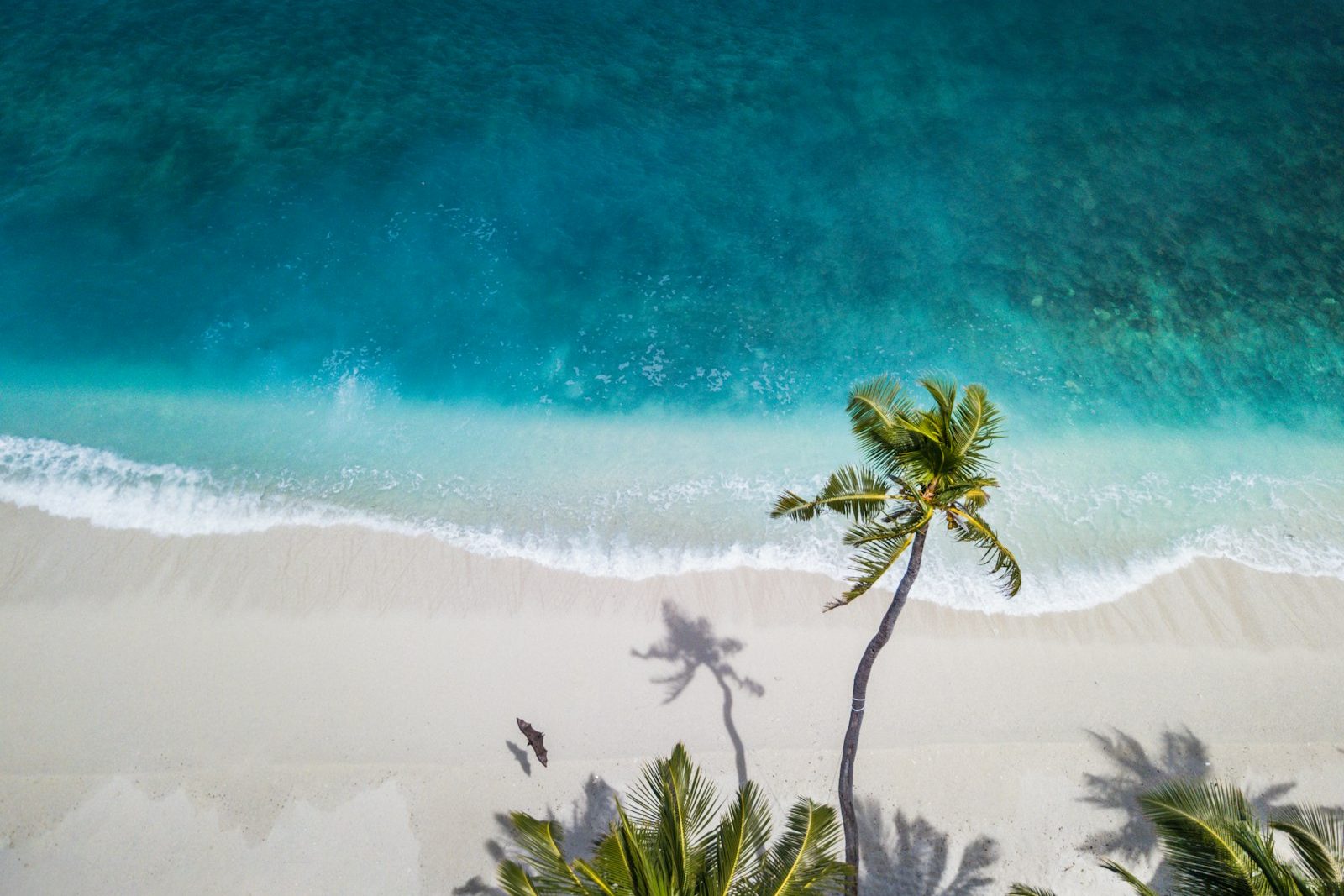


The short version: the most beautiful islands for a holiday aren't chosen by photos but by what you actually want from a week off. The Maldives give you swimming-pool-blue water and total silence, Bali blends volcanoes with temples and surf, Zanzibar is white sand plus Africa right next door, Phuket covers budget beach energy, and Crete adds history and food to the sea. Different budgets, different visa rules, different seasons. Below are the specifics: who each one suits, and when you'd better not fly there.
Every "most beautiful islands" roundup shares one trap: the picture doesn't show the rainy season, or whether they'll even let you in without a visa. So practicalities first, scenery second.
Which island fits your kind of trip?
Start with an honest answer to one question: do you want to do nothing by the water, or do you want something to see beyond the beach?
Partner links: booking through them supports the blog at no extra cost to you.
- Honeymoon or quiet time for two. The Maldives. An island-resort, water at your villa's doorstep, no crowds. The downside: there's nothing to do off the resort, and it's the priciest option on the list.
- An active holiday with culture. Bali. Surfing, rice terraces, temples, volcanoes, yoga retreats. The downside: an ocean with currents and swell, so calm swimming isn't a given everywhere.
- African exotica plus a beach. Zanzibar. Turquoise water, spices, Stone Town, and mainland Tanzania's safaris close by. The downside: strong tides, and in some bays there's barely any sea at certain hours.
- A budget beach and nightlife. Phuket. Plenty of hotels at any price, with easy hops to nearby islands. The downside: the central beaches are loud and packed.
- The sea plus Europe and history. Crete. Beaches, Minoan ruins, Cretan cuisine, convenient flights. The downside: in July and August the heat and prices peak.
Do Ukrainians need a visa for these islands in 2026?
This is the part where roundups lie most often, because the rules change every year. As of 2026 the picture looks like this, but double-check before you travel on the official portals, this isn't a formality.
| Island (country) | Visa for Ukrainian citizens | How long you can stay | Things to keep in mind |
|---|---|---|---|
| Maldives | Free visa on arrival | 30 days, extendable up to 90 without leaving | Passport valid for another 6 months, return ticket, accommodation booking, funds in your account |
| Bali (Indonesia) | Visa on arrival or online e-VoA (type B1), paid | 30 days, one extension for another 30 | Fee around 500,000 IDR (roughly 30-35 USD), passport valid 6 months, accommodation booking |
| Zanzibar (Tanzania) | VoA is technically available, but we recommend arranging an e-Visa in advance | Usually up to 90 days on a tourist visa | The single-entry tourist VoA (around 50 USD) is still available, but it's better to arrange the e-Visa online ahead of time; a mandatory local Zanzibar insurance policy applies separately |
| Phuket (Thailand) | Visa-free on entry | 60 days (a cut to 30 is in the works, date not confirmed) | A free TDAC digital arrival card is mandatory, passport valid 6 months |
| Crete (Greece) | Visa-free with a biometric passport (Schengen) | 90 days within any 180 | You need a biometric international passport specifically, plus insurance and proof of accommodation |
Two things that genuinely ruin a trip. First: a visa on arrival for Zanzibar is technically still available, but it's better to arrange the e-Visa online in advance, and since autumn 2024 a separate mandatory insurance policy from the local state company was added (around 44 USD, valid for over three months). Second: the Thai 60-day visa-free stay was set to be shortened to 30, the exact date hasn't been announced yet, so check the current term before you fly.
When to go, and when not to: seasons island by island
The main mistake is confusing "season" with "the hottest month." It's warm on the islands almost all the time; the real question is rain, humidity and wind. The cheap month often coincides with the monsoon season, and that's not always bad: a downpour in the Maldives can last an hour, and the sun shines the rest of the day.
| Island | Best time to go | When to be careful | Rough budget for two per week |
|---|---|---|---|
| Maldives | November-April, dry and clear | May-October, rain and wind (but cheaper) | From moderate in a guesthouse to very high in an overwater villa |
| Bali | April-October, dry season | November-March, humidity and downpours | One of the most affordable options on the list |
| Zanzibar | June-October, dry and not too hot | March-May, the long rains | Mid-range, pricier at the December-February peak |
| Phuket | November-April, high season | May-October, monsoon and swell | Flexible, from budget to premium |
| Crete | May-June and September-October | July-August, heat, crowds, prices | Mid-range, swimming season roughly May through October |
The prices are deliberately given as ranges, because they swing with the date, the exchange rate and how early you book. Before buying, check the current figures for your specific dates. So choose the most beautiful islands for a holiday to fit your own season and budget, not someone else's photo.
The Maldives: when all you want is water and quiet
This is not a country for sightseeing. Here one hotel takes up one island, and the whole holiday revolves around the water: snorkeling, diving, spa, dinner on the sand. The magic of the Maldives is the clarity of the water and the fact that you can go a week without seeing a soul.
Who it won't suit: anyone who gets bored quickly without activities, and anyone counting every hryvnia. Even at a budget guesthouse on a local island, the seaplane or speedboat transfer adds a noticeable sum. The cheapest way is a room on a "local" island instead of a private resort, but then keep the local rules in mind: this is a Muslim country.
Bali: the island for people who find a beach not enough
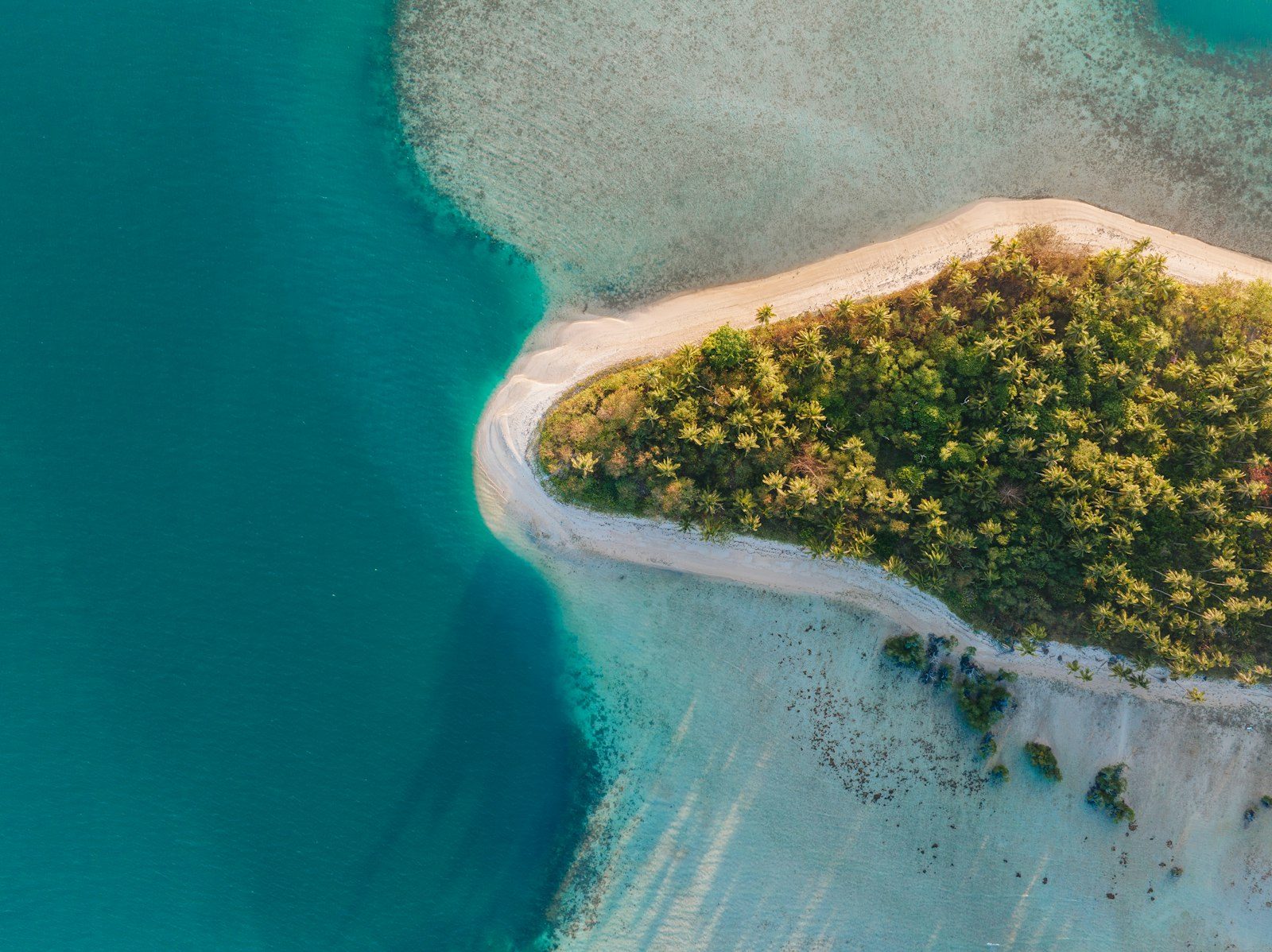
Bali wins on variety. A single week here can fit a volcano at sunrise, rice terraces, waterfalls, temples and an evening surf. The beaches vary: the south with its ocean swell for the board, calmer bays in the east.
An honest downside: the ocean around Bali has currents, and not every beach is suitable for children or calm swimming. One more small thing: the roads are overloaded, and ten kilometers on the map can easily turn into an hour stuck in traffic. Take accommodation in the area you're planning your day around.
Zanzibar: a beach with Africa on your doorstep
Zanzibar is a compromise for those who want both white sand and a sense of the exotic. Stone Town with its narrow lanes, the spice market, dhow boats at sunset. Nearby, on mainland Tanzania, are safaris and Kilimanjaro, so a trip is easy to build as "safari plus beach."
There's an important detail about the tides here. On the east coast the difference in water level is huge, and at certain hours there's almost no sea by the shore, so people swim on the tide's schedule. If you want water without pauses, look to the north of the island, the Nungwi and Kendwa area, where you can swim almost regardless of the tide.
Phuket: when budget and movement matter
Phuket is the easiest way into beach Asia. A direct or convenient connecting flight, a hotel for any wallet, English in the tourist areas, and heaps of things nearby: Phi Phi, James Bond Island, the Similan Islands. Ideal when you want both to lie around and to explore the surroundings.
An honest downside: popular beaches like Patong are noisy, with bars and crowds. There's quiet here too, but you have to seek it out on the northern and southern beaches. And remember the monsoon from May to October: in those months some beaches raise red flags because of strong currents, and swimming there is dangerous.
Crete: the sea that doesn't require a long-haul flight
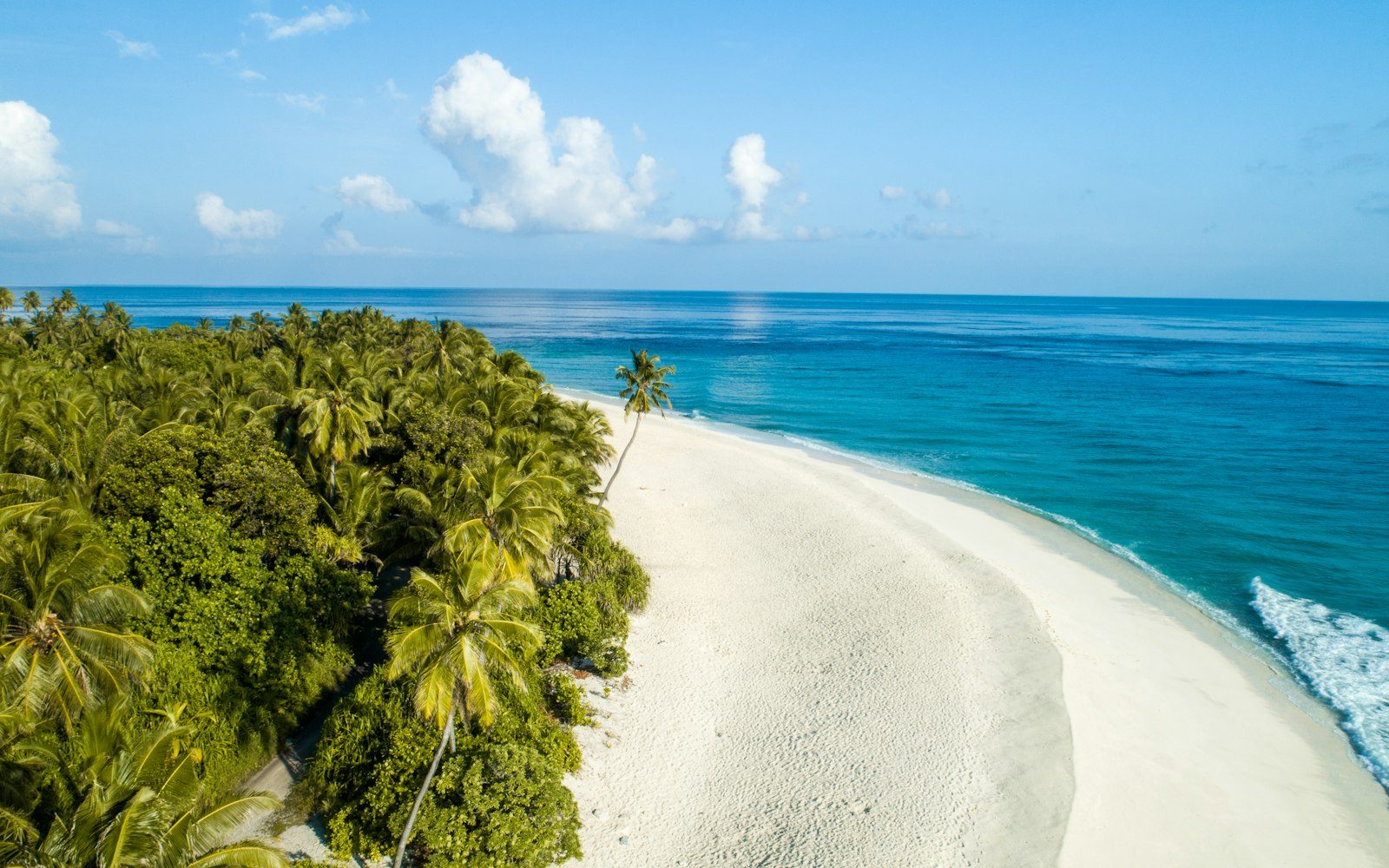
Crete beats the competition on logistics. It's a few hours' flight, familiar Europe, the water of the Mediterranean, and close by are Minoan palaces, gorges for trekking, and Cretan cuisine, considered one of the healthiest in the world. It's one of the few islands in this roundup where the beach is only part of the trip, not the whole of it.
Crete's weak spot is July and August. At the peak the heat turns exhausting, prices soar, and popular bays like Balos or Elafonisi are packed with people from early morning. It's smarter to go in May-June or September-October: the water is already (or still) warm, and there are noticeably fewer tourists.
Where to start choosing
If you're flying to an island for the first time and the main thing for you is swimming without surprises, take Crete or Phuket in high season: predictable, convenient, flexible on money. If you want a wow picture and quiet time for two and you're ready to pay for it, that's the Maldives. If you want something to occupy your mind beyond the beach, look at Bali or Zanzibar, just build their quirks into the plan: currents and traffic on Bali, the tide schedule on Zanzibar.
And one last tip that saves the most nerves: check the visa and the season first, then fall in love with the photos. The most beautiful islands for a holiday are the ones that will let you in and where it doesn't pour on your dates.