

Manta rays glide by, wings pulsing, through the swift currents of the Flores Sea. Komodo dragons, the largest lizards on Earth, lurk in the thorny forests of Komodo and Rinca. A peach-colored dawn lights up the jagged shores and the slender ridge of Padar Island.
For anyone who has visited Komodo National Park, a scattering of volcanically upthrust islands and coral reefs off the coast of the Indonesian island of Flores, its status as a UNESCO World Heritage Site comes as no surprise.
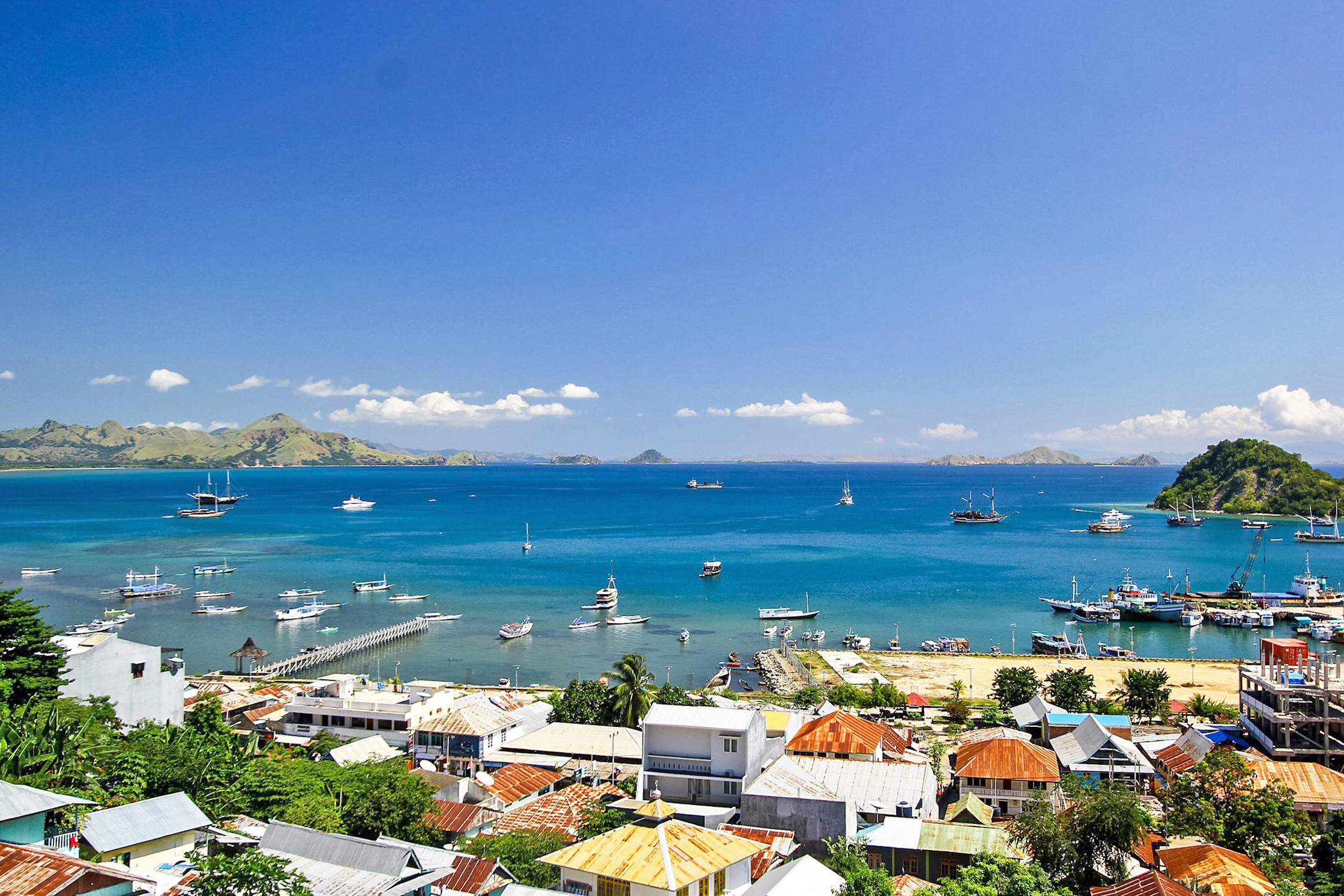
Labuan Bajo, a lively port town on the northwestern tip of Flores, is best known as the launch point for Komodo National Park. This is where travelers will find Komodo Airport, which opened a new, modern terminal in 2015.
Partner links: booking through them supports the blog at no extra cost to you.
In 2022, it hosted a gathering of G20 world leaders, and in 2023 it welcomed the ASEAN summit. The region, most closely associated with liveaboard dive boats and slow cruises aboard phinisi sailing vessels, keeps growing on the eve of global attention.
Here's a look at what travelers heading to Labuan Bajo and beyond can experience once the country reopens to international tourism.
Labuan Bajo: More Than a Port
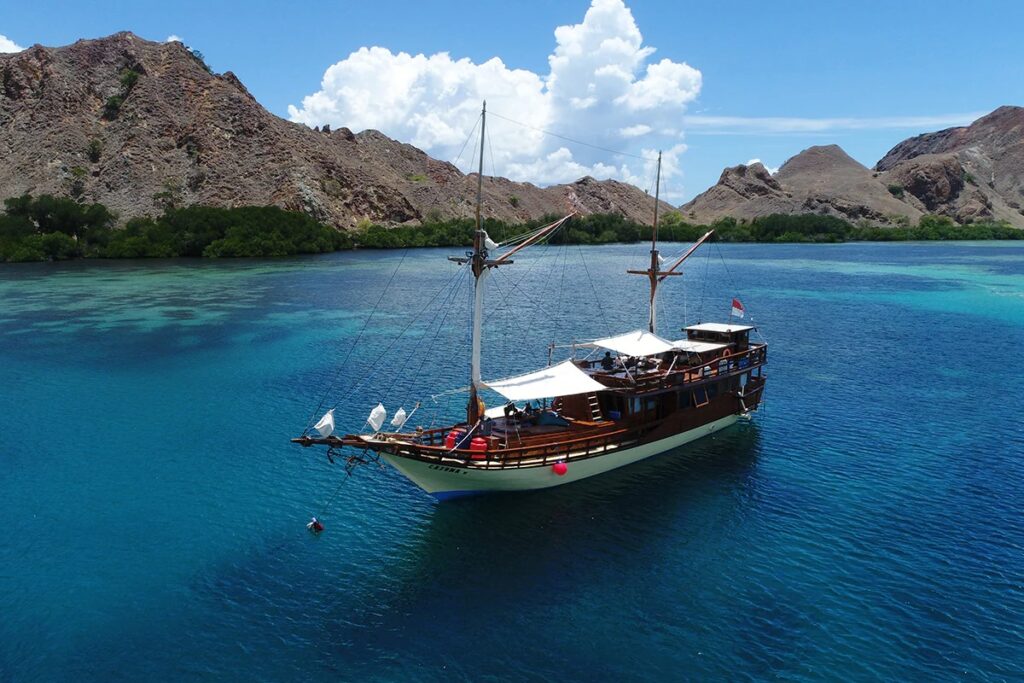
The name "Labuan Bajo" means "the place where the sea gypsies stop," but this town is far more than a stopover for booking a cruise or stocking up on pearls and abalone shells.
Labuan Bajo offers accommodation for every budget, from private island bungalows on the beach to branded seafront hotels, homestays and boutique properties, with construction on many new hotels set to begin in the run-up to 2022.
Even though seafood feasts and a handful of beach clubs await along the shore, the town's main attractions are natural, says Sebastianus Pandang, head of the local branch of the Indonesian Tourist Guide Association.
"When I run city tours, I take travelers to Bukit Cinta, Batu Cermin, Gua Rangko and Cunca Wulang," he says.
In the middle of the day, when light filters through the hillside entrance and illuminates the turquoise waters below, Gua Rangko, a sea cave reachable by boat near Labuan Bajo, looks every bit as stunning as the famous Blue Grotto on Capri.
Meanwhile, roughly an hour's drive from Labuan Bajo, the cascades and natural water slides of Cunca Wulang make for a photogenic outing for adults and children alike.
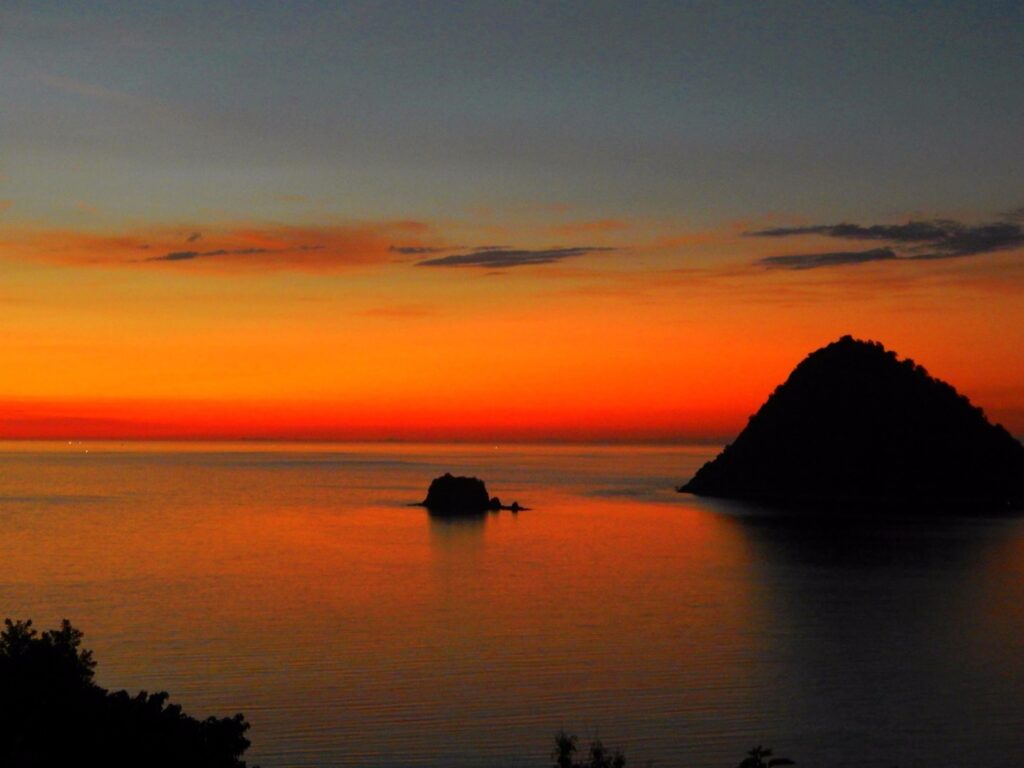
Bukit Cinta offers island views at sunset, while at Batu Cermin cave, just a 15-minute drive from town, you can watch glistening walls reflect the sunlight.
The Far Reaches of Flores
Travelers with time to spare should venture out onto Flores. This long, slender island, more than twice the size of Bali, is a place where rich tribal cultures sit alongside lush volcanic landscapes.
The conical thatched huts of the tribal village of Wae Rebo, rising into the sky, can only be reached on foot. In Luba and Bena, an ancient matrilineal culture endures among megalithic tombs and the skulls of sacrificed buffalo.
Traditional rituals and sports such as whip fighting live on in the island's lush green highlands, where women still weave ikat cloth and Flores coffee thrives.
Farther east beckons the Kelimutu volcano, its summit crowned by three striking crater lakes that shimmer like splashes of oil paint in vivid mineral hues, shifting according to the composition of the water.
Every August, the local Lio people descend to the lakeshore to leave offerings for their ancestors and honor them with dance.
Komodo Island: Here Be Dragons
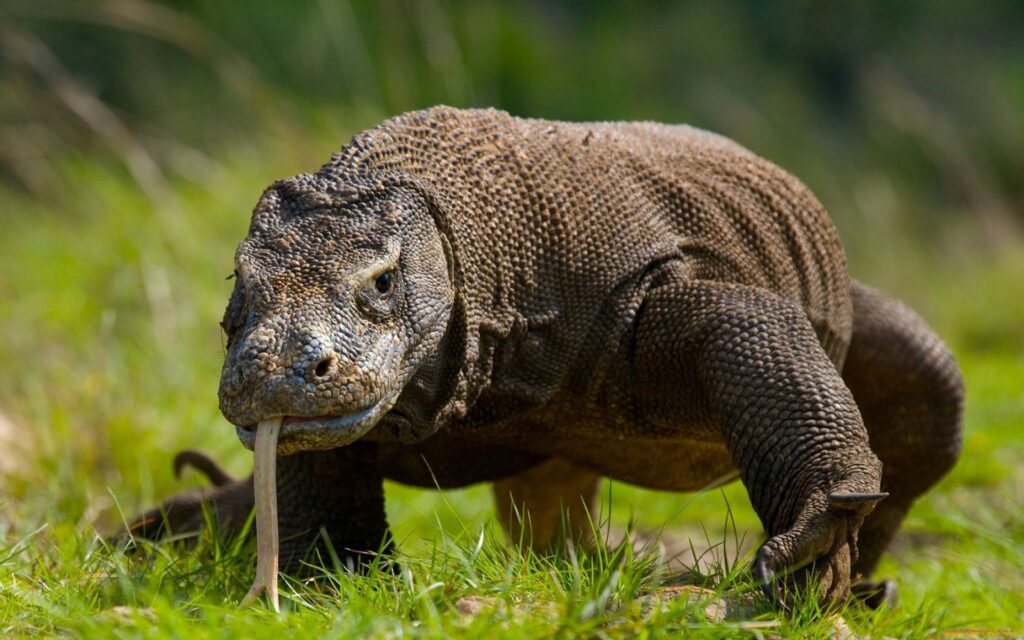
Komodo Island lies about two hours by boat from Labuan Bajo. Its most popular draw is a large population of Komodo dragons.
"According to local legend, we believe the Komodo dragon is born together with humans, from the same mother," says Ishak, a national park ranger stationed on Komodo Island who, like many Indonesians, goes by a single name.
For centuries, the people of Komodo and the neighboring island of Rinca, home to most of the park's 5,000 lizards, have struck a balance with these scaly predators, though they usually graze their goats on islands the dragons cannot reach.
Despite their sunken cheeks and languid manner, Komodo dragons are formidable predators. Males can grow up to three meters long (nearly 10 feet) and take down prey the size of a buffalo with their powerful jaws and potent venom.
Even so, rangers guide visitors into their hunting grounds armed only with a forked staff, which they use as a last resort to pin down the lizards' tails.
"The dragons haven't attacked anyone in more than two years," Ishak explains. "And that was a Singaporean tourist who went off on a walk without a ranger."
Tours on Komodo Island can vary widely, from short strolls around the nearby buildings, where lazy lizards linger in search of food, to half-day hikes through the surrounding forests, where their more active relatives hunt deer, wild boar and other animals amid the cries of rare birds.
The Heart of the Coral Triangle
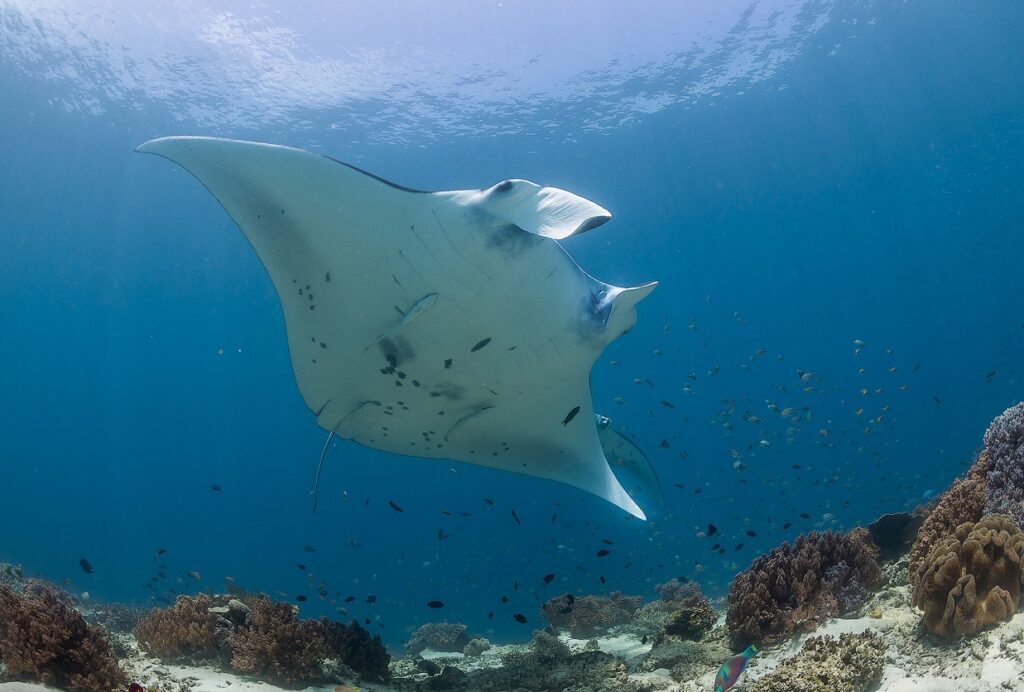
Diving enthusiasts have long prized Komodo National Park as one of Indonesia's premier dive destinations. It sits at the very heart of the Coral Triangle, the global epicenter of marine biodiversity, and is washed by turbulent currents that seed lush corals and attract the ocean's giants, from sharks to mantas and even dolphins.
Dive boats pull up to spots like Batu Bolong, an ocean pinnacle so teeming with life that you might spot a turtle on one side of you and a reef shark on the other, and Manta Alley, where giant rays, some reaching five meters across, gather to feast on plankton.
You don't have to be a certified diver, though, to sample Komodo's underwater delights. One-night, two-night and even day cruises let snorkelers discover pristine coral gardens like those at Manjarite or Pink Rock, or drift along a reef on swift currents such as Karang Makassar.
Snorkelers can set out in search of manta rays at spots like Manta Point, where the creatures hover over coral outcrops so small fish can clean them, or go looking for sea turtles grazing on Komodo's seagrass.
Island Hopping
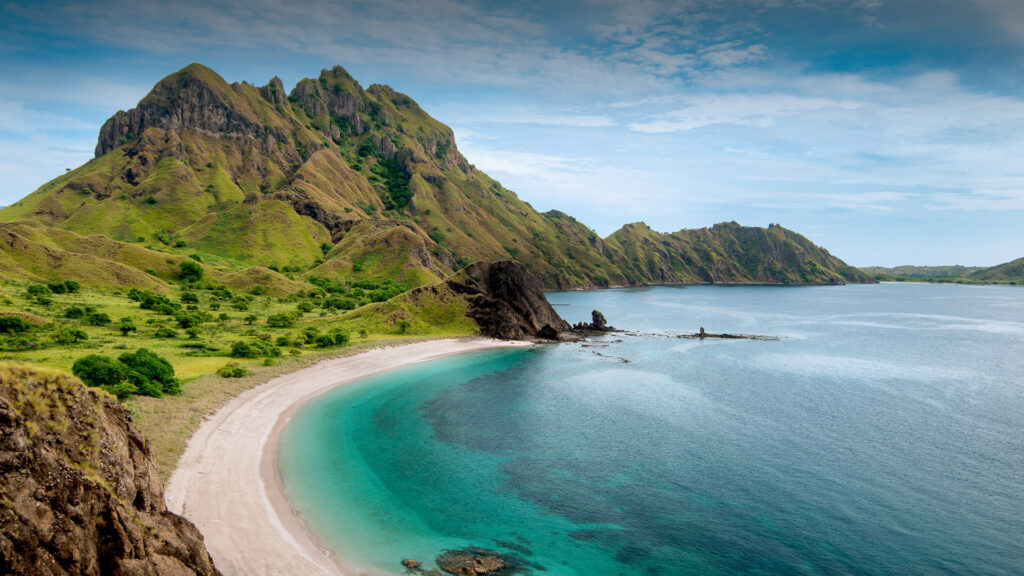
Island hopping is one of the great pleasures of any trip to Komodo National Park.
Padar, the park's third-largest island after Komodo and Rinca, offers spectacular sunrise views of sculpted ridges and winding bays from its narrow spine, reached by climbing hundreds of steps.
From Kelor Island, a tiny cone with a beautiful white-sand beach, you get a 360-degree view of volcanic outcrops jutting into the Flores Sea.
Karang Makassar, a low-lying white-sand atoll ringed by pale turquoise waters, is also perfect for the ideal selfie.
Then there's Pink Rock, a volcanic outcrop that offers a surreal backdrop of pink stone tinted orange and yellow and streaked with veins of iron ore.
But even more than its white sands, Komodo National Park is famous for its pink beaches. Bright red fragments of coral tint the pale sand along the shores of several islands, creating a natural rainbow of beige, pink and turquoise.
At sunset, many overnight boats drop anchor near Kalong Island, a place of mangrove forests populated by flying foxes. At dusk, the island's bats set out for Komodo, Rinca and even Flores in search of fruit, a dramatic close to an unforgettable day.