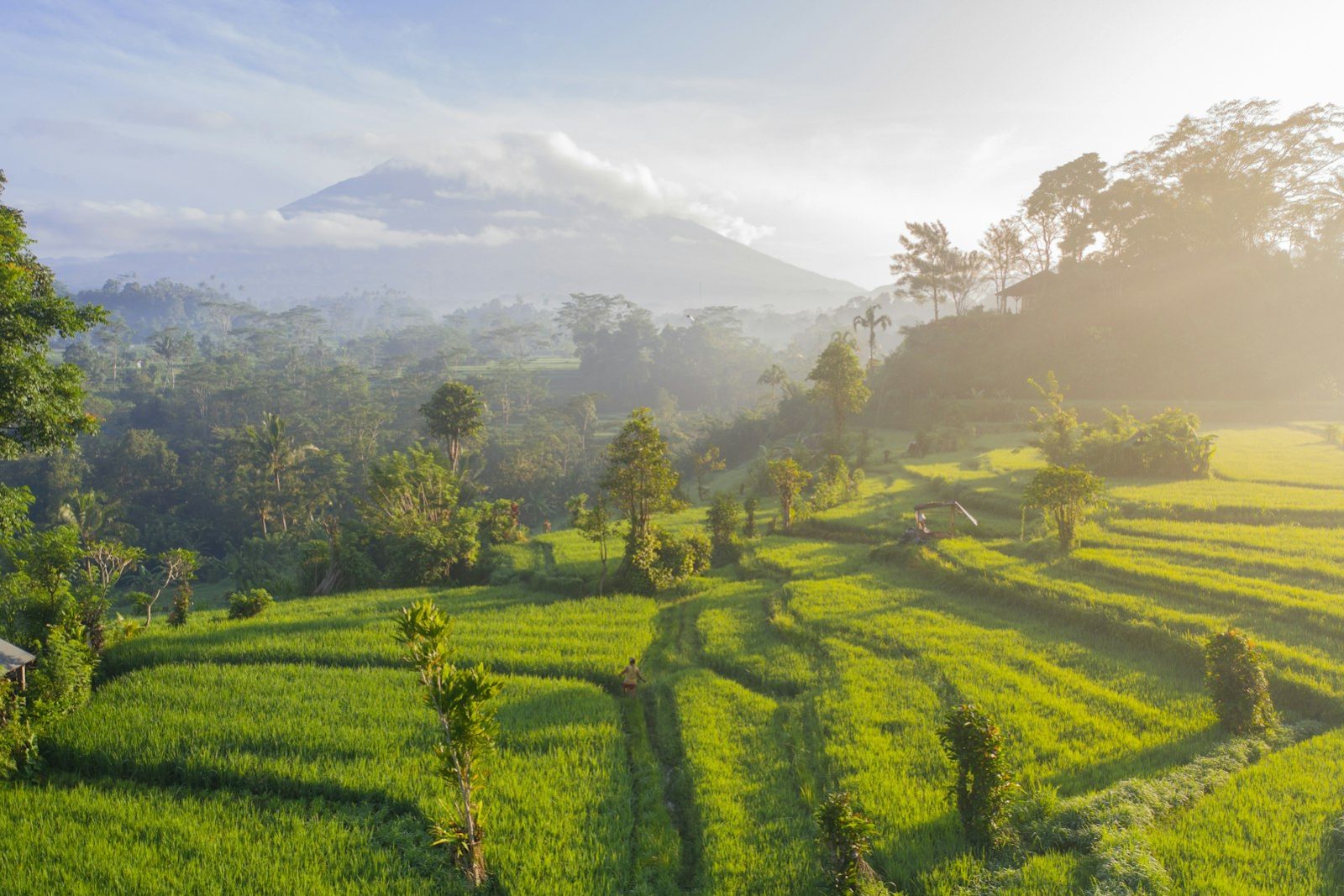


The short answer: the best time to visit Bali is the dry season, roughly May through September. That's when the island delivers exactly what people fly to the other side of the planet for: steady swells for surfing, clean water, next to no rain and sunshine most of the day. But "dry season" and "smart time to travel" aren't always the same thing, and that's precisely where half of all Bali plans come unstuck.
Bali runs on two seasons, with none of the spring and autumn we're used to. The dry season holds roughly from May to October; the wet (monsoon) season from November to April. Air temperature barely shifts all year, staying in the 26-32 °C range, so choosing a month isn't about "warm or cold", it's about rain, wind, crowds and waves.
Dry versus wet season: the real difference
The difference isn't in the degrees, it's in the humidity and the wind. During the dry season a southeasterly trade wind sits over the island: the air is drier, humidity drops to around 80 %, and rain is short and rare. The driest month is August (about 15-20 mm of rainfall over the entire month). In the wet season the wind flips, the monsoon arrives from the northwest, and the wettest month, January, gathers around 350 mm, many times more.
Partner links: booking through them supports the blog at no extra cost to you.
An important correction to the "rain equals a ruined holiday" stereotype. The Bali monsoon rarely pours around the clock. More often it's a heavy downpour lasting an hour or two, usually in the afternoon or at night, after which the sun comes back out. The trouble with the wet season isn't so much the rain as the humidity, the murkier water off the western beaches, and the higher chance that a day on a volcano or the rice terraces gets swallowed by cloud.
| Months | Weather and sea | Crowds and prices | Who it suits |
|---|---|---|---|
| May, June | Dry, clean sea, swells building strength | Moderate flow, prices not yet at their peak | Surfers, and anyone wanting a balance of weather and calm |
| July, August | Driest and coolest, ideal waves | Peak: lodging 30-100 % pricier, queues at the spots | Those for whom the dates matter more than the cost |
| September | Still dry, warm sea, swells still working | Traffic eases, prices drift back toward normal | The best compromise for most people |
| October | Transition, first rains, still plenty of sun | Low season kicks in, good value | Budget travelers who'll accept the risk of rain |
| November to April | Monsoon, afternoon downpours, humid air | Cheapest (bar the Christmas and New Year peak) | Those chasing the eastern spots, spa and price |
Late December and early January stand apart. Technically it's the low wet season, but the holidays push the island's prices and occupancy up to summer levels, so don't count on a cheap Bali over the New Year break.
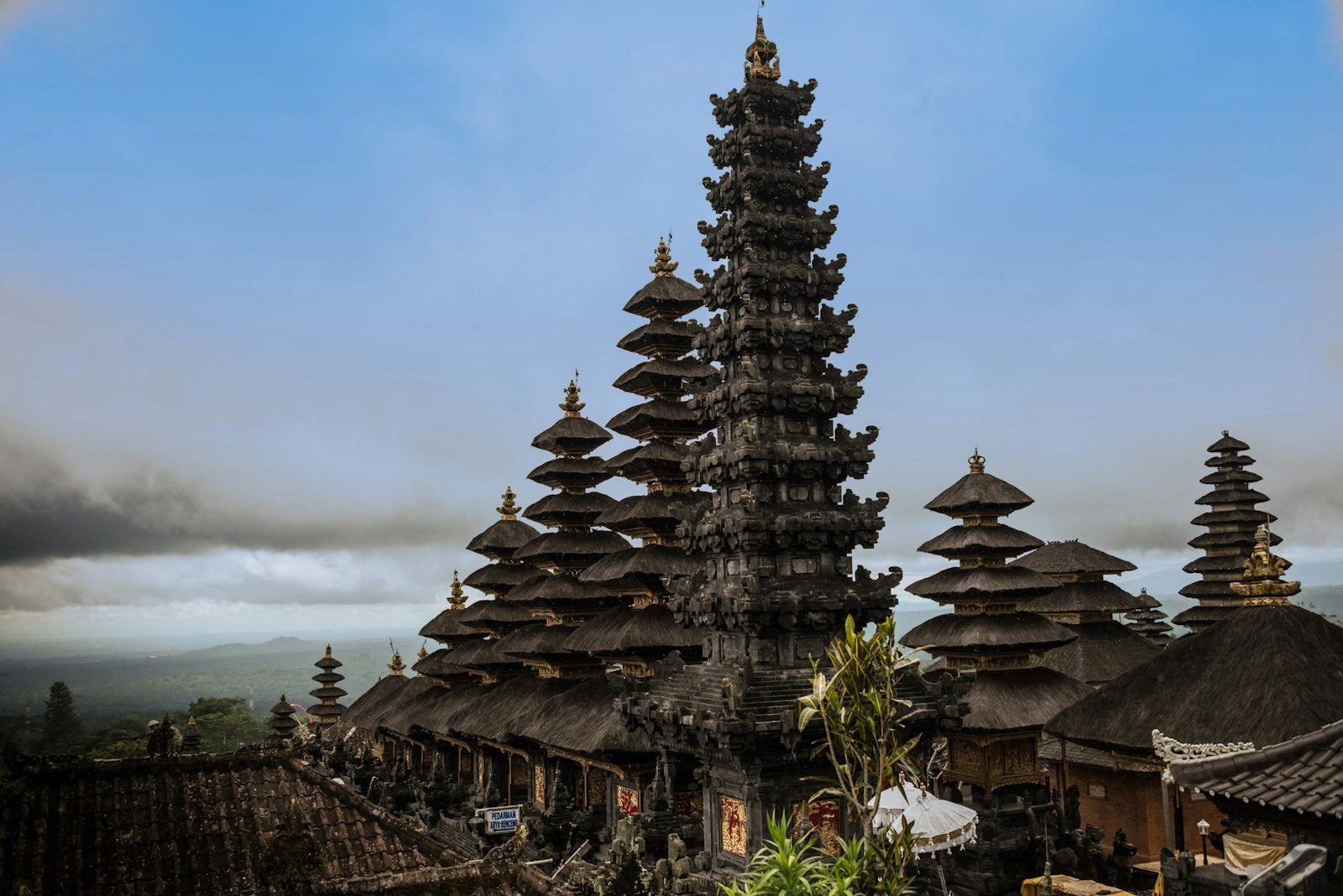
When to visit Bali for the surf?
For surfing, the answer to when is the best time to visit Bali is more specific than it is for an ordinary beach break: May through September, peaking in July and August. In those months the southeasterly wind blows off the shore (offshore) along the western coast and "grooms" the waves into clean, even walls. On top of that, that's exactly when powerful swells from the southern ocean reach Bali.
The key detail worth grasping before you buy your tickets: people surf Bali all year round, just in different places. The season decides not "waves or no waves" but on which coast they're clean. In the dry season the western shore works (the Bukit Peninsula, Canggu); in the wet season the east takes over the baton (Keramas, Nusa Dua, Sanur), because the wind swings around and turns offshore for that side instead.
| Spot | Season | Level | Why it's prized |
|---|---|---|---|
| Uluwatu | Dry (May-Sep) | Advanced | Legendary reef, long lefts, a powerful wave |
| Padang Padang | Dry | Advanced | A perfect barrel on a big swell |
| Bingin, Impossibles | Dry | Intermediate | Fast reef waves without Uluwatu's edge |
| Canggu, Echo Beach | Dry | Intermediate | A handy base with surf schools and cafes |
| Kuta, Dreamland | Dry | Beginner | Sandy bottom, softer waves for learning |
| Keramas | Wet (Nov-Mar) | Intermediate, advanced | A powerful right, glassy morning sessions |
| Nusa Dua, Sanur | Wet | Intermediate, beginner | Calmer reefs when the west is "flat" |
If you're still learning, the peak of the swell will get in your way more than help. A beginner is more comfortable in May and June or in September, when the waves on the beaches of Kuta and Canggu are more even and the lineup isn't packed with seasoned surfers. The big July and August swell is a spectacle and a challenge better suited to those who already stand confidently on a board.
Why July and August are the most divisive choice
Here's the paradox of the season: the months with the best weather and the best waves are, at the same time, the worst for comfort and cost. July and August are the European holidays, the Australian winter and the peak of Bali's occupancy all at once.
In practice that means several noticeable things. Lodging gets 30-100 % pricier than in the shoulder season. Popular spots and beaches are packed by mid-morning. Roads in the south (Canggu, Seminyak, Uluwatu) sit in gridlock, and ten kilometers on a scooter can easily turn into an hour. Tables at the trendy warungs and beach clubs have to be booked well in advance.

That's no reason to cross July and August off the list. If you're tied to school holidays or want to catch the island at its peak, go, just budget more and book your lodging months ahead. But if your dates are flexible, May, June and September will give you almost the same weather for noticeably less money and hassle.
The wet season is underrated, and unfairly so
The advice "never go in the rainy season" is far too sweeping. The wet season has its own arguments, and for some travelers it's actually better than the peak.
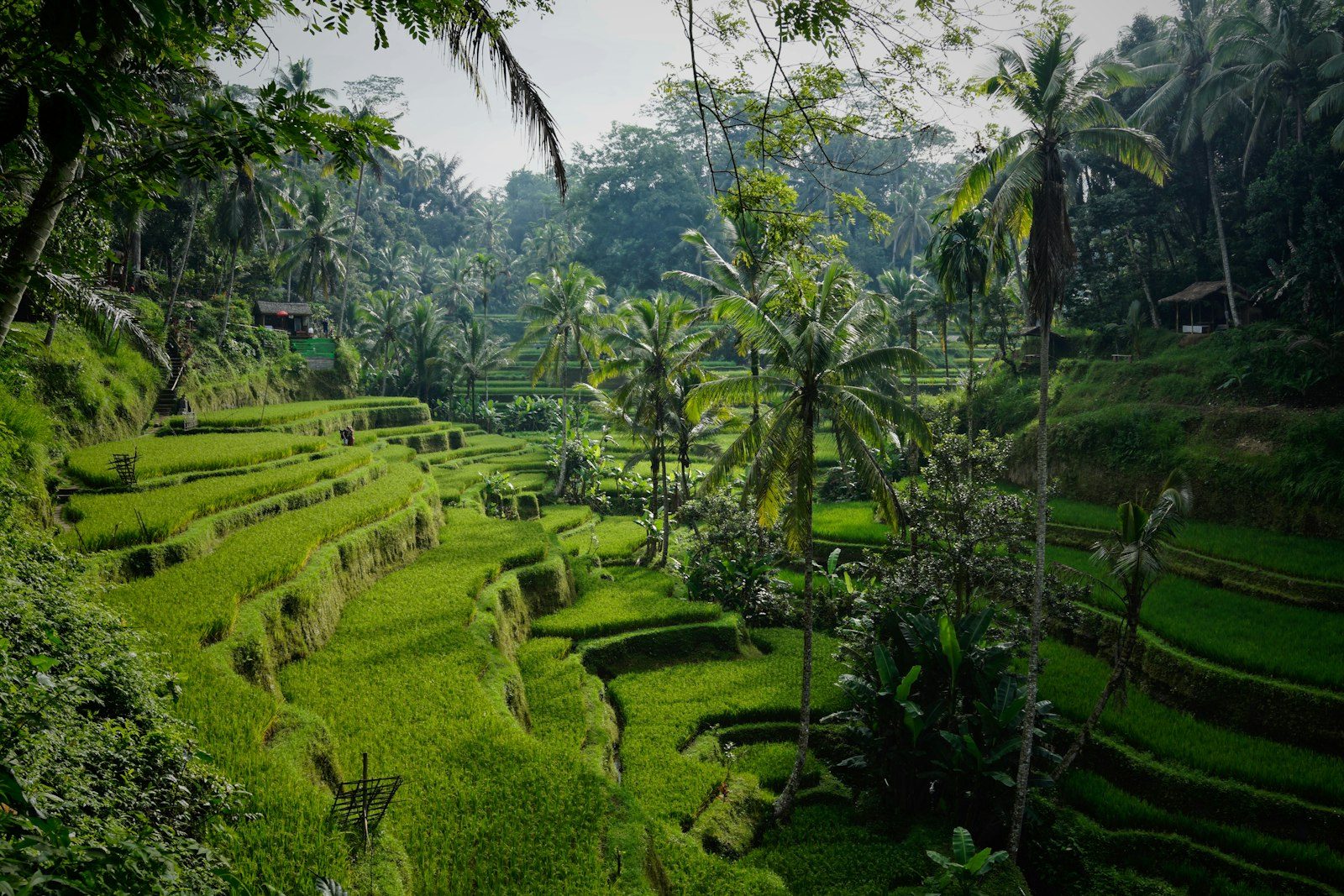
First, the price. Lodging that costs the earth in August can be had for noticeably less in February, and the island breathes more freely without the crowds. Second, nature. The rice terraces of Ubud and Jatiluwih are lush green in the wet season, the waterfalls run full, and everything around is vivid rather than sun-scorched. Third, the surfing doesn't go anywhere: the eastern spots work in these months, and the lineup there is far less crowded.
Let's name the honest downside too. The sea off the western beaches is murkier in the rainy season, the ocean sometimes washes up rubbish, and plans for sunrise over Mount Batur are easily wrecked by cloud cover. This is the season of compromise: you trade the guarantee of perfect weather for a lower price and a freer island.
What entry itself costs: the visa and the tourist levy
For a tourist trip to Bali, Ukrainian citizens need a visa, but it's simple to arrange. A Visa on Arrival works, or its electronic version, the e-VOA, which is convenient to sort out online ahead of time on Indonesia's official immigration portal (evisa.imigrasi.go.id). As of 2026 the fee runs about 500,000 Indonesian rupiah (roughly 30-35 US dollars), and the permitted stay is 30 days, with the option of a single 30-day extension at a local immigration office. Your passport must be valid for at least 6 months from the date of entry. Double-check the exact terms and price before you travel on the official portal, since the rules are updated from time to time.
The second mandatory payment that people often forget: the Bali Tourist Levy. It's a one-off of about 150,000 rupiah (around 10 dollars) per foreigner for entry to the island, regardless of how long you stay. It's best paid in advance online through the official Love Bali portal, saving the QR code. Neither payment, the visa nor the levy, depends on the season, but it's worth building both into your budget from the start so you don't get a surprise at Denpasar airport.
So when should you, specifically, go
Let's break it down by interest, with no one-size-fits-all answer.
- First-timer who wants guaranteed sun: aim for May, June or September. Dry-season weather, but without the July and August crowds and prices.
- Intermediate or advanced surfer: July and August on the western coast, when the swells are at their most powerful. Be ready to share the lineup with the whole world.
- Still learning to surf: May and June or September on the beaches of Kuta and Canggu, when the waves are more even and there are fewer people.
- Budget and quiet come first: the wet season (bar the New Year peak), with discounts on lodging, green landscapes and surfing in the east.
Bali doesn't have one correct month. There's a month for your request: for the perfect wave, for a thinner wallet, or for the wish to see the island without the queues. Decide which of these matters most to you, and the date will become obvious on its own.